
Cold floors have a way of making a comfortable home feel less welcoming. The right moccasin slippers solve that problem without turning your feet into overheated, sweaty bundles. For most American homes, the L.L.Bean Wicked Good Moccasins stand out as the strongest all-around choice because they pair a warm shearling interior with a traditional shape that stays secure around the heel. UGG Ascot works better for men who want a cleaner, shoe-like appearance, while Minnetonka’s Sheepskin Hardsole model makes more sense for quick trips outside.
The best pair depends on how you live. A home office in Boston asks for more insulation than a tiled kitchen in Phoenix. A man who walks to the mailbox needs a firmer outsole than someone who stays on carpet. That practical approach also shapes the product guidance published through independent digital media resources, where useful recommendations matter more than repeating popular brand names.
Comfort is not only about softness. Fit, lining density, heel hold, floor grip, and heat control decide whether a pair becomes part of your daily routine or disappears into a closet after one week.
The Men’s Indoor Picks That Earn Their Place
A crowded slipper market makes almost every pair sound warm, durable, and supportive. Those words mean little without context. A dense lining can flatten quickly. A thick sole may feel stable but clumsy on stairs. Even expensive footwear can become irritating when the opening rubs the ankle or the heel slips with each step.
The strongest options are not identical. Each one works for a different home, climate, and routine.
L.L.Bean Wicked Good Is the Strongest All-Around Choice
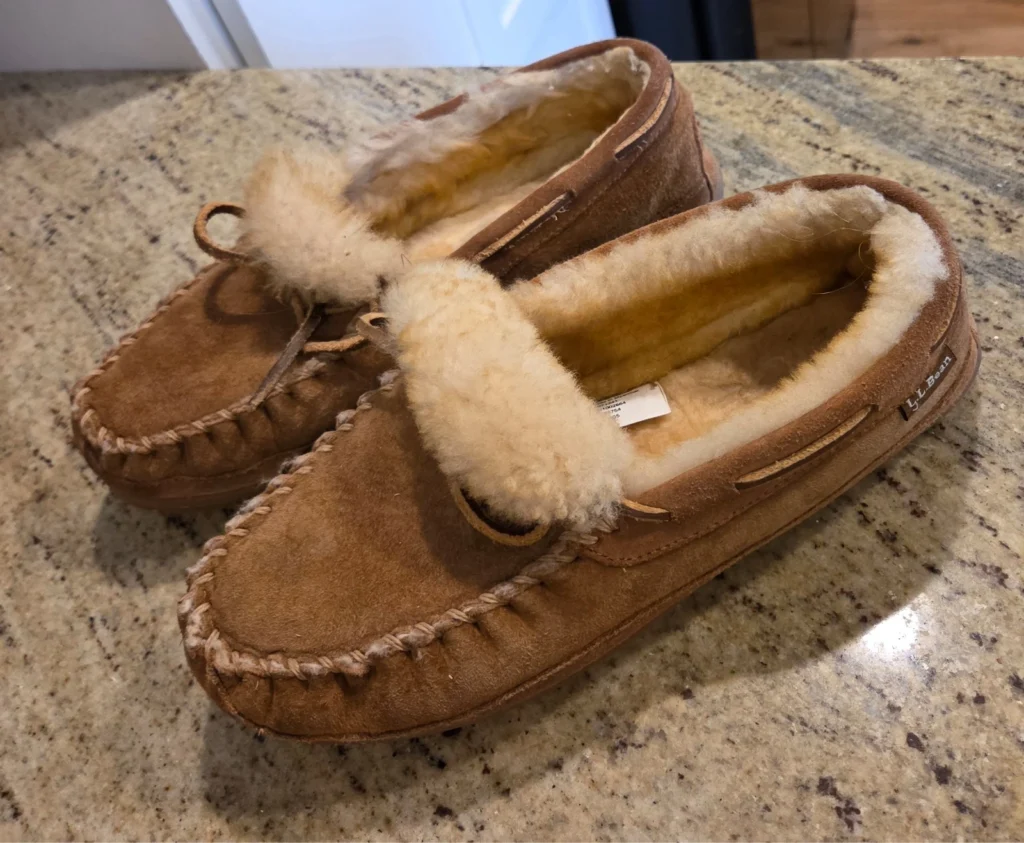
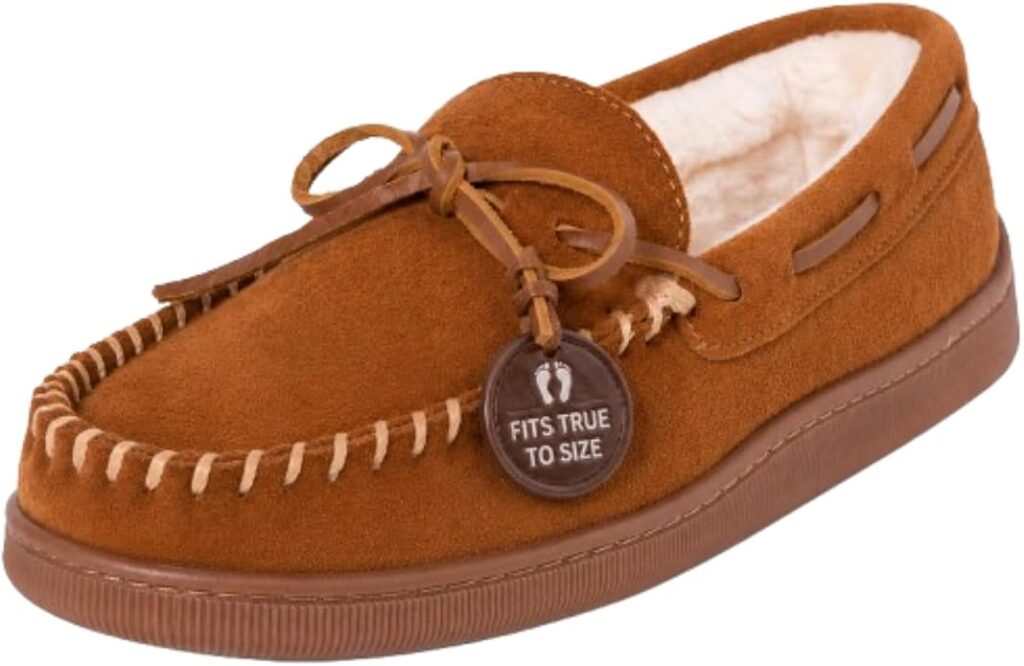
L.L.Bean’s Wicked Good Moccasins make sense for men who want deep winter warmth without a bulky boot shape. The suede exterior feels traditional, while the shearling interior surrounds the foot instead of placing soft material only beneath it. L.L.Bean also uses hand-stitched construction and advises men who wear half sizes to order upward.
That combination matters in colder parts of the country. Consider a homeowner in upstate New York who starts the morning on hardwood, works several hours at a desk, then walks through an unheated mudroom. Thin foam footwear may feel pleasant for ten minutes, yet it often loses warmth once the floor pulls heat away from the sole. Dense natural lining creates a steadier pocket of warmth.
The surprising advantage is not softness. It is temperature control. Natural wool fibers tend to handle changing conditions better than thick synthetic pile, so the interior can feel warm without becoming sticky as quickly. Men who usually remove plush footwear after an hour may find this style easier to keep on.
There is a tradeoff. The footbed feels soft rather than firm, and men who need marked arch structure may want a more supportive house shoe. These are comfort-first footwear, not indoor walking trainers. The heel also needs to fit closely. A loose pair can fold at the back and lose its shape sooner.
For cold-weather homes, this is still the safest starting point. The design does not chase trends, and the warmth reaches the sides and top of the foot instead of sitting in one padded layer.
UGG, Minnetonka, SOREL, and Lands’ End Fill Different Needs
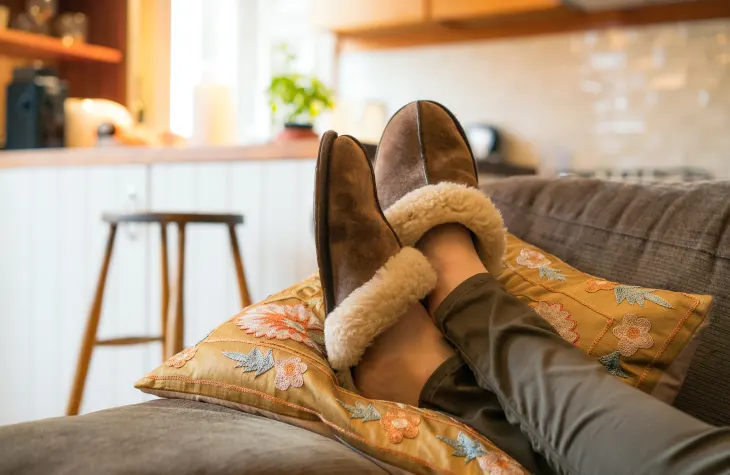
UGG Ascot is the polished choice. Its low-profile shape looks closer to a casual suede loafer than bedtime footwear, which helps when you answer the door, host family, or step onto the porch. Current versions pair a suede upper with wool-blend lining, a foam footbed, and a rubber or TPE outsole. UGG also offers standard and wide options in parts of its U.S. size range.
Minnetonka’s Sheepskin Hardsole model is more relaxed and more outdoors-oriented. The brand describes a breathable sheepskin lining, water-resistant suede, rawhide laces, and a firm sole suited to indoor and outdoor movement. That makes it a strong fit for a suburban routine: coffee in the kitchen, trash bins at the side of the house, then a few minutes on the back deck.
SOREL Manawan III moves farther toward shoe territory. It uses a suede upper, faux-fur interior, EVA footbed, and molded rubber outsole. The thicker build feels useful on chilly concrete or unfinished basement floors. It may feel excessive in a warm apartment with thick carpet.
Lands’ End offers a practical middle ground for shoppers watching cost. Its fuzzy-lined lace-up design combines suede with faux-shearling cushioning, while other versions come in medium and wide sizing. These models may not have the same dense natural lining as premium pairs, but they suit occasional wear and milder winters.
The non-obvious lesson is that the most expensive pair is not automatically the most comfortable. A heavy outsole can tire your feet during a full day at home. A thick wool interior can run hot in Southern states. Match the construction to the room, not the reputation on the label.
How to Choose Moccasin Slippers for Your Home
A useful buying decision starts with your floor. Hardwood, laminate, polished concrete, carpet, and ceramic tile create different demands. Then consider how long you wear indoor footwear at one time. Ten minutes before bed calls for less structure than eight hours at a standing desk.
Many buyers focus on lining because warmth is easy to understand. Yet heel shape and sole behavior often decide long-term comfort. A soft interior can hide poor fit during the first few days, then flatten and expose the problem.
Choose the Lining by Climate, Not Appearance
Shearling-lined slippers work well when your home stays cool for much of the year. Genuine sheepskin surrounds the foot with crimped fibers that hold warmth while allowing some moisture to move away from the skin. Synthetic fleece often feels warmer during the first minute because the fibers are thick and fluffy, though some versions hold more heat after extended wear.
That difference becomes clear across U.S. climates. A man living near Minneapolis may wear lined footwear from October into April. He needs insulation that keeps working during long mornings on cold flooring. Someone in coastal South Carolina may need warmth only before sunrise or during brief winter cold snaps. A lighter flannel or low-pile interior can feel better there.
Do not judge lining by how tall the fibers look in a product photo. Dense, shorter material may retain its shape longer than a loose, cloud-like pile. Press the footbed with your thumb when shopping in person. A lining that rebounds slowly often gives a better sense of lasting cushioning than one that collapses at once.
Men’s house slippers also change after a week of wear. Natural fibers compress around the heel and ball of the foot, creating more room. Buying a loose pair because it feels relaxed in the store can lead to sliding later. A close fit is usually better, provided your toes are not bent or squeezed.
Men with warm feet should not assume that a thin lining is the only answer. A breathable natural interior can feel less damp than heavy synthetic fleece, even when it looks thicker. Warmth and overheating are not the same problem.
Look Beyond Soft Foam When You Need Support
Softness creates a strong first impression because your heel sinks into the footbed. That sensation can fade after repeated use. Foam compresses most beneath the heel and forefoot, sometimes leaving the center of the foot with little shape. A flat, packed-down interior may still look fine from above.
Men who stand while cooking, work from home, or walk across hard flooring need more than a pillow underfoot. Look for a footbed with moderate resistance and a sole that bends near the forefoot rather than folding through the middle. The American Podiatric Medical Association’s footwear guidance also stresses choosing footwear around fit and support rather than relying on size alone.
A simple home test helps. Hold one end in each hand and twist gently. A pair that turns like a washcloth offers little structure. Some flexibility is useful, but the center should resist excessive movement. Then press the heel wall. It should keep enough shape to guide the back of your foot.
This does not mean firmer is always better. Thick rubber can make indoor footwear noisy and awkward. You may notice the extra weight while climbing stairs or getting up during the night. The goal is controlled flexibility, not work-boot stiffness.
A removable footbed can help men who use inserts, though many traditional designs do not include one. Check interior depth before adding an insert. Raising the foot too high can cause heel slip and pressure around the opening.
For more help comparing shape, cushioning, and floor contact, review this guide to choosing supportive indoor footwear. The most comfortable option should match how your foot moves through the house, not how soft the product feels in your hand.
Match Warmth and Sole Design to Your Daily Routine
Your schedule reveals more than a product label. Some men wear indoor footwear only after a shower. Others put it on before breakfast and keep it there until bedtime. A retiree moving between the kitchen, garage, and porch asks more from a sole than an apartment resident who spends most of the day on carpet.
Small habits matter. Do you step outside to bring in packages? Do you walk through a damp laundry room? Do you remove shoes before putting your feet on the couch? Those details separate a good purchase from an annoying one.
Indoor-Outdoor Slippers Need Grip Without Excess Weight
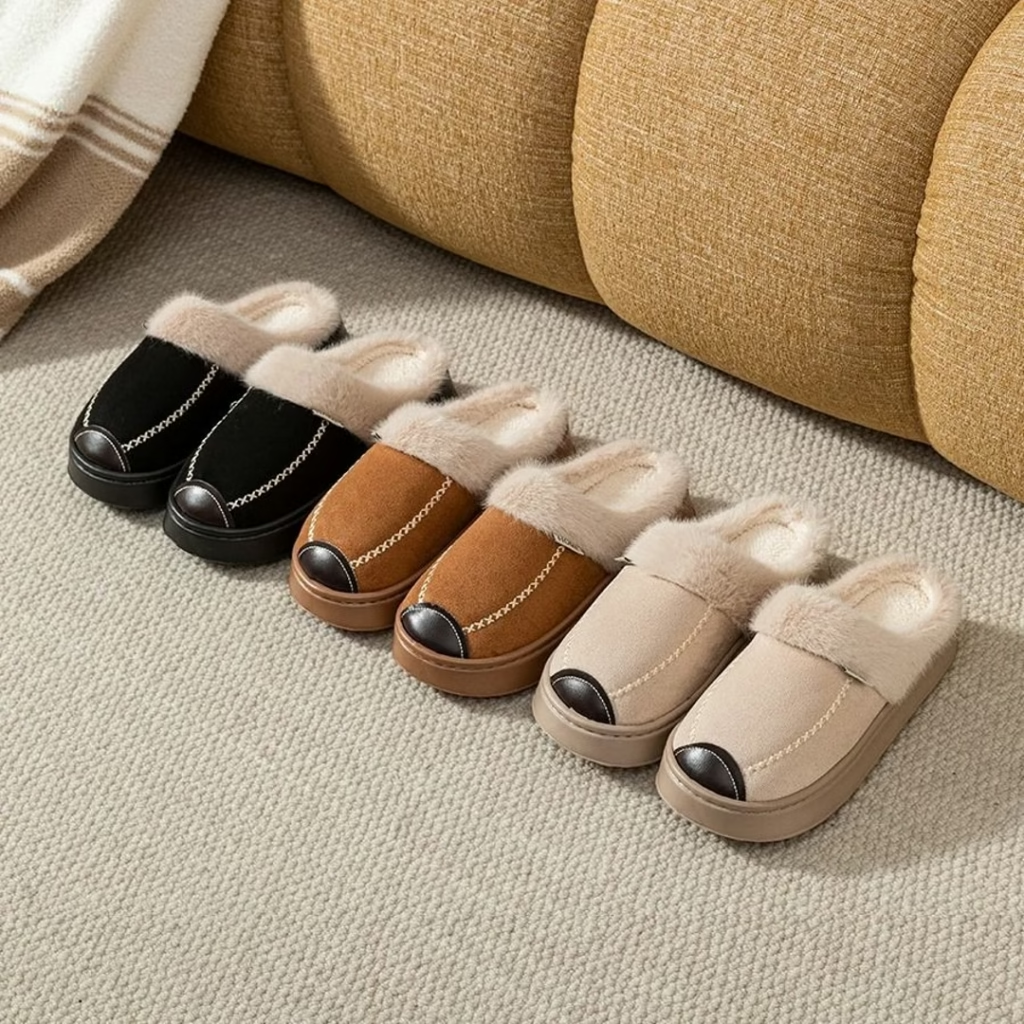
Indoor-outdoor slippers should handle brief contact with sidewalks, decks, garages, and driveways. A molded rubber outsole usually manages those surfaces better than soft suede or fabric. It also creates a barrier between your foot and cold concrete.
The mistake is treating an outdoor-capable pair like a normal shoe. Even a thick outsole does not turn soft suede into rain footwear. Water can stain the upper, dampen the lining, and change the shape as it dries. Use these pairs for the mailbox, the dog’s quick morning break, or a dry walk to the trash bin. Choose weather shoes for longer errands.
Minnetonka’s hardsole design fits this role because it pairs a traditional upper with a sturdier base. UGG Ascot offers a cleaner profile for similar short trips. SOREL’s Manawan III provides more separation from rough ground because of its EVA footbed and molded outsole.
Think about traction inside as well. Smooth tile near a kitchen sink can become slick after a small spill. Narrow stair treads also punish loose footwear. Examine the tread pattern rather than trusting the phrase “non-slip.” Deep channels may grip outdoor surfaces but collect dirt. Fine texture often works better for a pair that spends most of its time indoors.
Here is the counterintuitive part: a thinner sole can feel safer inside when it gives you a clearer sense of the floor. Thick cushioning raises the foot and reduces feedback. Men with balance concerns may prefer a lower platform with a secure heel over a towering layer of foam.
Clean outdoor soles before walking across rugs. A doormat near the entry helps, though a damp cloth removes fine grit that can scratch hardwood. One short porch trip can bring in more abrasive dirt than an entire day indoors.
Fit Should Feel Secure Before the Lining Packs Down

Sizing causes more disappointment than warmth. Traditional suede stretches, and plush lining settles around pressure points. A pair that feels broad and roomy on day one may become unstable after several weeks.
Your toes should rest naturally without touching the front seam. The sides should feel close, not pinched. Your heel may lift slightly in a low-cut shape, but it should not slap against the footbed. If you have to curl your toes to keep the pair on, the opening is too loose.
Online shoppers should measure both feet while standing, late in the day. Feet can swell after hours of movement, and one foot is often larger. Use the larger measurement when checking the brand chart. The APMA advises buyers not to depend on the printed size because sizing differs between companies.
Wide-foot buyers should look for an offered width rather than sizing up by length. A larger standard-width pair can leave extra room at the toe while still pressing across the forefoot. UGG lists wide choices for the Ascot in parts of its range, while Lands’ End carries medium and wide versions in selected suede designs.
Socks change the fit as well. Thick winter socks add warmth but take up interior room. If you plan to wear them, test the pair that way. Men who prefer bare feet may need a closer opening because the lining will flatten without a sock filling the space.
Shearling-lined slippers often feel snug during the first few wears. That is acceptable when pressure feels even and the toes remain free. Sharp rubbing, numbness, or a ridge pressing across the top is not normal break-in. Return the pair rather than hoping pain will disappear.
Care, Long-Term Value, and Common Buying Mistakes

Good indoor footwear needs less maintenance than outdoor shoes, but neglect still shortens its life. Sweat, dust, grit, and compressed fibers collect slowly. Because the change happens over months, many owners do not notice until odor appears or the footbed feels flat.
A small care routine protects the upper and helps the interior recover. It also makes it easier to judge whether the pair needs cleaning, repair, or replacement.
Clean Suede and Lining Without Soaking the Pair
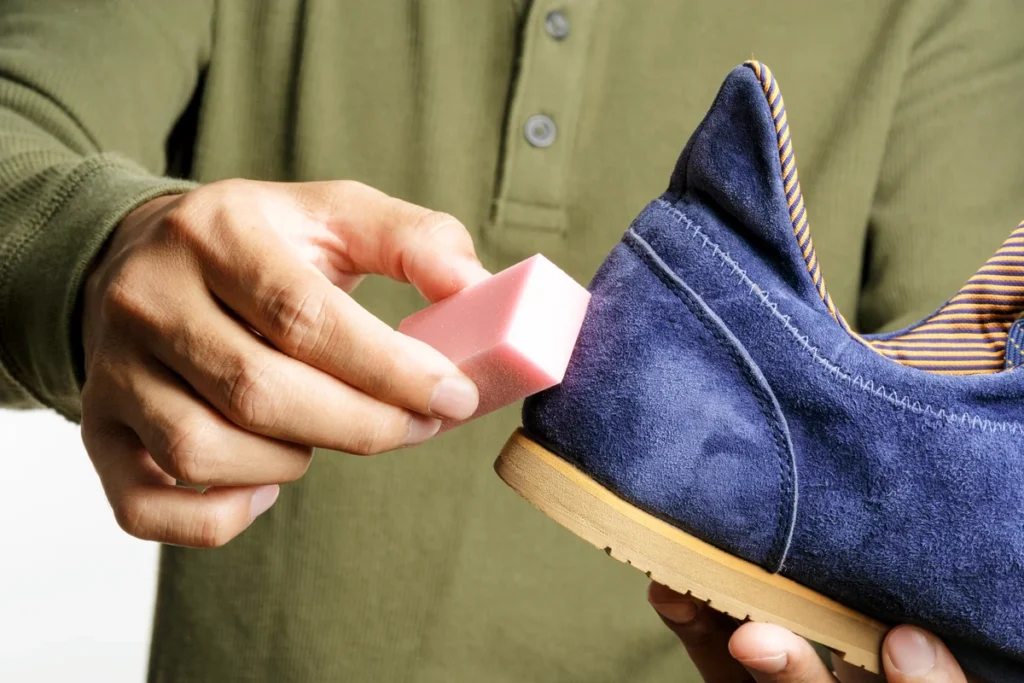
Start with dry care. Shake out loose debris, then use a soft suede brush in one direction. This lifts the surface fibers and removes dust without pushing moisture into the material. For a small dry mark, a suede eraser may work better than water.
Avoid placing the pair in a washing machine unless the maker specifically allows it. A full wash can change the shape of suede, weaken adhesive, and leave dense lining damp for too long. Machine heat creates another problem because it can shrink natural materials and harden parts of the upper.
For a light spill, blot rather than rub. Use a clean cloth and allow the area to dry away from a radiator, heater vent, or direct sun. Stuffing the toe lightly with plain paper can help the upper keep its form. Replace the paper if it becomes damp.
Odor needs patience, not perfume. Air the pair after long wear and avoid storing it in a closed bin while moisture remains inside. Rotating between two pairs can help men who wear them throughout the workday. The fibers gain time to dry and recover.
A protective treatment may reduce staining, though it should match the upper material. Test it on a hidden area before covering the full surface. Color changes are easier to accept near the inner heel than across the toe.
A detailed care guide for suede and sheepskin footwear can help with seasonal cleaning. Small maintenance steps cost less than replacing a favorite pair because one stain was scrubbed too aggressively.
Pay for Materials You Will Notice Each Day

Price matters, but cost per wear tells a clearer story. A premium pair worn six hours a day through three winters may offer stronger value than a cheap pair replaced after one season. The opposite can also be true. A Florida resident who wears indoor footwear during a few cool mornings may gain little from dense natural shearling.
Spend more when lining quality, secure fit, and construction match your routine. Save money when the pair is for occasional use, travel, or a guest room. Lands’ End and other mid-priced options can cover those needs without forcing you to pay for insulation you will not use.
Do not pay extra only for a thicker sole. Extra material can add weight without improving comfort. Look for clean stitching, even lining, a stable heel shape, and a sole attached without visible gaps. Rawhide laces should feel secure, not decorative pieces that loosen after a few steps.
One useful inspection takes less than a minute:
- Press the heel area and watch how quickly the cushioning returns.
- Bend the forefoot and check whether the middle stays controlled.
- Place both shoes together and compare their shape.
- Run a finger around the interior for rough seams or hard edges.
The unexpected buying mistake is choosing a pair that feels oversized because relaxation seems equal to looseness. Secure footwear often feels calmer during movement because you stop gripping with your toes. A close heel and proper width reduce effort.
Replace the pair when the sole wears unevenly, traction fades, cushioning no longer recovers, or the upper loses enough shape that your foot slides. A flattened lining alone may not mean the pair is finished. If the base remains stable and the fit stays secure, moderate compression can make the interior feel more natural.
Conclusion
Warm feet can change the feel of an ordinary morning, especially when winter cold rises through hardwood, tile, or concrete. The smartest purchase comes from matching materials to your climate and matching the sole to your routine.
For deep cold and long indoor wear, moccasin slippers with natural shearling remain hard to beat. L.L.Bean offers the strongest balance of warmth and traditional comfort, while UGG suits buyers who prefer a neater, more structured appearance. Minnetonka works well for frequent porch and mailbox trips, and SOREL makes sense when cold utility spaces are part of the day.
Do not let softness make the entire decision. Check heel security, width, sole behavior, and how the lining may change after repeated wear. A pair that fits closely and moves naturally often stays comfortable longer than one built around thick foam.
Buy for the floor beneath you, not the product photo in front of you. Choose the pair that fits your real routine, then care for it before wear and moisture begin stealing the comfort you paid for.
Frequently Asked Questions
What are the warmest men’s slippers for cold floors?
Natural sheepskin or dense wool-lined designs usually provide dependable warmth on tile, hardwood, and concrete. A firm outsole also helps reduce heat loss into the floor. L.L.Bean’s Wicked Good line is a strong example for homes with long, cold winters.
Are men’s house slippers better with hard or soft soles?
Hard soles suit quick outdoor trips, garages, and rough floors. Soft soles feel lighter and quieter on carpet. For mixed household use, a flexible rubber base often gives the best balance between floor grip, protection, and natural movement.
Should men size up when buying lined slippers?
Follow the brand’s chart because sizing differs. Thick lining may feel close at first and then compress with wear. Size up only when the maker recommends it or when your larger foot falls between measurements.
Can suede indoor footwear be worn outside?
Brief use on dry porches, driveways, and sidewalks is usually reasonable when the pair has a rubber outsole. Avoid rain, snow, wet grass, and long walks because moisture can stain suede and reach the interior.
How long should a quality pair of men’s slippers last?
Daily wear may give one to several seasons, depending on materials, floor type, body weight, and care. Replace the pair when traction fades, the sole wears unevenly, or the footbed no longer supports your normal movement.
Are wool-lined slippers too hot for year-round use?
They can feel warm during humid summers, though natural wool often manages moisture better than dense synthetic pile. Men in warmer states may prefer light fleece, flannel, or an open-back design during spring and summer.
What is the best slipper style for wide feet?
Choose a model sold in a true wide width instead of buying a longer standard size. Extra length can create heel movement without fixing forefoot pressure. A rounded toe and adjustable lace may also improve comfort.
How do you stop indoor footwear from developing odor?
Air it after extended wear, keep it away from closed storage while damp, and remove loose debris often. Wearing clean socks can reduce moisture buildup. Avoid heavy fragrance sprays because they may cover odor without addressing trapped moisture.
More Essential Men’s Style Guides
Continue reading selected fashion, grooming, wardrobe and accessory guides from Men Fashion MAG.