
A belt can look fine in the mirror and still become annoying by lunch. The problem is often not the buckle or color. It is the rigainst your waist, or a strap that feels right while standing and wrong once you sit. The best woven belts for men solve that daily friction by giving you smaller fit adjustments, gentle movement, and enough texture to make plain clothes look considered. For American shoppers who wear jeans, chinos, golf pants, or shorts through long workdays and weekends, that mix matters more than a flashy logo. The category is also broader than it first appears. Some versions are soft and springy. Others use a tighter braid that holds its shape like a traditional belt. Readers who discover practical wardrobe advice through independent lifestyle publishing networks will notice the same theme across many useful buying guides: comfort only counts when it comes with control. A strap that stretches without recovering becomes sloppy. A stiff one misses the point. This guide explains how to spot the middle ground, choose a sensible size, and match the weave to the way you dress.
What Makes Woven Belts for Men Worth Buying
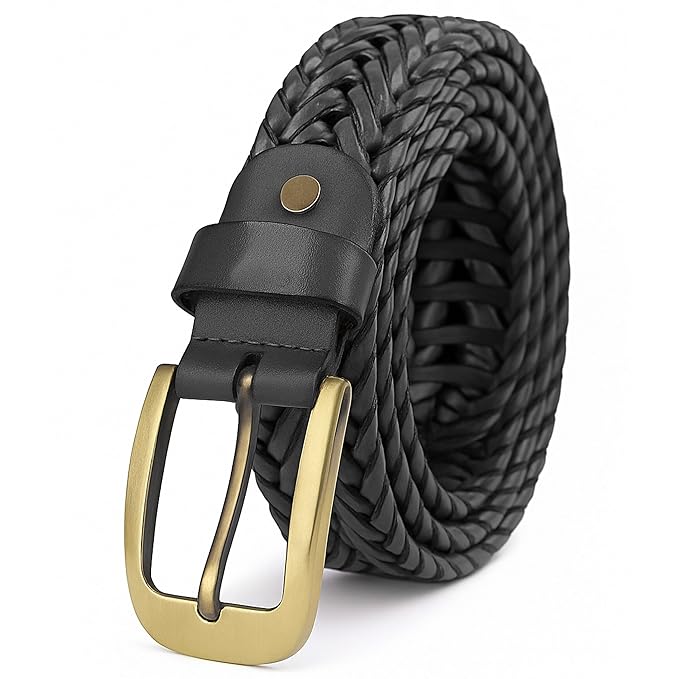
The appeal starts with fit, but it does not end there. A braided strap changes how a belt behaves through a normal day. Instead of forcing your waist into one of five or seven fixed holes, many designs let the prong pass through the weave at nearly any point. That means you can tighten after a long walk, loosen after dinner, or make a small adjustment when switching from thin summer chinos to heavier denim. Current no-hole models from Nike and TravisMathew lean on this exact-adjustment idea, pairing woven construction with stretch for movement and comfort.
Better Adjustment Without a Mechanical Buckle
Traditional leather belts often create a choice between two imperfect positions. One hole pinches. The next one allows the waistband to drift. A woven strap removes much of that gap because the buckle tongue can enter between the braided cords. The difference may be less than an inch, yet that small range changes how the belt feels during a commute, at a desk, or while driving across town.
This is where men’s stretch belts earn their place. The stretch should support the adjustment rather than replace it. A good strap gives a little when you bend, then returns close to its earlier length. You should not need to pull it tight like gym elastic. If the belt must stay under constant tension to hold your pants, the weave will fatigue sooner and the buckle area may curl.
Consider a common workday in Dallas or Atlanta: chinos in the morning, two hours in a car, lunch at a counter, then an afternoon on your feet. A fixed leather strap can feel different in every part of that day. A controlled braid makes those changes less noticeable. The unexpected point is that the best comfort often comes from less stretch, not more. Moderate movement keeps the waistband stable while removing the hard stop of punched holes.
Texture That Makes Simple Outfits Look Finished
A braided surface adds depth without demanding attention. That matters when your wardrobe is built around navy chinos, faded jeans, polos, Oxford shirts, and plain tees. Smooth leather can look formal or flat depending on the finish. The weave breaks up the surface, softens the transition between shirt and pants, and gives a casual outfit a quiet focal point.
Color choice decides whether that texture helps. Dark brown works with blue denim, olive pants, tan chinos, and many casual shoes. Navy feels relaxed beside stone or khaki. Charcoal is useful when black seems too sharp. Current men’s style guidance still treats woven and braided options as casual pieces, and some editors warn that bulky or loud versions can look dated; a slimmer strap and restrained pattern usually age better. s not mean every belt should disappear. A two-tone braid can wake up a white polo and sand-colored shorts for a summer dinner near the coast. The trick is to repeat one color already present in the outfit. When the belt introduces three unrelated shades, the waist becomes the loudest part of the look. That is rarely the goal.
Choose the Weave, Stretch, and Hardware Carefully
Two belts can look nearly identical in a product photo and perform differently after three months. The gap usually comes from cord density, elastic quality, edge finishing, and the way the strap joins the buckle. Product pages tend to lead with color because color sells quickly. Buyers should study construction first. Braided elastic belts are simple accessories, but each connection point carries repeated load every time you sit, pull, buckle, and unbuckle.
Read the Material Mix Instead of Trusting the Name

“Woven” describes a structure, not a single material. Many casual versions combine polyester, polypropylene, rubber, rayon, cotton, or leather trim. Synthetic fibers often resist moisture and hold color well. Rubber or elastane supplies movement. Leather tabs can give the buckle end a cleaner shape, though poor bonded leather may peel before the braid wears out.
A current Nike model offers a useful construction example: its official product page lists a 38 mm width, a no-hole strap, and a mix of polypropylene, rubber, and leather. blend is less important than what it tells you. The body is designed to move, the leather is used as trim rather than the main load-bearing strap, and the width sits in the range that works with many jeans, chinos, and golf pants.
Do not assume natural fiber means better. Cotton-rich braids can feel pleasant, yet they may hold sweat longer and lose shape if the elastic core is weak. A synthetic-heavy belt can be the smarter choice for humid summers in Florida, outdoor events in Texas, or frequent travel. The better question is whether the belt rebounds after a firm pull. Stretch it lightly in your hands. If the weave stays wavy, narrows sharply, or feels thin at the edges, move on.
Inspect the Buckle End and Tip Before Buying
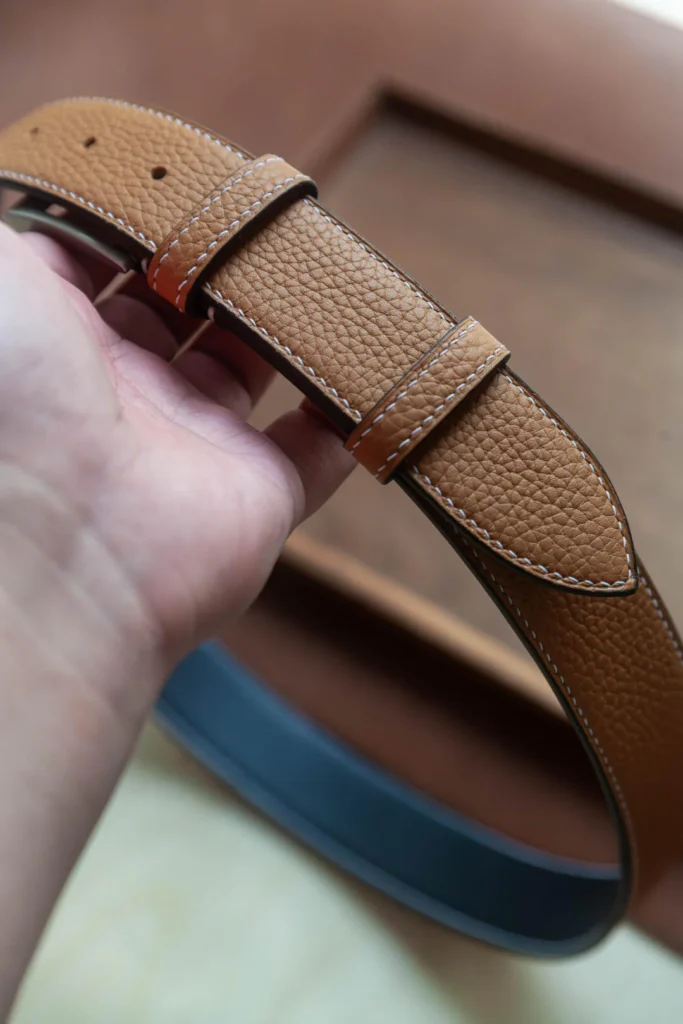
Most failures begin where materials meet. Look at the stitched tab behind the buckle. It should sit flat, with even edges and no exposed glue. A stitched leather or synthetic tab spreads force across more of the braid. A narrow tab can act like a hinge and make the strap fold at the same point each day.
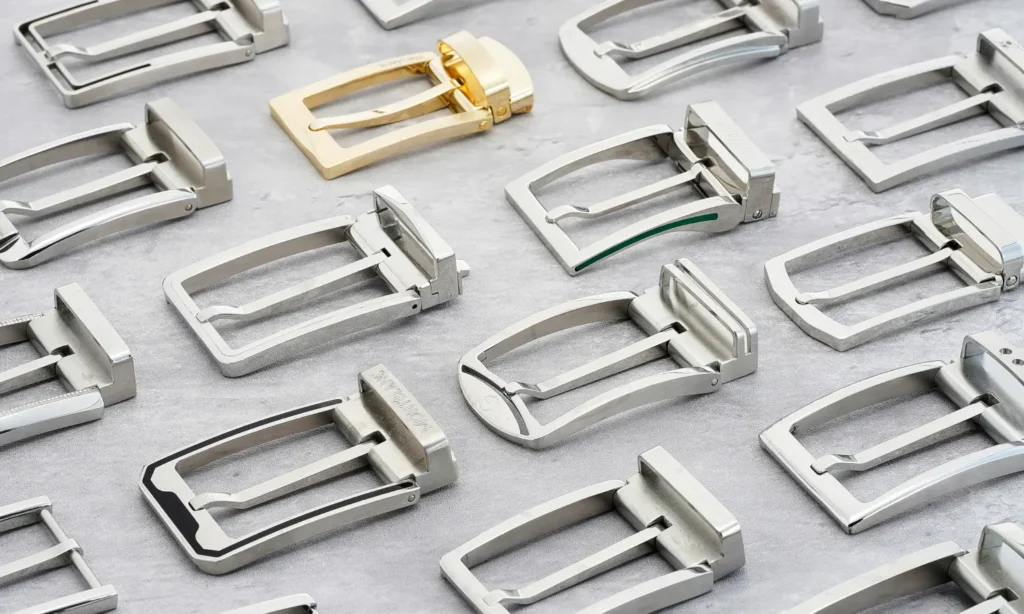
The buckle should also match the belt’s purpose. A heavy, oversized buckle may look rugged, but it can pull a soft strap downward and bump against a desk. A medium metal frame is easier to wear through airport security lines, road trips, and long office hours. Rounded corners are kinder to knit shirts and car seats. Small details become large annoyances after repeated wear.
Check the tip as well. It needs enough firmness to pass through belt loops without collapsing, but it should not be thick enough to jam beside the first layer of the strap. On casual men’s belts, a bulky leather tip often creates more trouble than the decorative upgrade is worth. A slim reinforced end looks cleaner and moves through loops faster. That is a minor feature on day one and a major convenience by month six.
Getting the Right Size Without Guesswork

Stretch tempts people to treat sizing as optional. That is a mistake. An elastic braid can hide a poor size in the fitting room, yet the error shows up later as excess tail, warped cords, or a strap that always feels under load. The best fit leaves room for adjustment in both directions. You should be able to tighten a little on lighter pants and loosen a little on thicker waistbands without reaching the end of the usable weave.
Measure the Belt You Already Wear Well
The easiest method is to measure a belt that fits the pants you wear most. Lay it flat. Measure from the point where the buckle tongue meets the frame to the hole you use most often. That number is more useful than relying only on the waist printed inside your jeans, since brands cut pants differently and many waistbands sit below the natural waist.
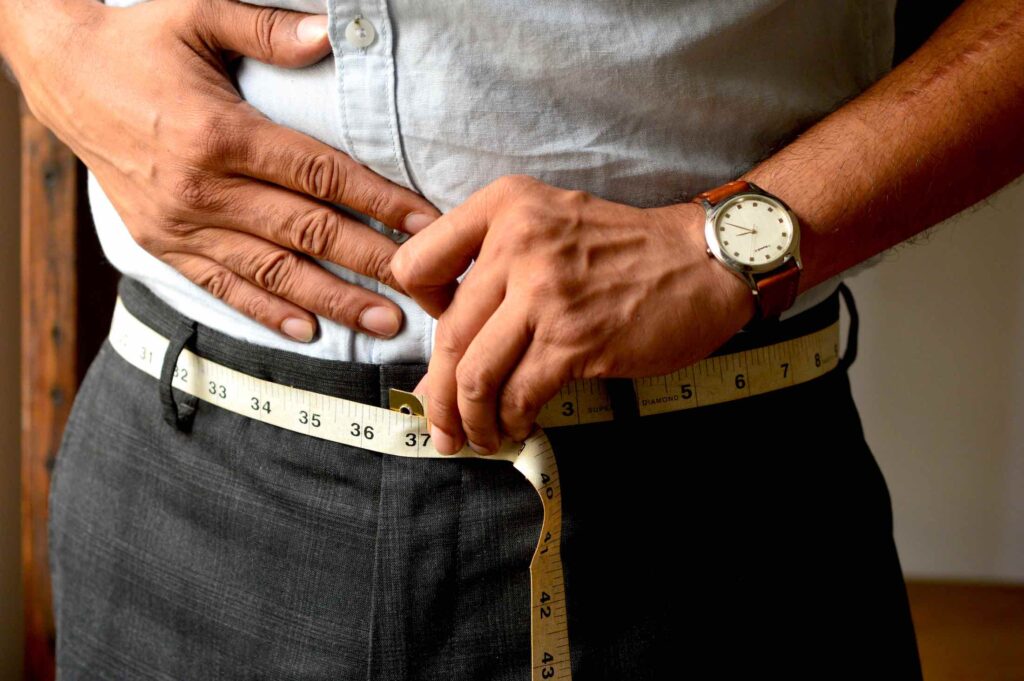
If you do not own a well-fitting belt, thread a soft tape measure through the loops of the pants in question. Wear the pants where they normally sit and keep the tape snug without pulling in your stomach. Then compare that measurement with the maker’s chart. Brand charts differ, so use the one attached to the exact item. For example, Nike’s official belt size chart separates performance and lifestyle sizing and relates belt sizes to pant sizes. ditional belt guides suggest buying about two inches above a pant waist, and some brands still use that rule. tarting point, not a law. Woven styles with broad size ranges may label the same fit as medium or large. Measure first, then check where your number falls inside the range. Aim near the middle rather than the edge.
Leave Enough Tail, but Not a Fabric Rope at Your Hip
A balanced fit usually places the tip through the first keeper or near the next belt loop after buckling. Too little tail can pop free when you bend. Too much creates a loose strand that hangs past the hip or must be tucked through extra loops. The weave makes excess length more visible because the strap has texture and volume.
This matters for men between sizes. Choosing the larger option may feel safe, but excess length is hard to hide on shorts or trim chinos. Choosing the smaller one can keep the belt stretched all day. When the size chart overlaps, think about the pants you wear most and how much room the belt needs to cover. A man who alternates between 34-inch chinos and 36-inch relaxed jeans may need a different choice than someone who wears one consistent cut.
Use this guide to choosing the right belt size when comparing measured length, pant labels, and brand ranges. The non-obvious lesson is that stretch does not give unlimited sizing freedom. It gives comfort inside the right range. A poor size asks the elastic to do structural work it was not meant to do, and that shortens the useful life of the strap.
Styling the Belt Well and Making It Last
A useful belt should survive more than one outfit and more than one season. The strongest purchase is not the model that looks striking on a product page. It is the one that works with the pants, shoes, and shirts already in your closet, then holds its shape after months of sitting, walking, driving, and travel. For most U.S. wardrobes, that means a medium-width braid in a grounded color, finished with hardware that does not look too formal or too sporty. Once that base is right, pattern becomes a bonus rather than a limitation.
Build Around Jeans, Chinos, Shorts, and Golf Pants
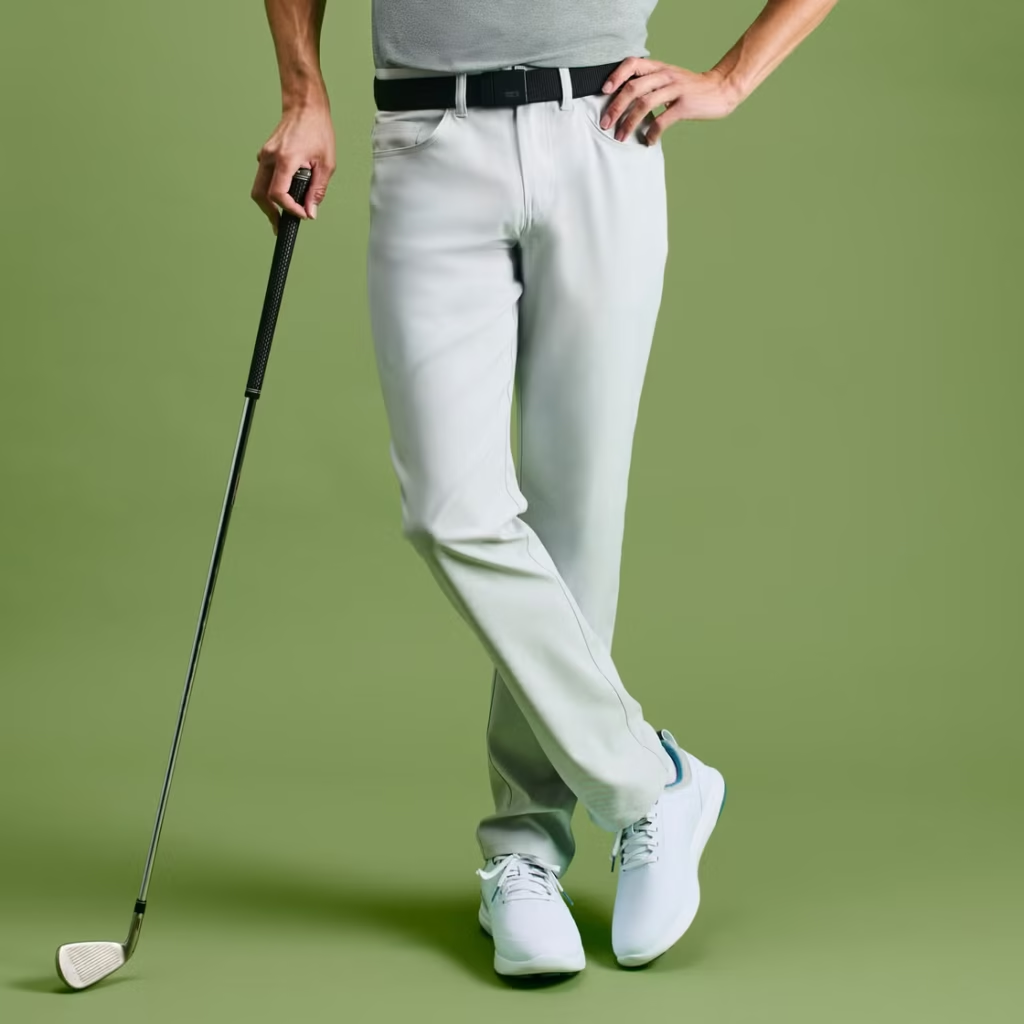
Dark brown is the safest first choice for blue jeans, khaki chinos, olive pants, and casual boots. Navy is strong with stone, gray, white, and lighter denim. A muted gray belt works with black sneakers and cool-toned clothing without creating the dressy edge of polished black leather. These are not strict rules. They are ways to reduce friction when getting dressed. For golf pants or technical five-pocket trousers, men’s stretch belts with a tighter braid tend to look cleaner than chunky rope-like weaves. Current golf-focused products emphasize freedom of movement and exact adjustment, which explains why the category has become common beyond the course. qualities help when walking a trade show, flying from Chicago to Phoenix, or spending a Saturday at a youth sports field. Shorts expose more of the belt, so scale matters. A bulky buckle and thick multicolor braid can divide the body at the waist. A lower-profile frame and narrow pattern feel lighter. For a Fourth of July cookout, a navy belt with a fine red accent can work because the colors echo the setting. For weekly wear, a solid or two-tone option will earn more use.
Exact color matching is often overrated in casual clothing. Your belt does not need to copy the leather on your sneakers or loafers shade for shade. It needs to belong to the same level of formality. Suede loafers, leather boat shoes, clean canvas sneakers, and plain low-top trainers all sit comfortably beside braided elastic belts. Highly polished dress shoes usually do not. A navy-and-tan weave with white sneakers and khaki shorts feels connected because each item is relaxed. The same strap beside a dark business suit and mirror-shine oxfords feels misplaced even when the colors match. For more outfit planning, see these men’s casual wardrobe essentials.
Match Visual Weight, Then Protect the Weave
One useful rule is to match visual weight before color. A thick braid works with rugged denim and substantial boots. A finer weave suits slim chinos and minimal sneakers. This approach is less rigid than matching every brown, and it produces outfits that feel more natural. It also helps casual men’s belts avoid looking like novelty accessories. The belt should support the outfit rather than split it into top and bottom halves.
Care begins with the maker’s instructions because some straps include leather ends, glued layers, or finishes that should not be soaked. For routine cleaning, brush away dry dirt with a soft clothes brush or clean toothbrush. Wipe the surface with a lightly damp cloth and a small amount of mild soap when the label permits it. Do not wring the strap or hang it from the buckle while wet. Lay it flat on a towel, straighten the braid with your hands, and let it dry away from direct heat. A dashboard, radiator, or hot dryer can harden trim and weaken the elastic core. In humid regions, let the belt air out after long outdoor wear.
Price alone is a weak quality signal. Before buying, read reviews for comments about long-term shape, buckle movement, fraying, and sizing accuracy rather than praise about how the belt looked on arrival. In a store, hold the strap about eight inches apart, pull with moderate pressure, then release. It should return smoothly without a narrowed section or rippled edge. Bend the buckle tab forward and back once; it should flex without cracking, lifting, or exposing glue. Rotating between two belts can add more life than wearing one piece daily because the elastic and braided cords get time to rest in their normal shape. Value becomes clear through repeat wear, not the logo stamped on the buckle.
Conclusion
A woven belt earns its place by making small moments easier. It should hold your waistband without turning every meal, drive, or seated hour into a fit problem. The right model also adds texture to familiar clothes, which can make jeans and a polo feel more deliberate without making the outfit look dressed up.
The best woven belts for men balance three qualities: controlled stretch, close adjustment, and a weave that returns to shape. Start with a grounded color and a width that fits the loops on your most-worn pants. Measure a belt that already fits, inspect the buckle tab, and avoid buying extra length as insurance. More material is not more comfort.
Choose for the life you lead. A golfer may value movement and moisture resistance. A frequent traveler may care more about a low-profile buckle and all-day ease. A man building a small wardrobe may get the most from dark brown or navy. Buy the belt that works on an ordinary Tuesday, not the one that only looks interesting in the product photo.
Frequently Asked Questions
How much should a good woven men’s belt cost?
A dependable everyday option often falls in the middle of the market, where better stitching and hardware appear without luxury pricing. Judge the strap by recovery, edge finish, and buckle attachment rather than price alone. Cost matters less than how often the belt can be worn well.
Are stretch braided belts suitable for business-casual clothing?
They work well with chinos, polos, Oxford shirts, knitwear, and unstructured jackets when the weave is tight and the colors are restrained. Skip thick multicolor designs for conservative offices. A dark brown, navy, or charcoal strap with a simple buckle looks more polished.
Can I wear a woven belt with a suit?
Most versions are better with relaxed tailoring than a formal business suit. A fine leather braid may work with a summer suit or casual separates, but elastic fabric styles usually look too sporty beside polished dress shoes and structured wool trousers.
What belt color works with the most casual outfits?
Dark brown is often the broadest choice because it pairs with blue denim, khaki, olive, tan, and many casual shoes. Navy is a close second for lighter summer clothing. Choose the color that repeats the tones already common in your closet.
How tight should a stretch belt feel around the waist?
It should hold the waistband in place without leaving deep pressure marks or remaining heavily stretched while you stand. You should be able to sit, bend, and breathe normally. If the strap must stay under strong tension, try a larger size or another model.
Do no-hole braided belts damage the weave?
A well-made braid is designed for the buckle tongue to pass between cords. Insert the prong gently rather than forcing it through the same spot at an angle. Over time, repeated use may open one area, so vary the position slightly when your fit allows.
How do I stop a woven belt from becoming wavy?
Avoid overstretching, soaking, hot drying, and hanging the belt from its buckle while wet. After wear, lay it flat or coil it loosely. A strap that stays rippled after light use may have a weak elastic core or an overly loose braid.
Is a woven belt a good choice for travel?
Yes, especially when it has moderate stretch, a low-profile buckle, and a color that works with several pairs of pants. It can adapt to long seated periods and changing waist comfort. Choose a model that packs flat and does not have bulky metal hardware.
More Essential Men’s Style Guides
Continue reading selected fashion, grooming, wardrobe and accessory guides from Men Fashion MAG.