
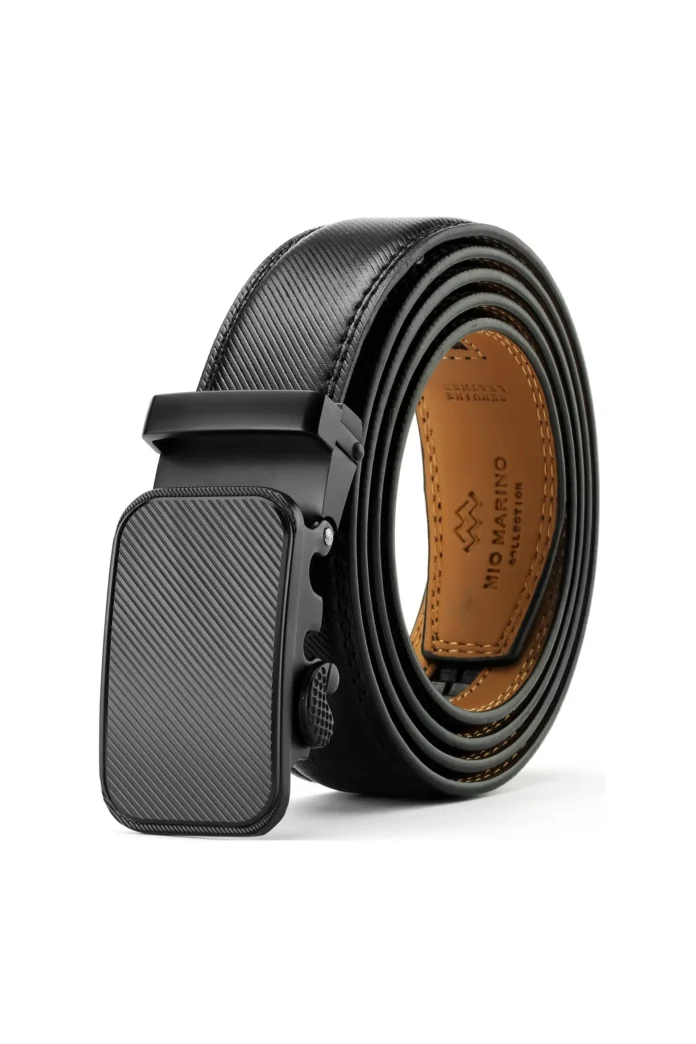
A belt rarely gets praise when an outfit works, yet it is often the first detail that looks wrong when the balance is off. The best leather dress belts solve that problem quietly: they sit flat, echo the shoes, hold their shape, and add a clean line of metal without turning the waist into a display shelf. For American men dressing for offices, weddings, interviews, dinners, or weekly religious services, the safest choice is usually a smooth black or dark-brown strap between 1.25 and 1.38 inches wide, finished with a compact silver, nickel, gunmetal, or brass buckle. That sounds simple. It is not. Leather labels can hide weak construction, glossy hardware can look cheap under bright indoor light, and the wrong width can make good trousers seem awkward. A smart purchase starts with material, edge work, lining, hole placement, and buckle proportion, not a logo. For more publishing and style-focused resources, professional content and brand insights can help readers compare how products are presented across the market. The goal here is narrower: find a belt that looks polished on day one and still belongs in your wardrobe years later.
How to Judge Leather Dress Belts Before You Buy
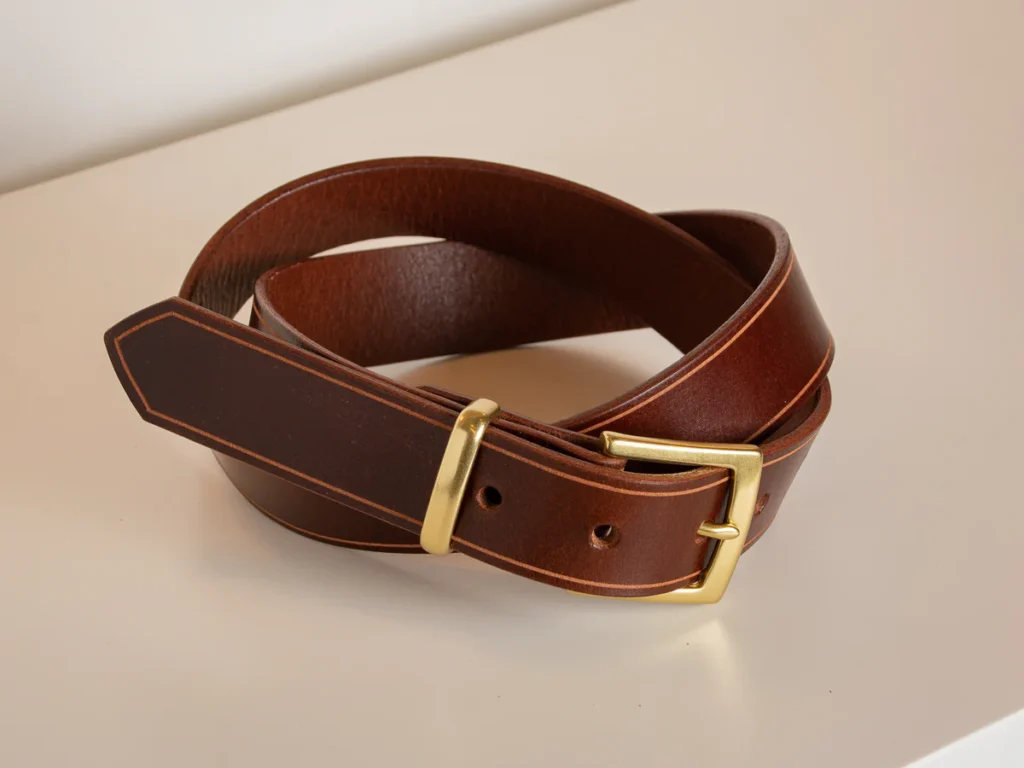
Most shopping pages lead with color, brand, and price. Those details matter, but they come after construction. A formal belt lives under pressure at the same few points: the hole you use most, the fold around the buckle bar, the edge near the keeper, and the section that bends when you sit. A handsome strap that fails there is a poor buy, no matter how rich the finish looks in a product photo. The better approach is to judge the belt as a working object first and a style accent second.
Start with the leather, not the logo
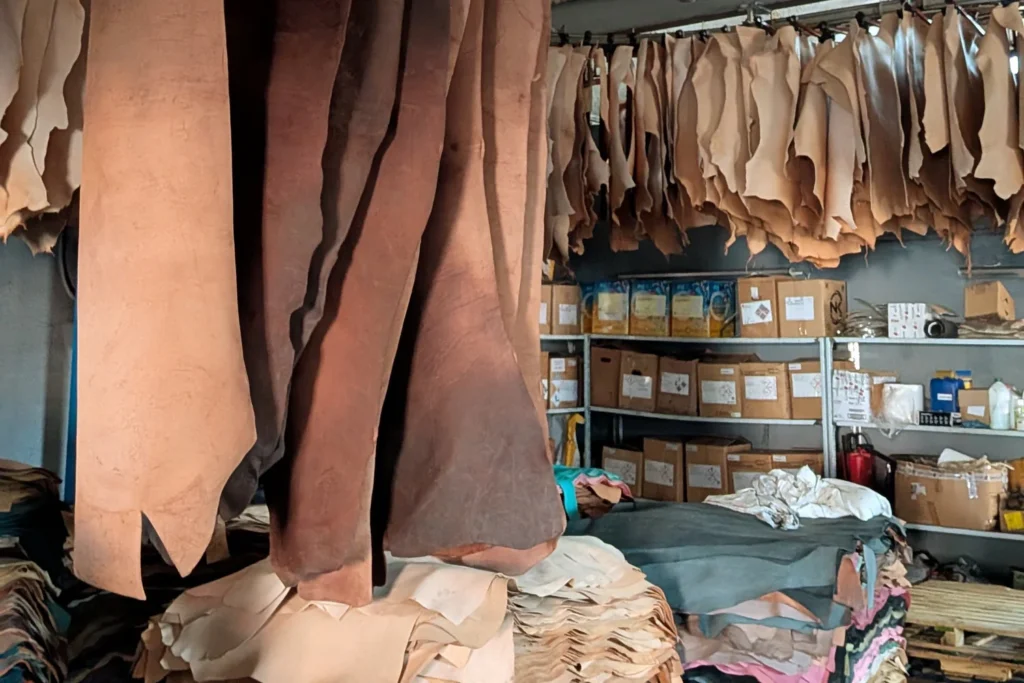
Leather terminology confuses shoppers because a broad label may say little about the layer, finish, or long-term behavior of the material. “Genuine leather” can describe real leather, but it does not promise the finest cut or the strongest build. Look instead for specific wording such as calfskin, full grain, top grain, vegetable tanned, leather lined, or made from a single thick hide. The FTC apparel and leather-labeling guidance is useful because it reminds buyers that composition claims should be accurate and that leather and imitation materials should not be presented in a misleading way. That legal baseline protects description, not taste or durability, so you still need to read the product details closely.
A full-grain leather belt can be a strong choice for men who like character, but full grain alone does not make a strap formal. Heavy grain, thick edges, and visible tool marks often look better with denim or boots. Dress trousers usually favor a smoother surface, finer edge finishing, and a thinner profile. That is the counterintuitive part: the thickest belt in the store is not always the best-built choice for a suit. It may last for years and still look clumsy with tailored wool.
Pay attention to the underside as well. A leather lining helps the strap slide against trousers and gives the body a finished feel. Clean stitching can support layered construction, though stitching is not proof of quality by itself. Run your eye along the edge. You want an even line with no bubbling, exposed filler, loose threads, or thick paint that looks ready to crack. A good belt bends in a smooth arc. It should not fold like cardboard.
Read the buckle as a small piece of jewelry
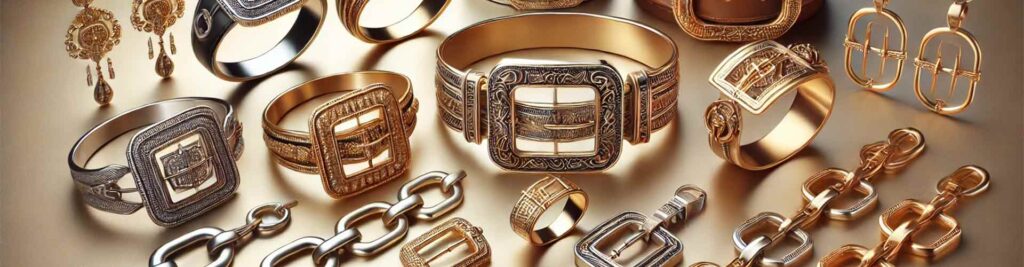
A buckle has more visual weight than its size suggests because it sits at the center of the body and catches light every time you move. For business clothing, restraint wins. A compact frame buckle with soft corners usually works better than a large plate, oversized roller, or heavy logo. Silver-tone and nickel finishes pair easily with charcoal, navy, black, and mid-gray outfits. Brass and warm gold tones can look rich with tobacco, oxblood, tan, and chocolate leather, though the finish should stay muted enough for the room.
The phrase polished buckle belt does not mean mirror-bright hardware. High shine can work for black-tie-adjacent dressing, but it also shows scratches and fingerprints faster. Brushed nickel is often easier for daily office wear because it reflects light without flashing. Gunmetal gives a darker, modern line that works well with black shoes and cool-toned tailoring. A warm brass frame can soften brown footwear, especially when the leather has a burnished finish rather than a flat, painted surface.
Scale matters more than most buyers expect. A narrow strap with a large buckle looks top-heavy; a wide strap with a tiny frame looks pinched. The metal should feel like the final punctuation mark, not the headline. Check how the prong rests inside the frame, whether the keeper lies flat, and whether the buckle rotates without grinding against the leather. Those small mechanical details often predict how tidy the belt will look after a year of use.
The Strongest Choices for Suits and Office Tailoring
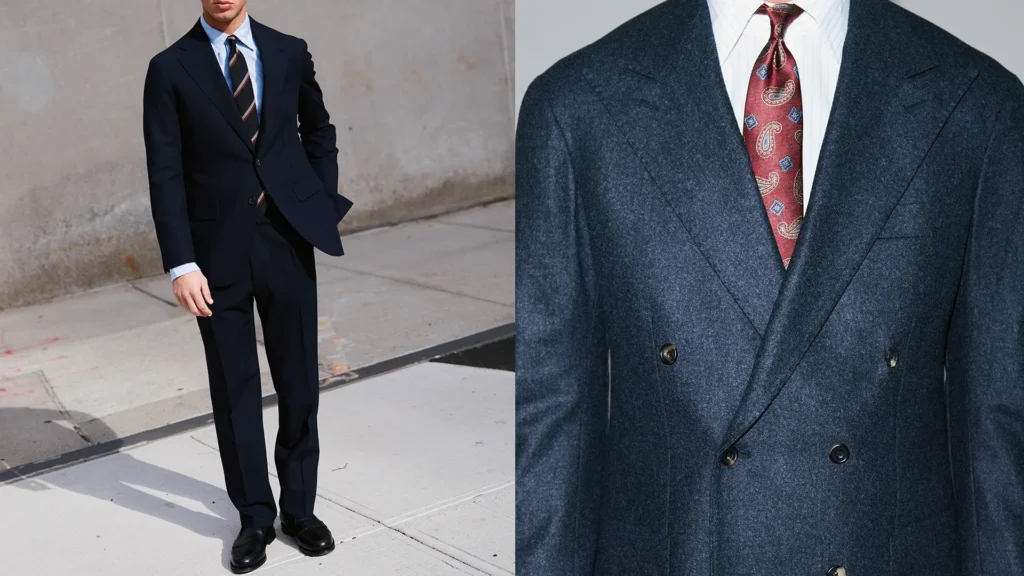
Formal clothing exposes small proportion errors. A bulky edge can interrupt the line of a suit, while an ornate buckle can pull attention away from the jacket and shoes. The best options in this category do less, not more. They use smooth leather, calm hardware, and enough structure to stay flat through a full workday. Two current choices stand out because their proportions fit the way American men actually dress for offices, ceremonies, and professional events.
Allen Edmonds Wide Basic Dress Belt: best overall balance
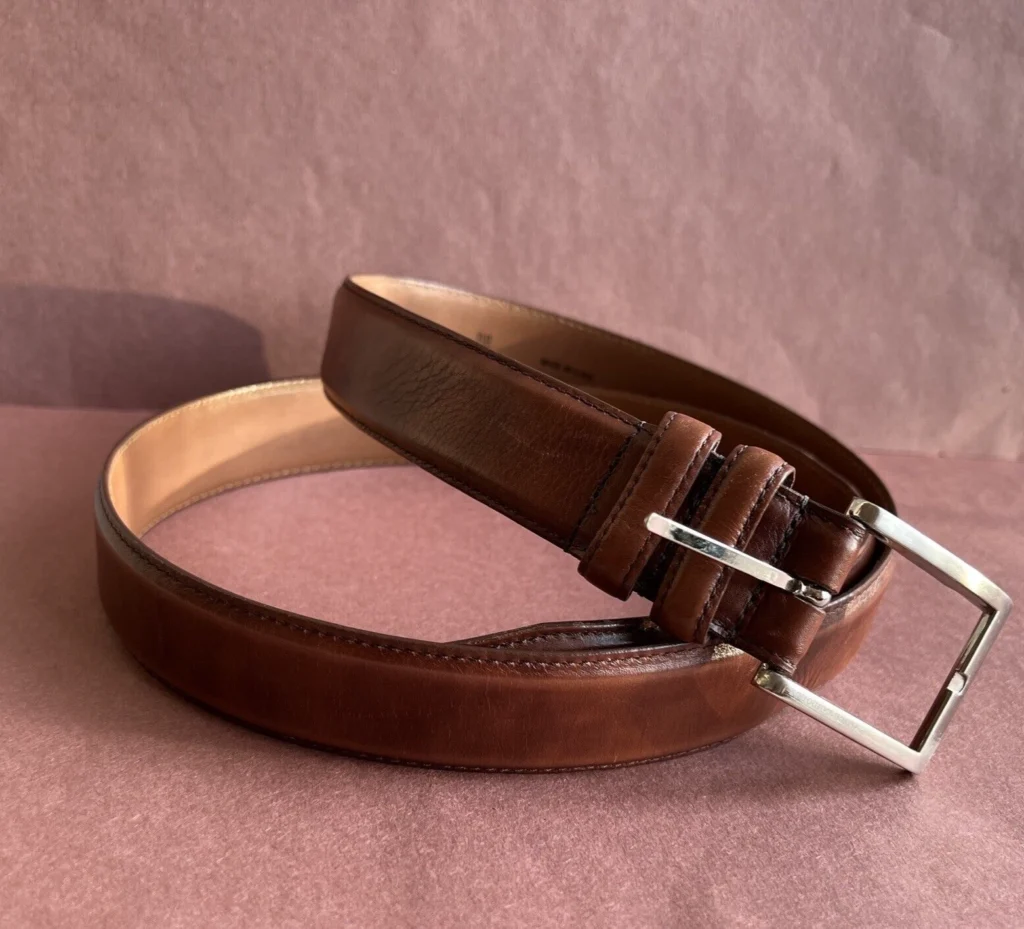
The Allen Edmonds Wide Basic Dress Belt earns the top position for one reason: it follows a proven formal formula without becoming dull. The current product is listed at 1.38 inches wide and uses burnished Italian calfskin with a metal buckle. Allen Edmonds also builds its dress-belt range around a standard 35 mm width and offers colors intended to coordinate with its footwear. That matching system is useful for men who already own the brand’s black, walnut, coffee, chili, or espresso shoes.
Its 35 mm width sits at the upper edge of formal territory, which makes it more adaptable than a thin ceremonial belt. It works with most American suit trousers, tailored chinos, and pressed wool pants, yet it still has enough presence for a business-casual outfit. The burnished calfskin adds depth without turning the surface rustic. That matters under office lighting, where flat black can look synthetic and overly glossy brown can resemble coated plastic.
Choose black when your wardrobe leans toward black cap-toe shoes, charcoal suits, or formal evening clothing. Choose a brown tone that closely follows your most-worn dress shoes when navy and gray dominate your closet. Do not chase a perfect color match down to the last shade. A close family match with similar warmth looks natural; a belt that is orange-brown beside deep burgundy shoes does not. Men who prefer brogue detail can consider the Allen Edmonds Manistee, but the plain Wide Basic is easier to wear across settings. The quieter design is the smarter long-term purchase.
Brooks Brothers Silver Buckle Belt: best for classic suiting
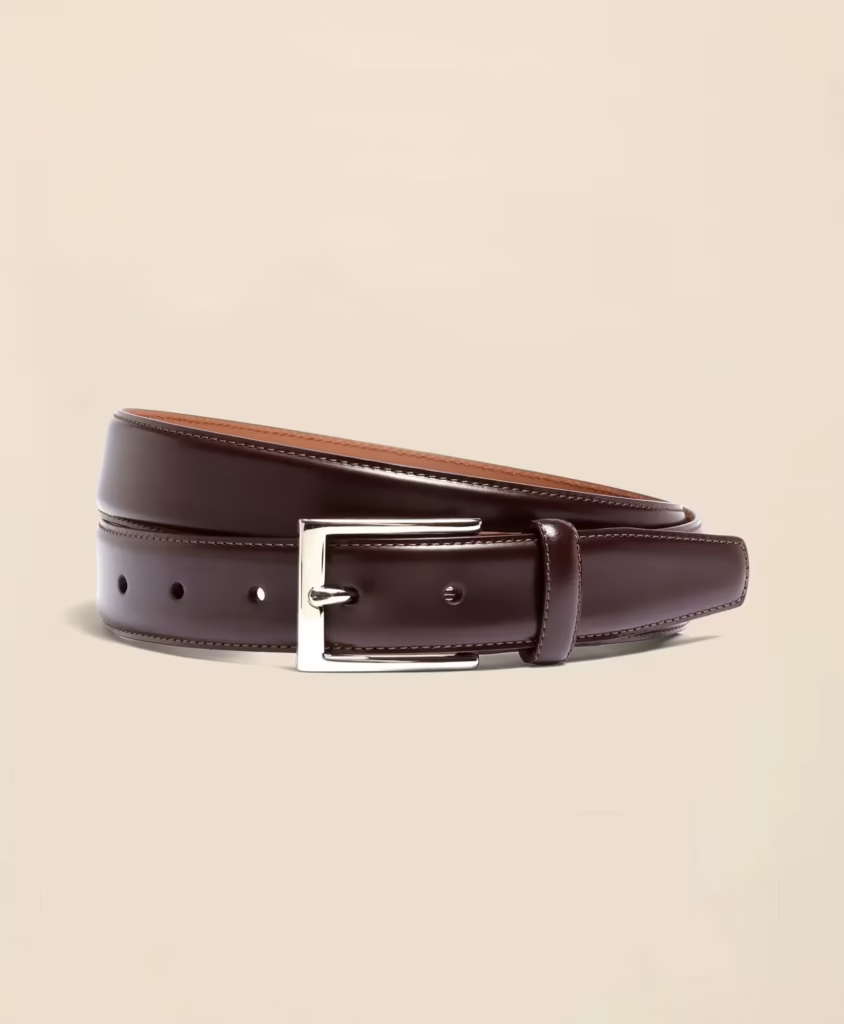
The Brooks Brothers Silver Buckle Leather Dress Belt is the cleaner choice for men who want a narrower, traditional line. Its current specifications list calfskin leather, stitched edges, a leather lining, a light nickel-plated brass buckle, and a 1.25-inch width. It is made in Italy. Those details place it firmly in suit territory rather than halfway between denim and tailoring.
That quarter-inch difference from many 1.38-inch belts sounds minor on paper, but it changes the effect. The strap slips through smaller trouser loops with less crowding, and the buckle reads as a finishing detail rather than a separate accessory. This is the type of belt that makes sense with a navy suit, white shirt, dark tie, and black or dark-brown oxfords. It also suits men with slimmer frames because the reduced scale avoids cutting the body in half.
The downside is range. A 1.25-inch calfskin strap can look too delicate with heavy jeans, lugged boots, or thick five-pocket pants. That is not a flaw; it is specialization. Men often try to force one belt into every role, then wonder why it looks weak on Saturday and bulky on Monday. Keep this one for tailored clothing. For a warmer jewelry tone, Brooks Brothers also offers a gold-buckle version with similar calfskin, stitched-edge, leather-lined construction. The silver model remains the safer first purchase because it blends with more watches, cuff links, and shoe hardware.
Better Options for Men Who Dress Across Categories
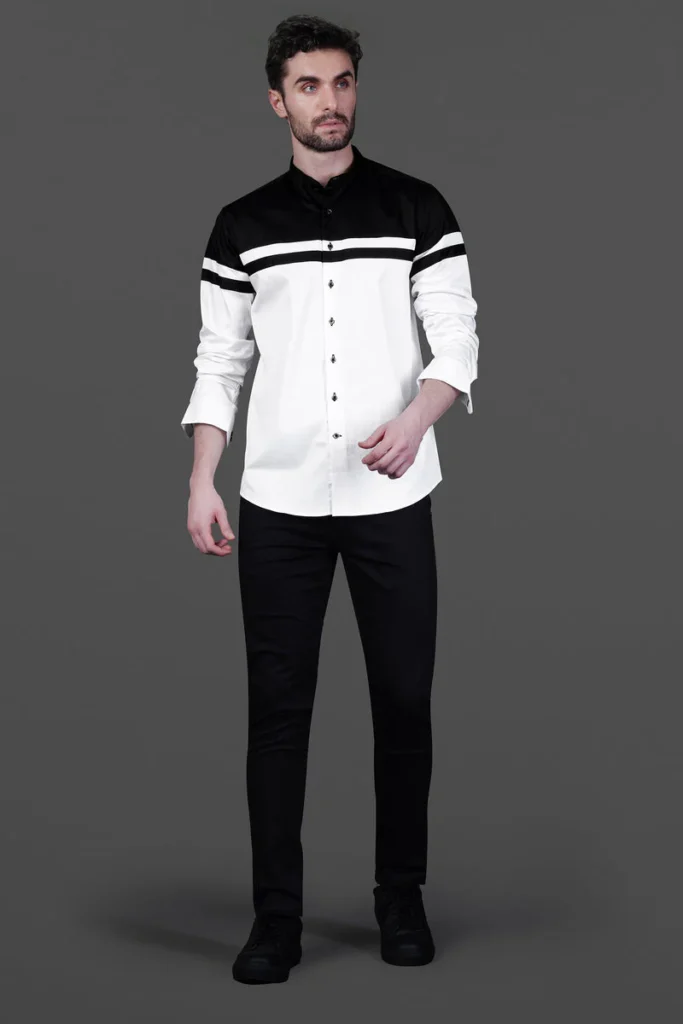
Not every week separates neatly into suits and jeans. Many American offices now sit in the middle: sport coats, knit polos, chinos, loafers, dress sneakers, and occasional client meetings. A belt for that wardrobe needs enough polish for pressed trousers but enough texture and width to avoid looking fragile with casual pieces. This is where restrained detail becomes useful. The right model can move across categories without pretending to be a rugged work belt or a formal-only accessory.
Johnston & Murphy Upton: best understated office choice
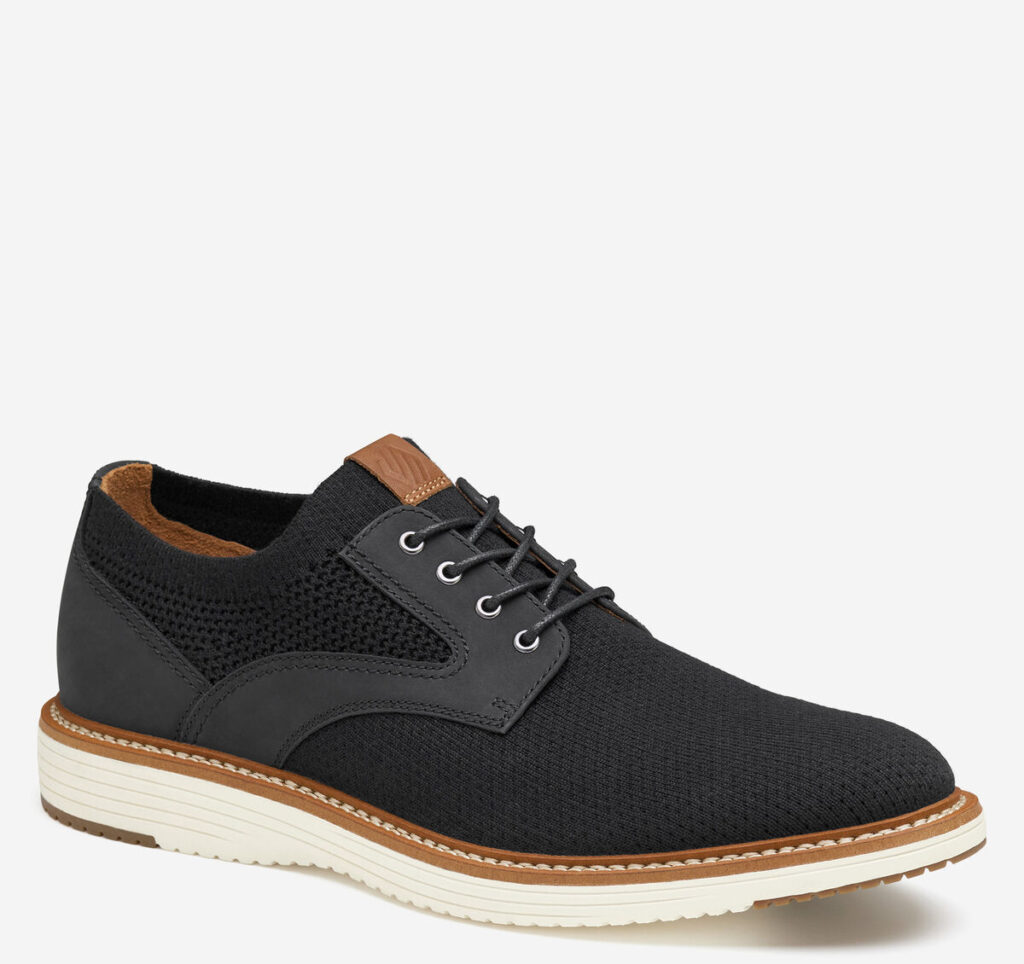
The Johnston & Murphy Upton Dress Leather Belt is a strong option for men who prefer darker metal and low visual noise. The brand lists fine leather, a leather lining, a polished gunmetal buckle, and a width of 1.38 inches. It is available in black, tan, and mahogany. The gunmetal hardware gives the belt a softer contrast than bright silver, especially in black.
That darker buckle is more adaptable than it may seem. It works with a steel watch, black briefcase, charcoal trousers, and matte leather shoes without demanding an exact hardware match. It also avoids the showy look that some glossy buckles develop under conference-room lights. For men who wear navy chinos with brown loafers one day and a gray suit with black derbies the next, the Upton covers more ground than an ornate designer model.
There is a useful lesson here: a polished buckle belt can look calmer than a brushed one when the metal tone is dark. Finish and brightness are separate traits. The Upton’s gunmetal surface catches light, yet the color keeps the effect controlled. Men who want more warmth can look at Johnston & Murphy’s Vintage Dress Belt, which pairs smooth waxed Italian leather with a polished nickel buckle and a feathered edge. The Vintage model has more visible character; the Upton stays closer to a quiet office uniform.
Cole Haan Lewis: best bridge from tailoring to smart casual

The Cole Haan Lewis 32 mm Burnished Leather Belt is the best fit here for a wardrobe built around loafers, hybrid dress shoes, tailored chinos, and unstructured jackets. Its current listing describes a 32 mm, or 1.25-inch, perforated leather strap with polished nickel hardware. Cole Haan recommends selecting a belt at least two inches larger than the pant size, which usually means choosing the next even size up.
The perforation changes the mood. It adds interest near the edge without becoming a full brogue pattern, so the belt does not look plain beside textured shoes. At the same time, the narrow width keeps it tidy with dress pants. This balance makes it useful for sales teams, real-estate professionals, teachers, consultants, and anyone whose work clothing needs to look prepared without feeling ceremonial.
Its limits are worth noting. Perforated detail may be too casual for a conservative black suit, a funeral, or an evening event with strict formal expectations. In those cases, return to plain calfskin. Yet for daily wear, the Lewis solves a common problem better than many men’s formal belts: it gives a simple outfit one measured point of texture. A navy knit polo, stone chinos, brown loafers, and a burnished brown strap can look more considered than a suit worn with a flashy logo buckle. The lesson is not to dress louder. It is to make each part agree.
Fit, Pairing, and Care That Keep a Belt Looking Sharp
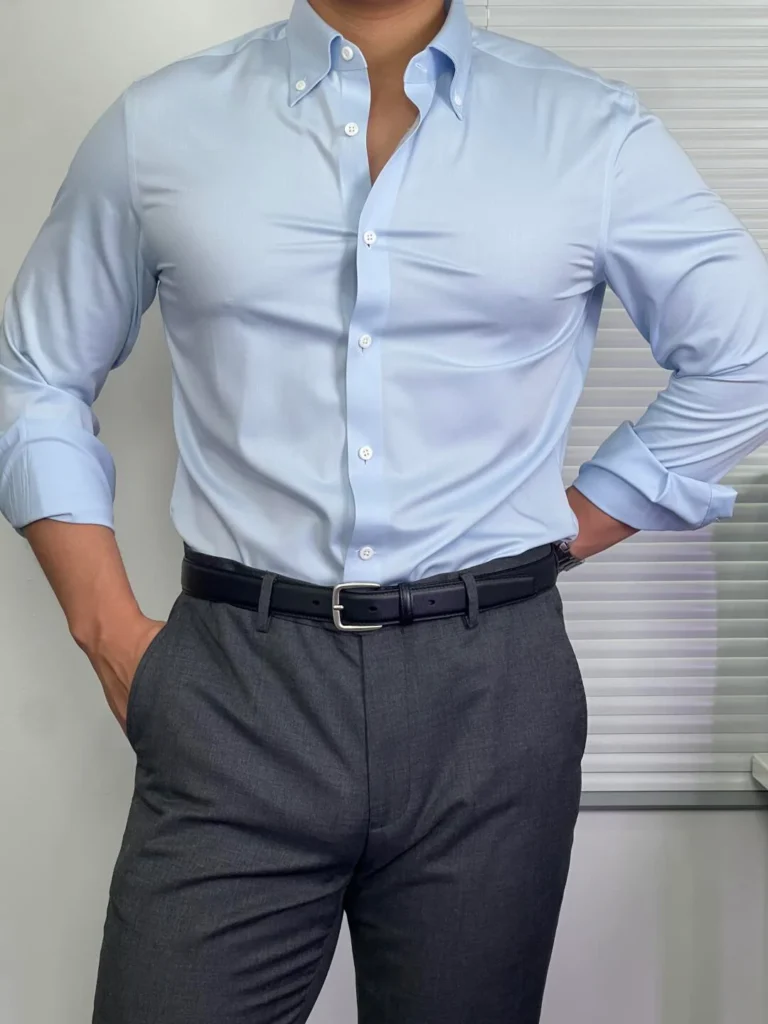
Buying the right model is only half the work. Poor sizing can bend the tip, stretch the favorite hole, and pull the buckle off center. Weak color pairing can make expensive leather look accidental. Neglect can cloud the hardware and dry the strap near the bend. The good news is that belt care takes little time once you build a few habits around fit, rotation, and storage.
Get the width and size right before removing tags
Start with the trousers you plan to wear most. Measure the inside width of the belt loops or bring the pants when shopping in person. A 1.25-inch strap is a safe choice for formal trousers with small loops. A 1.38-inch strap gives a little more presence and often works across suits, chinos, and dressier five-pocket pants. Wider models tend to read casual, while straps near one inch can appear fashion-forward or delicate depending on the buckle.
Size by the belt maker’s chart rather than habit. Many brands advise going one size above the trouser size; Johnston & Murphy states that guidance on several dress models, while Cole Haan recommends a belt at least two inches larger than the pant size. The aim is to fasten near the middle hole, leaving enough tail to pass through the keeper without reaching far around the hip.
Try the belt while standing and sitting. A strap that feels perfect when standing may press into the stomach at a desk. You should be able to slide a finger behind it without forcing. Avoid buying a longer size for comfort if the tail becomes excessive; that creates a new proportion problem. A full-grain leather belt may soften with wear, but it should not be expected to correct poor sizing. Comfort should come from the right length and hole position, not from stretching the material until it gives up.
Match color with intention, then protect the finish
The old rule that belt and shoes must match exactly is too rigid for most modern wardrobes. They should relate. Black shoes call for a black strap in formal settings. Brown shoes work best with leather from the same temperature family: cool dark brown with espresso, warm cognac with walnut, burgundy with oxblood or deep mahogany. Small shade differences add depth. Large undertone conflicts look accidental.
Hardware can follow the same idea without becoming a checklist. Silver-tone buckles sit naturally beside steel watches and cool tailoring. Warm brass can support gold jewelry and brown leather. Mixed metals are common enough that a perfect match is unnecessary, especially when the buckle is small. The more visible the hardware, the more its tone matters. That is why restrained men’s formal belts are easier to repeat across outfits than oversized logo pieces.
Care should stay light. Wipe the strap with a soft dry cloth after wear, especially in humid weather. Let it rest flat or hang from the buckle rather than folding it into a tight coil. Keep it away from direct heat, car dashboards, and damp closets. Use a conditioner only when the maker permits it, and test a small hidden area first because some products darken leather. Clean metal with a dry microfiber cloth; avoid rubbing polish onto the leather edge. Rotation helps more than aggressive treatment. Two good belts worn on alternate days often age better than one expensive belt worn into the same bend every morning. For related wardrobe planning, see this guide to building a practical men’s accessory rotation, then compare it with matching dress shoes to business clothing.
Conclusion
A good belt should make the rest of your clothing look more settled, not announce how much you spent. Start with the clothes already in your closet, then choose width, color, leather, and hardware in that order. Men who wear suits often will get more value from smooth calfskin and a compact silver-tone frame. Men who move between offices, dinners, and smart-casual weekends may prefer a slightly wider strap, darker metal, or restrained edge detail. The best leather dress belts earn their place through proportion and repeat wear, not through oversized branding. Buy one black option for black footwear and one brown option that follows the tone of your most-used brown shoes. Check that the buckle lies flat, the middle hole fits, and the tip reaches the keeper without excess. Then rotate them, wipe them down, and let the leather rest between wears. Small choices create the polished effect. Choose the belt that supports your wardrobe quietly, and you will reach for it long after trend-driven hardware has lost its appeal.
Frequently Asked Questions
What width belt looks best with a men’s suit?
A width between 1.25 and 1.38 inches suits most American dress trousers. Choose 1.25 inches for a slimmer, traditional look and 1.38 inches for broader loops or more versatility with chinos. The buckle should remain compact and balanced with the strap.
Should a dress belt match shoes exactly?
Aim for the same color family and undertone rather than a perfect shade match. Black should stay with black in formal outfits. Brown leather can vary slightly, but warm cognac, cool espresso, and red-toned oxblood look best beside shoes with similar warmth.
Is full-grain leather always better for a formal belt?
It can offer strong wear and natural character, but surface finish and construction matter as much as the hide layer. A thick, heavily grained strap may look too rugged with a suit. Smooth calfskin or refined top-grain leather often creates a cleaner formal line.
How should a men’s dress belt fit around the waist?
The prong should fasten near the middle hole, with the tip passing through the keeper without extending far around the hip. Many brands suggest buying the next size above your pant size, but the maker’s chart should guide the final choice.
Are silver or gold buckles better for business clothing?
Silver, nickel, and gunmetal are easier to pair with navy, charcoal, black, and gray clothing. Gold or brass can look excellent with brown leather and warm accessories. Keep the frame small so the finish supports the outfit rather than dominating it.
Can one belt work with both suits and chinos?
Yes, when the design stays simple and the width falls near 1.25 to 1.38 inches. Smooth leather, modest stitching, and a compact frame buckle cross categories well. Avoid heavy tooling, oversized hardware, and thick workwear edges when suits are part of the plan.
How often should leather belts be conditioned?
Condition only when the leather begins to feel dry and the maker allows treatment. Frequent product use can darken the surface or soften structure. A soft cloth, dry storage, and rotation between belts often do more for appearance than repeated conditioning.
What buckle finish hides scratches best?
Brushed nickel and darker gunmetal tend to disguise fine marks better than mirror-polished metal. High-shine hardware can look elegant for formal events, but it shows fingerprints and surface wear sooner. A small frame also makes minor scratches less noticeable.
More Essential Men’s Style Guides
Continue reading selected fashion, grooming, wardrobe and accessory guides from Men Fashion MAG.