
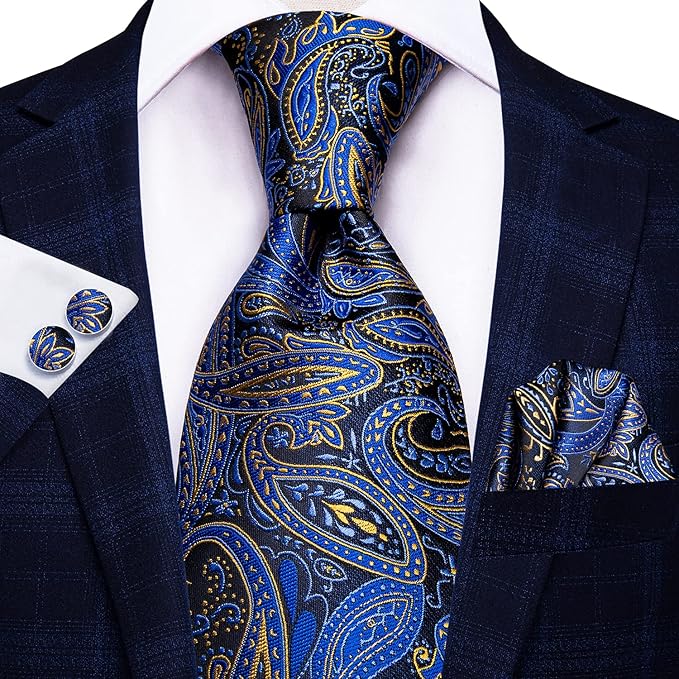
A good tie does not need to shout across the room. It should sharpen the line of a shirt, bring quiet depth to a jacket, and catch light without looking slick. For most American wardrobes, the best silk neckties are not the loudest designer pieces. They are well-proportioned, neatly made options in useful colors, with enough texture to keep the sheen controlled. Start with navy, burgundy, or a restrained geometric pattern, then choose the weave and finish to match where you plan to wear it. That approach works for offices, weddings, interviews, dinners, and formal events without turning your closet into a drawer of one-use accessories.
Many men’s silk ties look similar in product photos, yet small details change how they knot, drape, and age. A flat, glossy surface can appear inexpensive under bright conference-room lighting, while a lightly textured weave often looks richer in person. Good buying advice should explain that difference. It should also help you read a product page, compare construction, and avoid paying for a logo when the cloth and shape do not earn the price. For broader publishing and style resources, independent digital media insights offer another useful point of reference. The goal here is simple: buy fewer ties, wear them more often, and know why each one belongs in your rotation.
The Four Choices That Cover Most American Wardrobes

Most men do not need twenty ties. They need a small group that handles the situations that appear on an actual calendar. A navy textured tie covers business meetings and many weddings. Burgundy adds warmth without becoming flashy. A small geometric print works with plain shirts, while black or midnight silk belongs in the formal drawer. The counterintuitive part is that the most useful tie is often not the smoothest one. A little surface texture softens the shine, hides minor handling marks, and gives a simple color more depth.
Start with navy texture and burgundy twill

Navy is the safest first purchase because it behaves almost like a neutral. It works with charcoal, medium gray, navy, and many brown jackets. It also sits comfortably against white, pale blue, and soft pink shirts. Choose a grenadine-style texture, basket weave, or subtle rib rather than a mirror-flat satin finish. Under office lights, that broken surface creates small shadows, so the color looks deep instead of plastic. A standard four-in-hand knot keeps the result relaxed enough for a modern workplace while still reading as deliberate.
Picture a Monday presentation in Chicago: charcoal suit, white spread-collar shirt, black cap-toe shoes. A plain glossy navy tie may look severe and slightly dated. A textured navy version gives the same level of formality but adds movement when you turn your head or step toward a screen. It also crosses into evening use. Swap the white shirt for pale blue, add a navy blazer, and the tie still fits. That range is why it deserves the first slot in a men’s suit fit guide and in a working wardrobe.
Burgundy should come next, but avoid shades that drift into bright red. Deep wine, oxblood, and muted claret are easier to pair because they carry a brown or blue undertone. Twill is especially useful: its diagonal grain lends the cloth a quiet direction, and the sheen moves across the blade instead of sitting in one bright patch. Among formal tie styles, this is the one that can move from an interview to a fall wedding with almost no thought.
The surprise is how well burgundy works with blue. A navy suit and pale blue shirt can become too cool from top to bottom. Burgundy puts a warmer point near the face and makes the outfit feel finished. It also pairs with gray flannel, tan sport coats, and dark brown shoes. For an American professional who wears a tie once or twice a week, navy and burgundy may cover more ground than five novelty patterns.
Add one restrained pattern and one true evening option

Your third choice should create interest without controlling the outfit. Small repeating medallions, neat dots, or a modest foulard print work because the pattern reads as texture from a few feet away. Look for two or three colors at most. Navy with cream, forest green with gold, or burgundy with pale blue can all support common suit and shirt combinations. Large paisleys and oversized florals have a place, but they demand more planning and spend more time in the drawer.
Scale matters more than many shoppers expect. A broad stripe beside a wide chalk stripe can create visual noise, while tiny dots against a fine pencil stripe may blur together. The easy rule is contrast: pair a small tie pattern with a larger shirt pattern, or let one item stay plain. At a courthouse, client dinner, or graduation, that balance looks intentional without asking people to study the accessories. It also makes the same piece easier to wear across seasons.
For the fourth slot, choose based on your evening calendar. A black satin tie suits black-tie-adjacent dinners, memorial services, and dark suits after sunset. Midnight blue is often more flattering because it holds detail in low light and does not flatten against a black or navy jacket. If you own a tuxedo, a self-tie bow remains the classic choice, but a long black tie can serve dress codes that stop short of full black tie. Keep the surface clean and the pattern absent.
One small distinction saves money here: do not treat “formal” as a reason to buy the shiniest cloth available. High shine can fight with a wool suit and draw attention away from the face. A controlled satin glow or a fine rib looks calmer. The tie should support the jacket, not become a reflective strip down the center of your body. That is the difference between looking dressed for the occasion and looking as though the accessory arrived from a costume package.
Match Sheen, Color, and Pattern to the Occasion
Silk earns its appeal from the way it handles light, but sheen is not a single quality. Weave, yarn thickness, dye depth, and surface finish all change what the eye sees. This is where luxury neckties often separate themselves from cheaper copies, though price alone proves nothing. The best choice is the one whose finish agrees with the fabric around it. Smooth worsted suits can take a little glow. Brushed flannel, linen blends, and casual jackets usually need a drier, more textured surface.
Choose the right level of shine for work and weddings
For everyday business wear, aim for a low to medium sheen. You want light to move across the tie as you move, not collect in a bright vertical streak. Jacquard, grenadine, twill, and small figured weaves do this well. They create tiny changes in height across the cloth, breaking up reflection. This also makes dark colors easier to read. Navy stays navy, but it gains enough depth to avoid looking flat.
Office culture varies across the United States. A financial firm in New York may still favor dark suits and restrained neckwear, while a design agency in Austin may treat a tie as an occasional style choice. The same textured blue piece can work in both places because it does not feel ceremonial. Wear it with a suit in the first setting, then pair it with a soft-shouldered blazer and an Oxford shirt in the second. The cloth adapts because its shine stays under control.
Weddings allow more light and color, but the venue should guide you. For a daytime garden ceremony in California, dusty blue, sage, muted coral, or champagne can look natural in a woven surface. At an evening hotel reception in Boston, deeper jewel tones and a smoother finish make more sense. The common mistake is buying a pale, high-gloss tie because it matches a bridesmaid dress on a phone screen. In photographs, that finish can turn into a bright blank area.
A better method is to match the color family rather than chase an exact dye. If the wedding palette is eucalyptus green, choose a deeper olive or forest tone with texture. It will coordinate without making the groomsmen look like fabric swatches. The idea applies beyond weddings. When you understand how a tie reflects light, you can make a modestly priced piece look composed and prevent an expensive one from appearing overdone.
Use color temperature before you think about matching
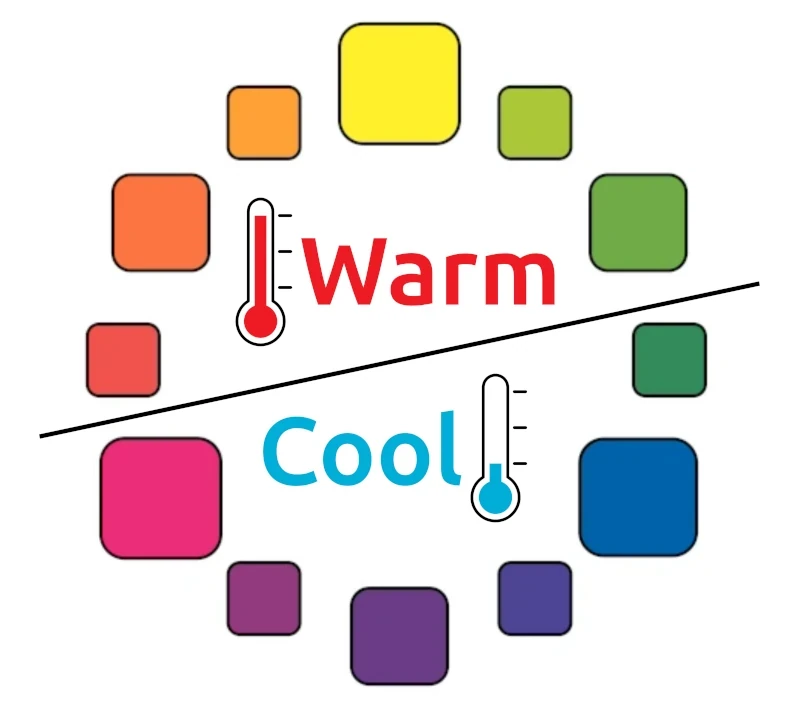
Most tie advice starts with color names. That is too shallow. Start with temperature: does the outfit lean cool, warm, or balanced? Navy and cool gray create a cool base. Brown, camel, cream, and olive lean warm. Burgundy can bridge both. Once you see the outfit this way, pairing becomes easier because you are managing the overall mood instead of hunting for an exact match.
Take a medium-gray suit and white shirt. A cool blue tie makes the combination crisp and direct. A wine-colored tie gives it more warmth and works well for dinner or an interview where you want a less corporate edge. A copper micro-pattern brings seasonal character for fall. None of these choices “matches” the suit in a literal sense. They relate to it. That distinction keeps an outfit from looking assembled by a chart.
Pattern should solve a problem, not create one. If your closet contains mostly plain white and blue shirts, a small print gives you useful variety. If you wear checks and stripes, solid texture may do more work. Before shopping, place three shirts and two jackets on the bed. Ask which tie would connect the greatest number of combinations. This five-minute test exposes impulse purchases faster than any brand ranking.
The same logic can guide a dress shirt color guide. A pale blue shirt supports navy, burgundy, rust, dark green, and many patterned options. A white shirt accepts almost anything but makes contrast sharper, so loud colors appear louder. Cream shirts prefer warmer shades. Pink shirts often look best with navy, deep green, or charcoal. Thinking in relationships turns choosing a tie from guesswork into a repeatable skill.
Luxury neckties often use color in layers rather than blunt blocks. A dark blue ground may carry a dusty gold motif with a smaller burgundy accent, giving the tie several points of connection without making it loud. The non-obvious choice is often a near-solid: a dark green tie woven with tiny navy figures may look plain from across a room, then reveal character during conversation. When uncertain, choose the pattern that becomes calmer with distance. It will usually be easier to wear and easier to remember for the right reasons.
How to Judge Silk Neckties Before You Buy
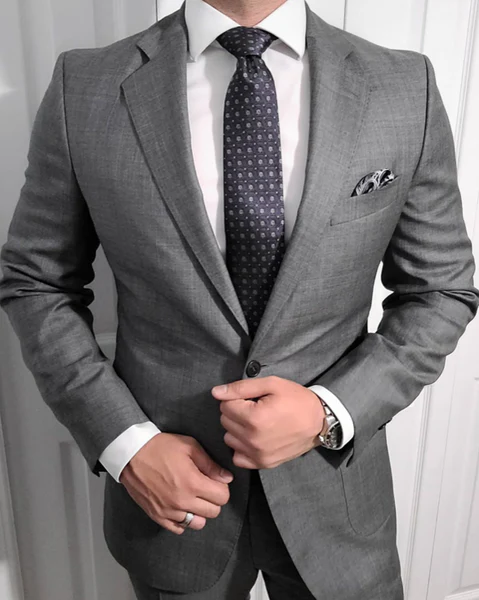
Product photos can hide weak construction. Bright lighting boosts color, careful folding conceals twisting, and close crops make thin cloth appear substantial. You need a practical inspection method that works online and in a store. Start with the fiber label, then study the weave, blade width, length, tipping, keeper, stitching, and return policy. In the United States, textile labels generally disclose fiber content and country of origin, so read the listing and the tag rather than trusting a vague phrase such as “silky finish.” The Federal Trade Commission textile-labeling guide explains those disclosures.
Read the label, lining, and finishing details
“100% silk” tells you the outer fiber, not the whole story. The shell can still be thin, stiff, loosely woven, or poorly dyed. Look for a close photo of the surface. You should see a consistent weave without pulled threads, random bumps, or pale gaps. A good tie also needs an interlining that supports the knot and helps the blade recover after wear. Too much lining creates a bulky knot; too little leaves the front limp.
Construction details offer clues, though no single feature proves quality. Self-tipping uses the same outer fabric on the back of the blade, while contrasting tipping uses a separate cloth. Hand-rolled edges take more labor and create a softer finish. A slip stitch running along the back seam allows some movement and can help the tie recover. These are meaningful details, yet they matter only when the overall piece hangs straight and feels balanced. GQ’s discussion with a tie specialist also distinguishes self-tipping from hand-rolled finishing and explains why fabric and workmanship affect cost.
Turn the tie over in a store. The back seam should sit cleanly without puckering. The keeper loop should lie flat and feel secure. Near the narrow end, a small visible loop or bar tack may protect the seam from strain. Then drape the tie over your hand. It should fall in a straight line rather than corkscrew. A slight curl from packaging can relax, but a persistent twist may signal uneven cutting or sewing.
Online, ask for dimensions and inspect customer photos for the same signs. Reviews that say “beautiful” are less useful than comments about knot size, length, thickness, or whether the blade twists. For men’s silk ties, practical feedback matters more than gift-box praise. Also check whether the retailer allows returns after you open the packaging. Color and shine often change under natural light, so a fair return window protects you from a misleading studio image.
Get width and length right before chasing a label
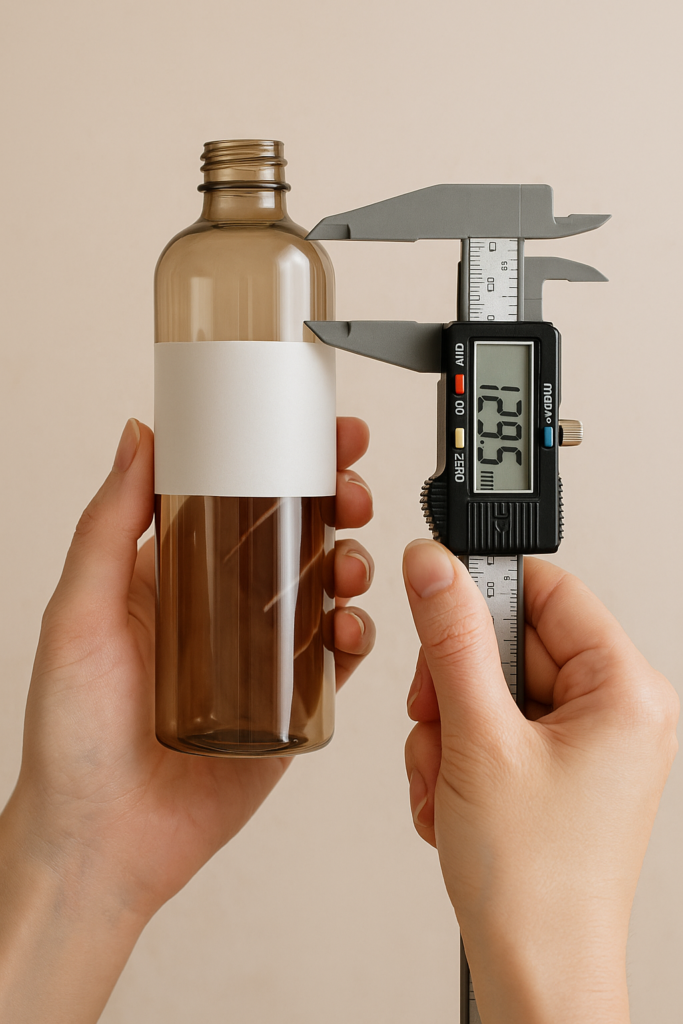
Width controls proportion. A tie around three to three and a quarter inches at the widest point suits many current suits because it relates well to moderate lapels. Narrower pieces can work with slim lapels and lean frames. Broader pieces suit wider lapels, larger builds, or tailoring with a fuller chest. The key is relationship. A narrow tie against a broad peak lapel looks stranded; an oversized blade against a trim jacket looks heavy.
Do not treat body size as the only rule. Jacket design matters as much. Measure the lapel at its broadest visible point, then choose a tie in the same general visual range. The measurements do not need to match to the millimeter. They need to look like they belong to the same outfit. This is why a man can wear different tie widths with different suits and still look consistent.
Length causes more frustration than width because knot choice changes the result. A standard tie often works for men of average height using a four-in-hand. Taller men, men with larger necks, and men who prefer a half-Windsor may need extra length. Your goal is for the front blade to reach the belt area without leaving the narrow blade so short that it escapes the keeper. Check the listed length, but also think about your usual knot and trouser rise.
Here is a useful home test. Take a tie that already lands well, lay it flat, and measure from tip to tip. Record the blade width too. Those two numbers become your personal baseline. When shopping, compare new listings against them. This is more reliable than generic “regular” or “extra-long” labels, which can vary by maker. It also stops you from paying more for a celebrated name that does not fit your proportions.
Price should enter only after fit and construction. A $35 tie that hangs straight, knots cleanly, and works with four shirts can serve you better than a $180 piece with a narrow, trend-driven cut. Higher prices may reflect better cloth, hand finishing, limited production, or design work. They may also reflect marketing. The buying test stays the same: does the material look good in normal light, does the knot hold, and will the color earn repeated wear?
Wear, Knot, and Care for a Better Drape
Even an excellent tie can look poor when the knot sits loose, the length is wrong, or the blade carries old creases. The good news is that these problems cost nothing to fix. Technique matters. So does restraint. A small dimple, a knot that fills the collar without crowding it, and a tip that meets the waistband will do more for your appearance than a prominent logo. Care matters because silk responds poorly to rough pulling, moisture, heat, and careless storage.
Build a clean knot instead of a large one
The four-in-hand should be your default. It creates a slightly uneven shape that looks natural with most point, spread, and button-down collars. Its smaller size also helps thicker woven fabrics avoid becoming a lump at the neck. Start with the wide blade low enough to finish at the waistband, cross it over the narrow blade, wrap once, bring it up through the neck loop, and pass it down through the front loop. Tighten in small movements.
Before sliding the knot to the collar, pinch the center of the blade below the knot. That forms a dimple. Do not squeeze the sides into hard folds. You want one clean depression that lets light fall across the cloth in two directions. Then hold the narrow blade while easing the knot upward. The collar should meet the knot without a visible gap. It should feel secure, not restrictive.
A half-Windsor helps when the collar spread is broader or the cloth is thin. It creates more width and symmetry, but it also consumes more length. Save the full Windsor for situations where your collar, build, and tie can support it. Many men use a large knot to make an outfit look formal, then end up with a stiff triangle that overwhelms the shirt. Among formal tie styles, scale and neatness matter more than knot size.
A common real-world problem appears after driving to an event. The seat belt presses a diagonal crease into the front blade, and the knot loosens as you move. Instead of tightening the knot repeatedly, wear the tie under a closed jacket while traveling or put it on after arrival. At the venue, check three things: collar gap, dimple, and length. That thirty-second reset has more visual effect than changing cuff links.
Protect the cloth from stains, creases, and heat
Untie the knot after every wear. Pulling the narrow end through a tight knot strains the seam and leaves deeper wrinkles. Reverse the steps instead, allowing the fabric to open gradually. Then hang the tie on a rounded rack or roll it loosely from the narrow end with the front facing outward. Both methods work. The choice depends on space and fabric weight. The goal is to remove pressure, not create a perfect display.
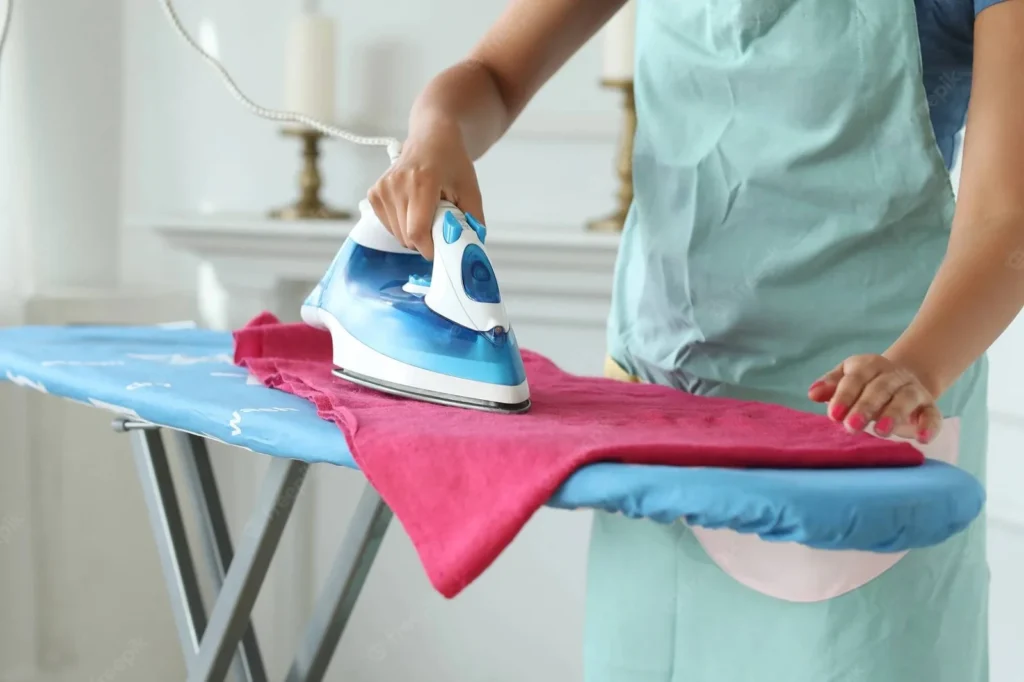
Give the tie a rest between wears. Silk can recover from a normal knot crease when it has time to relax. If a line remains, hang the tie in a bathroom while a warm shower runs, keeping it away from direct water. Mild ambient steam may help the fibers settle. Do not press a hot iron onto the face. Heat can flatten texture and create a shine patch that looks worse than the wrinkle.
Stains need patience. Blot a fresh spill with a clean white cloth; do not rub. Rubbing pushes liquid across the surface and can disturb the weave. Avoid home mixtures unless the care label or maker recommends them. Water can leave rings, and aggressive stain removers may alter dye. For a valuable piece, use a cleaner experienced with neckwear and point out the stain before service. The FTC’s care-label rule explains that textile apparel labels should state the regular care needed for ordinary use, so follow the item’s own instructions rather than a generic internet trick.
Storage has a quiet effect on sheen. Direct sun can fade one exposed edge, while crowded hooks can crush the surface. Keep ties in a cool, dry closet with enough space for air to move. If you travel, roll each one loosely and place it inside a small pouch or between soft clothing. Do not stuff it into a shoe. That shortcut creates sharp folds and exposes the fabric to polish, dirt, and rough edges.
Conclusion
A strong tie wardrobe grows from good judgment, not accumulation. Begin with colors that connect to the suits and shirts you already own, then let texture control the amount of shine. Navy, burgundy, a restrained pattern, and one evening option can handle most American work, wedding, interview, and dinner settings. The smartest purchases often look calmer on the hanger because they leave room for the rest of the outfit.
When comparing silk neckties, pay attention to the facts a product photo cannot fully sell: fiber labeling, dimensions, weave, balance, knot behavior, finishing, and return terms. A famous label can add appeal, but it cannot correct the wrong width or make an overly glossy finish suit every jacket. Try each piece in daylight, knot it with your usual collar, and judge it from several feet away.
Care will protect the value you bought. Untie slowly, let the cloth rest, keep it away from harsh heat, and treat stains with restraint. Then wear the tie often enough to make it part of your style rather than a preserved object. Choose the next one only when it adds a new function to the wardrobe.
Frequently Asked Questions
What color silk tie should a man buy first?
Navy is the strongest first choice because it works with charcoal, gray, blue, and many brown jackets. Pick a textured weave rather than a high-gloss finish. The added surface depth makes the color easier to wear in offices, interviews, weddings, and evening settings.
How wide should a men’s tie be in the United States?
Around three to three and a quarter inches suits many modern jackets, but lapel width should guide the final choice. Slim lapels can support a narrower blade, while broader tailoring needs more visual weight. Compare the tie with the jacket instead of following a trend alone.
Is a 100% silk tie always high quality?
No. Fiber content does not reveal weave density, dye quality, interlining, cutting, or stitching. Inspect how the cloth hangs, whether the blade twists, and how the knot forms. A well-balanced tie with clean finishing can outperform a costlier option carrying the same fiber label.
What tie knot works best with a smooth silk finish?
A four-in-hand works for most collars and keeps the knot from becoming bulky. Form a small center dimple before tightening, then slide the knot snugly to the collar. A half-Windsor can suit wider spread collars when the cloth is thin enough to support added structure.
Can a shiny tie be worn to a daytime wedding?
Yes, but keep the reflection controlled. A woven or lightly ribbed finish photographs better than mirror-like satin in strong daylight. Choose a color related to the wedding palette rather than an exact bright match, and test it beside the shirt and jacket before the event.
How should a silk tie be stored after wearing?
Untie it by reversing the knot, then hang it on a rounded rack or roll it loosely from the narrow end. Leave enough space so other accessories do not crush the surface. Resting between wears helps normal knot creases relax and preserves a clean drape.
How can I tell whether an online tie will look too glossy?
Study customer photos taken in normal rooms, not only studio images. Look for texture in close-up shots and read reviews that mention shine, thickness, and drape. A strong return policy also matters because color and reflection can change once you see the fabric in daylight.
How many ties does a man need for work and events?
Four to six well-chosen options cover many wardrobes: navy texture, burgundy, one restrained pattern, one evening piece, and perhaps one seasonal color. Add more only when a new tie fills a clear gap. Repeated wear is a better measure of value than collection size.
More Essential Men’s Style Guides
Continue reading selected fashion, grooming, wardrobe and accessory guides from Men Fashion MAG.