

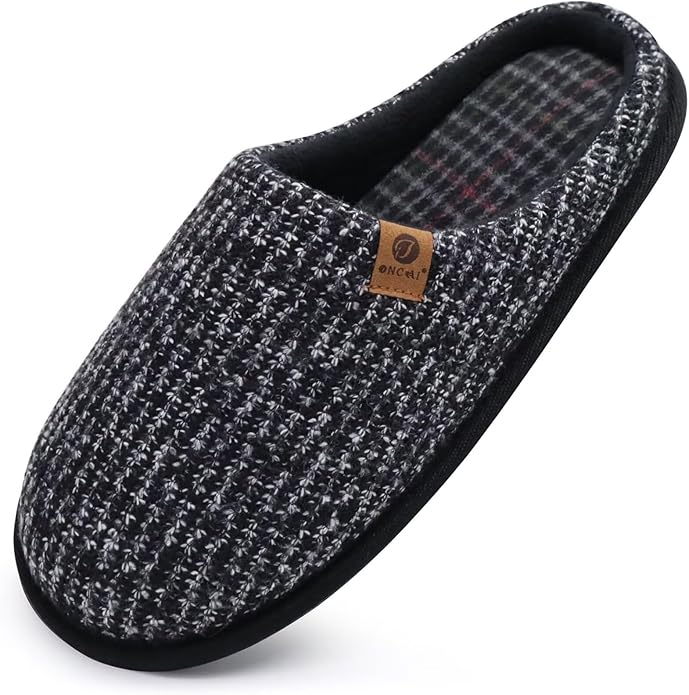
The right house slipper disappears into your routine: one step out of bed, one easy slide of the foot, and the cold floor stops being a problem. For most American homes, the strongest scuff slippers balance three things that rarely arrive together: a low open heel, enough cushioning for repeated wear, and a sole suited to the surfaces you cross each day. The best plush indoor pick is the UGG Men’s Scuff, while L.L.Bean’s Mountain Slipper Scuffs make more sense for quick trips to the porch or mailbox. RockDove offers a practical washable option, and support-minded buyers should look toward structured Acorn styles. Those choices serve different habits, so there is no honest one-pair answer for every man. A remote worker in Minnesota needs more insulation than a retiree in Phoenix, and a hardwood staircase asks more from a sole than wall-to-wall carpet. Good buying advice should respect those differences. That same practical approach matters across trusted lifestyle and home guidance, where useful recommendations begin with how people live rather than what looks impressive in a product photo.
What Makes Scuff Slippers Better for Daily Lounging
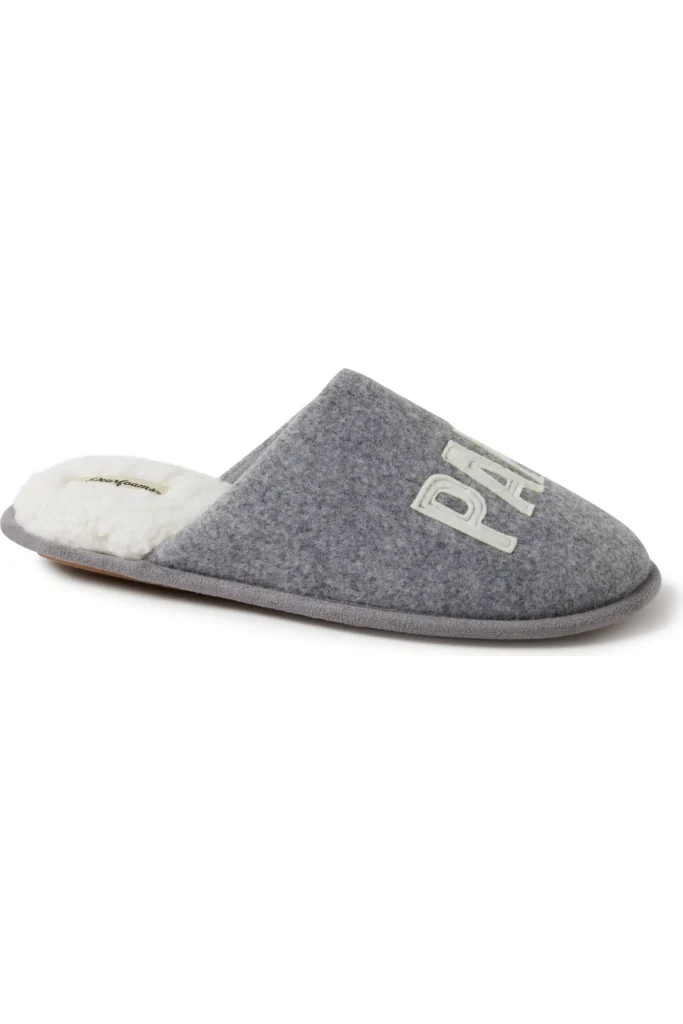
An open heel is not a small design detail. It changes when you wear the slipper, how often you reach for it, and how much attention you need to put into fit. The appeal comes from removing friction. You do not bend down, pull on a heel collar, or adjust laces before making coffee. Yet that convenience creates a tradeoff: the slipper must stay under your foot without gripping your heel. The best pairs solve that problem through a shaped footbed, a secure upper, and sensible weight rather than through bulk.
The Open Heel Should Feel Easy, Not Loose
A well-designed open back lets your heel rise naturally while the forefoot remains settled. That is the quiet advantage behind good men’s slip-on slippers. You should be able to cross a room without curling your toes to keep the pair in place. Toe gripping often means the size is too large, the upper sits too high, or the footbed offers too little shape.
Try this simple fit check at home. Put on the pair without socks, walk from the bedroom to the kitchen, turn twice, and climb a few steps if stairs are part of your routine. Your heel can approach the rear edge, but it should not hang over it. Your toes should not touch the front wall. Listen as you walk. Loud slapping often points to excess length or a stiff sole that does not move with your stride.
Many shoppers size up automatically because they expect thick lining to feel tight. That can backfire. Plush fibers compress after repeated wear, so a loose new pair may become sloppy within weeks. A close, pressure-free fit often ages better than an oversized one. The key is distinguishing snugness from pinching. Warm lining around the sides is normal; pressure on the longest toe is not.
The open heel also affects where these shoes belong. They shine during short, low-risk movement around the house: getting the morning paper, feeding the dog, or settling onto the couch. They are less convincing for carrying laundry down steep stairs or walking across an icy driveway. Convenience should not be confused with all-purpose security.
Comfort Comes From Structure Under the Softness
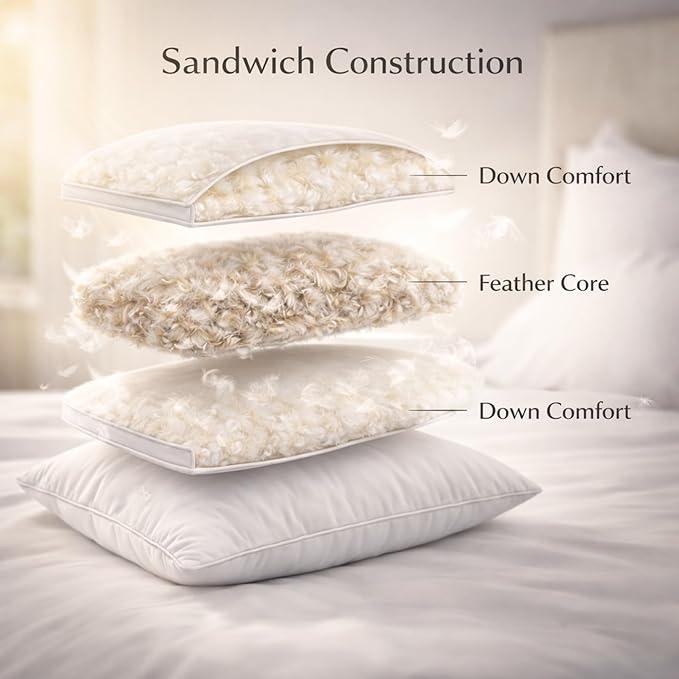
Soft lining gets attention because you feel it first. The footbed determines whether you still like the slipper after an hour. A thin foam layer can feel pleasant during the first few steps, then flatten until the floor seems closer than expected. Better comfortable indoor slippers spread pressure across the heel and forefoot while keeping the platform steady.
The UGG Men’s Scuff illustrates the luxury-first approach. Its current U.S. design combines a suede upper, wool-blend lining, sheepskin insole, foam footbed, and suede outsole. That construction favors warmth, softness, and quiet indoor wear rather than wet sidewalks or rough pavement. It is a strong choice for a bedroom, home office, or carpeted living area, especially when the user values natural-feeling insulation.
A more shaped footbed may suit someone who stands at a kitchen counter, works from home, or deals with tired feet after a shift. Acorn describes its men’s line around cushioned footbeds, built-in arch support, soft linings, and sturdy indoor-outdoor soles. That does not mean every foot needs a high arch bump. It means the slipper should do more than place a layer of fluff between skin and flooring.
Here is the counterintuitive part: the thickest-looking pair is not always the most restful. Too much soft foam can wobble, trap heat, and collapse unevenly. A modest cushion over a stable base often feels calmer over a full evening. The goal is not to sink. It is to feel supported without noticing the support.
Best Styles for Different American Homes and Habits

Shopping gets easier when you stop asking which pair wins overall and start asking where it will spend most of its life. A Chicago apartment with radiator heat, a ranch house in Texas, and a drafty New England farmhouse create different demands. Floor material matters too. Tile pulls heat from the foot, polished hardwood can punish weak traction, and carpet hides some flaws in the sole. The strongest choice matches the room, climate, and routine before it matches a brand name. For many buyers, men’s slip-on slippers succeed because they remove one small obstacle from every break, morning, and late-night trip to the kitchen.
Plush Indoor Pairs for Cold Floors and Quiet Evenings
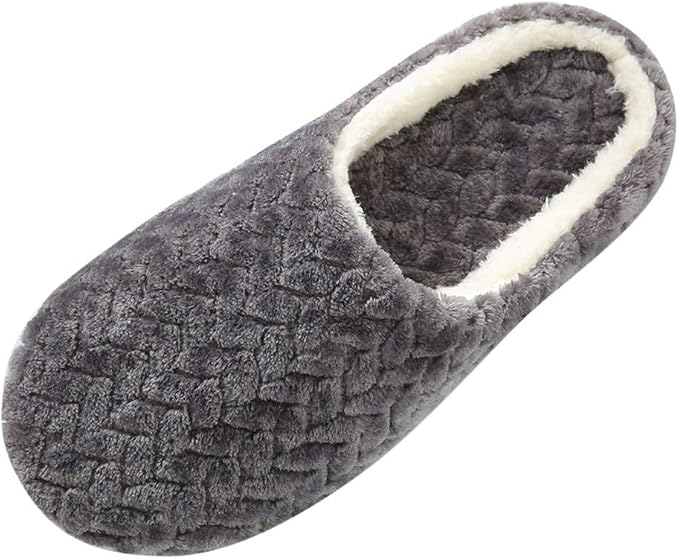
For cold-weather comfort, UGG’s Men’s Scuff remains the clearest premium indoor choice. The wool-based lining and sheepskin insole suit men who want warmth without the enclosed feeling of a bootie. The suede outsole also keeps the profile light and flexible. That same outsole limits the use case, though. It belongs on dry indoor floors, not on a damp deck after snowmelt.
A man in Vermont who moves from bedroom carpet to a home office may value that quiet, soft build. A man who steps into the garage each morning may find it too delicate. Neither judgment makes the pair good or bad. It reveals the importance of matching construction to habit.
Shearling and wool blends deserve attention because they manage comfort differently from thick synthetic fleece. They can feel warm without creating the same sealed, stuffy sensation, though individual results depend on room temperature and how much your feet perspire. Dearfoams’ Fireside Warwick scuff, for example, uses Australian sheepskin lining and promotes moisture-wicking, temperature-regulating wear with an indoor-outdoor outsole. It aims at buyers who want a richer lining but need more ground protection than a soft suede bottom offers.
Do not assume “warmer” means “better.” Men in Florida, Arizona, Southern California, and much of the Gulf Coast often need a breathable upper more than deep insulation. A heavy lining may stay in the closet for nine months of the year. In those homes, lighter open-back house shoes can earn more wear because they solve the floor-comfort problem without turning every room into winter.
Rugged Soles for the Porch, Garage, and Mailbox
Some households blur the line between indoors and outdoors. You may take the trash out, walk to a detached garage, water pots on the patio, or stand on a concrete porch while the dog circles the yard. A soft indoor outsole wears quickly in that routine. Look for rubber or durable EVA with enough tread to handle dry exterior surfaces.
L.L.Bean’s Mountain Slipper Scuffs fit this role well. The company presents them as fleece-lined indoor footwear with a rugged rubber sole that can handle outdoor use, and it advises customers between half sizes to order up. They make sense for a suburban home where “indoors only” rarely survives the first week.
RockDove’s Daniel Waffle Knit model takes a lower-cost, easy-care path. Its official specifications list an open back, memory-foam footbed, lightweight nonslip rubber sole, moisture-wicking terry lining, and machine-washable construction. That package suits a busy household where coffee drips, pet hair, and kitchen crumbs are more likely than careful suede maintenance.
The non-obvious point is that a tougher sole can make a slipper less pleasant inside. Thick rubber adds weight, and a raised tread can sound clunky on hard floors. It can also reduce the soft flex that makes a bedroom pair feel relaxed. Buy the rugged outsole because you need it, not because it sounds like a free upgrade.
A useful rule is to judge the farthest place you plan to walk. If the limit is the front mat, a light rubber sole may be enough. If you regularly cross gravel, wet grass, or a long driveway, choose a closed-back house shoe or change into outdoor footwear. A backless lounge pair is not a substitute for a walking shoe.
How to Choose Fit, Sole, and Materials Without Guessing
Online photos can show color and shape, but they hide the issues that decide long-term comfort. You cannot see whether the lining crowds the toes, whether the sole twists too easily, or whether the upper holds a narrow foot. That makes the buying process less about chasing a familiar logo and more about reading construction details with discipline. Fit first. Then sole. Then lining. Style comes after those three. The best open-back house shoes feel secure because their shape works with your foot, not because the upper squeezes it.
Get the Size Right Before the Lining Packs Down
Many slippers use grouped sizes such as small, medium, large, and extra-large. That system feels simple until your shoe size sits at the edge of a range. Check the brand chart rather than assuming every large fits the same. Dearfoams, for example, publishes a dedicated slipper guide and notes that its styles use medium-width sizing. A broad forefoot may need a different brand, a wide option, or a more forgiving upper.
Measure both feet late in the day, when they may be slightly fuller. Use the larger measurement. Wear the sock thickness you expect to use at home. If one brand says to size up for half sizes, follow that instruction rather than applying it to every maker. L.L.Bean gives that guidance for its Mountain Scuff model, while other designs may fit differently.
The top of the slipper should hold the forefoot without pressing across the instep. Men with a high instep often mistake top pressure for a length problem and buy a longer size. That leaves excess room behind the foot while the upper still feels tight. A deeper vamp or stretch panel may solve the issue better than added length.
Pay attention to how the pair behaves when you turn. Straight-line walking can hide a loose fit. A pivot exposes it. If the slipper slides sideways under your foot, the upper is too roomy or the platform is too narrow. That matters on smooth floors, where a sloppy fit can feel less stable even when the outsole has good traction.
Match the Outsole and Lining to Your Real Routine
The outsole deserves more attention than the color. Press the front of the slipper upward. Some flex near the ball of the foot is helpful, but the entire sole should not fold or twist like a washcloth. The American Podiatric Medical Association warns that slide-style footwear may contribute to arch or heel discomfort when cushioning and support are inadequate, and it advises against prolonged wear of weak, overly flexible designs.
Traction also depends on the floor. A shallow rubber pattern may work on dry hardwood but struggle on a wet kitchen tile. A deep tread can grab outdoor surfaces yet catch on thick rugs. No sole performs equally well everywhere. Check the transition points in your own home: bathroom to hallway, kitchen to deck, basement steps to concrete.
For more ideas on building a safer, easier home routine, see these practical home comfort upgrades. The point is not to turn a slipper purchase into a construction project. It is to notice that flooring, lighting, clutter, and footwear work together. A grippy sole cannot fix a loose runner rug.
Lining should follow climate and body temperature. Wool and shearling appeal to cold-footed users. Terry, cotton-blend knits, and lighter fleece often suit warm rooms or longer wear. RockDove’s waffle-knit model pairs moisture-wicking terry with a washable build, while Dearfoams promotes temperature-regulating materials across parts of its current men’s range. Those details matter more than a thick-looking product photo.
One overlooked factor is sock use. A heavily lined pair worn with athletic socks can feel crowded and overheated. A lighter model may feel ideal with socks in winter and bare feet in spring. If you switch between both, choose enough internal volume for socks without letting the bare foot swim inside.
Buying Smarter and Making Your Pair Last

A slipper is a small purchase compared with a mattress or recliner, yet it can become one of the most-used items in the house. Even comfortable indoor slippers lose their appeal when care demands do not match the owner’s habits. That is why cheap comfort can turn expensive. A pair that loses shape in two months costs more per season than a better-built option that survives repeated wear. Durability, however, does not come from price alone. Care method, floor use, and rotation can change how long any pair stays pleasant.
Choose Care Requirements You Will Actually Follow
Start with the label, not a cleaning trick from social media. Suede, shearling, wool blends, terry cloth, and synthetic fleece react differently to water and heat. UGG points owners toward product-specific care guidance for its suede-and-wool construction. Dearfoams says many non-suede styles can go through a gentle machine cycle and should air dry.
Machine washability is valuable only when the pair keeps its shape afterward. Use cold or cool water if the care label allows it, remove loose debris first, and avoid high dryer heat unless the maker says otherwise. Heat can shrink fabric, harden some materials, or weaken adhesives. Air drying takes longer, but it is usually kinder to foam and bonded layers.
Daily care is simpler. Let damp slippers breathe instead of pushing them under the bed. Shake out grit that can abrade the lining. Wipe the outsole before indoor use if you stepped outside. Households with pets may benefit from a lint roller near the entryway. None of this requires a ritual.
Rotation is another quiet durability tool. Two affordable pairs used on alternating days can outlast one pair worn from dawn to bedtime because foam and lining get time to recover and dry. That approach is especially useful for remote workers. One pair can stay near the desk while another remains by the bed.
Readers planning broader cleaning routines may also find easy-care flooring ideas useful. A floor that traps less grit and moisture helps indoor footwear stay cleaner. The relationship works both ways.
Know When an Open Back Is the Wrong Choice
An open heel is convenient, but it is not automatically the safest shape. Men who shuffle, have balance concerns, use steep stairs, or need strong rear-foot control may do better with a closed-back slipper or supportive indoor shoe. The same applies when foot pain changes your walking pattern. Comfort should not require gripping with the toes or shortening your stride.
The APMA advises that feet or heels should not hang over the edge of open footwear and that persistent foot pain deserves professional attention. That guidance is easy to overlook because house shoes feel casual. Your feet do not care whether the problem happens in a formal shoe or beside the couch.
A closed heel can also make more sense for active chores. Carrying a laundry basket blocks your view of the steps. A heel collar provides extra retention when you cannot watch every foot placement. Likewise, a garage workshop may call for protective footwear rather than a soft lounge design, even when the job seems quick.
The counterintuitive buying mistake is choosing maximum convenience for a routine that demands control. A man who spends ten hours seated may love an open back. A man who is up and down basement stairs all evening may not. The best purchase respects movement, not marketing.
Before ordering, picture one ordinary weekday from morning to night. Where do you walk? Which floors get wet? Do you wear socks? Do you step outside? Do your feet run hot? A truthful answer to those questions will narrow the field faster than another hour of scrolling.
Conclusion
A good house slipper should make home feel easier without asking you to think about it. Start with the place you will wear it most, then match the sole and lining to that setting. The UGG Men’s Scuff suits plush indoor comfort, L.L.Bean’s Mountain design handles light outdoor detours, RockDove offers washable practicality, and structured Acorn options deserve a look when underfoot support matters. Those are different solutions, not competing versions of the same idea.
The smartest way to buy scuff slippers is to treat the open heel as both a benefit and a limit. It makes entry effortless, but it also places more responsibility on fit, footbed shape, and walking habits. Avoid oversized pairs, do not assume thicker foam means better comfort, and choose a rubber outsole only when your routine needs one.
Good lounging footwear is not about chasing the softest photo online. It is about finding the pair you will wear on an ordinary Tuesday, across your actual floors, in your actual climate. Choose for that day, and comfort tends to follow.
Frequently Asked Questions
What are men’s scuff-style slippers used for?
They are designed for easy indoor lounging, short household walks, and quick on-off use. The open heel removes the need to bend down or adjust a closure. Some models also have rubber outsoles for brief trips to a porch, garage, or mailbox.
Are backless slippers safe on hardwood floors?
They can be, provided the outsole grips the surface and the fit does not slide under your foot. Test turns as well as straight walking. Avoid pairs that slap, twist, or require toe gripping, and keep polished floors dry and free of loose rugs.
Should I size up in men’s house slippers?
Follow the maker’s chart and model-specific advice. Thick lining may feel close at first, but it often compresses with wear. Sizing up without guidance can create a loose fit later. Your heel should stay on the footbed, and your toes should not touch the front.
What is the best slipper lining for sweaty feet?
Lighter terry, cotton-blend knit, or moisture-managing fabric often feels better than dense synthetic pile. Wool-based linings may also regulate warmth well for some users. The right answer depends on room temperature, sock use, and how long you wear the pair each day.
Can indoor-outdoor slippers replace regular shoes?
They work for short, dry trips outside when the outsole suits the surface. They do not replace walking shoes for long distances, wet grass, icy pavement, or rough ground. Open heels also provide less rear-foot retention during active movement.
How often should men’s slippers be replaced?
Replace them when the footbed stays flat, the outsole loses grip, the upper no longer holds the foot, or the lining develops persistent odor or wear. Heavy daily use shortens service life. Cleaning, air drying, and rotating pairs can extend it.
Are memory-foam slippers good for all-day wear?
They can feel pleasant, but foam quality and platform stability matter more than the label. Soft foam that collapses quickly may leave the foot unsupported. For long home-office days, look for cushioning over a stable base and enough shape under the arch.
How do I clean slippers without damaging them?
Read the sewn-in care label first. Many fabric styles allow a gentle machine wash and air drying, while suede, wool, or shearling often need product-specific care. Avoid high heat unless the manufacturer permits it, since heat may affect foam, fabric, and adhesives.
More Essential Men’s Style Guides
Continue reading selected fashion, grooming, wardrobe and accessory guides from Men Fashion MAG.