Men’s wardrobes are louder than they look right now. Offices relaxed their rules, streetwear matured, tailoring came back in fragments, and social feeds turned everyday outfits into public receipts. That mix creates a new problem: the mistakes aren’t dramatic, they’re expensive. A jacket that almost fits. Sneakers that almost work. A “classic” item bought in the wrong fabric, for the wrong weather, with the wrong proportions. Avoid These Costly is the difference between looking intentional and looking like you tried to buy taste in a hurry. Men Fashion is watching the shift in real time, and the common errors have a pattern.
Costly Men’s Fashion Mistakes don’t announce themselves. They sit in the shoulder seam, the trouser break, the shine of a cheap leather, the clumsy clash between formality levels. Fixing them isn’t about chasing trends. It’s about removing the quiet sabotages.
Buying the right size in the wrong fit
Costly Men’s Fashion Mistakes often start with a label. Medium, 32, 42R—numbers that feel authoritative, then fail the moment you move. Fit is a shape problem, not a size problem, and most men buy based on comfort at rest instead of how clothes behave in motion.
A shirt can button easily and still pull at the back when you reach forward. A blazer can “feel fine” while the shoulder line collapses and the sleeve twists. Those are the tells that Men Fashion editors notice instantly, even when the outfit looks passable in a mirror.
The expensive part is repetition: buying the same category again and again, hoping the next one lands better. The smarter move is to pick a silhouette you know works, then buy within it. Relaxed doesn’t mean sloppy. Slim doesn’t mean tight. Your proportions decide the lane, not the mannequin.
Ignoring shoulder structure in jackets and coats
If there’s one mistake that drains money quietly, it’s treating the shoulder like a minor detail. Costly Men’s Fashion Mistakes show up when a jacket fits everywhere except the place it can’t be fixed cheaply. Shoulder width and slope are the foundation.
Padding that’s too heavy makes casual outfits look stiff. No structure at all can make you look smaller than you are, especially in photos where the fabric collapses. Men Fashion conversations keep circling back to this because outerwear is where budgets go to die.
The trap is buying a coat because the fabric feels premium, then realizing the top half looks borrowed. Tailors can adjust many things, but shoulders are usually a “buy it right or don’t buy it” zone. That rule alone saves more than any sale strategy.
Spending on hype pieces that don’t anchor outfits
A loud purchase feels like progress. Then it hangs in the closet, waiting for the day your life becomes stylish enough to wear it. Costly Men’s Fashion Mistakes include buying statement items without building the boring backbone that makes them wearable.
Men Fashion isn’t anti-trend; it’s anti-orphan item. A striking jacket needs calm trousers. Bold sneakers need a clean hemline. A patterned shirt needs restraint everywhere else. When the basics are missing, the statement piece turns into a costume.
This is where long tail thinking pays off: buy the pieces that multiply outfits, not the ones that demand a new wardrobe around them. The most “fashionable” men usually repeat a tight set of formulas, then rotate one variable at a time.
Mixing formality levels like they’re interchangeable
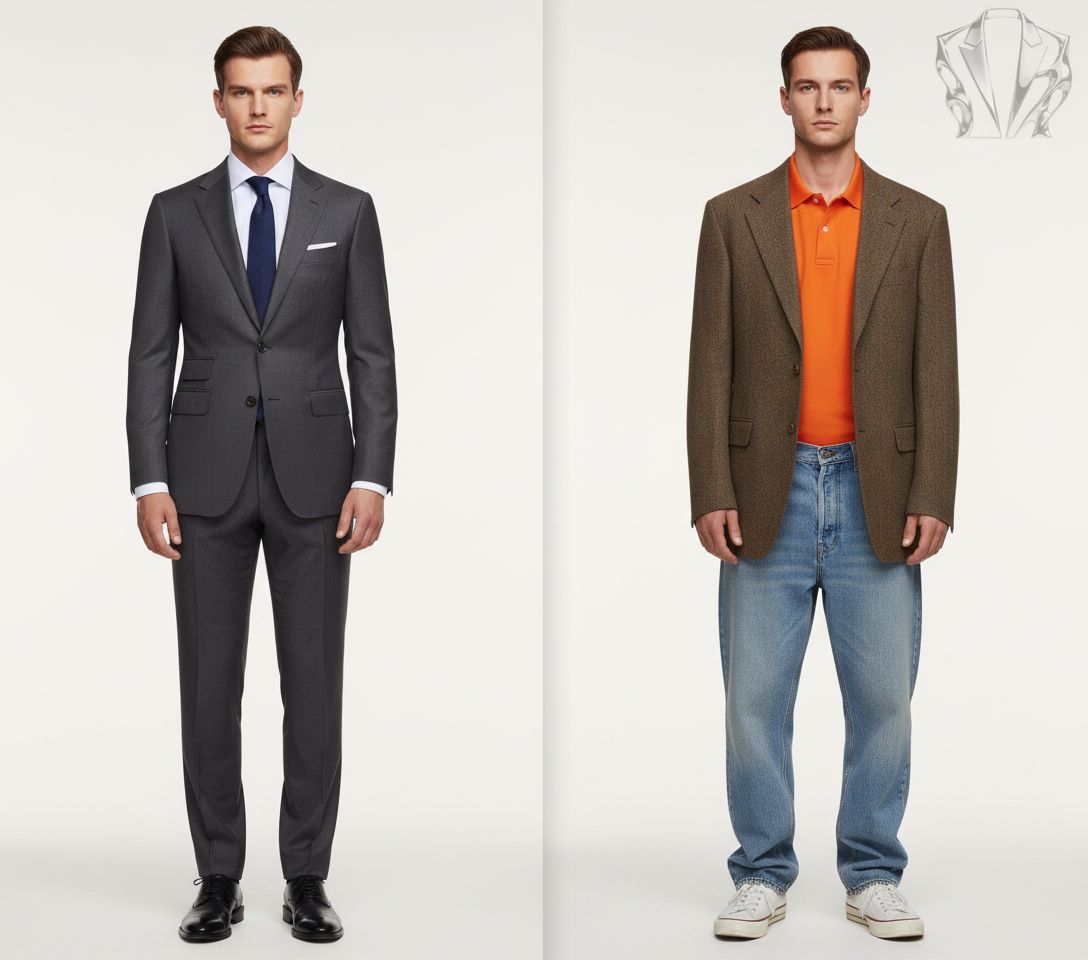
A blazer with gym shoes can work. So can a hoodie under a coat. But the bad versions are everywhere, and they read as confusion, not confidence. Costly Men’s Fashion Mistakes happen when items come from different dress codes and nobody negotiates the middle.
The issue is texture and finish. A suit jacket is crisp; most sneakers are casual; the contrast can look intentional or accidental. Men Fashion outfits that pull it off usually share a bridge element: a knit polo, a refined sneaker, a trouser with relaxed tailoring.
If you feel “almost right,” you usually are. That’s the tell. Swap one piece to bring the outfit into a single story. Otherwise you’ll keep buying “solutions” that never solve the mismatch.
Treating shoes as an afterthought
Shoes are the first thing people notice when the rest is competent. They’re also the fastest way to ruin a good outfit. Costly Men’s Fashion Mistakes include wearing tired footwear with sharp clothing, or shiny dress shoes with casual looks.
The expensive part isn’t only buying more shoes. It’s buying the wrong kind: overly pointed toes that date quickly, plastic-coated leather that cracks, soles that look chunky against slim trousers. Men Fashion has watched men spend heavily on shoes that photograph poorly and age worse.
One pair of clean, well-made neutral sneakers, one pair of versatile leather shoes, one seasonal option—then you maintain them. Wear patterns matter. So do socks. Small things, but they compound into whether you look finished or unfinished.
Overlooking fabric and seasonality
A “nice” sweater that pills by week three. A summer shirt that traps heat. A coat that looks great but makes you sweat indoors. Costly Men’s Fashion Mistakes are often fabric mistakes disguised as style choices.
Men Fashion readers keep getting burned by blends that look rich under store lighting, then collapse in daily wear. Cheap synthetics shine. Poor cotton loses shape. Thin wool feels scratchy and sits badly on the body.
Seasonality isn’t optional. Dressing out of season forces compromises—rolling sleeves awkwardly, layering in ways that bunch, sweating through shirts. Buying fewer, better fabrics that match your climate saves money because you stop replacing disappointment.
Getting proportions wrong with trousers and hems
Nothing dates an outfit faster than the wrong trouser shape for your shoes and height. Costly Men’s Fashion Mistakes include extreme skinny cuts that fight modern footwear, or overly wide trousers that swallow the leg without intent.
Hem length is where this becomes visible. Too long and you stack fabric at the ankle. Too short and you look like you lost an argument with your wardrobe. Men Fashion styling succeeds when trousers create a clean line from waist to shoe.
Proportions are not about trends; they’re about balance. If the top is structured, the bottom can relax. If the shoe is bulky, the trouser needs weight. When those relationships work, the outfit reads expensive even if it isn’t.
Over-layering without a clean base
Layering looks effortless when it’s edited. It looks chaotic when it’s done as insurance. Costly Men’s Fashion Mistakes show up when every layer competes: hoodie, overshirt, jacket, scarf, bag, all with different weights.
Men Fashion layering that works starts with a base that could stand alone. Then each added layer has a purpose: warmth, structure, texture, or color control. When layers exist only to “add style,” they usually add clutter.
A strong base outfit also makes you less dependent on outerwear. You stop buying layers to hide weak fundamentals, which is where wardrobes inflate and still feel empty.
Over-accessorizing or ignoring accessories entirely
Accessories can elevate. They can also signal insecurity. Costly Men’s Fashion Mistakes include piling on bracelets, chains, rings, and a loud watch as if quantity equals polish. The opposite mistake is refusing accessories and leaving outfits flat.
Men Fashion tends to reward one or two deliberate choices: a watch that matches your vibe, a belt that makes sense with the shoes, eyewear that suits your face. Everything else should feel like punctuation, not noise.
Even bags matter now. A cheap backpack with a tailored coat is a formality clash. A structured tote with casual fits can look overly precious. The point is coherence, not decoration.
Chasing “timeless” pieces that aren’t timeless on you
Timeless is personal, not universal. Costly Men’s Fashion Mistakes happen when men buy classics that look classic on someone else. A trench coat can dominate a shorter frame. A double-breasted blazer can feel costume-like if your lifestyle is casual.
Men Fashion sees this in the “capsule wardrobe” era: everyone buys the same items, then wonders why they don’t look like the photos. Your daily context is the filter—commute, weather, workplace, social life.
A classic piece becomes timeless when it earns repeat wear. If it needs a special occasion to feel appropriate, it’s not timeless for you. It’s an aspirational prop.
Neglecting grooming and garment care
Even the best clothes lose when the details slip. Costly Men’s Fashion Mistakes include wrinkled shirts, lint on dark knits, untrimmed collars, scuffed shoes, and fabrics that look tired because nobody cared for them.
Men Fashion isn’t pretending grooming is separate from style. Skin, hair, and nails change how outfits read. The same applies to garment care: proper hangers, steaming, washing less aggressively, storing knits correctly.
This is the unglamorous part that makes budgets go further. Clothes last longer. They also look more expensive. And you stop buying replacements that could’ve been prevented.
Dressing for the photo instead of the day
A lot of men now dress for a single angle: mirror selfie, street shot, a quick post. Then the outfit fails in real life—uncomfortable, impractical, weird when you sit, too hot, too loud. Costly Men’s Fashion Mistakes include prioritizing optics over living.
Men Fashion style that lasts is wearable. It handles movement. It survives a long day without constant adjustment. When an outfit is only built to be seen, it often looks brittle up close.
The fix is simple but not easy: choose clothes that work in your actual routine. If your life is casual, build refined casual. If you need tailoring, make it functional. A wardrobe should support you, not audition for strangers.
Conclusion
Costly Men’s Fashion Mistakes aren’t about lacking taste; they’re about buying without a framework. The same errors repeat because they feel minor at checkout and major after a few wears. Men Fashion keeps returning to fit, proportion, fabric, and coherence because those are the levers that stay relevant when trends shift. The goal isn’t perfection. It’s removing the self-inflicted problems that keep outfits stuck in “almost.” When those are gone, your style stops feeling like a project and starts looking like a decision.
What are the most common Costly Men’s Fashion Mistakes?
Poor fit, wrong fabrics, and mismatched formality levels lead the list. Men Fashion sees these mistakes repeatedly because they’re subtle but highly visible.
How many times should I wear something before deciding it was a mistake?
Give it three real outings. If it still feels awkward, Costly Men’s Fashion Mistakes usually aren’t fixable with confidence alone.
Are trends always a bad investment in Men Fashion?
No. Trends work when they connect to your base wardrobe. Costly Men’s Fashion Mistakes happen when trends become isolated purchases with no support.
What’s the fastest way to improve fit without buying new clothes?
Tailor simple adjustments like hems and waist. But shoulders are risky. Men Fashion recommends avoiding Costly Men’s Fashion Mistakes by buying tops correctly first.
Do expensive brands guarantee better style outcomes?
Not automatically. Costly Men’s Fashion Mistakes can be luxury mistakes too. Men Fashion focuses on fit, fabric, and proportion before logos.
Why do my outfits look good at home but bad outside?
Lighting and movement reveal flaws. Costly Men’s Fashion Mistakes often hide indoors. Men Fashion suggests testing outfits in daylight and real situations.
Is it okay to mix sneakers with tailoring?
Yes, if the sneaker is refined and the tailoring isn’t too formal. Costly Men’s Fashion Mistakes happen when the gap is too wide.
How do I know if a jacket shoulder fits?
The seam should sit at your shoulder edge and lie flat. Costly Men’s Fashion Mistakes show when fabric buckles. Men Fashion treats shoulders as non-negotiable.
What trouser length looks most modern right now?
A clean break or slight crop depending on shoes. Costly Men’s Fashion Mistakes include heavy stacking. Men Fashion prefers a deliberate hem line.
Can accessories make a basic outfit look expensive?
Yes, but keep it restrained. Costly Men’s Fashion Mistakes include over-accessorizing. Men Fashion favors one or two strong pieces, not a pile.
What’s the biggest shoe mistake men make?
Wearing worn-out shoes with sharp outfits. Costly Men’s Fashion Mistakes start at the ground. Men Fashion sees shoes as credibility.
How do I stop buying clothes I don’t wear?
Buy for your week, not your fantasy. Costly Men’s Fashion Mistakes come from aspirational shopping. Men Fashion builds wardrobes around repeat wear.
Are skinny jeans officially out in Men Fashion?
They’re less dominant, especially with chunky shoes. Costly Men’s Fashion Mistakes include forcing skinny cuts into modern silhouettes. Men Fashion leans toward balanced fits.
What fabrics should I avoid for a “cheap” look?
High-shine synthetics and thin faux leather often betray cost. Costly Men’s Fashion Mistakes happen when texture looks artificial. Men Fashion prefers matte finishes.
How often should I replace basics like tees and socks?
When shape and elasticity fail, not by calendar. Costly Men’s Fashion Mistakes include clinging to tired basics. Men Fashion treats clean fundamentals as essential.
Does layering always improve an outfit?
Only when each layer has purpose. Costly Men’s Fashion Mistakes include random layering for “style.” Men Fashion values edited, functional layers.
What’s the best way to avoid color clashes?
Stay within a tight palette and control contrast. Costly Men’s Fashion Mistakes often come from loud mixes. Men Fashion keeps color intentional.
Should belts always match shoes?
Not always, but they should belong in the same formality level. Costly Men’s Fashion Mistakes include mismatched finishes. Men Fashion looks for coherence.
Can grooming really change how outfits look?
Absolutely. Costly Men’s Fashion Mistakes include ignoring grooming. Men Fashion treats skin, hair, and garment care as part of the final presentation.
How do I avoid buying the wrong “classic” piece?
Ask if it suits your lifestyle and body. Costly Men’s Fashion Mistakes come from copying templates. Men Fashion defines classics by repeat wear.
What’s a smart first upgrade for a beginner wardrobe?
A well-fitting jacket or quality shoes. Costly Men’s Fashion Mistakes often start with weak anchors. Men Fashion prioritizes pieces that lift everything else.
Why do some expensive clothes still look awkward on me?
Because price doesn’t solve proportion. Costly Men’s Fashion Mistakes include trusting labels over fit. Men Fashion measures outcome, not cost.
Is it worth tailoring cheap clothes?
Sometimes, if fabric is decent and changes are minor. Costly Men’s Fashion Mistakes include tailoring poor materials. Men Fashion suggests tailoring only winners.
How do I dress for both photos and real life?
Choose comfortable fit, stable fabrics, and coherent formality. Costly Men’s Fashion Mistakes favor optics over function. Men Fashion rewards wearability.
What’s the one rule that prevents most fashion mistakes?
Buy fewer pieces, make each one earn repeat use. Costly Men’s Fashion Mistakes thrive in clutter. Men Fashion favors edited wardrobes.

