
Build A Timeless Wardrobe That Commands Respect
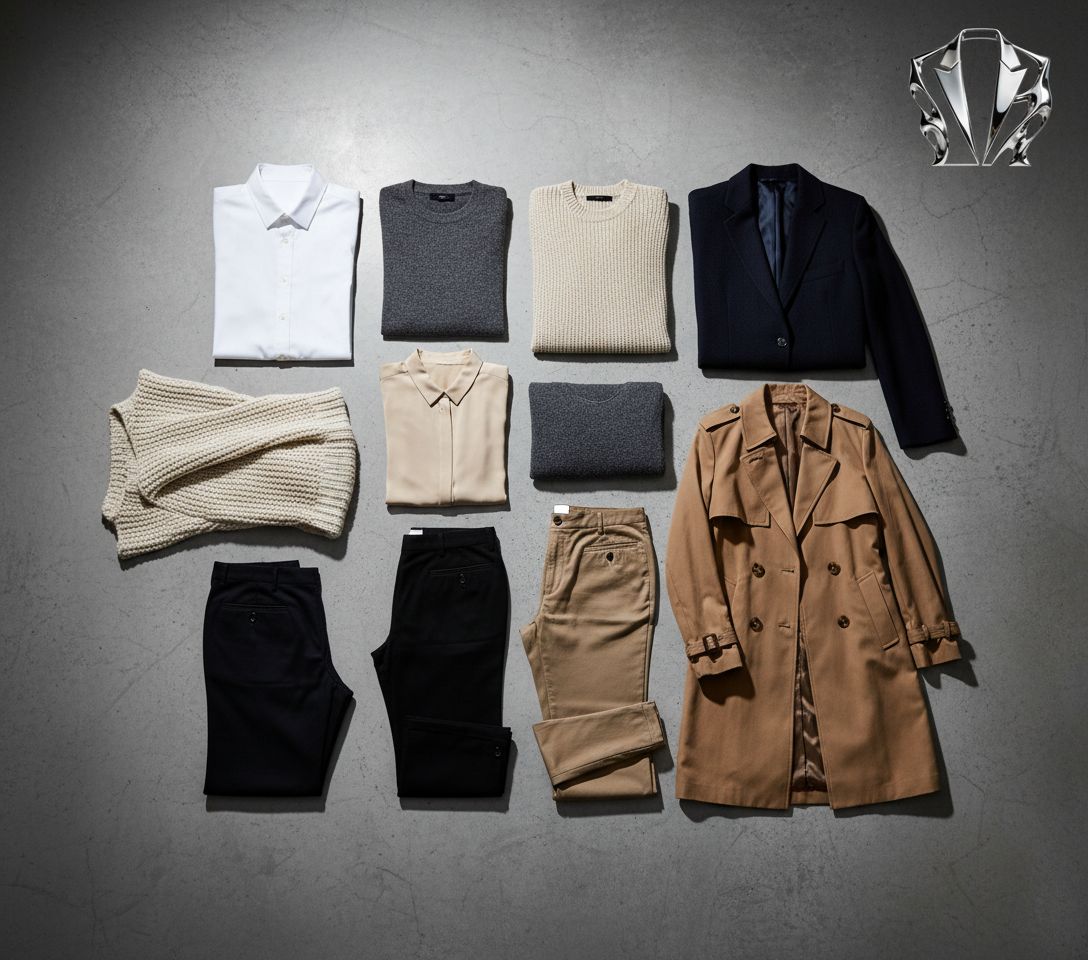
A timeless wardrobe is built around disciplined fit, dependable fabrics, restrained colors, and clothes that serve a clear purpose. Start with a navy blazer, charcoal trousers, dark denim, white and blue shirts, leather shoes, and a proper coat. Buy slowly. Respect comes from consistency, not loud labels or constant reinvention.
I’ve spent more than a decade evaluating menswear, dressing clients, and watching expensive purchases fail after three wears. The strongest wardrobes I’ve handled weren’t the largest; they were edited by men who knew exactly what deserved space.
A timeless wardrobe works because nearly every piece supports several others. The table below shows where to begin, what each item contributes, and which buying mistake usually weakens it.
| Wardrobe piece | Best starting choice | Why it earns its place | Common mistake |
|---|---|---|---|
| Navy blazer | Soft-shouldered wool | Works with trousers, chinos, and denim | Buying one too shiny or tight |
| Charcoal trousers | Midweight wool | Covers work, dinners, and formal occasions | Choosing a low rise |
| Dark jeans | Straight or gently tapered | Adds casual structure without looking sloppy | Heavy fading or excessive stretch |
| White shirt | Oxford or poplin cotton | Clean foundation for formal and casual outfits | Thin, transparent fabric |
| Light blue shirt | Oxford cloth | Softer and easier to wear than stark white | Oversized collars |
| Navy knit | Merino wool or cotton | Layers cleanly over shirts and T-shirts | Choosing a deep, loose neckline |
| Chinos | Stone, olive, or navy | Bridges tailored and relaxed clothing | Skinny cuts with ankle bunching |
| Leather shoes | Dark brown Derby | More flexible than highly formal black shoes | Overly pointed toes |
| White sneakers | Plain leather | Keeps casual outfits controlled | Large logos and thick soles |
| Overcoat | Charcoal, navy, or camel wool | Gives basic clothing authority in cold weather | A coat too short for tailoring |
What Makes a Timeless Wardrobe Work
Clothes become timeless when their usefulness survives changing seasons, workplaces, and social settings. That doesn’t mean dressing like a museum exhibit. It means choosing proportions, materials, and details that won’t look embarrassing once this year’s trend cycle moves on.
A timeless wardrobe also removes daily confusion. You stop staring at twenty unrelated shirts and start choosing between a few combinations that you already know work. That confidence is visible. People may not identify the fabric or cut, but they notice when nothing looks accidental.
Restraint Creates More Authority Than Excess
Men often try to command respect by adding more: brighter watches, sharper shoes, larger logos, tighter jackets. The result usually feels forced. Authority is quieter. It comes from a collar that sits correctly, trousers that fall cleanly, and shoes that have been cared for.
Restraint also gives the person wearing the clothes more presence. A heavily patterned jacket enters the room before you do. A balanced navy jacket frames your face, posture, and conversation instead. That difference matters in meetings, interviews, dates, and formal gatherings.
This doesn’t ban personality. It controls the dosage. A textured tie, vintage watch, knitted polo, or unusual pair of loafers can carry character because the rest of the outfit isn’t competing for attention.
Consistency Builds a Recognizable Personal Standard
The best-dressed men tend to repeat themselves. They find two or three trouser shapes, several reliable colors, and a small number of shoe styles. Then they refine those choices rather than abandoning them every season.
Repetition is often mistaken for boredom. In practice, it creates identity. Think of a man who regularly wears navy tailoring, pale shirts, dark brown shoes, and one good coat. His outfits vary, but his standards remain recognizable.
That consistency also exposes weak purchases quickly. If a new jacket refuses to work with your established trousers, shirts, and shoes, the problem is probably the jacket. A disciplined wardrobe makes bad buying decisions harder to hide.
Build a Timeless Wardrobe From the Foundation Up
Building a timeless wardrobe should follow the order in which clothes influence an outfit. Fit comes first. Then fabric, color, versatility, and finishing details. Reversing that order is why men sometimes own expensive items that never look convincing.
Begin with your real week rather than an imagined lifestyle. A remote worker, lawyer, teacher, restaurant owner, and frequent traveler need different ratios of tailoring to casual clothing. The principles remain steady, but the quantities should reflect where you actually go.
Fix the Fit Before Chasing Better Brands
A modest jacket with corrected sleeves will usually beat a prestigious jacket with poor proportions. Brand recognition cannot rescue a collar gap, pulling buttons, or trousers collapsing over the shoes.
Start at the shoulders because major shoulder alterations are difficult and often not worth the expense. The jacket seam should finish close to your natural shoulder edge. The chest should close without strain, while the body should follow your shape without gripping it.
Trousers need equal attention. A mid-rise waistband often creates a cleaner line than the low-rise cuts that dominated casual menswear for years. The seat should lie smoothly, and the leg should narrow only enough to prevent excess fabric. Slim is a proportion. Skinny is a restriction.
Find a competent alterations tailor before buying heavily. Bring one jacket and one pair of trousers first. A small trial tells you whether the tailor understands balance rather than merely shortening fabric.
Choose Fabrics That Improve With Regular Wear
Fabric determines how clothing hangs, breathes, ages, and recovers. It also affects whether an outfit appears composed or flimsy. Natural fibers aren’t automatically superior in every setting, but they’re usually the safest starting point for core wardrobe pieces.
For tailoring, midweight wool is hard to beat. It drapes better than many cheap blends, resists wrinkles reasonably well, and works across more months than heavy winter cloth. High-twist wool is especially useful in warmer climates because its yarn structure creates a drier feel and cleaner recovery.
Oxford cotton shirts become softer with washing and rarely feel precious. Merino wool knitwear layers without the bulk of chunky sweaters. Good denim develops character where your body naturally bends rather than arriving covered in factory-made distressing.
Watch fabric composition, but also handle the garment. Some technically impressive cloth feels lifeless. And some blends make sense. A little synthetic fiber can improve stretch, durability, or weather resistance, particularly in travel trousers and outerwear.
The Core Clothes That Carry the Wardrobe
A timeless wardrobe doesn’t require dozens of “essentials.” That word gets abused by retailers trying to turn every seasonal product into a necessity. Your true core consists of clothes that cover repeated situations and combine without negotiation.
The strongest starting pieces sit near the middle of the formality scale. A navy blazer can dress up denim or relax wool trousers. Dark brown Derby shoes work with tailoring yet remain comfortable beside chinos. Versatility lives in that middle ground.
Start With Tailoring You Can Separate
Your first suit should usually be navy or charcoal, made from matte wool with moderate lapels and minimal decoration. Avoid unusual checks, extreme peak lapels, contrast stitching, or cropped jackets. Those details may look exciting under store lighting and exhausting six months later.
But don’t stop at the suit. Add a separate navy blazer with softer construction. “Soft” refers to lighter internal structure and less padding, allowing the jacket to sit naturally rather than creating a rigid corporate silhouette.
Pair it with charcoal or mid-gray wool trousers. This combination handles business-casual offices, dinners, celebrations, and events where a full suit feels excessive. Stone or olive chinos then create a second level of formality beneath the wool trousers.
A black suit is less versatile than many first-time buyers assume. It can appear severe during the day and often works best for evening events, funerals, or specific professional uniforms. Navy usually gives a new wardrobe more mileage.
Build a Shirt and Knitwear Rotation
Begin with two white shirts and three light blue shirts. That ratio surprises men who assume white is always the most useful choice. Pale blue is often kinder to the complexion and less formal, which makes it easier to wear beneath tailoring, knitwear, or an open jacket.
Your collars should be large enough to sit beneath jacket lapels without disappearing. Tiny collars date quickly and make ties look awkward. A moderate spread or point collar avoids that problem and works whether the shirt is worn open or fastened.
Add one white Oxford shirt for casual outfits, then bring in a restrained stripe once the basics are covered. Fine blue-and-white stripes are easier to combine than thick contrast patterns.
For knitwear, start with navy and mid-gray crewnecks. A dark brown or forest green piece can follow. Crewnecks frame a shirt collar neatly, while fine-gauge merino layers under jackets without creating swollen sleeves.
Use Denim and Casual Trousers Without Losing Structure
Dark indigo denim belongs in a timeless wardrobe because it adds durability without sacrificing order. Look for a straight or gently tapered leg, a clean finish, and minimal contrast stitching. The jeans should sit at your natural waist rather than clinging below it.
Raw denim attracts enthusiasts because it fades according to the wearer’s habits. It can be rewarding, but it isn’t mandatory. Some raw jeans feel stiff for months, transfer dye, and demand more attention than most men want to give them. A quality rinsed pair is easier.
Casual trousers should include stone chinos and either olive or navy. Their role is to support shirts, polos, knitwear, chore jackets, and blazers. Avoid pairs overloaded with zipper pockets or aggressive tapering. Those features shorten their useful life.
Corduroy deserves consideration once the foundation is stable. Medium-wale brown or olive corduroy adds texture in colder months and works beautifully with suede, Oxford shirts, and wool jackets.
Color and Pattern Should Make Dressing Easier
Color can make a limited wardrobe feel extensive or turn a large wardrobe into a pile of isolated items. The goal isn’t to avoid color. It is to establish a controlled palette so most combinations succeed before you even look in the mirror.
Navy, gray, white, blue, brown, olive, and stone form a dependable menswear base. These shades connect because they appear frequently in natural materials and traditional uniforms. They also handle repeated wear without becoming visually tiring.
Build Around Neutrals That Actually Suit You
Not every neutral flatters every man equally. Stark white can wash out pale complexions, while beige close to the skin may drain darker or warmer complexions. The solution isn’t abandoning neutrals. Adjust the temperature and contrast.
Try off-white instead of optic white. Compare cool charcoal with warmer mid-gray. Test camel against dark brown. Hold fabric near your face in natural daylight, not beneath aggressive shop lighting.
Navy remains popular because it offers depth without the hardness of black. Charcoal provides similar flexibility. Brown deserves more credit, particularly in jackets, knitwear, and footwear, because it creates warmth and pairs naturally with blue.
A timeless wardrobe should contain enough tonal variation to prevent uniformity. Navy trousers, a blue shirt, and a navy knit can work together, but the fabrics and shades need separation. Otherwise, the outfit becomes one flat block.
Treat Patterns as Supporting Players
Patterns should extend your wardrobe, not dictate it. Begin with fine stripes, small checks, herringbone, or subtle windowpanes. These designs have enough history behind them to feel established, yet they remain easy to combine.
Scale matters. A large checked jacket demands quiet trousers and shirts. A fine striped shirt behaves almost like a solid from several feet away. The smaller pattern is usually more versatile because it creates texture without dominating the outfit.
Avoid buying several patterned pieces at once. Men often get enthusiastic after discovering classic menswear and suddenly own five checked jackets with no plain trousers to support them. One patterned jacket is plenty until the neutral foundation is complete.
And don’t mix patterns merely to prove that you can. A striped shirt, dotted tie, and checked jacket may follow technical rules while still looking restless. Coordination should feel natural, not like a puzzle solved in public.
Shoes and Accessories Reveal Your Standards
People look at shoes more than most men realize. Shoes carry evidence: maintenance, judgment, and whether the outfit was assembled with care. They don’t need to be expensive, but they should fit the occasion and remain in good condition.
Accessories work the same way. A belt, watch, bag, or pair of glasses can strengthen an outfit, yet too many statement pieces make a man look decorated rather than dressed.
Buy Fewer Shoes and Maintain Them Properly
Start with dark brown Derby shoes. Their open-lacing construction makes them slightly less formal than Oxfords and more adaptable across wool trousers, chinos, and some dark denim. Add black Oxfords when your work or event schedule demands greater formality.
Brown suede loafers or chukka boots make an excellent third choice. Suede looks rich without appearing overly polished, and it works particularly well with textured jackets, chinos, and summer tailoring.
Plain white leather sneakers cover relaxed settings. Keep the shape low and simple. Huge branding, exaggerated soles, and decorative panels will tie the shoe to a particular trend cycle.
Use shoe trees after wear, brush away dust, and rotate pairs so moisture can dry. Over-polishing creates a plastic shine, especially on brown leather. Condition when the leather feels dry, then use small amounts of polish where needed.
Keep Accessories Proportional and Personal
A leather belt should relate to your shoes without matching them like a packaged set. Similar color families are enough. A dark brown belt can work with medium-brown shoes as long as neither introduces a conflicting undertone.
Your watch should fit your wrist and your daily life. A slim dress watch looks elegant with tailoring, but it may be too delicate for physical work. A restrained sports watch often handles more situations. The mistake is choosing a case so large that it controls the whole outfit.
Ties should have enough width to balance your lapels. Tiny ties paired with normal jacket lapels look disconnected. Navy grenadine, burgundy silk, and dark green knitted ties provide texture while remaining calm.
Pocket squares are optional. Keep them simple when used, and don’t match them exactly to the tie. That coordinated gift-box look feels less sophisticated than wearing no square at all.
How to Build a Timeless Wardrobe Without Wasting Money
The most efficient approach is to buy in stages. Trying to complete an entire wardrobe during one shopping trip usually creates duplicate functions, rushed compromises, and clothing selected for imaginary occasions.
Create a written inventory first. Record what fits, what needs alteration, what needs repair, and what you consistently avoid wearing. The neglected pieces often reveal your true preferences more clearly than the favorites.
Buy According to Outfits, Not Isolated Items
Never judge a garment only by how it looks alone. Before paying, identify at least three outfits you can build with clothes you already own. If you need new trousers, shoes, and shirts to make one jacket work, it isn’t one purchase. It is an expensive chain reaction.
Photograph successful combinations. This may feel overly organized, but it stops you from forgetting what works. It also exposes gaps. You might discover that six shirts depend on the same pair of trousers or that your only smart shoes need replacing.
Choose the next purchase according to frequency. A man who wears tailoring four days a week benefits more from a second pair of gray trousers than from a dramatic weekend jacket. Cost per wear matters more than the discount percentage.
Sales are useful only when the garment already belongs on your list. I’ve returned plenty of beautifully made sale pieces because the bargain was solving a problem I didn’t have.
Alter, Repair, and Replace With Discipline
Small repairs preserve both appearance and value. Replace worn heel caps before damage reaches the shoe structure. Reinforce loose buttons. Fix pocket tears while they are still small. Steam jackets rather than pressing them aggressively.
Alterations should improve balance, not force a garment into an impossible shape. Sleeves, hems, waist suppression, and minor trouser adjustments are routine. Moving shoulders, dramatically resizing coats, or changing jacket length often costs too much and produces uncertain results.
Know when to replace an item. A shirt with thinning cuffs can become casual wear for a while, but a shiny collar and permanent discoloration signal the end. Shoes with cracked leather won’t recover through polish.
The aim isn’t to keep everything forever. Timeless style means replacing familiar forms with better versions when their service is finished.
Where Timeless Style Gets Oversold
Timeless menswear has its own marketing traps. Brands know that words such as “heritage,” “investment,” and “artisan” can justify higher prices. Those terms don’t guarantee better cloth, construction, or usefulness.
A timeless wardrobe can still become a costume if you copy old photographs without considering your age, climate, profession, and culture. Tradition should provide tools, not instructions carved in stone.
Expensive Clothing Doesn’t Automatically Age Well
Price can buy stronger fabrics, careful construction, and better finishing. It can also buy branding, an elaborate shop, or a designer’s seasonal reputation. Inspect the garment rather than assuming the number on the tag reflects durability.
Some delicate luxury fabrics wear out faster because softness was prioritized over strength. Extremely fine wool can feel impressive but may be less suitable for weekly commuting than a tougher midweight cloth. Thin cashmere can pill quickly beneath backpack straps.
Construction also needs context. A fully canvassed jacket may mold beautifully over time, but that feature means little if the shoulders don’t fit. Hand-finished buttonholes are charming, yet they won’t improve an unbalanced silhouette.
Pay for differences you can feel, use, or maintain. Skip expensive details that exist mainly for conversation.
“Classic” Can Still Look Dated or Performative
Not every old style deserves revival. Extra-wide ties, heavily padded jackets, extreme high-waisted trousers, and theatrical double-breasted suits can overwhelm the wearer. A garment may be historically grounded and still look like wardrobe department clothing.
The same warning applies to internet-approved uniform dressing. Navy blazer, white Oxford, chinos, and loafers are dependable, but repeating the formula without adjustment can feel anonymous. Fit, texture, and personal context must bring it to life.
Avoid becoming obsessed with rules that strangers won’t notice. Sleeve exposure, trouser break, tie width, and shoe form matter, but they aren’t moral laws. Small deviations can improve an outfit when they suit the wearer.
Respect is lost when clothing appears to be asking for approval. Wear the standards. Don’t perform them.
Frequently Asked Questions
How many clothes do you need for a timeless wardrobe?
Most men can build a strong foundation with roughly 25 to 35 coordinated pieces, excluding underwear, gym clothing, and specialized workwear. The correct number depends on climate and laundry frequency. Focus on outfit combinations rather than totals. Ten compatible garments can outperform thirty unrelated purchases.
What colors should a timeless wardrobe include?
Start with navy, charcoal, mid-gray, white, pale blue, dark brown, olive, and stone. These colors combine easily across tailoring and casual clothing. Add burgundy, forest green, rust, or softer seasonal shades later. Your complexion and local climate should influence which neutrals dominate.
Can you build a timeless wardrobe on a budget?
Yes, but spend selectively. Prioritize fit, shoes, outerwear, and trousers while saving on simple shirts and casual basics. Shop secondhand for coats and tailored jackets, then budget for alterations. Avoid cheap trend purchases. Buying one useful garment each month produces better results than one rushed haul.
What should you buy first for a timeless wardrobe?
Begin with the piece that solves the largest recurring problem. For many men, that means dark jeans, gray trousers, a pale blue shirt, or dependable brown shoes. Don’t automatically start with a suit if you rarely need one. Your actual schedule should determine the first purchase.
Are black clothes necessary for classic menswear?
Some black clothing is useful, especially formal shoes, eveningwear, knitwear, and outerwear. But an all-black foundation can appear severe and offers less tonal range than navy, gray, and brown. Use black where its formality or simplicity serves a purpose rather than treating it as the default neutral.
How do you make simple clothes command respect?
Make sure they fit cleanly, remain pressed or brushed, and show no neglected damage. Pay close attention to shoes, collars, trouser length, and outerwear. Simple outfits reveal maintenance more clearly than loud ones. Good posture and calm repetition then turn those basics into a recognizable personal standard.
Should every item be a neutral color?
No. Neutrals should form the framework, but controlled color prevents the wardrobe from feeling lifeless. Add personality through knitwear, ties, scarves, socks, or one distinctive jacket. Keep the color connected to at least two existing pieces so it creates outfits rather than becoming an isolated purchase.
How often should you update a timeless wardrobe?
Review it twice a year rather than rebuilding it seasonally. Check fit, wear, repairs, lifestyle changes, and genuine gaps. Replace damaged essentials and add only what improves several outfits. Fashion will keep offering new reasons to shop, but your wardrobe should change when your life changes.
A timeless wardrobe starts becoming powerful the moment you stop buying for temporary excitement. Choose clothes that support your real responsibilities, maintain them before they look neglected, and repeat successful combinations without apology. Open your closet today, remove the five pieces you never wear, and write down the three gaps that remain.
Essential Style Reports
Sharp fashion guides, wardrobe rules and accessory advice.