
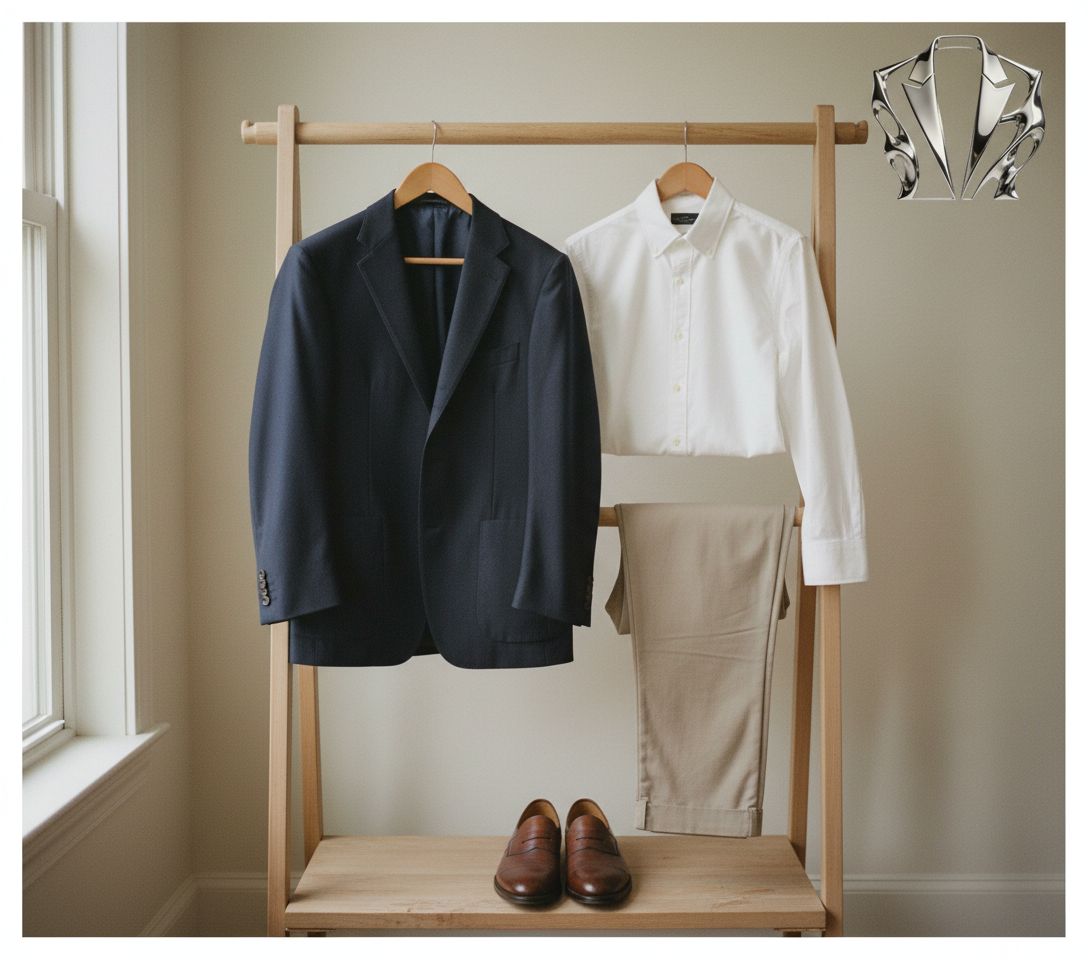
The most reliable fashion rules every man should follow are simple: prioritize fit, build around neutral colors, keep footwear clean, dress for the setting, and remove one unnecessary detail before leaving home. Expensive labels can’t rescue poor proportions, while an affordable outfit that fits correctly will usually look polished, confident, and intentional.
I’ve spent more than a decade reviewing menswear, fitting clothes, studying tailoring, and watching supposedly “timeless” purchases disappear into wardrobes. The advice below comes from wearing pieces repeatedly, returning disappointing buys, and learning which details people notice even when they can’t explain why.
| Fashion rule | Fastest way to apply it | Common mistake |
|---|---|---|
| Prioritize fit | Check shoulders, waist, sleeves, and trouser length | Buying around the brand label |
| Control proportions | Balance top length with trouser rise | Copying oversized looks blindly |
| Build neutral foundations | Start with navy, gray, white, brown, and black | Wearing too many loud colors |
| Use contrast carefully | Separate similar skin and clothing tones | Matching every item exactly |
| Judge fabric closely | Touch it, bend it, and inspect the stitching | Assuming higher price means quality |
| Repeat strong outfits | Create dependable clothing combinations | Chasing a new look every day |
| Respect the occasion | Dress slightly sharper when uncertain | Treating comfort as the only priority |
| Maintain footwear | Clean, condition, and rotate shoes | Wearing damaged shoes with formal clothes |
| Adapt trends | Borrow one current detail at a time | Rebuilding your wardrobe each season |
| Edit before leaving | Remove one distracting accessory | Wearing every statement piece together |
Fit and Proportion Come Before Everything Else
Among all proven fashion rules every man should follow, fit has the greatest visual impact. People may not know whether your jacket is expensive, but they can immediately sense when the shoulders collapse, the sleeves cover your hands, or the trousers gather around your ankles.
Good fit doesn’t mean skin-tight clothing. It means fabric follows your shape without pulling, sagging, or restricting normal movement.
1. Fit the Shoulders First
A shirt, coat, or jacket should sit cleanly across your shoulders because this area is difficult and sometimes uneconomical to alter. The shoulder seam on a standard shirt should usually finish near the edge of your natural shoulder rather than hanging several inches down your arm.
With tailored jackets, look for a smooth line from the collar to the shoulder. Dents, ripples, or a collapsing sleeve head often signal that the structure doesn’t suit your body. I’ve stopped recommending plenty of attractive jackets after seeing how badly their shoulder patterns fit real customers.
The chest should close without forming an X-shaped pull around the button. At the same time, you should be able to move your arms without feeling trapped.
The drawback is that shoulder fit becomes less obvious with deliberately oversized clothing. Relaxed cuts can work, but the extra room must appear intentional throughout the garment. A conventional shirt that is simply two sizes too large doesn’t become fashionable because oversized clothing is trending.
2. Control Sleeve, Shirt, and Trouser Length
Length determines whether your outfit looks balanced or borrowed. Shirt cuffs should generally finish around the wrist bone, while jacket sleeves commonly sit slightly higher so a narrow strip of shirt cuff remains visible.
Casual tops require similar judgment. A T-shirt that covers most of your trouser fly can shorten your legs, especially if you already wear low-rise pants. Shortening the top or choosing a higher trouser rise often improves the entire silhouette without changing your body.
Trouser length depends on the cut and shoe. Slim pants often look cleaner with little or no break, meaning minimal folding where the hem meets the shoe. Wider trousers can carry a fuller break, but excess fabric shouldn’t stack unpredictably around the ankles.
These fashion rules every man should follow aren’t rigid measurements. Your proportions matter. A short cropped jacket may flatter one build and make another man appear squeezed into his clothes. Use the mirror, then take a walking video; movement reveals fit problems that a still pose hides.
Color Coordination Should Look Natural
Color is easier once you stop treating every outfit like a puzzle. You don’t need dozens of color formulas. You need dependable foundations, controlled contrast, and enough restraint to let one interesting choice carry the look.
A well-coordinated outfit often contains less color than beginners expect.
3. Build Around a Neutral Foundation
Navy, charcoal, gray, white, cream, olive, brown, and black form the working core of most men’s wardrobes. These colors combine easily, repeat well, and rarely advertise how often you wear them.
Start with one or two neutral pieces, then introduce a stronger color through a shirt, knit, overshirt, tie, or accessory. Dark indigo jeans, a white Oxford shirt, brown suede shoes, and an olive jacket work because no single item fights for control.
Neutral doesn’t mean dull. Texture can create depth where bright color would otherwise do the work. A brushed wool coat, ribbed knit, suede shoe, or washed cotton shirt adds visual interest without turning the outfit into a color chart.
The weakness of this rule appears when men buy everything in black because it feels safe. Mixed black fabrics can clash when one looks faded, another looks shiny, and a third carries a blue undertone. A fully black outfit demands stronger attention to texture, condition, and silhouette than most people realize.
4. Use Contrast Instead of Exact Matching
Exact matching can make an outfit look forced. Your belt and shoes don’t need to be identical shades, and your pocket square shouldn’t look cut from the same cloth as your tie. Coordination works better when pieces relate without copying each other.
Consider contrast between your clothing and complexion. A pale beige shirt can wash out someone with similar skin tones, while navy, forest green, burgundy, or crisp white may provide clearer separation. Men with deeper complexions can often carry both strong colors and light neutrals with striking results, though undertone still matters.
Contrast also controls formality. A navy jacket with gray trousers looks more formal than the same jacket with faded denim. White sneakers create a sharper visual break than dark brown loafers, even if both options technically “match.”
One drawback is that high contrast draws attention to body divisions. A bright white shirt with black trousers creates a hard horizontal split at the waist. Men trying to appear taller may prefer related tones from top to bottom, such as navy with dark blue or charcoal with black.
Quality Is About Construction, Not Status
Some clothing deserves a higher budget. Some doesn’t. A designer logo tells you what the company wants you to feel, while fabric, stitching, shape retention, and repairability tell you what you’re actually buying.
The smartest fashion rules every man should follow protect you from paying for status while ignoring performance.
5. Inspect Fabric and Construction Before the Label
Feel the fabric instead of trusting the price tag. Scrunch it gently, stretch it slightly, and check whether it returns to shape. Hold lightweight material toward a light source. Excessive transparency isn’t always a flaw, but it should suit the garment’s purpose.
Examine buttons, buttonholes, lining, zipper movement, pocket placement, and pattern alignment. On a checked shirt or jacket, mismatched lines around the front and pockets can reveal rushed construction. Loose threads aren’t automatically disastrous, but several finishing problems together deserve caution.
Natural fibers aren’t always superior. Cotton, wool, linen, and silk can feel excellent, yet synthetic fibers may improve stretch, durability, water resistance, or wrinkle recovery. The percentage matters less than whether the finished fabric performs well.
The honest drawback is that quality can’t always be judged in a fitting room. I’ve bought shirts that felt substantial on day one but twisted after three washes. Check care requirements, customer experiences, and return conditions before making an expensive purchase, especially when the fabric or cut is unfamiliar.
6. Repeat Your Best Outfits Without Apology
Stylish men repeat clothing. They learn which combinations work, maintain those garments, and adjust small details rather than inventing a completely new identity every morning.
Create several dependable outfit formulas. One might be dark jeans, a plain T-shirt, an overshirt, and leather sneakers. Another could be tailored trousers, a knit polo, and loafers. Once the proportions are settled, you can change color, texture, or outerwear without starting from zero.
This habit also reveals what your wardrobe lacks. If five outfits would improve with one navy jacket, that jacket is probably a smarter purchase than another unusual shirt that works with nothing you own.
The danger is allowing repetition to become neglect. A signature outfit still needs clean shoes, fresh knitwear, maintained collars, and proper rotation. Wearing the same pair of trousers five days in a row shortens its life and makes even good fabric look tired.
Cost per wear matters more than novelty. A coat worn 100 times is usually a better purchase than a dramatic sale item worn once.
Dress for the Setting and Respect the Details
Personal style doesn’t excuse ignoring context. Clothing communicates whether you understood the room, made an effort, and considered the people around you.
You don’t need to overdress. You do need to look as though you chose your clothes rather than falling into them.
7. Dress One Level Sharper When You’re Unsure
When an invitation or setting feels unclear, aim slightly above the most casual interpretation. A collared knit, tailored trousers, and loafers are safer for an uncertain dinner than a graphic T-shirt, distressed jeans, and running shoes.
“Sharper” doesn’t always mean a suit. It can mean replacing sportswear with clean casual clothing, choosing structured outerwear, or wearing trousers instead of shorts. The goal is respect, not performance.
For work events, weddings, dinners, and first meetings, observe location, time, climate, and host expectations. An afternoon garden ceremony calls for different clothing than an evening hotel reception, even if both invitations say “smart casual.”
There is a limit. Dressing far beyond the setting can make you look detached from the group or eager to display status. A tuxedo at a relaxed restaurant isn’t more stylish than an open-collar shirt and tailored jacket. These proven fashion rules every man should follow depend on social awareness, not blind formality.
8. Let Shoes and Grooming Support the Outfit
Shoes sit at the bottom of the outfit, but they often decide whether everything above them feels finished. Dirty white sneakers, cracked dress shoes, and worn-down heels weaken otherwise good clothing immediately.
Match the shoe’s visual weight to the trousers. Chunky footwear usually works better beneath straight or wider pants, while slim trousers often suit cleaner shoe shapes. Tiny narrow shoes under wide trousers can make the lower half look unstable.
Your belt should belong to the same level of formality as your footwear. A rugged casual belt can look awkward beside polished dress shoes, even when the brown shades are close. Socks should either connect the trouser and shoe colors or act as a deliberate accent, not an accidental novelty.
Grooming belongs in this rule because clothing can’t compensate for an untidy collar line, neglected beard edges, or wrinkled garments. That doesn’t mean looking freshly barbered every day. It means the details should seem maintained.
The downside is obsession. Don’t spend twenty minutes trying to match microscopic shades of brown. Similar tone, compatible texture, and equal formality are enough.
Personal Style Requires Editing
Style becomes convincing when your choices reflect your body, routine, climate, and personality. It becomes costume when you copy someone else without translating the look into your own life.
The final two fashion rules every man should follow are less about individual garments and more about judgment.
9. Adapt Trends Instead of Copying Them
Trends can refresh a wardrobe, but they should enter through controlled experiments. Try one current trouser shape, one seasonal color, or one updated accessory before changing everything at once.
Suppose wider trousers appeal to you. Begin with a moderately relaxed straight-leg pair rather than jumping directly into extreme runway proportions. Wear them with your existing knitwear and jackets. You’ll quickly learn whether the rise, volume, and shoe pairing fit your routine.
The same applies to cropped outerwear, oversized shirts, technical fabrics, and retro sneakers. Ask what the trend changes about your silhouette. Then ask whether you enjoy that change after the novelty wears off.
I’ve stopped recommending trend-heavy wardrobe overhauls because most men don’t need a new aesthetic. They need a small update to an existing one.
The drawback of moving cautiously is that your interpretation may feel less dramatic. That is usually a benefit. Personal style grows through repetition, and trends disappear faster than your credit card balance.
10. Remove One Distracting Element Before Leaving
The final edit is one of the most useful proven fashion rules every man should follow. Look at the complete outfit and identify the element demanding the most attention. If three pieces compete for that role, remove or simplify one.
A patterned jacket, bright sneakers, statement watch, bold glasses, and several bracelets may all work separately. Worn together, they can make the eye bounce around without finding a focal point. Let one item lead while the others support it.
This rule applies to formalwear too. A strong tie may not need a patterned pocket square and decorative lapel pin beside it. Restraint often makes the better item look more expensive.
But don’t edit away all personality. Minimalism isn’t the only path to good style. A maximalist outfit can succeed when colors repeat, proportions align, and the wearer understands the visual hierarchy (the order in which your eye notices things).
Before leaving, take one full-length look from several feet away. Close-up inspection finds wrinkles. Distance reveals clutter.
How to Apply These Rules to Your Wardrobe
Knowing the rules is easier than using them consistently. The practical move is to evaluate what you already own before shopping for replacements.
A wardrobe audit should produce decisions, not a pile of clothes that returns to the same shelves.
Audit Complete Outfits, Not Individual Pieces
Try on full combinations, including shoes and outerwear. A shirt may fit well alone but become too bulky under your jacket. Trousers may appear balanced barefoot but break awkwardly over your usual shoes.
Photograph the outfits from the front, side, and back. Mark each one as dependable, adjustable, or unsuccessful. Dependable outfits can be worn now. Adjustable outfits need tailoring, different shoes, or one missing piece. Unsuccessful outfits should be separated rather than repeatedly reconsidered.
Pay attention to patterns in the failures. If several shirts look wrong because they’re too long, the issue may be your preferred untucked style rather than the shirts themselves. If every jacket pulls at the chest, you may need another cut rather than another size.
This method makes fashion rules every man should follow measurable. You’re no longer asking whether an item is “nice.” You’re asking whether it creates a complete outfit that fits your real life.
Shop With a Specific Clothing Problem
Never enter a store with the goal of “finding something good.” Define the problem first. You may need trousers that work with two jackets, comfortable shoes for smart-casual events, or knitwear that layers beneath a coat without bunching.
Wear or bring the pieces that must coordinate with the purchase. At minimum, keep clear photos of them in natural light. Store lighting can distort color enough to make two navy shades look compatible when they aren’t.
Sit, walk, bend, and raise your arms in the fitting room. Check pockets with your phone and wallet inside. A garment that works only while standing perfectly still isn’t properly tested.
Set a cooling-off period for unfamiliar or expensive items. If you can name three outfits and two occasions for wearing the piece, it probably has a role. If your reasoning depends on a future imaginary lifestyle, leave it behind.
Fashion Advice Men Should Ignore
Menswear advice becomes unreliable when it turns preferences into universal law. Certain guidelines can help beginners, but repeating them without context creates stiff outfits and unnecessary purchases.
The worst rules make men afraid of getting dressed.
Stop Treating Age Rules as Absolute
Claims that men over a certain age can’t wear sneakers, denim jackets, hoodies, prints, or longer hair are usually lazy. Age matters less than fit, condition, context, and how the item relates to the rest of your outfit.
A clean leather sneaker with tailored trousers can look mature. A damaged formal shoe can look careless. A well-fitted hoodie beneath a structured coat may appear considered, while an oversized business shirt can make someone look less polished despite being “age appropriate.”
That doesn’t mean every youthful trend translates well. Cartoon graphics, extreme distressing, or school-inspired styling can feel disconnected from your life. The question isn’t whether you’re allowed to wear something. It’s whether the complete outfit represents you convincingly.
Use age as context, not a cage.
Don’t Buy “Timeless” Clothes You Dislike
Timeless wardrobe lists often insist that every man needs a navy suit, white dress shirt, trench coat, leather brogues, cashmere sweater, and dark raw denim. Those pieces can be useful, but only if they match your work, climate, body, and preferences.
Someone working remotely in a hot climate may get more value from breathable shirts, relaxed trousers, sandals, and lightweight overshirts. A man who dislikes stiff leather shoes shouldn’t buy several pairs because an online checklist calls them essential.
Even classics change. Lapel widths, trouser rises, jacket lengths, and shoe shapes move gradually over time. A supposedly permanent piece can still look dated if its proportions belong strongly to another era.
The better goal is long-term usefulness. Buy clothing you’ll maintain and repeat, not clothing you feel obligated to admire.
Frequently Asked Questions
The questions below address common problems that appear after men start applying these rules to everyday outfits.
What is the most important fashion rule for men?
Fit is the strongest starting point because it changes how every garment sits on your body. Check shoulders, chest, waist, sleeves, trouser rise, and hem length before judging color or brand. An inexpensive outfit with balanced proportions generally looks better than costly clothing that pulls, sags, or overwhelms your frame.
How many colors should a man wear in one outfit?
Two or three main colors are enough for most outfits, though this isn’t an absolute ceiling. Start with neutral clothing, then introduce one accent through a shirt, knit, jacket, or accessory. Similar shades can count as one color family, which allows more depth without making the outfit feel crowded.
Do a man’s belt and shoes need to match exactly?
They should coordinate in formality, tone, and texture, but they don’t need to be identical. Medium-brown shoes can work with a slightly darker brown belt. Avoid combinations that feel unrelated, such as a rugged canvas belt beside highly polished dress shoes. Black formal shoes usually look best with a black belt.
Should men follow fashion trends?
Use trends selectively. Choose one update that works with your current wardrobe, such as a wider trouser, shorter jacket, seasonal color, or newer shoe shape. Wear it repeatedly before buying more. The best fashion rules every man should follow leave room for change without forcing a complete wardrobe reset.
How can a man look stylish on a limited budget?
Spend first on tailoring, footwear care, and versatile clothing you can repeat. Shop by fabric, fit, and construction rather than logo. Neutral trousers, plain shirts, knitwear, and clean shoes can produce many outfits. Buying fewer compatible items usually creates more useful variety than collecting cheap statement pieces.
Is it better for men’s clothes to fit tight or loose?
Neither extreme is automatically correct. Clothing should allow movement while preserving an intentional silhouette. Slim pieces shouldn’t pull across buttons or thighs, and relaxed pieces shouldn’t collapse without shape. Balance matters too: a loose top often looks better with structured trousers than with equally shapeless clothing below it.
How can men make casual clothes look more polished?
Choose clean footwear, control garment length, replace damaged basics, and add one structured piece. A chore jacket, overshirt, knit polo, or tailored trouser can sharpen an otherwise casual outfit. Fabric condition matters as much as category, so remove pilling, steam wrinkles, and retire stretched collars.
What clothing items should every man own?
There is no universal list, but most men benefit from clean everyday shoes, well-fitting trousers, plain shirts, useful knitwear, and outerwear suited to the local climate. Build around your actual schedule. The right essentials for an office worker, frequent traveler, tradesman, and remote worker will be different.
Fashion becomes easier once you stop trying to impress everyone at once. Choose one outfit this week, correct its weakest proportion, clean the shoes, and remove the detail that doesn’t support the rest. Wear the improved version twice before buying anything new. Start with the fit
Essential Style Reports
Sharp fashion guides, wardrobe rules and accessory advice.