

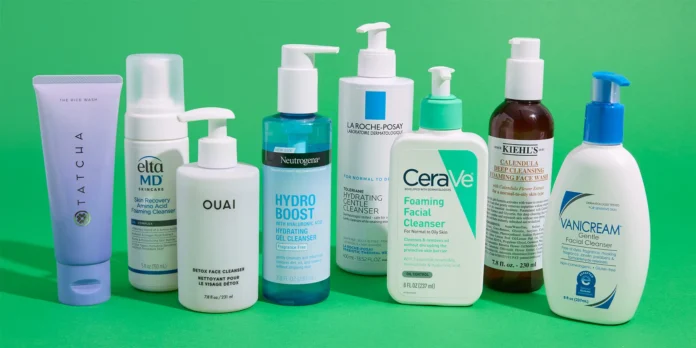
A Deep Cleansing Facial is a salon treatment built around thorough cleansing, exfoliation, pore-focused work, hydration, and a calm finish. The goal is fresher-looking skin with less visible surface congestion and a smoother feel. The catch is simple: aggressive extraction or exfoliation can leave skin looking red instead of polished, so technique matters more than intensity.
This guide takes a practical salon-editor approach rather than treating a facial like a medical procedure. The useful questions are what actually happens on the bed, how your skin may look afterward, what the service costs, and whether it makes sense before the event on your calendar.
A typical salon facial commonly lasts around 50 minutes, although deeper or extended versions can run 75–80 minutes. Current US spa menus also show how widely prices move by location and service level: standard facials may sit around $80–$160, while longer or enhanced treatments can climb toward $190 or beyond.
| Quick Detail | What to Expect |
|---|---|
| Session length | Often about 50–80 minutes |
| Typical US cost | Roughly $70–$190 before premium enhancements |
| Main focus | Cleansing, exfoliation, pore care and hydration |
| Extractions | Often included when appropriate, but not always aggressive |
| Downtime | Usually little, though temporary redness can happen |
| Best suited to | Skin that feels dull, oily or visibly congested |
| Less suited to | Highly reactive or already irritated skin |
| Visible result | Usually freshest immediately or within the next day |
| Repeat timing | Based on skin needs rather than a rigid schedule |
| Event planning | Better several days before an important occasion than hours before |
What a Deep Cleansing Facial Actually Is
A Deep Cleansing Facial goes further than washing your face and applying a mask. A salon version usually combines several steps so surface buildup is removed gradually rather than trying to force everything out at once.
One current US spa menu, for example, describes a five-step facial using deep cleansing, exfoliation, extractions, a mask, and hydration. That combination is a useful picture of what people generally mean when they book this category of service.
How it works in plain terms
The process starts by removing makeup, sunscreen, oil and everyday residue. Once the surface is clean, the esthetician can see texture and congestion more clearly.
Exfoliation comes next in many appointments. Depending on the salon and your skin, that may be gentle manual exfoliation or another professional cosmetic method. The point isn’t to scrub until the skin feels stripped. Good exfoliation should prepare the surface for the next steps without turning the appointment into a test of endurance.
Pore-focused work may follow. Extractions are the part most clients remember because they can feel more intense than the rest of the facial. A restrained approach matters here. More pressure doesn’t automatically mean cleaner-looking skin.
The appointment usually finishes by putting comfort back into the equation through a mask, hydration and finishing products.
How it differs from a basic facial
A basic facial may spend more time on relaxation, massage and general hydration. A Deep Cleansing Facial normally gives more attention to visible congestion, texture and pore-focused work.
The distinction isn’t standardized across every salon, though. One spa may call its service “clarifying,” another “deep cleansing,” and another may build extractions into its standard facial.
That makes the service description more useful than the name printed on the booking page.
Who a Deep Cleansing Facial Is Really For
A Deep Cleansing Facial makes the most sense when your skin feels like it needs more attention than your normal cleanser-and-moisturizer routine is giving it. Think visible oil buildup, rough surface texture, makeup that stops sitting cleanly, or pores that look more congested than usual.
It isn’t automatically the right choice for everyone who wants “better skin.”
Skin types that often respond well
Oily and combination skin are obvious candidates because the service can concentrate on areas that become visibly congested.
Normal skin can also benefit when the goal is simply a cleaner surface and more polished appearance before photographs, travel or a run of social events.
Dry skin needs a more careful approach. “Deep cleansing” shouldn’t become code for stripping away every trace of oil. If dryness is your main complaint, tell the esthetician before the treatment starts so cleansing and exfoliation can be adjusted.
Who should skip it
Already angry-looking, unusually tender or freshly over-exfoliated skin is a poor starting point. Booking a stronger facial because your skin looks irritated can make the timing worse.
The same caution applies after another intensive cosmetic service. Stacking treatments because you have an event coming up is one of those ideas that sounds efficient until your face decides otherwise.
Situations that mean asking a professional first
If you’re under dermatologic care, using prescription skin products, pregnant, dealing with a possible allergy, or experiencing an unexplained skin reaction, ask the appropriate licensed professional before adding a new facial treatment.
A salon facial should stay in the cosmetic lane.
Timing conflicts with other services
Be careful about placing strong exfoliation, waxing, peels or other intensive facial services too close together.
Tell the salon what you’ve recently had done. Don’t make the esthetician guess.
What Happens During a Deep Cleansing Facial Appointment
The exact order changes between salons, but a competent appointment should feel progressive. Each stage prepares the skin for what comes next rather than throwing every available technique at your face.
Before you arrive
Come with an accurate picture of what you’ve used on your skin recently.
Mention recent exfoliation, facial waxing, professional treatments and any products you’ve been told to avoid around cosmetic services. That conversation is more useful than showing up and saying your skin is “normal.”
What to do the night before
Keep the routine boring.
This isn’t the evening to experiment with a new scrub, peel or aggressive product because you want to “prepare” your pores. Let the professional start with skin that hasn’t already been pushed.
What to bring and what to wash off
You don’t need a bag full of skincare.
Bring the names or photos of products you’re unsure about if that makes the consultation easier. Arriving without heavy makeup can save time, although professional cleansing is normally part of the appointment anyway.
The appointment, stage by stage
A Deep Cleansing Facial should move from assessment and cleansing toward progressively more targeted work, then finish with comfort and hydration.
The first cleanse
The first pass removes surface products and daily residue. A second cleanse may follow when makeup, sunscreen or heavier products need more attention.
This stage also gives the esthetician a clearer look at your skin.
Exfoliation and preparation
Next comes the texture work.
This step helps loosen surface buildup and prepares areas where the esthetician may perform extractions. The treatment shouldn’t feel like someone is trying to sand your face smooth.
The part that surprises people
Extractions are often less dramatic than social-media facial videos suggest.
A professional may leave some areas alone rather than forcing them. That restraint is a good sign. Trying to empty every visible pore in one appointment can trade congestion for unnecessary irritation.
The finish
Once the intensive work is over, the facial generally becomes quieter.
A mask, hydration and finishing products bring the skin back toward a comfortable state. Current spa menus commonly pair cleansing and clarifying facials with hydration as part of the overall service rather than treating moisture as an unrelated extra.
How long it takes start to finish
Around 50 minutes is common on current US facial menus, while extended treatments may run 75–80 minutes.
Allow extra time if it’s your first appointment because consultation matters. A rushed first visit is rarely where I’d try to save fifteen minutes.
Deep Cleansing Facial Results: What to Expect and When
The strongest realistic result is cosmetic: freshly cleansed skin, a smoother-looking surface, less obvious congestion in successfully treated areas, and a hydrated finish.
A facial won’t permanently shrink pores, remake your skin or erase everything you dislike in one session.
The first day
Immediately afterward, skin may look cleaner and more luminous simply because surface buildup has been removed and hydration has been applied.
There can also be temporary redness, particularly where extractions were performed.
This is why I wouldn’t book your first Deep Cleansing Facial three hours before engagement photos, a major interview or a wedding reception. Give your face breathing room.
Week one to week four
The fresh finish gradually becomes your normal skin again. How quickly that happens depends heavily on your routine, oil production, makeup habits and what the facial actually included.
This is where wardrobe planning enters the picture in a surprisingly practical way. If you’re preparing for a wedding, shoot or formal event where you want minimal base makeup with an open neckline or slicked-back hair, book early enough that the treatment has settled before your clothes and styling put your face completely on display.
Where expectations run ahead of reality
“Deep cleaning” sounds permanent. It isn’t.
Pores continue doing what pores do. Oil returns. Makeup gets worn. Sunscreen gets reapplied. Skin naturally changes.
Anyone promising that one appointment will keep your pores spotless for months is selling a fantasy version of the service.
Deep Cleansing Facial Cost, Frequency and Booking
Price depends on city, salon level, appointment length, products used and whether extras are added.
Current Hand & Stone menus illustrate the spread clearly. Standard or classic facials appear around $80 in some locations and about $130–$160 in others, while longer or enhanced facial services can approach $190 or substantially more.
What it typically runs and why prices swing
For a standard US salon appointment, budgeting roughly $70–$190 is a sensible starting range rather than a promised national price.
Location matters. So does appointment length.
Premium equipment, specialty enhancements and longer sessions can raise the bill quickly. One current location lists an extended 80-minute facial around $190, while another lists a five-step deep-cleansing-style facial below $70.
How often to repeat it
Don’t turn the calendar into a rule.
Some people enjoy regular professional facials. Others book them occasionally when congestion builds or before a run of events.
How your skin reacts should matter more than trying to maintain an arbitrary appointment streak.
Questions to ask before you book
Ask whether extractions are included.
Then ask how the esthetician changes the service for reactive, dry or recently exfoliated skin. Find out the expected appointment length and the full price before optional enhancements.
For an event, say exactly when it is.
“I’m attending a wedding Saturday and wearing minimal makeup with my hair pulled back” gives the provider far more useful information than “I want glowing skin.”
Aftercare That Actually Protects the Result
A Deep Cleansing Facial doesn’t need an elaborate twelve-product recovery routine.
The smartest aftercare is usually the least exciting: avoid piling unnecessary stress onto freshly treated skin and keep the routine familiar.
The first 24 hours
Treat the skin gently.
Don’t spend the evening picking at areas that were extracted because you noticed one pore the esthetician left alone. And don’t chase a brighter result by immediately adding your strongest exfoliating products.
If your provider gives you specific cosmetic aftercare instructions based on the service they performed, follow those.
The rest of the cycle
Return gradually to the routine that normally works for you.
Good maintenance isn’t about preserving a facial in amber. It’s about avoiding the habits that recreate the same cosmetic problems faster than necessary.
Products to pause
Anything your esthetician specifically tells you to hold should stay paused for the recommended window.
If you’re unsure about a prescription product or medically directed skincare, ask the clinician who prescribed or recommended it rather than relying on generic spa advice.
Habits that undo the work
Picking is the obvious one.
Sleeping in heavy makeup, repeatedly touching congested areas and piling rich products onto skin that doesn’t tolerate them well can also work against the cleaner appearance you paid for.
Risks, Side Effects and Sensible Caution
A Deep Cleansing Facial can leave temporary redness, tenderness or a tight feeling, especially when exfoliation and extractions are part of the session. How much you experience varies with the service and your skin.
Pain shouldn’t be treated as evidence that the facial is “working.”
Tell the provider if something feels excessively hot, sharp or uncomfortable during the appointment. An experienced professional can back off instead of treating your face like a stubborn kitchen floor.
For medical concerns, possible allergic reactions, pregnancy-related questions, persistent irritation or symptoms that don’t settle as expected, contact an appropriate licensed healthcare professional. A cosmetic facial isn’t a substitute for diagnosis or treatment.
Where a salon uses a product you haven’t previously tried and sensitivity is a concern, ask whether patch testing or another cautious approach is appropriate.
At-Home Versions: What Works, What Doesn’t
You can reproduce part of the experience at home.
A careful cleanse, suitable exfoliation, a mask you already tolerate and moisturizer can improve the way your skin feels without turning your bathroom into a treatment room.
Where home versions fall apart is extraction.
A magnifying mirror, bright bathroom light and twenty free minutes can convince almost anyone that every pore needs intervention. That’s where restraint disappears.
Home care is better for maintenance than aggressive pore work. If you repeatedly find yourself squeezing the same areas, professional assessment makes more sense than buying another extraction gadget.
Where Deep Cleansing Facial Treatments Get Oversold
The biggest exaggeration is the idea that “deep” automatically means better.
It doesn’t.
If your skin already looks balanced and your routine works, you may spend good money on an aggressive treatment only to end up wishing you’d booked a simple hydrating facial instead.
Another oversell is pore transformation. A facial can improve the appearance of congestion, but permanent pore erasure isn’t a realistic cosmetic promise.
There’s also a cheaper route that gets much of the everyday benefit: consistent cleansing, appropriate moisturization, sun protection, sensible exfoliation and leaving your face alone when there’s nothing useful to squeeze.
Spend on the appointment when you want professional hands, targeted pore work, an event-ready polish or help deciding what level of treatment actually suits you.
Frequently Asked Questions
Is a deep cleansing facial good for clogged pores?
It can be a sensible cosmetic option when visible congestion is the main concern because these appointments often combine cleansing, exfoliation and targeted extraction. Results depend on what the provider includes and how aggressively the skin can comfortably be treated. One appointment shouldn’t be expected to keep pores permanently clear.
How long does a Deep Cleansing Facial take?
Around 50 minutes is common for standard professional facials on current US spa menus, while extended appointments may reach roughly 75–80 minutes. Allow additional time for consultation if it’s your first appointment or you’re discussing several skin concerns.
How much does a deep cleansing facial cost?
A practical US budget is roughly $70–$190 for many standard or extended facial services, although location and enhancements can push pricing outside that range. Current spa menus show significant regional variation, so check the complete local service price before booking.
Will my face be red after a Deep Cleansing Facial?
Some temporary redness can occur, particularly following exfoliation or extraction. The amount varies from person to person and by treatment intensity. If you’re preparing for photographs, a wedding or another important appearance, don’t make your first appointment immediately before the event.
Should I get a deep cleansing facial before a wedding?
Yes, if this is already a service your skin handles comfortably, but leave a buffer before the wedding rather than booking it on the day. For a first appointment, extra time is smarter because you don’t yet know how much temporary redness you’ll experience.
Does a Deep Cleansing Facial remove blackheads?
Professional extraction may reduce the appearance of some visible pore congestion during the appointment, but not every spot should necessarily be forced. A careful esthetician may intentionally leave difficult areas alone if more pressure would create unnecessary irritation. Permanent removal isn’t a realistic expectation.
Can I wear makeup after a deep cleansing facial?
Ask the provider who performed your treatment because aftercare depends on what was used. From a styling perspective, giving freshly treated skin some quiet time is usually easier than immediately applying a full face. That’s another reason to schedule the facial ahead of your event rather than directly before it.
Is a deep cleansing facial the same as a regular facial?
Not necessarily. A deep-cleansing or clarifying service generally gives more attention to exfoliation, congestion and extractions, while a basic facial may focus more broadly on cleansing, hydration and relaxation. Salon naming isn’t standardized, so compare the actual steps instead of relying on the service title.
How often should I book a Deep Cleansing Facial?
There isn’t one schedule that suits everyone. Repeat appointments should depend on how your skin responds, how quickly visible congestion returns, your home routine and what the provider recommends for the cosmetic service being performed. More frequent treatment isn’t automatically better.
What should I ask for when booking?
Say that you want a Deep Cleansing Facial focused on gentle exfoliation and pore congestion, then ask whether extractions are included and how the service is adjusted for your skin. If you have an important event coming up, give them the date before you book—that one detail can change the timing of the entire appointment.
Premium Skin Treatment Reports
Expert guides to facials, chemical peels, resurfacing treatments and modern skin-renewal procedures.