

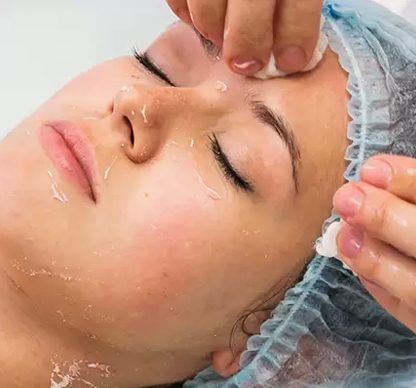
A TCA Peel uses trichloroacetic acid to remove controlled layers of damaged surface skin so the healed skin can look smoother, clearer, and more even. For scar-focused work, the attraction is stronger resurfacing than a light “glow” peel. The catch is simple: more depth means more visible recovery and more reason to choose an experienced professional.
This guide focuses specifically on TCA resurfacing for scars and texture, matching the treatment-first approach requested for this subject. I write about professional beauty treatments with an eye on what matters outside the treatment room: visible results, downtime, makeup, clothing, events, and the point where cosmetic advice belongs in a dermatologist’s hands.
| What to Know | Typical Expectation |
|---|---|
| Treatment type | Professional chemical resurfacing |
| Main ingredient | Trichloroacetic acid |
| Common depth | Often medium-depth, depending on technique |
| Appointment time | Usually relatively short, plus consultation and preparation |
| Visible downtime | Often several days to roughly a week or more for medium-depth treatment |
| Cost | Commonly several hundred dollars; deeper or physician-led resurfacing can cost more |
| Best suited to | Uneven texture, visible surface damage, discoloration, selected scars |
| Results window | Improvement becomes easier to judge after peeling and healing settle |
| Repeat treatment | Depends on peel depth, skin response, and professional assessment |
| Biggest caution | Burns, pigment changes, infection, and scarring are possible if treatment is inappropriate or healing is disrupted |
TCA pricing swings too widely to treat one figure as a national rate. The American Society of Plastic Surgeons currently lists an average of $1,829 for the broader skin-resurfacing category, while consumer-reported TCA pricing can be much lower; provider expertise, treatment depth, location, and treatment area all affect the bill.
What a TCA Peel Actually Is
A TCA Peel is a chemical resurfacing procedure built around trichloroacetic acid. Depending on how it is formulated and applied, it can reach deeper than a mild superficial peel. DermNet describes TCA as the most common chemical used for medium-depth peeling, with the resulting exfoliation followed by a healing period during which texture and discoloration may become less noticeable.
That distinction matters for scars. A light peel can freshen a dull surface, but scar texture often involves changes that sit below the very top layer of skin. Going stronger is not automatically better, though. Depth has to be matched to the skin, the scar pattern, and the amount of recovery a person can realistically handle.
How it works, in plain terms
The solution creates a controlled injury in selected layers of skin. The treated surface then goes through redness, peeling or crusting, and repair. As healing progresses, the new visible surface can appear smoother and more even than it did before treatment. Medium-depth TCA treatment can make some fine lines, pigmentation irregularities, and acne scars less obvious, but it does not erase every scar or deep crease.
Think resurfacing rather than erasing. That is the expectation I would carry into any consultation.
How it differs from TCA CROSS
A full or broader-area TCA Peel should not be confused with TCA CROSS. CROSS stands for chemical reconstruction of skin scars and uses highly concentrated TCA placed precisely inside individual depressed scars rather than spread as a conventional full-face peel. DermNet describes it specifically as a technique for atrophic scars.
For someone mainly bothered by a handful of narrow, deep acne scars, asking about focal scar treatment may make more sense than assuming the entire face needs stronger resurfacing.
Who a TCA Peel Is Really For
A TCA Peel makes the most sense when someone wants a more serious texture refresh than a mild peel can provide and accepts that the trade is downtime. Chemical peels are used for rough texture, discoloration, sun-related appearance changes, fine lines, and selected acne concerns.
Scar type changes the equation. Shallow textural irregularities may respond differently from narrow ice-pick scars or deeper rolling depressions. That is why “I have acne scars” is not enough information to pick a peel depth.
Skin types that may respond well
People with visible surface roughness, uneven pigmentation, or selected shallow scars may be candidates after professional evaluation. Skin tone does not automatically rule out chemical peeling, either.
The American Academy of Dermatology notes that people with skin of color can undergo chemical peels, but recommends choosing a dermatologist experienced in treating darker skin tones because inappropriate treatment can produce persistent pigment problems.
Who should skip it
Anyone with irritated, injured, actively inflamed, or otherwise questionable skin should not try to self-select a strong peel from an online chart. The same goes for someone expecting to be camera-ready tomorrow.
And if you are buying concentrated TCA online because a professional peel looks expensive, stop there. The FDA has specifically warned consumers against using high-concentration chemical peel products, including TCA products, without appropriate professional supervision because serious chemical burns and other injuries have occurred.
Conditions that mean asking a professional first
Bring up previous abnormal scarring, pigment changes after irritation, recurring cold sores, allergies, prescription skin treatments, recent procedures, pregnancy, and anything else medically relevant during consultation.
A dermatologist can decide whether those details change the plan. This is one of the places where an internet skin quiz is a poor substitute for seeing the skin itself.
Timing conflicts with other services
Do not stack aggressive exfoliation, waxing, lasers, microneedling, or another significant resurfacing procedure around a TCA Peel unless the treating professional specifically plans the sequence.
For fashion and occasion planning, I would also avoid experimenting close to a wedding, editorial shoot, graduation, interview, or major event. Peeling may finish before the skin actually looks calm enough for the makeup and lighting you planned.
What Happens During a TCA Peel Appointment
A proper appointment starts before the acid touches your face. Consultation matters because chemical peel depth, preparation, expected healing, and aftercare need to fit the individual rather than a generic percentage found online. The AAD specifically recommends a consultation before a chemical peel.
That consultation is also where you show the provider which scars bother you most instead of pointing vaguely at your entire face.
Before you arrive
Follow the provider’s instructions rather than building your own pre-peel routine. Tell them what skincare, prescriptions, procedures, and treatments you use.
Arrive with realistic plans for the recovery period. A medium-depth peel is not something I would squeeze between Friday lunch and Saturday-night photos.
What to do the night before
Keep the routine boring. Do not decide that the night before treatment is your last chance for a scrub, exfoliating mask, or an extra pass with a strong active.
If your provider has given specific preparation instructions, those instructions win.
What to bring and what to wash off
Providers may want clean skin without makeup or unnecessary products before treatment. Ask before the appointment instead of assuming.
Bring your current skincare list and enough information about past procedures to answer questions accurately.
The appointment, stage by stage
The exact method depends on the planned depth and provider. Broadly, the treatment involves preparing the skin, applying the peel in a controlled manner, watching the skin response, and then moving into the provider’s finishing and aftercare protocol.
Skin preparation
The skin is cleansed so oil, makeup, and residue do not interfere with controlled application.
This sounds minor, but controlled penetration is the entire point.
TCA application
The professional applies TCA according to the planned treatment pattern and depth. Stronger is not a badge of honor. The correct endpoint is a professional judgment, not a challenge to see how much your face can tolerate.
The stage that surprises people
TCA treatment can be uncomfortable. DermNet describes medium-depth TCA peeling as painful and notes that redness, swelling, and crusting may follow over the next week or so.
That is a different experience from the faint tingle people associate with a mild cosmetic peel.
The finish
Once application is complete, the provider moves into the immediate post-treatment protocol and explains what can and cannot touch the skin while healing.
This explanation is worth paying attention to. The treatment may take minutes; your behavior afterward affects the next several days.
How long it takes start to finish
The application itself can be relatively quick, but do not choose a clinic based on who advertises the shortest appointment.
A thoughtful consultation, preparation, controlled application, observation, and clear aftercare instructions matter more than shaving fifteen minutes from the visit.
Results: What to Expect and When
A TCA Peel does not reveal its finished result the moment you leave the chair. The first phase is treatment response and healing. Only after that settles can you judge changes in smoothness, color, and how noticeable shallower irregularities look.
Scars are where expectations need the most discipline.
The first day
Expect the skin to look treated rather than perfected. Redness and discomfort can occur after stronger chemical peeling, and swelling may develop depending on depth.
This is not the day to test a new foundation or keep touching the surface to see whether peeling has started.
Week one to week four
Visible peeling or crusting commonly occupies the early recovery period after medium-depth TCA treatment. DermNet notes roughly a week of redness, swelling, and crusting with medium-depth treatment, while the final cosmetic appearance continues to settle beyond that initial stage.
If you are booking around a formal event, leave more buffer than the advertised peeling window. Makeup sitting beautifully on healed skin matters more than technically being “done peeling.”
Where expectations run ahead of reality
The word resurfacing can make people picture scar-free glass skin. That is where marketing gets ahead of anatomy.
DermNet notes that some acne scars can become less obvious after TCA peeling while deeper furrows do not respond the same way. Scar-focused treatment may therefore involve another technique, a combination approach, or simply accepting improvement rather than disappearance.
Cost, Frequency and Booking
A TCA Peel price depends heavily on who performs it, where you live, treatment depth, treatment area, and whether the fee includes follow-up care. Current U.S. pricing sources illustrate the spread rather than giving one trustworthy universal number.
Cheap is not automatically suspicious. Expensive is not automatically skilled. Credentials and treatment planning are more useful filters.
What it typically runs and why prices swing
For a straightforward TCA treatment, several hundred dollars is a reasonable ballpark to encounter, while deeper physician-led resurfacing or broader treatment plans can move considerably higher. RealSelf’s older member-reported TCA data averaged $269, while current ASPS data place the much broader skin-resurfacing category at $1,829. Those are reference points, not quotes for your face.
Ask what is included before comparing numbers.
How often to repeat it
Frequency depends on depth. The AAD says mild and medium chemical peels may be repeated, while deep chemical peeling is treated differently and should not be approached as routine recurring maintenance. Your dermatologist should determine appropriate timing.
For scar work, I would rather see a provider reassess what changed than blindly sell the same peel on a calendar.
Questions to ask before you book
Ask what depth is being proposed, why that depth suits your scars and skin tone, who performs the procedure, what recovery normally looks like in that practice, what aftercare is supplied, and what happens if healing does not follow the expected course.
And ask the best scar question: “Which of my scars do you expect this peel not to improve?”
A useful answer tells you more than a wall of before-and-after photos.
Aftercare That Actually Protects the Result
After a TCA Peel, restraint becomes part of the treatment. Moisture, sun avoidance, and following professional instructions matter because picking, scratching, drying, or deliberately accelerating peeling can interfere with healing. The AAD warns against rubbing or scratching treated skin and recommends following moisturizing instructions carefully.
This is where impatient people can turn a decent procedure into a bad week.
The first 24 hours
Use only what your provider has cleared. Avoid treating the face like normal skin because it does not behave like normal skin immediately after a stronger peel.
If burning, itching, or swelling becomes concerning, the AAD advises contacting the treating dermatologist rather than scratching or improvising.
The rest of the cycle
Let peeling happen on its own timetable. Do not pull loose skin for a cleaner appearance before work or an event.
Sun exposure deserves particular attention during healing. The AAD advises avoiding indoor tanning and following sun-protection guidance after chemical peeling.
Products to pause
Strong exfoliants and irritating actives are not products to restart because the calendar says day five. Resume them when the treating professional says the skin is ready.
“Usually safe by now” is not as useful as looking at the actual healing response.
Habits that undo the work
Picking is the obvious one. Over-cleansing, experimenting with new actives, tanning, and repeatedly checking flakes with your fingers are not far behind.
If a wedding, shoot, or formal event is coming, build the appointment around the healing window instead of trying to force healing around the event.
Risks, Side Effects and Sensible Caution
A TCA Peel can produce redness, swelling, discomfort, peeling, and crusting as part of the expected recovery pattern. Less desirable outcomes can include lasting pigment changes or scarring, particularly when treatment depth or aftercare goes wrong.
Persistent pain, unexpected swelling, severe burning, signs of infection, an allergic-type reaction, or anything medically concerning belongs with a qualified healthcare professional. Do not try to diagnose a bad reaction from beauty forums.
The FDA’s consumer warning deserves repeating: concentrated chemical peel products sold for unsupervised home use have caused serious injuries, including chemical burns, wounds, swelling, pain, and scarring.
At-Home Versions: What Works, What Doesn’t
An at-home exfoliating product may freshen the surface of skin. It is not a sensible substitute for professional scar-focused TCA resurfacing.
This is one beauty treatment where I would not chase professional intensity at home. The FDA explicitly advises consumers not to purchase or use high-concentration chemical peel products such as TCA peels without professional supervision.
The ceiling of home care is part of its advantage: gentler products are easier to live with. If your goal requires deliberate deeper injury to the skin, that is exactly when professional assessment becomes more important rather than less.
Where a TCA Peel Gets Oversold
The biggest oversell is the phrase “removes scars.” A TCA Peel may make selected acne scars and surface irregularities less conspicuous, but different scar shapes behave differently, and deeper depressions may remain obvious.
The second oversell is that dramatic peeling equals dramatic improvement. It does not. More visible injury is not automatically a better cosmetic outcome.
And some people do not need this much intervention. If the real complaint is temporary dullness before an event, a gentler professional service or carefully managed skincare may get most of the appearance benefit with far less disruption. Save serious resurfacing for a goal that actually warrants it.
Frequently Asked Questions
Is a TCA Peel good for acne scars?
It can make certain acne scars and uneven texture less noticeable, but results depend heavily on scar type and treatment technique. DermNet notes improvement in some acne scars after TCA peeling, while deeper depressions may require other approaches. Scar assessment should come before choosing peel strength.
How deep does a TCA Peel go?
TCA can be used at different treatment depths. DermNet describes TCA as the most common chemical used for medium-depth chemical peeling, while specialized focal techniques such as TCA CROSS are applied differently for individual scars. Depth should be chosen professionally rather than from a percentage chart online.
How long does a TCA Peel take to heal?
Visible recovery after a medium-depth treatment commonly involves several days of redness, swelling, peeling, or crusting, with DermNet describing roughly a week of obvious reaction. Skin can continue looking unsettled after the main peeling phase, so leave extra time before important photos or events.
Can I wear makeup after a TCA Peel?
Do not assume makeup is appropriate immediately after treatment. Follow the provider’s instructions and allow the treated surface to heal rather than trying to disguise active peeling. If you are planning a wedding, interview, or shoot, schedule enough recovery time that makeup goes onto healed skin rather than fragile skin.
Is a TCA Peel safe for darker skin?
Chemical peels can be performed on darker skin tones, but experience matters. The AAD recommends seeing a dermatologist skilled in chemical peeling for skin of color because inappropriate treatment can lead to persistent pigment problems. That is a strong reason not to choose a provider on price alone.
Can I do a TCA Peel at home?
Professional-strength TCA peeling is not a good DIY project. The FDA warns against purchasing and using high-concentration chemical peel products without professional supervision because serious chemical burns, wounds, swelling, pain, and scarring have been reported.
How much does a TCA Peel cost?
Expect pricing to vary by depth, location, treatment area, and provider qualifications. Consumer-reported TCA figures have historically sat in the several-hundred-dollar range, while professional skin-resurfacing averages covering a much broader group of procedures are substantially higher. Get a written quote after consultation rather than budgeting from one national average.
Will a TCA Peel completely remove scars?
No responsible provider should promise that. TCA resurfacing may soften the appearance of selected scars, pigmentation irregularities, and rough texture, while deeper scar architecture may remain. For narrow or deeper acne scars, ask whether focal TCA CROSS, another procedure, or a combined treatment plan is more appropriate.
A TCA Peel becomes much easier to judge once you stop asking whether it is “strong” and start asking whether it is appropriate for your particular scar pattern. Leave enough recovery time that healing does not compete with your wardrobe, makeup, photographs, or next major event. Do not buy professional-strength TCA for a home experiment. When you book a consultation, ask one concrete question first: “Which of my scars can this peel realistically improve, and which ones need a different approach?”
Premium Skin Treatment Reports
Expert guides to facials, chemical peels, resurfacing treatments and modern skin-renewal procedures.