
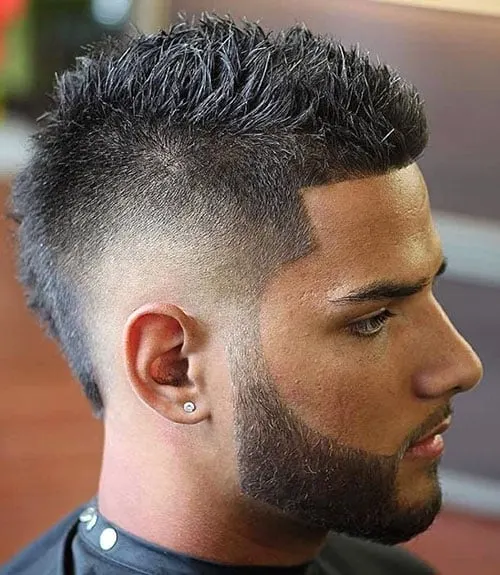
The strongest Mexican haircut ideas blend sharp barbering with texture that still feels natural. The low taper with textured fringe, classic Edgar cut, burst fade mullet, and short pompadour stand out because they photograph well, suit daily life, and can be adjusted for straight, wavy, thick, or curly hair.
I’ve spent more than a decade around barbershops, styling chairs, photo shoots, and men who discover too late that a great cut still needs to work on Monday morning. These choices were judged by shape, adaptability, grow-out, styling effort, and how clearly a barber can reproduce the look from a reference photo.
The table below gives a quick comparison before we get into the full list of Mexican haircut ideas.
| Quick Pick | Best For | Upkeep | Overall Look |
|---|---|---|---|
| Low taper with textured fringe | Thick straight or wavy hair | Every 2–3 weeks | Clean and current |
| Classic Edgar cut | Strong, dense hair | Every 2 weeks | Sharp and structured |
| Short pompadour taper | Formal and casual styling | Every 3–4 weeks | Polished |
| Burst fade mullet | Men wanting a bolder shape | Every 2–3 weeks | Modern and rebellious |
| Curly top temple fade | Naturally curly hair | Every 2–3 weeks | Defined and balanced |
| Classic side part taper | Work and formal settings | Every 3–4 weeks | Timeless |
| Drop fade crop | Round or square faces | Every 2–3 weeks | Sculpted |
| Buzz cut with line-up | Low daily styling | Every 1–2 weeks | Crisp and masculine |
| Medium natural flow | Wavy medium-length hair | Every 6–8 weeks | Relaxed |
| Long layered waves | Men comfortable with length | Every 8–12 weeks | Expressive |
Classic Mexican Haircut Ideas With Clean Structure
These classic Mexican haircut ideas keep the silhouette controlled without looking stiff. They work well for offices, weddings, school, family gatherings, and anyone who wants a cut that will not feel dated six months from now.
1. Classic Side Part With a Low Taper

The classic side part with a low taper is the safest choice here, but safe does not mean dull. The top stays long enough to comb diagonally, while the taper quietly removes weight around the temples and neckline. A soft part rather than a shaved line keeps the finish mature and allows the direction to change as the hair grows.
This cut suits straight, thick, or gently wavy hair and works especially well on oval, square, and round faces. Ask your barber, “Leave three inches on top, create a natural side part, and keep the taper low without exposing too much skin.” It needs light pomade and a quick comb most mornings, though stubborn cowlicks can make the part harder to control.
2. Short Pompadour With a Tapered Finish

A short pompadour creates height without the exaggerated volume associated with older rockabilly versions. The front rises gently before flowing backward, while the sides remain fuller than a skin fade and narrow toward the ears. That contrast makes the head look longer and gives thick hair a clear direction.
Among polished Mexican haircut ideas, this one favors oval, round, and square faces with straight or wavy hair. Tell the barber, “Build a short pompadour at the front, blend the sides with a classic taper, and leave enough weight to comb backward.” Blow-drying adds several minutes to the routine, and the shape tends to collapse when heavy product is applied too close to the roots.
3. Slick Back With a Low Fade

The slick back with a low fade looks controlled from the front and increasingly sharp as it reaches the sides. Medium length runs backward from the hairline without a hard part, and the fade begins just above the ears. The result is cleaner than a full scissor cut but less severe than a high skin fade.
This shape favors dense straight or wavy hair and gives round faces a little extra vertical length. Ask for, “A low fade with four inches on top, enough weight through the corners, and a natural slick-back finish.” Fine hair may separate under shiny pomade, so use a light cream or matte paste unless you intentionally want a wet appearance.
4. Crew Cut With a Soft Line-Up

A crew cut with a soft line-up gives short hair more personality than a single-length clipper cut. The top remains slightly longer near the forehead before shortening toward the crown, and the sides taper closely without disappearing into bare skin. A restrained line-up defines the front while preserving a believable hairline.
This is one of the most practical Mexican haircut ideas for active men, humid weather, or anyone who dislikes styling products. Tell your barber, “Keep a traditional crew-cut shape, taper the sides, and clean the hairline without pushing it back.” The main drawback is frequency: once the front and temple edges soften, the cut loses much of its intended precision.
5. Caesar Crop With a Soft Fringe

The Caesar crop carries its length forward rather than upward or backward. Short layers sit close to the head, and the fringe rests horizontally across the upper forehead with lightly broken edges. Keeping the fringe soft avoids the heavy helmet effect that can happen when dense hair is cut too bluntly.
Men with straight or slightly wavy hair can use this cut to shorten the appearance of a long forehead. Ask for, “A short layered Caesar crop with a textured fringe and a low taper around the ears.” It is easy to style with your fingertips, although fast-growing hair can make the fringe look bulky before the sides appear ready for another appointment.
Mexican Haircut Ideas Built Around Tapers and Fades
Fades remain central to many Mexican haircut ideas because they let the barber control exactly where weight begins and ends. The important decision is not simply “fade or no fade,” but how high the fade starts, how much skin appears, and whether the top needs a rounded or squared silhouette.
6. Low Taper Fade With a Textured Top
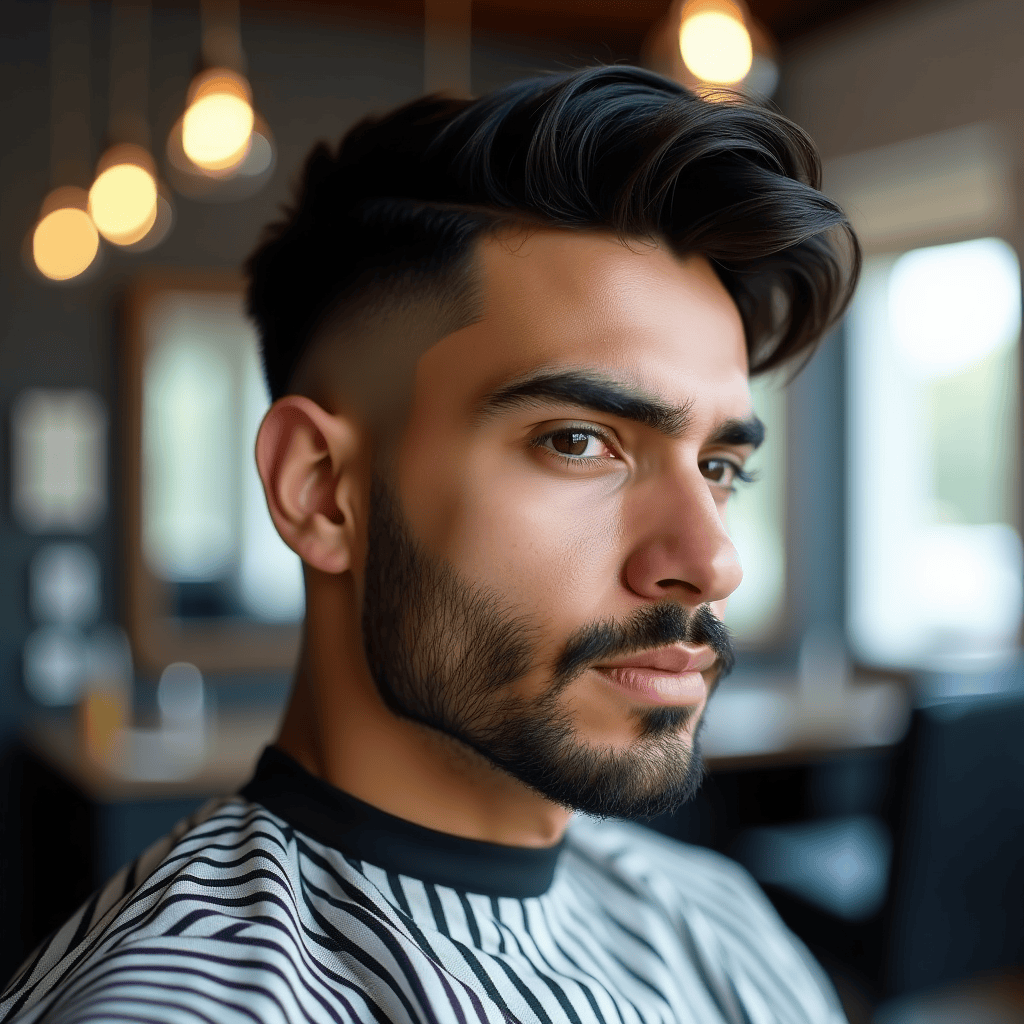
The low taper fade with a textured top is balanced enough for almost any setting. Most of the side length remains intact, while the temples and neckline gradually tighten into a clean finish. On top, irregular short layers create movement without forcing the hair into a fixed direction.
This option works for straight, wavy, and moderately curly hair, especially when you want definition without exposing the entire side of the head. Ask your barber, “Keep the side shape full, taper only the temples and neckline, and point-cut the top for loose texture.” The taper will blur within a few weeks, but the fuller sides make the grow-out less awkward than a skin fade.
7. Mid Fade With a Side-Swept Top

A mid fade with a side-swept top creates a stronger break between the upper length and the lower sides. The fade begins near the midpoint of the temple, while the top angles across the head with a loose, wind-shaped finish. Leaving some weight near the parietal ridge prevents the haircut from looking narrow.
Among adaptable Mexican haircut ideas, this version suits thick straight or wavy hair and can soften wider cheekbones. Say, “Give me a mid fade, keep weight at the upper sides, and leave the top long enough to sweep naturally across.” Daily styling is manageable, though the side-swept shape can fall flat beneath hats or in damp weather.
8. High Fade With a Short Textured Crop
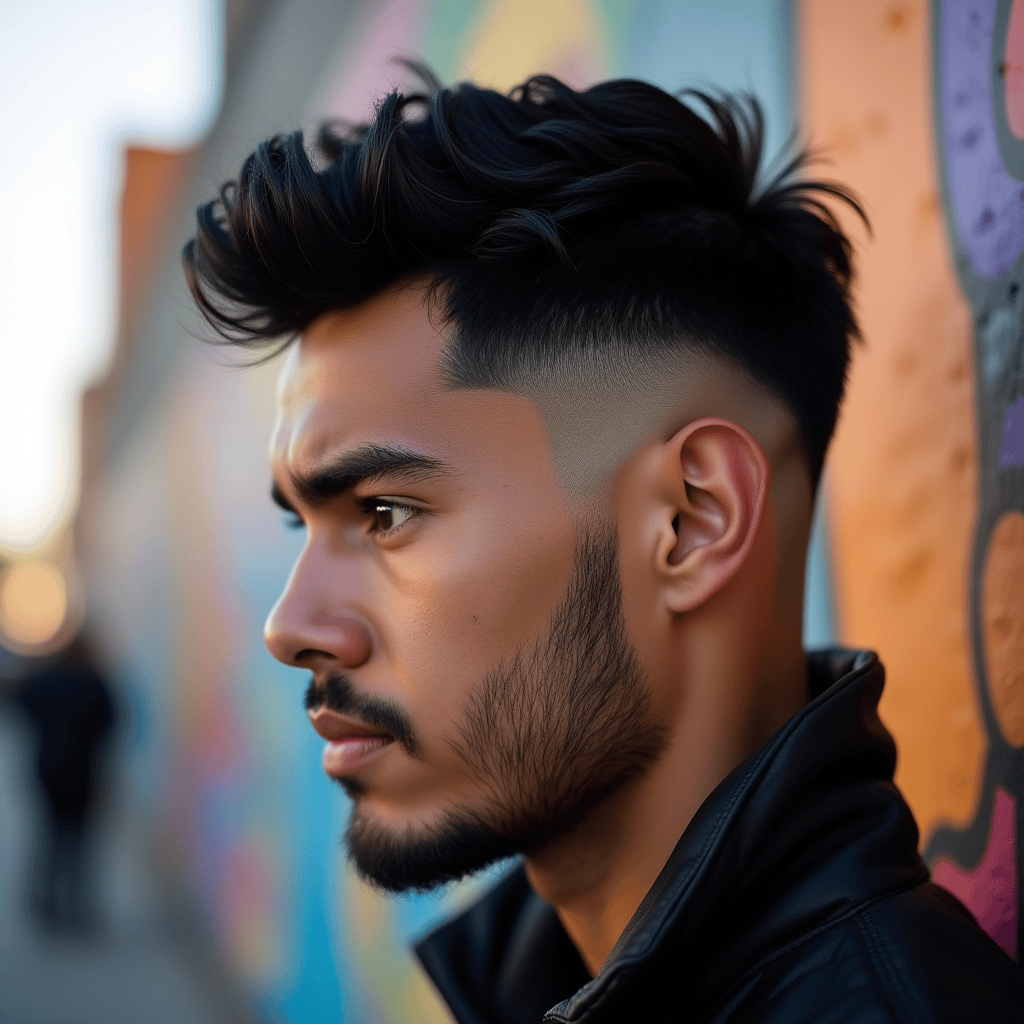
The high fade with a short textured crop has a compact, athletic shape. The sides become extremely close above the temples, placing nearly all visible weight on the top. Choppy layers and a broken fringe stop the upper section from resembling a flat cap of hair.
This haircut is strongest on dense straight hair and suits men who want sharper cheekbone and jaw definition. Ask for, “A high fade blended into a short crop, with rough texture on top and an uneven natural fringe.” The exposed sides require regular cleanups, and men with prominent bumps or scarring on the scalp may prefer a lower starting point.
9. Skin Fade With a Natural Hard Part
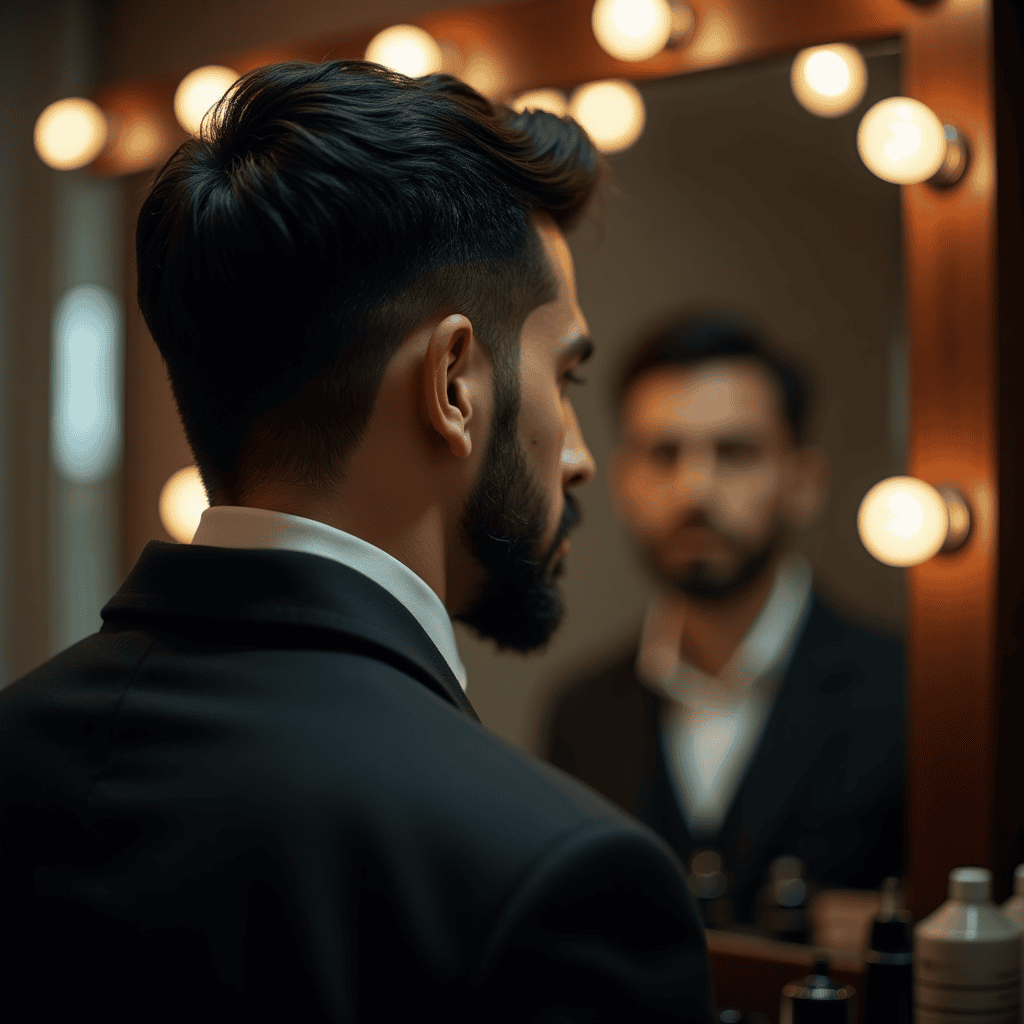
A skin fade with a natural hard part delivers one of the sharpest outlines in the list. The fade reaches bare skin at the base before darkening upward, while a narrow shaved part separates the combed top from the heavier corner. Keeping the line thin is what makes the cut look intentional rather than theatrical.
These Mexican haircut ideas suit straight, dense hair and men who already style with a comb. Tell the barber, “Take the fade to skin, keep the blend smooth, and add a thin part that follows my natural direction.” The part grows out visibly and can look uneven within two weeks, so this is not the best option for someone stretching appointments.
10. Drop Fade With a Rounded Back
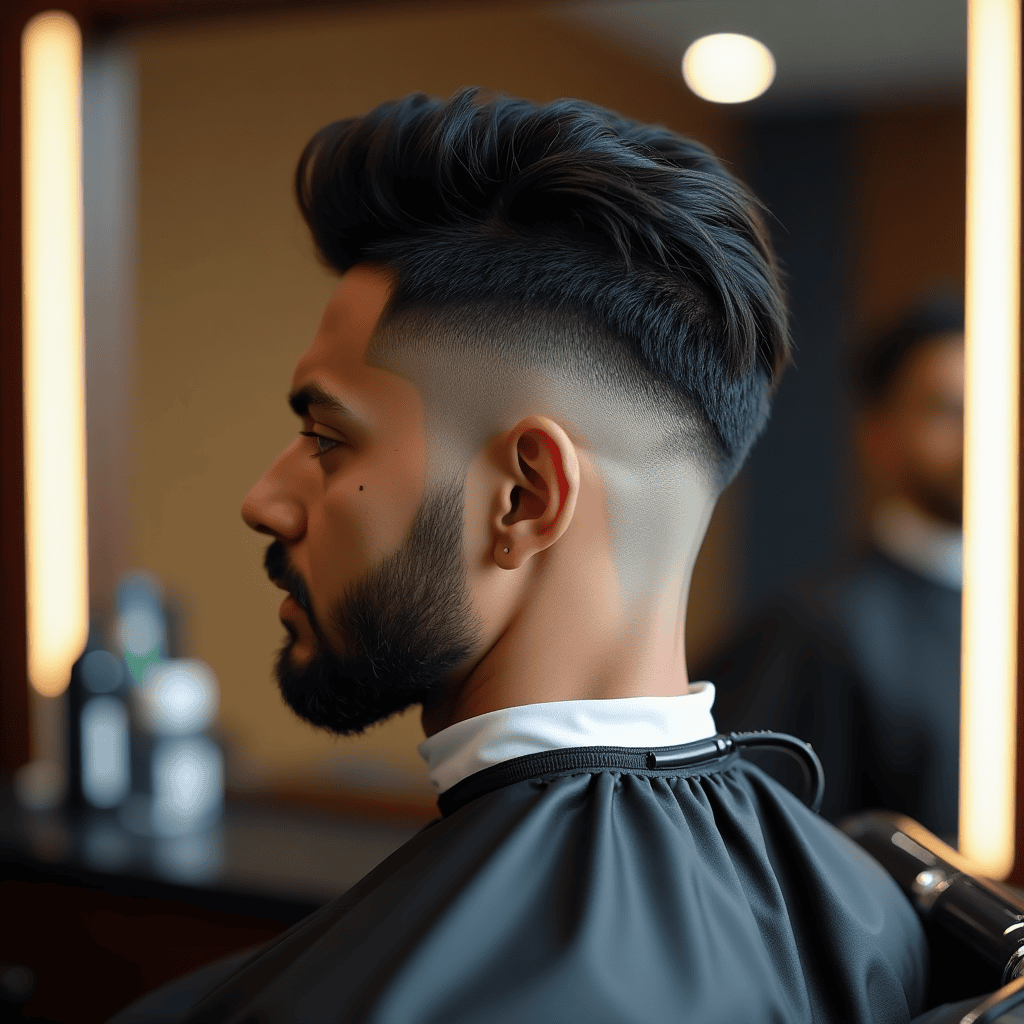
The drop fade curves downward behind the ears instead of running horizontally around the head. That lowered back line follows the skull and leaves a darker section near the occipital bone, creating a rounded, sculpted profile. A short textured top keeps attention on the fade’s shape.
This is one of the better Mexican haircut ideas for men with round or flatter head shapes because the curved blend creates depth. Request, “A low-to-mid drop fade that follows behind the ear, with a rounded back and short texture on top.” It takes a skilled blend to keep both sides symmetrical, and mistakes become obvious when viewed from behind.
11. Burst Fade With Short Curls
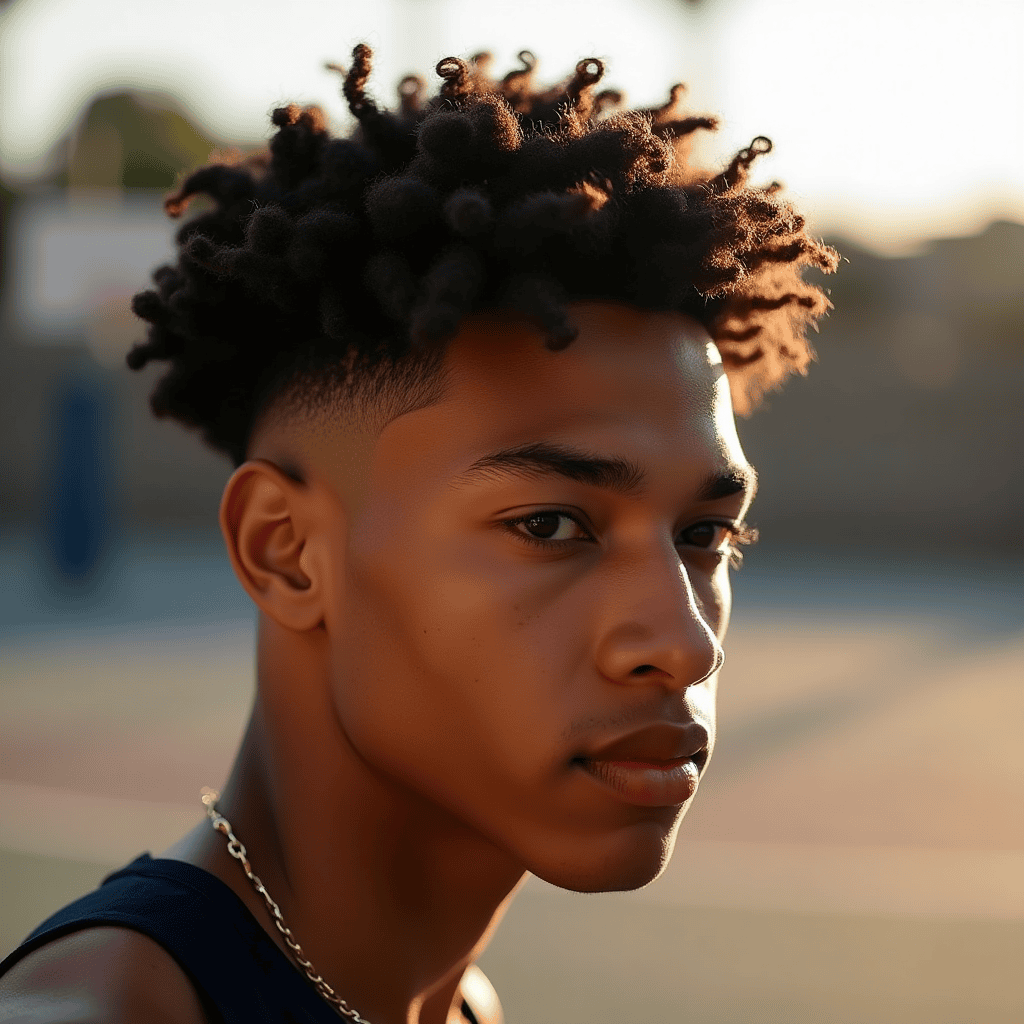
A burst fade forms a semicircle around the ear while preserving length above and behind it. Short curls remain concentrated through the top and rear, giving the haircut a wider, more energetic silhouette. The faded arc keeps that volume from overwhelming the face.
Men with natural curls or strong waves get the most from this shape, particularly when the hair springs outward near the temples. Ask the barber, “Create a low burst fade around the ears, keep the curls connected through the back, and shape the top without thinning it heavily.” Uneven shrinkage can disturb the outline, so the curls need to be cut in their natural resting state.
Textured Mexican Haircut Ideas for Thick, Wavy, and Curly Hair
Texture gives these Mexican haircut ideas their identity. Rather than forcing every strand into place, the barber creates a strong perimeter and lets movement happen inside it—a useful approach for thick hair that tends to fight overly polished styling.
12. Classic Edgar Cut With a Blunt Fringe
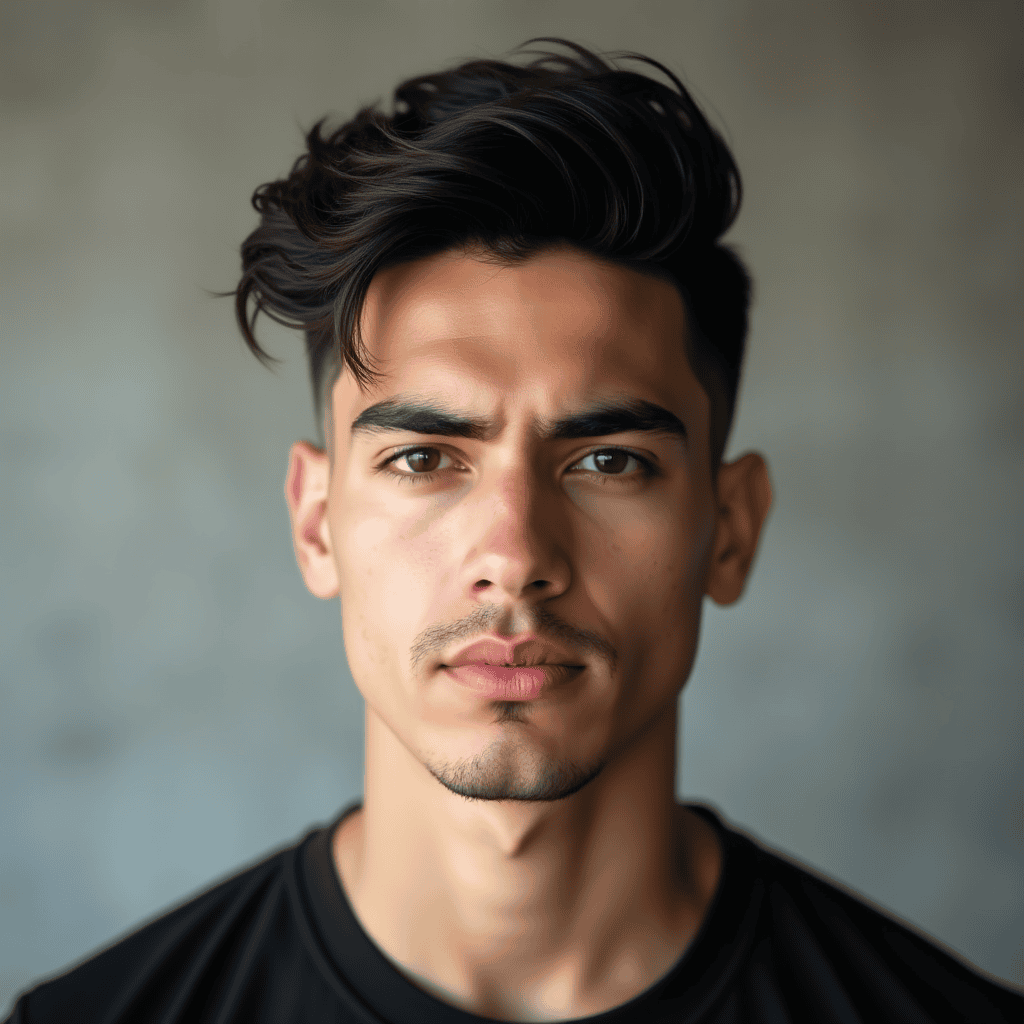
The classic Edgar cut uses a blunt horizontal fringe, a rounded upper shape, and closely faded sides. The defining line sits across the forehead while the top stays short, dense, and directed forward. Its clean geometry makes the haircut instantly recognizable from the front or side.
This style favors thick straight hair and men comfortable with frequent line maintenance. Tell your barber, “Give me a classic Edgar shape with a straight fringe, a rounded top, and a clean mid fade.” It can make a short or wide forehead appear more compressed, and a fringe cut too low may feel heavy after only a week of growth.
13. Textured Edgar With a Low Taper

The textured Edgar keeps the recognizable forward fringe but breaks up the solid upper shape. Short point-cut layers produce separation, and a low taper cleans only the temples and neckline rather than fading the entire side. It feels less rigid than the classic version and grows out with fewer obvious lines.
Of all the modern Mexican haircut ideas, this is one of the easiest to personalize for straight or lightly wavy hair. Ask for, “A textured Edgar with a slightly uneven fringe, full sides, and a low temple taper.” Heavy gel ruins the broken texture, while very fine hair may not hold enough density to create the intended silhouette.
14. Fluffy Fringe With a Mid Taper

The fluffy fringe places soft volume at the front instead of creating a blunt line. The upper layers lift and bend over the forehead, while a mid taper removes bulk around the sideburns and lower temple. The silhouette looks airy from the front but remains clean around the edges.
This cut suits thick straight or wavy hair and is especially useful for softening a square face. Tell the barber, “Leave enough top length for a fluffy forward fringe, add internal texture, and use a mid taper rather than a full fade.” It needs blow-drying or a light texture powder, and the front can separate badly when hair becomes oily.
15. Curly Top With a Temple Fade
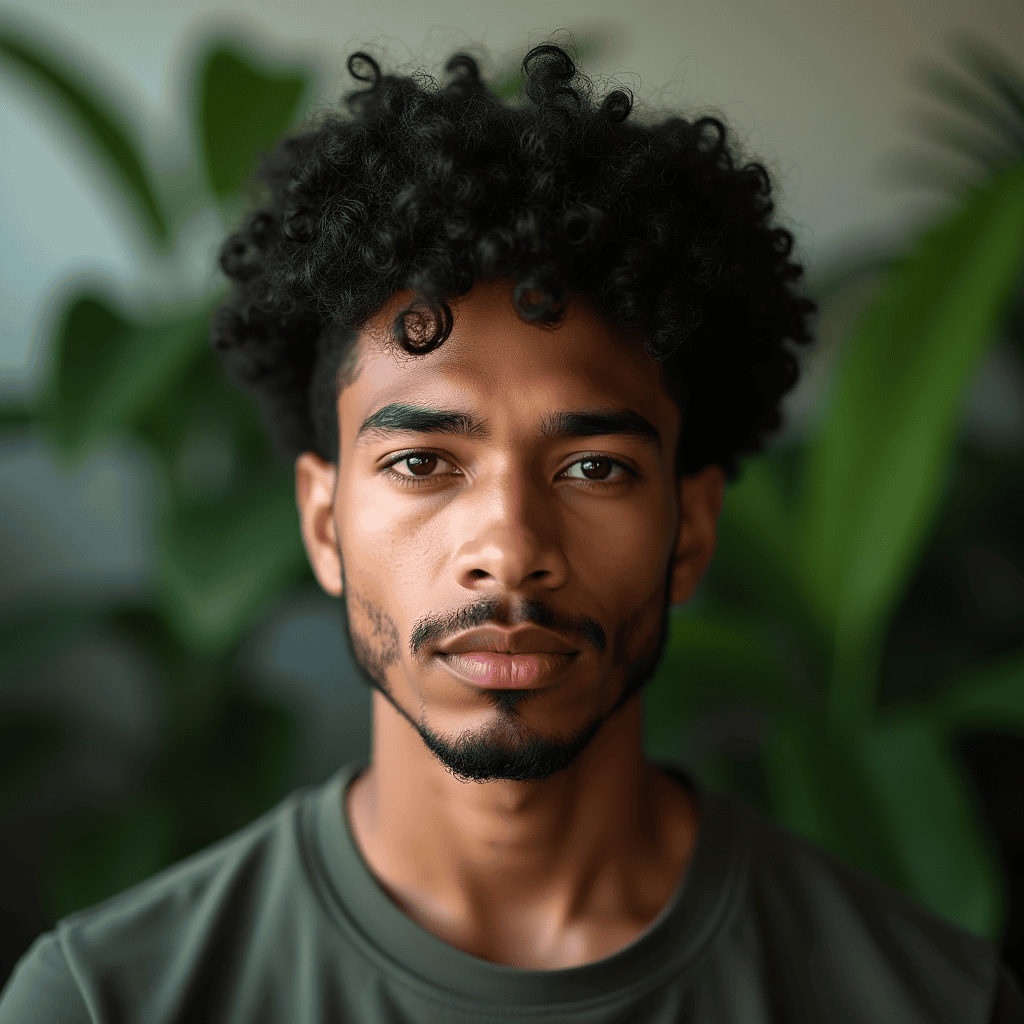
A curly top with a temple fade keeps the natural pattern central to the haircut. The curls build height and width across the top, while a small faded area at each temple cleans the transition into the beard or sideburn. The back remains fuller, which stops the style from becoming top-heavy.
These Mexican haircut ideas work best when curls already form visible clumps rather than loose frizz. Ask for, “Shape the curls dry, preserve the top length, and fade only the temples with a clean neckline.” Brushing after drying will destroy the definition, and an aggressive thinning shear can leave the curl pattern hollow.
16. Wavy Crop With a Low Fade

The wavy crop lets short bends and ripples travel forward across the head. A lightly irregular fringe sits above the forehead, and the low fade creates a clean base without removing the darker wave pattern near the temples. It looks controlled even when each section moves differently.
Men with naturally wavy, dense hair will find this easier than trying to maintain a perfectly straight fringe. Ask your barber, “Keep the waves visible, crop the top forward, and use a low fade that leaves weight at the upper sides.” The haircut can puff outward in humidity, so overly dry styling products usually make the shape worse.
17. Messy Quiff With a Classic Taper
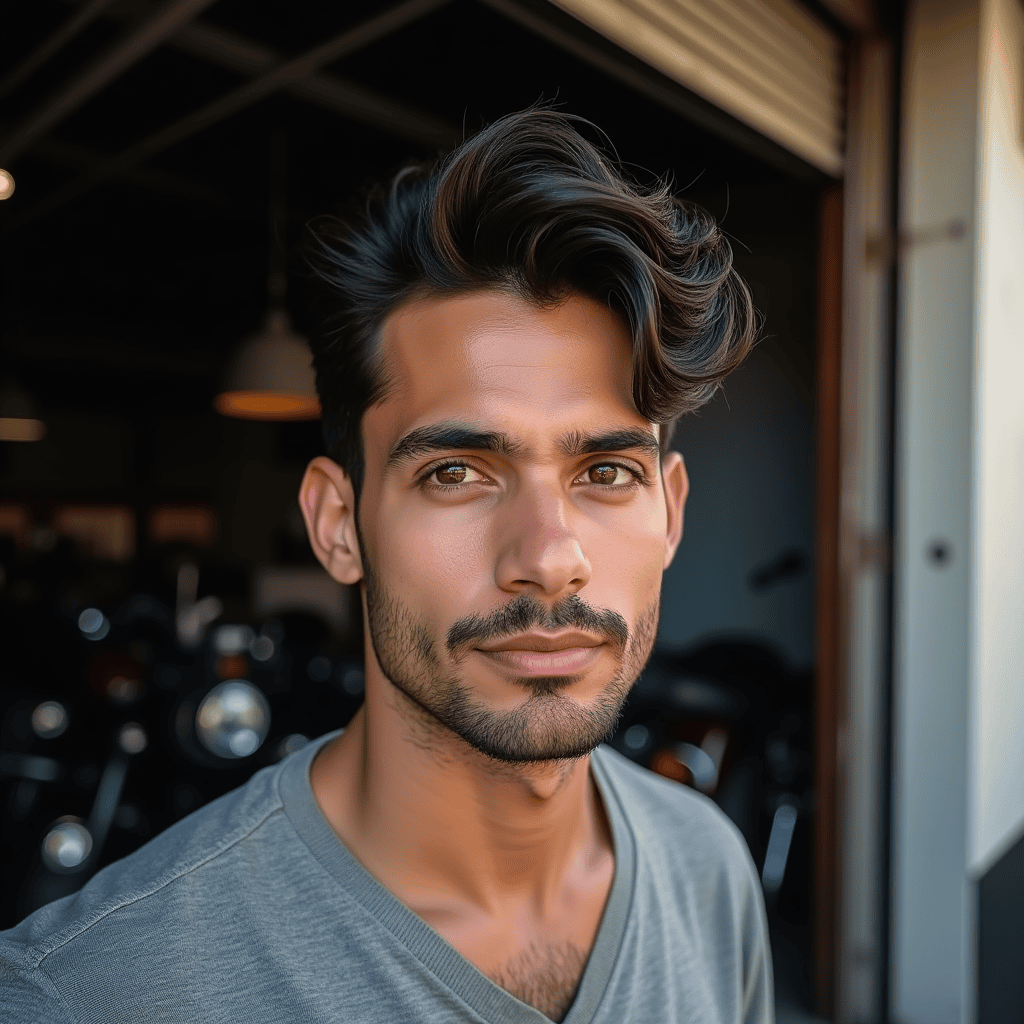
The messy quiff lifts at the front but avoids the smooth, deliberate shape of a pompadour. The upper hair bends backward and slightly sideways in separated sections, while the sides narrow through a traditional scissor-and-clipper taper. It reads relaxed from a distance and detailed up close.
This is one of the stronger Mexican haircut ideas for men whose wavy hair already wants to rise at the front. Say, “Leave four inches through the fringe, cut loose layers into the top, and taper the sides without taking them to skin.” The quiff needs some morning work, and coarse hair may stand upright rather than sweep unless it is left long enough.
Medium and Long Mexican Haircut Ideas
Longer Mexican haircut ideas depend more on proportion than clipper precision. The barber must decide where the hair expands, where it collapses, and how the neckline behaves as the length moves across collars, ears, and cheekbones.
18. Medium Scissor Cut With Natural Flow

A medium scissor cut follows the hair’s natural direction instead of imposing a hard part or sharp fringe. Layered sections move backward from the forehead, with enough side length to tuck behind the ears. The neckline stays softly cleaned rather than squared into a visible block.
This shape works especially well for thick wavy hair and men who prefer movement over barbershop-sharp edges. Ask for, “A medium layered scissor cut that flows backward, with weight removed internally and a natural neckline.” It takes longer to dry than a faded cut, and poor layering can create an unwanted triangular shape near the ears.
19. Bro Flow With a Tapered Neckline

The bro flow pushes medium-length hair away from the face and lets it curve around the ears. The top remains connected to the sides, creating uninterrupted movement from forehead to nape. A subtle neckline taper removes the fuzzy lower edge without making the cut look clipped.
Among relaxed Mexican haircut ideas, this one suits thick straight or wavy hair and men willing to pass through an awkward growing stage. Tell your barber, “Keep the layers connected, let the sides flow behind the ears, and clean the neckline with a soft taper.” Fine hair may lie flat, while extremely dense hair can become wide unless internal weight is removed carefully.
20. Modern Mullet With a Burst Fade
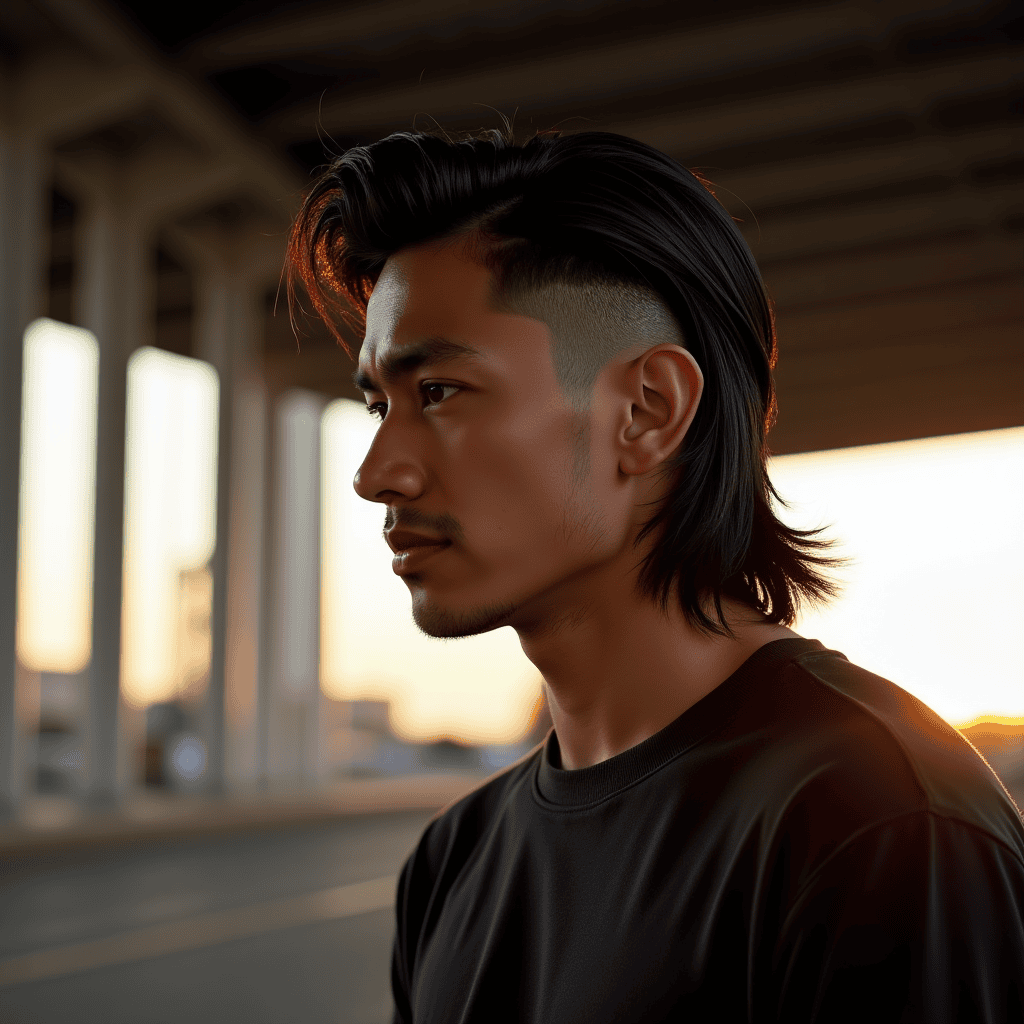
The modern mullet keeps visible length through the back while tightening the area around the ears. A burst fade separates the upper texture from the sideburn area, and the top can sit messy, curled, or brushed forward. The rear length should taper gradually rather than ending in a thin isolated tail.
This cut suits men who want Mexican haircut ideas with more streetwear energy and a stronger side profile. Ask for, “A connected modern mullet, a rounded burst fade, texture on top, and enough weight through the back to keep it balanced.” The shape looks neglected when the neckline grows without direction, so it still needs regular barber attention despite the deliberate length.
21. Medium Slick Back With Tapered Temples

A medium slick back keeps more side length than the faded version and creates a fuller, dressier outline. The top travels backward in broad sections, while the temples receive a small taper to prevent the hairline from looking overgrown. Natural separation keeps the surface from appearing plastic.
This option suits formal events, professional settings, and men with dense straight or wavy hair. Request, “Keep medium length across the top and sides, taper only the temples and neckline, and layer it to slick back without splitting.” It can feel warm in summer, and strong gel may leave visible scalp channels when the hair is combed too tightly.
Bold Mexican Haircut Ideas With a Modern Edge
These final Mexican haircut ideas are for men who want the haircut to become a visible part of the outfit. Each one uses contrast, unusual direction, or a less conventional outline, so reference photos and a detailed barber consultation matter more than usual.
22. Buzz Cut With a Geometric Line-Up
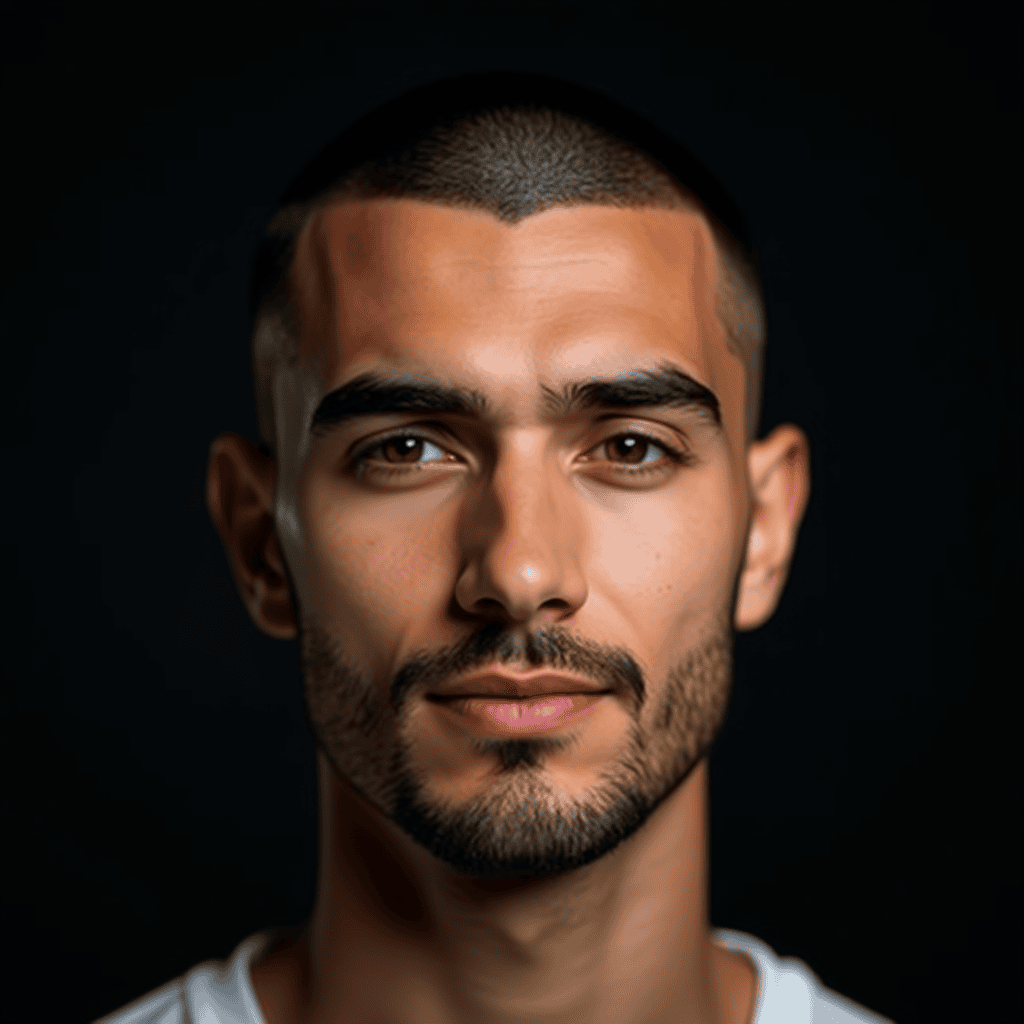
A buzz cut with a geometric line-up turns minimal length into a precise graphic shape. The hair stays evenly short across the crown, while the front and temple edges form crisp angles. A subtle taper at the sideburns keeps the line-up from floating above an unfinished lower edge.
This works for men with even density who want almost no daily styling. Tell your barber, “Use one consistent guard on top, taper the temples, and keep the front line sharp but natural to my existing hairline.” The cut exposes the scalp completely, and repeated aggressive line-ups can gradually push the visible edge backward.
23. Faux Hawk With a Burst Fade
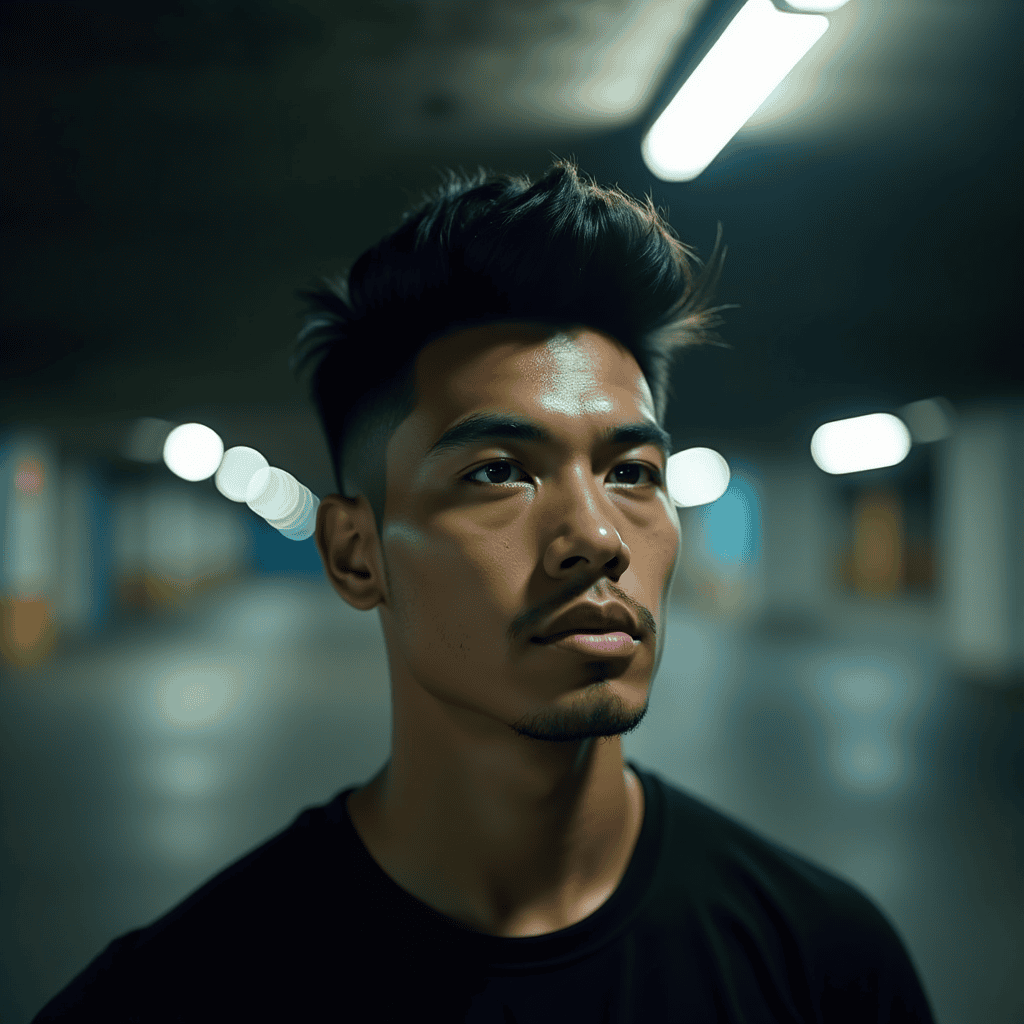
The faux hawk concentrates length along the center without shaving the sides into a dramatic strip. The top rises from the forehead and narrows toward the crown, while the burst fade curves around the ears. Short connected length at the back gives the shape a continuous line.
Mexican haircut ideas like this favor thick hair that can hold height without becoming stiff. Ask for, “A textured faux hawk with a rounded burst fade, connected back length, and no disconnected strip on top.” It requires deliberate styling, and the center can collapse sideways if the upper layers are left too long or cut too thin.
24. Disconnected Undercut With a Textured Top

The disconnected undercut places long, textured upper hair directly above very short sides with little transitional blending. The contrast creates a heavy overhanging edge around the temple area. Styling the top loosely rather than perfectly backward prevents the shape from feeling trapped in an earlier trend cycle.
This cut suits thick straight or wavy hair and men who enjoy changing the top between a fringe, quiff, and loose slick back. Tell the barber, “Keep a clear disconnection, leave substantial length on top, and texture it without thinning the ends too much.” The hard weight line can look severe as it grows, and fine hair may expose the separation rather than covering it.
25. Long Layered Waves With a Temple Taper

Long layered waves combine expressive length with small areas of barbershop control. The hair falls below the ears in broad bends, and long layers prevent the lower section from forming a dense block. A discreet temple and sideburn taper keeps the front profile clean without interrupting the overall flow.
This final entry among the Mexican haircut ideas works for naturally wavy hair and men prepared to condition, detangle, and dry it carefully. Ask for, “Long connected layers, weight removed from the lower half, and a subtle temple taper that blends into the length.” The style demands patience during growth, and skipping regular end trims can leave the waves rough rather than intentional.
How to Choose the Right One
Choosing between these Mexican haircut ideas starts with the way your hair behaves before any product touches it. Straight, dense hair supports hard fringes, sharp line-ups, and compact crops. Wavy hair usually looks stronger in layered fringes, quiffs, medium flow, and textured tops, while curls need enough preserved length to form complete shapes.
Face shape matters, but it should not become a rigid rule. Extra height can lengthen a round face, a textured fringe can reduce the visual length of a tall forehead, and fuller upper sides can balance a narrow face. Your barber should also study the crown, temple recession, growth direction, and any areas where the hair changes density.
Bring two or three photos showing the haircut from different angles. Do not rely on a single front-facing image because fades, mullets, tapers, and longer layers are defined by their side and rear profiles. One useful request is, “Keep the features of this reference, but adjust the length and fade position for my density and head shape.”
Be honest about maintenance. Skin fades and geometric edges may need attention every one or two weeks, while low tapers can often grow for three weeks without looking careless. Medium and long Mexican haircut ideas reduce clipper maintenance but replace it with washing, conditioning, drying, and controlled layering.
Where These Haircuts Commonly Go Wrong
The biggest mistake is choosing a haircut for its name rather than its structure. Two people can request an Edgar, taper, mullet, or textured crop and receive completely different shapes because their hair density, head shape, and reference images are different. Describe the fringe, side weight, fade height, neckline, and top length instead of assuming the label explains everything.
Overly high fades cause another common problem. A fade that starts too high can remove the dark side weight needed to balance a long face, prominent forehead, or narrow head. Once that hair has been taken down, the only correction is allowing it to grow.
Barbers also struggle when clients show a styled photograph but expect the same shape without using a dryer or product. Several Mexican haircut ideas on this list depend on controlled lift, separated texture, or deliberate forward movement. Ask how the haircut will look without styling before committing to it.
The cheaper alternative often produces most of the result. Rather than adding a hard part, design line, skin fade, and sharp line-up at once, begin with a clean taper and a well-cut top. Strong proportions usually attract more attention than extra detailing.
Frequently Asked Questions
What is the most popular Mexican haircut for men?
The Edgar cut, textured fringe with a taper, low taper fade, and burst fade mullet are widely recognized choices in Mexican and Mexican-American barbering scenes. Popularity changes by age and location, so choose the structure that suits your hair rather than copying the most visible trend exactly.
Do Mexican haircut ideas work on thin hair?
Several do, but cuts that rely on heavy blunt density may expose thinning. A short textured crop, crew cut, soft side part, or conservative taper usually creates a fuller appearance. Ask the barber to avoid aggressive thinning shears and keep enough weight around weaker areas.
Which Mexican haircut is easiest to maintain?
A crew cut, buzz cut, or short Caesar crop requires little daily styling. The tradeoff is more frequent barber visits because short edges lose definition quickly. A low taper with a textured top often provides the best balance between easy mornings and a forgiving grow-out.
What should I ask for when getting a low taper?
Ask the barber to taper only the temples, sideburns, and neckline while preserving fullness through the sides. Specify whether you want skin visible at the base and show where the taper should stop. Also explain how much length you want left on top.
How often should a Mexican fade haircut be refreshed?
A skin or high fade usually looks sharpest for about one to two weeks, while a low fade or taper may remain presentable for two to four weeks. Hair growth speed and the precision of the line-up make a noticeable difference.
Is the Edgar haircut suitable for every face shape?
No single haircut flatters everyone in the same form. A blunt low fringe may visually shorten the forehead, while a textured or slightly lifted Edgar can create more balance. Your barber can alter the fringe height, fade position, and upper width to suit your face.
Can curly hair be used for Mexican haircut ideas?
Curly hair works well with temple fades, burst fades, rounded tops, curly fringes, and connected mullets. The barber should cut with the curl’s shrinkage and resting pattern in mind. Removing too much internal weight can leave the top uneven or transparent.
What is the difference between a taper and a fade?
A taper normally shortens limited areas near the temples, sideburns, and neckline. A fade removes length across a larger section of the sides and back, often reaching skin. Tapers grow out more quietly, while fades create stronger contrast and require faster maintenance.
Should I wash my hair before a barber appointment?
Clean hair helps the barber evaluate your natural density, direction, texture, and curl pattern. Avoid arriving with heavy wax, gel, fibers, or oily buildup. For curls or medium-length styles, wear the hair close to its normal state so the barber can see its real shape.
Which Mexican haircut ideas suit round faces?
A short pompadour, textured quiff, side-swept top, or structured crop with controlled height can lengthen a round face. Avoid excessive width through the temples. A mid or low fade can clean the sides without making the upper head appear unnaturally narrow.
Can I get a Mexican haircut without a skin fade?
Yes. Many strong options use classic tapers, scissor-cut sides, temple tapers, or low clipper blends that never expose bare skin. These alternatives often suit professional environments and grow out more naturally than a high or skin fade.
Are design lines necessary for these haircuts?
No. Design lines are optional decorative details and do not improve the underlying shape. A clean silhouette, balanced fade, controlled fringe, and well-finished neckline matter more. Add a design only when you want the extra attention and accept that it will grow out quickly.
How do I keep a textured fringe from becoming flat?
Dry the fringe forward and slightly upward while directing air from the roots. Apply a small amount of matte paste, light clay, or texture powder after drying. Heavy gel and oily products can join the strands together and remove the airy separation.
Which haircut works best for a professional workplace?
A classic side part, short pompadour, crew cut, low taper, or medium slick back usually fits conservative workplaces. Keep the neckline clean and avoid an extremely sharp disconnection if your dress code is formal. The styling finish should look controlled rather than wet or rigid.
What reference photos should I show my barber?
Bring a front view, side profile, and rear view whenever possible. Choose people with hair density and texture similar to yours. Explain which features matter most, such as the fringe length, taper height, neckline, or amount of volume, instead of requesting a perfect copy.
A strong haircut should still make sense after the first week, not only during the ten minutes after the barber removes the cape. The best Mexican haircut ideas leave enough flexibility for your natural texture, routine, and next appointment. At your booking, say, “Keep the shape clean, leave enough length to style, and show me where the fade will grow out.” Then bring two reference photos.
International Haircut Reports
Modern cuts, cultural styles and fresh grooming inspiration for men.