

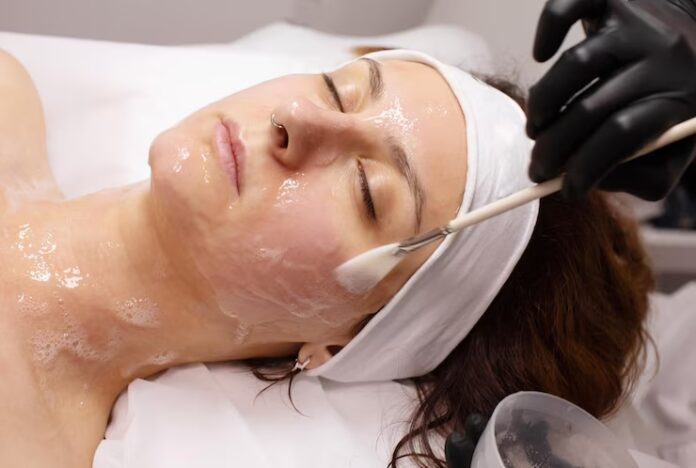
A glycolic peel is a professional exfoliating treatment designed to lift away dull surface buildup so skin looks smoother, clearer, and more even. The appeal is simple: fresher-looking skin without a long recovery period. The catch is equally important. Go too strong, too often, or combine it with an aggressive routine, and irritation can wipe out the cosmetic benefit.
The practical way to judge this treatment is the way a careful esthetician would: by looking at skin tolerance, recent treatments, sun exposure, aftercare, and the result you actually want. That approach matters more than dramatic before-and-after marketing.
| What to Know | Typical Expectation |
|---|---|
| Appointment length | Often about 30–45 minutes |
| Professional cost | Commonly around $100–$300, depending on provider and location |
| Visible downtime | Often minimal, though temporary redness or light flaking can occur |
| Results window | Skin may look fresher within several days |
| Best suited to | Dull texture, rough-looking skin, mild uneven tone, surface congestion |
| Less suited to | Highly irritated, damaged, or unusually reactive skin |
| Repeat timing | Often spaced several weeks apart when appropriate |
| Sensation | Tingling, warmth, or mild stinging may occur |
| Main upkeep | Gentle cleansing, moisturizer, and consistent sun protection |
| Biggest mistake | Adding too many other exfoliating products around the appointment |
What a Glycolic Peel Actually Is
A glycolic peel is a controlled exfoliating service using glycolic acid, an alpha hydroxy acid commonly used in cosmetic skincare. Rather than scrubbing the surface mechanically, the treatment loosens some of the bonds holding dull surface cells together. Once those cells shed, the complexion can appear smoother and less flat.
That description sounds simple, but application strength, contact time, skin preparation, and the condition of your skin all affect the experience. More intensity does not automatically mean a prettier result.
How it works, in plain terms
Think of the outer surface of your skin as having layers of older cells that eventually shed on their own. A glycolic peel speeds up that surface-exfoliation process in a controlled way.
Immediately afterward, some people notice a cleaner, smoother feel. The more useful cosmetic change often becomes noticeable over the following days as the skin settles and surface roughness becomes less obvious.
The goal should not be to make your face visibly peel as much as possible. I’ve always disliked the idea that dramatic flaking proves a treatment worked. A well-chosen superficial peel can produce a worthwhile cosmetic improvement without leaving you hiding indoors for a week.
How it differs from a lactic acid peel
Both belong to the AHA family, but they do not necessarily feel identical on the skin. Glycolic acid is commonly chosen when stronger surface exfoliation is wanted, while lactic-acid-based services are often considered when a gentler-feeling approach is preferred.
Neither option wins automatically. Someone chasing smoother texture may like the feel of glycolic treatments, while someone with easily irritated skin may need a more conservative service. The sensible choice comes from tolerance, not from chasing the strongest acid on a treatment menu.
Who a Glycolic Peel Is Really For
A Glycolic Peel makes the most sense when your concern is largely cosmetic and surface-level: skin that looks flat under makeup, texture that feels rough, or a complexion that seems uneven despite a decent basic routine.
It can also suit people preparing for photographs or events, provided the appointment is scheduled early enough to see how their skin reacts. Booking your first peel two days before a wedding is poor planning.
Skin types that may respond well
People with relatively resilient skin and concerns about dullness or uneven-looking texture are common candidates. The treatment can be especially appealing when foundation seems to catch on dry-looking surface texture or when bare skin has lost some of its visual freshness.
Oilier skin can also feel smoother after controlled exfoliation, although a peel should not be treated as a cure for breakouts or any skin condition.
For an event, I would rather see someone test the treatment several weeks beforehand than gamble on a first appointment right before photographs. Once you know how your skin responds, timing later appointments becomes much easier.
Who should skip it
Skin that already feels raw, sunburned, cracked, unusually sensitive, or heavily irritated is a poor starting point. More exfoliation is not the answer when the surface is already unhappy.
Recent aggressive treatments also matter. Tell the provider exactly what acids, retinoid products, hair-removal methods, facials, and exfoliating treatments you have used rather than assuming they are irrelevant.
Conditions that mean asking a professional first
If you have an ongoing skin problem, unexplained irritation, recurring reactions, open areas, or a history of severe sensitivity, get individualized guidance before booking.
Pregnancy, breastfeeding, prescription skincare, allergies, and persistent skin symptoms are also situations where advice from an appropriately qualified professional or clinician matters more than a generic beauty recommendation.
Timing conflicts with other services
Waxing and strong exfoliation are a particularly poor pairing when scheduled too close together. Aggressive scrubs, certain active skincare products, and other resurfacing services may also leave the skin less tolerant.
Tell the provider what you have done recently. A competent appointment should involve more than sitting down and having acid immediately painted onto your face.
What Happens During a Glycolic Peel Appointment
A typical appointment is fairly short, but the treatment should still feel deliberate. Preparation, cleansing, application, timing, removal or neutralization where appropriate, and finishing care all matter.
The part clients often underestimate is how much the appointment begins before they enter the treatment room.
Before you arrive
Your provider may ask you to simplify or temporarily pause certain exfoliating products beforehand. Follow the instructions from the person performing your service rather than creating your own pre-peel routine from social media.
Arrive with your skin in its normal condition. Trying to “prepare” by scrubbing aggressively the night before can leave the surface more reactive.
What to do the night before
Keep things boring.
Use a gentle routine and avoid experimenting with a new scrub, mask, acid, or other potentially irritating product. You want the provider to see your actual skin rather than skin that has already been pushed too far.
What to bring and what to wash off
Come prepared to explain your current skincare routine, including prescription products if applicable. Bringing a written list or photos of product labels can save guesswork.
Heavy makeup will normally need to be removed before treatment. If you are heading to the appointment after work, allow enough time that you do not feel rushed through consultation and cleansing.
The appointment, stage by stage
The exact protocol varies between providers, so do not expect every salon, spa, or skin studio to follow an identical sequence. What should remain consistent is controlled application and attention to how your skin is responding.
Cleansing and skin preparation
The face is normally cleansed thoroughly so makeup, sunscreen, oil, and surface residue do not interfere with the treatment.
Your provider may then prepare the skin according to the peel system being used. This is also the point where any last-minute concern about sensitivity should be discussed.
Applying the peel
The solution is applied in a controlled manner and left on for an appropriate period based on the product, treatment plan, and skin response.
Tingling or warmth can happen. Pain is not a badge of honor. If the sensation becomes intense or feels wrong, say something immediately rather than trying to prove you can tolerate it.
The part that surprises people
The treatment itself may be faster and less theatrical than expected. People sometimes arrive expecting layers of skin to visibly lift during the appointment.
Superficial cosmetic peels can be much less dramatic. The more noticeable texture change may happen after you leave rather than while you are sitting on the treatment bed.
The finish
After the active treatment stage ends, the provider completes whatever removal or neutralizing process the specific peel requires and applies suitable finishing products.
Your skin may look slightly flushed. Or it may look almost completely normal. Neither appearance by itself tells you how successful the final cosmetic result will be.
How long it takes start to finish
A straightforward appointment commonly fits into roughly 30 to 45 minutes, although consultation, cleansing, add-on services, and the provider’s protocol can extend that.
Do not choose a provider because they promise to finish fastest. With acids, careful assessment matters more than shaving ten minutes off your lunch break.
Results: What to Expect and When
The main cosmetic promise of a Glycolic Peel is smoother, brighter-looking skin with a more polished surface. For someone trying to brighten dull uneven skin before an occasion, that can make makeup sit more cleanly and bare skin appear fresher.
What it cannot do is rebuild your face in one appointment. Expectations should stay proportional to the treatment.
The first day
Skin can look refreshed immediately, but temporary pinkness, tightness, warmth, or sensitivity may also appear. People react differently, and the absence of visible peeling does not mean the appointment failed.
This is not the evening to test five new skincare products. Keep the routine simple and follow the aftercare instructions you were given.
Week one to week four
Over the following days, the surface may feel smoother as any temporary dryness or light flaking settles. Uneven-looking texture can become less noticeable, especially when dull surface buildup was part of the problem.
Repeated professional treatments may sometimes be suggested when the goal calls for gradual improvement rather than a one-off refresh. That schedule should be based on how your skin tolerates treatment rather than an automatic monthly sales package.
Where expectations run ahead of reality
A superficial peel has limits. It will not erase deep lines, remove every mark, permanently shrink visible pores, or create airbrushed skin.
Lighting matters. Hydration matters. Makeup matters. So does normal human skin texture.
For a wedding, shoot, interview, or formal event, smoother surface texture can make lighter makeup and skin-focused looks easier to wear. But test the treatment beforehand. The worst beauty appointment is the experimental one booked immediately before the outfit, photographer, and guest list are already locked.
Cost, Frequency and Booking
A professional Glycolic Peel is normally priced according to the provider, city, treatment setting, peel system, appointment length, and whether other services are bundled into the session.
That creates a wide range, so treat online price averages as planning numbers rather than promises.
What it typically runs and why prices swing
A superficial professional service might commonly fall somewhere around $100 to $300 in the United States, though appointments can cost less or considerably more.
A higher price does not automatically mean a stronger or better peel. You may be paying for consultation time, location, practitioner experience, facility costs, additional products, or combined services.
Ask what is actually included before comparing prices.
How often to repeat it
Professional peels are often spaced several weeks apart when repeated, but there is no sensible universal calendar.
If your skin is still irritated when the next appointment rolls around, sticking rigidly to a package schedule makes little sense. Treatment frequency should respond to your skin, not the other way around.
I go back and forth on peel packages for this reason. They can simplify planning, but they can also create pressure to use sessions simply because you have already paid for them.
Questions to ask before you book
Ask who will perform the treatment, how they decide whether someone is suitable, what preparation they recommend, and what you should stop using beforehand.
Also ask what normal aftercare looks like and how they handle a stronger-than-expected reaction. You should feel comfortable discussing sensitivity before money changes hands.
If an important event is coming up, tell them the exact date. A good booking conversation includes timing, not only availability.
Aftercare That Actually Protects the Result
After a Glycolic Peel, restraint usually serves you better than enthusiasm. Your skin has already been exfoliated. Immediately piling more active products on top rarely makes the result arrive faster.
The boring routine often wins: gentle cleansing, suitable moisturizer, and careful sun protection.
The first 24 hours
Avoid picking at any flaking skin. Do not scrub because the surface feels different.
Heat, heavy sweating, and additional exfoliation may also feel uncomfortable for freshly treated skin, so follow your provider’s instructions about exercise, saunas, swimming, makeup, and other activities.
If your skin becomes unusually painful, swollen, blistered, or persistently irritated rather than mildly sensitive, contact the provider and seek appropriate medical advice.
The rest of the cycle
Once the skin feels settled, return to your normal routine gradually rather than switching everything back on at once.
Consistent sun protection matters because freshly exfoliated skin should not be treated casually around strong sun exposure. Hats have an underrated role here. A broad brim is considerably cheaper than trying to undo avoidable irritation later.
Products to pause
Strong exfoliating acids, abrasive scrubs, and other potentially irritating actives may need to stay out of the routine temporarily.
There is no universal restart day that fits every product and every person. Follow individualized instructions, especially if you use prescription skincare.
Habits that undo the work
Picking, rubbing, deliberate tanning, aggressive cleansing, and compulsively exfoliating every time the skin feels rough can turn a sensible treatment plan into an irritation cycle.
More product is not more progress. Sometimes the smartest skincare move is leaving your face alone.
Risks, Side Effects and Sensible Caution
A Glycolic Peel can cause temporary stinging, tightness, dryness, redness, sensitivity, or visible flaking. Reactions can become stronger when the treatment is too aggressive for the skin or when incompatible products and services are stacked too closely together.
Uneven darkening or lightening can also be a cosmetic concern after irritation, particularly when skin is exposed to sun or treated too aggressively. This is one reason professional assessment matters for people who know they mark easily.
A patch or preliminary tolerance check may be appropriate depending on the product and provider protocol.
Persistent burning, significant swelling, blistering, or another reaction that goes beyond expected mild post-treatment sensitivity deserves professional attention. A cosmetic treatment should never be used as a substitute for assessment or treatment of a medical skin condition.
At-Home Versions: What Works, What Doesn’t
At-home glycolic products can improve the feel and appearance of surface texture when used carefully. Their strength is convenience and gradual maintenance, not the ability to duplicate every professional peel.
This distinction gets blurred constantly online.
A home exfoliating product may be enough for someone whose only complaint is mild dullness. If a gentle routine produces the look you want, paying for repeated professional sessions may offer poor value.
What does not work is treating home products like a contest. Combining multiple acids, scrubs, masks, retinoids, and peel products because each one promises smoother skin can leave you with the opposite: a rougher-looking, irritated surface.
Follow product directions rather than inventing stronger application methods. Do not extend contact times, increase frequency recklessly, or combine products simply because a creator on social media tolerated it.
Where a Glycolic Peel Gets Oversold
The treatment gets oversold when ordinary exfoliation is marketed like total skin transformation. A superficial peel can make dull skin look cleaner and smoother. It cannot give everyone poreless texture, erase every visible mark, or permanently solve every source of unevenness.
Another oversell is the idea that stronger automatically means better. It doesn’t. The best-looking result is often the one that improves the surface without putting you through unnecessary irritation afterward.
Some people also spend money on regular professional peels when their basic routine is inconsistent. If you cleanse harshly, skip moisturizer when your skin needs it, and rarely use sun protection, fixing those habits may deliver a large share of the visual improvement you were trying to buy.
And there is a style angle people rarely mention. If your aim is simply to look fresher for a party, fashion shoot, dinner, or interview, good skin prep and well-applied makeup may get you surprisingly close without an appointment. Book the peel because its specific result matters to you, not because a treatment menu made normal skin sound defective.
Frequently Asked Questions
What does a Glycolic Peel do to your skin?
A Glycolic Peel exfoliates the outer surface so skin can appear smoother, brighter, and more even in texture. Results vary with the treatment and your skin. It is best viewed as a cosmetic resurfacing service rather than a cure for acne, pigmentation disorders, or other medical skin concerns.
Can a glycolic peel brighten dull uneven skin?
It can make dullness and surface unevenness appear less noticeable by removing some of the buildup that gives skin a rough or flat appearance. The change tends to look more like fresher, smoother skin than a dramatic alteration in natural skin tone.
How long does a glycolic peel take?
Many appointments can be completed in roughly 30 to 45 minutes, although consultation, cleansing, additional services, and the provider’s specific protocol can change the timing. Leave extra room in your schedule for a first appointment rather than booking it between tightly timed commitments.
How long does it take to see Glycolic Peel results?
Some people notice smoother-looking skin quickly, while the fuller cosmetic effect may become clearer over the next several days as temporary redness, dryness, or light flaking settles. Your starting skin condition and treatment intensity both influence how obvious the change appears.
Does a glycolic peel make your face peel?
Not necessarily. Some people experience visible flaking while others see little or none. The amount of peeling is not a reliable scorecard for whether the treatment worked. Trying to force dramatic peeling through stronger products or excessive exfoliation can create unnecessary irritation.
How often should you get a Glycolic Peel?
Professional treatments are often spaced several weeks apart when a series is appropriate, but frequency should be individualized. Skin response matters more than following a fixed calendar. If irritation remains, speak with the provider before automatically proceeding with another treatment.
How far before a wedding should I book a glycolic peel?
Avoid making the days immediately before an important event your first experiment. A trial several weeks ahead gives you time to learn how your skin responds. Once you know your reaction pattern, a professional can help choose more sensible timing for the final appointment.
Can I wear makeup after a glycolic peel?
That depends on the intensity of the treatment and your provider’s aftercare instructions. If the skin feels hot, tight, irritated, or unusually sensitive, piling makeup onto it may be uncomfortable. Ask before leaving the appointment when they recommend applying complexion products again.
Is a professional glycolic peel better than using glycolic acid at home?
They serve different purposes. Home products are convenient for gradual maintenance, while a professionally administered peel can provide more controlled treatment and assessment. Someone with mild dullness may be perfectly happy with a gentle home routine and have little reason to pay for repeated appointments.
Who should not get a glycolic peel?
Anyone with actively irritated, sunburned, damaged, or unusually reactive skin should be cautious. Recent resurfacing treatments, waxing, prescription skincare, allergies, pregnancy-related questions, or persistent skin problems are good reasons to discuss suitability with an appropriately qualified professional before booking.
A peel is worth considering when dull surface texture is genuinely bothering you and a simple home routine has reached its limit. Give yourself enough time before an important occasion to learn how your skin reacts rather than gambling on a last-minute appointment. Keep the aftercare restrained, and don’t judge success by how dramatically your face flakes. When you book, ask one question first: “Based on my current routine and skin tolerance, what level of glycolic peel would you start with?”
Premium Skin Treatment Reports
Expert guides to facials, chemical peels, resurfacing treatments and modern skin-renewal procedures.