

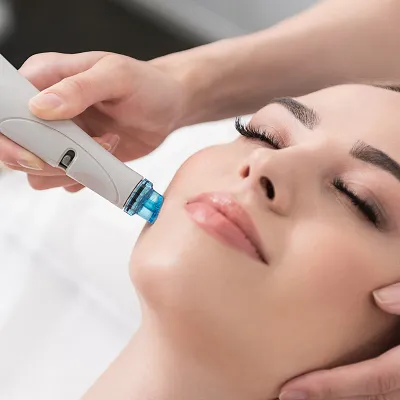
HydraFacial is a non-invasive facial treatment that combines cleansing, exfoliation, pore extraction and hydration in one appointment. The appeal is immediate: skin can look smoother, fresher and more reflective as soon as the session ends. The catch is equally simple. That polished glow is cosmetic, temporary and heavily dependent on your starting skin condition and the treatment choices made during the appointment.
The guidance here takes a practical esthetics approach rather than repeating spa-menu promises. Hydrafacial’s current treatment documentation, ingredient information and sensible dermatology precautions matter more than before-and-after hype.
For US clients, a basic appointment commonly lands somewhere around $150–$350, while longer sessions with boosters and other add-ons can climb higher. Prices vary sharply by city, provider and treatment tier, so the menu price should always be confirmed before booking.
| What to Know | Typical Expectation |
|---|---|
| Session length | Often around 30–60 minutes; customized appointments may run longer |
| Typical US cost | Roughly $150–$350 for many standard appointments; upgraded treatments can cost more |
| Main purpose | Cleansing, exfoliating, extracting and hydrating |
| Downtime | Usually minimal, although temporary sensitivity or pinkness can happen |
| Best suited to | People wanting a cleaner, smoother, more hydrated-looking complexion |
| Less suitable for | Actively irritated, broken or highly reactive skin without professional clearance |
| Visible result | Often apparent immediately, especially hydration and surface smoothness |
| Repeat timing | Frequently offered on a roughly monthly schedule, but need varies |
| Customization | Tips, boosters, LED and other options may be available depending on provider |
| Event planning | Better tried before the actual event day, especially for a first appointment |
What HydraFacial Actually Is
A HydraFacial is best understood as several familiar facial steps combined through one branded device. The current system uses its Vortex-Fusion technology to cleanse, exfoliate, extract debris and deliver hydrating solutions while a provider moves specialized tips across the skin. Optional boosters and other enhancements can change what happens beyond that basic sequence.
How it works, in plain terms
The wand creates controlled contact with the skin while fluid and suction work together. Early passes loosen surface buildup and dead skin. Extraction-focused passes help remove material sitting in congested pores. Hydrating solutions then leave the surface feeling less stripped than it often does after aggressive manual extraction.
That last point explains much of the instant hydration and glow people notice. You aren’t waiting weeks for a structural change. A freshly exfoliated surface reflects light more evenly, while moisturizing ingredients can temporarily make it look plumper and smoother. Hydrafacial itself describes cleansing, extraction and hydration as the foundation of the treatment.
How it differs from traditional microdermabrasion
Traditional microdermabrasion is centered on physical resurfacing. HydraFacial folds exfoliation into a broader process that also includes suction-based extraction and fluid delivery, so the appointment feels closer to a complete facial than a single resurfacing step.
That doesn’t automatically make it better. Someone mainly seeking stronger resurfacing may prefer another service after professional assessment. Someone who hates leaving a facial feeling dry or heavily worked over may find the hydration-focused finish more appealing.
Who HydraFacial Is Really For
HydraFacial makes the most sense when your goal is appearance rather than correction of a medical skin problem. Think dull surface texture, everyday congestion, makeup sitting badly on dry patches, or a complexion that needs a polished finish before photographs or a major occasion. The company markets customization for concerns including dryness, uneven-looking tone, congestion and visible texture.
Skin types that tend to respond well
Normal, combination and oily complexions can all have reasons to book the treatment. Drier skin often benefits most visibly from the hydrated finish, while oilier clients may care more about the cleansing and extraction portion.
Sensitive skin requires more judgment. “Gentle” is not the same thing as “appropriate for everyone today.” Suction strength, exfoliating solutions and boosters should be adjusted to what your skin can comfortably tolerate rather than whatever upgraded package happens to be on sale.
Who should skip it
Postpone an appointment if the skin you want treated is broken, freshly sunburned, unusually inflamed or reacting to something you cannot identify. A beauty treatment is a poor place to experiment when your skin barrier is already unhappy.
The same logic applies if you recently introduced a powerful prescription or over-the-counter active and your skin is peeling or stinging. Get the irritation settled first.
Conditions that mean asking a professional first
Pregnancy deserves an ingredient conversation rather than a casual yes-or-no answer. Hydrafacial offers different solutions and boosters, and its current product lineup includes exfoliating acids and at least one booster containing retinol. Dermatologists advise avoiding retinoids during pregnancy and discussing questionable skincare ingredients with an obstetrician or dermatologist.
Persistent rashes, unexplained swelling, allergies, active skin problems or anything being managed by a doctor belong in the same category. Ask the appropriate professional before booking instead of expecting an esthetic treatment to solve it.
Timing conflicts with other services
Be cautious about stacking HydraFacial immediately beside chemical peels, waxing, aggressive resurfacing, laser procedures, microneedling or injectable appointments. The correct spacing depends on exactly what was done and how your skin responded.
Tell the provider what you’ve had recently and what you’re planning next. A good appointment starts with that conversation, not after the wand touches your face.
What Happens During a HydraFacial Appointment
A HydraFacial appointment should feel methodical rather than mysterious. The exact sequence changes with the provider and package, but the core treatment centers on cleansing, exfoliation, extraction and hydration, with optional enhancements layered around those steps.
Before you arrive
Don’t try to “prepare” by scrubbing your face into submission. Arriving with calm skin is more useful than arriving freshly exfoliated from three different products.
Tell the provider about skincare actives, prescriptions, allergies, recent procedures and any areas that are unusually sensitive. Also tell them what you actually want. “My makeup separates around my nose and cheeks” gives them more usable information than “I want perfect skin.”
What to do the night before
Keep the routine boring. Cleanse gently, moisturize and avoid experimenting with a new peel, scrub or strong active.
If a prescription product is part of your normal routine, don’t stop it based on an internet article. Ask the prescribing clinician or treatment provider whether any adjustment is appropriate.
What to bring and what to wash off
You don’t need a beauty suitcase. A list or photograph of the skincare products you regularly use can be more useful, especially when several active ingredients are involved.
Arriving without heavy makeup may save time, although the provider can tell you how they prefer clients to arrive.
The appointment, stage by stage
The experience usually moves from surface cleansing toward exfoliation and extraction before finishing with hydration and any selected customization. Hydrafacial’s current system also allows providers to incorporate boosters, different tips, LED and lymphatic drainage depending on the treatment offered.
The opening cleanse and exfoliation
The first passes remove surface debris and begin loosening dead cells. The sensation is usually more like a small wet vacuum gliding across the face than a scrub.
This is where restraint matters. More aggressive does not automatically mean cleaner.
The extraction pass
Suction becomes the memorable part for many first-time clients. The provider works through areas where congestion tends to collect, often around the nose, chin and central face.
It shouldn’t become a competition to pull out as much as possible. Comfort and skin response matter more than what ends up in the collection chamber.
The stage that surprises people
The surprising part is how fluid the appointment feels. There isn’t necessarily a dramatic switch between “peeling,” “extracting” and “hydrating.” The same handheld system is used across multiple passes with different treatment goals.
That continuous approach is a defining part of Hydrafacial’s Vortex-Fusion system.
The finish
Hydration and selected finishing products leave the face with the dewy surface people associate with the service. Depending on the package, the provider may also use a booster or another enhancement.
This is when the skin often photographs especially well. If you’re planning a wedding, shoot, interview or formal dinner, that smoother makeup canvas can be more useful than chasing an unrealistic promise of permanently changed skin.
How long it takes start to finish
A basic treatment can be completed in roughly 30 minutes according to Hydrafacial, while upgraded appointments can take longer once customization is added.
For a first appointment, allow enough time for consultation rather than booking yourself into a tight lunch break.
Results: What to Expect and When
HydraFacial earns its reputation largely because you don’t need much patience to see the cosmetic effect. Hydrafacial publishes before-and-after examples showing increased visible hydration and brightness after a single Deluxe treatment, while also noting that individual results vary.
The first day
Expect the “wow” moment to come from surface changes: cleaner-looking pores, smoother texture, a hydrated sheen and makeup that may sit more evenly.
Some people look ready for photographs immediately. Others can develop brief pinkness or sensitivity. That’s why I wouldn’t make your very first appointment an hour before walking down an aisle or stepping in front of a professional camera.
Week one to week four
The fresh finish naturally becomes less obvious as normal cleansing, oil production and skin turnover continue. A facial cannot freeze your complexion at its post-treatment peak.
Repeat sessions are often marketed on a monthly rhythm. Treat that as a service schedule, not an obligation. Whether repeating it makes financial sense depends on how much you value the temporary result and how good your everyday skincare already is. Hydrafacial itself recommends regular treatments while positioning them as a complement to home skincare rather than a replacement.
Where expectations run ahead of reality
Pores don’t permanently disappear because they looked tighter under good lighting after extraction. Fine lines aren’t erased because hydrated skin temporarily looks plumper. And a facial glow isn’t the same thing as treating an underlying dermatologic problem.
That’s where marketing often runs faster than the service itself. HydraFacial can be excellent at making skin look freshly serviced. Keep the promise there.
Cost, Frequency and Booking
HydraFacial pricing is messy because providers sell different tiers, boosters and enhancements under the same broad treatment name. Current US pricing guides commonly place standard appointments around $150–$350, while longer or heavily customized versions can reach beyond that range.
What it typically runs and why prices swing
Location matters. So do appointment length, provider setting and the extras built into the package.
Don’t compare a basic 30-minute service with a longer treatment containing a booster, LED and other enhancements as though they’re identical. Ask for the complete out-the-door treatment price before booking.
How often to repeat it
Monthly is common, but common doesn’t mean necessary. If you mainly want instant hydration and glow before important dates, occasional booking may make more sense than turning the treatment into a standing expense.
A client with a good cleanser, moisturizer and sunscreen routine may decide the treatment is an event-day luxury. Someone who genuinely enjoys professional facials may happily budget for it more regularly.
Questions to ask before you book
Ask whether the appointment is an authentic Hydrafacial, what treatment tier you’re receiving, how long it lasts, which solutions or boosters are planned and what the final price will be.
For major events, also tell them the date. A provider who knows you have a wedding Saturday can make a smarter timing recommendation than one who thinks you’re booking an ordinary Tuesday facial.
Aftercare That Actually Protects the Result
The goal after HydraFacial is not to prove how many skincare products you own. Your skin has already been cleansed and exfoliated. Give it a quiet landing.
The first 24 hours
Use a gentle routine unless your provider gives you more specific instructions. Don’t immediately attack the face with another scrub because the skin feels unusually smooth.
Sun protection matters after exfoliation and as a basic part of skincare in general. Hydrafacial’s own educational material repeatedly emphasizes routine SPF use.
The rest of the cycle
Return gradually to the routine your skin already tolerates. Watch how the face feels rather than chasing a rigid online timetable.
Good aftercare is boring by design. Consistency protects the polished result better than throwing five new serums at it.
Products to pause
Strong exfoliating acids, physical scrubs and retinoid products are the categories worth discussing with your provider around the appointment, especially if you’re already prone to irritation.
There is no universal pause window that fits every formula and every face. Follow product-specific and professional guidance.
Habits that undo the work
Over-exfoliating is the obvious one. Picking at freshly cleaned pores is another.
Skipping moisturizer because your face feels hydrated can also work against the whole point. And spending heavily on professional facials while ignoring daily sun protection is backwards skincare economics.
Risks, Side Effects and Sensible Caution
HydraFacial is promoted as a low-downtime service, but low downtime doesn’t mean zero possibility of irritation. Suction, exfoliating ingredients and customized serums all interact with the condition of the skin they meet.
Expected short-lived reactions
Temporary pinkness, tightness or sensitivity can happen, particularly on reactive skin or after a more active treatment.
Tell the provider immediately if something feels sharply painful or unusually uncomfortable during the appointment. Enduring discomfort isn’t proof that the treatment is “working.”
When to contact a professional
Persistent swelling, an allergic-looking reaction, significant pain or any response that concerns you deserves professional attention rather than another layer of skincare.
Pregnancy, medication-related questions and existing medical skin concerns should be discussed with an appropriate licensed healthcare professional. A HydraFacial is a cosmetic service, not a substitute for medical assessment.
At-Home Versions: What Works, What Doesn’t
Home routines can reproduce pieces of the HydraFacial idea, but not the branded device process itself. You can cleanse, exfoliate carefully and add humectant-rich hydration at home. You can also buy pore-vacuum gadgets, although stronger suction is not necessarily a better idea.
What home care does particularly well is consistency. A gentle cleanser, appropriate exfoliation, moisturizer and daily sunscreen may do more for how your skin looks across an entire year than a facial you remember to book three times.
What you don’t get at home is the same professional device, proprietary treatment system, provider-controlled extraction and customizable in-office experience. Authentic Hydrafacial equipment and consumables are tied to the company’s provider system.
Where HydraFacial Gets Oversold
The weakest HydraFacial sales pitch is the one that treats temporary polish as permanent transformation. Hydrated skin can make small lines look softer. Cleaner pores can appear less obvious. Fresh exfoliation can brighten the surface. None of those observations requires pretending one facial has rebuilt your skin.
It is also easy to overspend on upgrades. A booster should solve a specific cosmetic goal you actually care about, not exist because the menu has a more expensive column.
And here’s the uncomfortable part: if your main goal is simply softer, brighter-looking skin, a sensible home routine can deliver a large share of that everyday benefit for much less money. The professional treatment wins on immediacy, extraction, convenience and the finished-for-an-event look.
I go back and forth on repeat packages for exactly that reason. A good HydraFacial before a wedding weekend can feel worth every dollar. Buying one every month because someone implied your skin needs it is a different calculation.
Frequently Asked Questions
Is HydraFacial worth it for instant hydration and glow?
It can be if immediate cosmetic polish is your priority. The strongest case is before photographs, celebrations or periods when your skin feels dull and congested. If you’re expecting permanent pore reduction or structural skin changes from one session, the value proposition becomes much weaker.
How long does a HydraFacial take?
A basic treatment can take around 30 minutes, while customized sessions may run longer depending on boosters and other additions. Hydrafacial says treatments can be performed in as little as 30 minutes. Leave extra time for consultation if it’s your first visit.
Does HydraFacial hurt?
Most people expect suction rather than the scratching sensation associated with harsher physical exfoliation. Hydrafacial markets the treatment as comfortable and low-downtime. Individual sensitivity still varies, so speak up if suction or exfoliation feels uncomfortable rather than assuming pain is necessary.
Can I wear makeup after a HydraFacial?
Many people book it specifically because of the smooth, hydrated finish, but your provider’s aftercare advice should come first. For an important occasion, having the treatment before the actual event day gives you room to see how your own skin responds.
How often should you get HydraFacial treatments?
Monthly appointments are commonly promoted, but there is no cosmetic rule saying everyone needs that schedule. Frequency should follow your goals, skin response and budget. Occasional treatments before events can be perfectly reasonable if that’s when you value the result most.
Can you get a HydraFacial before a wedding?
Yes, but don’t make the wedding morning your first experiment. Booking a trial well beforehand shows you how your skin responds. Once you know the treatment suits you, your provider can help choose sensible timing for the final pre-event appointment and makeup schedule.
Is HydraFacial suitable during pregnancy?
Don’t assume the entire menu is automatically pregnancy-appropriate. Available treatment solutions and boosters can contain different active ingredients, and Hydrafacial’s current product catalog includes acids and a retinol-containing booster. Discuss the exact planned products with your provider and obstetrician or dermatologist.
Does HydraFacial remove blackheads and clogged pores?
Extraction is one of the treatment’s core steps, so it can remove some surface congestion and material from pores during the session. That doesn’t prevent pores from filling again. Persistent or severe breakouts should be evaluated appropriately rather than repeatedly treated as a facial-cleaning problem.
Is HydraFacial better than microdermabrasion?
It depends on the result you want. HydraFacial combines exfoliation with extraction and hydration, making it attractive when you want a polished, moisturized finish. Traditional microdermabrasion is more centered on physical resurfacing. Neither treatment automatically wins for every skin type or goal.
What should I ask when booking a HydraFacial?
Ask which treatment tier you’re getting, exactly what products or boosters will be used, how long the appointment takes and what the complete price is. Mention recent skin services, active products and your event date if timing matters. Those questions tell you far more than asking whether the package is “premium.”
HydraFacial works best when you treat it for what it is: a professional facial built around cleansing, extraction, exfoliation and hydration, with a strong immediate cosmetic payoff. For an event, that can mean smoother-looking skin under foundation and a fresher bare-faced finish without rebuilding your entire skincare routine. Before paying for an upgraded package, call the provider and ask one concrete question: “Which treatment steps and boosters are you recommending for my skin, and why?”
Premium Skin Treatment Reports
Expert guides to facials, chemical peels, resurfacing treatments and modern skin-renewal procedures.