
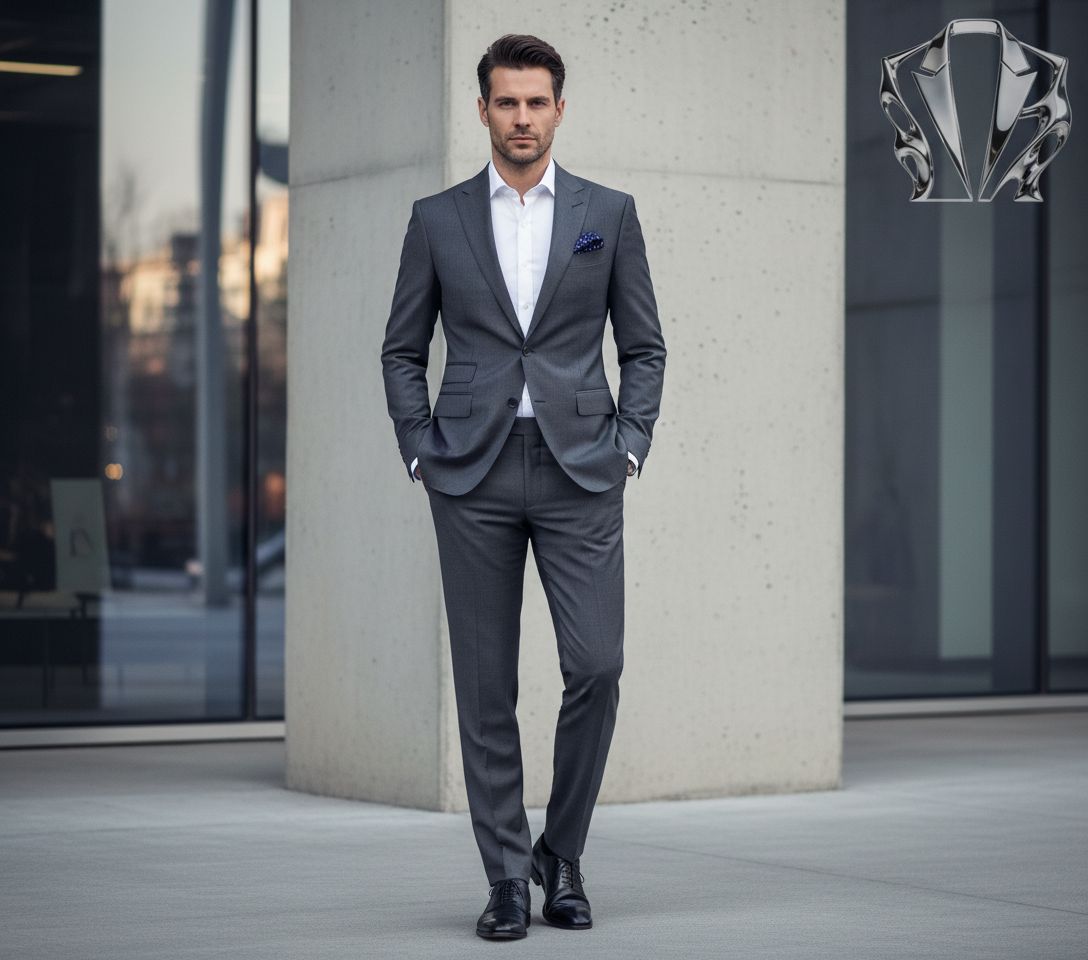
A complete men’s style guide starts with four priorities: proper fit, dependable neutral colors, suitable footwear, and clothing that matches your actual routine. Buy fewer pieces, tailor the important ones, and repeat combinations without apology. Modern gentlemen look composed because their wardrobes remove guesswork rather than chase attention.
I’ve spent more than a decade working around menswear, grooming, tailoring, and wardrobe buying, including plenty of time correcting expensive mistakes after the receipt was already gone. I’ve worn the overdesigned jackets, returned the painful shoes, and stopped recommending pieces that photograph well but fail during a normal working day.
| Style Priority | Best Starting Point | Common Mistake | Smarter Move |
|---|---|---|---|
| Everyday shirts | White and pale blue Oxford shirts | Buying thin, transparent fabric | Choose medium-weight cotton |
| Trousers | Charcoal or navy tailored trousers | Wearing them too long | Ask for a clean break |
| Casual pants | Straight dark denim or chinos | Choosing extreme skinny cuts | Leave comfortable thigh room |
| Suit | Navy single-breasted suit | Buying black as the first suit | Pick navy for wider use |
| Jacket | Unstructured navy blazer | Selecting shiny fabric | Choose a matte textured weave |
| Shoes | Dark brown leather derbies | Buying several cheap pairs | Maintain one dependable pair |
| Sneakers | Minimal leather or suede sneakers | Wearing athletic shoes everywhere | Keep casual shoes clean and simple |
| Knitwear | Merino crewneck or polo | Choosing oversized neck openings | Keep the collar neat |
| Outerwear | Wool overcoat or field jacket | Ignoring garment proportions | Match coat length to your frame |
| Accessories | Leather belt and restrained watch | Wearing every accessory together | Use one visible focal point |
The Complete Men’s Style Guide Starts With Fit
Fit controls how every garment is read. A modest shirt that follows your proportions looks more considered than an expensive designer piece pulling across the chest. Most men blame their bodies when clothes look wrong, but the real problem is usually the cut, length, or balance of the garment.
A complete men’s style guide should therefore begin in the fitting room, not at the trend display. Learn where a garment can be altered, where it cannot, and which warning signs mean you should leave it on the rack.
Understanding Shoulder, Chest, and Sleeve Balance
Jacket shoulders matter because they form the frame of your upper body. The seam should sit close to the natural edge of your shoulder without hanging beyond it or pulling inward. Tailors can adjust sleeves and waist suppression, but rebuilding shoulders is difficult and rarely worth the cost.
A shirt should allow you to move without forming large folds around the waist. Small tension lines near the buttons suggest the chest is too tight. Excess fabric billowing above the waistband means the body is too loose, even if the collar fits.
Sleeves need equal attention. Shirt cuffs should reach the wrist bone, while a tailored jacket usually ends slightly higher so a narrow strip of cuff remains visible. That detail creates a clean separation between hand, shirt, and jacket.
But don’t obsess over rigid measurements. Different fabrics behave differently. Heavy Oxford cloth holds its shape, while soft linen collapses and wrinkles. Judge the finished silhouette rather than forcing every garment to follow one formula.
Getting Trousers and Jeans to Sit Correctly
Trouser rise describes the distance between the crotch seam and waistband. A medium or slightly higher rise often works better than a low rise because it lengthens the leg line and keeps shirts tucked in. Low-rise trousers can make the torso look unusually long, especially when paired with a short jacket.
The waistband should sit securely without a belt doing all the work. If the fabric folds sharply below the belt, the waist may be too tight. If the trousers slide downward while walking, they are too loose or the rise does not suit your shape.
Hem length changes the entire outfit. A clean break means the trouser lightly meets the shoe without stacking into several folds. Wider trousers can carry slightly more length, while narrow trousers usually look sharper with little or no break.
I’ve stopped recommending aggressively tapered jeans to most clients. They can look tidy while standing still, but they often twist at the calf and restrict movement. A straight or gentle taper gives the leg shape without making the fabric cling.
Building a Wardrobe for Modern Gentlemen
A useful wardrobe supports the life you lead Monday through Sunday. It should cover work, weekends, dinners, travel, and occasional formal events without requiring a separate identity for each setting. Modern gentlemen gain more from adaptable clothing than from owning dozens of unrelated statement pieces.
The strongest wardrobe is built in layers. Start with repeatable foundations, add texture and personality, then replace weak items as you learn what you wear most.
Choosing Reliable Core Clothing
Begin with shirts that work under jackets and alone. White is formal and bright, while pale blue feels slightly softer. Oxford shirts handle casual offices, travel days, and relaxed dinners because their textured cloth looks natural even without a tie.
Add two pairs of chinos, one in stone or khaki and another in navy or olive. Keep the cut straight through the thigh with a mild taper below the knee. These colors work with white, blue, grey, brown, and muted green without demanding much thought.
Dark denim should be simple. Heavy fading, oversized distressing, and decorative stitching limit how often jeans can be dressed up. A clean dark wash can sit beneath a blazer, leather jacket, overshirt, or knit polo.
For tailoring, start with a navy suit in a matte wool or wool-blend fabric. A single-breasted jacket with two buttons and moderate lapels survives changing fashions better than an extreme cut. Charcoal is the next sensible choice, especially for formal business settings.
The drawback of wardrobe basics is that poor versions can feel bland. Fabric texture solves much of that problem. Brushed cotton, hopsack wool, suede, flannel, and knitted surfaces add depth without covering the outfit in logos.
Adding Jackets, Knitwear, and Outer Layers
A navy blazer remains useful because it can sharpen chinos, grey trousers, or dark jeans. Look for softer construction if you plan to wear it casually. Heavy shoulder padding and glossy cloth can make a blazer resemble half of an abandoned business suit.
An overshirt is the easier alternative. It sits between a shirt and a lightweight jacket, usually with a straighter shape and stronger fabric. Wear it open over a T-shirt or buttoned over a fine knit when temperatures drop.
Knitwear should follow the neckline of whatever sits underneath. Crewnecks work well over shirts, while knitted polos can replace a shirt during warmer months. Merino wool is light and tidy, although it may require more careful washing than cotton.
Outerwear deserves a larger share of your budget because coats are exposed, repeatedly worn, and difficult to hide. A wool overcoat should close comfortably over a jacket. A field jacket or restrained bomber handles casual outfits. A trench coat earns its place only if your climate and commute make it useful.
Long coats are often sold as automatically sophisticated. They aren’t. If the shoulders collapse or the length overwhelms your frame, the coat wears you. Proportion matters more than drama.
Color, Pattern, and Texture Without Confusion
Color is easier once you stop treating every item as an isolated purchase. Build a connected palette so shirts, trousers, jackets, and shoes can move between outfits. This approach gives modern gentlemen more combinations with fewer clothes.
A practical men’s style guide doesn’t ban bright colors. It controls where they appear, how much space they occupy, and whether they work with the rest of the wardrobe.
Creating a Dependable Color Palette
Navy, charcoal, mid-grey, white, pale blue, olive, brown, and cream form a reliable base. These colors cooperate rather than compete. They also work across business clothing, casual outfits, shoes, and outerwear.
Your complexion matters, but online color charts often make the subject more complicated than necessary. Try the garment near your face in natural light. If your skin looks washed out or unusually red, change the shade. A deeper navy may work where black feels harsh, while soft cream may suit you better than bright white.
Use stronger colors in smaller areas first. A burgundy polo, forest-green knit, rust overshirt, or patterned pocket square can create interest without controlling the entire outfit. Once you understand which shades suit you, increase their presence.
Avoid matching colors too precisely. A brown belt does not need to be identical to brown shoes. It only needs to belong to the same general family and level of formality. Perfect matching can make an outfit appear arranged rather than lived in.
Mixing Patterns and Textures Properly
Pattern scale is the easiest mixing rule to remember. Pair a narrow-striped shirt with a broader patterned tie, or a small checked shirt with a plain jacket. Two patterns of nearly identical size tend to blur together.
Limit the loudest pattern to one main garment. A checked blazer can work with a plain shirt and restrained trousers. Add a patterned tie, visible socks, and decorative pocket square, and the outfit starts competing with itself.
Texture is more forgiving than pattern. A navy hopsack blazer, grey flannel trousers, and suede loafers can all be neutral while still looking considered. Their surfaces catch light differently, which creates separation.
Be careful with seasonal conflicts. Heavy tweed above thin summer trousers rarely feels balanced. Likewise, polished formal shoes can look disconnected beneath distressed denim. The materials should belong to roughly the same climate and level of refinement.
Shoes, Grooming, and the Details People Notice
Clothing gets most of the attention, but shoes and grooming often decide whether the final appearance feels finished. People see the condition of your footwear, the shape of your haircut, and the state of your collar before they identify the fabric of your jacket.
The lesson is simple. Maintain what you own before buying more.
Building a Small, Useful Shoe Rotation
Start with dark brown leather derbies. Their open-lacing construction makes them slightly less formal than Oxfords, which helps them work with suits, tailored trousers, and chinos. Black Oxfords remain useful for formal business or evening wear, but they are less flexible in casual settings.
Add minimal sneakers for weekends and travel. Leather is easy to wipe clean, while suede often looks softer with chinos and denim. Bright running shoes belong in athletic settings unless the outfit is intentionally sports-based.
Loafers sit comfortably between formal and casual. Penny loafers are restrained, while tassel loafers carry more personality. Wear them with tailored trousers, chinos, or summer suits. Avoid extremely thin no-show socks that slide beneath the heel and turn every step into an argument.
Boots earn their place in colder climates. A plain Chelsea boot or lace-up service boot can work across several outfits. Oversized soles and excessive hardware reduce that flexibility.
Cheap shoes can cost more over time because synthetic uppers crack and glued soles separate. Yet expensive shoes are not automatically comfortable. Try them late in the day when your feet are slightly expanded, and walk on a hard surface before deciding.
Keeping Hair, Facial Hair, and Clothing Maintained
A haircut should support your hair type and daily routine. Fine hair often benefits from shorter, controlled shapes, while thick or wavy hair may need weight removed in specific areas. Ask your barber how the cut will grow out, not only how it looks before you leave the chair.
Facial hair needs deliberate boundaries. Clean the neckline, control the cheek line, and trim uneven growth. A short beard can look sharper than a clean shave, but only if the edges and density are managed.
Clothing care matters as much as grooming. Use a garment brush on wool, rotate shoes, allow jackets to rest, and avoid washing trousers after every wear. Excess washing fades color and wears down fibers.
Steam can release wrinkles, but it does not remove dirt. Dry cleaning can handle certain stains, though frequent chemical cleaning may shorten a garment’s life. Spot-clean carefully and follow the care label.
And replace damaged basics. A stretched collar or permanently yellowed shirt cannot be rescued by adding a nicer watch.
Dressing for Work, Weekends, and Formal Events
Context determines whether clothing feels appropriate. The same blazer can appear polished at dinner, underdressed at a formal ceremony, or unnecessarily stiff at a casual workplace. Good style is partly visual judgment and partly social awareness.
A complete men’s style guide should give you room to express taste without making everyone else wonder whether you misunderstood the invitation.
Handling Business and Smart-Casual Dressing
For traditional offices, begin with the established standard and adjust slowly. A navy or charcoal suit, white or blue shirt, restrained tie, and polished leather shoes remain dependable. Fit and fabric quality will separate you more effectively than a loud accessory.
Business casual is less predictable. In one workplace it means tailored trousers and an open-collar shirt. In another, clean jeans and sneakers are normal. Watch how senior colleagues and client-facing staff dress, then aim for the sharper side of that range.
Smart casual works best through contrast. Pair a blazer with chinos, a knitted polo with tailored trousers, or dark denim with a structured overshirt. Avoid combining every casual piece at once. A hoodie, distressed jeans, running shoes, and baseball cap may be tidy, but the outfit no longer carries much refinement.
Tucking depends on garment length and setting. Dress shirts are usually cut longer because they are designed to stay tucked. Shorter casual shirts can be worn untucked if the hem finishes around the lower part of the trouser fly.
Dressing for Dates, Celebrations, and Formal Invitations
A date outfit should look intentional without becoming theatrical. Dark trousers, a textured shirt or knit polo, and clean leather shoes create an easy foundation. Add a jacket when the venue supports it.
For weddings, follow the stated dress code and respect the setting. Daytime ceremonies generally allow lighter colors and softer fabrics. Evening events often call for darker tailoring. Avoid clothing that competes with the couple or ignores cultural expectations.
Black tie has rules for a reason. A dinner jacket, formal shirt, black bow tie, tailored trousers, and appropriate black shoes create the expected silhouette. A standard black business suit is not identical, even though many events now tolerate it.
Funeral clothing should remain quiet. Dark tailoring, a plain shirt, and restrained accessories show respect. This is not the occasion to demonstrate creativity.
The biggest occasion-wear mistake is buying a flashy outfit that cannot be worn again. A well-cut navy suit can handle weddings, interviews, dinners, and ceremonies with changes to the shirt, tie, shoes, and pocket square.
How to Build Your Personal Style System
Personal style becomes useful once it can be repeated. You need a method for buying, combining, maintaining, and replacing clothes without starting from zero every morning. This is where the complete men’s style guide turns into a practical routine.
The goal is not to wear the same outfit forever. It is to create a dependable base that makes experimentation safer and less expensive.
Audit What You Already Wear
Remove everything from your wardrobe and sort it by actual use. Keep a small group for frequent wear, another for specific occasions, and a final group for pieces that no longer fit your body or routine.
Try questionable items on rather than judging them on the hanger. Check the shoulders, collar, waist, seat, hem, and sleeve length. Take photographs from the front, side, and back because mirrors hide problems your camera catches.
Write down the gaps that repeatedly stop you from completing outfits. You may discover that you do not need more shirts. You need better trousers, proper shoes, or a jacket that connects your casual and formal clothing.
Repair worthwhile pieces. Replace missing buttons, shorten sleeves, adjust hems, and polish leather. But don’t spend heavily altering a weak garment made from poor fabric. Tailoring improves fit, not material quality.
Use a Disciplined Buying Process
Never buy a piece without knowing at least three outfits you can create with it. This rule prevents isolated purchases that look exciting in the store but have no relationship with your wardrobe.
Check fabric composition, seam construction, button attachment, zipper movement, lining, and pattern alignment. Then move. Sit down, raise your arms, walk, and reach forward. A garment that only looks good in a fitting-room pose is not ready for real life.
Leave uncertain purchases for a day when possible. Retail lighting and sales pressure can distort judgment (so can the relief of finally finding your size). If you still want the item after reviewing your wardrobe, return with a clearer purpose.
Spend based on wear frequency. Shoes, coats, trousers, and daily jackets often justify more money than novelty shirts or event-specific accessories. Cost per wear is not perfect, but it is more useful than judging value by the price tag alone.
Where Modern Menswear Advice Gets Overhyped
Menswear content often turns simple choices into rigid commandments. Some rules protect proportion and formality, but others exist because certainty attracts attention. Modern gentlemen should understand the difference between a useful guideline and an online performance.
The strongest men’s style guide leaves room for climate, culture, body shape, income, profession, and personality. Advice that ignores those factors should not control your wardrobe.
Trends That Rarely Earn Their Price
Large logos can date a garment quickly and make repetition more obvious. If branding is the main visual feature, you are paying to advertise the label. That may be intentional, but it should not be confused with lasting style.
Extreme silhouettes also create short wardrobes. Ultra-skinny trousers, exaggerated oversized jackets, unusually wide lapels, and bulky fashion sneakers can all work for a specific look. They become poor investments when the trend changes or your daily setting requires restraint.
Luxury basics are frequently oversold. A costly plain T-shirt may use better cotton and construction, yet the improvement is not always proportional to the price. Examine the fabric, neckline, stitching, and fit instead of trusting the label.
Watch collecting, sneaker collecting, and designer buying can be enjoyable hobbies. They are not requirements for dressing well. A modest watch and well-maintained shoes can support a stronger outfit than expensive accessories attached to poor-fitting clothes.
Rules You Can Break Carefully
Navy and black can be worn together when the shades are clearly distinct. Brown shoes can work with many navy suits. Sneakers can sit beneath tailoring if the suit is relaxed and the setting is informal.
You can mix metals, wear white after summer, repeat outfits, and own fewer than ten pairs of shoes. Most people remember whether you looked appropriate and comfortable, not whether you obeyed an obscure rule from a menswear forum.
Yet breaking rules works best after understanding them. Wearing an untucked dress shirt because you do not know the difference between shirt lengths looks careless. Wearing a deliberately short casual shirt untucked is a choice.
Skip any style advice that requires constant discomfort. Shoes that hurt, collars that restrict breathing, and trousers that prevent sitting are failures. Suffering does not make clothing refined.
Frequently Asked Questions
The questions below address the decisions men face most often while building a sharper wardrobe. Each answer focuses on practical choices rather than rigid formulas.
What clothes should every modern gentleman own?
Start with white and pale blue shirts, dark jeans, neutral chinos, grey trousers, a navy blazer, a navy suit, simple knitwear, dark brown leather shoes, clean sneakers, and suitable outerwear. These pieces create enough combinations for work, weekends, dinners, travel, and most social events.
How can a man look stylish without spending much?
Prioritize fit, condition, and coordination. Hem trousers, press shirts, clean shoes, and choose colors that work together. Buy slowly from sales, outlet stores, resale platforms, or dependable mid-priced brands. One altered jacket and two useful trousers will usually outperform several random trend purchases.
What is the most important rule in a complete men’s style guide?
Wear clothing that fits your proportions and matches the situation. Brand, price, and trend status matter far less when shoulders collapse, trousers pool over shoes, or the outfit ignores the dress code. Correct fit creates the structure that allows color, texture, and accessories to work.
How many suits does a man actually need?
Many men can manage with one well-cut navy suit. Add charcoal if you attend frequent business meetings, formal events, or ceremonies. People in traditional professions may need several suits for rotation. Choose durable fabrics and change shirts, ties, shoes, and pocket squares to create variety.
Should men match their belt and shoes exactly?
Exact matching is unnecessary. Keep them within the same general color family and formality level. Dark brown shoes work with a dark brown or medium-brown belt. Suede shoes suit belts with a softer finish. Black formal shoes should normally be paired with a black leather belt.
Can modern gentlemen wear sneakers with a suit?
Yes, in informal settings. Choose a softly constructed suit with limited padding and pair it with simple, clean sneakers. Avoid performance running shoes, formal business suits, and ceremonial events. The trousers may need a shorter hem so they meet the sneakers without folding heavily around the ankle.
How often should a man replace his clothes?
Replace clothing when the fabric is permanently stained, misshapen, threadbare, or no longer repairable. Quality items can last for years with rotation and proper care. Avoid replacing clothes only because a new trend appears. Review fit periodically because body shape and daily needs can change.
How does a man develop his own personal style?
Save examples of outfits you would genuinely wear, then identify repeated colors, cuts, and materials. Test those ideas using clothing you already own. Notice what feels natural throughout a full day. Personal style develops through repeated choices, not through buying an entirely new wardrobe at once.
Style becomes convincing when your clothes support your movements, responsibilities, and personality without demanding constant attention. Use this complete men’s style guide as a working system rather than a set of permanent restrictions. Open your wardrobe, choose the five pieces you wear most, and build your next three outfits around them today.
Essential Style Reports
Sharp fashion guides, wardrobe rules and accessory advice.