
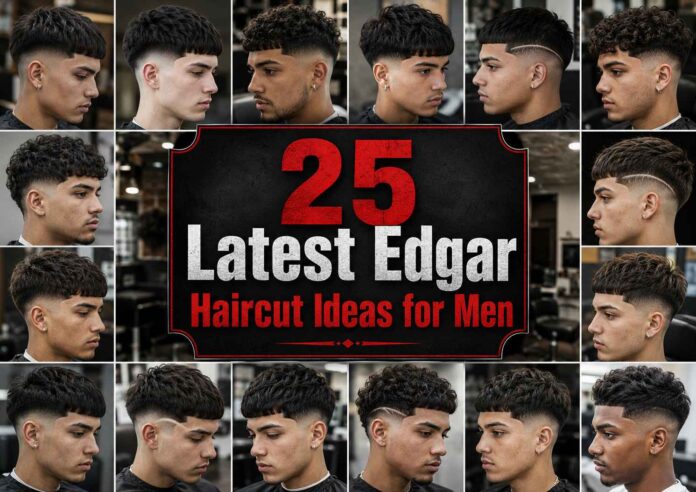
The Edgar has moved far beyond one rigid shape. Its blunt front line still gives the cut its identity, yet modern versions now range from clean tapers and skin fades to fluffy tops, curls, longer fringes, and mullet-inspired backs. The defining look remains a forward-styled top with a firm fringe and shorter sides, often compared with a modern Caesar cut.
These Edgar haircut ideas for men cover straight, thick, wavy, curly, and coily textures, with options for subtle school or work settings and sharper barbershop finishes. Current versions place more focus on natural texture, softer tapers, layered volume, and personalized fringe shapes rather than one standard high fade.
Some cuts below need frequent edge work, while others grow out with less effort. The right choice depends on your hair density, forehead shape, daily routine, and how much contrast you want between the top and sides. These 25 looks offer clear visual references for anyone searching for fresh men’s haircut inspiration in 2026.
1. Classic Edgar With a High Skin Fade
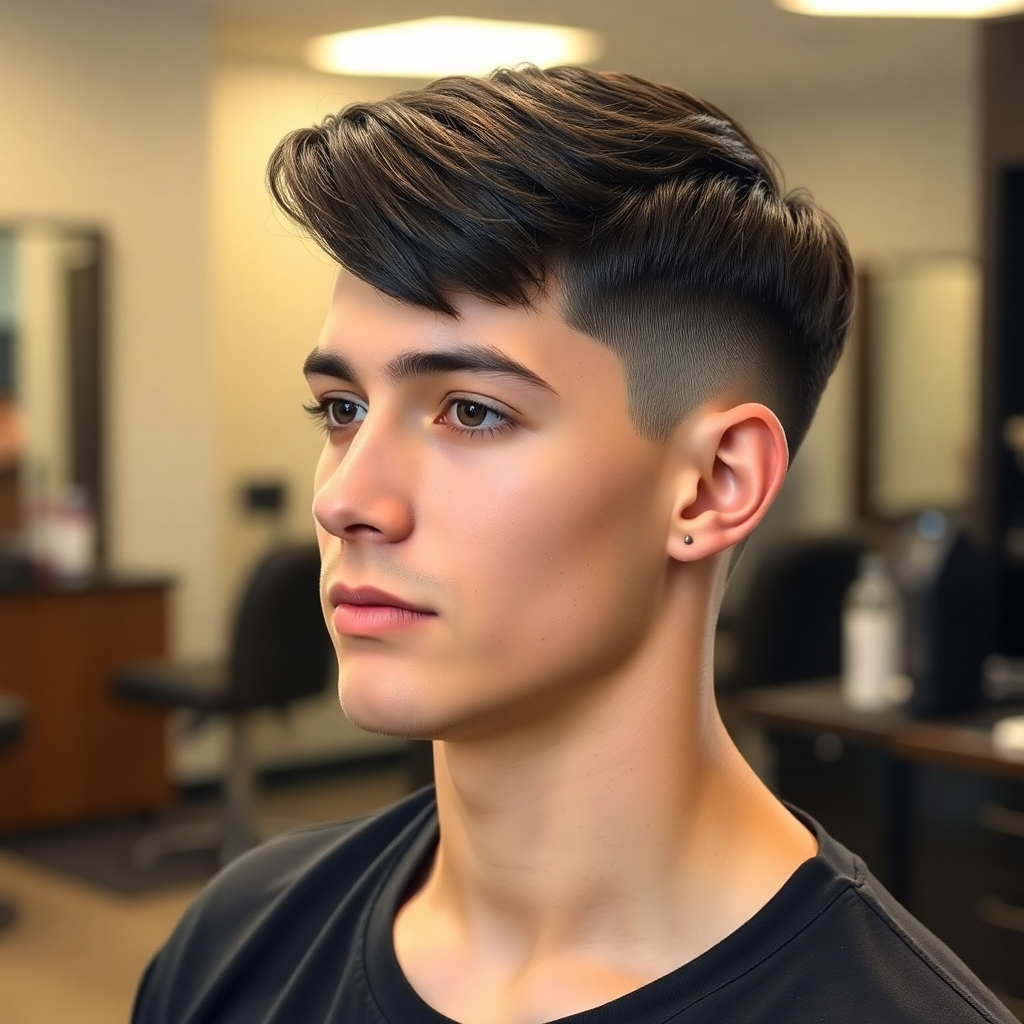
The top stays about one to two inches long and is brushed straight toward the forehead, ending in a firm horizontal fringe. A high skin fade removes the hair above the temples and blends upward into the heavy, rounded top, creating the strong contrast associated with the classic Edgar shape.
Thick, straight hair holds this outline with the least daily work, although dense waves can also create a softer version. Ask the barber to keep enough weight around the upper sides so the top does not become narrow or pointed. A small amount of matte clay can keep the fringe together without adding a wet finish.
The high fade exposes more scalp and loses its sharp appearance sooner than a taper. Plan on regular cleanup appointments when you want the front line and fade to remain crisp.
2. Low Taper Edgar With a Natural Top
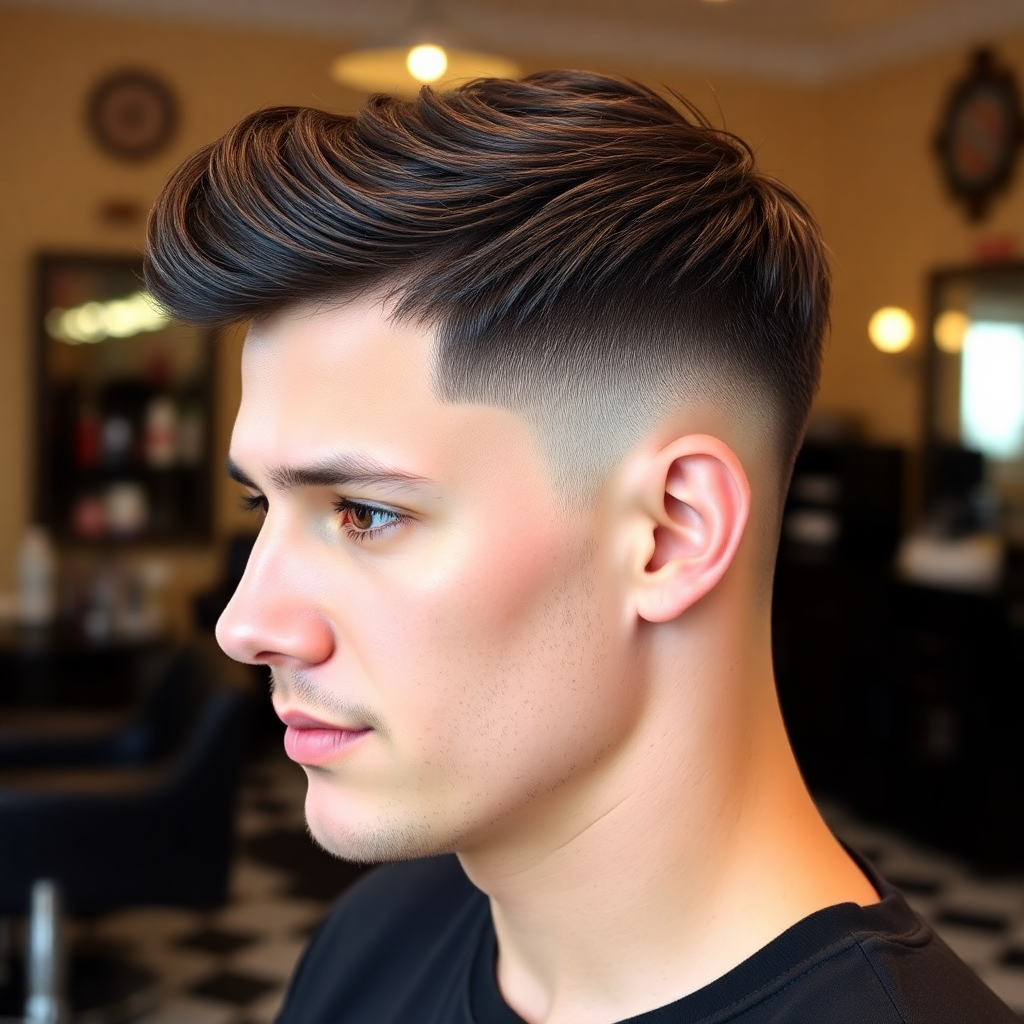
Most of the hair remains full around the sides, while only the sideburns, lower temples, and neckline shorten gradually toward the skin. The top measures roughly two inches and falls forward with light texture, finishing in a clean fringe that looks firm without appearing heavily boxed.
This is one of the easier Edgar versions to wear at school, work, or family events because the contrast stays low. It suits oval, long, and angular faces, especially when a high fade would make the head appear too narrow. The extra side weight also helps balance a long forehead.
Tell the barber you want a low taper rather than a complete fade around the head. Finger-style the top with a light grooming cream, then press the fringe into place instead of flattening the full top.
3. Mid Fade Edgar With a Sharp Fringe
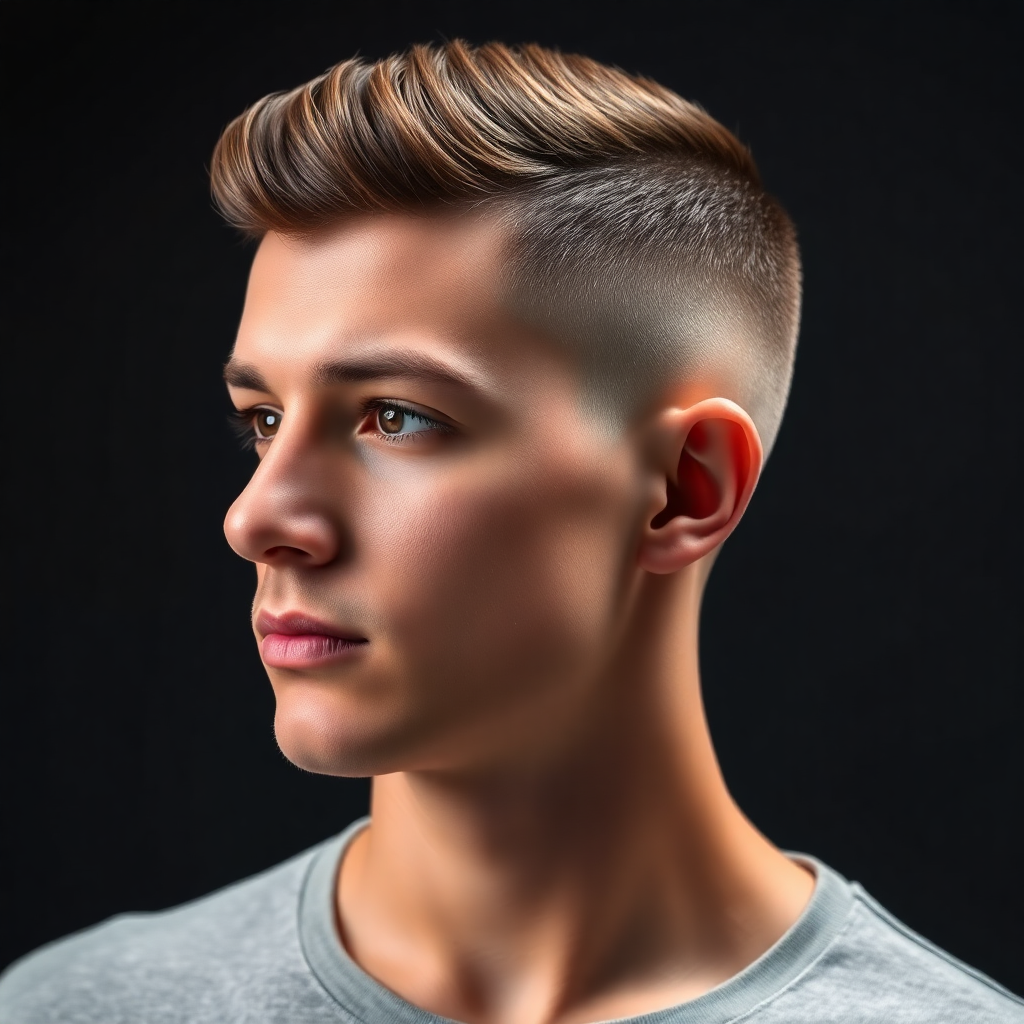
The fade begins near the middle of the temples and blends from bare skin into short dark hair beneath a compact top. Hair above stays close to two inches, with controlled texture through the crown and a sharply cut fringe running straight across the upper forehead.
A mid fade gives more contrast than a taper without removing as much side weight as a high fade. Men with oval or square faces often find this placement balanced because it keeps structure near the temples. Dense hair creates the clearest top outline, though medium-density hair can work when the barber keeps the crown slightly shorter.
Ask for a soft transition at the ridge of the head instead of a visible shelf. Blow-dry the hair forward at low heat, then separate a few top pieces with matte paste while leaving the front edge solid.
4. Low Fade Edgar With Soft Texture
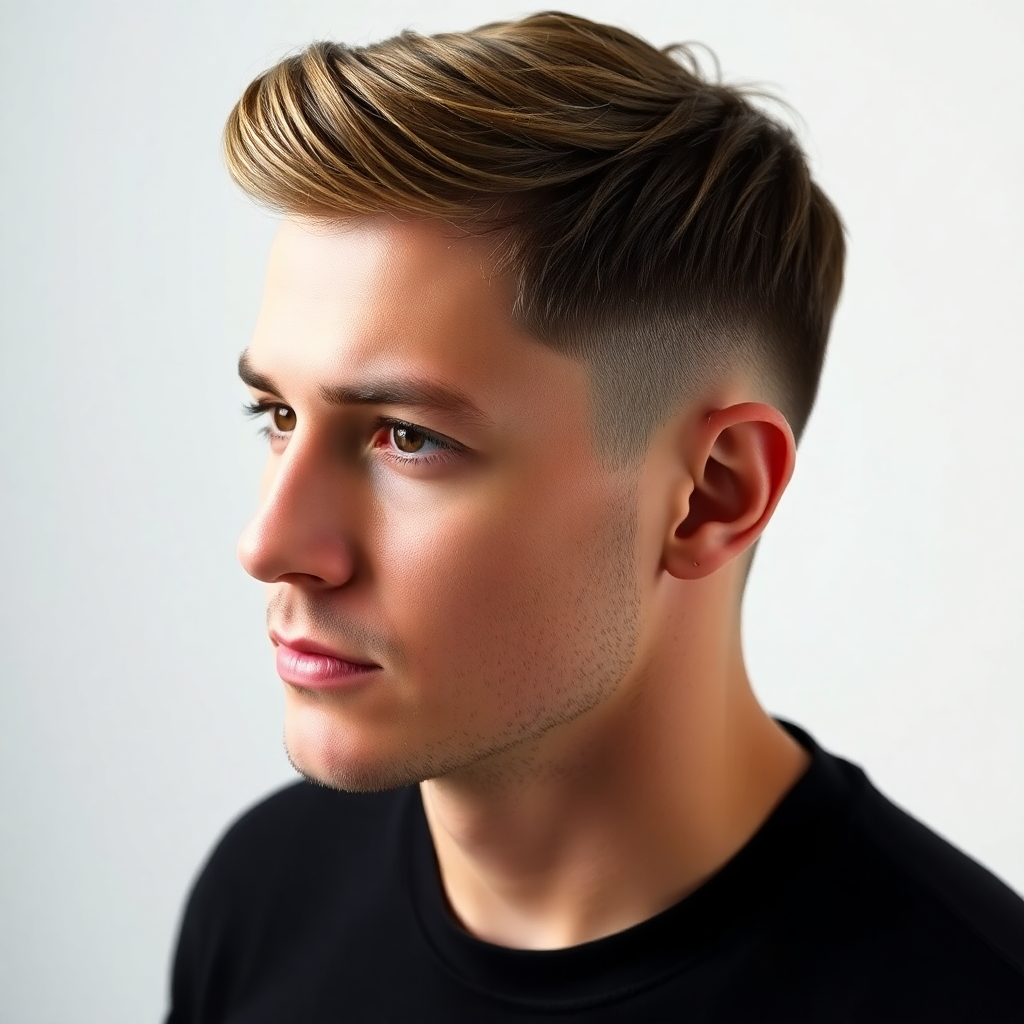
The sides begin fading close to the ears, leaving darker hair through the upper temples and around the crown. On top, short layers create a soft, broken texture that moves forward into a slightly uneven fringe rather than one heavy, ruler-straight block.
This softer interpretation works for men who like modern haircuts for men but do not want the most aggressive Edgar outline. It can also suit round faces because the textured top adds mild height without becoming spiky. Straight and gently wavy hair respond well to the layered finish.
Ask the barber to point-cut the top and keep the fringe compact near the center. A light styling powder can lift the roots while allowing the ends to fall naturally. Avoid pressing the top completely flat, since that can make the cut look wider across the forehead.
5. Bald Fade Edgar With a Compact Crop
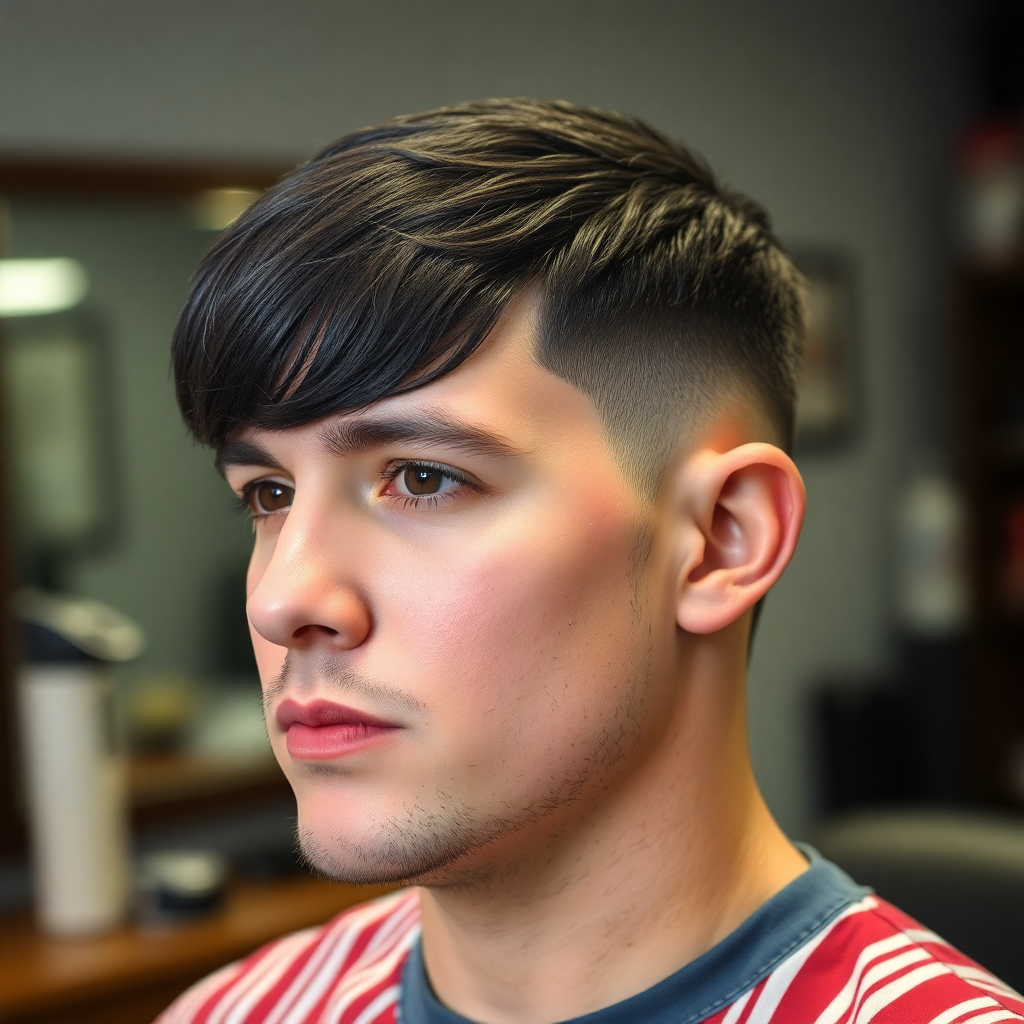
Hair on top is cropped to about one inch and combed straight forward into a short blunt edge. The sides drop to bare skin around the temples and ears, producing a bright, clean break beneath the dark top and making the rounded Edgar silhouette stand out.
This is a practical summer option for men who prefer short haircuts for men and do not mind frequent fade maintenance. Thick hair gives the top a dense finish, while medium hair can appear fuller when cut at one even length. The exposed sides may emphasize a tall crown, so the barber should check the head shape before taking the fade too high.
Request a compact top with minimal thinning. Heavy texturizing can weaken the solid appearance. Use a small amount of dry paste and brush forward with the fingers.
6. Shadow Fade Edgar With a Dark Blend
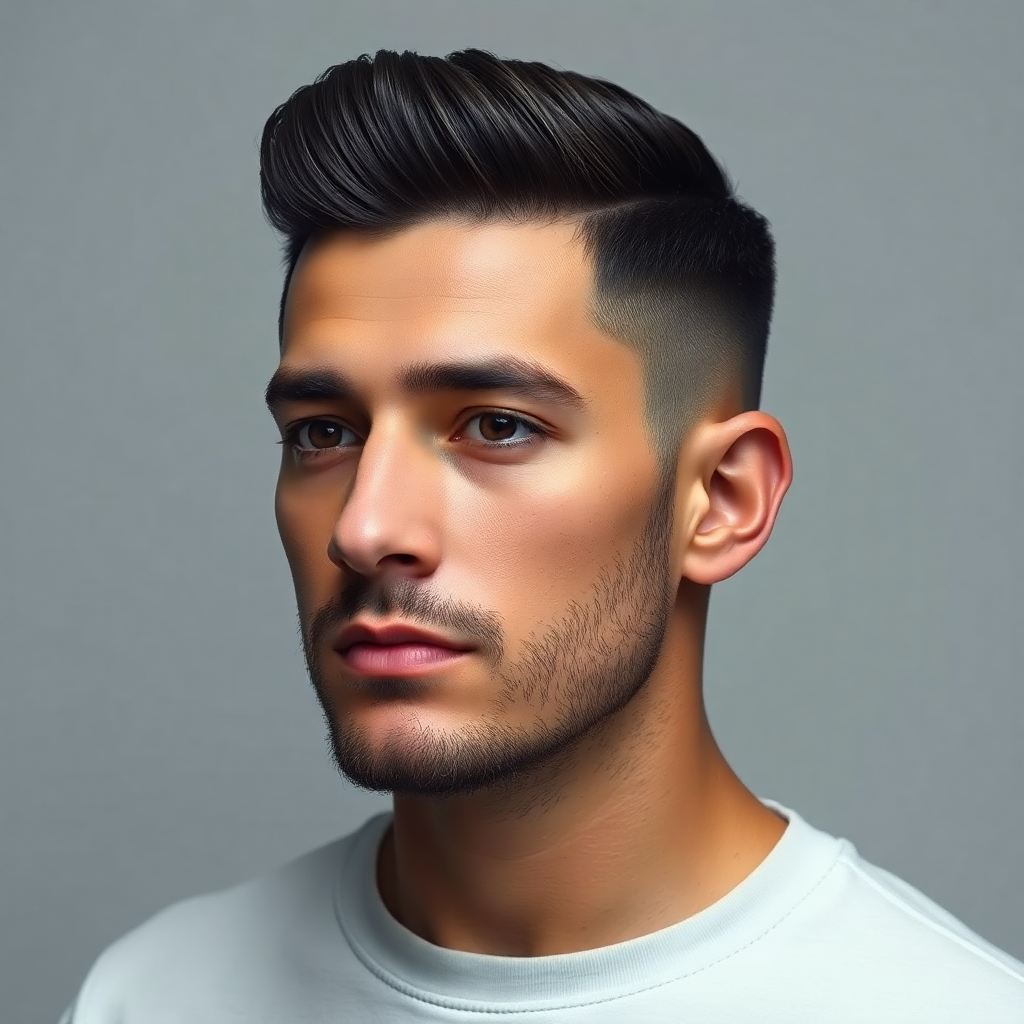
The sides fade down to short stubble rather than completely bare skin, leaving a soft shadow around the head. A dense two-inch top is directed toward the forehead with subtle separation, while the front edge remains straight and dark enough to frame the face.
The shadow effect works well for men who want a polished cut without the brightness of a skin fade. It is also more forgiving during the first weeks of growth because the lower sides already carry a faint layer of hair. This option fits many haircuts for men over 30 when the top remains controlled rather than oversized.
Tell the barber you want the lowest area left as visible stubble. Keep the top connected through the corners so the haircut does not resemble an undercut. Matte cream provides enough control for daily styling while preserving movement.
7. Short Textured Edgar Crop
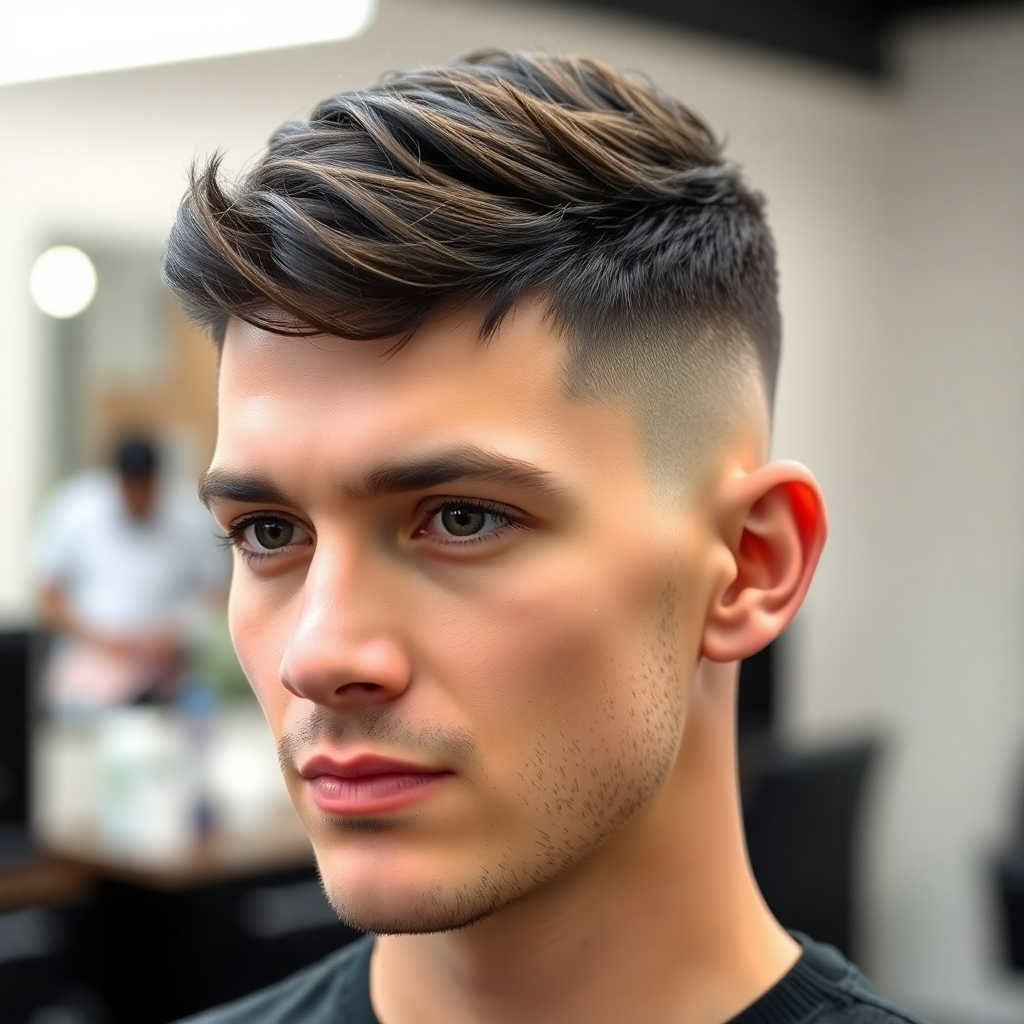
Choppy layers cover the top from crown to fringe, with most strands measuring one to one-and-a-half inches. The hair moves forward in separated pieces, but the lower tips meet along a short squared fringe. A clean mid taper keeps the outline neat without making the sides appear bare.
Texture gives this style a lighter appearance than the classic solid Edgar. It can help thick hair feel less bulky and add shape to straight hair that normally lies flat. Men seeking a low maintenance men’s haircut may prefer this version because slight growth makes the texture look looser instead of immediately untidy.
Ask for point-cut layers rather than deep thinning near the front. Rub a pea-sized amount of matte paste between the palms, push the hair forward, and pinch several small sections. Keep the crown controlled so the style does not become spiky.
8. Straight Hair Edgar With a Heavy Blunt Fringe
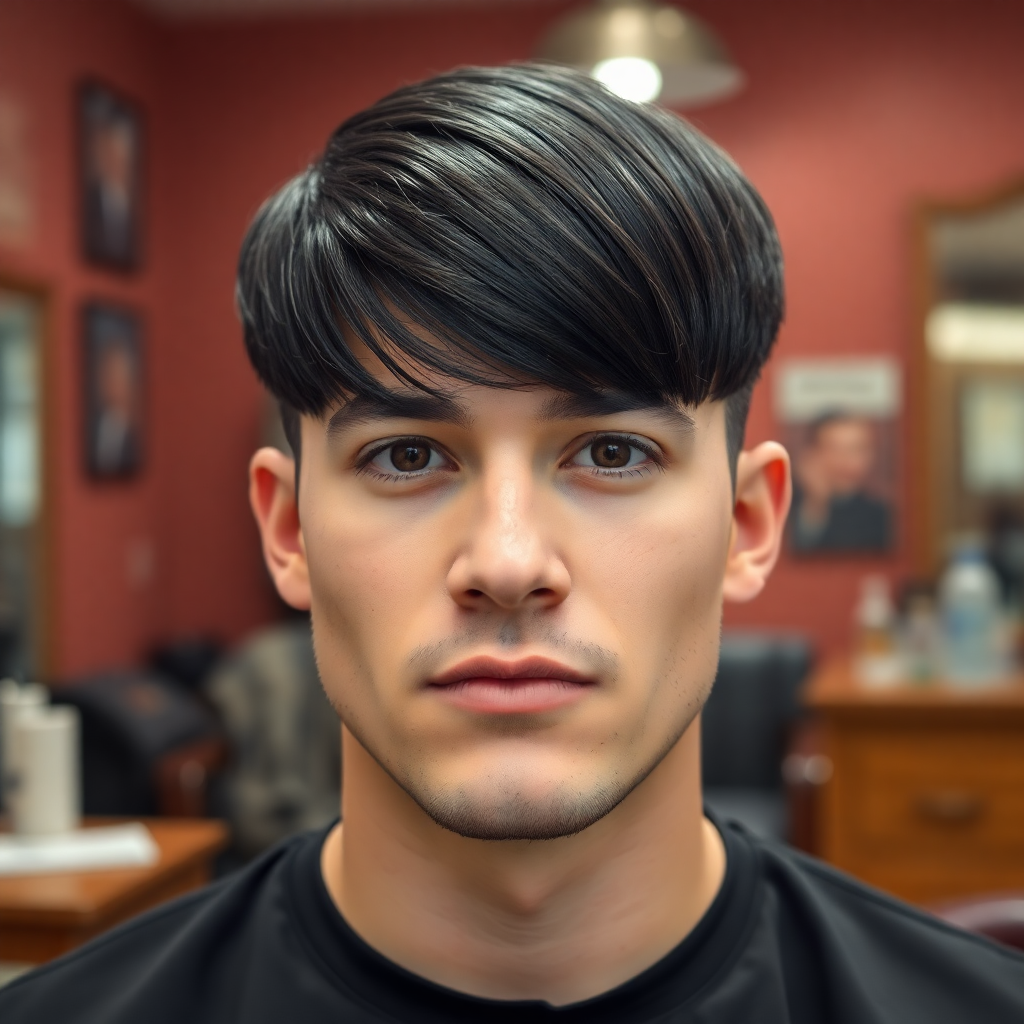
Smooth hair lies flat from the crown toward the forehead, creating a dense cap-like top about two inches long. The fringe is cut into a thick, uninterrupted horizontal line, while a low-to-mid fade removes bulk near the ears and keeps dark weight through the upper sides.
Among haircuts for straight hair men, this version displays the Edgar shape with unusual clarity. It suits strong jawlines and longer faces because the heavy front edge shortens the visible forehead. Men with broad round faces may prefer extra top texture so the silhouette does not appear wider.
Ask the barber to dry the fringe before final detailing, since straight hair can sit differently after moisture leaves it. A light smoothing cream limits flyaways. Brush from the crown forward and avoid heavy oil, which may separate the fringe into thin sections.
9. Fluffy Edgar With a Low Taper
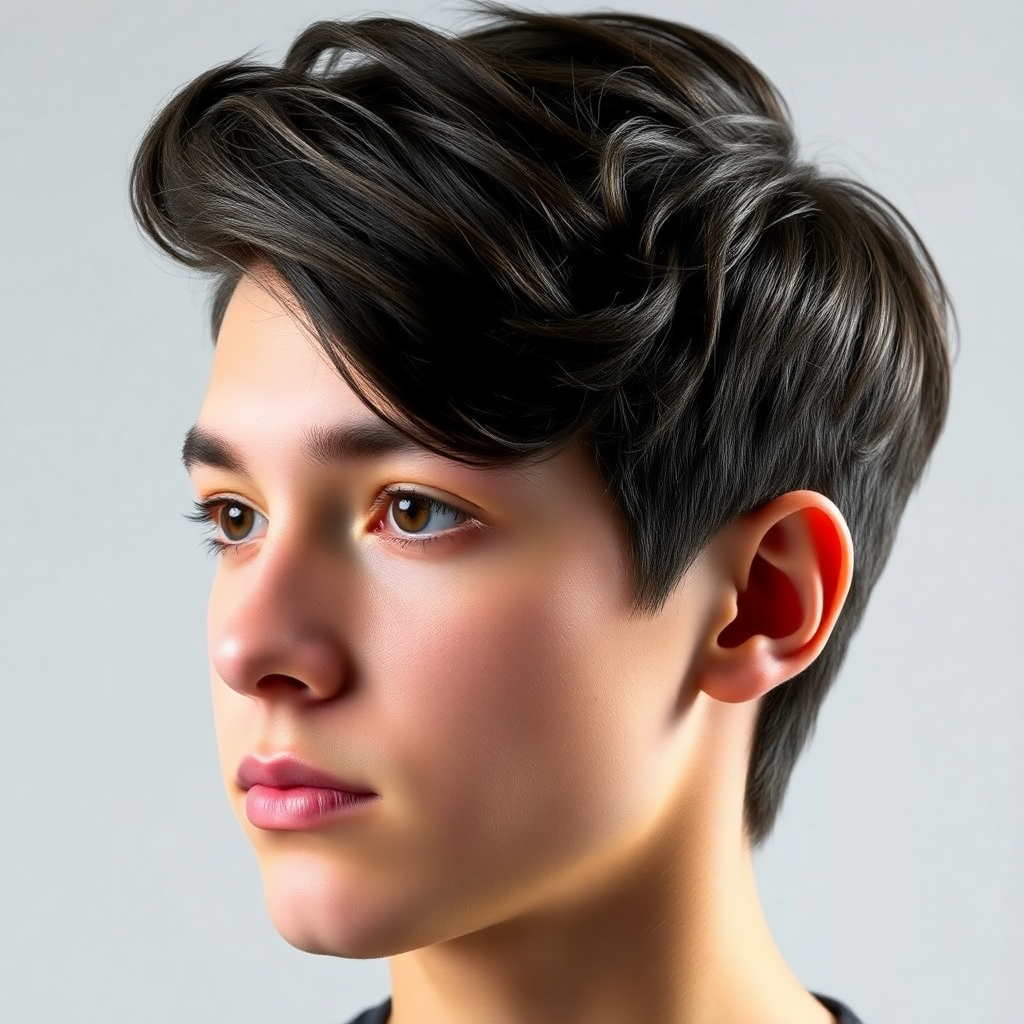
The top grows to roughly three inches and carries airy volume from the crown toward the forehead. Layered ends lift and overlap, while the fringe remains rounded and lightly defined instead of sitting as one flat line. A low taper cleans only the temples, sideburns, and lower neckline.
This youthful version has become a strong choice among haircuts for teenage guys and haircuts for young men. Thick straight hair or loose waves create the fluffy shape most easily. Fine hair may need added root lift, while heavy curls can produce a rounder silhouette.
Ask for internal layers that remove weight without shortening the outside shape. Blow-dry forward and slightly upward using the fingers. Finish with styling powder near the roots, keeping the fringe softer than the top. The longer surface can lose its shape in humidity, so a flexible spray may help.
10. Wavy Edgar With a Broken Front Edge
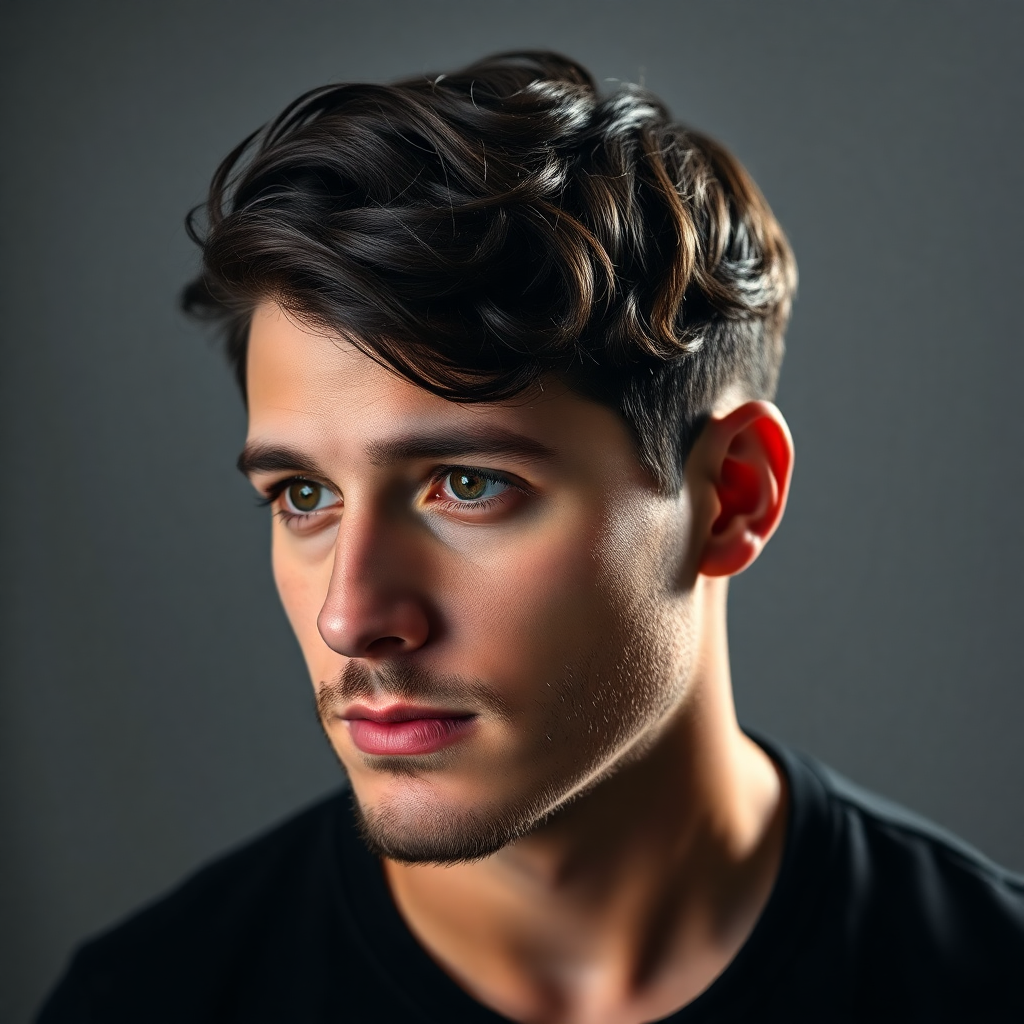
Natural waves remain two to three inches long across the top, creating visible bends from the crown to the forehead. The fringe follows a mostly straight outline but breaks into small wave-shaped sections. A low drop fade curves behind the ear and leaves enough upper-side weight to support the texture.
This is one of the strongest haircuts for wavy hair men because it works with natural movement rather than pressing every strand flat. The slight height can balance round or wider faces, while the forward fringe reduces the appearance of a long forehead.
Tell the barber to shape the waves while dry and avoid excessive thinning. Apply a light curl cream to damp hair, scrunch gently, then guide the front forward as it dries. A diffuser on low airflow can maintain definition. Do not overwork the fringe after drying, or the waves may become fuzzy.
11. Curly Edgar With a Mid Taper
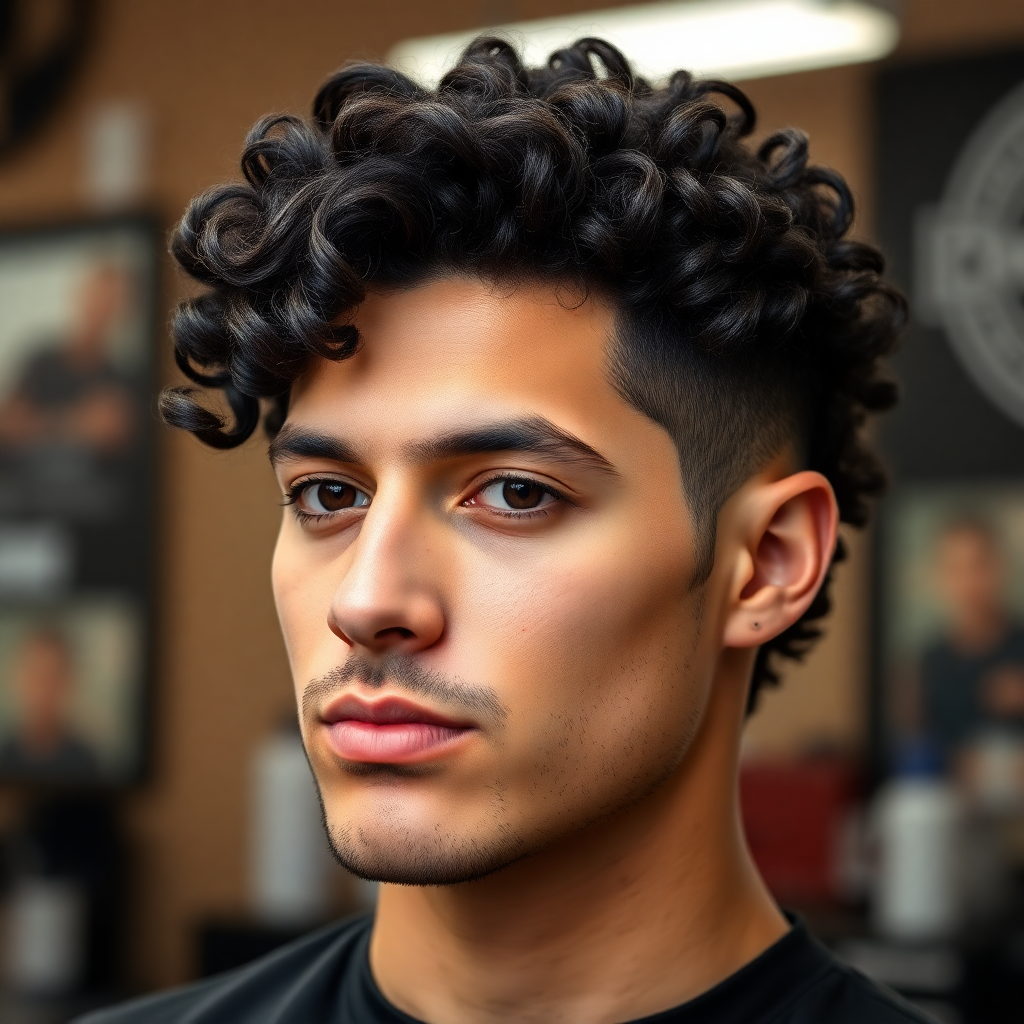
Defined curls sit two to three inches high across the top, forming a rounded shape that moves toward the forehead. The front curls are trimmed into a controlled horizontal boundary without being flattened, while a mid taper shortens the temples and neckline and preserves fullness above the ears.
Natural curl pattern becomes the main feature here. Unlike a flat classic Edgar, this version has visible depth and movement, making it one of the more adaptable haircuts for curly hair men. It can suit oval, heart, and longer faces when the barber adjusts the top height.
Ask for curl-by-curl refinement along the fringe rather than one hard clipper line through the coils. Work a small amount of curl cream through damp hair and allow the top to form naturally. Regular moisture care can improve definition, though the exact routine should match your texture and scalp needs.
12. Coily Edgar With a Clean Temple Fade
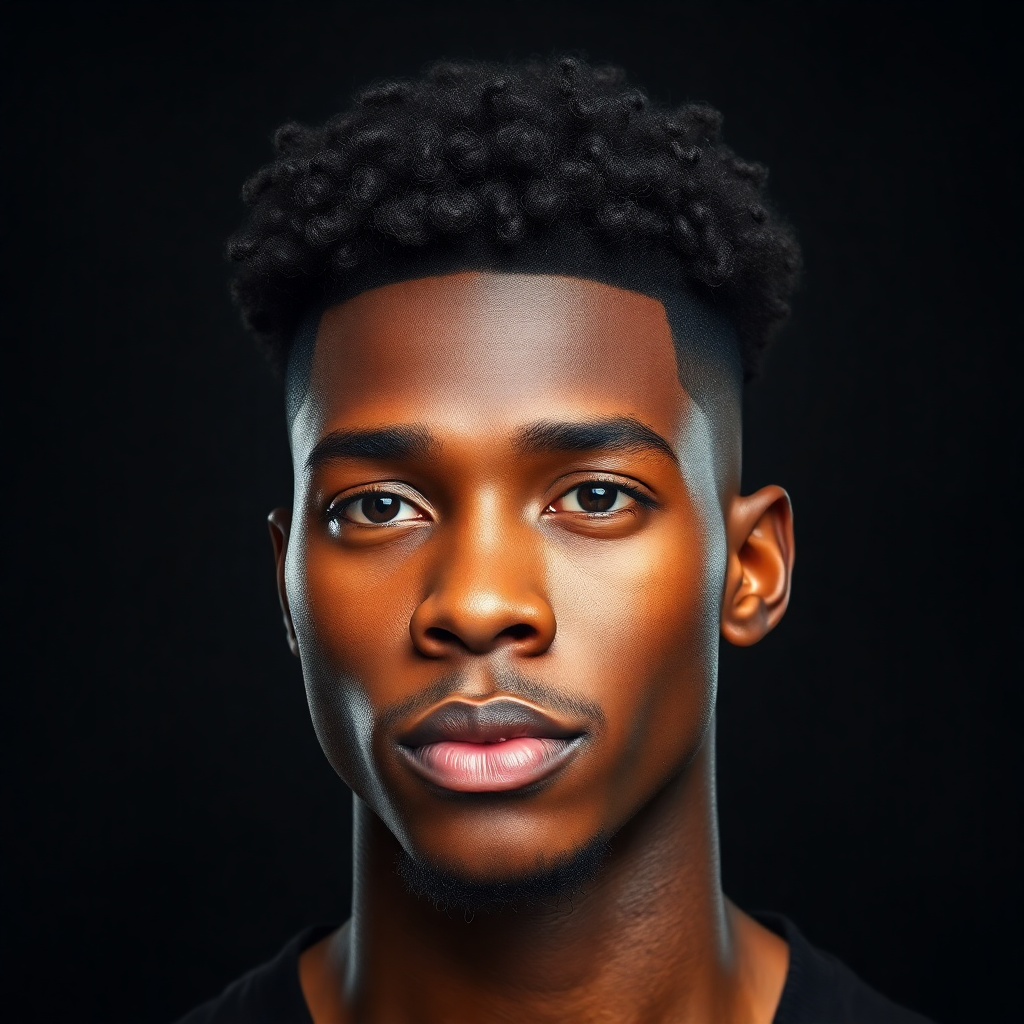
Short coils form a dense top about one-and-a-half to two inches high, with a compact front edge shaped horizontally across the forehead. The temple fade removes hair sharply near the sideburns, while the back receives a neat taper and the upper sides remain dark and connected.
Coily texture gives the Edgar a stronger three-dimensional surface than straight hair. This version can work among haircuts for black men when the barber preserves enough top length for the natural coil pattern to remain visible. A shaped front edge adds structure without requiring the coils to lie flat.
Ask for a temple fade rather than a high fade when you want to keep fullness around the head. Use a light curl sponge only when it suits your texture and preferred finish. Avoid forcing the top forward with heavy product; the outline should come from the cut while the coils keep their natural form.
13. Messy Layered Edgar With a Mid Fade

Uneven layers across the two-and-a-half-inch top create an intentionally loose surface. Hair travels forward and slightly sideways in irregular pieces, while the fringe stays recognizable through a short, broken line. A mid fade keeps the lower head clean and gives the messy top a controlled frame.
This cut suits men who dislike a polished, helmet-like finish. Thick and medium-density hair respond well because the layers can move without exposing large gaps. It also offers a relaxed form of trending haircuts for men that does not require each strand to sit in one position.
Ask the barber for varied point-cutting through the top while keeping enough weight near the crown. Apply dry paste to nearly dry hair and move the pieces with your fingertips. Stop before the top becomes spiked. The best finish looks loose from a distance but still shows direction toward the forehead.
14. Spiky Edgar With a High Taper Fade
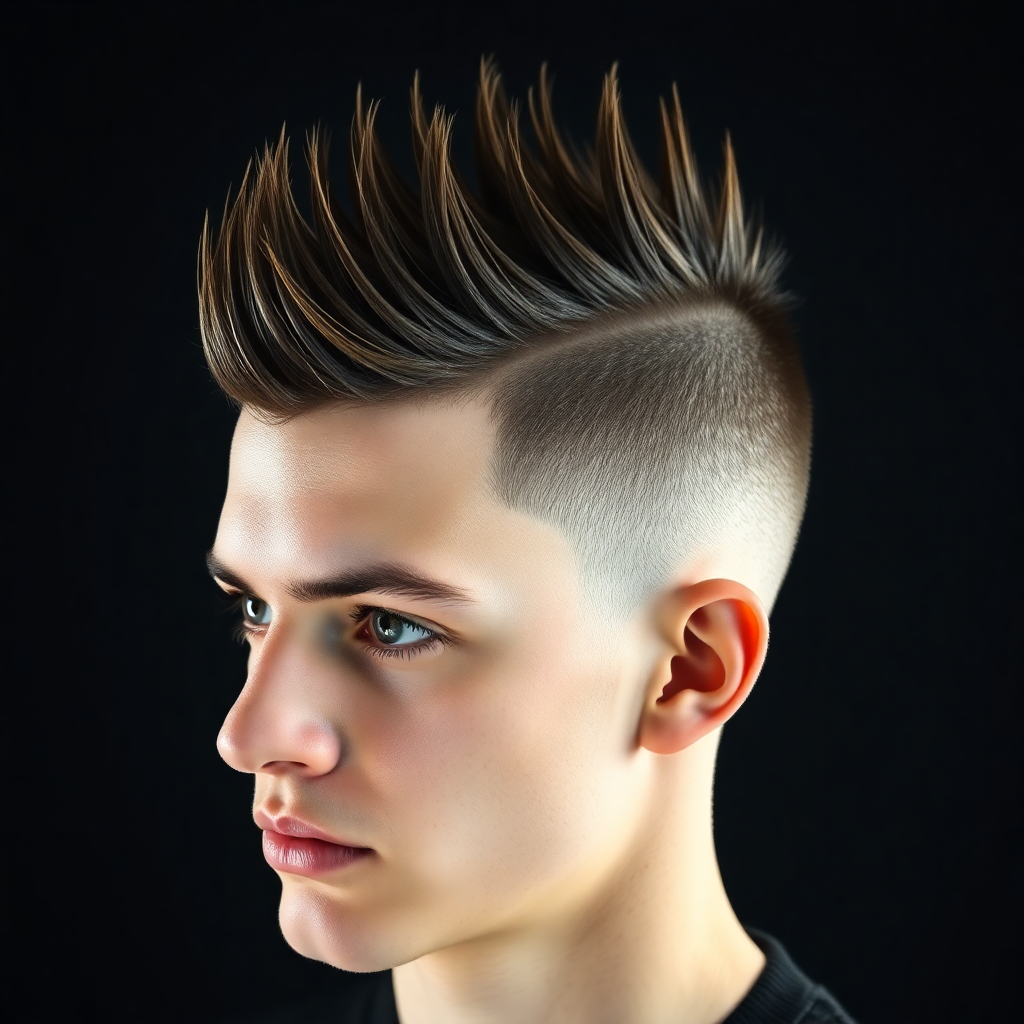
The front maintains a squared Edgar fringe, while the hair behind it rises into short separated spikes measuring about two inches. A high taper fade tightens the temples and back without removing every trace of hair along the sides, producing a bold top with a cleaner transition than an undercut.
This version favors dense straight hair that can hold separation. It can add height for a haircut for round face men, though the sides should not become too narrow. Men with long faces may prefer shorter spikes so the haircut does not stretch the head visually.
Tell the barber to preserve a distinct fringe beneath the textured top. Blow-dry upward through the middle, then direct the front edge down. Use matte clay on the ends rather than coating every strand. The shape needs daily styling, making it less suitable for anyone seeking a wash-and-go routine.
15. Angled Fringe Edgar With a Low Skin Fade
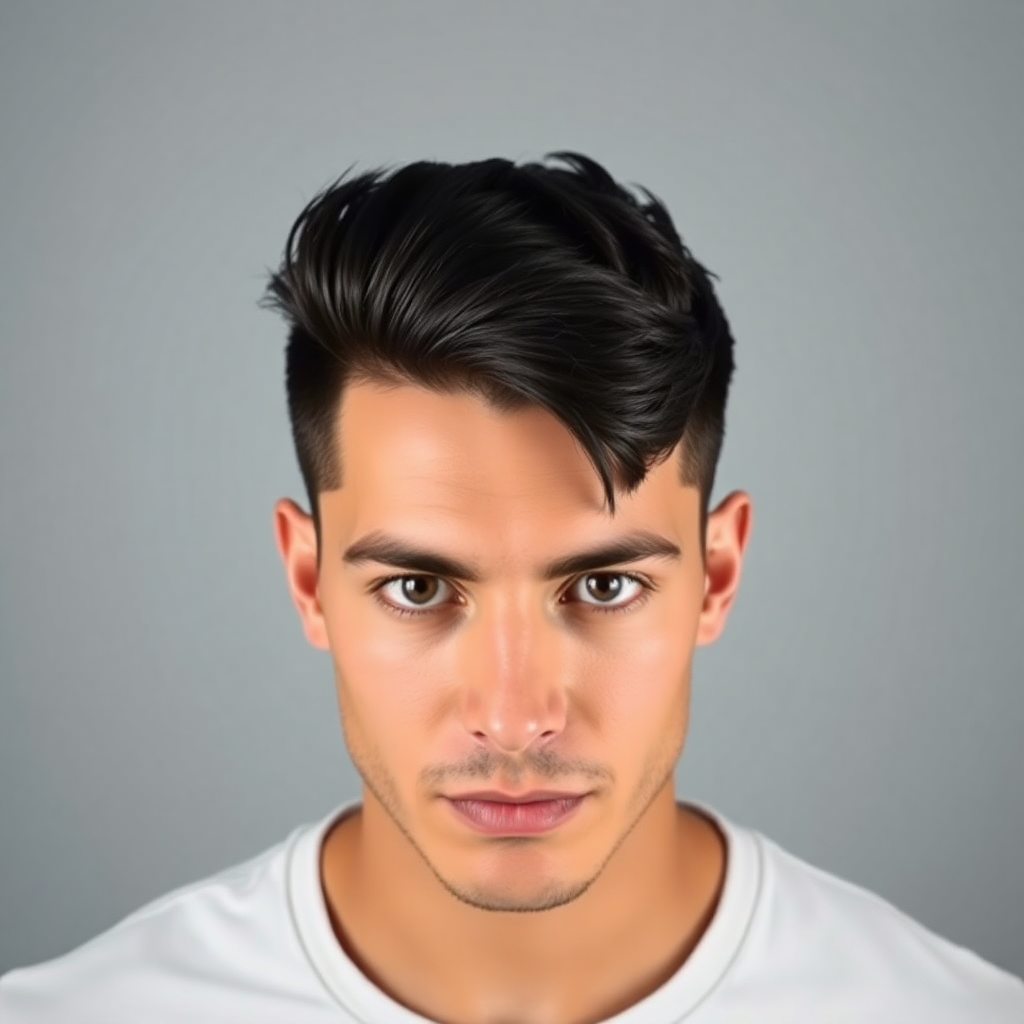
Instead of running straight across, the fringe begins slightly higher at one temple and slopes downward toward the opposite side. The top remains two inches long with controlled forward texture, while a low skin fade opens the area around the ears and leaves darker hair near the upper temples.
The angled front introduces movement without removing the Edgar identity. It can soften a square face and reduce the width created by a perfectly horizontal fringe. Men with uneven natural hairlines may also find the diagonal shape easier to personalize.
Bring a reference image showing the exact direction of the angle. Ask the barber to keep the slope clean but not steep, since an extreme line can resemble an accidental uneven fringe. Style the top forward with a light matte paste and follow the cut direction. Edge maintenance matters because the diagonal line becomes less clear as it grows.
16. Asymmetrical Edgar With a Side-Swept Top
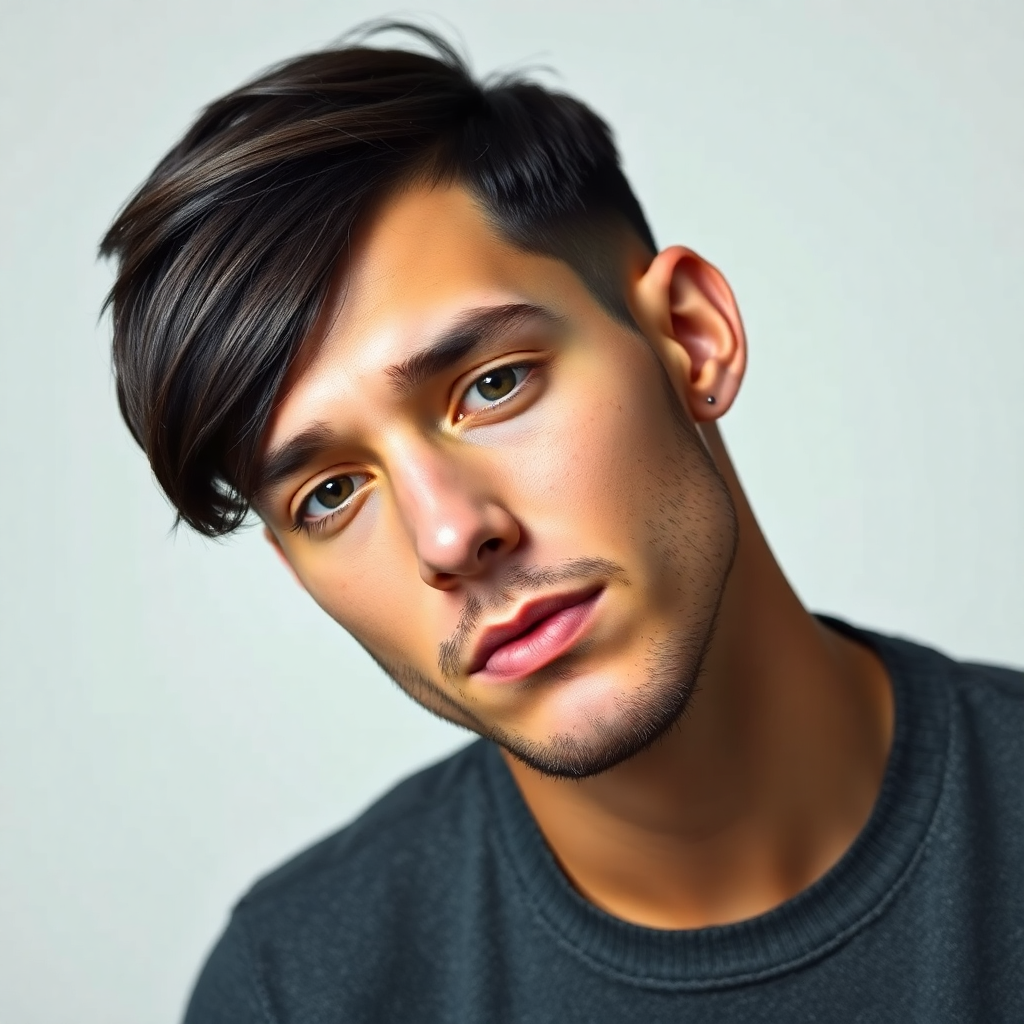
Hair measures about three inches through the front and shifts diagonally toward one temple. One side of the fringe looks heavier and lower, while the opposite side appears shorter and more exposed. A mid fade balances the unusual top direction with clean, even sides.
This fashion-led variation offers more movement than the standard centered Edgar. It can suit oval and angular faces, especially when a straight fringe feels too rigid. Natural waves add character, although straight hair allows the asymmetry to appear cleaner.
Ask the barber to build the uneven shape through layered length rather than cutting one harsh diagonal line. Blow-dry from the crown toward the chosen side and use flexible paste to hold the direction. The top must remain long enough to sweep, so this version may need extra attention between appointments when the fringe begins covering the eyes.
17. Long Fringe Edgar With a Drop Fade
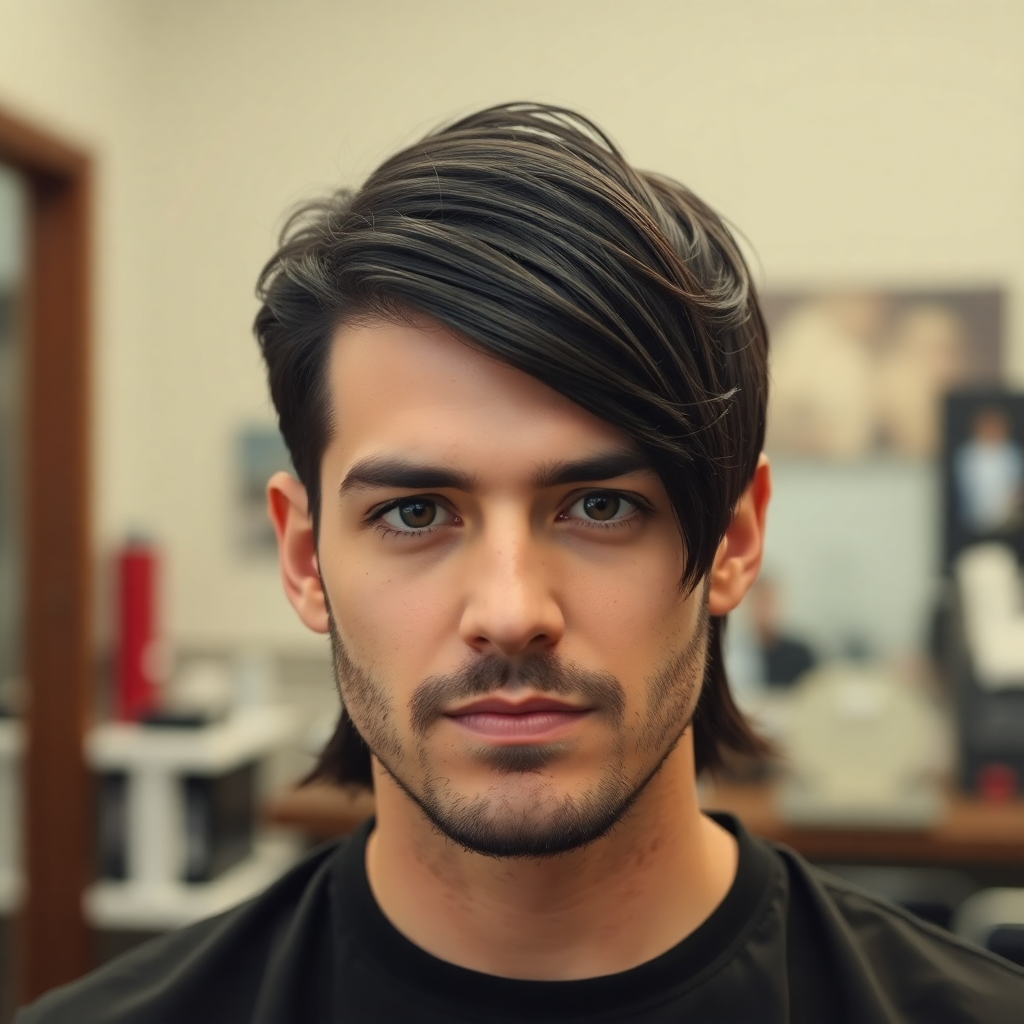
The top extends three to four inches and moves heavily toward the forehead, with the fringe resting near the eyebrows. Light layering prevents the front from becoming one thick sheet. A drop fade curves lower behind each ear, following the head shape while keeping enough darkness near the crown.
The longer fringe can help frame a narrow face or reduce the visible height of a large forehead. It also brings the Edgar closer to medium length hairstyles men wear when they want more styling choices. Fine hair may separate too easily at this length, while thick or wavy hair creates fuller coverage.
Ask for a long, forward fringe with controlled weight through the corners. Blow-dry downward first, then lift selected top pieces for movement. A light cream gives flexible control. Expect the front to require trimming before the rest of the haircut because it reaches the eyes sooner.
18. Disconnected Edgar Undercut

A heavy two-to-three-inch top sits clearly above clipped sides with little visible blending. The top forms a rounded cap and moves forward into a solid blunt fringe, while the undercut begins high around the temples and continues at a short, even length around the head.
The strong separation makes this one of the bolder barbershop haircuts for men. Thick straight hair produces the clearest overhang, while wavy hair creates a looser edge. Men with narrow heads should keep some width near the upper sides so the contrast does not become excessive.
Tell the barber you want a deliberate disconnected line rather than a blended fade. Styling is simple: brush forward and use matte cream for control. Growing it out takes patience because the short sides must catch up with the longer top. This cut looks strongest when the undercut line remains clean.
19. Burst Fade Edgar With Rounded Texture
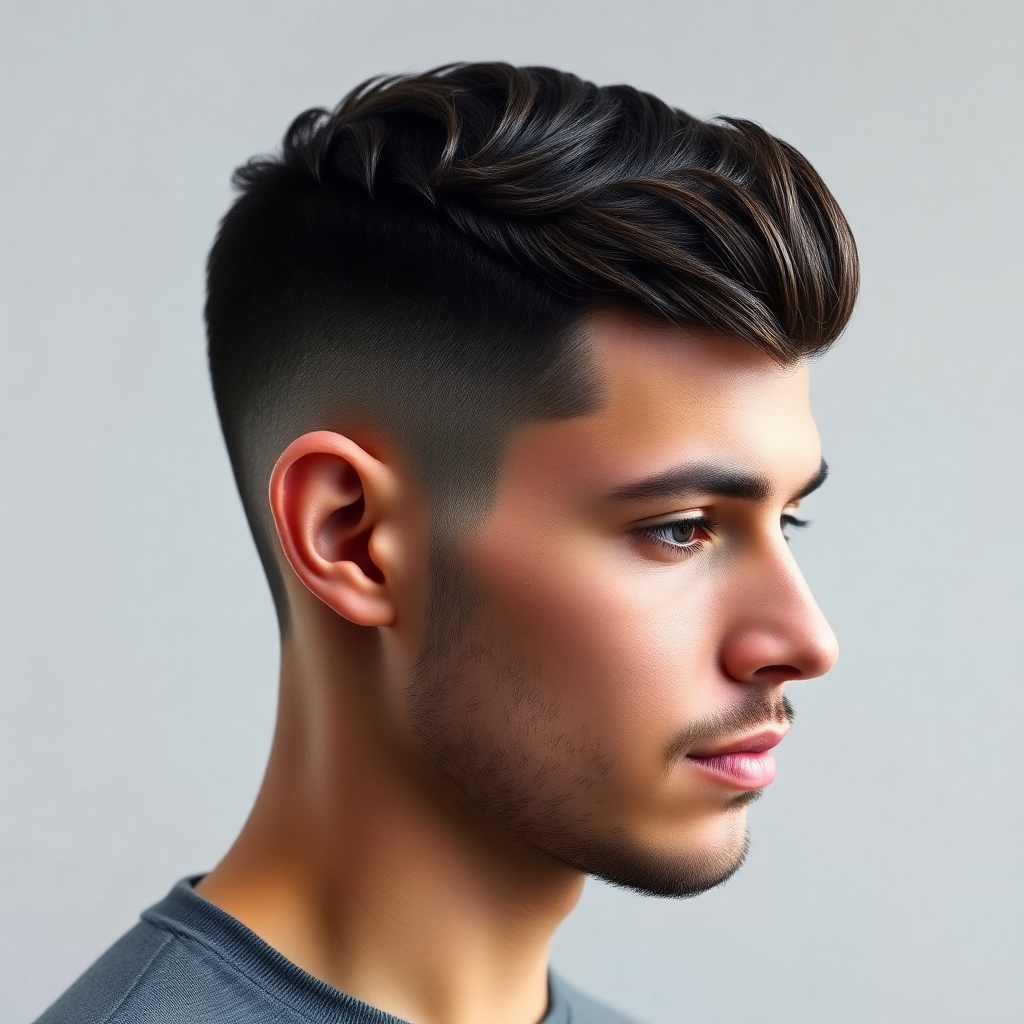
The fade curves in a semicircle around each ear, becoming shortest at the sideburn and expanding toward the back. Above it, two to three inches of textured hair form a rounded top that travels forward into a compact fringe. The neckline keeps more length than a standard high fade.
This version creates strong side detail while preserving weight toward the back of the head. Thick waves and curls work well because the burst shape frames their volume. It also pairs naturally with a short mullet transition when extra length is left at the nape.
Ask the barber to keep the burst fade symmetrical and avoid taking the back too high. Styling powder can add lift to straight hair, while curl cream suits textured patterns. Check the side view before leaving the chair because the curved fade is the feature that separates this cut from a standard mid fade.
20. Drop Fade Edgar With a Rounded Crown
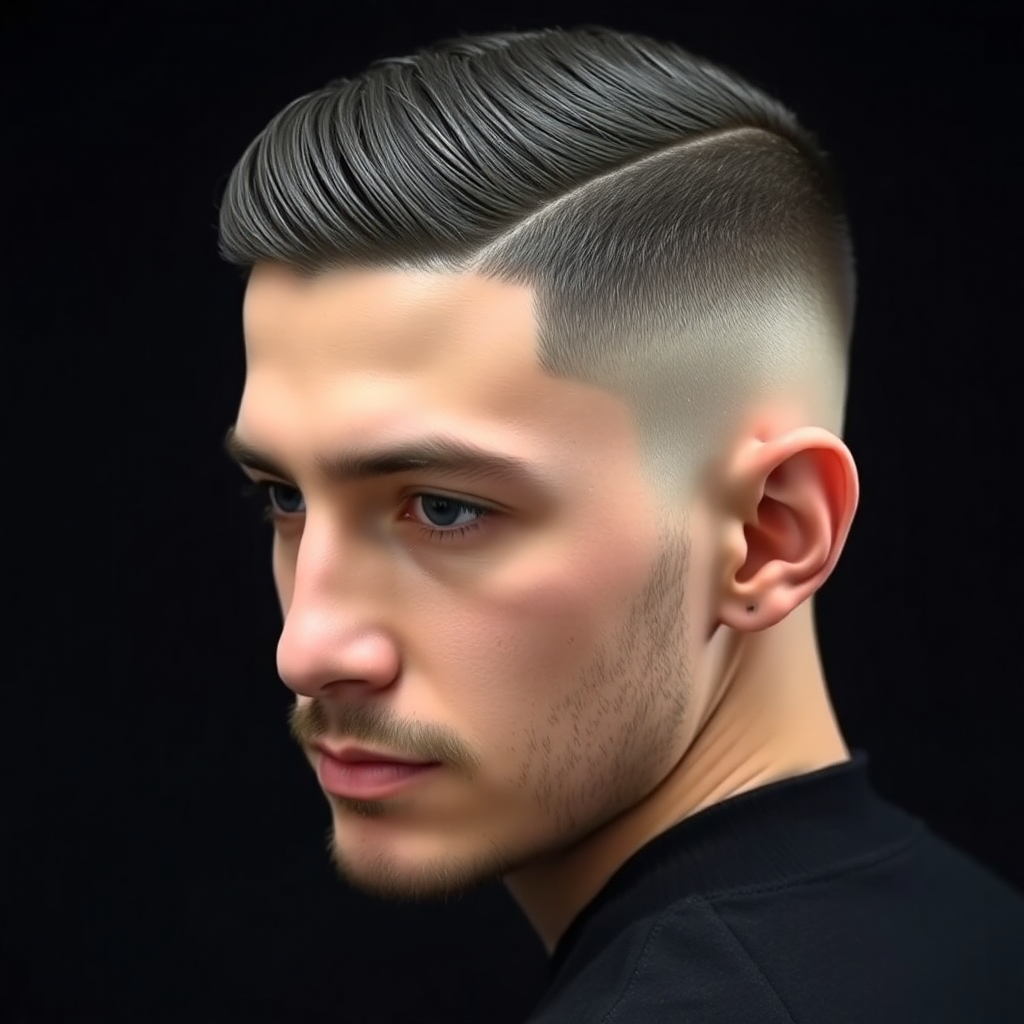
The fade begins near the mid temple and descends behind the ear toward the lower back of the head. Above the curved fade, the top remains dense and rounded, measuring close to two inches and moving forward into a sharp horizontal fringe.
A drop fade follows the natural head contour and can make the back appear fuller than a level fade. This shape works well for men with prominent crowns because the darker back area reduces sudden exposure. Straight and thick hair create a firm top, while soft waves give it a more relaxed outline.
Ask the barber to show where the fade will drop before clipping begins. A low drop produces a subtle finish; a higher drop creates stronger contrast. Use a brush or fingers to guide the top forward. Keep product light near the crown so the surface does not collapse into a flat circle.
21. Edgar With a Precise Lineup
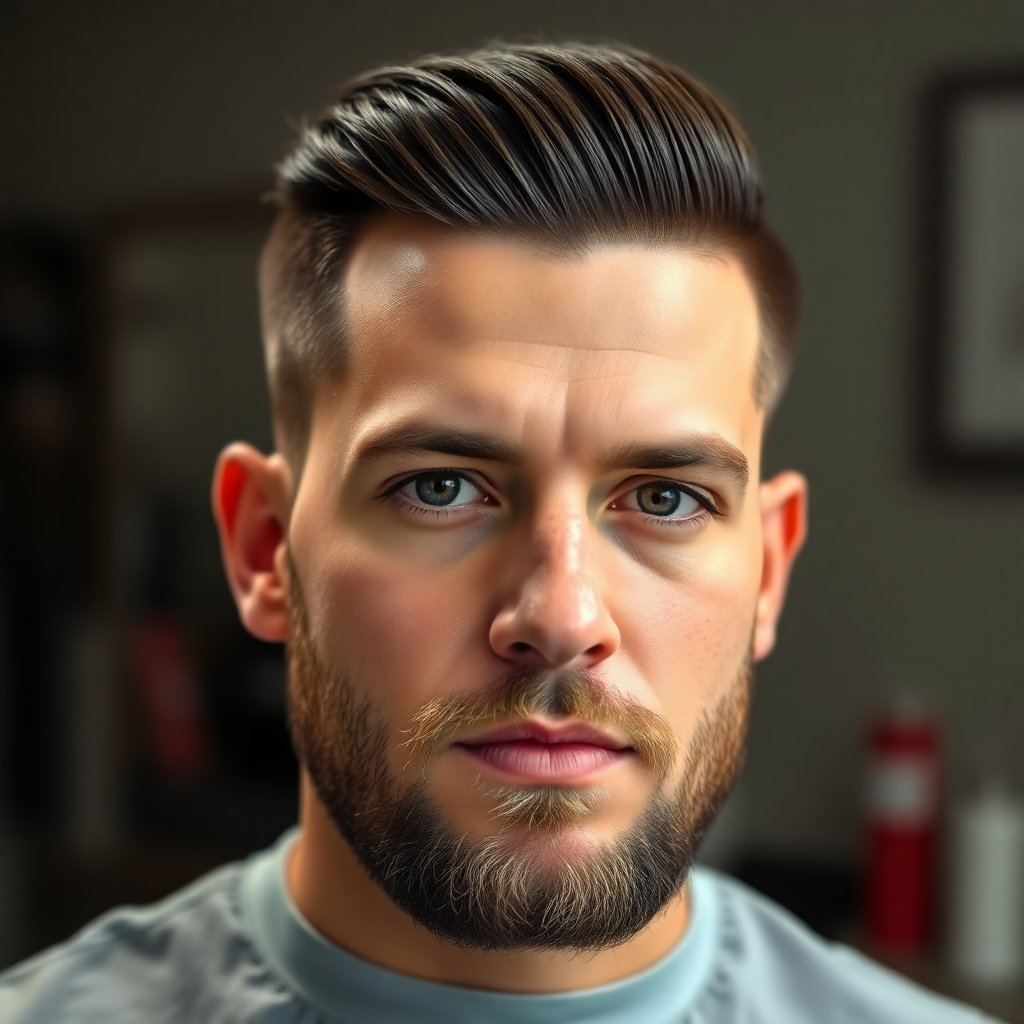
The top stays short, dense, and directed forward, ending in a squared fringe across the forehead. A clean lineup sharpens the temple corners and side edges, while a mid skin fade creates a smooth transition beneath the defined outline.
This detail-focused version emphasizes geometry. It suits men with naturally strong front density because the barber can create clean corners without pushing the hairline too far back. A lineup may need frequent touchups, and an overly aggressive front edge can look unnatural as it grows.
Ask the barber to follow your natural hairline as closely as possible. The goal is sharper definition, not a completely new forehead shape. Keep the top simple with matte cream so the edge work remains the main feature. This cut pairs well with a short, neatly shaped beard when the temple and beard lines connect smoothly.
22. Edgar With a Single Shaved Design
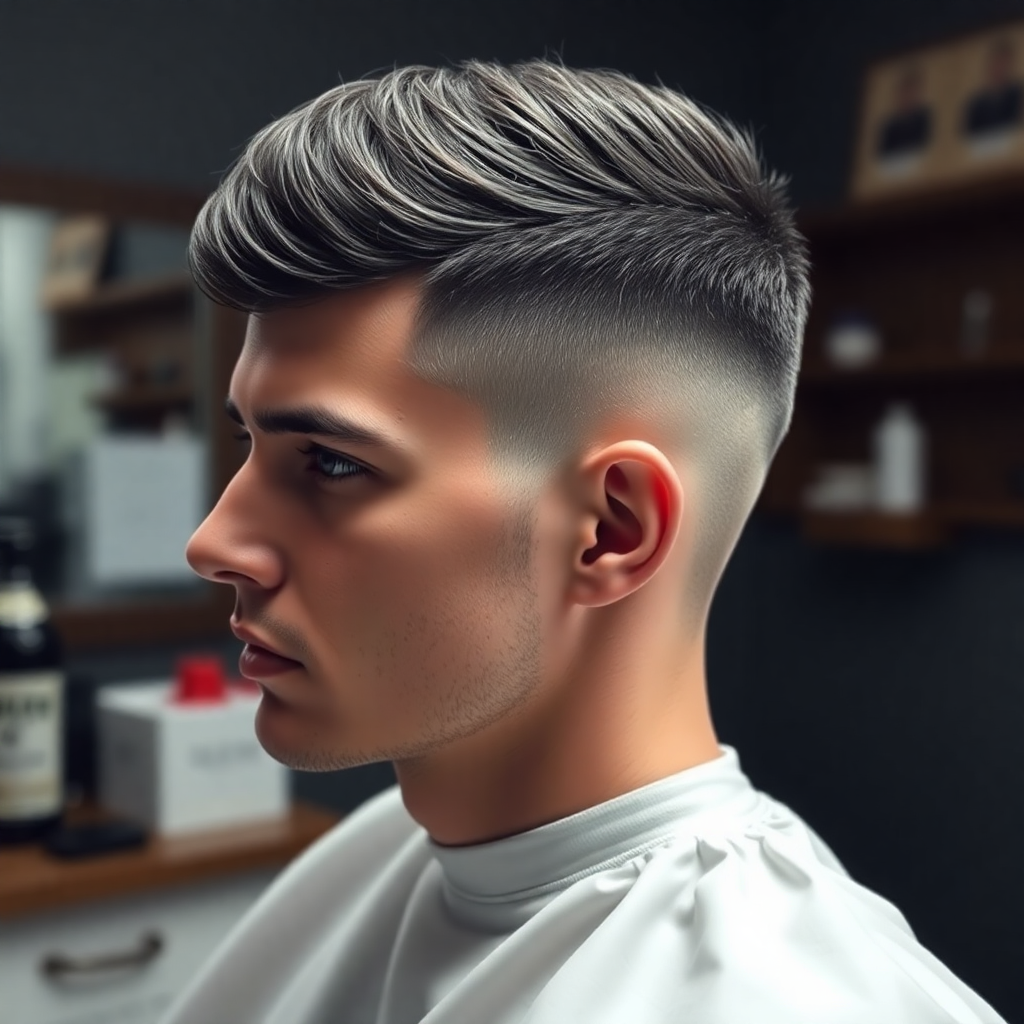
A textured two-inch top moves forward into a short blunt fringe, while a high fade clears the side area. One clean curved line is shaved above the ear, following the fade and adding a graphic detail without covering the entire side with a complex pattern.
The design gives a standard Edgar a more personal finish. It is often chosen among fresh haircuts for men who want a noticeable barbershop detail that remains easy to understand from a distance. Straight, wavy, and curly tops can all work because the design sits within the faded area.
Bring a clear side-view reference and choose the design before the haircut begins. A simple line usually grows out more evenly than an intricate image. Avoid cutting multiple marks when you want the haircut to remain balanced. The shaved detail may soften within days as short hair returns.
23. Two-Tone Edgar With a Light Top

The top remains two to three inches long and is colored a light blond or muted silver, while the natural dark sides fade from short stubble into the upper section. Forward layers create visible texture, and a dark or softly shadowed fringe line gives the front added definition.
The color contrast makes the haircut stand out before viewers notice the fade. It works best for men prepared to maintain both the haircut and the color. Hair condition, previous coloring, and natural shade can affect the process, so color work should be discussed with a trained professional.
Ask the barber and colorist to plan the finished shape together. Dark roots can create intentional depth as the top grows, while an even pale finish produces stronger contrast. Use styling products that do not leave heavy residue. This option requires more upkeep than most popular men’s haircuts in the list.
24. Edgar Mullet With a Burst Fade
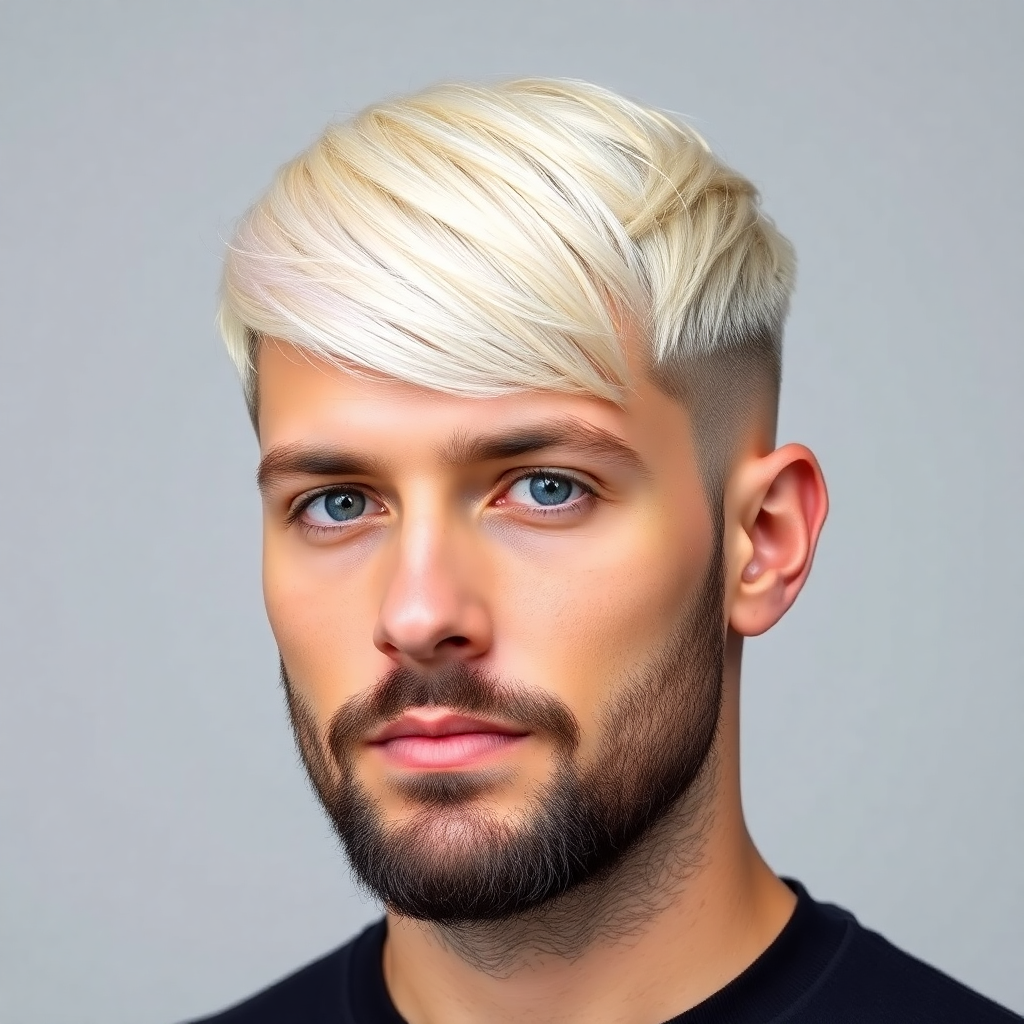
The front keeps a blunt Edgar fringe and a textured top about three inches long. Around the ears, a burst fade creates a curved clean area, while the hair behind the crown extends into a layered nape that reaches farther down the neck than a standard crop.
The combination mixes a structured front with a loose back. It suits thick, wavy, or curly hair that can create visible movement through the longer nape. Men who prefer conservative professional haircuts for men may find the rear length too bold, while creative workplaces may allow a softer version.
Tell the barber how much back length you want before the sides are faded. A short tail looks more wearable; a long tail creates a stronger mullet identity. Use light paste through the top and cream through the back. Avoid flattening both areas into one shape because the contrast gives this cut its character.
25. Long Textured Edgar With a Tapered Neckline
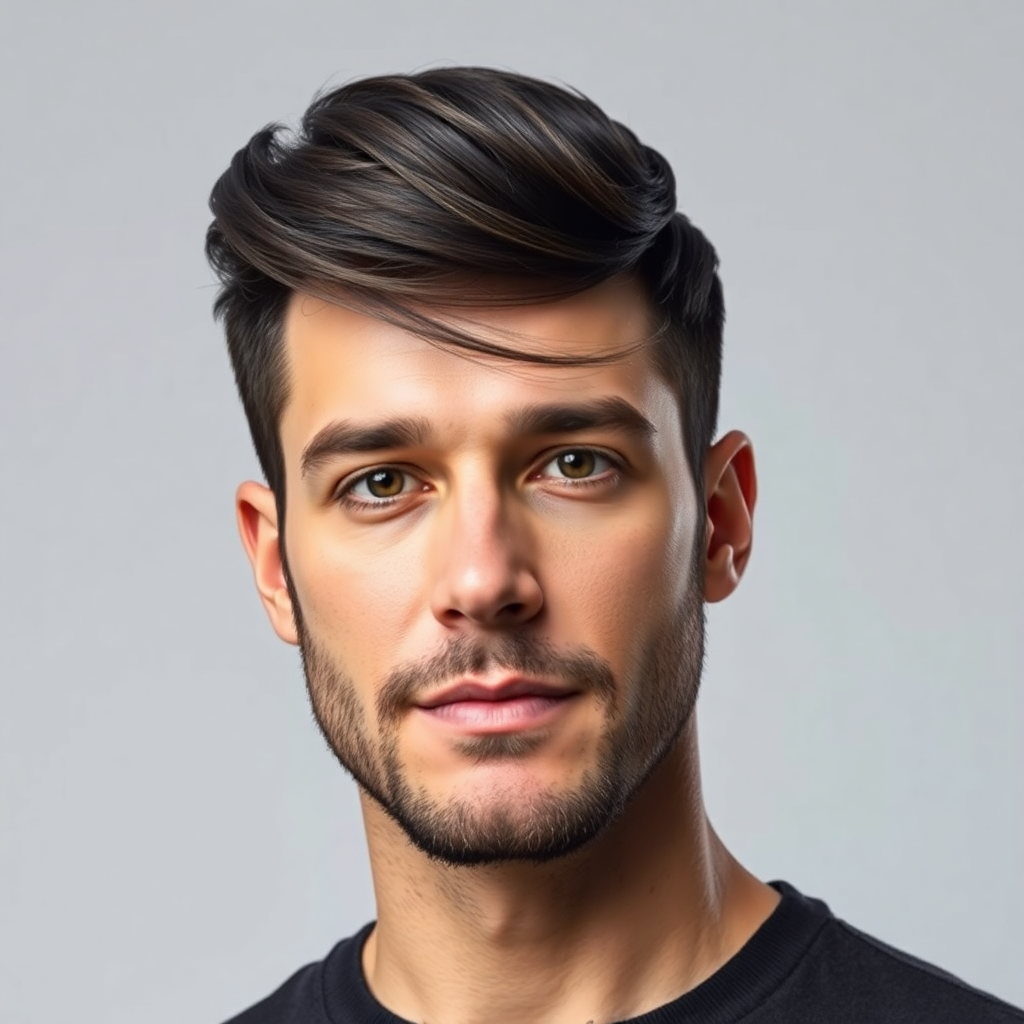
Hair across the top grows to four inches, with long layers moving from the crown toward a thick, textured fringe near the eyebrows. The upper sides stay full and blend naturally into the top, while only the sideburns and neckline receive a clean taper.
This is the longest and softest option in the collection. It can work for thick straight hair, loose waves, and broad curls when the barber shapes the weight around the head. The fuller sides create a less aggressive outline and allow the haircut to grow toward a medium crop without a difficult disconnected stage.
Ask for long internal layers and a visible Edgar-inspired front rather than a short blunt line. Blow-dry forward using the fingers, then lift the upper layers for shape. Light cream keeps the ends flexible. This style requires more daily attention but fewer fade appointments than a high-skin version.
Conclusion
Choosing between these cuts starts with the shape you already have rather than the fade that looks sharpest in one photo. A round face often benefits from added height or broken texture. Longer faces may look more balanced with a heavier fringe and fuller upper sides. Straight hair produces clear lines, while waves, curls, and coils create softer movement that can make the style feel more personal.
Maintenance should also guide the decision. Skin fades, lineups, and shaved designs need regular edge work. Low tapers and longer textured versions grow out with fewer obvious changes. Before your next appointment, save two or three Edgar haircut ideas for men that match your natural texture, then show the barber the front, side, and back details you prefer.
A strong reference photo helps, but the final cut should follow your density, growth pattern, and daily styling habits. The latest Edgar is no longer one fixed haircut. Its most interesting versions are the ones that keep the recognizable front shape while allowing the wearer’s natural hair to change the rest of the design.
Frequently Asked Questions
1. What face shape looks best with an Edgar haircut?
Oval, long, and angular faces often carry the blunt fringe and rounded top well. Round faces can also wear the cut when extra texture or height is added above. The barber should adjust the fringe width and side volume rather than applying one outline to every face.
2. Is an Edgar a good haircut for a round face man?
A textured Edgar with moderate height can lengthen the appearance of a round face. Keeping some darkness near the upper sides also prevents the head from looking overly narrow. A flat, wide top may emphasize facial width, so softer texture is often a better choice.
3. Can men with square faces wear an Edgar cut?
A softer fringe or low taper can balance a strong square jaw. Sharp temple corners and a heavy horizontal fringe create an even more angular appearance, which some men prefer. Ask the barber to break the front texture when you want less geometric structure.
4. Does an Edgar haircut work for a long face?
A fuller fringe can reduce the amount of visible forehead and create a shorter facial appearance. Keep the top relatively low instead of adding tall spikes. Extra upper-side weight may also provide balance, especially when the face is narrow as well as long.
5. What Edgar style suits an oval face?
Most variations work because an oval face handles different top heights and fade placements. A classic mid fade gives a balanced result, while a longer textured top adds movement. Choose according to hair density and maintenance needs rather than face shape alone.
6. Is the Edgar a good haircut for a big forehead man?
The forward fringe can cover part of the forehead and shift attention toward the eyes. A longer or textured front usually offers more coverage than a short squared edge. Avoid pushing the hairline backward during a lineup when preserving forehead coverage is a priority.
7. Can an Edgar help balance a chubby face?
Added height and a slightly narrower fringe can create a longer visual line. Keeping the sides neat without taking the fade excessively high may preserve better proportions. A barber can also build diagonal or broken texture to reduce the width of a solid horizontal front.
8. Which Edgar cut is the best hairstyle for face shape balance?
A low taper with a medium textured top is one of the most adaptable choices. It leaves enough side weight for adjustment and allows the barber to control fringe width, height, and direction. More extreme fades offer less room to correct the overall silhouette.
9. Does straight hair work well for an Edgar?
Straight hair displays the blunt fringe and rounded outline clearly. Thick straight strands often need little product beyond light control. Fine straight hair may benefit from shorter layers or styling powder so the top does not separate and expose gaps along the front.
10. Can wavy hair hold an Edgar shape?
Waves create a looser, more textured surface while the haircut maintains its forward direction. The barber can preserve natural bends through the top and define only the lower fringe boundary. Light cream or low-airflow drying can help the pattern remain visible.
11. Is an Edgar suitable for curly hair men?
Curls can form a rounded, full top with a controlled front outline. The fringe does not need to become completely straight. Keeping enough length for curl formation usually produces a stronger result than cutting the top too close.
12. Can coily hair be cut into an Edgar?
Short coils can create a dense top above a shaped horizontal front. Temple fades and low tapers frame the texture without removing too much side weight. The barber should work with the natural coil pattern rather than trying to force it into a flat surface.
13. Which Edgar works for thick hair men?
Layered, fluffy, and classic blunt versions all benefit from natural density. Internal weight removal can stop the top from becoming bulky, but excessive thinning may weaken the fringe. A skilled barber should preserve fullness at the front while controlling the crown.
14. Can men with thin hair wear an Edgar?
A shorter textured top may create a fuller appearance by reducing separation between strands. Heavy, long fringes can reveal gaps when density is low. Matte styling powder may add temporary lift, though the haircut should be planned around the natural coverage available.
15. Is an Edgar suitable for fine hair men?
A compact crop with light layers often works better than a large fluffy top. Keeping the top short reduces the weight that pulls fine strands flat. Avoid heavy waxes and oily products because they can group the hair into narrow sections.
16. How do I ask my barber for a classic Edgar?
Request a short forward top, a blunt horizontal fringe, and your preferred fade height. Show front and side reference photos because fringe length and fade placement vary. Explain whether you want a solid smooth top or added texture before cutting begins.
17. What should I tell my barber for a low taper Edgar?
Ask to keep most of the side weight while tapering the sideburns, temple edges, and neckline. Request a forward textured top with a defined fringe. Mention that you do not want a full fade traveling around the entire side of the head.
18. What clipper guard is commonly used on Edgar sides?
Guard choice changes according to the fade and desired darkness. Barbers may use several guards during one blend rather than one number across the side. Show the amount of scalp exposure you prefer instead of relying only on a guard request.
19. What does a number one guard look like?
A number one generally leaves short visible stubble rather than bare skin. Exact results can vary by clipper system and cutting direction. Ask the barber to show a sample area or explain the planned blend before the full side is shortened.
20. What is a skin fade on an Edgar?
The lowest section is cut down to exposed skin and blended gradually into longer hair above. It creates stronger contrast beneath the dark top. Skin fades look crisp after the appointment but show growth sooner than tapers or shadow fades.
21. Should the Edgar fringe be cut with clippers or scissors?
Either method can work. Clippers create a firm geometric edge, while scissors may produce a softer or more textured finish. Many barbers combine cutting methods according to hair texture, density, and the amount of sharpness requested.
22. What is a lineup with an Edgar haircut?
A lineup defines the temples, front corners, and nearby edges with clean geometric lines. The barber should respect the natural growth pattern rather than pushing the outline backward. Regular maintenance is needed because new growth softens the shape quickly.
23. Should I bring a haircut photo to the barbershop?
Reference images reduce confusion because terms such as low fade, fluffy top, and textured fringe can mean different things. Bring front, side, and back views when possible. Choose photos showing hair texture close to your own for a more realistic discussion.
24. What product works for a textured Edgar?
Matte paste, clay, or styling powder can add separation without creating a glossy surface. Product choice depends on hair thickness and dryness. Begin with a small amount, then add more only where extra hold is needed.
25. Is pomade good for an Edgar haircut?
Pomade can suit a smooth, controlled Edgar when a polished finish is preferred. Heavy or high-shine formulas may flatten fluffy texture and separate fine hair. Apply a small amount to dry or slightly damp hair and direct it forward.
26. Can styling powder create a fluffy Edgar?
Powder can add root lift and reduce the flat appearance of straight hair. Apply lightly near the roots, then lift the top with the fingers. Too much may leave the hair stiff, dry, or difficult to reshape during the day.
27. Should I blow-dry an Edgar forward?
Forward airflow helps establish the main direction from crown to fringe. For a fluffy finish, direct some air upward through the roots while keeping the front aimed down. Low or medium heat gives more control and limits unnecessary dryness.
28. Can I style an Edgar without a hair dryer?
Short classic versions can often be shaped with the fingers and a small amount of product. Longer, fluffy, or highly textured tops may need airflow for added lift. Natural drying works best when the haircut already follows the hair’s growth direction.
29. How do I keep an Edgar fringe straight?
Comb the damp front into position, dry it in the desired direction, and use light product for control. The line itself comes mainly from accurate cutting. Do not repeatedly trim small uneven sections at home because the edge can become higher over time.
30. How often should an Edgar haircut be trimmed?
Skin fades and sharp lineups may need attention sooner than low tapers. Many men schedule service according to how quickly their edges lose definition. The top can often go longer between cuts when the fringe remains clear and the crown keeps its shape.
31. How fast does an Edgar lose its clean appearance?
Visible change depends on personal growth rate, fade height, hair color, and contrast with the scalp. Bare-skin areas usually show new growth sooner than shadow fades. A low taper tends to appear more natural during the growing stage.
32. Is an Edgar a low-maintenance men’s haircut?
Short textured versions can be easy to style each morning, but sharp fades and lineups need regular barber work. A low taper Edgar reduces appointment pressure while keeping the forward shape. Maintenance depends on both styling time and desired edge sharpness.
33. How do I grow out an Edgar haircut?
Allow the sides to gain length while keeping the top lightly shaped. A barber can soften the fringe, blend the corners, and move the cut toward a crop or medium layered style. Avoid repeatedly taking the sides back to skin during the transition.
34. What haircut can I switch to after an Edgar?
A French crop, Caesar, textured crop, short mullet, or longer layered fringe can develop from the existing shape. The easiest choice depends on top length and fade height. Keeping some side growth creates more options during the change.
35. Can I trim the Edgar fringe at home?
Small corrections are possible, but a horizontal edge can become uneven or rise quickly after repeated home trimming. Use proper haircutting tools and remove minimal length. A barber visit is safer when the line requires reshaping rather than minor cleanup.
36. Does an Edgar work as a short haircut for a receding hairline?
A textured forward top may provide coverage when recession is mild, but results depend on density and the pattern of the hairline. Avoid forcing a sharp lineup into areas with limited growth. A softer crop may create a more natural finish.
37. Is the Edgar suitable among haircuts for thinning hair men?
Short layers can reduce the contrast between dense and sparse areas, although a heavy blunt fringe may expose uneven density. Ask the barber to assess coverage under normal lighting. Styling choices can change appearance but do not alter the underlying growth pattern.
38. Can older men wear an Edgar haircut?
Age does not set a fixed rule. A low taper, shadow fade, or controlled textured top can create a more understated version. Men seeking hairstyles for older men may prefer softer edges and less extreme height than the boldest youth-focused cuts.
39. Are there Edgar haircuts for men over 40?
A short textured Edgar with a low fade can look clean without appearing overly dramatic. Keeping natural gray hair and avoiding an oversized fluffy top may create a mature finish. Personal style and workplace setting matter more than age alone.
40. Can an Edgar work with a widow’s peak?
The barber can shape the fringe around the natural center point or soften the front with texture. Cutting a perfectly straight line may require removing more hair in some areas. A broken fringe often works better when the peak is pronounced.
41. What is the difference between an Edgar and a Caesar cut?
Both use forward-directed hair and a short fringe. The Edgar commonly features a sharper front edge, a rounder top shape, and stronger fade contrast, while many Caesar cuts keep softer, more connected sides. Modern variations can overlap.
42. How is an Edgar different from a French crop?
A French crop often carries more broken texture and a less rigid fringe, while an Edgar usually emphasizes a firm horizontal front and rounded silhouette. Either style can use a fade. Some modern cuts combine features from both categories.
43. What is the difference between a taper Edgar and a fade Edgar?
A taper shortens selected areas near the sideburns, temples, and neckline while leaving more hair through the sides. A fade creates a broader transition around the head and may reach bare skin. The taper usually grows out more softly.
44. Is a low fade or high fade better for an Edgar?
A low fade preserves more side weight and often looks less aggressive. A high fade creates stronger contrast and emphasizes the top shape. Face proportions, head shape, hair density, and workplace preferences should guide the choice.
45. What is the difference between a mid fade and a drop fade Edgar?
A standard mid fade often follows a level path around the head. A drop fade curves downward behind the ears toward the back. The dropped shape preserves more rear weight and can create a fuller profile around the crown.
46. Are Edgar cuts still part of men’s hairstyles 2026?
Current grooming coverage continues to feature classic, taper, fluffy, curly, textured, and longer Edgar variations. The style now functions as a broad haircut family rather than one fixed high-fade shape.
47. Can an Edgar be worn in a professional workplace?
A low taper, soft texture, and moderate fringe usually appear more restrained than a high skin fade with designs. Workplace standards differ, so observe the expected grooming level in your field. Keeping edges neat often matters more than the haircut name.
48. Does an Edgar haircut match a beard?
Short shaped facial hair can balance the blunt fringe and connect cleanly through the sideburn area. A faded beard creates a gradual transition from the haircut. Longer beards may work when their width and outline complement the face rather than compete with the top.
49. Which Edgar styles are popular for younger men?
Fluffy tapers, textured fringes, burst fades, curly tops, and Edgar mullets offer more movement than the classic flat version. Trends change across regions and social groups, so choose a style that suits natural texture rather than copying every detail from one image.
50. What is the best way to choose between these haircut ideas for men?
Compare top length, fringe shape, side contrast, and required maintenance. Select photos featuring hair density and texture close to your own. Then ask the barber which parts fit your growth pattern and which details may need adjustment for a balanced result.
Trending Haircuts and Hairstyles for Men
Explore modern fades, textured crops, classic styles, bold cuts, and fresh hairstyle inspiration for every hair type.