
Bob Odenkirk’s wardrobe works because it never appears to be competing with the man wearing it. His public style rests on dark colors, uncomplicated layers, comfortable tailoring, and sneakers that soften the formality of a jacket. The effect feels polished without suggesting that he spent the morning studying runway photographs.
The American actor, writer, comedian, director, and producer remains best known for playing Jimmy McGill and Saul Goodman in Breaking Bad and Better Call Saul. Yet his career stretches far beyond one television character. He wrote for Saturday Night Live, helped create Mr. Show with Bob and David, became an unexpected action lead in the Nobody films, made his Broadway debut, and continued that physical screen persona with Normal in 2026. The Television Academy lists 20 Emmy nominations and two wins across his writing, acting, and producing career.
His clothing has evolved alongside that wider public identity. Earlier appearances favored safe business suits. Recent looks include tonal black outfits, relaxed crewneck sweaters, softly constructed jackets, light trousers, dark sneakers, and occasional custom tailoring with far more personality. The strongest lesson is not to copy each expensive item. It is to understand how comfort, proportion, and restraint can make everyday clothing appear considered.
Biography, Age & Background
Odenkirk’s current image combines several careers that once seemed unlikely to belong to the same person. His Midwestern upbringing led to Chicago comedy, television writing, cult sketch work, prestige drama, Broadway, and action filmmaking. Understanding that path helps explain his fashion identity. He dresses less like someone manufactured for celebrity culture and more like a working creative professional who gradually became comfortable occupying the center of the frame.
From Berwyn Beginnings to a Naperville Childhood
Robert John Odenkirk was born on October 22, 1962, in Berwyn, Illinois, and was raised in Naperville. As of July 2026, he is 63 years old. He grew up in a large family as the second of seven children, an environment that likely rewarded quick timing, observation, and the ability to make oneself heard without becoming precious about attention.
Naperville did not represent creative possibility to him as a teenager. He has discussed feeling impatient with suburban life and wanting access to the activity of a major city. That dissatisfaction mattered because it pushed him toward Chicago’s radio, writing, and improvisational communities rather than toward a predictable professional route.
His background also helps explain why his current wardrobe avoids obvious status signaling. Even when dressed by a stylist, he tends to look grounded. A dark sweater, straight trousers, and clean sneakers fit the public image of a Midwestern comedy writer far more naturally than layers of jewelry or heavily branded streetwear.
College Radio Built the Voice Before Television Found the Face
Odenkirk attended the College of DuPage, spent time at Marquette University, and later studied at Southern Illinois University Carbondale. At SIU, he worked in college radio and developed a late-night comedy program. He eventually completed a bachelor’s degree in communications after finishing remaining coursework in Chicago. SIU later awarded him an honorary Doctor of Performing Arts degree.
Radio gave him room to experiment without worrying about appearance. The joke, rhythm, and idea mattered more than the performer’s clothes or face. That background stayed visible during the first half of his career, when he thought of himself mainly as a writer rather than a conventional actor.
Chicago then placed him near influential improvisational teachers and collaborators. He studied performance, met Robert Smigel, and entered the community that would lead him toward television writing. His current ease in simple clothing reflects the same priority system. Presentation supports the work, but it does not need to overwhelm it.
Why Odenkirk Became a Late-Blooming Leading Man
Odenkirk began his professional career behind the scenes. Writing jobs, sketch shows, directing assignments, and supporting performances filled the years before Saul Goodman made him widely recognizable. Even after joining Breaking Bad, he was not positioned as a standard Hollywood leading man. Saul was funny, slippery, loud, and deliberately overdressed.
Better Call Saul changed the scale of his public identity. It required him to carry a dramatic series while portraying Jimmy McGill as vulnerable, ambitious, charming, destructive, and emotionally guarded. His performance earned six Emmy nominations for lead actor in a drama, while the series also gave him producer credits.
That late rise matters to his style. Odenkirk did not spend his twenties being photographed in designer clothing. His fashion education happened in public while he was already middle-aged. The result is a wardrobe that often looks attainable: proper fit, controlled color, useful shoes, and enough texture to prevent simplicity from feeling dull.
Height, Weight & Body Measurements
Odenkirk’s proportions play a practical role in how his outfits work. He does not have the exaggerated height or bodybuilder frame often associated with action stars, which makes his clothing choices more relevant to many men. His best outfits create a clean vertical line, keep excess fabric under control, and use jackets that follow the body without pinching it.
How His Reported Five-Foot-Nine Height Shapes His Tailoring
IMDb lists Bob Odenkirk at 5 feet 9 inches, or approximately 1.75 meters. That figure should be treated as a reported entertainment-industry listing rather than a medically confirmed measurement. No official personal profile appears to publish a verified height.
At that height, jacket and trouser proportions become more noticeable. Long suit coats can shorten the legs visually, while oversized trousers may cause the body to appear wider. Odenkirk’s stronger recent looks avoid both problems. His jackets usually end at a conventional point around the seat, and his trousers tend to fall without large pools of fabric around the shoes.
Single-color dressing also helps. Black trousers, black sneakers, and a black top create an uninterrupted line. The eye does not stop at a contrasting belt, bright sock, or bulky shoe. This is one reason his dark street style appears sharper than its individual pieces might suggest.
A Leaner Action-Ready Frame Without Superhero Bulk
Odenkirk’s move into action films changed his physical presence, but he did not attempt to build the exaggerated shape of a comic-book hero. For Nobody, he trained for about two years with stunt performer and fight coordinator Daniel Bernhardt. The program emphasized screen fighting, movement, circuits, boxing, coordination, and the ability to complete extended choreography.
That work produced a lean, functional build. The distinction matters for clothing. Heavy upper-body mass can require unusually broad jackets and tapered waists, but Odenkirk’s proportions remain closer to those of an active everyday man. Softly structured blazers, straight-leg trousers, crewneck sweaters, and fitted T-shirts sit naturally on him.
His physique also supports the central joke of his action career. He looks capable but not invincible. Clothing preserves that relatability. Rather than wearing aggressive tactical fashion off-screen, he often appears in clothing that could belong to a professor, writer, director, or creative executive.
Why Weight, Chest Size and Shoe Size Should Not Be Guessed
Reliable public sources do not confirm Odenkirk’s current weight, chest measurement, waist measurement, or shoe size. Online celebrity databases publish various numbers, but those figures are often repeated without attribution and may not account for changes caused by age, training, costumes, or individual film preparation.
Visual estimates are not a responsible substitute. Camera lenses, posture, tailoring, footwear, and the height of nearby people can change how a body appears. Weight can also fluctuate between productions without indicating a planned transformation.
What can be assessed is clothing behavior. He looks best when garments skim rather than squeeze his frame. His recent trousers offer enough room through the thigh, while his jackets avoid thick shoulder padding. Men with similar proportions can follow that approach without needing his measurements: fit the shoulders first, control sleeve and trouser length, and leave enough room to move naturally.
Wife, Girlfriend & Family
Odenkirk keeps family life visible in selective, respectful ways. He discusses his wife and children in interviews, collaborates creatively with family members, and speaks openly about fatherhood. He does not turn the people around him into a constant publicity campaign. That boundary has helped his lifestyle image remain warm without becoming invasive.
His Long Marriage to Producer Naomi Yomtov Odenkirk
Bob Odenkirk married producer Naomi Yomtov in 1997, and they remain married. She has worked in entertainment and served as an executive producer on W/ Bob & David. Public coverage often refers to her as both a creative professional and a steady figure in Odenkirk’s career.
Their relationship predates the dramatic success of Better Call Saul by many years. She therefore experienced his career when he was known mainly inside comedy circles, as well as the later period when he became an internationally recognized actor.
Recent interviews suggest that they continue to travel and make decisions together. Odenkirk has spoken about plans to spend more time away from constant work, including a Paris trip with his wife. Naomi also encouraged his Machu Picchu journey with David Cross after his 2021 health scare.
Their shared public style is generally understated. Appearances together rarely resemble a coordinated fashion campaign. That suits his image: clothes are polished enough for the occasion, while the relationship remains the focus.
Nate and Erin Have Developed Their Own Creative Paths
The couple has two adult children, son Nate and daughter Erin. In 2026, Odenkirk discussed Nate’s comedy writing and said he hoped to help produce a television pilot his son had written. He described Nate’s humor as more precise and observant than his own louder early comedy.
Erin illustrated Zilot & Other Important Rhymes, the children’s poetry collection she created with her father. The project grew from poems and wordplay associated with family life. It offered a public collaboration that felt personal without exposing private details.
Odenkirk has also spoken candidly about becoming an empty nester. He said fatherhood had given his life a sense of purpose that professional work could not fully replace, even as his children became independent.
That perspective adds context to his lifestyle. Despite red carpets, action films, and awards events, his public priorities sound domestic rather than status-driven. His clothing follows the same direction: presentable, practical, and rarely built around spectacle.
Comedy Runs Through the Wider Odenkirk Family
Bob’s younger brother Bill Odenkirk has built his own career as a television writer. Bill has written for programs including Futurama, The Simpsons, and Disenchantment, and he previously contributed to Mr. Show. Before entering television comedy, he earned a doctorate in chemistry.
The brothers’ careers show that comedy in the family was not limited to performance. Both treated humor as writing, structure, editing, and craft. Their professional connection also reinforces Bob’s original identity as a writer who happened to become increasingly visible on camera.
Growing up among seven siblings may have sharpened his ability to observe differences in personality and speech. It also appears to have limited any appetite for self-serious celebrity presentation. Even in formal settings, he often carries a slightly skeptical expression, as though he remains aware that the red carpet is an unusual workplace.
His fashion benefits from that attitude. He can wear an adventurous satin suit without appearing consumed by it because the clothing never erases the comedy writer underneath.
Career, Income & Net Worth
Odenkirk’s income comes from a long collection of creative roles rather than one isolated acting salary. Writing, producing, directing, television performance, films, books, live work, and stage acting have all contributed to his career. Public net-worth figures should still be treated carefully because his contracts, investments, taxes, expenses, and ownership arrangements are not publicly audited.
Emmy-Winning Writing Created the Foundation
Odenkirk joined the writing staff of Saturday Night Live in the late 1980s. He later worked on The Ben Stiller Show, Late Night with Conan O’Brien, and other comedy projects before co-creating Mr. Show with Bob and David. The Television Academy records two Emmy wins and 20 nominations across his career.
Those writing years shaped his later acting. He understands how scenes are constructed, where a comic beat should land, and how repetition can build tension. He has even compared learning action choreography to assembling a comedy sketch, with movements replacing lines and physical consequences replacing punchlines.
The financial lesson is that his career developed through accumulated skills. Writing led to performance. Performance led to producing. Dramatic acting led to action films. That range is more meaningful than a speculative annual salary because it explains why his earning power could continue after any single series ended.
Saul Goodman Repositioned His Entire Career
Saul Goodman first appeared in Breaking Bad as a brightly dressed lawyer with questionable ethics and sharp survival instincts. The role expanded because Odenkirk could balance humor with competence and danger. Better Call Saul then transformed the supporting character into Jimmy McGill, a dramatic lead whose charm and self-sabotage carried six seasons.
That performance changed how the industry viewed him. Roles in Nebraska, The Post, Little Women, The Bear, Lucky Hank, Nobody, Nobody 2, and Normal widened his screen identity. He also made his Broadway debut in the 2025 revival of Glengarry Glen Ross and received a Tony nomination.
His fashion followed the same movement. The loud, poorly balanced suits associated with Saul gave way to controlled real-life tailoring. Viewers who expected bright ties and salesman colors instead found navy suits, black knitwear, minimalist footwear, and clothing with more restraint than his defining character.
What Can Responsibly Be Said About Bob Odenkirk’s Net Worth
Screen Dollars publishes an estimated Bob Odenkirk net worth of approximately $16 million, while other entertainment websites give different figures. None of these estimates should be treated as confirmed. Odenkirk has not released audited personal financial statements, and private contract terms are rarely complete.
His known income channels include television acting, film roles, producing credits, screenwriting, directing, books, stage work, and likely residual payments from earlier productions. Producing the Nobody films and Better Call Saul may have offered different compensation structures from acting alone, but the exact arrangements are private.
Brand endorsements do not appear to define his finances or public profile. He is not strongly associated with a global fashion house, watch company, or sneaker label. That absence affects how his clothes are perceived. A sneaker looks like a personal styling choice rather than an obvious paid placement, even when a stylist or designer has supplied the outfit.
House, Cars & Luxury Lifestyle
Odenkirk’s lifestyle is less publicly documented than those of celebrities who display collections, properties, and vacations through social media. Reliable reporting reveals parts of his working life in Los Angeles, New Mexico, New York, and film locations, but it does not support a detailed inventory of mansions, luxury vehicles, watches, or private travel.
The Albuquerque House Became a Creative Base
During the production of Better Call Saul, Odenkirk and his wife purchased a house in Albuquerque. Cast members Rhea Seehorn and Patrick Fabian later stayed there during filming. The arrangement reduced the isolation Odenkirk had felt while living alone during the show’s first season and gave the actors space to talk through scenes outside working hours.
That story is more revealing than a property price would be. The house functioned as a shared creative base, not as a trophy residence presented through an architectural tour. Other recurring cast members could also stay there while working in New Mexico.
No private address should be published, and trustworthy sources do not provide enough information to label the interior with a particular design movement. Still, the property’s use reflects Odenkirk’s wider lifestyle: communal, practical, work-focused, and comfortable without being staged as an advertisement for wealth.
No Reliable Public Record Confirms a Luxury Car Collection
Lists claiming that Odenkirk owns particular sports cars or luxury SUVs are difficult to verify. No strong public source confirms a large car collection, signature vehicle, private jet, or heavily promoted watch wardrobe. His film characters may drive memorable vehicles, but character transportation should not be confused with personal ownership.
The lack of evidence is worth stating because celebrity lifestyle content often turns assumptions into facts. An actor photographed arriving in a car may have been using studio transportation, a rental, or a vehicle supplied for an event. The same issue applies to watches and jewelry worn during publicity appearances.
Odenkirk’s everyday image does not depend on automotive display. He is more likely to be described through a Cubs cap, sunglasses, black clothing, and sneakers than through a rare vehicle. In 2025, an Associated Press profile noted him entering a New York coffee shop wearing sunglasses and a Chicago Cubs cap, a far more grounded image than the standard celebrity-car narrative.
Travel Has Become Connected to Time, Friendship and Recovery
Odenkirk’s most publicly meaningful recent travel project was a Machu Picchu journey with longtime collaborator David Cross. The trip became the documentary Bob and David Climb Machu Picchu, combining physical effort, friendship, aging, comedy, and reflection after Odenkirk’s heart attack.
He has also discussed wanting to slow down and spend more time traveling with his wife. That shift does not present luxury as constant consumption. It frames time itself as the valuable resource, especially after decades of demanding production schedules.
His public lifestyle therefore feels elevated in a quiet way. There are major premieres, custom suits, respected restaurants, travel opportunities, and access to Hollywood institutions. Yet there is little evidence of a life organized around showing purchases. For readers, that makes his approach more useful: quality can appear through fit, experience, and selective spending rather than endless accumulation.
Celebrity Fashion & Personal Style
Fashion has become a stronger part of Odenkirk’s public presentation as his career has expanded. His street style is based on repetition rather than novelty: black knitwear, dark trousers, simple jackets, caps, sunglasses, and low-profile sneakers. Formal appearances add richer fabric or color while preserving clean lines. The balance between everyday comfort and occasional experimentation is what gives his wardrobe character.
Black Layers and Sneakers Form His Everyday Uniform
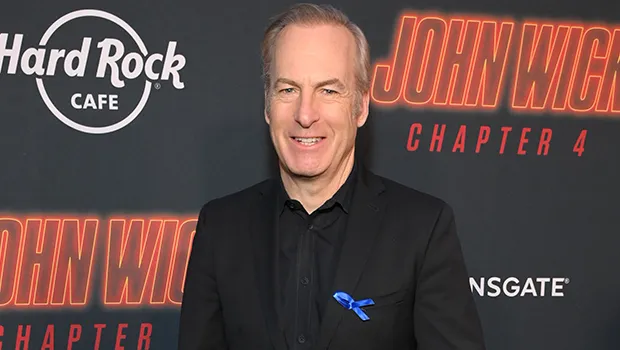
A 2026 Washington Post profile described Odenkirk dressed in black down to his sneakers while training. At the 2025 Tony nominees event, he appeared in a black crewneck sweater, light trousers, and dark sneakers. For the 2023 Lucky Hank premiere at SXSW, he paired a dark suit with a dark crewneck top and sneakers rather than a conventional shirt-and-tie combination.
These outfits show why his street style feels elevated. None relies on complicated layering. The interest comes from contrast between categories: tailored jacket with T-shirt, formal trousers with sneakers, or dark knitwear with pale pants.
Exact sneaker brands are not consistently identified by reliable fashion credits, so labeling every pair as a particular designer model would be guesswork. Visually, he favors understated shapes rather than oversized basketball shoes or highly technical runners. Dark uppers and restrained soles keep the footwear connected to the trousers.
For everyday men, this is the easiest part of his wardrobe to adopt. Choose sneakers with a clean shape, keep them in good condition, and pair them with trousers that end neatly above the shoe.
From Safe Navy Suits to Custom Red-Carpet Experimentation
Odenkirk previously leaned on classic dark tailoring. At the 2023 Golden Globes, he wore a navy suit with black leather shoes, an appropriate but cautious choice. At the 2022 Emmys, he joined several actors who added sunglasses to traditional formalwear, giving the look a slightly sharper daytime character.
His 2025 Nobody 2 premiere marked a more adventurous stage. He wore a two-tone satin suit with contrasting brown and pale pink-beige panels over a black shirt. The suit was connected publicly to designer Jaren Savage. Its asymmetry and shine were far removed from standard awards-season navy, yet the black shirt and restrained accessories kept it from becoming theatrical costume.
Later appearances continued the collaboration between styling and personality. Public fashion credits for the 2026 Normal premiere linked him with stylist Alison Hernon and Jaren Savage. The shift suggests growing confidence rather than a total reinvention. His strongest formal outfits still preserve simple foundations while allowing one element, such as fabric, color blocking, or jacket shape, to carry the visual interest.
Three Style Lessons That Work Beyond Celebrity Budgets
The first lesson is to reduce visual interruptions. Odenkirk’s black-on-black outfits make his frame look longer and allow sneakers to blend with the trousers. Men can recreate this with common pieces: a charcoal jacket, black crewneck, dark straight trousers, and simple leather or suede sneakers.
The second lesson is to separate comfort from carelessness. A T-shirt under a suit can look unfinished when the collar collapses, sleeves bunch, or jacket shoulders fit poorly. Odenkirk’s better casual-tailoring combinations work because each piece keeps its shape. Comfort comes from softer construction, not from wearing garments several sizes too large.
The third lesson is to experiment one step at a time. His two-tone premiere suit works in a celebrity setting, but most readers do not need a satin color-blocked outfit. A more practical adaptation would be a textured brown jacket, black shirt, plain trousers, and dark footwear.
His wardrobe is strongest when it feels like an improved version of what he might already wear. That is the difference between personal style and temporary costume.
Hair, Beard & Grooming Style
Odenkirk’s grooming has matured without attempting to hide every sign of age. His silver-gray hair, receding hairline, expressive forehead, and lightly lined face are part of his current screen identity. Grooming keeps the edges controlled while allowing him to look like himself, which supports both his dramatic credibility and his unusual appeal as an older action lead.
The Short Silver Haircut Keeps His Face Open
Odenkirk generally wears his hair short at the sides with slightly more length and texture across the top. The front is brushed back or allowed to sit naturally rather than being pulled forward to disguise the hairline. This exposes the forehead and creates a cleaner frame around his eyes.
That approach suits thinning or receding hair because it avoids an obvious cover-up. Longer strands combed across sparse areas often separate under strong lighting, drawing more attention to hair loss. A short, lightly textured cut creates a consistent surface and requires less rigid styling.
His gray coloring also works with his wardrobe. Silver hair contrasts well against black sweaters, navy suits, and dark jackets, preventing monochrome clothing from flattening his appearance. Men recreating the look can ask for short tapered sides, modest length on top, and enough texture to move without forming a stiff helmet.
Clean Shaving and Light Stubble Support Different Roles
Odenkirk moves between clean-shaven grooming and light facial stubble. Jimmy McGill’s face was usually kept controlled because the character depended on expressions that could shift rapidly between confidence, fear, calculation, and shame. Heavy facial hair would have changed that visual language.
For action and casual appearances, faint stubble can add definition around the jaw without turning him into a rugged caricature. It also works with short gray hair because both elements communicate age without making age the entire story.
His facial structure benefits from restraint. A large beard could add width to the lower face and compete with his strong brows and expressive eyes. Short stubble keeps attention near the center of the face.
Men following this approach should focus on consistent length and clean neck edges. The goal is not a perfectly sculpted beard. It is an intentional transition between shaving days that still looks suitable with tailored clothing.
No Public Evidence Supports a Celebrity Product Shelf
Reliable reporting does not confirm a signature Bob Odenkirk fragrance, skincare brand, hair product, or complicated grooming routine. Claims that he uses a particular serum, pomade, supplement, or anti-aging treatment should not be presented as fact without a direct interview or verified partnership.
His appearance suggests regular professional grooming for filming and events, but that applies to most working actors. Department hair and makeup teams prepare performers for cameras that expose details ordinary bathroom lighting does not.
The practical lesson lies in visible maintenance rather than product speculation. His hair is cut often enough to retain its shape. Brows remain natural but controlled. Skin is not disguised beneath heavy cosmetic effects during public appearances. Clothing collars also sit cleanly around the neck, which is an overlooked grooming detail.
A basic routine can produce the same impression: consistent haircut scheduling, gentle skincare, neat facial hair, clean nails, and clothing that does not look worn at the collar or cuff.
Fitness, Diet & Body Transformation
Odenkirk’s physical reinvention began as preparation for action filmmaking, but it became part of his daily life. His training was designed around movement and screen choreography rather than bodybuilding. A serious heart attack in 2021 changed the context of that fitness work, while later action projects and a high-altitude trek showed that he remained active under medical care.
Two Years of Training Turned a Comedy Writer Into an Action Lead
Before filming Nobody, Odenkirk trained with Daniel Bernhardt for roughly two years. Sessions included boxing fundamentals, fight choreography, bodyweight circuits, jump squats, push-ups, pull-ups, step-ups, and movement drills. The objective was to make sequences believable while allowing the camera to remain on him for longer portions of each fight.
He did not pursue maximum muscle size. A bulky transformation would have weakened the story of Hutch Mansell, an underestimated suburban father whose physical ability surprises everyone around him. Odenkirk needed coordination, endurance, timing, and enough strength to repeat movements safely.
His comedy background may have helped. Both sketch performance and fight choreography depend on rhythm, commitment, misdirection, and a precise sequence of actions. By 2026, he was still training and practicing combinations even when he did not have an immediate action shoot scheduled.
For most readers, the sensible takeaway is consistency and skill development, not copying a film stunt program without qualified supervision.
The 2021 Heart Attack Changed His Relationship With Work
Odenkirk suffered a heart attack on the Better Call Saul set in July 2021. He later explained that arterial plaque had been identified earlier and that a plaque rupture caused the emergency. Doctors treated him with stents, and he returned to production after recovering.
In later interviews, he described the incident as more severe than early public statements suggested. Colleagues and medical personnel responded after he collapsed during a filming break. He has since discussed taking medication, changing parts of his diet, and reconsidering the pace at which he works.
It would be irresponsible to claim that one workout method prevented worse harm or that his experience proves a medical rule for others. His treatment and recovery were individual medical matters. Exercise may be part of his present routine, but anyone with cardiovascular concerns needs guidance from qualified healthcare professionals rather than a celebrity training plan.
The visible change is philosophical as much as physical. Fitness became connected to time, family, mobility, and the ability to keep doing demanding work.
Current Training Appears Built Around Movement and Longevity
Odenkirk continued performing action scenes in Nobody 2 and Normal. Reports from Normal described him completing physical comedy and stunt work while preserving the character’s vulnerability. Two accidental falls were kept in the film because they supported the idea of an action hero who can be hurt.
His Machu Picchu trek with David Cross added a different test. Hiking at altitude required endurance and preparation, but the documentary’s emotional focus was friendship and mortality rather than athletic conquest.
No dependable public source provides a complete daily diet, calorie target, supplement list, or weekly training calendar. Recent reporting indicates that he made dietary adjustments after his heart attack, yet exact meal plans should not be invented.
His fitness identity is therefore best understood as functional. He trains to move, rehearse, travel, work, and remain capable. The resulting physique also complements his clothing: jackets sit cleanly, casual outfits retain shape, and sneakers look connected to an active life rather than added as a fashion prop.
Conclusion
Bob Odenkirk’s public image is built from contrasts that feel believable together. He is an Emmy-winning comedy writer who became a prestige-drama lead, a modestly proportioned actor who trained for extended screen fights, and a man associated with Saul Goodman’s loud suits who dresses far more quietly in real life.
His most useful outfits depend on discipline rather than extravagance. Dark crewnecks, softly tailored jackets, straight trousers, clean sneakers, short silver hair, and limited accessories give him a stable visual foundation. That consistency allows an unusual satin suit or stronger color combination to feel like a deliberate event rather than a desperate attempt at reinvention.
The designer element is less important than the structure beneath it. A costly sneaker cannot rescue trousers that collapse around the ankle. A custom jacket cannot compensate for uncomfortable posture. Odenkirk’s sharper appearances succeed because the proportions are controlled and the clothes still permit him to move like himself.
The practical lesson is to build an everyday uniform before buying statement pieces. Find the jacket length, trouser shape, knitwear, and sneaker profile that work repeatedly. Personal style becomes convincing when the clothes stop looking borrowed, even when they happen to be custom-made.
Frequently Asked Questions
How old is Bob Odenkirk?
Bob Odenkirk was born on October 22, 1962. He is 63 years old as of July 2026 and will turn 64 in October 2026. His later-career rise included leading Better Call Saul, entering action films, and making his Broadway debut after decades as a comedy writer and performer.
How tall is Bob Odenkirk?
IMDb lists him at 5 feet 9 inches, or approximately 175 centimeters. The measurement is widely repeated but does not appear to come from an official personal statement. His tailoring usually supports this height through controlled jacket length, clean trouser breaks, and low-profile footwear.
Is Bob Odenkirk married?
He has been married to producer Naomi Yomtov Odenkirk since 1997. Their relationship began long before his international success as Saul Goodman. Naomi has entertainment-industry experience and served as an executive producer on W/ Bob & David.
How many children does Bob Odenkirk have?
He and Naomi have two adult children, Nate and Erin. Nate works in acting and comedy writing, while Erin illustrated the poetry collection Zilot & Other Important Rhymes, which she created with her father. Odenkirk has spoken openly about adjusting to life as an empty nester.
What is Bob Odenkirk’s net worth?
One entertainment-industry source estimates his wealth at about $16 million, but the figure is not officially confirmed. His income has come from writing, acting, producing, directing, books, stage work, and residuals. Private contracts, expenses, taxes, and investments prevent an accurate public calculation.
What kind of sneakers does Bob Odenkirk wear?
He often wears understated dark sneakers with suits, sweaters, and straight trousers. Reliable fashion credits rarely identify the exact models, so specific brand claims should be treated cautiously. His footwear usually has a clean profile that blends into the outfit rather than becoming its loudest feature.
What is Bob Odenkirk’s everyday fashion style?
His everyday wardrobe centers on black knitwear, dark T-shirts, softly structured jackets, straight trousers, caps, sunglasses, and minimalist sneakers. He often combines one tailored garment with relaxed basics, creating an appearance that is more polished than standard casualwear but less rigid than traditional business clothing.
How did Bob Odenkirk get in shape for Nobody?
He trained for about two years with stunt performer Daniel Bernhardt, practicing boxing, screen fighting, bodyweight circuits, coordination, and repeated choreography. The program focused on functional movement rather than building superhero-sized muscles. Stunt training requires professional supervision and should not be copied without suitable coaching.
Celebrity Style Reports
Designer labels, signature outfits and modern menswear inspiration.