
The best shampoo brands for noticeable shine and stronger-feeling hair are Kérastase, Redken, Olaplex, and L’Oréal Paris. Kérastase leads for polished salon results, Redken suits damaged or color-treated hair, Olaplex works well when breakage is the main concern, and L’Oréal Paris delivers dependable performance without the premium price.
I’ve worked around salon products, retail formulas, and difficult wash-day routines for more than a decade. I judge shampoo by what happens after several washes—not by the perfume, packaging, or impressive lather during the first shower.
Quick Picks From the Best Shampoo Brands
The table below narrows the best shampoo brands by hair need, price level, and the trade-off worth knowing before you buy.
| Pick | Brand | Best For | Typical US Price | Main Drawback |
|---|---|---|---|---|
| Best overall | Kérastase | Shine and softness | $35–$45 | Expensive for frequent washing |
| Best for damage | Redken | Weak, processed hair | $25–$35 | Some formulas feel heavy |
| Best bond-care option | Olaplex | Breakage-prone hair | $30–$35 | Easy to overuse |
| Best affordable pick | L’Oréal Paris | Everyday shine | $8–$14 | Fragrance can be strong |
| Best for dry hair | Pureology | Color-treated dryness | $30–$38 | Rich on fine roots |
| Best for buildup | Ouai | Oily roots and residue | $30–$35 | Detox formula is not daily-use |
| Best for curls | Pattern Beauty | Curly and coily textures | $20–$25 | May feel too rich on loose waves |
| Best minimalist formula | Vanicream | Fragrance-sensitive users | $11–$15 | Little luxury appeal |
| Best drugstore moisture | Dove | Dry everyday hair | $6–$10 | Can flatten fine hair |
| Best scalp-focused range | Nizoral | Flaking concerns | $15–$20 | Medicinal formulas can feel drying |
| Best eco-minded option | Davines | Salon care with refill choices | $30–$40 | Higher cost per ounce |
| Best luxury experience | Oribe | Gloss and scent | $45–$55 | Price is difficult to justify |
Premium Shampoo Brands for Salon-Level Shine
The premium end of the market earns its price only when the formula solves a specific problem. A beautiful bottle and expensive fragrance mean little if your roots turn greasy by lunchtime or your ends still feel rough.
1. Kérastase — Polished Shine Without Stiffness
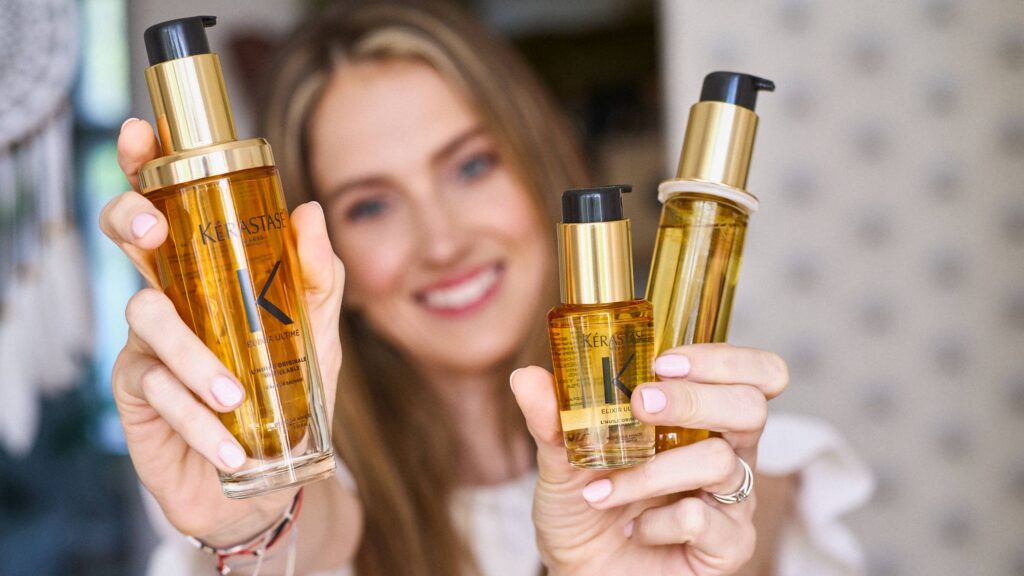
Kérastase takes the top spot because its ranges feel purpose-built rather than loosely divided into “dry,” “oily,” and “damaged.” The shampoos typically spread easily through wet hair, rinse clean, and leave enough slip that detangling requires less pulling. The result is controlled shine rather than the coated gloss some silicone-heavy formulas create.
Prices in the United States usually sit around $35 to $45, depending on the line and bottle size. It is widely sold through salons, Sephora, Ulta, and authorized beauty retailers.
The drawback is obvious: frequent washers can burn through a bottle quickly. Buy it when your hair is chemically treated, chronically rough, or difficult to manage. Skip it when you mainly need a basic cleanser and would rather put the extra money into a stronger conditioner or leave-in product.
2. Oribe — Luxury Gloss and Fragrance
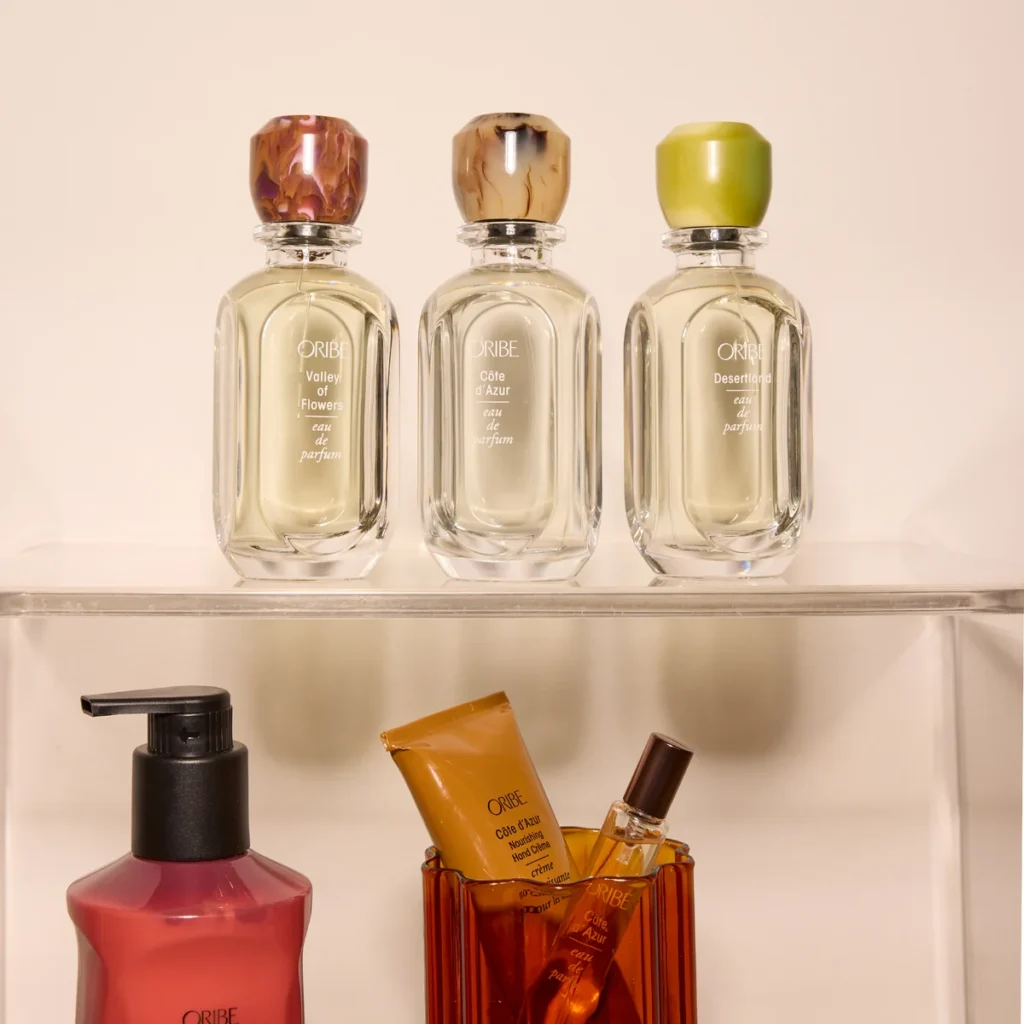
Oribe shampoos are made for people who want wash day to feel expensive. The textures are refined, the fragrance lingers, and several formulas leave hair with a smooth, camera-ready finish. Gold Lust is the familiar choice for dry or processed lengths, while Signature works as a more general cleanser.
A bottle commonly runs about $45 to $55 at US salons, department stores, Sephora, and selected online retailers. The packaging also behaves better in the shower than many decorative luxury bottles; pumps and caps matter more than people admit.
Still, the cost is difficult to defend for healthy, low-maintenance hair. Much of the appeal comes from the sensory experience. Choose Oribe when fragrance, finish, and styling polish matter. Pass when you want maximum repair per dollar.
3. Shu Uemura Art of Hair — Lightweight Luxury Care
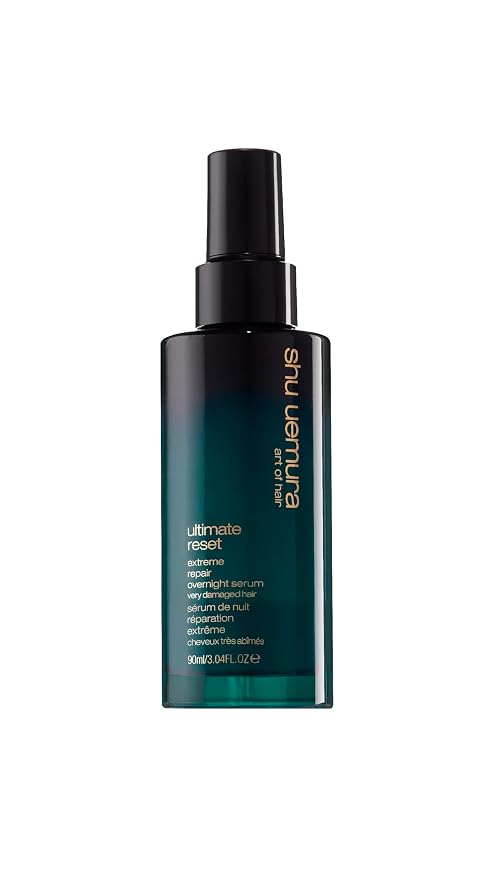
Shu Uemura Art of Hair is particularly good at making fine or medium hair feel conditioned without leaving it limp. The shampoos generally have a silky spread and controlled foam, so you can work them through the scalp without using half the bottle. Several ranges target color care, dryness, and weakened lengths.
US pricing typically falls between $40 and $55. Availability is narrower than that of Kérastase or Redken, though authorized salons and major beauty retailers carry the better-known formulas.
The weakness is value. Results can be lovely, but they are not always dramatically better than those from a carefully chosen mid-priced shampoo. Buy it if heavy moisture products usually flatten your hair. Skip it if you prefer a rich, buttery after-feel or need something easy to replace locally.
4. Davines — Soft Hair With Character
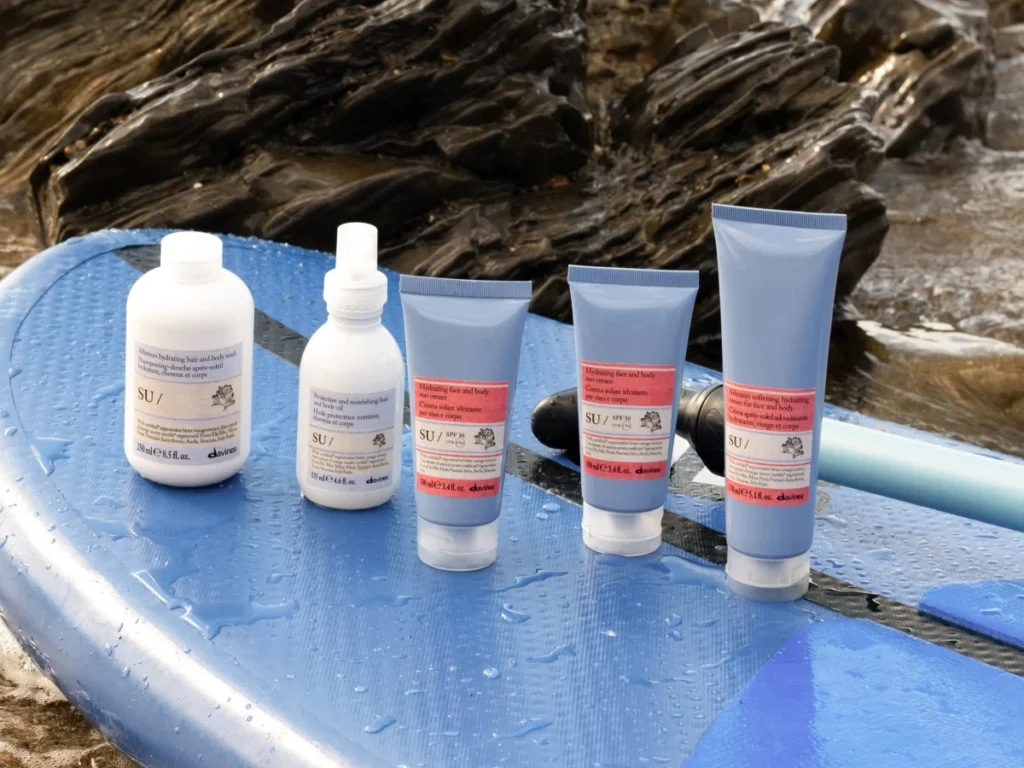
Davines has a devoted salon following because its shampoos feel distinctive. The brand offers ranges for smoothing, curls, volume, color care, and daily cleansing, often with compact bottles and concentrated textures. OI Shampoo is a popular shine-focused option, while the Essential Haircare family lets shoppers match formulas more closely to their hair behavior.
Most bottles typically cost around $30 to $40 through salons and authorized retailers. Some salons also support refill systems, though availability varies by location.
The small packaging can make the price feel sharper than expected. Fragrances are also noticeable, which will divide shoppers. Davines suits someone who wants softness, shine, and a salon-style wash without the heavier finish of traditional repair shampoos. Fine, oil-prone hair needs careful dosing.
5. R+Co — Styling-Friendly Cleansing
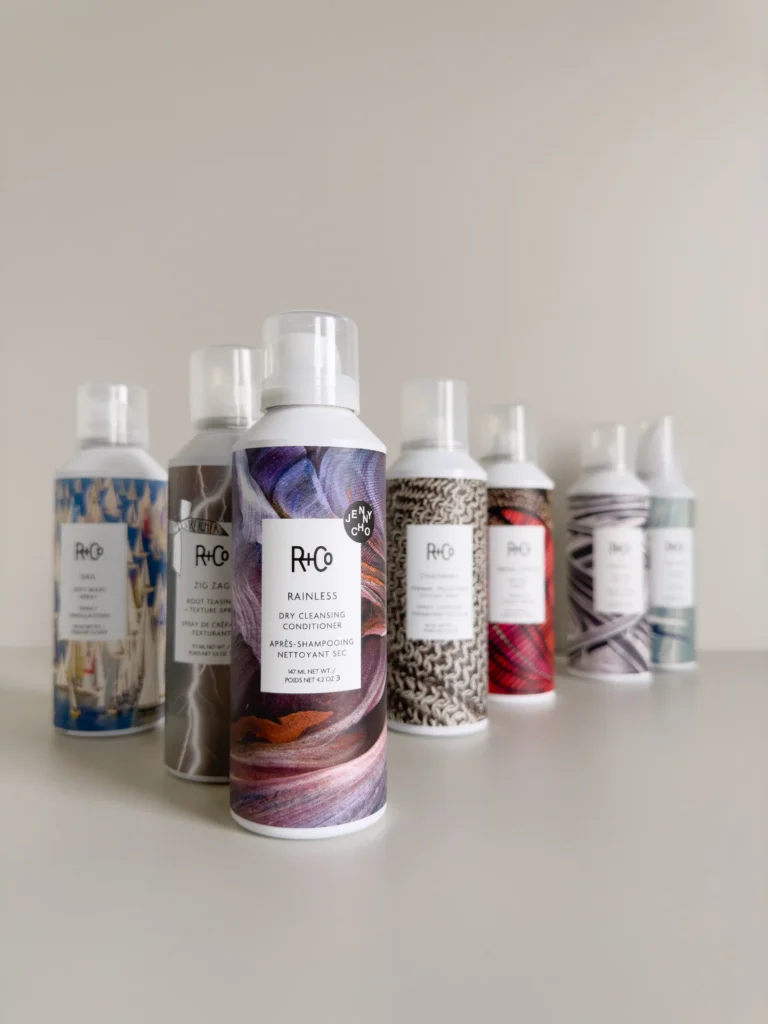
R+Co designs shampoo with the finished hairstyle in mind. Television Perfect Hair works as a balanced everyday option, while Dallas aims for fullness and Atlantis focuses on moisture. The shampoos tend to leave enough texture for styling instead of making hair so slippery that curls, waves, or blowouts collapse.
Prices usually land around $30 to $38 at US salons, beauty retailers, and authorized online stores. The bottles and names are memorable, but the formulas do most of the work.
The range can be confusing because the branding is louder than the practical distinctions. Some scents also linger. Pick R+Co when you style your hair regularly and want cleansing that supports volume or movement. Look elsewhere if you want fragrance-free simplicity.
Professional Shampoo Brands for Damage and Color Care
Professional formulas are often strongest when hair has been bleached, colored, heat-styled, or repeatedly tightened into damaging hairstyles. The best shampoo brands in this group clean without turning fragile lengths into a tangled bundle.
6. Redken — Dependable Repair for Processed Hair
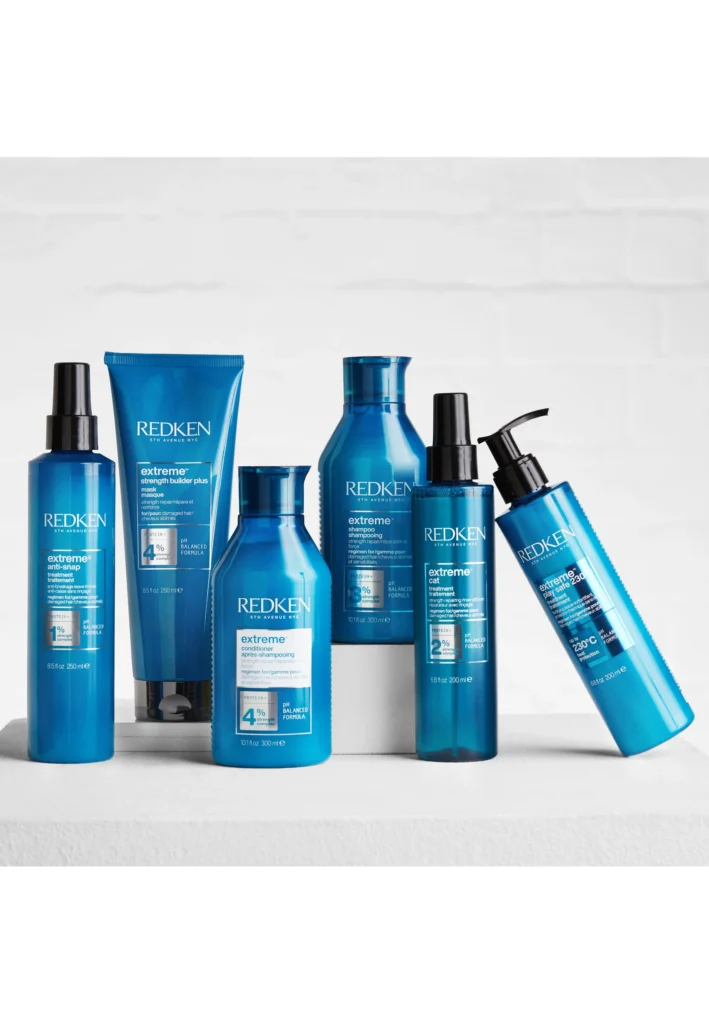
Redken is one of the safest recommendations for damaged or color-treated hair because the brand offers clearly separated systems. Acidic Bonding Concentrate is aimed at weakened, processed strands, while All Soft targets dryness and Volume Injection suits hair that collapses under richer products.
A typical bottle costs about $25 to $35 in the United States and is easy to find at Ulta, salons, and authorized retailers. The formulas generally produce a satisfying lather without requiring aggressive scrubbing.
Some lines are rich enough to weigh down fine roots, particularly when paired with the matching conditioner and leave-in treatment. Start with one product rather than buying the entire system. Redken works best when you can identify the exact problem you are trying to correct.
7. Olaplex — Focused Care for Breakage-Prone Hair
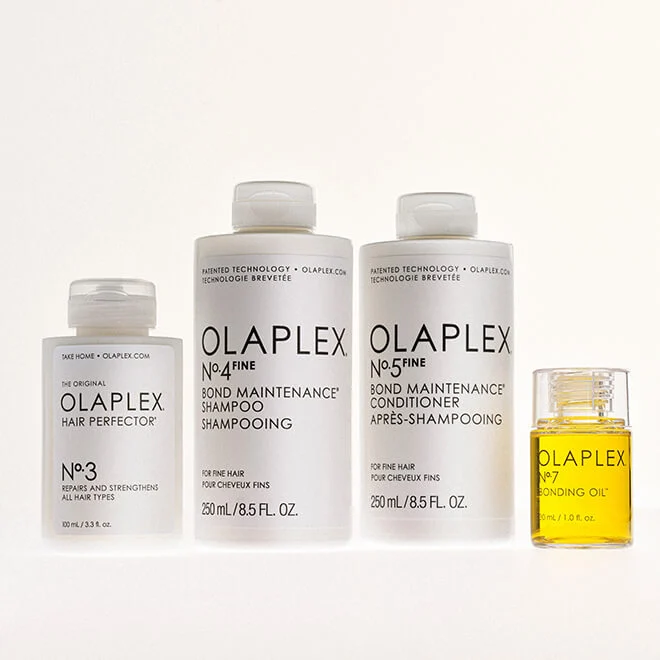
Olaplex became famous through professional bond-care services, and its No.4 Bond Maintenance Shampoo remains the brand’s central cleanser. It is concentrated, so a small amount usually covers more hair than expected. Used sensibly, it can leave processed lengths feeling smoother and less brittle during brushing.
The standard shampoo commonly sells for roughly $30 to $35 through Sephora, Ulta, salons, and authorized sellers. Counterfeits and questionable marketplace listings are common enough that the retailer matters.
The biggest problem is overuse. Some people stack the shampoo, conditioner, mask, oil, and treatment even when their hair does not need that much structure-focused care. Choose Olaplex for bleach, repeated coloring, or noticeable breakage. Alternate it with a gentler moisture shampoo if your hair starts feeling rigid or dull.
8. Pureology — Rich Moisture for Colored Hair
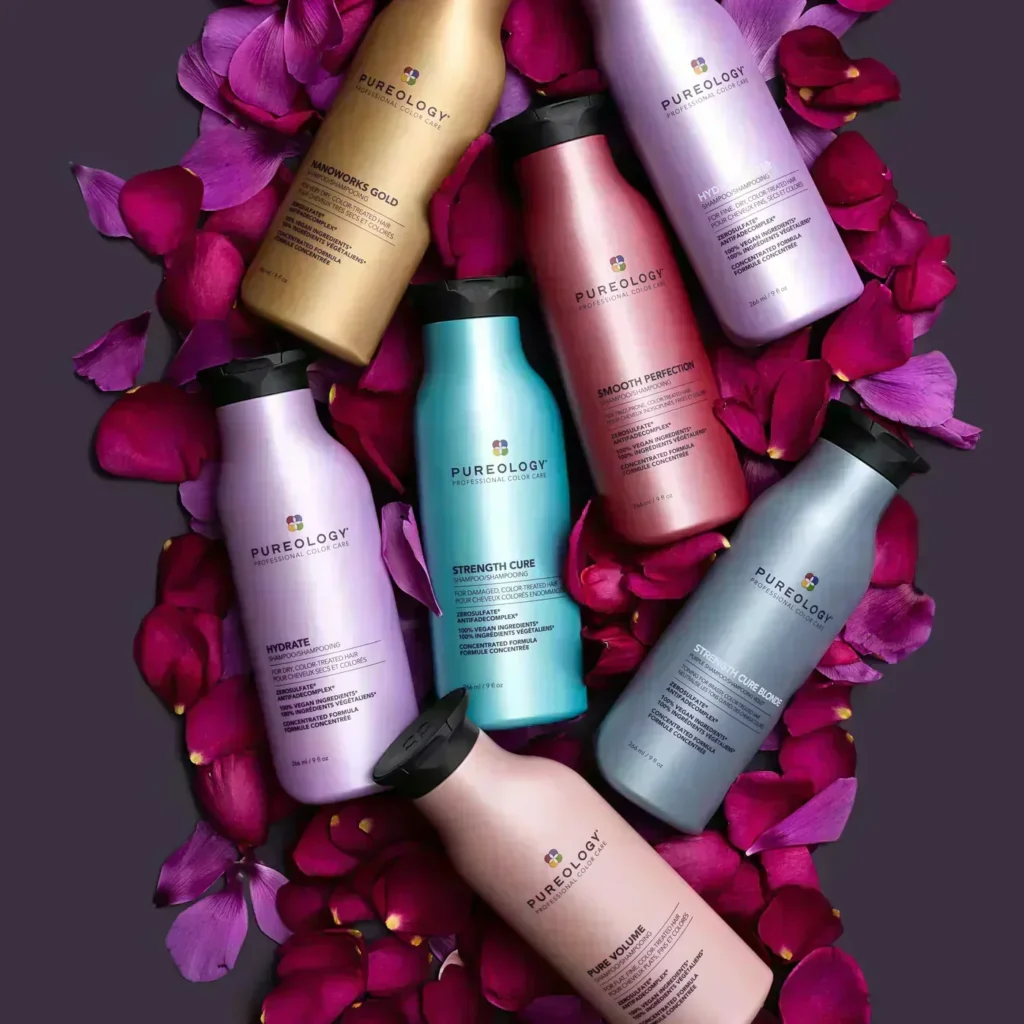
Pureology Hydrate has remained popular because it gives dry, color-treated hair noticeable slip without requiring a huge amount of product. The shampoo is concentrated, foams well, and works particularly well on medium, thick, or coarse hair that feels rough after coloring.
A bottle generally costs around $30 to $38, with larger sizes offering better value. It is readily available through Ulta, salons, and authorized beauty retailers.
The signature scent is strong, and the moisture level may overwhelm fine hair. I go back and forth on this brand because it can make dry lengths look excellent while making soft roots feel coated. Buy it when color treatment and dryness arrive together. Skip it when your scalp becomes oily quickly or your hair loses volume easily.
9. Matrix — Salon Performance at a Friendlier Price
Matrix offers professional-style cleansing without pushing into luxury pricing. Food For Soft targets dry hair, So Silver handles unwanted warmth in light hair, and A Curl Can Dream is built around textured hair needs. The shampoos are usually easy to understand and widely stocked.
US prices commonly range from $18 to $25, depending on size and formula. Larger bottles frequently make more sense for households where several people share products.
Some Matrix shampoos rely on noticeable fragrance, and the packaging feels functional rather than special. That said, it is a practical choice for shoppers who want salon distribution and consistent results without paying more than $30. Match the range carefully; the wrong Matrix formula can be too drying or too heavy.
10. Joico — Strong Support for Bleached Lengths
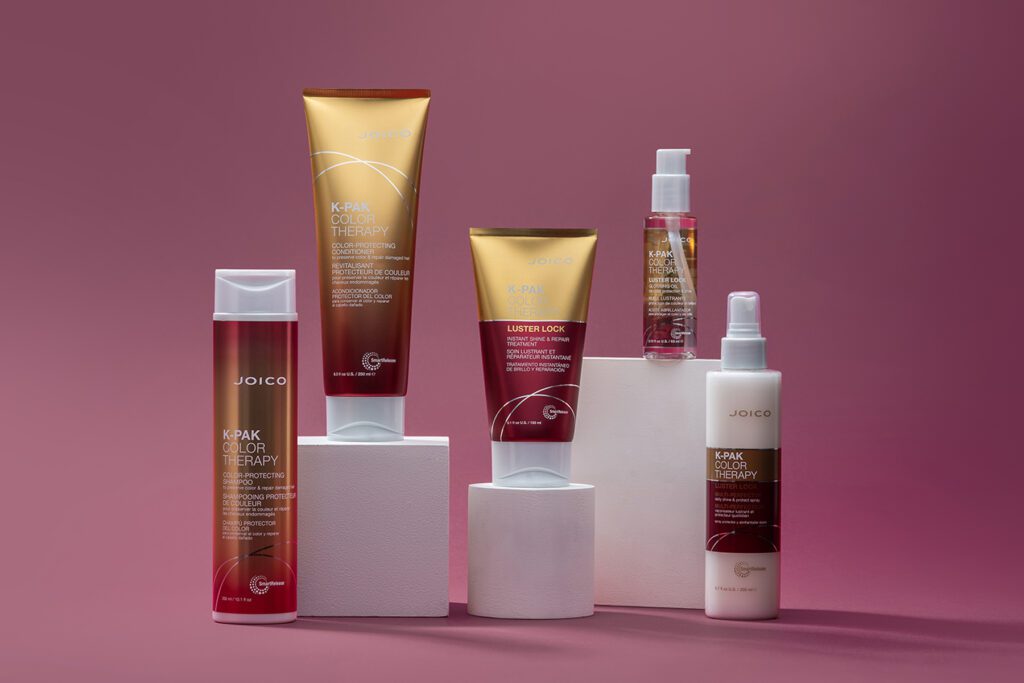
Joico has long served people whose hair has been lightened, colored, or repeatedly heat-styled. K-Pak is the repair-focused range most shoppers recognize, while Moisture Recovery suits thick, dry hair and Colorful targets color maintenance.
Most bottles typically sell for about $20 to $30 through salons, Ulta, and beauty retailers. The formulas tend to feel substantial, which is helpful when hair becomes porous and tangles as soon as it gets wet.
That substantial feel is also the drawback. Fine hair may lose bounce, especially if every product in the routine is labeled “repair.” Joico is a good buy for visibly stressed lengths that need easier detangling. Healthy, untreated hair usually does not require this much product.
Mid-Priced Shampoo Brands for Everyday Results
This category contains the shampoos I recommend most often. They are expensive enough to support targeted formulas but affordable enough that people use the correct amount instead of rationing every drop.
11. Living Proof — Clean Movement for Fine Hair
Living Proof is strongest when hair needs cleanliness, movement, and humidity control without a heavy cosmetic coating. Perfect Hair Day is the broad everyday range, while Full targets volume and Restore serves drier, damaged strands.
A standard bottle commonly costs around $30 to $35 at Sephora, Ulta, and authorized retailers. The formulas usually rinse clean and leave fine hair easier to style the following morning.
The shampoos can feel less cushioning than richer salon products, especially on coarse or tightly textured hair. Some users also expect dramatic repair from what is mainly a well-engineered cleansing and styling system. Choose Living Proof when limpness and fast-returning oil are bigger frustrations than extreme dryness.
12. Ouai — Excellent for Buildup and Oily Roots
Ouai makes several everyday shampoos, but the Detox Shampoo is the standout. It tackles styling residue, dry shampoo buildup, mineral deposits, and the dull film that develops when someone keeps adding products without resetting the scalp and lengths.
Prices typically sit around $30 to $35 at Sephora, Ulta, and major online beauty retailers. The floral fragrance is noticeable, and the lather makes it tempting to use too often.
That would be a mistake. Detox Shampoo is usually better as an occasional reset than a daily cleanser. Used repeatedly on dry or color-treated hair, it may leave the lengths rough. Buy it if your roots never feel fully clean. Pair it with a gentler regular shampoo rather than treating it as an everyday solution.
13. Briogeo — Ingredient-Conscious Variety
Briogeo appeals to shoppers who read labels and want formulas organized around recognizable hair problems. Don’t Despair, Repair! serves damaged or dry hair, Scalp Revival focuses on buildup, and Curl Charisma targets waves, curls, and coils.
Most shampoos cost approximately $25 to $32 in the US and are sold through Sephora, Ulta, and the brand’s authorized channels. The textures and lather levels vary across the range, so one Briogeo shampoo may feel completely different from another.
That inconsistency makes blind buying risky. A formula praised for curls may feel wrong on fine waves, and scalp products can be too assertive for frequent washing. Briogeo is worth exploring when you know your hair type and enjoy targeted routines. Start with the smallest practical bottle.
14. Moroccanoil — Gloss for Thick, Dry Hair
Moroccanoil shampoos are known for a smooth finish, rich scent, and formulas that cooperate with blow-drying. Hydrating Shampoo is the familiar everyday choice, while Moisture Repair suits hair that has been weakened by coloring or heat.
US prices generally range from $25 to $30 through salons, Sephora, and authorized beauty retailers. The brand works particularly well on medium-to-thick hair that looks dull even after conditioning.
Fine hair can find the finish too soft and flat. The fragrance is also one of the strongest in this list, so scent-sensitive shoppers should smell it before committing. Choose Moroccanoil when you want shine and easier styling. Skip it when root volume is your main goal.
15. Amika — Colorful Packaging, Serious Performance
Amika may look playful, but several shampoos are thoughtfully targeted. Normcore is the everyday cleanser, The Kure addresses damaged hair, Hydro Rush adds moisture, and Bust Your Brass supports blond and silver tones.
A standard bottle commonly runs about $25 to $30 at Sephora, salons, and authorized retailers. The formulas are easy to pair with matching conditioners, though you do not need the entire family to see a result.
The fragrance is persistent, and certain moisture formulas can make fine hair feel overly soft. Amika suits shoppers who heat-style, color, or change routines seasonally. It is less appealing for someone seeking a fragrance-free cleanser with a minimal ingredient list.
Affordable Shampoo Brands That Perform Above Their Price
Drugstore formulas have improved enormously. The best shampoo brands below may lack salon packaging, but several clean, soften, and add shine well enough to make premium competitors uncomfortable.
16. L’Oréal Paris — Best Affordable All-Rounder
L’Oréal Paris offers one of the broadest useful ranges in mass-market haircare. EverPure serves color-treated shoppers, Elvive Total Repair targets damaged lengths, and Hyaluron Plump is built around lightweight hydration.
Most bottles typically cost between $8 and $14 at US drugstores, supermarkets, Target, Walmart, and major online retailers. The formulas often deliver immediate smoothness and shine, particularly when paired with a compatible conditioner.
The downside is fragrance, which can be stronger than expected. Some smoothing formulas also rely on a coated finish that fine hair may experience as heaviness. Still, L’Oréal Paris is the easiest recommendation for someone who wants visible improvement without turning shampoo into a luxury purchase.
17. Dove — Reliable Moisture for Everyday Hair
Dove shampoos are easy to find, affordable, and generally forgiving on dry everyday hair. Intensive Repair and Daily Moisture are familiar options that create a creamy lather and leave the lengths softer after rinsing.
Pricing commonly falls around $6 to $10, depending on size and retailer. Large bottles and pump packaging make Dove practical for families or frequent washers.
The richness may flatten fine hair, and the finish can feel too conditioned for oily scalps. Dove works best for medium or thick hair that becomes rough from frequent washing, heated rooms, or routine blow-drying. Skip the richest formulas if you rely on texture, grip, or root lift for styling.
18. Pantene — Immediate Smoothness and Shine
Pantene remains popular because it gives fast cosmetic results. Hair often feels smoother, looks shinier, and combs more easily after one wash. Daily Moisture Renewal and Pro-V repair-focused formulas are widely stocked and simple to use.
Most bottles cost roughly $6 to $12 across US mass retailers and drugstores. The brand is particularly convenient for long hair that tangles easily and needs more slip during detangling.
The drawback is that fine or low-density hair may feel coated after repeated use. A clarifying wash can help when softness starts turning into limpness. Pantene is a sensible budget choice for shine and manageability, but it is not the answer to every form of hair damage.
19. Garnier Fructis — Budget Shine With Strong Fragrance
Garnier Fructis shampoos lean into shine, smoothing, and an energetic fruit-forward scent. Sleek & Shine remains the recognizable line for frizz-prone hair, while Pure Clean suits shoppers who want a lighter wash.
Prices usually sit between $4 and $9, making Garnier one of the cheapest established options on this list. It is sold almost everywhere personal-care products are stocked.
The fragrance can dominate the bathroom and linger in hair. Richer formulas may also build up on fine strands. Garnier works when the budget is tight and immediate gloss matters. It is less suitable for fragrance-sensitive users or anyone who prefers a barely-there finish.
20. Aveeno — Gentle Oat-Based Cleansing
Aveeno’s haircare range uses oat as a familiar base across shampoos aimed at moisture, scalp comfort, volume, and everyday cleansing. The formulas generally feel less aggressive than strongly clarifying drugstore options.
A bottle typically costs around $8 to $13 at Target, Walmart, pharmacies, and online retailers. The shampoos are approachable for households that want a simple routine without salon pricing.
Not every formula is fragrance-free, despite the brand’s gentle image, so labels still need checking. The results are also more subtle than glossy repair shampoos. Choose Aveeno when you want balanced cleansing and softness. Look elsewhere when dramatic smoothing or heavy damage support is the priority.
Shampoo Brands for Curls, Sensitive Scalps, and Specialist Needs
Hair texture, fragrance sensitivity, buildup, and flaking can make a broadly popular shampoo completely wrong for one person. These specialist names earn their places by serving needs that general formulas often overlook.
21. Pattern Beauty — Moisture for Curls and Coils
Pattern Beauty builds its wash products around curly, coily, and tightly textured hair. The Hydration Shampoo cleans without leaving the hair stripped, while the Cleansing Shampoo provides a stronger reset when oils, gels, and creams begin accumulating.
Prices generally land around $20 to $25 at Sephora, Ulta, Target, and authorized retailers. The formulas are designed to work with generous conditioning and sectioned detangling routines.
People with loose waves or fine curls may find the moisture level excessive. Using rich shampoo, heavy conditioner, cream, and oil together can erase definition rather than improve it. Pattern is strongest for dense, thirsty textures that need flexibility after cleansing.
22. SheaMoisture — Accessible Care for Textured Hair
SheaMoisture offers a huge selection for curls, coils, dryness, strengthening, and scalp cleansing. Jamaican Black Castor Oil Strengthen & Restore and Coconut & Hibiscus Curl & Shine are among the brand’s better-known ranges.
Most shampoos cost around $10 to $15 and are stocked by Target, Walmart, pharmacies, supermarkets, and beauty stores. The wide distribution makes textured-hair products easier to replace without waiting for salon orders.
The range is so broad that shoppers often choose the wrong formula. Some shampoos are dense and rich, while others clean more firmly. Read the exact bottle rather than assuming every SheaMoisture product behaves alike. Fine curls should approach the heaviest oils and butters carefully.
23. Vanicream — Straightforward Fragrance-Free Cleansing
Vanicream Shampoo is built for people who want fewer sensory extras. It avoids fragrance and decorative botanicals, making it useful for shoppers who find heavily scented salon products irritating or distracting.
A bottle usually sells for around $11 to $15 through pharmacies, major retailers, and online sellers. The formula cleans plainly and rinses without leaving a perfume trail.
There is little glamour here. It does not deliver the silky after-feel or memorable scent associated with luxury shampoo, and dry lengths will likely need a good conditioner. Vanicream is a smart choice for fragrance-sensitive households or anyone simplifying a crowded routine. It is not intended to turn washing into a spa experience.
24. Nizoral — Targeted Scalp Cleansing
Nizoral is best known for its ketoconazole shampoo, which is sold over the counter in the United States for dandruff-related use. It belongs in a different category from cosmetic shine shampoos and should be used according to its packaging or professional advice.
Pricing commonly falls around $15 to $20, depending on size and retailer. It is widely available in pharmacies, supermarkets, and online.
The formula can leave the hair feeling dry, especially through longer lengths. Apply it where needed rather than treating the ends like the scalp. Persistent, painful, or worsening scalp symptoms deserve guidance from a qualified healthcare professional. For ordinary cosmetic dryness without flaking, a gentler shampoo is usually the better starting point.
25. Malibu C — The Reset for Hard-Water Hair
Malibu C is the specialist pick for hair dulled by mineral buildup, swimming, or repeated exposure to hard water. Its Un-Do-Goo clarifying shampoo and swimmer-focused products are designed to remove residue that regular moisturizing shampoo may leave behind.
Prices generally range from about $16 to $25 through salons, beauty retailers, and authorized online sellers. The brand is particularly useful before color services when buildup could interfere with an even result, though a stylist should guide timing.
This is not a daily comfort shampoo for most people. Repeated clarification can make dry hair feel rough. Choose Malibu C when your hair remains dull, stiff, or coated despite normal washing. Follow with moisture rather than another aggressive cleanser.
How to Choose the Right Shampoo Brand
Choosing among the best shampoo brands becomes easier once you stop treating “dry,” “damaged,” and “frizzy” as interchangeable problems. Dry hair lacks softness. Damaged hair may break or stretch. Frizz can come from texture, humidity, rough handling, or an unsuitable haircut.
Start with your scalp. Oily roots usually need regular, thorough cleansing, while dry lengths need most of their conditioning below the ears. Putting a heavy repair shampoo directly onto an oil-prone scalp rarely creates balance.
Match formula weight to hair density. Fine hair often performs better with transparent or lightweight shampoos. Thick, coarse, or tightly textured hair can usually tolerate creamier formulas with more conditioning slip.
Consider your full routine. A rich shampoo may work beautifully with a light conditioner but become overwhelming beside a mask, leave-in cream, oil, and smoothing spray. Change one product at a time so you can tell what helped.
Use clarifying shampoo as a reset, not a punishment. Apply it when residue, mineral buildup, heavy styling products, or dry shampoo make the hair feel coated. Follow with conditioner and reduce the frequency if the ends become rough.
Finally, buy from an authorized retailer. Salon products sold through unknown marketplace sellers may be old, diluted, improperly stored, or counterfeit. A discount is not useful when the contents are questionable.
Where Expensive Shampoo Gets Oversold
Premium shampoo cannot permanently repair a split end, reverse every effect of bleach, or make naturally fine hair genuinely thicker. It may reduce friction, improve shine, support easier styling, and make damaged strands feel better temporarily. Those are worthwhile cosmetic results, but they are not structural miracles.
Price also does not guarantee suitability. A $50 moisture shampoo can make fine hair look worse than a $10 lightweight formula. Fragrance, packaging, salon distribution, and branding all contribute to the price.
The best value often comes from pairing a moderately priced shampoo with a conditioner that fits the ends. Shampoo spends little time on the hair. Unless the scalp needs a specialist product, conditioner, heat protection, careful detangling, and reduced hot-tool exposure may have a greater effect on visible strength.
Frequently Asked Questions
What are the best shampoo brands for shiny hair?
Kérastase, Oribe, L’Oréal Paris, Moroccanoil, and Pantene are strong choices for visible shine. The right option depends on hair density. Fine hair usually needs a lighter formula, while thick or porous hair can handle richer shampoos that leave more conditioning agents behind.
Which shampoo brand is best for damaged hair?
Redken, Olaplex, Joico, Pureology, and Amika offer useful ranges for processed or breakage-prone hair. Shampoo can reduce roughness and friction, but severely split or weakened ends still require trimming, gentle handling, conditioning, and less exposure to bleach or high heat.
Are salon shampoo brands better than drugstore brands?
Salon shampoo brands often offer more targeted ranges, concentrated textures, and stronger stylist support. Drugstore products can still cleanse and soften hair effectively. The formula’s suitability matters more than its retail channel, so an inexpensive lightweight shampoo may outperform an unsuitable premium repair formula.
How often should I change shampoo brands?
There is no need to rotate shampoo on a fixed schedule. Change when your scalp, hairstyle, chemical services, climate, or product routine changes. You may also need an occasional clarifying formula if your usual shampoo stops removing oils and styling residue effectively.
Which shampoo is best for fine hair and volume?
Living Proof Full, Redken Volume Injection, R+Co Dallas, and lightweight options from Aveeno can support cleaner roots and better movement. Avoid stacking heavy repair shampoo with rich conditioner, masks, oils, and creams because the combined residue can collapse volume.
What shampoo brands are best for curly hair?
Pattern Beauty, SheaMoisture, Briogeo, and selected Matrix ranges serve curly, coily, and textured hair well. Choose by density and buildup level rather than curl pattern alone. Fine curls often need lighter cleansing, while dense coils may benefit from more slip and moisture.
Can shampoo make hair stronger?
Shampoo can reduce tangling, friction, dryness, and breakage during washing, which helps hair feel stronger. It cannot permanently rebuild badly split ends. Bond-focused and conditioning formulas may improve manageability, but careful brushing, heat protection, and timely trims remain necessary.
Is expensive shampoo worth the money?
Expensive shampoo is worth considering when it solves a defined issue such as color fading, mineral buildup, fragile bleached hair, or difficult texture. It is poor value when you are paying mainly for fragrance and packaging while a cheaper formula already keeps your scalp clean.
How can I tell whether shampoo is causing buildup?
Common signs include roots that feel greasy soon after washing, dull lengths, reduced curl definition, and hair that feels coated despite being clean. Use a clarifying shampoo once, then reassess. If the hair feels dry afterward, reduce heavy styling products rather than clarifying more often.
Should shampoo be applied to the ends of long hair?
Concentrate shampoo on the scalp, where oil and residue collect. Let the foam travel through the lengths while rinsing instead of scrubbing fragile ends. Apply shampoo directly to the lengths only when removing heavy buildup, chlorine, oil treatments, or stubborn styling products.
Which shampoo brands are good for fragrance-sensitive users?
Vanicream is the clearest fragrance-free option in this list. Certain specialist brands also sell unscented or low-fragrance formulas, but ingredients and ranges change, so check the current label. “Gentle” and “clean” do not automatically mean fragrance-free.
How long should I test a new shampoo?
Give a standard shampoo three to five washes unless it causes obvious discomfort, severe tangling, or immediate heaviness. One wash can reveal fragrance and cleansing strength, but repeated use shows whether oil returns faster, buildup develops, or the lengths become progressively drier.
Choose one shampoo based on your scalp and hair density, use it for several washes without changing the rest of your routine, and judge the result in normal daylight. Among the best shampoo brands, the winner is not the bottle with the loudest repair claim. It is the one that keeps your roots clean, your lengths manageable, and your hair easy to style.
Best Haircare Brand Reports
Expert brand selections for stronger, healthier and better-styled hair.