

K18, Olaplex, Kérastase, and Pureology are the strongest starting points for bleached or color-treated hair. K18 stands out for serious chemical damage, Olaplex offers options for different hair densities, Kérastase brings salon-level conditioning, and Pureology balances strengthening with color care. The best choice depends on whether your hair needs bonds, moisture, protein, or toning.
This ranking approaches each formula from a salon-color perspective, prioritizing usable ingredients, texture, treatment time, and compatibility with processed hair. These hair mask brands were also judged on realistic drawbacks, current US availability, and whether the results justify the price.
The table below narrows the list to ten quick picks. Prices vary by size and retailer, but the tiers give a realistic indication of what buyers can expect in the United States.
| Quick Pick | Brand | Best For | Formula Style | Price Tier |
|---|---|---|---|---|
| Best Overall | K18 | Heavily bleached, fragile hair | Lightweight leave-in repair | Premium |
| Best for Dry, Thick Hair | Olaplex | Coarse hair needing moisture | Rich rinse-out mask | Premium |
| Best Luxury Pick | Kérastase | Color damage and polished softness | Creamy salon mask | Luxury |
| Best Color-Focused Formula | Pureology | Maintaining dyed hair | Strength and antifade care | Premium |
| Best Fast Treatment | Redken | Busy routines and breakage | Five-minute liquid mask | Premium |
| Best for Blonde Hair | Joico | Bleached hair and brassiness | Brightening treatment mask | Mid-premium |
| Best Moisture-to-Strength Balance | Briogeo | Dry, chemically treated textures | Protein and moisture mask | Premium |
| Best for Fine Hair | Aveda | Lightweight strengthening | Fine-hair bond mask | Premium |
| Best Budget Brand | Eva NYC | Affordable weekly conditioning | Rich deep conditioner | Budget |
| Best Salon Workhorse | Matrix | Porous, dry, highlighted hair | Hydrating or bond-focused masks | Mid-market |
Best Hair Mask Brands for Bond Repair and Severe Damage
Hair that stretches excessively when wet, snaps during detangling, or feels rough after repeated lightening needs more than surface slip. These hair mask brands focus on strengthening, improving manageability, or supporting hair that has been stressed by bleach, permanent dye, and frequent heat styling.
1. K18 — Best for Bleach Damage
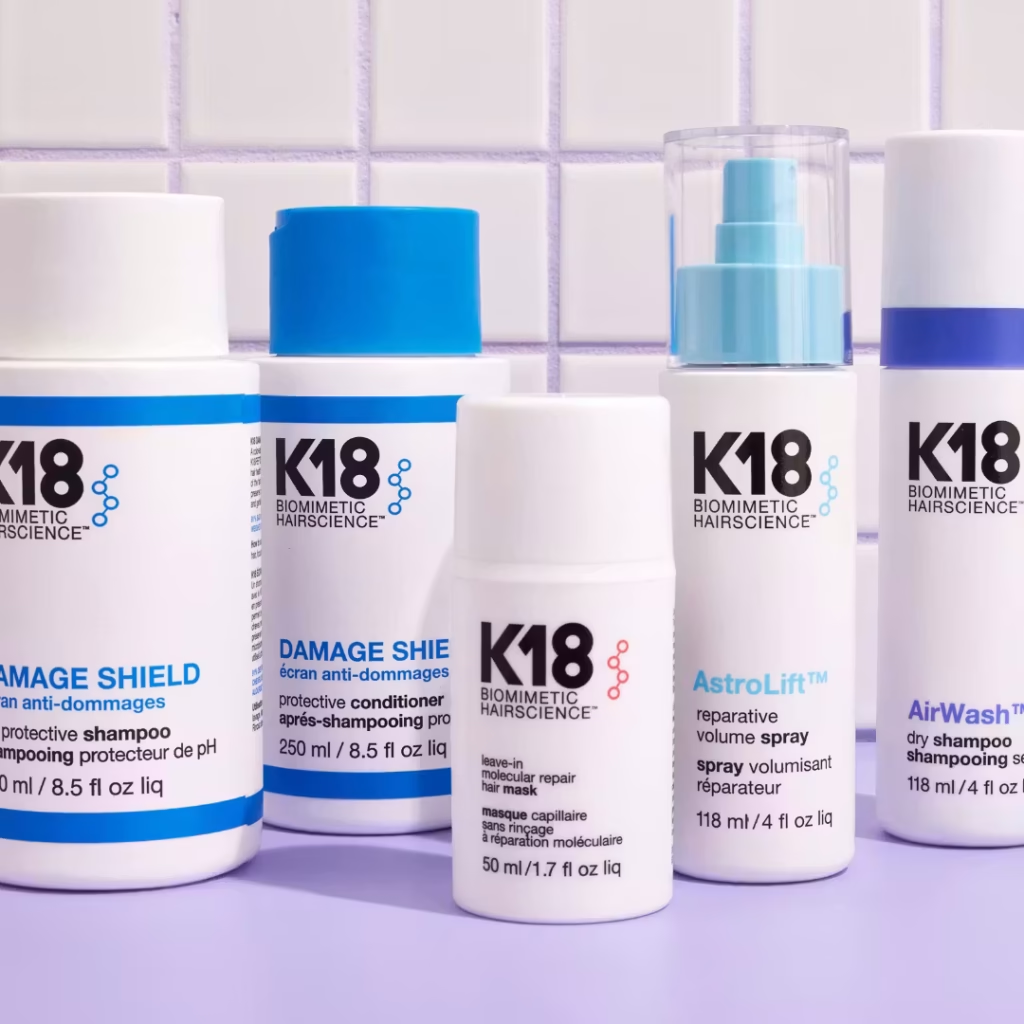
K18 earns the first position because its Leave-In Molecular Repair Hair Mask is built specifically around damage caused by bleach, color services, heat, and chemical processing. Unlike a traditional buttery mask, it goes onto freshly shampooed, towel-dried hair and stays in. The texture is light enough for many fine-haired users, while the four-minute processing step fits easily into a normal wash day.
The catch is cost and technique. Using too much can leave the hair coated or stiff, while using it over conditioner may interfere with the intended application routine. Expect roughly $30 for a smaller size and around $70–$80 for a standard full-size bottle, depending on the retailer. Buy K18 if your main concern is structural damage after lightening. Skip it if your hair is healthy but merely dry; a conventional moisturizing mask will feel more satisfying for less money.
2. Olaplex — Best Range for Different Hair Densities
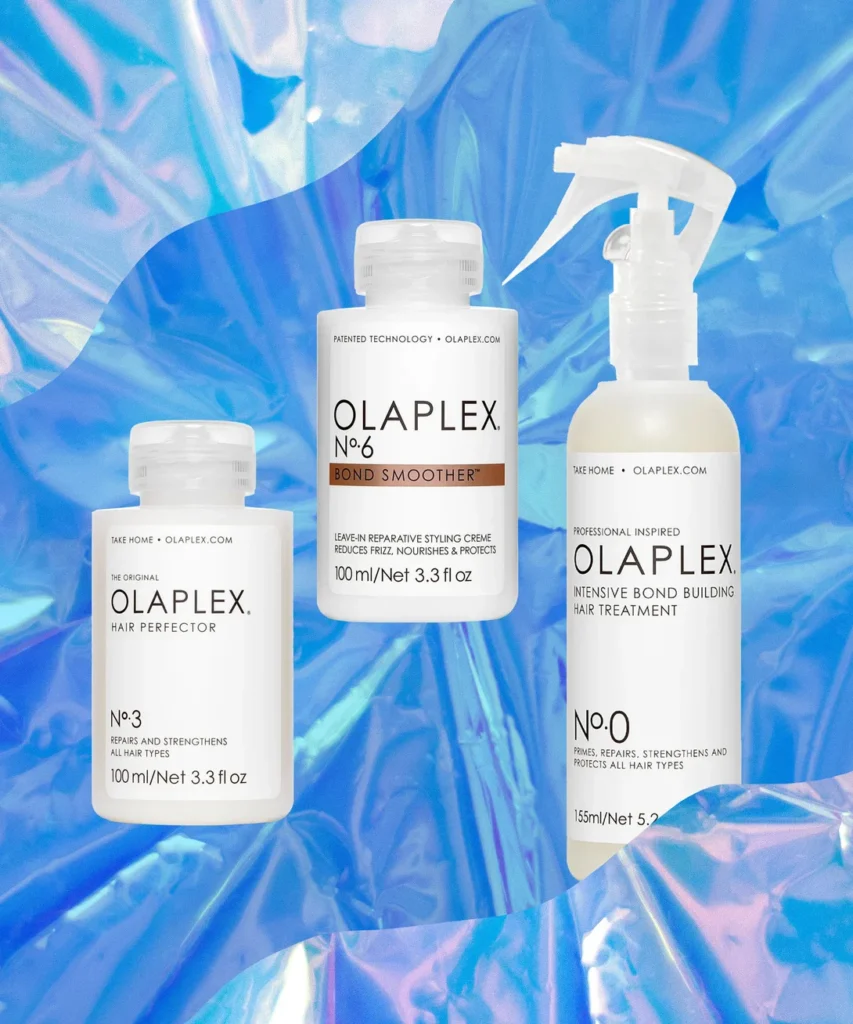
Olaplex now offers separate mask directions for different hair types rather than treating all damaged hair as one category. Its Weightless Nourishing Mask is aimed at fine hair, while the Rich Hydration Mask is positioned for dry, medium-to-coarse textures. Both have been tested by the brand on bleached and colored hair, making Olaplex one of the more adaptable hair mask brands for households with different densities and curl patterns.
Most current consumer masks sit around the mid-$40 range in the US, with professional-only treatments available through salons. The Rich Hydration Mask delivers far more slip than the fine-hair option, so choosing by density matters. Olaplex is worth considering when you want moisture and strengthening within the same routine. The downside is that the brand’s naming system can become confusing, especially as older treatments disappear and new formulas replace them.
3. Redken — Best Five-Minute Repair Mask
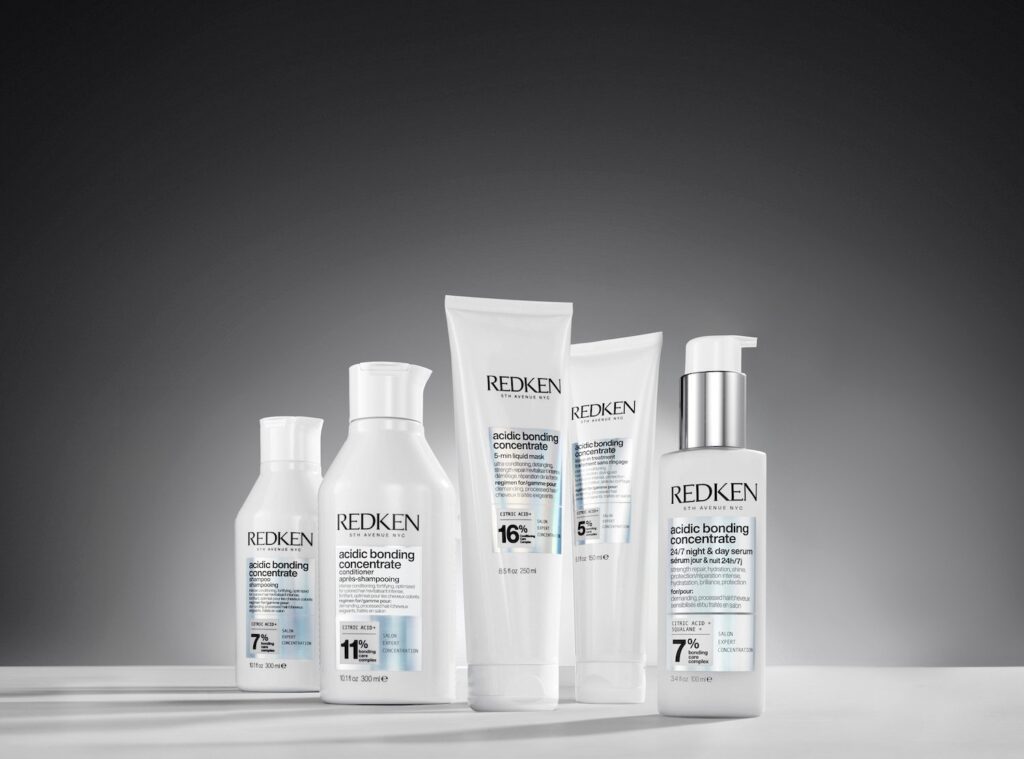
Redken’s Acidic Bonding Concentrate 5-Minute Liquid Mask has a thinner, faster-spreading texture than most jarred masks. That makes it useful for dense hair because the product can be distributed through the lengths without repeatedly scooping more from a tub. Redken positions it for damaged, color-treated, and chemically processed hair, with a five-minute processing time that is believable for a weekday wash.
A full-size bottle typically costs in the low-to-mid $40s, with travel sizes available through major US beauty retailers. It is a strong choice when bleached hair needs detangling, softness, and a smoother finish without a 20-minute shower treatment. The liquid consistency is also its weakness: it is easy to dispense too much, and the bottle can empty faster than a dense cream mask. Fine hair should begin with less product than the instructions appear to suggest.
4. Matrix — Best for Porous Hair on a Practical Budget
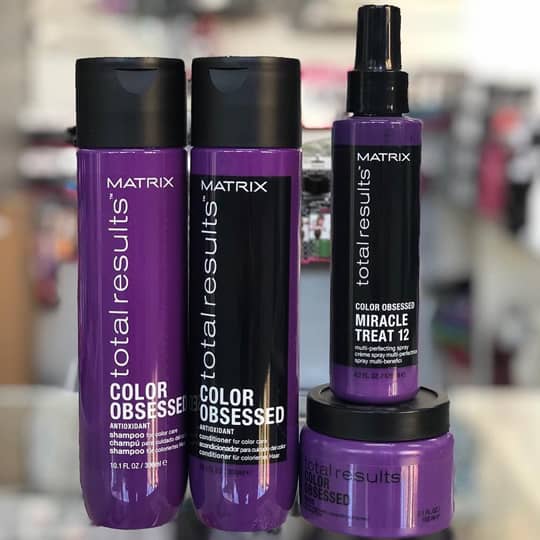
Matrix offers several distinct paths for damaged color-treated hair. Food For Soft targets dryness and porosity, while Instacure Build-A-Bond is positioned for heavily damaged hair, including damage associated with bleaching. This separation is useful. Porous hair that feels thirsty does not always need the same formula as hair that is breaking after an aggressive chemical service.
Matrix masks generally fall between roughly $15 for a smaller size and the mid-$40s for a larger format at US retailers. That makes the brand easier to maintain than many prestige systems. Food For Soft is the safer pick for rough, dry ends; Instacure makes more sense when breakage is the larger problem. The drawback is overlap. Matrix has several treatment families with similar repair language, so buyers need to read the actual concern and instructions instead of choosing by packaging alone.
5. Amika — Best for Choosing Between Moisture and Strength
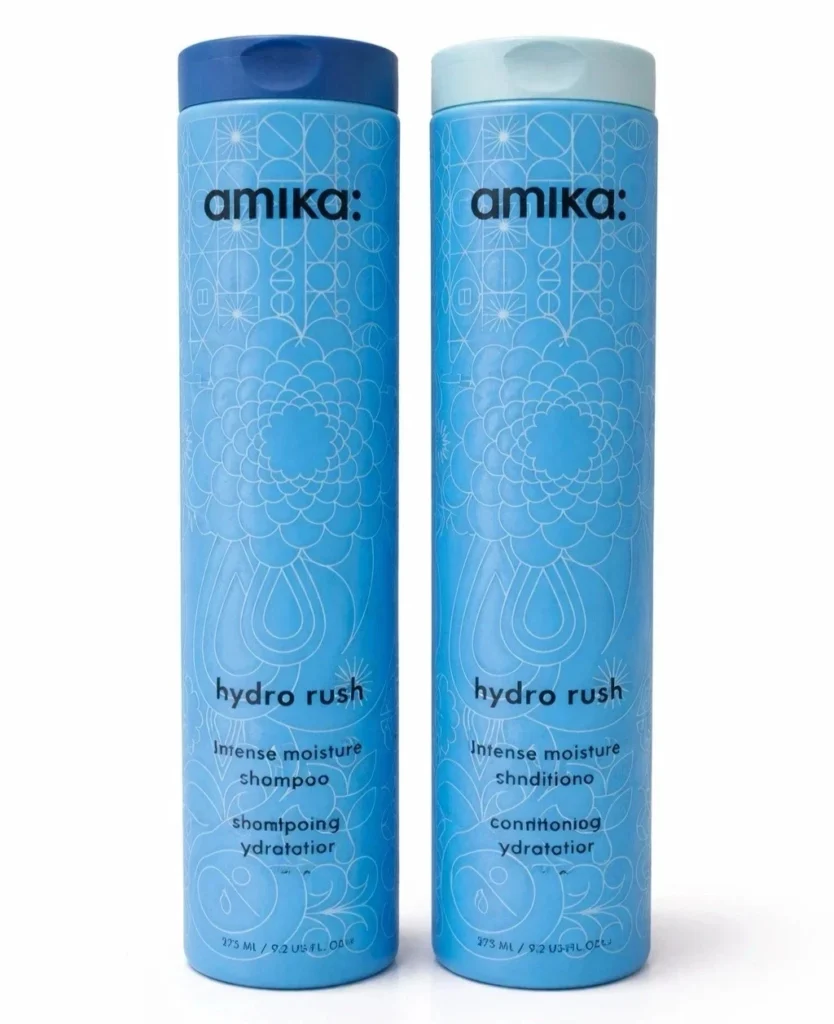
Amika gives damaged-hair shoppers a clear choice. The Kure Intense Strength Repair Mask targets hair weakened by chemical services, heat, and environmental stress, while Hydro Rush is the richer moisture-first option. Among modern hair mask brands, Amika is particularly good at making the treatment experience feel luxurious without pushing all the way into luxury-salon pricing.
Most full-size Amika masks typically land around the mid-$40s, with larger tubs climbing higher. The Kure suits bleached hair that is snapping or feels weakened, while Hydro Rush is better when the hair remains structurally sound but feels coarse and dehydrated. The strong fragrance is the main drawback. It lingers, which some buyers love and others cannot tolerate. Using The Kure too frequently on hair that already receives several strengthening treatments may also make the lengths feel less flexible.
Luxury Hair Mask Brands for Color, Softness, and Shine
Luxury formulas usually win on texture, fragrance, spread, and the finish they leave after blow-drying. They do not automatically repair more damage than mid-priced options. Their value becomes clearer for people who care about refined softness, shine, and a polished salon feel.
6. Kérastase — Best Luxury System for Colored Hair
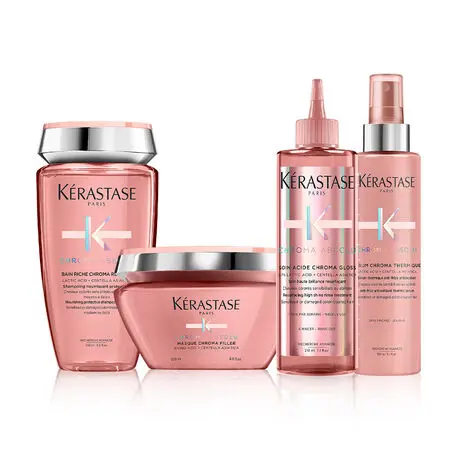
Kérastase has one of the deepest mask selections in professional hair care. Chroma Absolu’s Chroma Filler Mask is designed for color-treated hair, while Première and Résistance offer more damage-focused options. The creams spread easily, provide generous slip, and tend to leave coarse or porous hair with a controlled, expensive-looking finish.
Expect many full-size Kérastase masks to sit around $60–$70 through salons, the brand site, and authorized prestige retailers. Chroma Filler is the most logical choice for preserving softness after permanent color. Première makes more sense when the lengths feel weakened from accumulated chemical and heat stress. The cost is the obvious objection, and the fragrance can be strong. Fine hair should use a small amount from the ears downward because these formulas can flatten a fresh blowout.
7. Oribe — Best for a High-Gloss Salon Finish
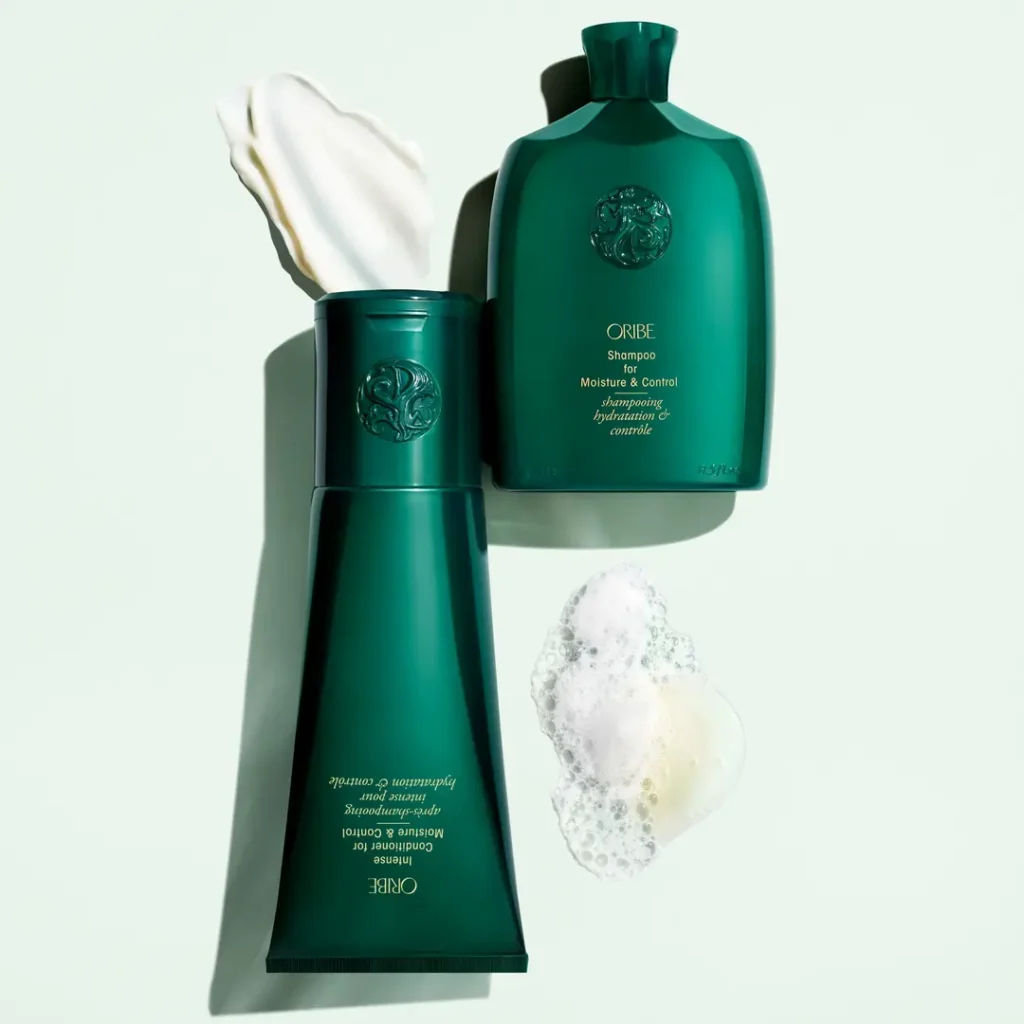
Oribe’s Masque for Beautiful Color is designed to condition and fortify color-treated hair while supporting a smoother, shinier surface. The formula is especially appealing before an event, photo session, or formal hairstyle because the finish tends to look polished rather than merely conditioned. Among luxury hair mask brands, Oribe is as much about the sensory experience and styling result as the treatment itself.
Oribe masks usually occupy the upper end of the category, often reaching approximately $60–$70 for a standard jar. Authorized salons and prestige retailers are the safest places to buy. The cream suits medium, thick, or visibly processed hair, especially when dullness is making an expensive color look tired. The drawback is value. Buyers mainly concerned with breakage can find more targeted bond or protein treatments for less. The fragrance is also part of the price, whether that matters to you or not.
8. Davines — Best Fast Mask for Color Vibrancy
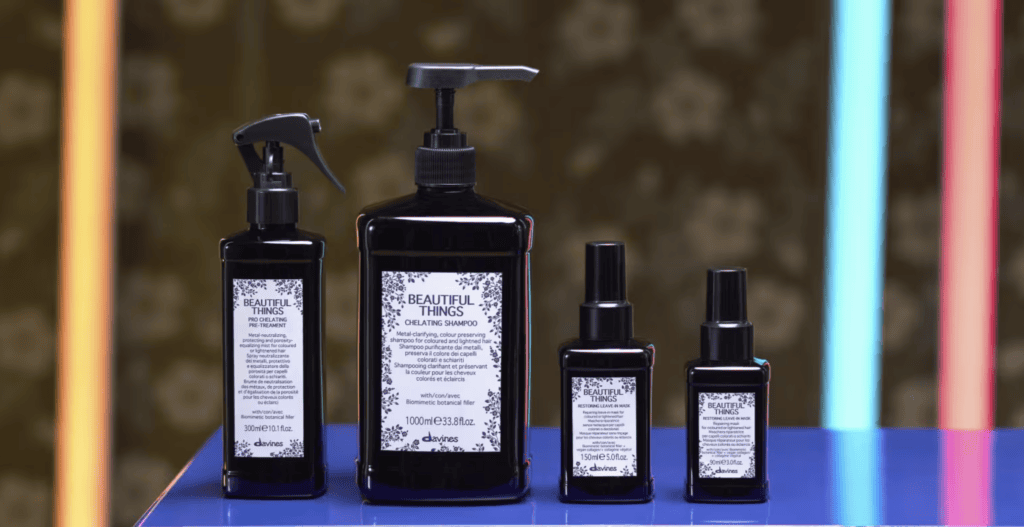
Davines MINU Mask is a fast-acting treatment created for colored hair. It focuses on nourishment, softness, and maintaining a lively finish rather than promising dramatic reconstruction. The newer Beautiful Things range also includes a restoring leave-in mask for colored or lightened hair, giving Davines both rinse-out and leave-in approaches.
Davines products generally sit in the premium salon tier, with masks often costing roughly $35–$50 depending on size and region. MINU is a good choice for hair that is in decent condition but loses shine quickly after coloring. It is less convincing for severe bleach breakage, where K18, Olaplex, Redken, or a dedicated protein treatment may be more appropriate. The containers can also feel small for long, thick hair, particularly if every application requires several generous scoops.
9. Moroccanoil — Best for Dry, Thick, Chemically Treated Hair
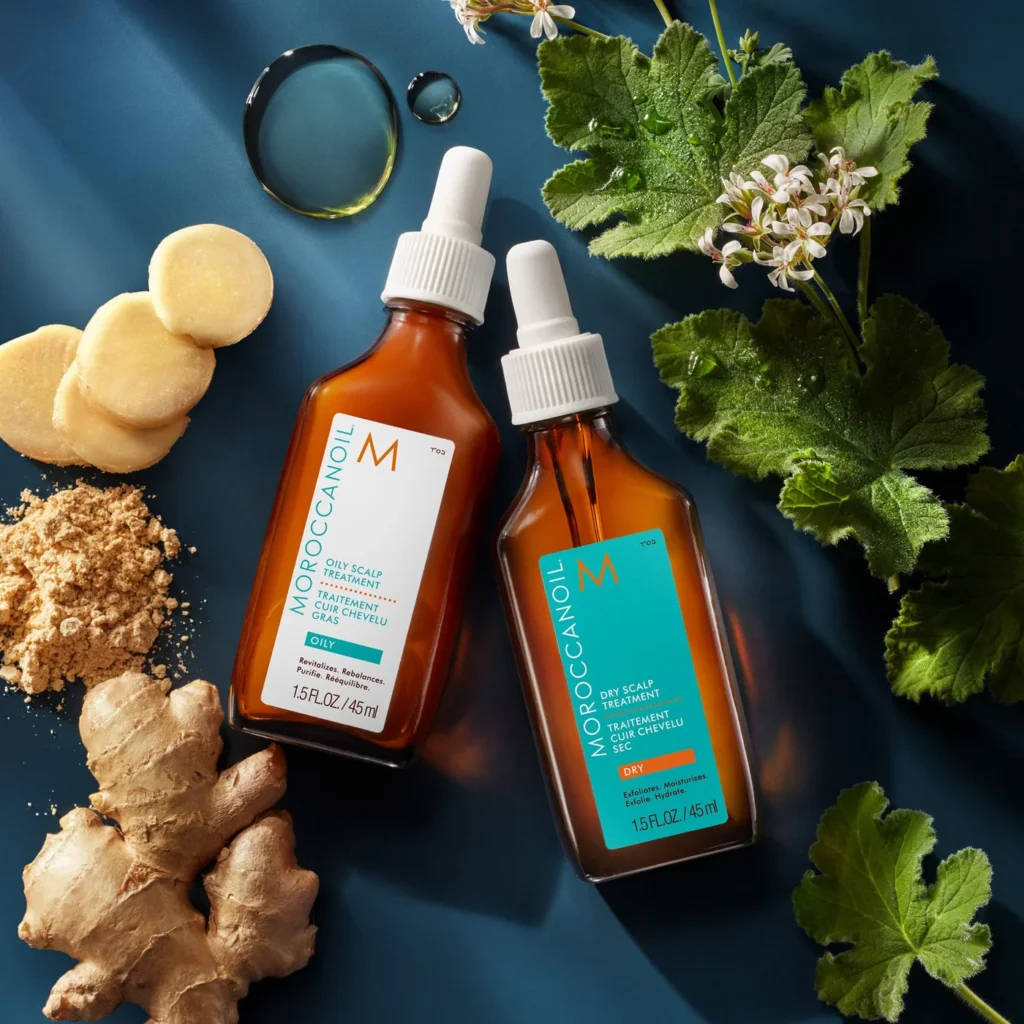
Moroccanoil offers separate masks for hydration, repair, shine, and temporary color. Its Restorative Hair Mask combines argan oil, shea butter, and vegetable protein and is intended for weakened, damaged, or color-treated hair. The brand specifically advises keeping the treatment within its recommended five-to-seven-minute window because excessive protein exposure may leave some hair feeling brittle.
The Restorative Mask usually costs around the mid-$40s, with other sizes and treatments spanning a wider range. Thick, coarse, or porous hair often handles the rich texture well. Fine hair may prefer the Intense Hydrating Mask used sparingly, especially if breakage is not the primary issue. Moroccanoil’s signature scent is strong and recognizable. That is either a selling point or a reason to avoid the brand. Protein-sensitive hair should not treat this as an everyday conditioner.
10. Christophe Robin — Best Rich Botanical-Style Mask
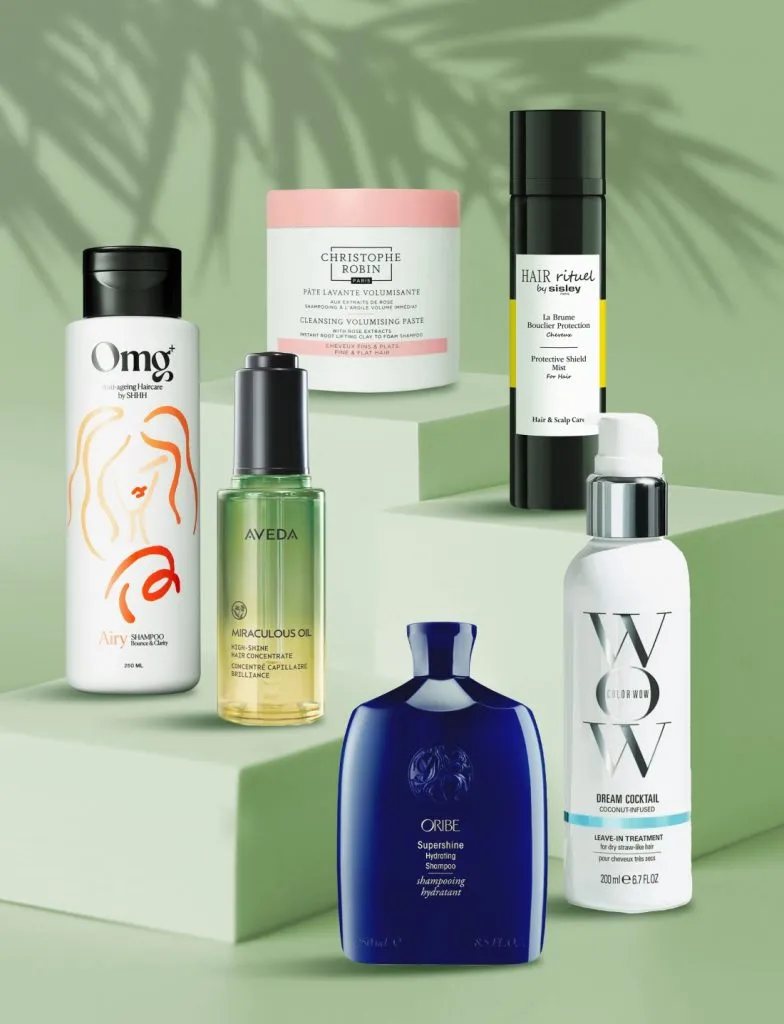
Christophe Robin’s Regenerating Mask with Prickly Pear Oil is an intensely nourishing cream intended for dry, damaged, or chemically treated hair. The formula is built for softness and a smoother visual finish rather than the lightweight feel associated with modern liquid bond treatments. It works best when bleach has left the ends coarse, expanded, and difficult to style.
This is a luxury purchase, with full sizes commonly reaching roughly $60–$70. Smaller jars make it possible to test the texture before committing. The richness is excellent for thick hair, extensions that tolerate heavy conditioning, or long hair with dry older ends. It can overwhelm fine roots and reduce volume if applied too high. Christophe Robin also sells shade-refreshing masks, but those should be selected carefully because depositing pigment is a separate job from repairing or hydrating the hair.
Professional Hair Mask Brands for Maintaining Salon Color
These brands are widely used or recognized in professional color care. Their strongest formulas often address porosity, fading, brassiness, or damage caused by repeated services rather than offering one generic mask for everyone.
11. Pureology — Best Dedicated Color-Care Brand
Pureology’s Strength Cure Hair Treatment Mask is made specifically for color-treated hair and combines conditioning with the brand’s color-preservation focus. It is the better Pureology choice for weakened, overprocessed lengths. Hydrate Superfood is more appropriate when dryness is obvious but the hair is not breaking.
Pureology masks usually cost around $40–$50 in the United States and are broadly available through salons, the brand site, and authorized beauty retailers. Strength Cure has enough conditioning power for many medium and thick textures without feeling as waxy as some traditional repair masks. The fragrance is pronounced, and Hydrate can be too rich for fine hair. Pureology is also part of L’Oréal’s professional portfolio, so shoppers comparing it with Redken or Kérastase are comparing related brands positioned at different price and experience levels.
12. Joico — Best for Blonde-Specific Treatment Options
Joico has served damaged blondes for years through collections such as Blonde Life, Defy Damage, and K-PAK. Blonde Life Brightening Masque is the obvious entry point for lightened hair, while K-PAK and Defy Damage are aimed more broadly at visible damage and breakage. This makes Joico one of the most practical hair mask brands for people who alternate between strengthening and tone maintenance.
Most Joico masks fall around the upper-$20s to mid-$30s, making them comparatively accessible for professional hair care. Blonde Life suits highlights and all-over blondes that feel dull or rough. K-PAK is a more protein-forward direction and should be used according to the hair’s actual condition. The branding can feel crowded because several lines mention repair. Choose based on the specific problem: brassiness, dryness, or breakage. Do not buy the strongest-sounding formula by default.
13. Wella Professionals — Best for Color Structure and Tonal Refreshing
Wella Professionals has several useful masks for colored hair. ColorMotion+ Structure+ Mask is a bond-focused treatment intended for damaged, color-treated hair, while Color Fresh Masks temporarily refresh or shift tone. Wella also offers masks for coarse colored hair and newer leave-in treatments within its color-maintenance ranges.
Typical pricing spans the mid-$20s through roughly $40, depending on the line, size, and retailer. ColorMotion+ is the sensible choice when permanent color has left the hair less manageable. Color Fresh is for pigment maintenance, not serious reconstruction. That distinction matters because a toning mask can make hair look fresher without addressing the reason it feels weak. Wella’s formulas are easiest to navigate with help from the colorist who performed the service, particularly when copper, red, or pale blonde tones are involved.
14. L’Oréal Professionnel — Best for Metal and Porosity Concerns
L’Oréal Professionnel stands out for offering different repair paths rather than one universal hero mask. Absolut Repair Molecular targets general damage, Metal Detox focuses on metal-related color and hair concerns, and Vitamino Color is the softer color-maintenance option. The Metal Detox Mask is especially relevant for clients whose color results are affected by mineral-heavy water.
Professional masks usually land around $35–$50 through salons and authorized retailers. Absolut Repair Molecular is the stronger choice for lightened hair that feels weakened throughout the lengths. Vitamino Color is better for hair that mainly needs softness and vibrancy. Metal Detox is more specialized and may be unnecessary when hard-water or metal exposure is not part of the problem. These lines can look similar on a salon shelf, so buying the exact product recommended after a color consultation is wiser than guessing.
15. Schwarzkopf Professional — Best for Serious Blonde Maintenance
Schwarzkopf Professional’s BLONDME range is built around the demands of lightened hair. The Bondfinity Deep Repair Mask targets strengthening and breakage, while the Purple Toning Mask combines conditioning with yellow-tone control. Bonacure Color Freeze is the broader choice for non-blonde color-treated hair.
Prices typically run from the upper-$20s to around $50 depending on the format and professional retailer. BLONDME is particularly useful for platinum, balayage, and highlighted clients who want their treatment and toning routines to come from the same system. Purple formulas need restraint. Overuse can make porous pale sections grab pigment unevenly or look dull. Use the Deep Repair Mask when strength is the main concern and bring in the toning mask only when warmth actually needs correction.
16. Biolage — Best Gentle Salon-Market Value
Biolage’s Strength Recovery Deep Treatment Mask uses olive-derived squalane and vegan proteins and is recommended for weak, damaged, and color-treated hair. The brand clearly states that Strength Recovery is not a bonding system; it focuses on surface-level damage from chemical and mechanical stress. That honesty helps buyers understand what they are purchasing.
Biolage masks usually sit around the mid-$20s to mid-$30s and are widely sold through salons and authorized beauty retailers. Strength Recovery is a good weekly option for hair that needs smoother detangling and better flexibility but does not require an expensive intensive treatment. Ultra Hydra Source is better for thick, dry hair, while Hydra Source is lighter. The drawback is that the results may feel subtler than a concentrated bond treatment on severely bleached hair.
Modern Hair Mask Brands for Moisture, Frizz, and Flexible Routines
Some buyers do not want a traditional 20-minute cream in a heavy jar. These hair mask brands offer leave-ins, three-minute balms, lightweight treatments, and formulas tailored to density or styling habits.
17. Briogeo — Best Protein-and-Moisture Balance
Briogeo’s Don’t Despair, Repair! Deep Conditioning Mask combines strengthening ingredients with moisture and is positioned for dry, damaged, chemically treated, and color-treated hair. The texture is substantial but not as oily as many butter-heavy masks, making it useful across straight, wavy, curly, and coily textures.
The regular full size is generally around $40, with minis and larger value formats available. This is a sensible weekly treatment for hair that needs both softness and support after coloring. The downside is that it may not deliver enough slip for extremely coarse hair unless applied generously. It can also feel unnecessary for healthy fine hair that only needs light conditioning. Choose Briogeo when you want a traditional rinse-out mask without moving into heavily fragranced salon formulas.
18. Living Proof — Best for Moisture-Barrier Support
Living Proof’s Moisture Rescue Mask is designed for dry or damaged textures, including color-treated and heat-styled hair. The brand describes it as a five-minute treatment built around replenishing the hair’s moisture barrier. In practice, that positioning makes more sense for roughness, dehydration, and persistent frizz than for hair snapping immediately after bleach.
Expect premium pricing, generally around the low-to-mid $40s for a standard size. The mask should appeal to buyers who dislike heavy oils and want hair to feel conditioned without an obvious greasy film. Its clean-rinsing character can be a drawback for very coarse, coily, or severely porous hair that prefers a denser coating. Living Proof is also less sensorial than Oribe or Kérastase. The formula does the work quietly, which is either refreshing or underwhelming depending on what you expect from a prestige mask.
19. Virtue — Best High-End Keratin-Focused Formula
Virtue’s Restorative Treatment Mask is positioned for dry, damaged, color-treated, and chemically processed hair. The formula is built around the brand’s Alpha Keratin 60ku ingredient and aims to condition while rinsing without excessive weight. Virtue also offers a ColorKick Illuminating Mask for buyers more focused on vibrancy and shine.
The standard masks sit at the luxury end of the category, commonly around $70. That price only makes sense for buyers who enjoy the formula enough to use it consistently and who value a refined, less greasy finish. Fine hair should still begin conservatively. Virtue is a good match for color-treated hair that feels fragile but becomes limp under traditional buttery treatments. Its drawback is simple: several excellent masks cost $25–$40 less, so the performance difference must matter to you.
20. Color Wow — Best for Smoothness and Styling Results
Color Wow builds treatments around the way color-treated hair behaves during styling. Money Masque is a deep-conditioning option for broad hair types, while Dreaming targets frizz, puffiness, and visible damage. The brand also makes heat-activated leave-ins for brittle or dehydrated hair, which can be useful for people who always blow-dry after washing.
Most Color Wow treatments fall around $30–$50. These formulas are strongest when the complaint is how the hair looks and handles: swelling, frizz, dullness, or difficulty achieving a smooth finish. They are less compelling as a sole plan for severe post-bleach breakage. Some products also depend on heat activation, so air-dryers need to read the instructions carefully. Buy Color Wow for a polished styling result. Choose a dedicated repair brand first when the hair’s physical weakness is the central problem.
21. Ouai — Best Quick In-Shower Balm
Ouai’s Bond Repair Balm is a three-minute in-shower treatment aimed at damage associated with heat, color services, breakage, and split ends. The brand also offers separate treatment masks for fine-to-medium and thick hair, which removes some of the guesswork that comes with one-texture-fits-all formulas.
Ouai masks and balms generally cost around the high-$30s to mid-$40s. Bond Repair Balm makes sense for busy users who will not commit to long processing times. The Fine to Medium Treatment Masque is better when moisture matters more than intensive strengthening, while the Thick Hair Treatment Masque has a richer feel. Fragrance is the main divider. Ouai products are deliberately scented, and the aroma may remain noticeable after drying. Those with fragrance sensitivity should test a smaller size first.
22. IGK — Best Unconventional Mask Formats
IGK does not limit masks to a jar used after shampoo. Antisocial is an overnight dry-hair mask that does not require rinsing or restyling, while Offline is a three-minute hydrating treatment. The brand also offers color-depositing masks and a more intensive multi-step repair treatment for heavily processed hair.
Pricing generally runs from the low-$30s into the $40s, with more elaborate repair systems costing more. Antisocial is useful for people who avoid treatment masks because they do not want another shower step. Offline is simpler for traditional wash days. The spray format can be difficult to distribute evenly through dense or coily hair, and scented aerosol products are not for everyone. IGK is worth choosing for convenience and experimentation rather than as the automatic first purchase for extreme bleach damage.
Accessible Hair Mask Brands That Still Perform
A lower price does not automatically mean a weak formula. These brands work well for regular maintenance, especially when the hair is dry or mildly damaged rather than actively breaking after a major chemical service.
23. Aveda — Best Plant-Based Luxury Option for Fine Hair
Aveda makes separate Botanical Repair Intensive Strengthening Masques for fine-to-medium and medium-to-thick hair. The Light version is color-safe and designed to provide strengthening without the dense coating that often flattens fine highlighted hair. A richer version is available for textures needing more conditioning.
The Light Masque is currently around the upper-$40s, placing Aveda closer to premium than budget territory. It is best for buyers who want a salon treatment with a botanical positioning, a silicone-free formula, and a lighter finish. The brand’s aromatic floral-herbal scent is noticeable and may not suit fragrance-sensitive users. Aveda also tends to work best as a coordinated system, which can make the complete routine expensive. The mask alone remains the most sensible place to start.
24. Nexxus — Best Mass-Market Protein Option
Nexxus Keraphix Damage Repair Treatment Mask is the brand’s main choice for severely damaged hair, while Color Assure targets dry, dull color-treated hair. This split lets buyers choose between a protein-oriented repair direction and straightforward color-maintenance moisture. Nexxus is among the few widely distributed hair mask brands offering this level of specialization at mass-retail pricing.
Most Nexxus masks sit roughly between $15 and $25, depending on size and retailer. Keraphix makes sense for hair that feels weakened, rough, or brittle. Color Assure is the gentler option when the main complaint is dullness. The formulas can feel coating on fine hair, particularly when applied near the roots. Protein-focused products should also be alternated with moisture rather than layered repeatedly with several other strengthening treatments.
25. Eva NYC — Best Budget Hair Mask Brand
Eva NYC closes the list because its Therapy Session Deep Conditioning Hair Mask delivers a generous, traditional conditioning experience at a price that is easy to maintain. The brand also offers Bye Bye Brass for blonde toning and Glass Hair Shine Mask for color-safe gloss and smoothness. This gives budget shoppers more than one treatment direction.
Therapy Session commonly costs around $18, making it one of the best-value full-size treatments here. It works well for dry, tangled, or moderately processed hair that needs softness more than advanced bond repair. Bye Bye Brass is useful for highlighted brunettes and blondes, but it should not replace a plain moisture mask every week. The tubs are large and practical, although the rich formulas can weigh down fine hair. For severe bleach damage, use Eva NYC as the moisturizing side of a routine rather than the only treatment.
How to Choose Between Hair Mask Brands
A beautiful label cannot tell you whether your hair needs moisture, protein, pigment, or a bond-focused treatment. Choose the category first, then compare brands within it.
Match the Mask to the Actual Damage
Hair that feels dry but remains flexible usually needs conditioning oils, lipids, humectants, or butters. Hair that stretches, snaps, or feels weak after bleach may benefit from a dedicated strengthening or bond-focused formula. A purple mask is for unwanted yellow tones. It is not automatically a repair treatment, even when the front label uses words such as “blonde care.”
Choose by Density, Not Only Curl Pattern
Fine hair can be curly, and thick hair can be straight. Density and strand diameter tell you more about how much product the hair can tolerate. Lightweight liquids, leave-ins, and fine-hair masks are safer when volume disappears easily. Dense, coarse, or highly porous hair usually handles richer creams and oils without looking greasy.
Avoid Stacking Too Many Strengthening Products
Using a bond treatment, protein shampoo, repair conditioner, strengthening mask, and protein leave-in during one wash can make some hair feel rigid. Alternate a targeted repair treatment with a moisture-focused mask. Flexibility matters. Hair that feels harder is not automatically healthier.
Consider How Often You Will Use It
A $70 mask that sits unopened is worse value than an $18 treatment used every week. Fast three-to-five-minute products suit busy routines. Leave-in masks suit people who dislike long showers. Large tubs make sense for long, dense hair, while smaller tubes reduce waste for short or fine hair.
Buy Through Authorized Sellers
Professional and prestige hair care attracts old stock, diverted inventory, and questionable marketplace listings. Purchase from the brand, a trusted salon, or a retailer listed as authorized. This matters most for formulas with active pigments, unstable packaging, or instructions that have recently changed.
Where Hair Mask Brands Get Oversold
No mask can permanently reattach a split end, return severely compromised hair to virgin condition, or make repeated overlapping bleach harmless. Products can improve softness, appearance, friction, flexibility, and breakage resistance, but the damaged section remains processed hair.
“Bond repair” is also used broadly. Different brands target different chemical structures, layers, or visible signs of damage, and the phrase does not guarantee identical technology. A brand-funded statistic may be based on a full system rather than the mask alone. Read the footnotes before treating the largest number on the box as a direct comparison.
The cheapest route to 80 percent of the visible improvement is often less dramatic: reduce hot-tool temperature, stop overlapping bleach, detangle gently, trim transparent ends, and use a dependable conditioner every wash. A weekly mask cannot compensate for damaging the hair faster than the routine can manage it.
Frequently Asked Questions
Which hair mask brand is best for bleached hair?
K18 is the strongest overall starting point for severely bleached or chemically stressed hair because its leave-in mask is designed specifically around damage from bleach, color, heat, and chemical services. Olaplex, Redken, Schwarzkopf BLONDME, and Joico are also strong options, depending on hair density and whether strength, moisture, or toning is the priority.
How often should I use a mask on color-treated hair?
Once weekly is a sensible starting point for most color-treated hair. Very dry, coarse, or porous hair may tolerate treatment more often, while fine hair may need a mask only every second or third wash. Follow the formula’s instructions and reduce frequency if the hair becomes limp, coated, stiff, or difficult to style.
Should I use a hair mask immediately after bleaching?
A colorist may apply a professional treatment during or directly after the service. At home, follow the timing provided by your stylist and the product instructions. Some masks can be used at the next wash, while certain salon services or texture treatments require a waiting period. Do not improvise with multiple strong treatments immediately after processing.
Are expensive hair mask brands better?
Not automatically. Luxury brands often provide better fragrance, spread, packaging, and a more refined finish. Budget masks can still deliver excellent moisture and detangling. Higher prices make more sense when the product contains a specialized treatment system, works exceptionally well for your texture, or replaces several products in your routine.
Can hair masks make color fade faster?
A mask that is not designed for colored hair may contribute to faster fading through repeated washing, aggressive cleansing ingredients, or an unsuitable pH. Color-depositing masks can also alter the tone. Choose a color-safe treatment, rinse with lukewarm water, and avoid shampooing more often simply because the mask makes wash day feel enjoyable.
Is a purple hair mask also a repair mask?
Sometimes, but toning remains its primary job. Purple pigment neutralizes yellow warmth, while conditioning ingredients improve softness and manageability. A toning mask may not provide the same strengthening support as a dedicated repair formula. Alternate it with a pigment-free moisture or repair mask instead of using purple treatment at every wash.
Can fine hair use rich hair masks?
Fine hair can use a rich mask, but the amount and placement matter. Start with a small quantity on the oldest ends and keep it away from the scalp. Rinse thoroughly. If volume disappears or the hair separates into coated sections, switch to a lightweight mask designed for fine-to-medium strands.
What should I ask my stylist before buying a hair mask?
Ask whether your hair currently needs moisture, protein, bond support, porosity control, or toning. Then ask which products used during the color service should not be duplicated at home. That short conversation prevents buyers from stacking several strengthening formulas when a simple moisturizing mask would produce a softer, more flexible result.
The right treatment should make processed hair easier to handle without forcing you into a complicated ten-product routine. Start with one mask that matches the most obvious problem, use it exactly as directed for four wash days, and judge the hair when it is dry—not while it is slippery in the shower. Before your next color appointment, ask your stylist one concrete question: “Does my hair need more moisture or more strengthening?”
Best Haircare Brand Reports
Expert brand selections for stronger, healthier and better-styled hair.