
Kérastase, Olaplex, Pureology, and Redken are the strongest starting points for dry, damaged hair. Kérastase suits severely processed lengths, Olaplex targets the rough feel associated with chemical and heat damage, Pureology works well for colored hair, and Redken offers dependable salon-level softness without entering the highest price tier.
This ranking considers formula texture, detangling slip, moisture level, suitability for different hair types, price, and how easily each brand can be purchased in the United States. Current professional and editorial recommendations also repeatedly highlight K18, Kérastase, Pureology, Redken, Amika, Pantene, and Aussie for dry or damaged strands.
The best conditioner brands are not automatically the richest ones. Fine, bleached hair may need lightweight conditioning and occasional strengthening, while coarse curls often need more slip, fatty alcohols, oils, and enough product to coat every section properly.
| Quick Pick | Brand | Best For | Typical US Price |
|---|---|---|---|
| Best overall | Kérastase | Severely dry, processed hair | Usually $40–$50 |
| Best bond-focused option | Olaplex | Bleached and heat-styled hair | Usually $30–$35 |
| Best for color-treated hair | Pureology | Dry, dyed hair | Usually $35–$40 |
| Best salon value | Redken | Brittle everyday hair | Usually $25–$35 |
| Best lightweight repair | K18 | Fine, damaged hair | Usually $35–$40 |
| Best rich conditioner | Oribe | Thick, coarse lengths | Usually $50–$60 |
| Best for curls and coils | Pattern | Tight, thirsty textures | Usually $25–$30 |
| Best affordable deep treatment | Mielle | Dry natural hair | Usually $10–$15 |
| Best drugstore pick | Pantene | Everyday dryness | Usually $6–$12 |
| Best quick treatment | Aussie | Fast softness and detangling | Usually $5–$10 |
Premium Conditioner Brands for Serious Damage
These premium conditioner brands make the most sense when hair has been repeatedly bleached, colored, straightened, or exposed to high heat. The formulas tend to be more concentrated, so using less product and keeping it mainly on the mid-lengths and ends usually gives the cleanest result.
1. Kérastase — Best Overall Repair Range
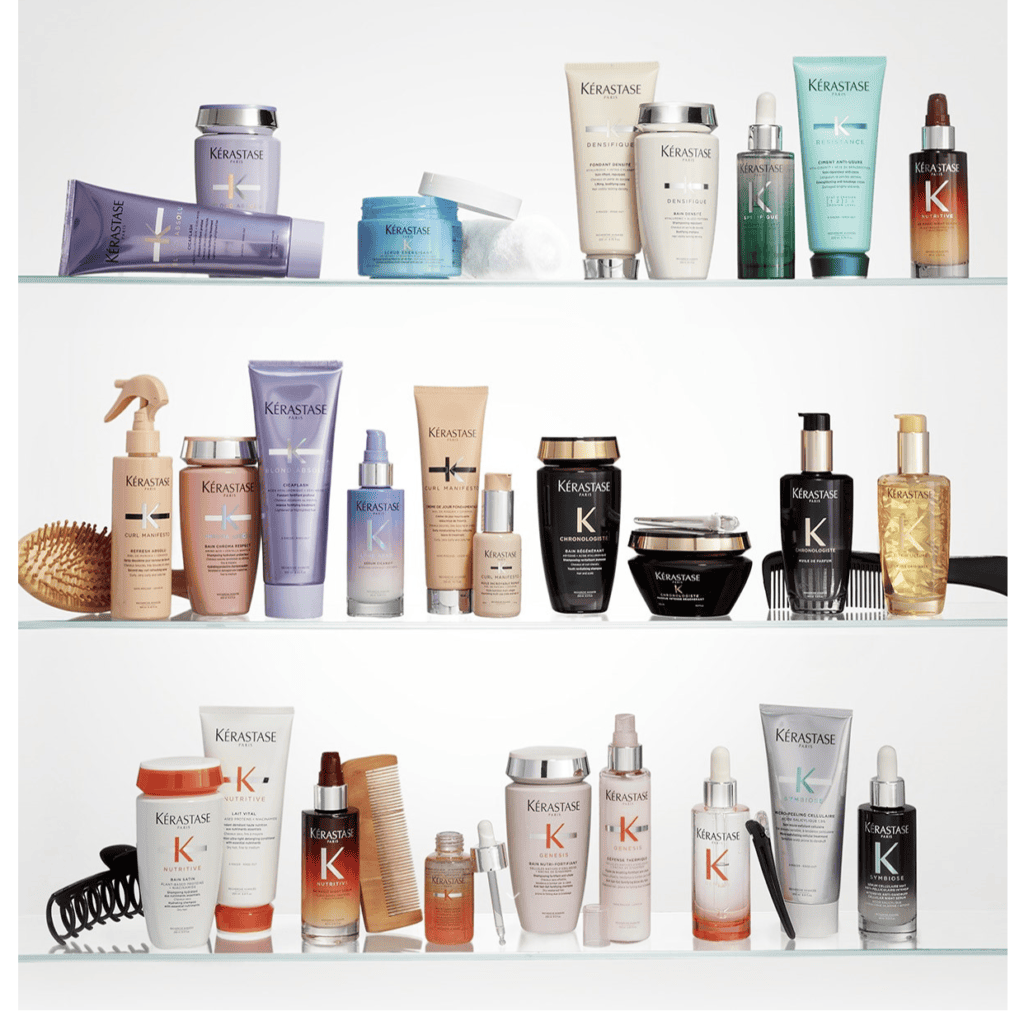
Kérastase earns the first position because it offers different conditioning routes for different kinds of dryness. The Nutritive collection focuses on nourishment, while the Première range is designed around damaged, overprocessed hair and includes a softening conditioner. The latter is marketed as addressing mineral buildup alongside visible damage, which gives it a more specific purpose than a generic moisturizing formula.
This conditioner brand suits medium, thick, bleached, or frequently heat-styled hair. Products generally sit around $40 to $50 and are sold through salons, Sephora, and authorized beauty retailers. The drawback is obvious: building a full Kérastase routine becomes expensive fast. Buy it when ordinary conditioners leave your ends rough after rinsing; skip it when your hair is fine, healthy, and merely prone to occasional tangles.
2. Oribe — Luxurious Softness for Coarse Hair
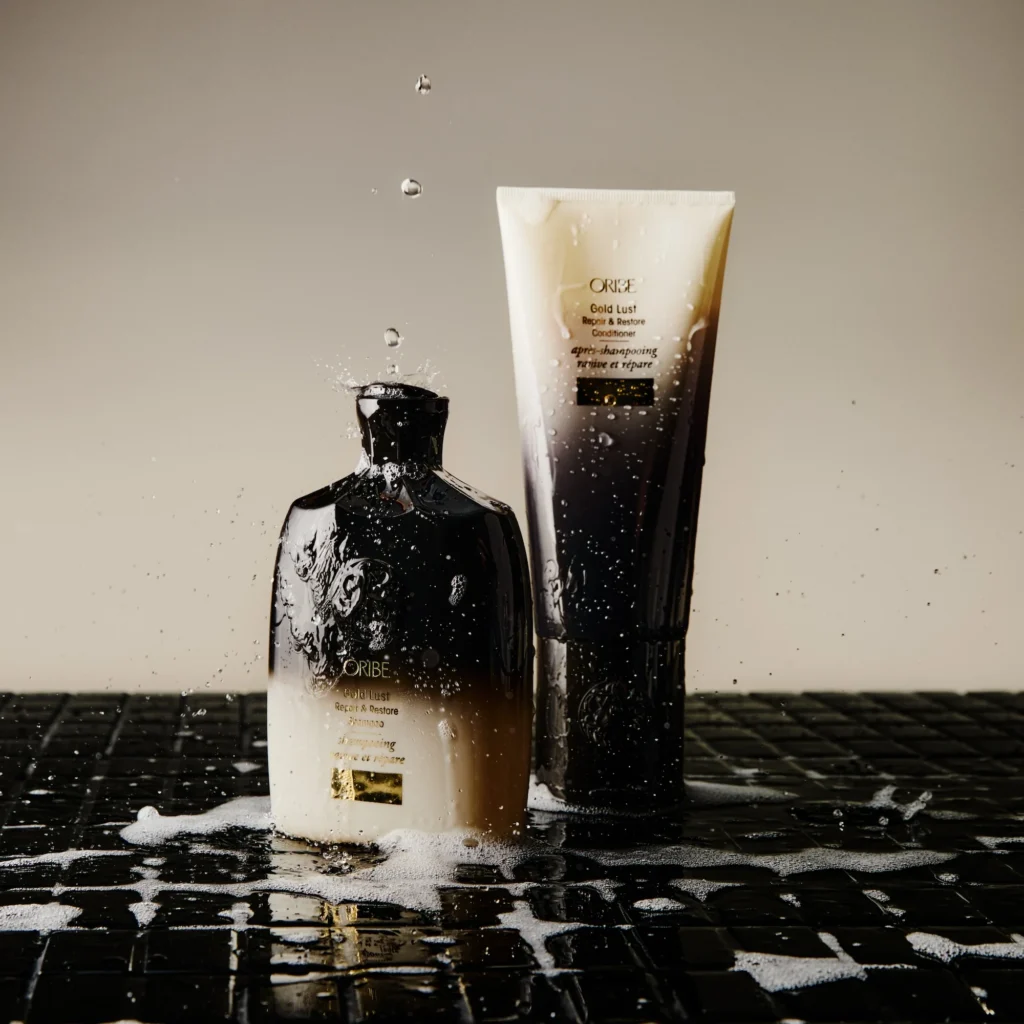
Oribe is one of the richest conditioner brands in both texture and overall experience. Gold Lust Repair & Restore Conditioner is the line most shoppers consider for damaged hair, while Moisture & Control is better aligned with coarse, curly, or stubbornly dry lengths. The creams spread well, coat the hair evenly, and usually leave enough slip for careful wet detangling.
Expect many Oribe conditioners to cost roughly $50 to $60 at Sephora, department stores, salons, and Oribe-authorized retailers. Fragrance is a major part of the experience, which can be either a pleasure or an instant reason to avoid it. This brand works best for thick hair that absorbs rich products without collapsing. Fine roots, scent-sensitive users, and anyone searching for practical value can comfortably move on.
3. K18 — Lightweight Care for Fragile Hair
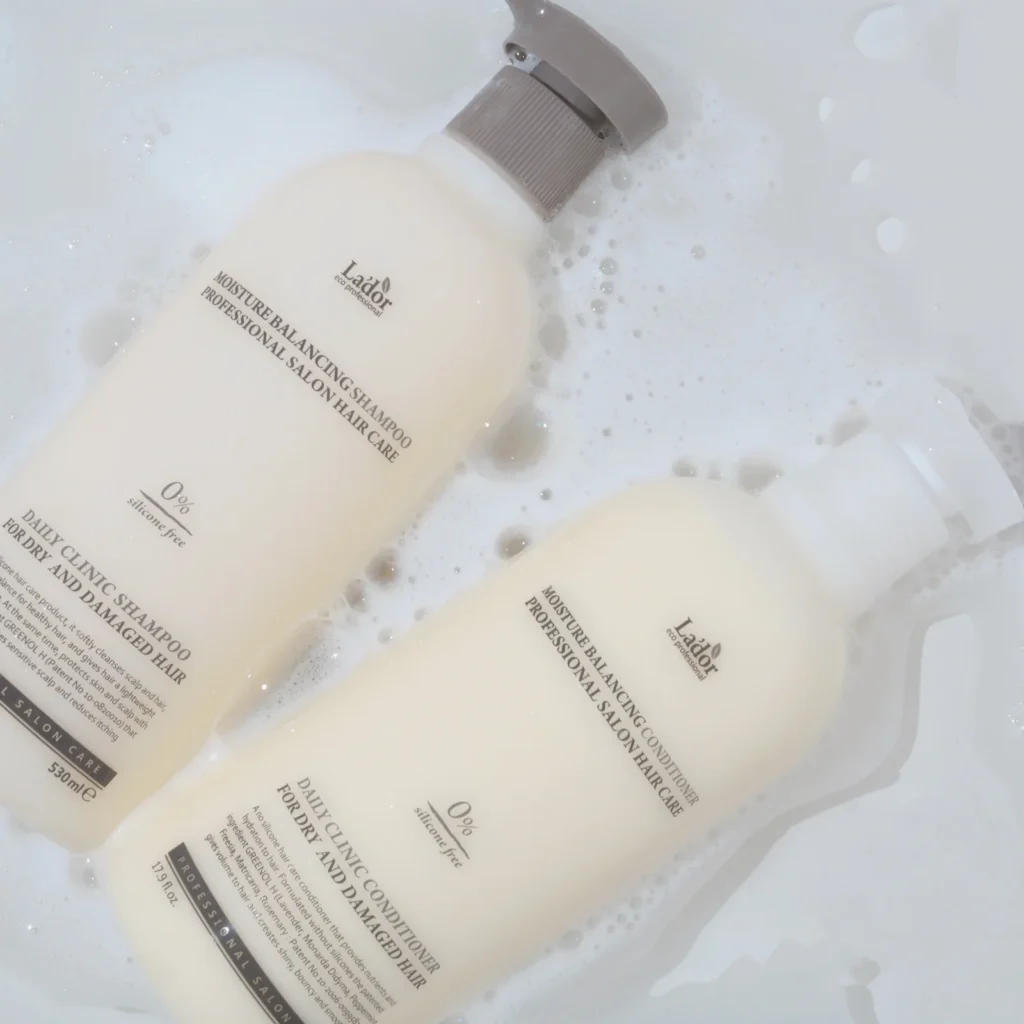
K18 is best known for its leave-in molecular hair mask, but its Damage Shield Protective Conditioner gives the conditioner brand a useful rinse-out option. The appeal is not heavy oiliness. It is a cleaner, lighter finish that makes sense for fine or medium hair damaged by bleach, repeated coloring, or hot tools. Current dry-hair recommendations also place K18 among the stronger options for damaged strands.
The conditioner typically costs around the upper-$30 range and is widely sold through Sephora and professional beauty channels. It is a sensible buy when richer masks flatten your hair before styling. The weakness is value: the bottle is not generous for the price, especially on long, dense hair. Coarse curls needing strong detangling slip may find it too restrained as their only conditioner.
4. Olaplex — Best for Bleached Lengths
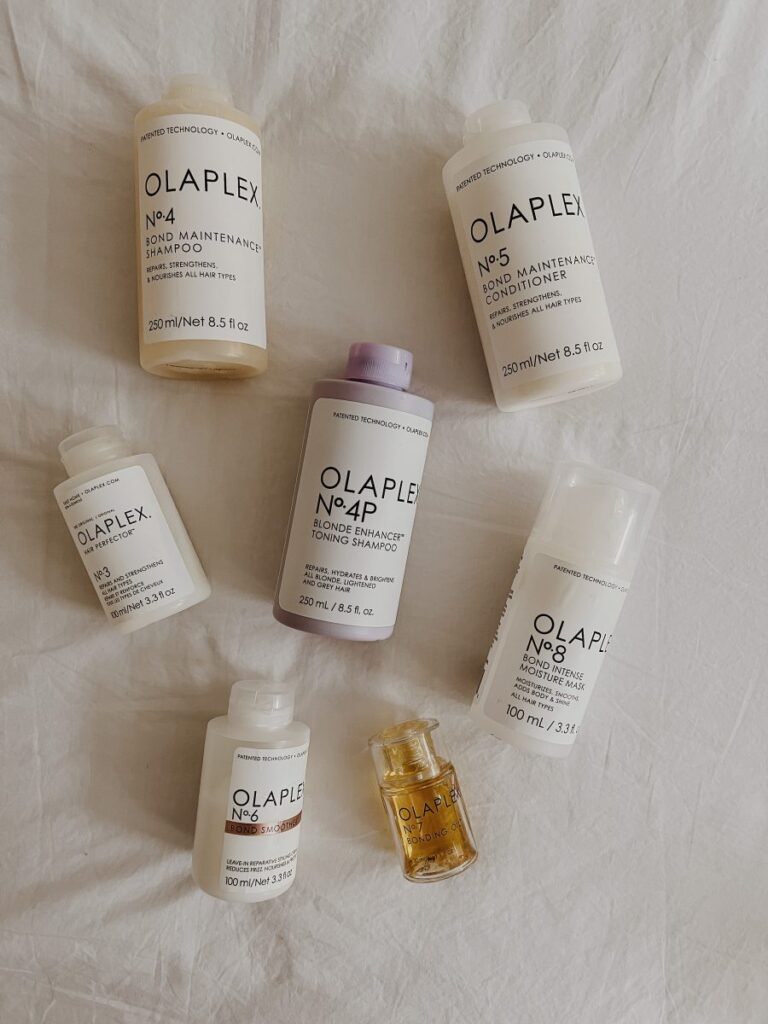
Olaplex remains one of the most recognizable conditioner brands for chemically stressed hair. No. 5 Bond Maintenance Conditioner is intended to soften and condition while complementing the brand’s bond-focused system. The texture is concentrated, so a modest amount is usually enough for shoulder-length hair. Recent reader polling still places the No. 4 and No. 5 pairing among Olaplex’s most popular home-care products.
A standard bottle commonly costs around $30 to $35 through Sephora, Ulta, salons, and the brand’s own store. It works best for bleached, highlighted, frequently colored, or heat-styled hair that feels rough despite regular conditioning. The catch is that it does not feel rich enough for every coarse texture. I go back and forth on this one: the finish is controlled and polished, but extremely dry hair may still need a separate weekly mask.
5. Pureology — Best for Dry, Colored Hair
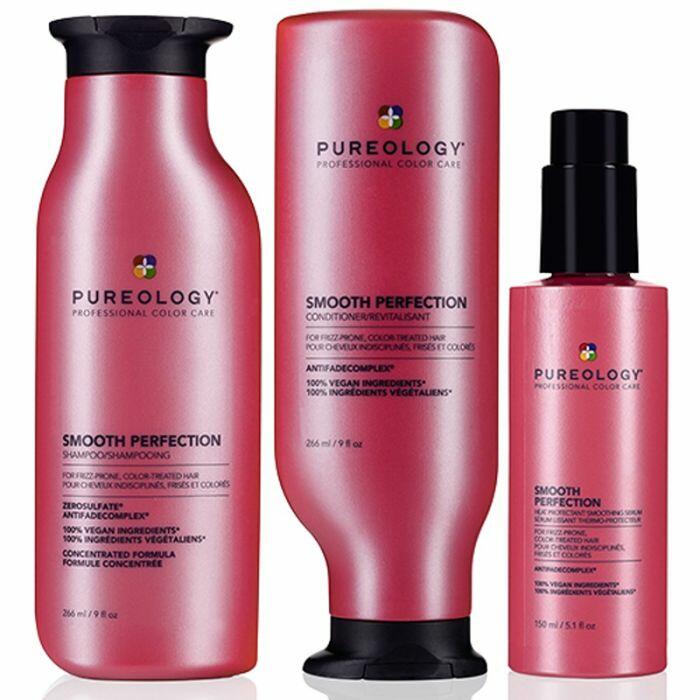
Pureology Hydrate is a reliable choice for dry, color-treated hair that needs softness without making freshly dyed color feel like an afterthought. The regular Hydrate Conditioner is aimed at normal-to-thick dry hair, while Hydrate Sheer offers a lighter route for finer strands. That split is useful because many conditioner brands treat all colored hair as though it has the same density.
The conditioner usually sells in the mid-to-upper $30 range at Ulta, salons, and authorized retailers. It has a creamy texture and a noticeable aromatic sensation, which some users love and others find distracting. Buy the standard version for thick, thirsty lengths and Hydrate Sheer for finer hair. Skip the richer formula when your roots become flat within a day of washing.
Salon Conditioner Brands for Everyday Repair
These salon conditioner brands sit below the most expensive luxury tier but still offer targeted lines for dryness, brittleness, color damage, and breakage. They are often the smartest place to begin because larger bottles and periodic salon-retailer promotions make repeated use less painful.
6. Redken — Dependable Softness Without Guesswork
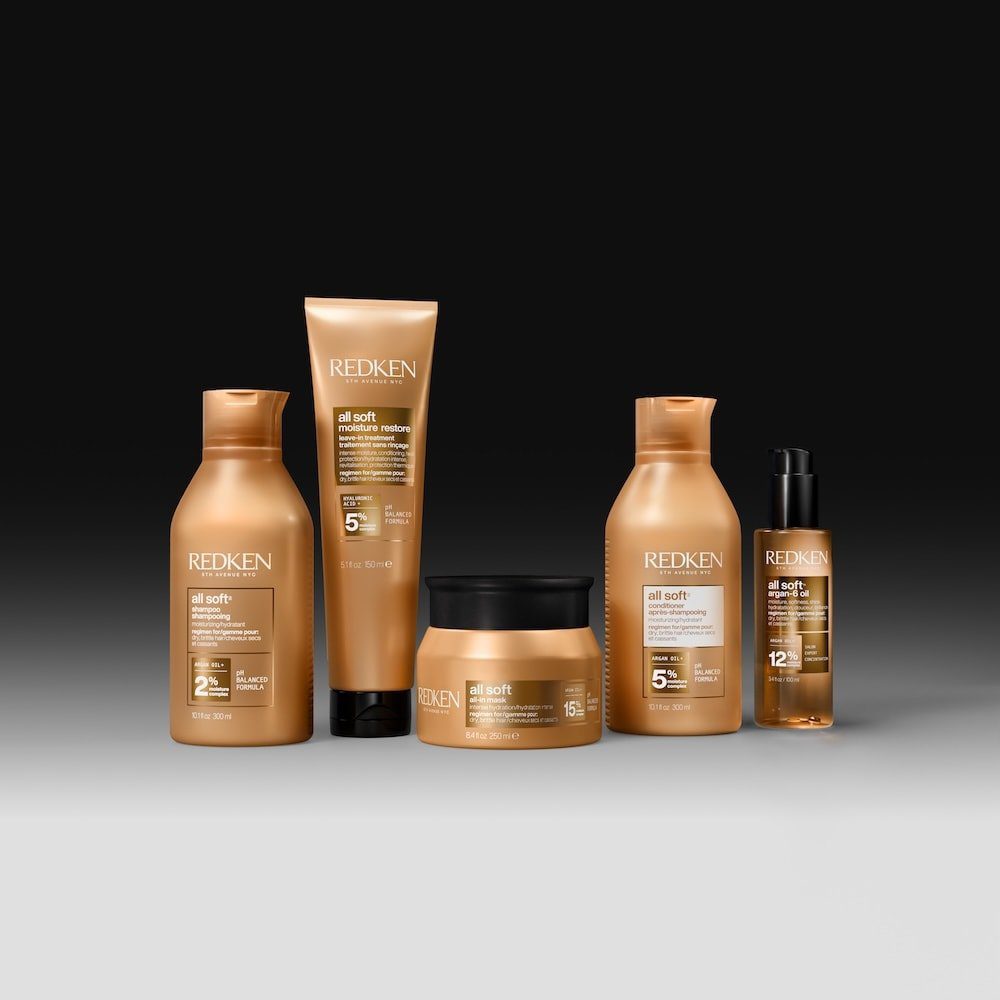
Redken earns its place through the All Soft family. The standard All Soft Conditioner uses an argan-oil-centered approach for dry, brittle hair, while All Soft Mega is designed for severely dry, medium-to-thick strands. The difference matters. Buying the heaviest formula because the word “mega” sounds better can leave fine hair dull and overcoated.
This conditioner brand usually costs roughly $25 to $35, with larger salon sizes offering better long-term value. Ulta, salons, and professional beauty retailers commonly carry it. All Soft is a strong everyday option for hair that tangles, feels crispy at the ends, or loses polish after blow-drying. Its drawback is buildup potential. Clarifying occasionally may be necessary when the softness begins turning into heaviness.
7. Davines — Controlled Moisture With a Lighter Finish
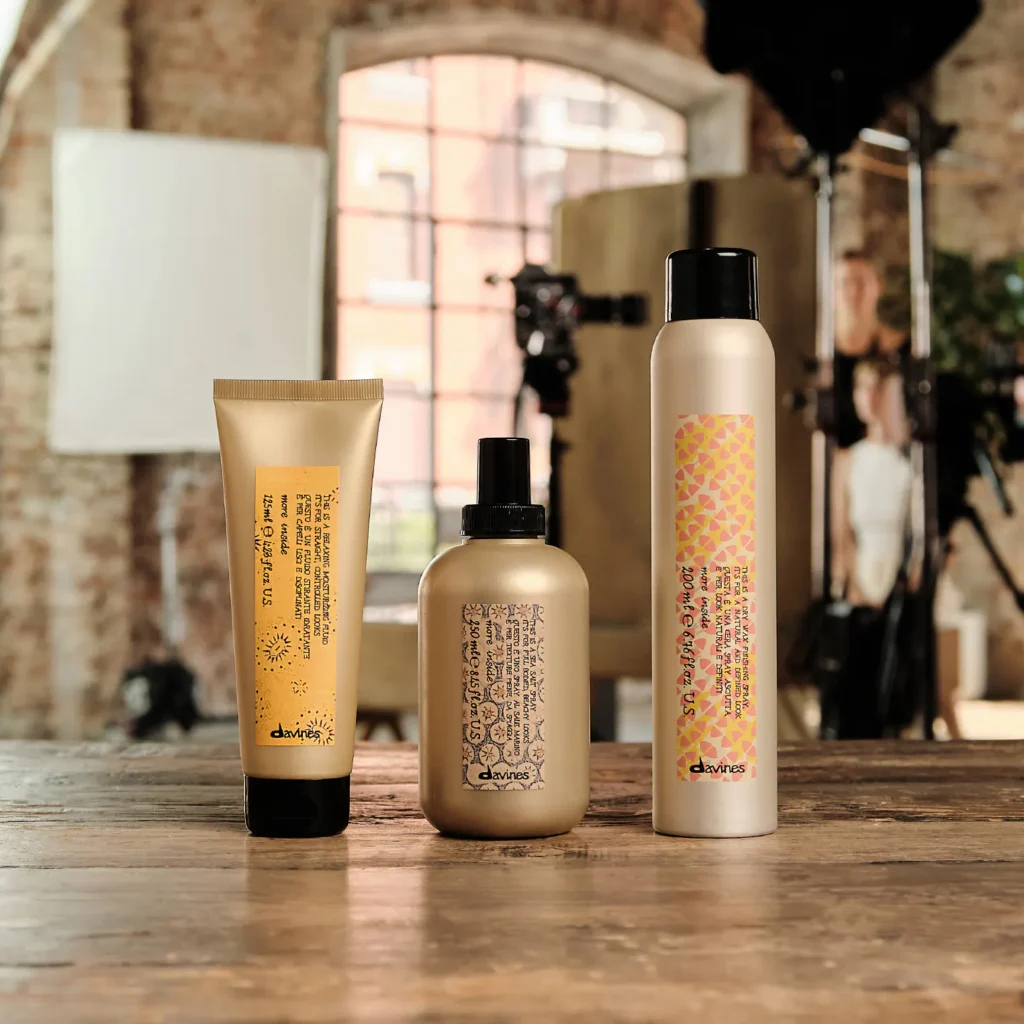
Davines is one of the better conditioner brands for shoppers who want softness but dislike the waxy feel some heavy repair formulas leave behind. MOMO Conditioner targets dehydration, while NOUNOU is the more logical direction for highly processed, bleached, permed, or relaxed hair. Both tend to feel more polished than buttery.
Most Davines conditioners usually fall somewhere around $35 to $45 and are sold through salons and authorized online retailers. The packaging is compact, and long or dense hair can empty it faster than expected. Choose MOMO when dryness is the main problem but the hair remains structurally sound. Choose NOUNOU when chemical work has left the lengths rough. Skip both when maximum detangling slip is your first priority.
8. Living Proof — Best for Fine, Damaged Hair
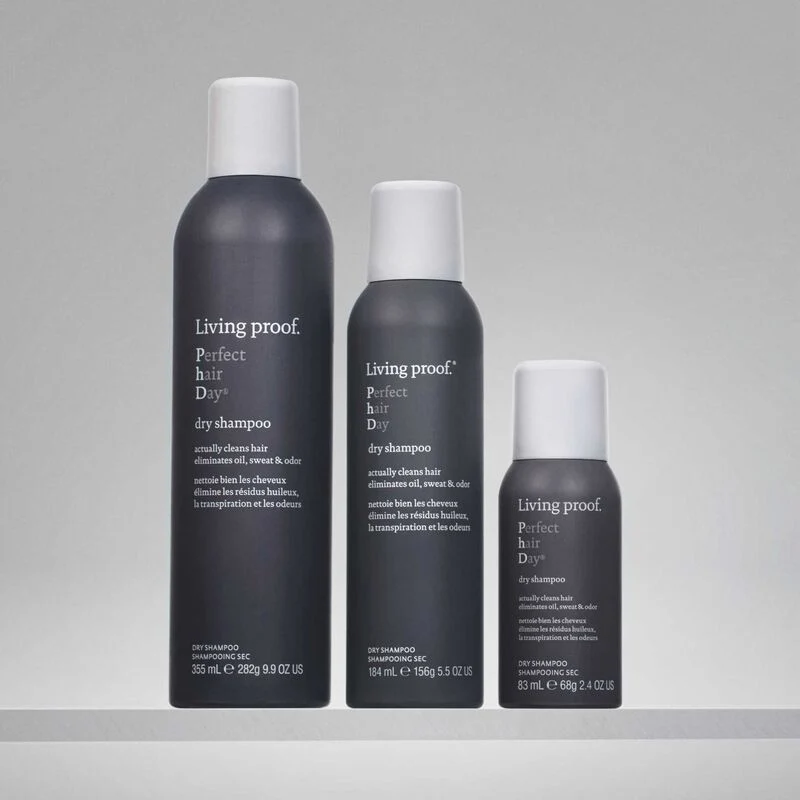
Living Proof works well for dry hair that still needs movement. Its Restore line is aimed at damaged lengths, but the finish is generally less oily than traditional repair creams. That makes this conditioner brand particularly useful for straight, wavy, or fine hair that looks limp after rich masks.
Pricing usually lands in the low-to-mid $30 range at Sephora, Ulta, and major beauty retailers. The conditioner spreads easily when the hair is properly wet, although using too much defeats the lightweight advantage. Buy it when your ends need smoothing but your crown needs volume. Skip it when your hair is coarse, very porous, or difficult to detangle without a dense cream. Living Proof is polished, but it is not the richest option here.
9. Briogeo — Moisture Without a Protein-Heavy Feel
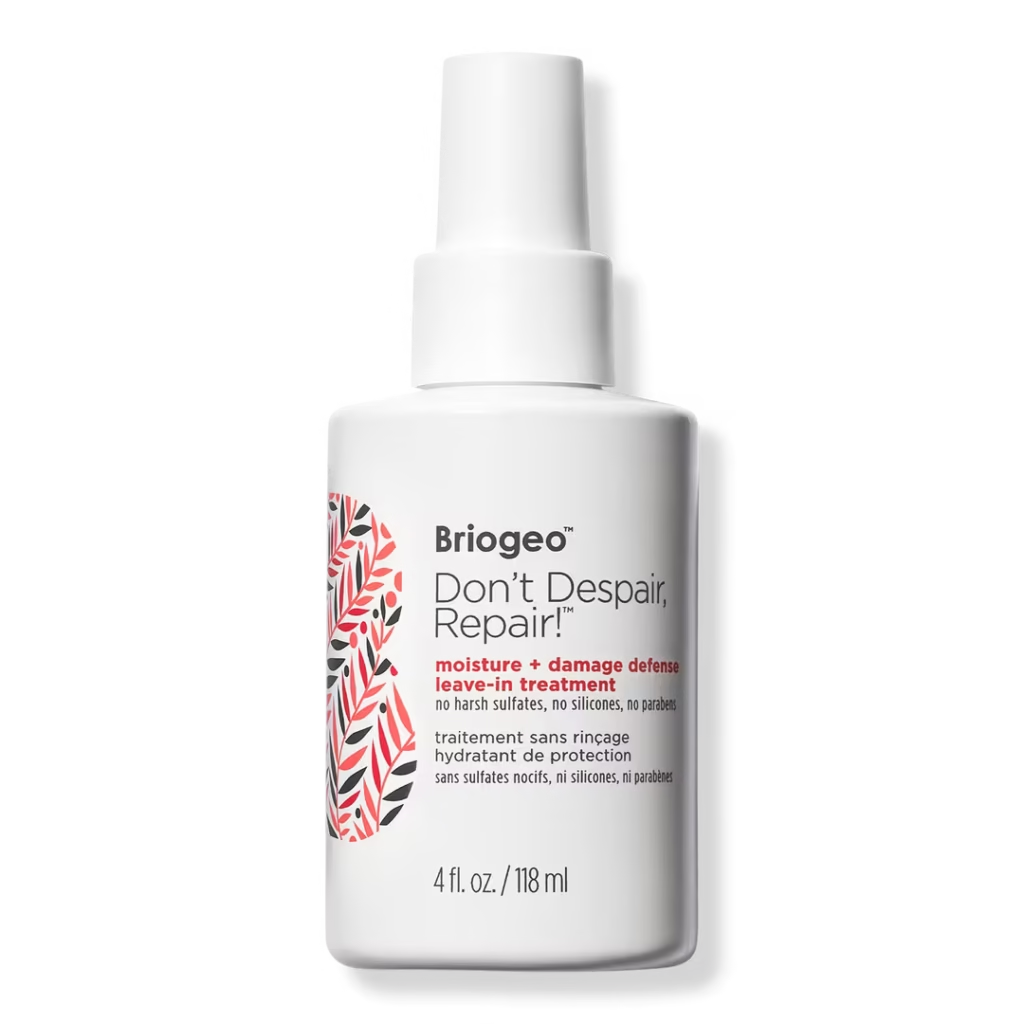
Briogeo’s Don’t Despair, Repair! Super Moisture Conditioner is positioned for dry, damaged hair and uses oils, vitamins, and conditioning ingredients to improve softness and manageability. The rinse-out conditioner has also been described by the brand as protein-free, separating it from the matching mask and making it useful for hair that becomes stiff when every wash-day product contains protein.
This conditioner brand typically sits around $25 to $35 at Sephora and Briogeo’s own store. It works well for dry waves, curls, and medium-to-thick hair that needs regular moisture. The drawback is price relative to bottle size. Thick, waist-length hair can burn through it quickly, and some users may prefer spending the same amount on a larger salon bottle.
10. Moroccanoil — Best for Rough, Heat-Styled Ends
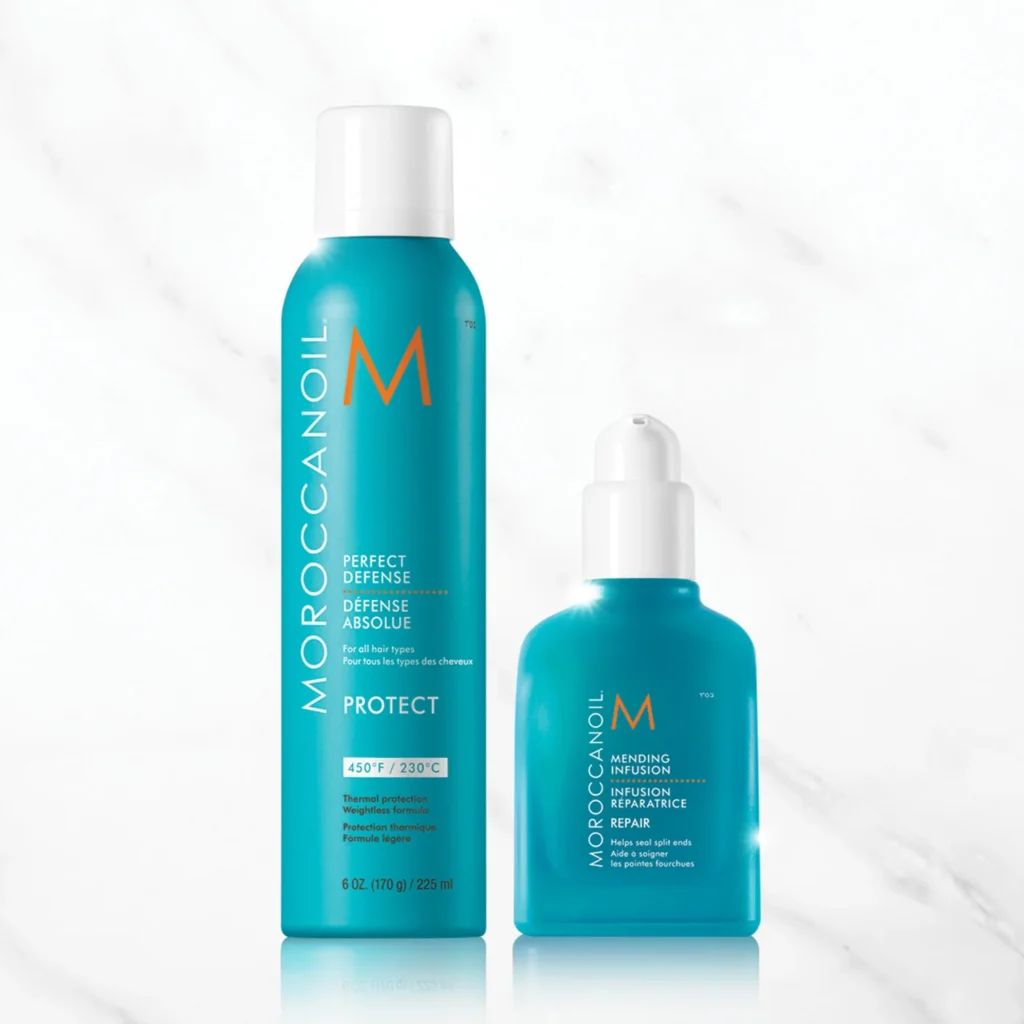
Moroccanoil gives shoppers two clear routes: Hydrating Conditioner for general dryness and Moisture Repair Conditioner for hair stressed by coloring, chemical services, or heat styling. The repair formula has a smooth, creamy feel and is easy to distribute through dense mid-lengths. The brand’s signature fragrance is strong enough to remain noticeable after rinsing.
Expect to spend roughly $30 to $40 through Sephora, salons, and authorized beauty retailers. This conditioner brand is best for medium-to-thick hair, rough ends, and people who like a glossy blowout finish. The drawback is that fine hair can look coated if the product travels too close to the scalp. Start with less than you think you need.
Mid-Price Conditioner Brands That Balance Slip and Strength
These mid-priced conditioner brands suit shoppers who want a recognizable repair line without entering luxury pricing. Several perform better as part of a matching shampoo-and-conditioner routine, but none requires purchasing an entire system to make the conditioner useful.
11. Amika — Strong Choice for Heat Damage
Amika’s The Kure Strength Repair Conditioner is made specifically for dry, damaged hair. It has enough body to soften rough ends but does not feel as dense as a traditional deep-conditioning mask. That balance works well for hair that needs regular conditioning after blow-drying, curling, flat-ironing, or color work.
The conditioner commonly costs around the high-$20 range and is available through Sephora, salons, and Amika’s store. This conditioner brand is especially appealing to users who want a softer finish without losing all volume. Its fragrance is strong and recognizable, however, and the formula can still feel heavy on low-density hair. Skip it when fragrance sensitivity or an easily oily scalp controls your product choices.
12. Joico — Best for Brittle, Overworked Hair
Joico has long centered its K-PAK range on visibly damaged hair. K-PAK Reconstructing Conditioner is intended to support shine, manageability, and softness while addressing the rough feel of weakened strands. The formula makes the most sense for hair exposed to repeated chemical services, aggressive brushing, or frequent high-temperature styling.
Prices commonly run from the low $20s into the $30 range, depending on size and retailer. Ulta, salons, and professional beauty stores are typical sources. This conditioner brand offers strong slip, but using reconstructing products at every wash can feel excessive for hair that is merely dry. Alternate it with a simpler moisturizing conditioner if your strands begin feeling rigid rather than supple.
13. Verb — Straightforward Hydration for Daily Washing
Verb is a sensible mid-market conditioner brand for people who want salon-style packaging and performance without a $50 bottle. Hydrating Conditioner is the better match for dry, coarse, or thirsty hair, while Ghost Conditioner is lighter and better suited to fine strands that need smoothing.
Most bottles usually cost around $20 to $25 at Sephora and other beauty retailers. The formulas are easy to understand and fit uncomplicated wash-day routines. That is also the limitation. Severely bleached or snapping hair may need something more targeted than Verb’s everyday conditioners. Buy Hydrating for softness, Ghost for weightless slip, and skip the brand when you are expecting a rinse-out conditioner to replace a concentrated repair treatment.
14. Kristin Ess — Accessible Salon-Style Softness
Kristin Ess offers widely available conditioners with a more polished feel than many similarly priced mass-market lines. The One Signature Conditioner is the general-purpose option, while the brand also carries formulas aimed at moisture, curls, and scalp preferences. The texture usually suits medium-density hair better than extremely coarse or tightly coiled strands.
This conditioner brand often sells around $10 to $15 at Target, Ulta, and major US retailers. The packaging and fragrance make it feel more expensive than it is. The drawback is performance ceiling: severely damaged hair may look smoother after rinsing without feeling meaningfully stronger or easier to manage over time. It is a good maintenance buy, not an emergency rescue plan.
15. Nexxus — Rich Drugstore-Salon Crossover
Nexxus sits between traditional drugstore and salon conditioner brands. Keraphix Conditioner is the line shoppers usually examine for visibly damaged hair, while Humectress is better aligned with straightforward dryness and softness. Both have a richer, more coating finish than lightweight conditioners.
Pricing typically falls around $15 to $25, depending on bottle size and retailer. Target, Walmart, drugstores, and Ulta commonly stock the brand. Keraphix makes sense for brittle, overprocessed lengths, while Humectress is easier for regular use. The downside is heaviness. Fine hair may gain shine but lose bounce, especially when the conditioner is applied above the ears or not rinsed thoroughly.
Conditioner Brands for Curly, Coily, and Thirsty Hair
Curly and coily hair often needs more product, more detangling time, and greater slip than standard conditioner brands provide. These five options make room for thicker textures, section-by-section application, deep conditioning, and the moisture loss that can occur between longer wash intervals.
16. SheaMoisture — Best Affordable Rich Conditioner
SheaMoisture’s Manuka Honey & Mafura Oil Intensive Hydration Conditioner is a thick option for dry, coarse, curly, or coily hair. Shea butter and oils give the formula the dense slip many textured-hair routines require, especially when detangling in sections. The line remains one of the easiest rich conditioners to find at ordinary US retailers.
This conditioner brand usually costs roughly $10 to $15 at Target, Walmart, pharmacies, and beauty-supply stores. It works best when the hair can absorb a substantial cream. The drawback is residue on fine waves, low-density curls, or roots that are conditioned too heavily. Use it from the mid-lengths downward unless your scalp and root area genuinely need that weight.
17. Pattern — Best for Tight, Thirsty Textures
Pattern offers Lightweight, Medium, Heavy, and Intensive conditioners, which is far more helpful than expecting every curl pattern to tolerate the same formula. Intensive Conditioner is the richest option and is aimed primarily at tighter textures. The brand also suggests extending its application time when dry or brittle hair needs mask-like conditioning.
The conditioner typically costs around $25 to $30 and is sold through Sephora, Ulta, and Pattern’s store. This conditioner brand excels at sectioned detangling and coating dense hair. Its drawback is that choosing by curl label alone can lead to overconditioning. Density, porosity, and strand thickness matter just as much as whether your pattern is curly or coily.
18. Mielle — Affordable Deep Conditioning With Strong Slip
Mielle’s Babassu & Mint Deep Conditioner is developed for dry, damaged hair and is positioned around balancing moisture with strengthening ingredients. It works particularly well as a scheduled deep conditioner rather than something rushed through in two minutes during every shower.
This conditioner brand usually costs around $10 to $15 through beauty-supply stores, Target, Walmart, pharmacies, and Mielle’s website. It suits natural hair, protective-style routines, and strands that feel weak after difficult detangling. The mint sensation and scented formula will not please everyone. Hair that dislikes protein-focused products may also prefer a simpler moisturizing mask used more frequently.
19. Carol’s Daughter — Best for Dry, Dull Curls
Carol’s Daughter Black Vanilla Moisture & Shine Hydrating Conditioner targets dry, dull hair with a creamy formula designed to improve softness and manageability. The matching collection includes rinse-out and leave-in conditioning options, allowing shoppers to add moisture without automatically moving to the heaviest mask available.
Most products from this conditioner brand sit around $10 to $15 and are available through mass retailers, pharmacies, and beauty-supply stores. Black Vanilla works well for dry curls, coils, and coarse waves that respond to richer creams. The scent is prominent, and the rinse-out conditioner may still be too heavy for fine hair. Buy it for moisture and slip, not for a fragrance-free or nearly weightless routine.
20. Maui Moisture — Rich Texture at a Mass-Market Price
Maui Moisture’s Heal & Hydrate + Shea Butter Conditioner is the brand’s most obvious match for dry, damaged hair. It has a dense, creamy texture and works best on medium-to-thick waves, curls, and coarse lengths that need help detangling. The formula is easy to distribute when the hair is soaking wet.
This conditioner brand generally costs around $8 to $12 at Target, Walmart, pharmacies, supermarkets, and major online retailers. The value is good, particularly for people who use generous amounts on long hair. The drawback is that the rich finish may feel filmy on fine, low-porosity strands. It is fine for moisture, moving on; serious bleach damage still deserves a more targeted treatment.
Drugstore Conditioner Brands That Still Deliver
Affordable conditioner brands can soften dry hair extremely well because reliable conditioning agents are not exclusive to luxury products. The difference usually appears in concentration, fragrance, packaging, and how specifically a formula is designed for particular damage.
21. L’Oréal Paris — Best Drugstore Range Variety
L’Oréal Paris provides several useful routes for damaged hair. Elvive Total Repair 5 targets visible damage and breakage, EverPure Moisture suits dry color-treated hair, and Elvive Hyaluron Plump is the more hydration-focused option for dull, dehydrated strands. Current drugstore roundups continue to highlight the Hyaluron Plump conditioner for dry-looking hair.
Most conditioners cost around $6 to $12 at drugstores, supermarkets, Target, Walmart, and Ulta. This conditioner brand wins on availability and range depth. The drawback is choice overload; the names can sound more different than the finished results feel. Start with EverPure for colored hair, Total Repair for rough damage, and Hyaluron Plump for lightweight moisture.
22. Pantene — Best Budget Pick for Brittle Hair
Pantene remains one of the easiest conditioner brands to recommend when the goal is immediate softness at a low price. Daily Moisture Renewal is dependable for ordinary dryness, while Miracle Rescue and related repair-focused formulas make more sense for brittle, heavily styled hair. Pantene conditioners have also continued appearing in recent editorial selections for dry and damaged strands.
Pricing usually runs around $6 to $12, and family-size bottles often cost less per ounce. The formulas provide strong slip, making them useful for long hair that tangles easily. The downside is buildup on fine strands or hair washed infrequently. Use a smaller amount than the bottle size seems to invite.
23. Dove — Best for Everyday Softness
Dove is a practical conditioner brand for hair that feels dry from ordinary washing, weather, brushing, and heat styling. Intensive Repair Conditioner is the most logical starting point for visibly damaged lengths, while other Dove lines address moisture, curls, and scalp preferences. The formulas usually rinse clean while leaving enough slip to make combing easier.
Expect to pay around $6 to $10 through drugstores, supermarkets, Target, Walmart, and online retailers. Dove describes its conditioner range as moisturizing without unnecessary weight, though the exact finish will still depend on hair density and application. The drawback is limited intensity. Severely bleached hair may need a richer mask after the initial softness fades.
24. Aussie — Best Fast Deep Conditioner
Aussie earns its spot through accessibility and speed. Miracle Moist Conditioner handles everyday dryness, while 3 Minute Miracle Moist Deep Conditioner offers a richer treatment without requiring a long shower routine. Recent drugstore testing selected Aussie Miracle Moist as a leading affordable conditioner option.
This conditioner brand usually costs around $5 to $10 and is available almost everywhere hair care is sold. It gives strong slip and an immediately softer feel, making it useful before detangling long or thick hair. The drawback is its bold fragrance and coating finish. Fine hair may need less product and a longer rinse than expected.
25. Garnier Fructis — Best Widely Available Repair Option
Garnier Fructis closes the list because it delivers respectable softness at one of the lowest prices. Hair Filler and Damage Repairing lines are the relevant places to look for stressed hair, while Whole Blends Honey Treasures remains a familiar option for dry, breakage-prone lengths.
Most Garnier conditioners cost around $5 to $10 at supermarkets, pharmacies, Target, Walmart, and online retailers. This conditioner brand is useful for families, frequent washers, and anyone who needs a generous amount for long hair. Its weakness is refinement. The finish can feel more coated than polished, and heavily bleached hair may need something stronger after a few washes.
How to Choose Between Conditioner Brands
The right conditioner is determined by your hair’s density, strand thickness, porosity, damage type, and styling routine. Price tells you little about whether a formula will leave your hair soft or flat.
Match the Weight to Your Strand Thickness
Fine hair usually performs better with lightweight conditioners such as K18, Living Proof, Pureology Hydrate Sheer, or Verb Ghost. Thick or coarse hair can handle richer conditioner brands such as Oribe, SheaMoisture, Pattern, and Moroccanoil.
A simple rule works: if your hair feels soft but hangs flat after washing, reduce the amount or choose a lighter formula. If it still feels rough while wet, you probably need more slip or a richer conditioner.
Separate Dryness From Damage
Dry hair lacks softness and flexibility. Damaged hair may also feel weak, porous, rough, or prone to snapping after chemical processing and heat exposure.
Moisturizing conditioner brands such as Pureology, Redken All Soft, Davines MOMO, and Pantene work well for dryness. Olaplex, K18, Kérastase Première, Amika The Kure, and Joico K-PAK are more targeted toward the appearance and manageability of damaged hair.
Consider How Often You Wash
Daily or near-daily washers usually need a conditioner that rinses clean. Living Proof, Verb, Dove, and lighter Pureology formulas are easier to repeat without overwhelming the hair.
People who wash weekly may need richer products because the conditioner also has to support detangling after several days of styling, friction, and moisture loss. Pattern, SheaMoisture, Mielle, and Briogeo make more sense in that routine.
Choose for Your Actual Styling Habits
Hair exposed to frequent blow-drying, flat-ironing, curling, bleaching, or permanent color needs more than a label saying “moisturizing.” Look for a conditioner that improves slip and reduces aggressive brushing after washing.
Apply it before an important event only if you already know how the formula behaves. A new rich conditioner can flatten a planned blowout or leave curls harder to style. Test it one or two wash days before a wedding, shoot, interview, or formal event.
Judge the Finish After Two Washes
One wash reveals slip and softness. Two or three washes reveal buildup, stiffness, fading volume, and whether your ends remain manageable after styling.
Do not keep a costly conditioner simply because it felt luxurious in the shower. The result that matters is how the hair dries, moves, detangles, and looks on the second day.
Where Conditioner Brands Get Oversold
Conditioner can reduce friction, improve softness, make detangling easier, and temporarily smooth rough areas. It cannot permanently restore a split end or make repeated bleaching consequence-free.
“Repair” Does Not Mean Permanent Reversal
Repair language varies between conditioner brands. Some formulas focus on coating and smoothing the cuticle. Others include bond-focused or strengthening systems. Neither outcome makes damaged hair identical to untouched hair.
When the bottom few inches remain transparent, split repeatedly, or tangle immediately after conditioning, a trim may produce a better result than another expensive bottle.
The Matching Shampoo Is Not Always Necessary
Brands naturally encourage complete routines, but buying the matching shampoo, mask, conditioner, leave-in, serum, and oil can create overlapping products. Start with the conditioner if softness and detangling are your main problems.
A gentle shampoo, one effective rinse-out conditioner, a periodic mask, and heat protection cover most routines. Add another step only when you can identify what the current routine fails to do.
Frequently Asked Questions
These answers address the most common questions shoppers ask while comparing conditioner brands for dry, damaged hair.
Which conditioner brand is best for damaged hair?
Kérastase is the strongest all-around choice for severely processed hair, while Olaplex and K18 suit shoppers specifically interested in bond-focused care. Redken and Amika offer less expensive salon alternatives. The best choice still depends on whether your hair is fine, coarse, colored, curly, or easily weighed down.
What is the best affordable conditioner for dry hair?
Pantene Daily Moisture Renewal and Aussie Miracle Moist are strong budget options for softness and detangling. SheaMoisture is better for thick, curly, or coily hair, while Dove suits lighter everyday conditioning. L’Oréal Paris offers the widest selection for choosing between hydration, color care, and visible damage.
Are expensive conditioner brands worth it?
They can be worth the cost when the formula suits a specific need, such as bleached fine hair, coarse curls, or color preservation. Price alone does not guarantee a better result. A $10 conditioner that gives the right weight and slip is more useful than a $50 formula that leaves hair flat.
How often should damaged hair be conditioned?
Use a rinse-out conditioner whenever you shampoo unless your stylist recommends a different routine. Deep conditioners and masks are usually better introduced periodically rather than layered into every wash automatically. Adjust the frequency when hair begins feeling coated, limp, stiff, or difficult to style.
Should conditioner be applied to the scalp?
Most people should concentrate conditioner on the mid-lengths and ends, where dryness and damage are usually greater. Curly, coarse, or very dry hair may tolerate conditioning closer to the roots. Fine or oily hair often becomes flat when rich conditioner is massaged directly onto the scalp.
What ingredients should I look for in conditioner for dry hair?
Useful formulas often contain fatty alcohols, conditioning agents, silicones or silicone alternatives, oils, butters, glycerin, panthenol, amino acids, or proteins. The complete formula matters more than one fashionable ingredient. A long ingredient list does not automatically make a conditioner richer or more effective.
Can conditioner repair split ends?
Conditioner can smooth split ends temporarily, reduce tangling, and make frayed areas less visible. It cannot permanently fuse a severely split strand. Regular conditioning may reduce further friction, but cutting above the damaged section remains the dependable answer when splitting continues to travel upward.
Which conditioner brands are best for curly and coily hair?
Pattern, SheaMoisture, Mielle, Carol’s Daughter, and Briogeo offer strong options for textured hair. Pattern provides the clearest choice between different conditioner weights, while SheaMoisture and Mielle give rich conditioning at lower prices. Select by density and porosity rather than curl pattern alone.
Is a hair mask better than regular conditioner?
A mask is usually thicker and intended to remain on the hair longer, making it useful for occasional intensive conditioning. Regular conditioner is faster and easier for every wash. Severely dry hair may benefit from both, but using a mask constantly can weigh down fine strands.
How long should conditioner stay in damaged hair?
Follow the directions on the bottle because formulas are designed for different contact times. Many everyday conditioners need only a few minutes, while deep treatments may require longer. Leaving a standard conditioner on for an hour does not guarantee better results and may make fine hair feel coated.
Begin with the brand that matches your hair’s thickness and main source of damage, then purchase the smallest available size. Use it for three washes without adding another new treatment. When booking your next haircut or color appointment, ask the stylist whether your hair needs more moisture, more strengthening, or simply a cleaner trim.
Best Haircare Brand Reports
Expert brand selections for stronger, healthier and better-styled hair.