
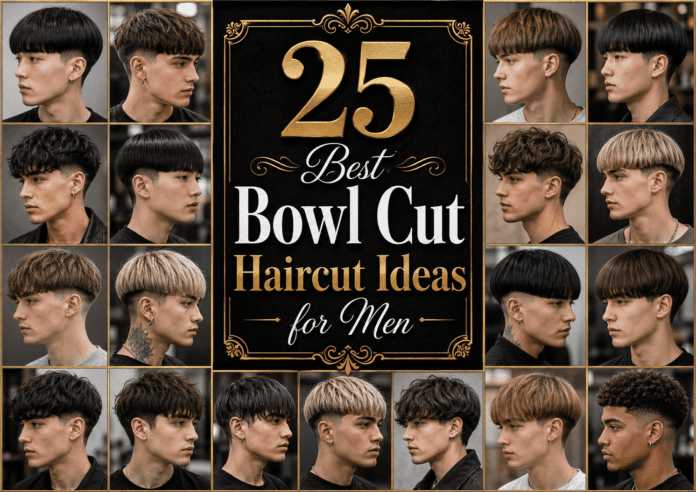
The strongest bowl cut haircut ideas right now range from the clean Classic Rounded Bowl and low-maintenance Textured Crop Bowl to the sharper Disconnected Bowl Fade and statement-heavy Korean-Inspired Layered Bowl. The best version depends less on trends than on your hair density, face shape, and how much styling you’ll actually do each morning.
I’ve spent more than a decade around men’s cuts, watching bowl shapes move from something clients avoided to something they deliberately bring in as references. I’ve also learned that tiny decisions around weight lines, fringe length, graduation, and tapering decide whether this cut looks intentional or accidental.
This list is built around how men actually choose a bowl cut: starting with wearable classic shapes, moving into texture and fades, then finishing with fashion-forward options that demand more confidence or maintenance.
| Quick Pick | Best For | Defining Detail |
|---|---|---|
| Classic Rounded Bowl | Straight, dense hair | Smooth circular weight line |
| Textured Crop Bowl | Easy daily styling | Broken, piecey fringe |
| Soft Taper Bowl | First-time bowl cut | Gentle sides and neckline |
| Long Fringe Bowl | Longer face shapes | Brow-skimming front |
| Wavy Bowl Cut | Natural movement | Loose bends through the top |
| Disconnected Bowl Fade | Strong contrast | Hard separation above fade |
| Korean Layered Bowl | Soft modern styling | Airy internal layers |
| Curly Bowl Cut | Natural curls | Rounded curl silhouette |
| Micro Bowl Cut | Bold minimal look | Short cropped perimeter |
| Mullet Bowl Hybrid | Fashion-forward styling | Round front, longer back |
Classic Bowl Cut Haircut Ideas That Are Easy to Wear
These bowl cut haircut ideas keep the basic rounded shape intact without pushing too far into editorial territory. They’re the versions I usually point first-time clients toward because the silhouette is recognizable, yet small changes in taper, fringe, and layering make the result much easier to live with.
1. Classic Rounded Bowl Cut
A classic rounded bowl cut creates one clean visual line around the head, with the fringe falling across the forehead and the sides carrying almost the same weight. The top stays smooth rather than heavily layered, so the silhouette looks compact and deliberately circular. On straight dark hair, the outline can look especially graphic. Keep the perimeter soft enough that it moves instead of sitting like a rigid helmet.
This works best on straight or slightly wavy hair with medium-to-high density, particularly on oval, oblong, and narrower face shapes. Ask your barber for “a traditional rounded bowl shape with a soft perimeter and no harsh shelf above the ears.” Expect regular trims because the line loses its shape quickly once the sides grow. Men with extremely bulky hair may want internal weight removed or the cut can become wider than intended.
2. Soft Taper Bowl Cut
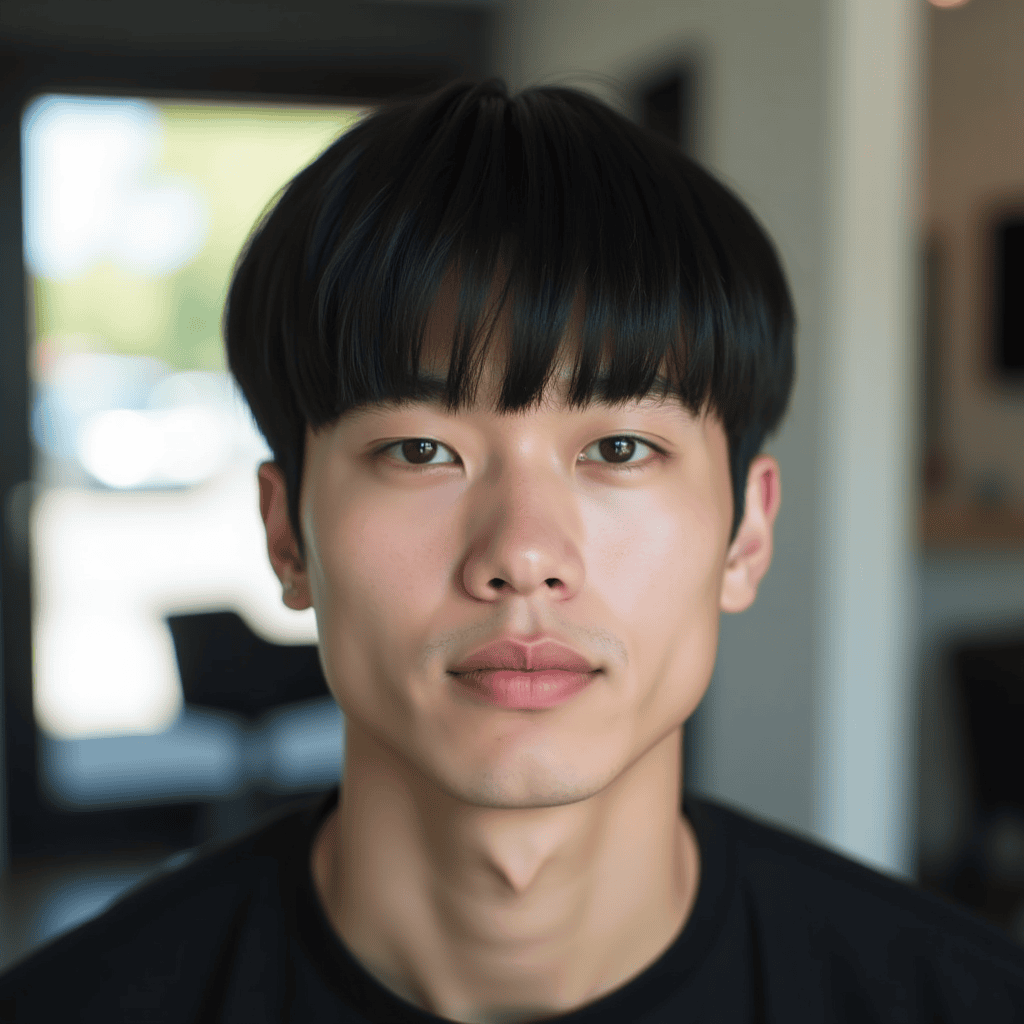
The soft taper bowl keeps the recognizable cap of hair through the top but gradually reduces the weight around the sideburns and neckline. Instead of one uninterrupted heavy line, the lower edges melt closer to the skin while the upper sides stay full. From the front, you still see a rounded fringe. From the side, the cut looks lighter and less severe than a traditional bowl.
It’s one of the safest bowl cut haircut ideas for men trying the shape for the first time because the taper removes the part that can feel most dated. Ask for “a rounded bowl on top with a low soft taper at the sideburns and neck, keeping the blend natural.” Fine-to-medium hair usually sits best because too much density can create a visible shelf above the taper. The drawback is that the lower taper needs cleaning before the longer top does.
3. Long Fringe Bowl Cut
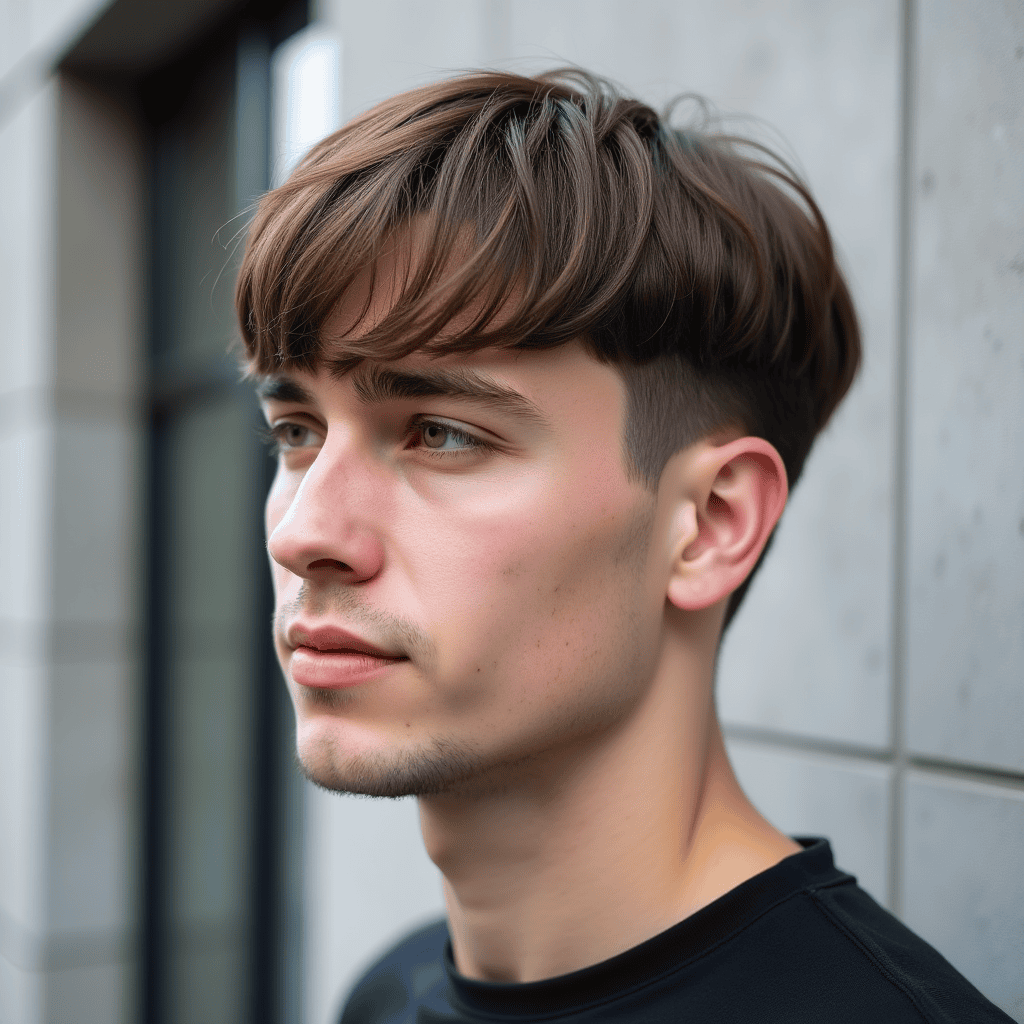
A long fringe bowl cut stretches the familiar shape downward so the front sits close to the eyebrows or slightly over them. The extra length creates a softer curtain across the forehead, while the sides remain rounded and controlled. Keeping a little movement through the ends stops the fringe from looking like one heavy horizontal strip. The effect is youthful, clean, and slightly more fashion-led than the short classic version.
Men with longer or angular faces often wear this proportion well because the fringe visually shortens the forehead. Tell your stylist, “keep the bowl shape full but leave the fringe around eyebrow length and soften the ends so it doesn’t look blunt.” You’ll need to push or reshape the front occasionally during the day if your hair grows forward aggressively. Skip this length if hair touching your eyebrows drives you mad.
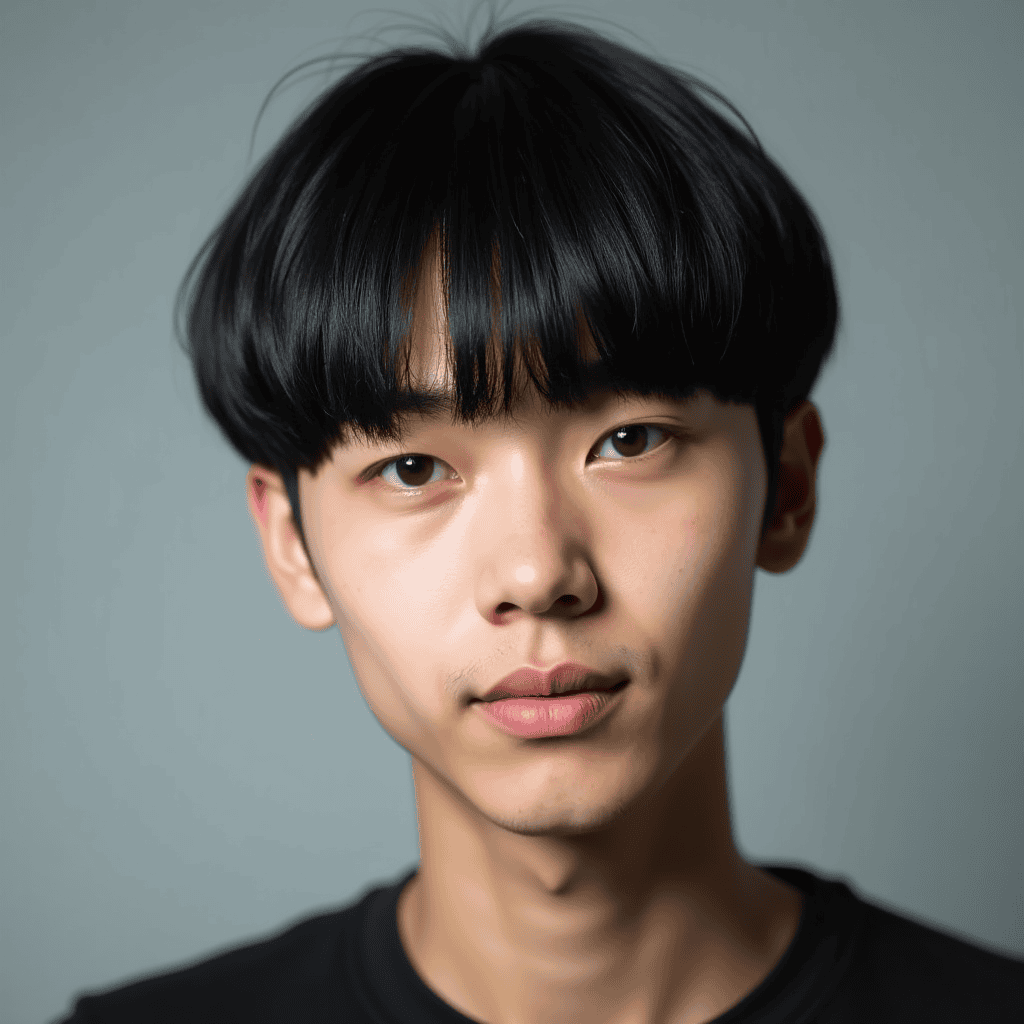
4. Short Clean Bowl Cut
The short clean bowl cuts the familiar silhouette closer to the head, keeping the fringe well above the eyebrows and the sides tight enough to expose part of the ears. Because there’s less hair hanging from the perimeter, the rounded outline reads sharper without becoming bulky. The crown should follow the head naturally rather than puff upward. It’s neat, compact, and easier to wash and dry than the longer versions.
This version suits men with straight, strong-growing hair who want a bowl cut without carrying much length. Ask your barber for “a short bowl shape with the fringe high on the forehead, compact sides, and a clean but not skin-tight neckline.” Cowlicks near the hairline matter more at this length because they can kick the fringe out of position. A little matte paste can control stubborn pieces without making the cut shiny.
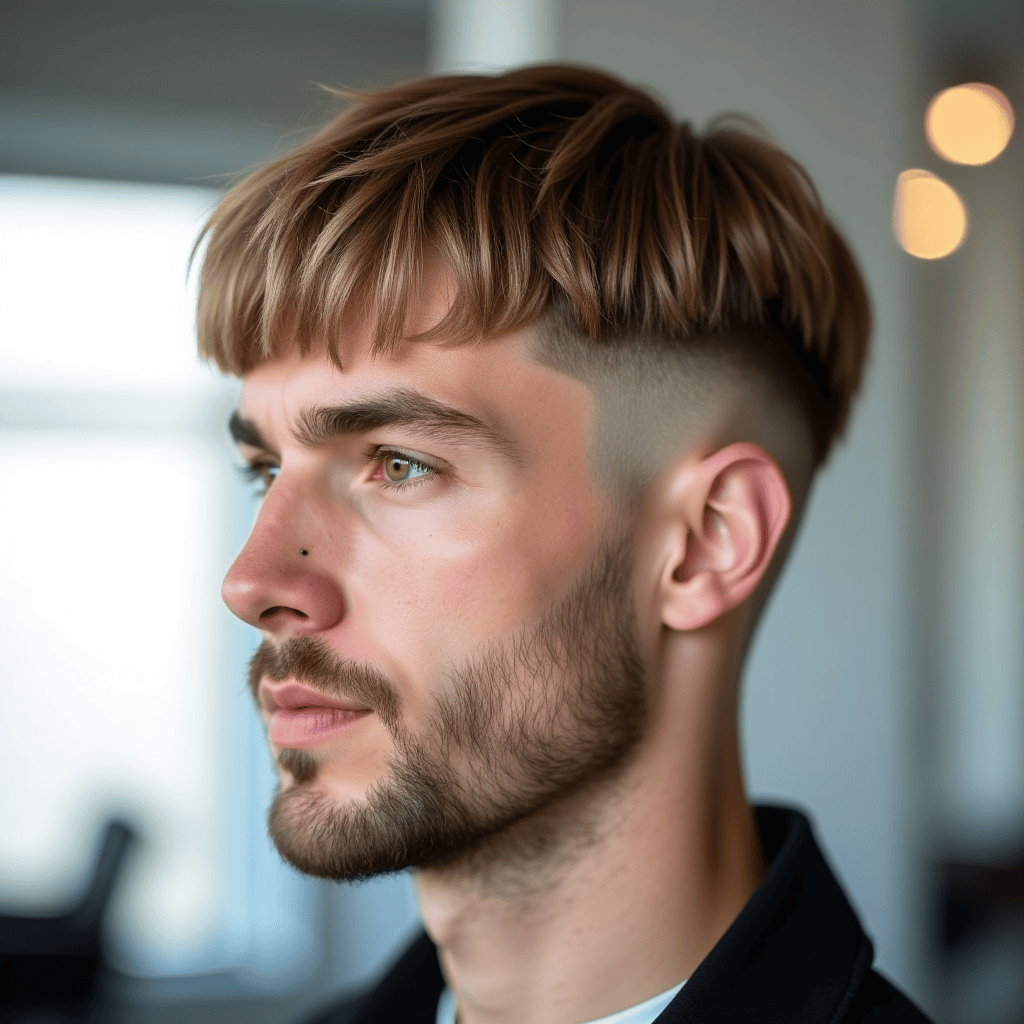
5. Side-Swept Bowl Cut
The side-swept bowl keeps the rounded architecture but shifts the fringe diagonally rather than dropping it straight down. One side of the forehead becomes slightly more exposed, giving the front a softer and less symmetrical appearance. The top can stay smooth, while gentle layering near the fringe helps it move across without separating into thin strands. It feels familiar from a distance but noticeably different up close.
This shape can work well for men who like bowl cut ideas but dislike a perfectly straight fringe. Ask for “a soft bowl shape with enough length in front to sweep naturally to one side and light layering through the fringe.” It’s easier on men with a natural directional growth pattern because the hair already wants to move sideways. If your fringe grows dead straight forward, you may need a blow-dryer each morning to keep the sweep in place.
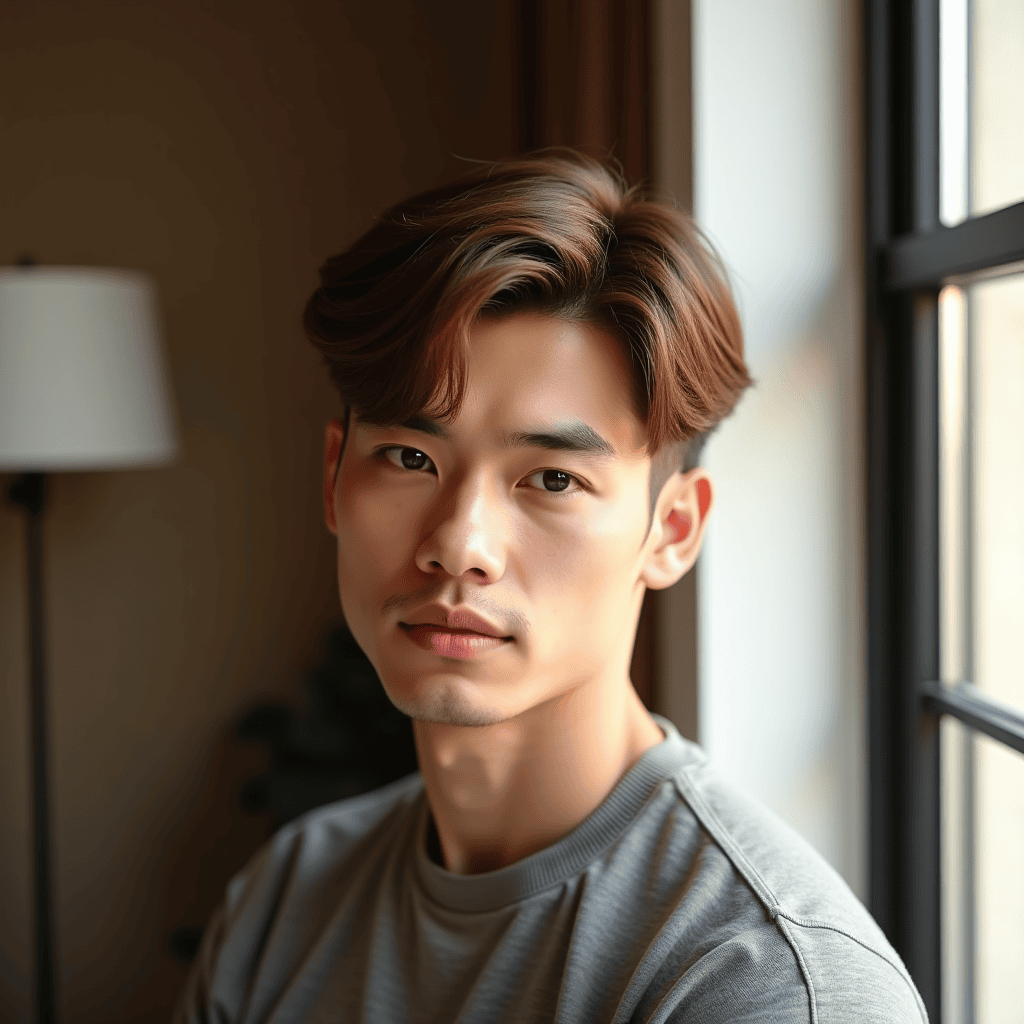
Textured Bowl Cut Ideas for More Natural Movement
Texture changes the entire personality of a bowl cut. Instead of treating the perimeter as one perfect line, these versions break up the surface with waves, curls, choppy sections, or controlled separation so the shape feels looser and less formal.
6. Textured Crop Bowl
The textured crop bowl combines a rounded outline with short, broken pieces running through the fringe and top. Rather than lying flat, individual sections lift slightly and point in different directions, which makes the cut feel more casual. The sides still follow the bowl shape but can be lightly softened with point cutting. That contrast between a clear silhouette and an imperfect surface is what makes this version work.
Medium-density straight or slightly wavy hair handles this style well because it can hold separation without becoming too fluffy. Ask for “a short rounded bowl with choppy texture through the top and a broken fringe instead of a solid line.” A pea-sized amount of matte clay is usually enough to define the pieces. Overworking the product is the biggest mistake because greasy separation ruins the dry texture that gives the cut its character.
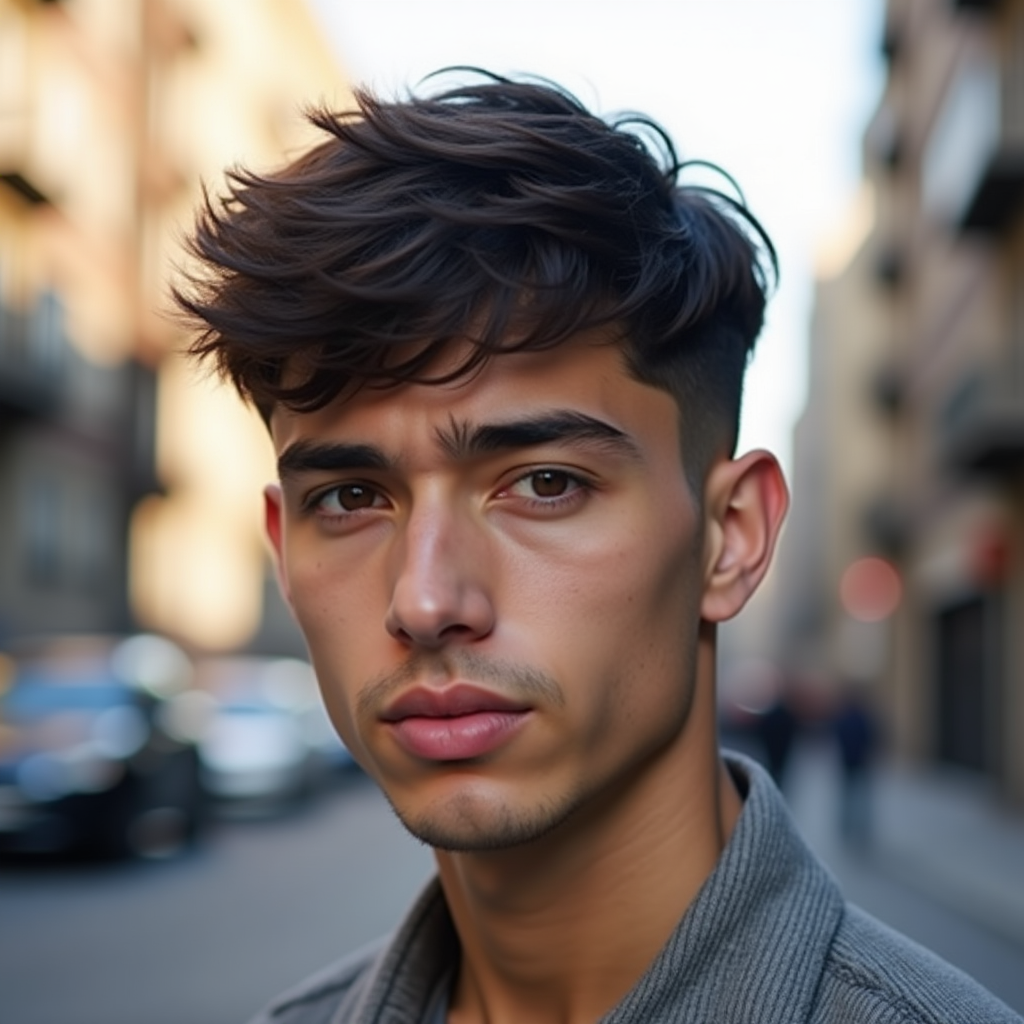
7. Wavy Bowl Cut
A wavy bowl cut lets natural bends interrupt the usual smooth outline, creating soft peaks and dips across the fringe and sides. The overall silhouette still curves around the head, but it feels relaxed rather than geometric. Keeping enough length on top gives the waves space to form. The edge around the ears should be controlled so the movement looks intentional instead of overgrown.
Guys with naturally wavy hair should ask for “a rounded bowl silhouette that follows my wave pattern, with internal weight removed but enough length for movement.” This is one of those bowl cut haircut ideas I prefer when the barber works with the hair rather than trying to straighten it into submission. A light styling cream can help the bends group together. Humidity will change the shape from day to day, which is either part of the appeal or the reason to choose something cleaner.

8. Curly Bowl Cut
The curly bowl uses the natural spring of curls to build a rounded halo rather than relying on a blunt perimeter. Shorter curls frame the forehead while fuller coils sit through the upper sides and crown. The shape should narrow slightly below its widest point so it doesn’t become triangular. A barber who understands curl shrinkage matters here because the dry length can look much shorter than the wet cutting length.
Men with consistent curls can ask for “a rounded bowl silhouette cut for my natural shrinkage, keeping fullness through the top and tapering the lower edge lightly.” Curl definition matters more than perfect symmetry, so don’t chase a ruler-straight outline. The maintenance catch is shape: as curls grow outward, the cut can become wide before it becomes noticeably long. Regular dry-shape checks help keep the balance.
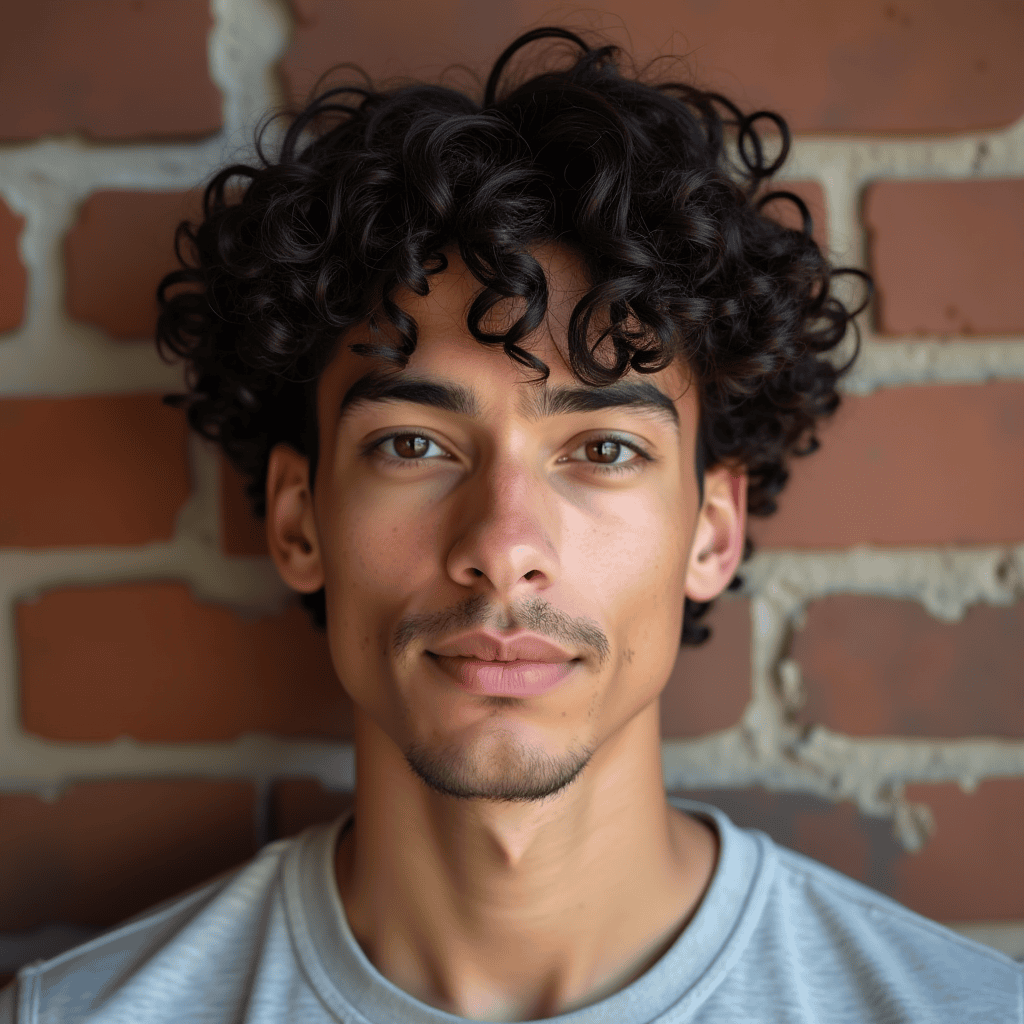
9. Messy Bowl Cut
The messy bowl keeps enough rounded structure that you can still identify the cut, then deliberately disrupts the surface. The fringe falls at uneven points, the top has small lifted sections, and the sides are slightly broken rather than perfectly smooth. It shouldn’t look as if someone forgot to comb their hair. The strongest versions have controlled disorder sitting over a well-cut base.
This suits men who want a relaxed shape they can style with their fingers instead of a brush. Ask your barber for “a bowl cut with plenty of point-cut texture and an irregular fringe, but keep the overall outline rounded.” Work a small amount of dry paste through the roots and ends instead of coating the whole head. The drawback is that intentional mess still needs styling; without a little separation, it can simply look slept-in.
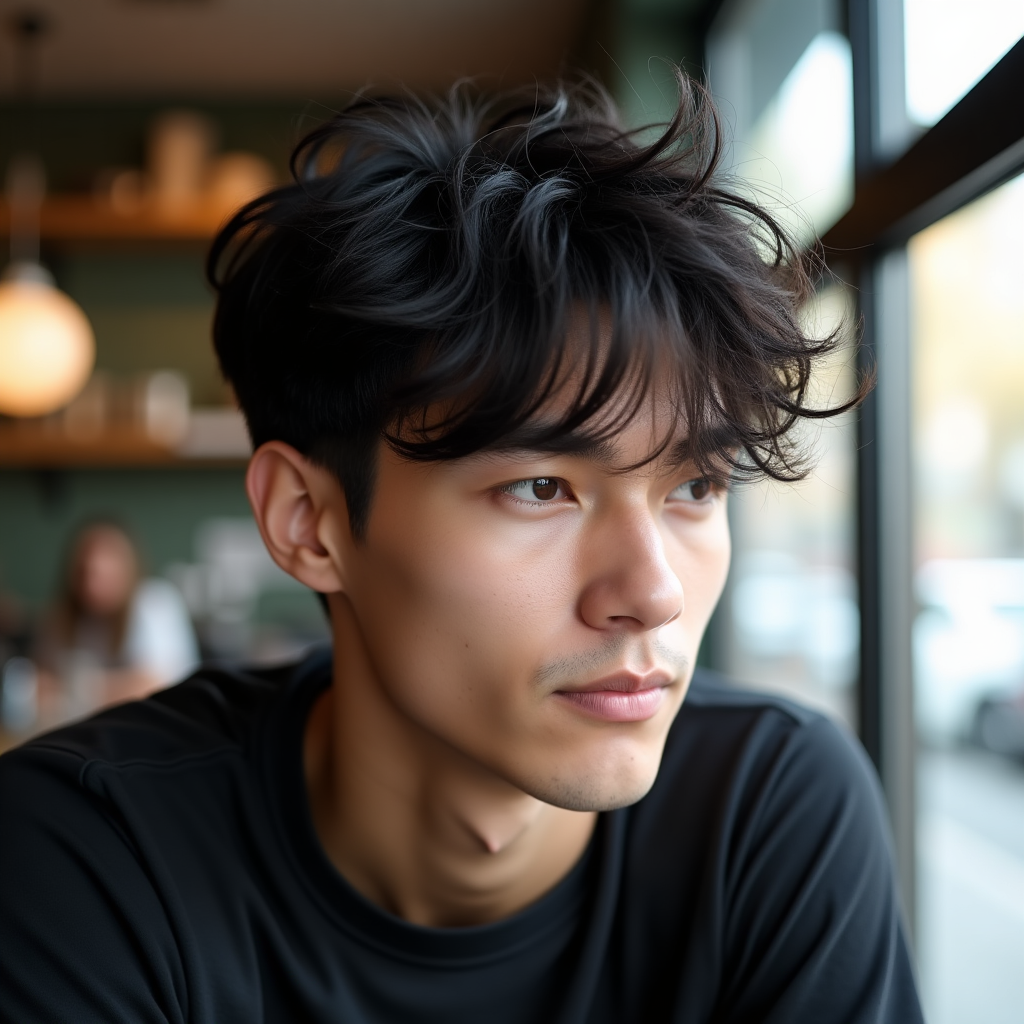
10. Feathered Bowl Cut
A feathered bowl replaces the blunt edge with light, overlapping layers that flick softly away from the face. The fringe looks airy instead of dense, and the sides fall in thin sections rather than one solid curtain. You still want a visible rounded silhouette underneath. Too much layering destroys the bowl entirely, so the stylist has to remove weight without erasing the shape.
Fine or medium straight hair usually responds best because the ends can move without becoming bulky. Ask for “a light layered bowl with feathered ends, keeping the round outline visible and the fringe soft.” A quick blow-dry with fingers can create enough lift for most mornings. Men with coarse hair may find that the feathered edges kick outward harder than expected, especially as the cut starts growing.
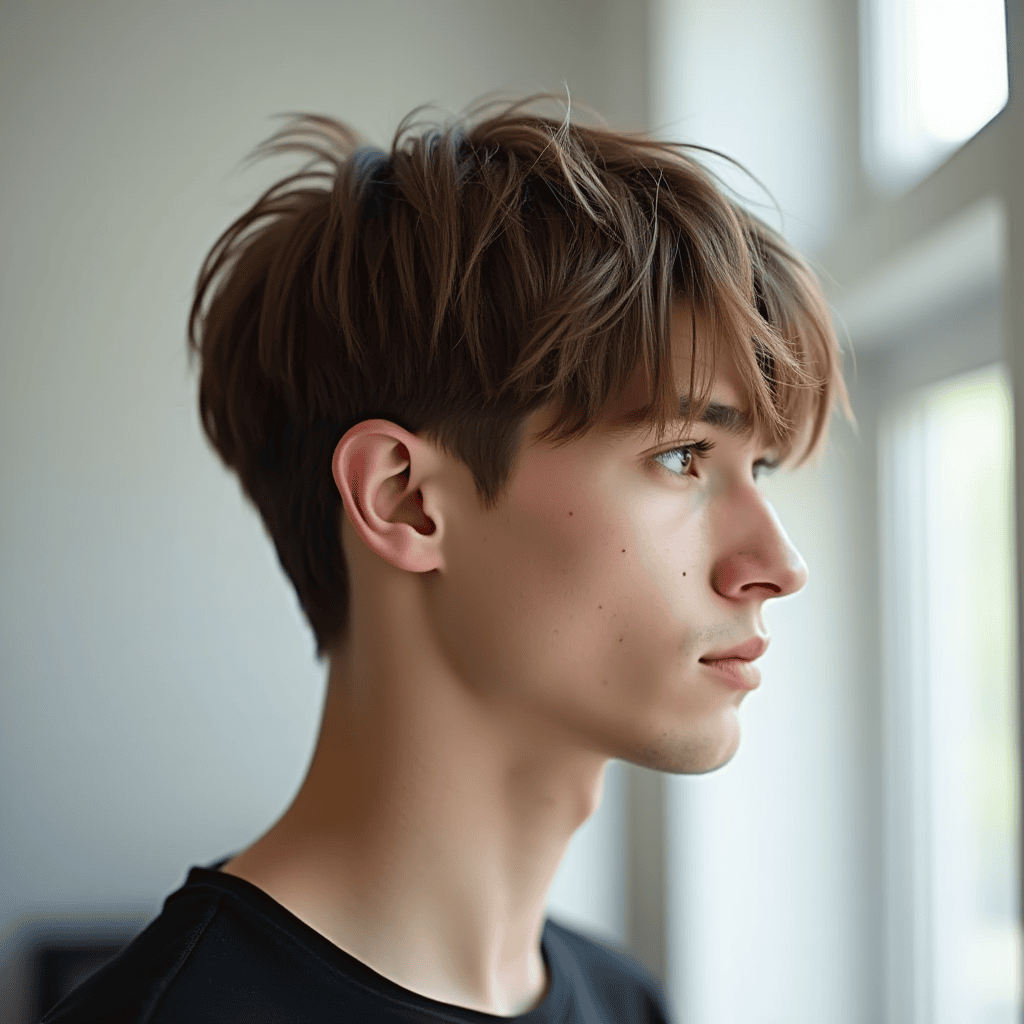
Bowl Cut Haircut Ideas With Fades and Stronger Contrast
Adding a fade or undercut changes the bowl from soft and rounded to deliberately architectural. These are the cuts where the upper weight line becomes the main feature, so the barber’s blending choices matter as much as the fringe.
11. Low Fade Bowl Cut
A low fade bowl keeps most of the side weight intact while fading only the bottom section near the ears and neckline. The rounded top appears to float slightly above the shortest hair, but the contrast remains controlled. From the front, you see a conventional fringe. Turn to the side and the lower fade gives the cut a much cleaner finish.
This version suits men who want modern bowl cut ideas without committing to a dramatic disconnect. Ask for “a rounded bowl cut with a low fade that stays below the temple and doesn’t eat into the weight line.” The fade will look freshest for a shorter period than the top, so maintenance schedules can feel uneven. If you don’t want visits every few weeks, ask for a softer low taper instead.
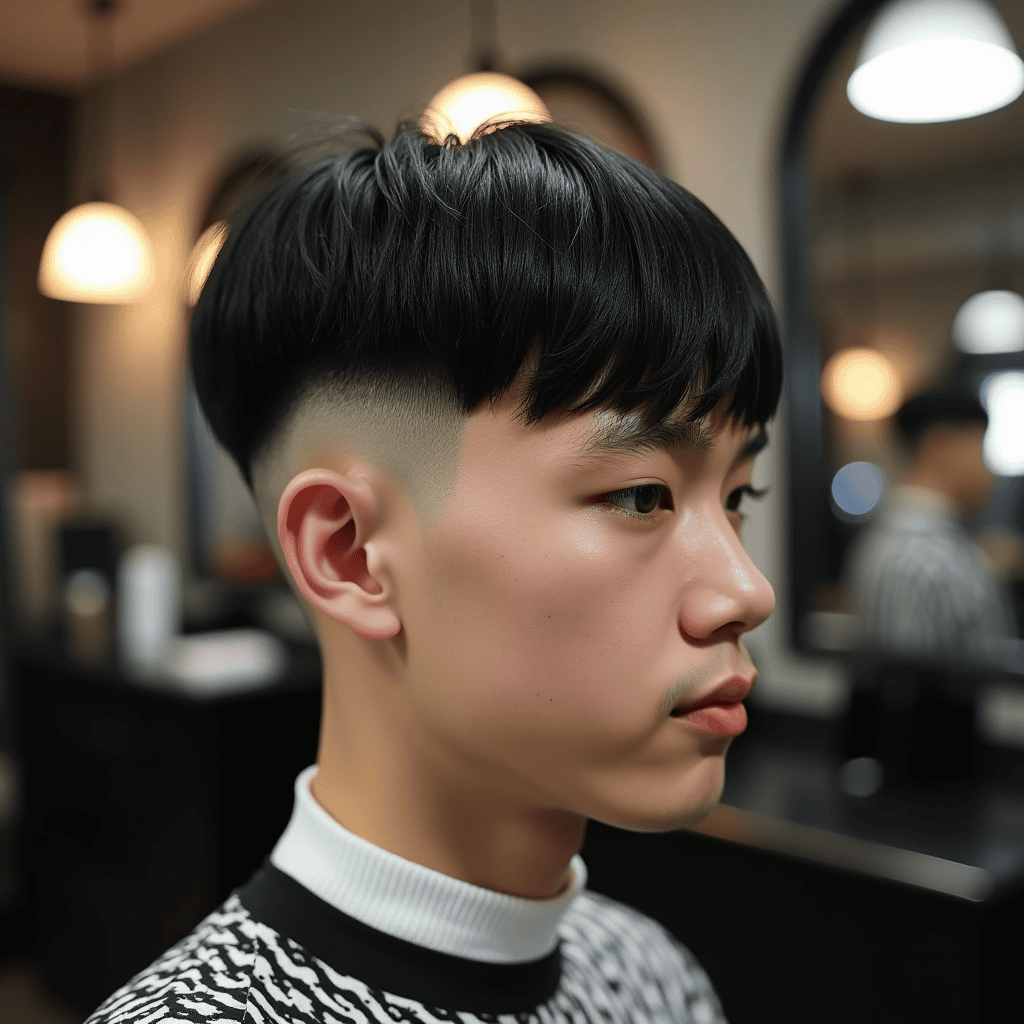
12. Mid Fade Bowl Cut
The mid fade bowl removes more hair from the sides, making the upper rounded section appear heavier and more pronounced. The fade begins around the middle of the temple area and transitions upward toward a definite weight line. That contrast makes the fringe look stronger from the front. From the back, the rounded upper panel and faded lower section create a clear two-level silhouette.
Ask for “a mid fade under the bowl shape, keeping the upper weight line visible rather than blending everything away.” Thick straight hair gives the top enough density to stand against the shorter sides. The shape can flatter oval and angular faces, though wider faces may look broader if the upper section is left too bulky. The main drawback is commitment because grow-out exposes the disconnect quickly.
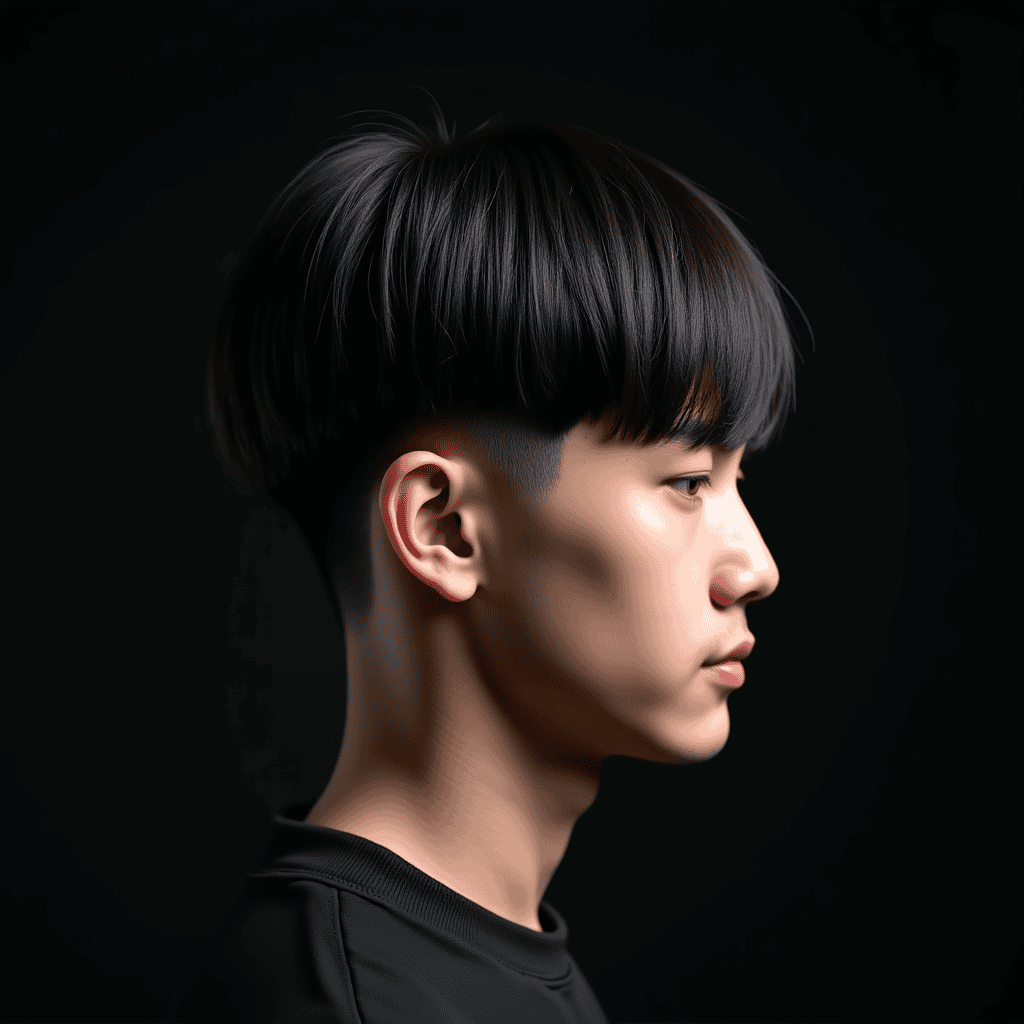
13. High Fade Bowl Cut
A high fade pushes the short section much farther up the sides, leaving the bowl almost like a separate cap of hair. The contrast is obvious, especially when the top is dark and dense. The fringe can stay blunt or lightly textured, but the upper perimeter needs enough weight to hold a strong horizontal line. This is less subtle than the low and mid versions by design.
Men with thick hair and strong growth usually carry the structure best. Tell your barber, “take the fade high but preserve a clear bowl weight line above it, and don’t round the blend into the top.” You’re signing up for frequent fade maintenance if you want the contrast to stay sharp. On very fine hair, the upper section may look too thin against the exposed sides.
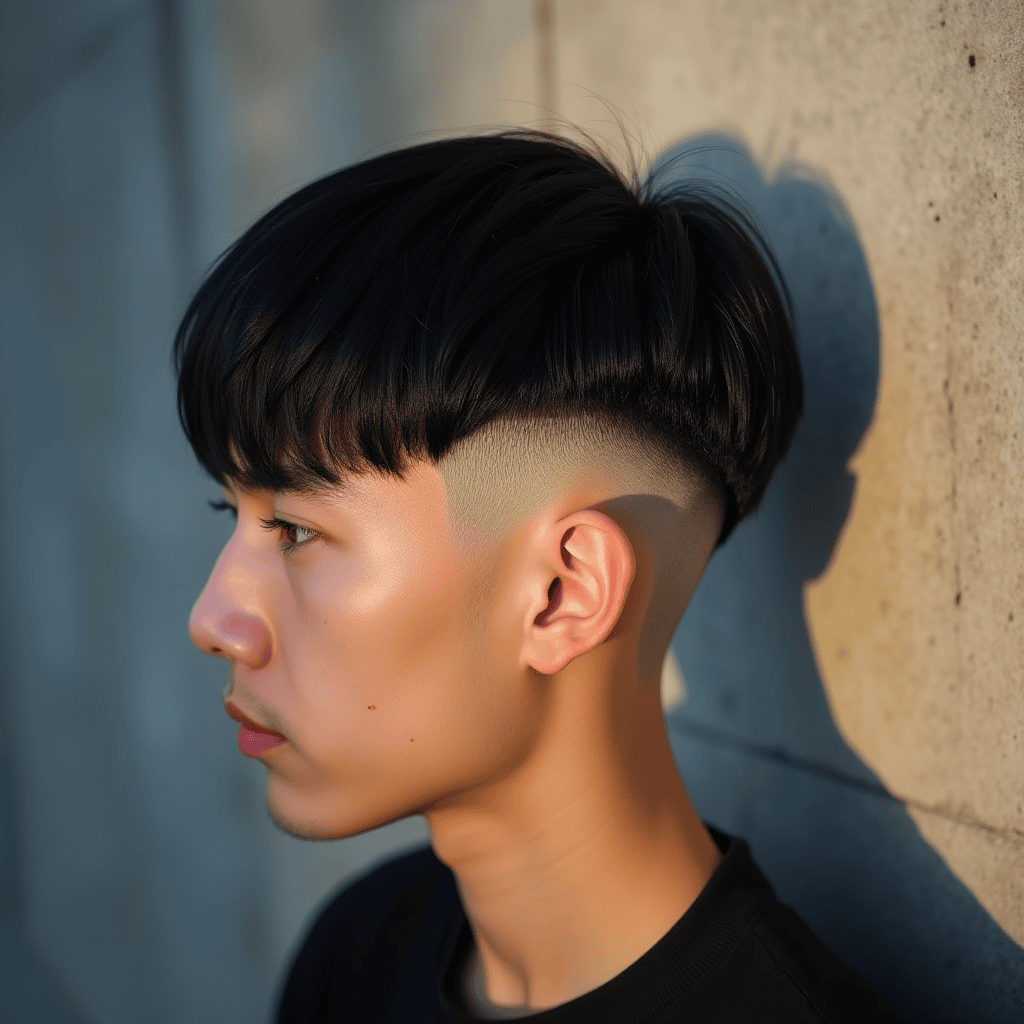
14. Disconnected Bowl Fade
The disconnected bowl fade deliberately avoids a smooth transition between the long upper section and the short lower sides. You get a visible ledge where the longer hair ends, which makes the bowl shape look graphic and almost engineered. The top can remain sleek while the fade underneath stays extremely clean. It’s one of the clearest examples of turning an old-school silhouette into a modern statement.
Ask for “a fully disconnected bowl with a visible weight line and a clean fade underneath—don’t blend the two sections together.” Straight, dense hair shows the geometry best, especially when styled smooth. I go back and forth on this cut because it looks excellent fresh but awkward during grow-out. If you hate seeing a hard ledge soften between appointments, a blended bowl fade will be easier.
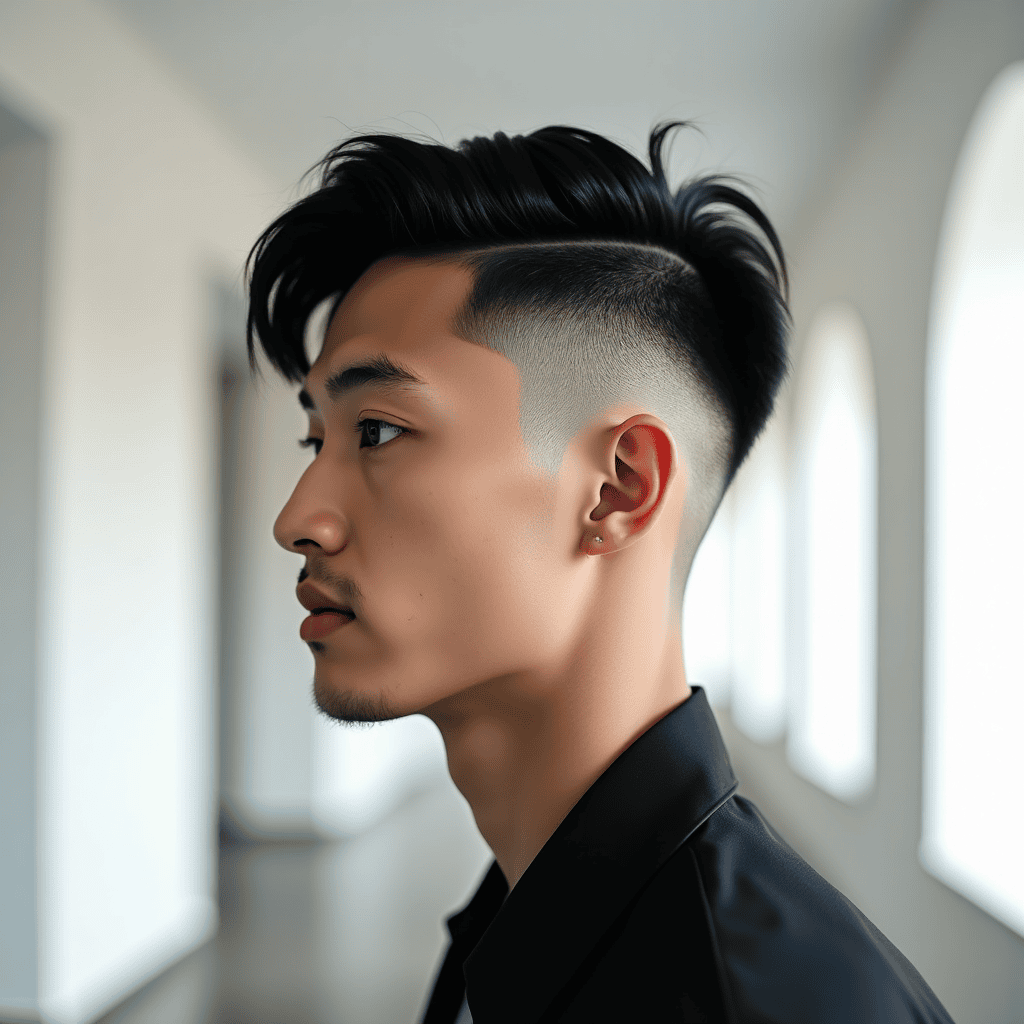
15. Undercut Bowl Cut
The undercut bowl leaves the top long and rounded while taking the hair underneath to one shorter, fairly uniform length instead of fading it gradually. When the upper hair falls naturally, it creates a strong overhang above the undercut. Push part of the top aside and the hidden short section becomes obvious. That flexibility makes it feel more fashion-driven than a standard fade.
This works best for men comfortable with a noticeable difference between long and short hair on the same cut. Ask for “a classic bowl shape on top with a clean undercut underneath, keeping the two lengths separate.” Dense hair gives the overhang enough weight to cover the undercut properly. Growing it out is the nuisance because the short section needs months to catch up with the upper layers.
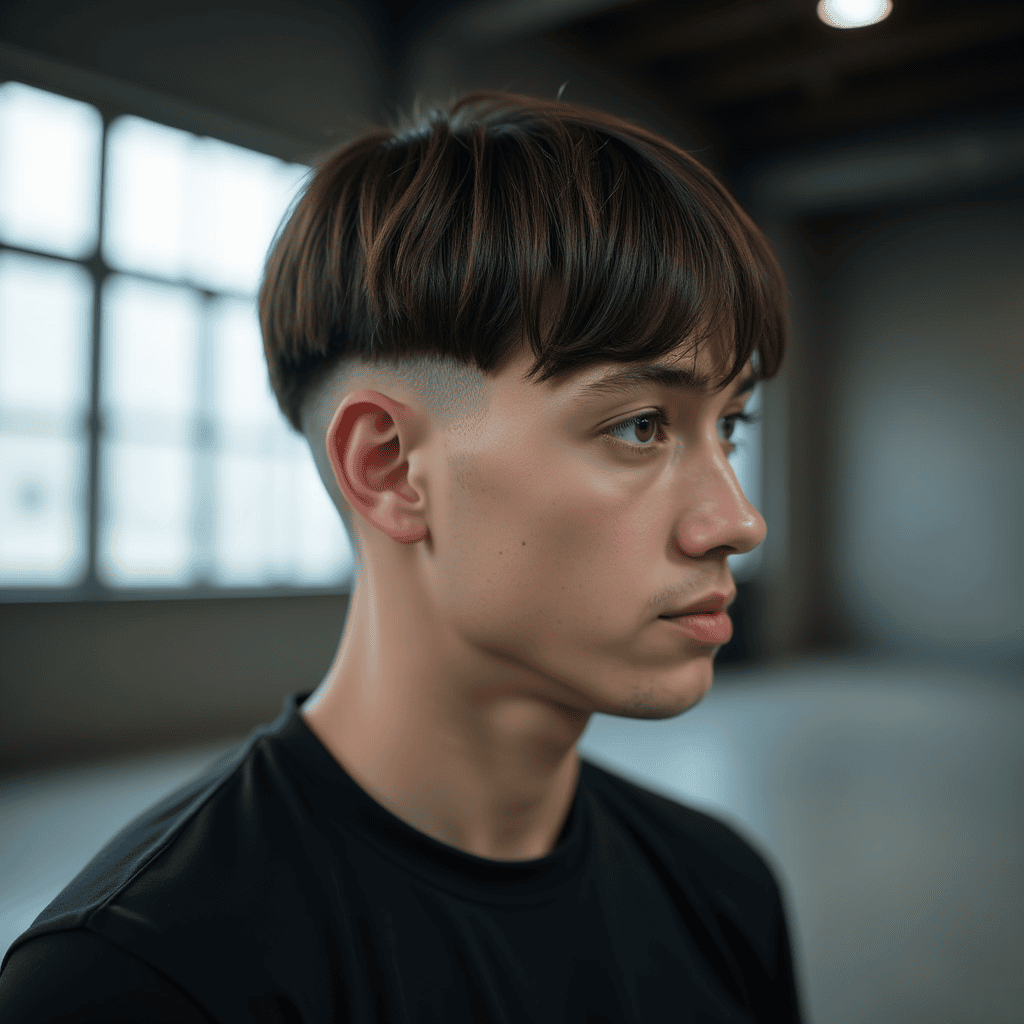
Modern Bowl Cut Ideas With Longer Layers
Longer versions soften the outline and give the top more movement. These bowl cut haircut ideas work especially well for men who like the rounded fringe but want enough length to tuck, sweep, part, or reshape it between appointments.
16. Korean-Inspired Layered Bowl
A Korean-inspired layered bowl usually sits softer around the face than a traditional Western barbered bowl. The fringe breaks into light sections, the temples stay covered, and internal layers stop the top from collapsing into one solid mass. The silhouette remains rounded, but it moves when the head moves. A slight curve through the ends helps the hair frame the cheekbones without looking sharply cut.
Straight or gently wavy hair is ideal, especially if it has enough density to hold airy layers. Ask for “a soft layered bowl with a light fringe, covered temples, and internal movement rather than a heavy blunt edge.” Blow-drying the front forward and then separating it with your fingers usually creates the right finish. The cut can turn flat quickly on oily hair, so overloading it with wax is a mistake.
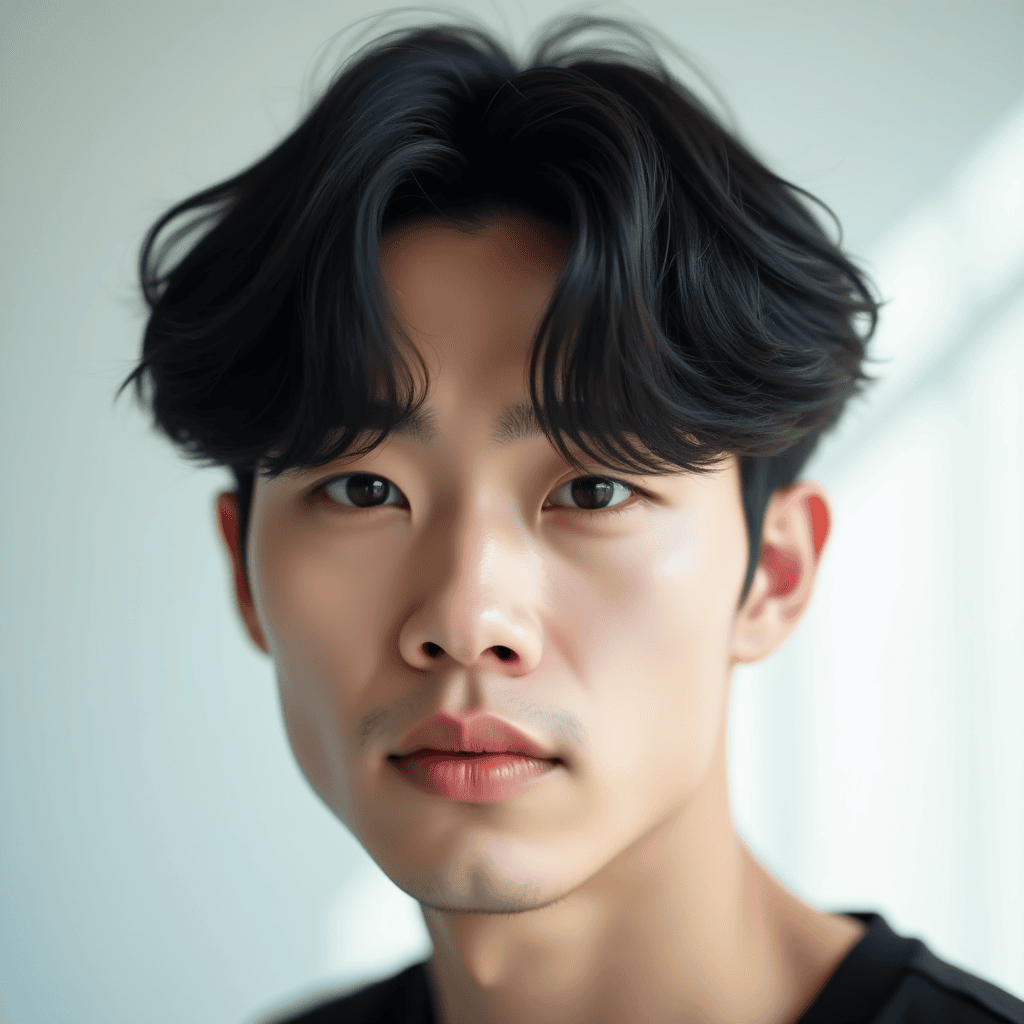
17. Curtain Bowl Cut
The curtain bowl starts with a rounded shape but opens the fringe through the center, allowing both sides to curve away from the forehead. The center part reveals more of the face while the longer temple pieces preserve the bowl’s outline. The crown remains smooth and controlled rather than heavily voluminous. From the side, it can almost resemble a grown-out classic bowl.
This is useful for men who want to shift between a bowl cut and center-parted styling without changing the haircut. Ask for “a longer bowl shape with enough front length for a middle part and soft layers around the temples.” Straight and loose-wavy hair part most naturally. The weak point is the middle: a stubborn cowlick can create a gap wider than you intended, so check your growth pattern before committing.

18. Shaggy Bowl Cut
The shaggy bowl stretches the rounded shape with longer, uneven layers that fall around the ears and toward the upper neck. The fringe stays connected to the sides, but the ends are deliberately softer and less controlled. Movement through the crown prevents the cut from sitting flat. It looks more like a lived-in fashion haircut than a freshly outlined barber cut.
Ask for “a grown-out bowl shape with shaggy layers, soft edges around the ears, and enough connection that the fringe flows into the sides.” Medium and thick hair with a little wave usually makes the shape easiest to style. You can air-dry it with a small amount of cream, which is a nice break from precision styling. Fine hair can lose the rounded character and turn stringy once this much length is added.

19. Ear-Length Bowl Cut
An ear-length bowl lets the side sections fall directly across or just below the top of the ears while keeping the fringe connected around the head. The longer perimeter gives the silhouette a smoother, heavier swing. Subtle layering inside the shape prevents the sides from expanding too far outward. With straight hair, it can look almost sculptural when the surface is polished.
Men with narrow and oval faces often wear this longer proportion comfortably. Ask for “a bowl cut that lands around ear length with internal weight removal, but keep the outer line full.” You’ll have options to tuck the sides behind the ears when you want a different look. The annoying phase arrives when the lower edge starts touching the collar but isn’t yet long enough to behave like a medium-length haircut.
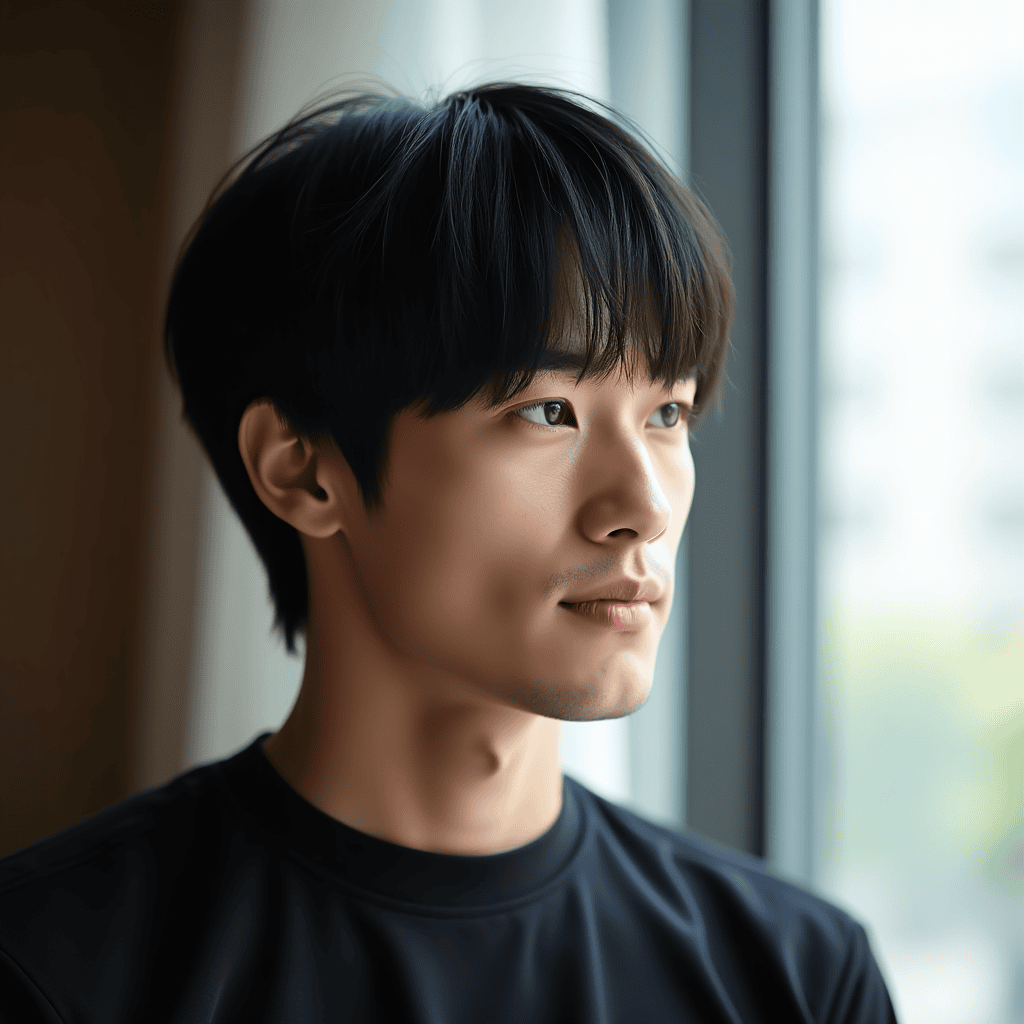
20. Layered Bowl With Tucked Sides
This bowl cut keeps medium length through the top and sides but removes enough bulk that the sections beside the face can tuck neatly behind the ears. With the sides down, it appears rounded and softly traditional. Once tucked, the silhouette becomes narrower and the cheekbones and jawline become more visible. That small styling change makes one haircut feel like two different shapes.
Ask for “a medium layered bowl with enough length to tuck behind the ears and reduced bulk around the temples.” It’s particularly useful for men who switch between casual clothes and cleaner work or event styling because the tuck immediately sharpens the profile. Fine-to-medium hair behaves best. Extremely thick hair may spring away from the ear unless the stylist removes significant internal weight.

Bold Bowl Cut Haircut Ideas for a Stronger Statement
These final bowl cut haircut ideas lean into the shape rather than trying to make it disappear. Short fringes, exaggerated weight lines, color contrast, and hybrid silhouettes all make the cut more noticeable, which also means the barber has less room for sloppy execution.
21. Micro Bowl Cut
The micro bowl shrinks the entire concept upward, leaving a short rounded perimeter high on the forehead and well above the ears. The fringe can sit only an inch or two below the hairline, creating a compact cap-like silhouette. Keeping the top lightly textured prevents the haircut from looking unnaturally rigid. This shape exposes much more of the forehead, ears, and face than a conventional bowl.
Men with balanced facial proportions and a strong preference for short hair usually handle this cut best. Ask for “a very short micro bowl with a high rounded fringe and a clean exposed ear line, but keep a little texture through the top.” Maintenance is surprisingly high because a few weeks of growth changes the proportions fast. There’s also nowhere for imperfect hairline work to hide.
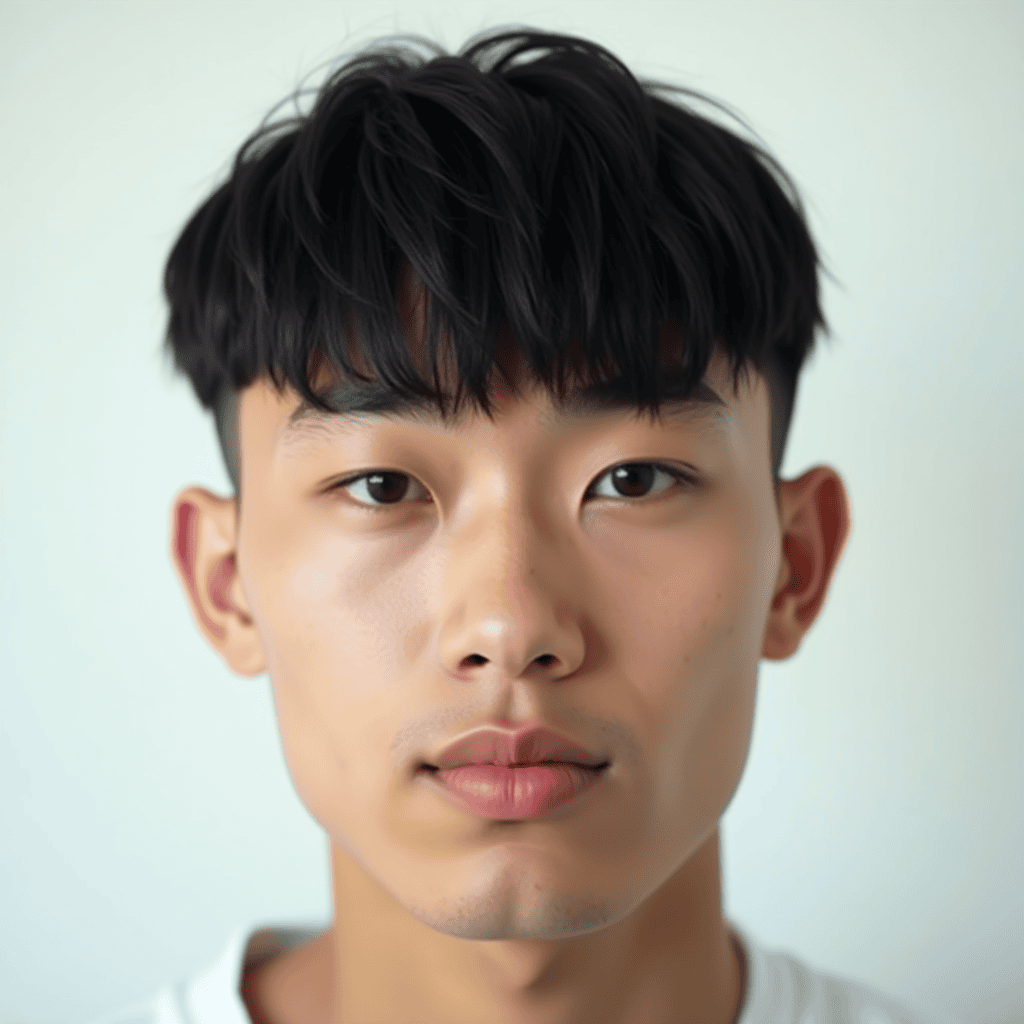
22. Blunt Graphic Bowl Cut
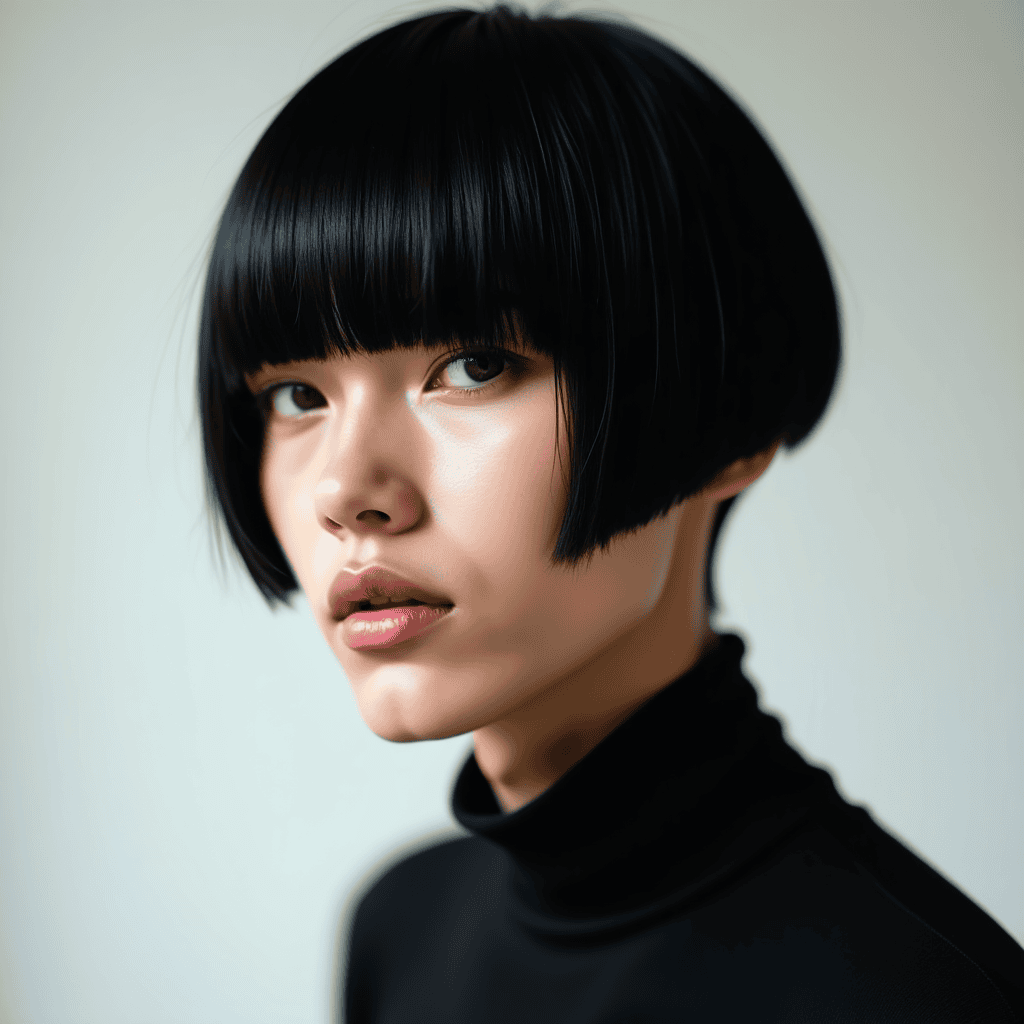
The blunt graphic bowl takes every soft edge out of the traditional shape. The fringe forms a strong horizontal line, the sides continue around the head with obvious precision, and the smooth top creates an almost geometric surface. There’s little point cutting or feathering to disguise the perimeter. Under clean lighting, the line itself becomes the haircut’s main feature.
This version demands dense, straight hair and a barber confident with precision work. Ask for “a sharply blunt bowl with a strong graphic perimeter, minimal texturing, and the line kept visually consistent around the head.” It works particularly well with fashion-forward tailoring or minimalist clothes because the haircut already carries plenty of visual information. The flaw is obvious: one uneven section can stand out more than it would on any textured version.
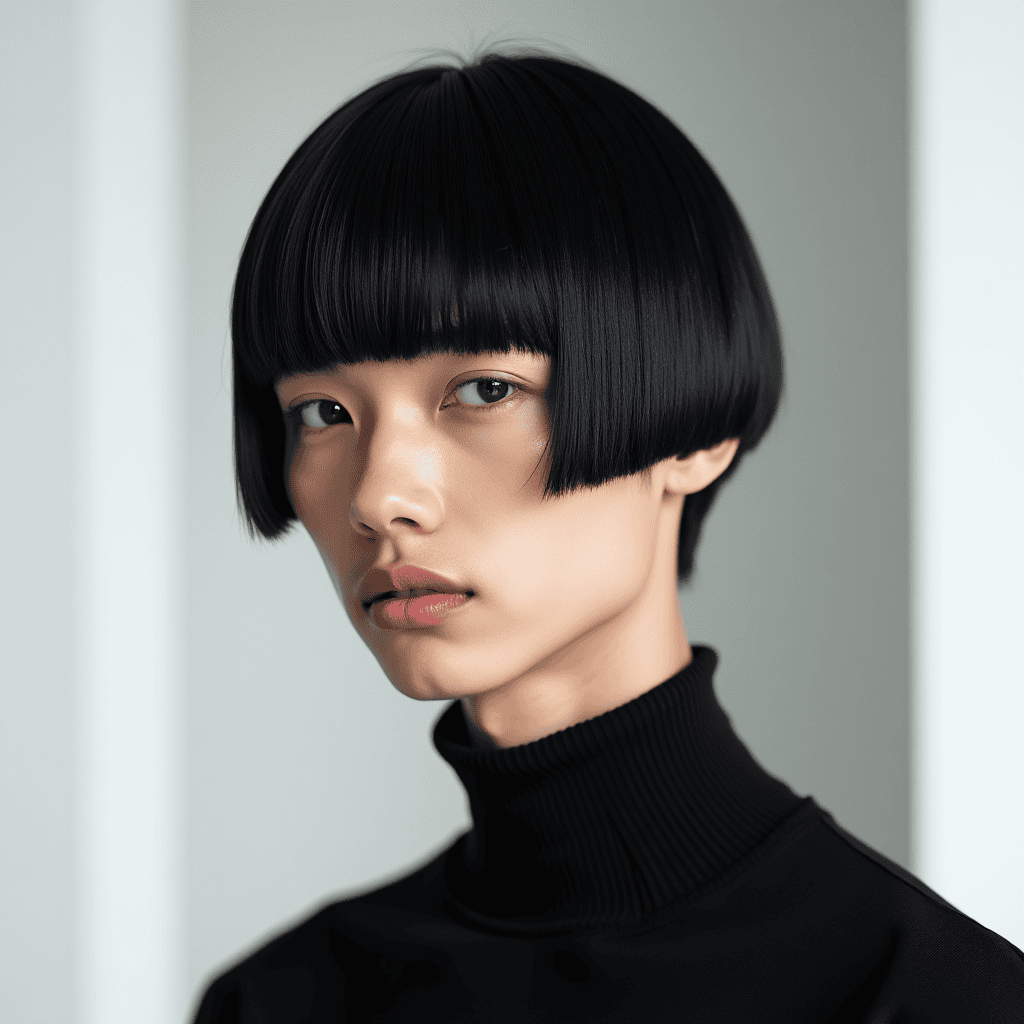
23. Bowl Cut With Contrasting Color
A contrasting-color bowl cut uses color to exaggerate the separation already built into the haircut. The rounded upper section might carry a lighter tone while the natural darker roots or shorter sides remain visible underneath. Another option is concentrating contrast through the fringe so the front edge becomes the focal point. The strongest result keeps the haircut simple enough that the color has room to register.
Talk to a stylist and color professional about “keeping the bowl silhouette clear and placing the color so it emphasizes the upper shape rather than breaking it into random sections.” This approach suits men already comfortable with noticeable hair changes because the color can attract more attention than the cut itself. Color upkeep adds another appointment cycle, and the effect changes noticeably as roots grow.
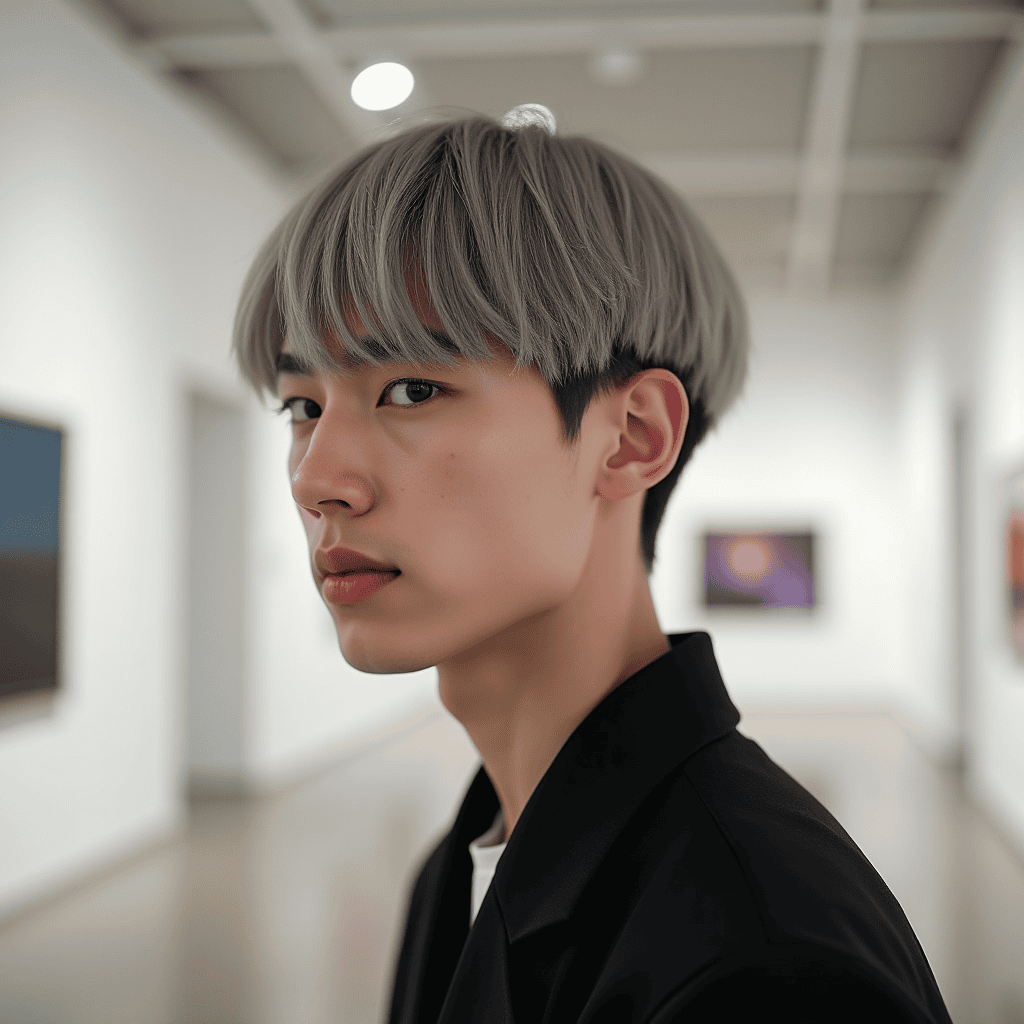
24. Bowl Cut Mullet Hybrid
The bowl-mullet hybrid keeps a rounded fringe and temple shape at the front while allowing noticeably more length to extend behind the ears and down the back. Viewed from the front, the cut can read as a textured bowl. Turn sideways and the longer nape changes the entire silhouette. Keeping some layered connection between the two zones makes it feel intentional rather than like two unrelated haircuts joined together.
Ask your barber for “a rounded bowl through the front and temples that transitions into longer layered length at the back, with the connection visible rather than completely disconnected.” Wavy and medium-thick hair can give the hybrid plenty of movement. This is not the cut for someone who wants to blend into conservative settings. The back also needs shaping during grow-out or it starts carrying too much weight near the shoulders.
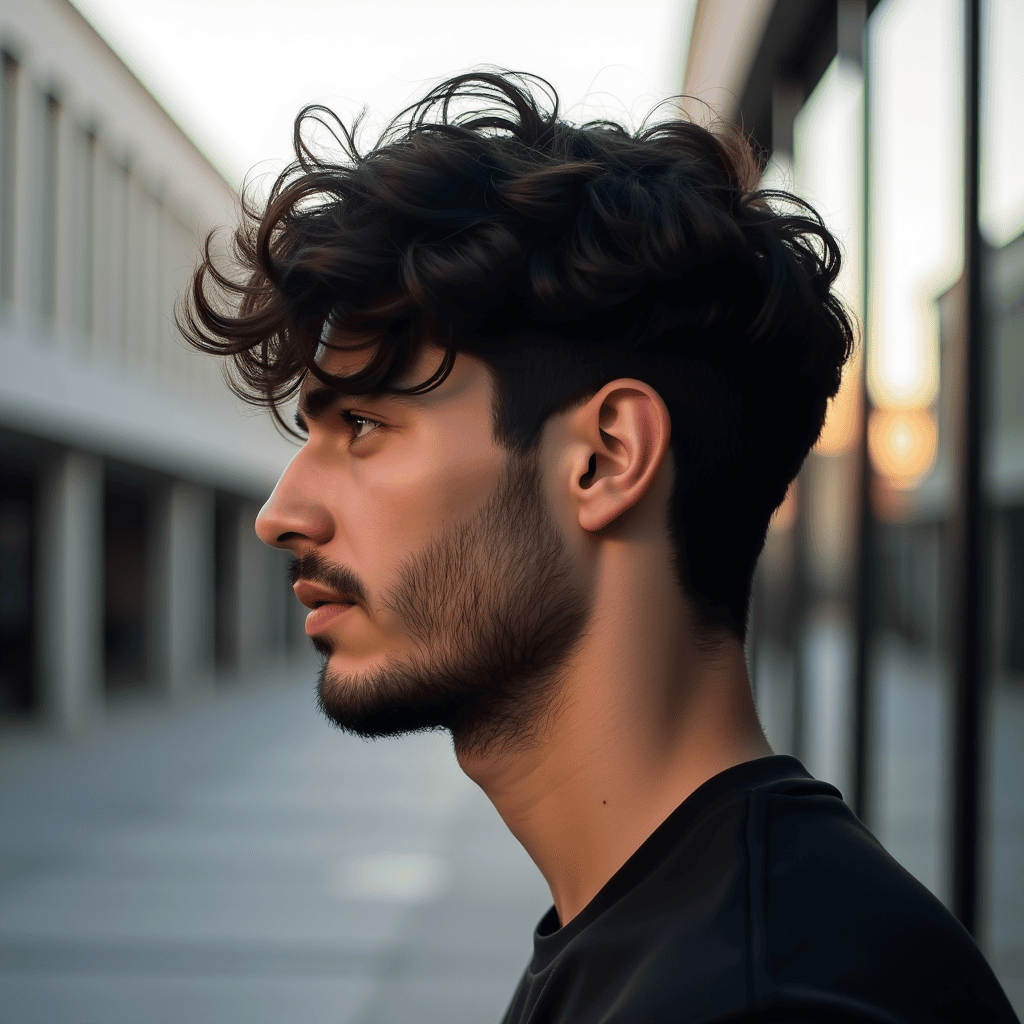
25. Asymmetrical Bowl Cut
An asymmetrical bowl deliberately sets one side longer or lower than the other while preserving enough of the rounded outline to keep the bowl reference clear. The fringe may angle downward across the forehead, with one temple section extending farther toward the cheek. The opposite side stays shorter and cleaner. Done well, the imbalance looks designed from every viewing angle rather than like a cutting mistake.
This is the boldest option here and suits someone comfortable explaining exactly what they want before the first section is cut. Ask for “an asymmetrical bowl with a deliberate diagonal fringe and one longer side, while keeping the rounded structure visible.” Straight hair makes the contrast easiest to control. Styling and trims matter because once the intended angles soften, the cut can lose the visual logic that made the asymmetry work.
How to Choose the Right Bowl Cut for Your Hair and Face
Start with your natural texture rather than the photo you like most. Straight dense hair makes crisp bowl shapes, graphic fringes, and disconnected fades easier to control, while waves and curls usually look better when the perimeter has enough softness to move. Fine hair benefits from lighter shapes because a long heavy bowl can quickly collapse against the head.
Face proportions matter too. A longer fringe can visually shorten a tall forehead, while a micro fringe exposes more of it. Wider faces usually benefit from reducing side bulk rather than creating maximum width around the temples. Longer faces can often carry fuller side sections without looking overwhelmed.
Bring two or three reference photos to the appointment, including at least one side view. Instead of saying only “I want a bowl cut,” explain the specific part you care about: “keep the weight line visible,” “I want the sides tapered,” or “leave enough fringe to reach my eyebrows.” Those instructions tell a barber far more than the haircut name alone.
Also be realistic about maintenance. Faded bowl cuts need the shortest interval between appointments because the contrast disappears as the sides grow. Longer layered versions tolerate extra growth, while micro and graphic bowls lose their intended proportions surprisingly quickly.
For a wedding, shoot, interview, or formal event, I’d usually schedule a familiar bowl cut three to seven days beforehand rather than the same morning. That gives the hair one or two washes to settle while keeping the outline fresh. If you’re making a dramatic change for the first time, give yourself more breathing room in case you decide the fringe or side weight needs a small adjustment.
Where Bowl Cuts Commonly Go Wrong
The biggest problem isn’t the bowl shape itself. It’s leaving too much weight everywhere because someone assumes a bowl cut has to be one solid mass of hair. Dense hair often needs internal removal even when the outside perimeter stays full, otherwise the sides balloon and the crown sits heavy.
Another mistake is combining a high fade with an upper section that’s too thin. The stronger the contrast underneath, the more density the top needs to carry the design. If your hair is naturally fine, a softer taper or layered bowl usually gives you a better result than forcing an extreme disconnected shape.
Fringe length gets oversold too. A brow-skimming fringe photographs well, but if you constantly push hair away from your eyes, you’ll hate living with it. Choose a front length based on what you tolerate during an ordinary workday, not what looks coolest in a five-second reference photo.
And don’t assume every barber approaches bowl cut haircut ideas the same way. Precision lines, curly shaping, skin fades, and longer scissor work are different skills. Look at the barber’s actual portfolio and choose someone whose previous work resembles the version you want.
Frequently Asked Questions About Bowl Cut Haircuts
These are the questions men usually ask before committing to the shape, especially if their last memory of a bowl cut comes from childhood rather than modern barbering.
What is a modern bowl cut for men?
A modern bowl cut keeps the recognizable rounded top and fringe but changes the details underneath. Barbers may add tapering, fades, texture, internal layering, curl shaping, or softer edges. The result can look cleaner and more deliberate than the heavy, uniform bowl cuts many men remember.
Are bowl cut haircut ideas suitable for thick hair?
Thick hair can be ideal because it gives the rounded shape enough density to hold together. The barber may need to remove internal weight so the sides don’t become excessively wide. Thick straight hair is especially useful for blunt, graphic, faded, and disconnected bowl styles.
Can men with thin hair get a bowl cut?
Yes, although softer and shorter shapes are usually easier to manage than heavy long bowls. Excessive layering can expose the scalp, while too much perimeter weight can flatten fine hair. A compact bowl with restrained texture often creates a more controlled impression.
What face shape looks best with a bowl cut?
Oval faces are flexible, but the right bowl can be adapted to several face shapes. Longer faces can handle fuller sides and lower fringes, while wider faces often look better with reduced temple bulk. Fringe height and side volume matter more than following one rigid face-shape rule.
Does a bowl cut work with curly hair?
A curly bowl can work exceptionally well when it’s shaped around the curl pattern rather than forced into a straight perimeter. The barber should account for shrinkage and control where the silhouette becomes widest. Dry finishing helps reveal how the actual rounded shape will sit.
What should I ask my barber for when getting a bowl cut?
Describe the shape, fringe length, side treatment, and texture you want. A useful request might be, “Keep a rounded bowl silhouette, leave the fringe at eyebrow level, remove some internal weight, and taper the lower sides softly.” Bring front and side reference photos whenever possible.
How often does a bowl cut need trimming?
A precision or faded bowl may need attention every few weeks if you want the outline to stay sharp. Softer layered versions can usually grow longer before looking obviously untidy. Your hair growth rate and how exact you want the perimeter to look will determine the actual schedule.
Is a bowl cut hard to style every morning?
Not necessarily. Straight classic bowls may need little more than blow-drying into place, while textured versions benefit from a small amount of matte styling product. Longer curtains and side-swept fringes can take more work because you’re deliberately changing the hair’s natural direction.
Which bowl cut haircut ideas need the least maintenance?
A soft taper bowl, textured crop bowl, or lightly layered version tends to be more forgiving than high fades and sharply graphic cuts. Soft edges hide growth better. Hard weight lines and skin-close fades show every week of regrowth much sooner.
Can a bowl cut be professional enough for work?
A restrained bowl with a soft taper, controlled fringe, and natural color can look polished in many workplaces. Highly disconnected fades, micro fringes, dramatic color contrast, and mullet hybrids make a stronger fashion statement. Match the intensity of the haircut to the environment you actually work in.
What is the difference between a bowl cut and an undercut?
A bowl cut describes the rounded upper silhouette and fringe, while an undercut describes how the hair underneath is cut shorter and kept separate from the longer top. The two techniques can be combined, producing a bowl-shaped upper section sitting over clearly shorter sides.
Can I turn an overgrown bowl cut into another hairstyle?
Often, yes. Longer bowl cuts can transition toward curtains, shags, medium layered cuts, or even a mullet-inspired shape because much of the top length is already present. The main challenge is balancing sections that were previously cut shorter around the lower sides and neckline.
Should I get a bowl cut before an important event?
If you already wear the style, booking several days before the event usually gives the haircut time to settle while keeping the perimeter neat. For a first-time dramatic change, leave a wider buffer. You don’t want to discover the morning of a wedding or shoot that the fringe feels too long.
Are bowl cuts for men still fashionable?
The bowl never completely disappeared; it keeps being reworked through fades, layered Korean-inspired styling, curls, textured fringes, and more experimental shapes. What makes it feel current is the execution. A thoughtful weight line and texture choice matter more than blindly copying one fashionable reference.
How do I know which bowl cut will suit me?
Look first at hair texture, density, forehead length, side volume, and your willingness to style it. Then choose the level of contrast you want. Save front and side photos of your favorite version and ask your barber how that exact silhouette would behave with your natural hair before any length comes off.
Pick the version you could still see yourself wearing on an ordinary Tuesday, not only the one that looks strongest in a carefully styled photo. Bring your barber a front view and a side view, point out the fringe length and side weight you want, and ask how they would adapt that bowl shape to your natural growth pattern.
Best Men’s Hairstyle Reports
Discover bold cuts, long hairstyles, braided looks and modern men’s grooming inspiration.