
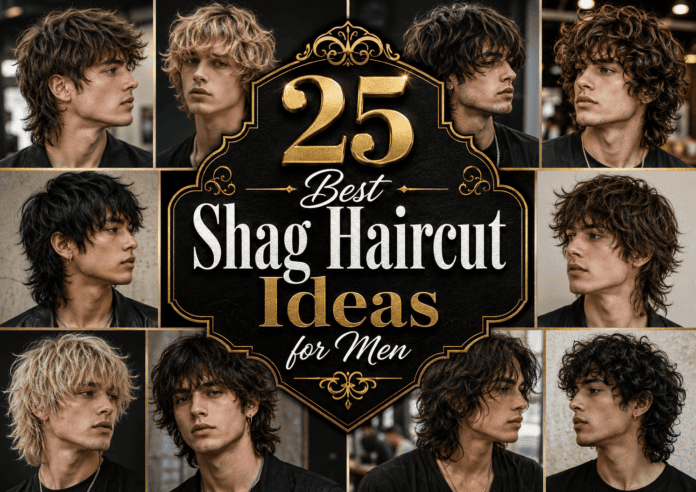
The strongest shag haircut ideas for men right now include the Short Textured Shag, Classic Medium Shag, Curly Shag with Fringe, and Long Rocker Shag. The best versions keep movement through the crown, remove unnecessary weight around the sides, and leave enough length for natural separation instead of forcing every strand into place.
From a barbering perspective, the shag works because it is built around movement rather than perfect symmetry. The trick is controlling where the layers begin, how much weight stays at the perimeter, and whether the fringe works with your natural growth pattern instead of fighting it.
For these shag haircut ideas, I focused on cuts that look distinctive without requiring twenty minutes of styling every morning. Some are clean enough for office wear, others lean heavily into rock, indie, surf, or modern editorial territory.
| Shag Style | Best For | Ideal Length | Texture | Upkeep |
|---|---|---|---|---|
| Short Textured Shag | Easy everyday wear | Short | Straight to wavy | Low |
| Cropped Shag | Fine hair | Short | Straight | Low |
| Tapered Shag | Cleaner finish | Short-medium | Most types | Medium |
| Classic Medium Shag | First-time shag | Medium | Straight to wavy | Medium |
| Curtain Shag | Face framing | Medium | Straight to wavy | Medium |
| Surfer Shag | Relaxed styling | Medium | Wavy | Low |
| Curly Shag | Natural curls | Medium | Curly | Medium |
| Wolf-Shag Hybrid | Strong layering | Medium | Thick/wavy | Medium |
| Long Rocker Shag | Statement length | Long | Straight to wavy | Medium |
| Mullet-Shag Blend | Bold shape | Medium-long | Most types | Medium |
Short Shag Haircut Ideas for Easy Everyday Styling
Short shag haircut ideas make sense when you want visible texture without committing to hair touching your collar. They rely more heavily on crown layering and fringe placement, so small differences in the cut can change the entire silhouette.
1. Short Textured Shag
A short textured shag keeps the perimeter tidy while letting the top break into loose, irregular sections. The crown carries slightly more length, with chopped layers traveling forward toward a relaxed fringe and outward toward the temples. Instead of a sharp fade, the sides retain enough hair to connect naturally with the top. That softness is what separates the shape from a standard textured crop.
This version suits straight, slightly wavy, and moderately thick hair particularly well, especially on oval, square, and longer faces. Ask your barber, “Keep short shaggy layers through the crown, leave texture around the temples, and don’t fade the sides too high.” Styling can be as simple as working a small amount of matte paste through damp or dry hair. The drawback is that extremely fine hair can expose the chopped sections rather than blending them smoothly.
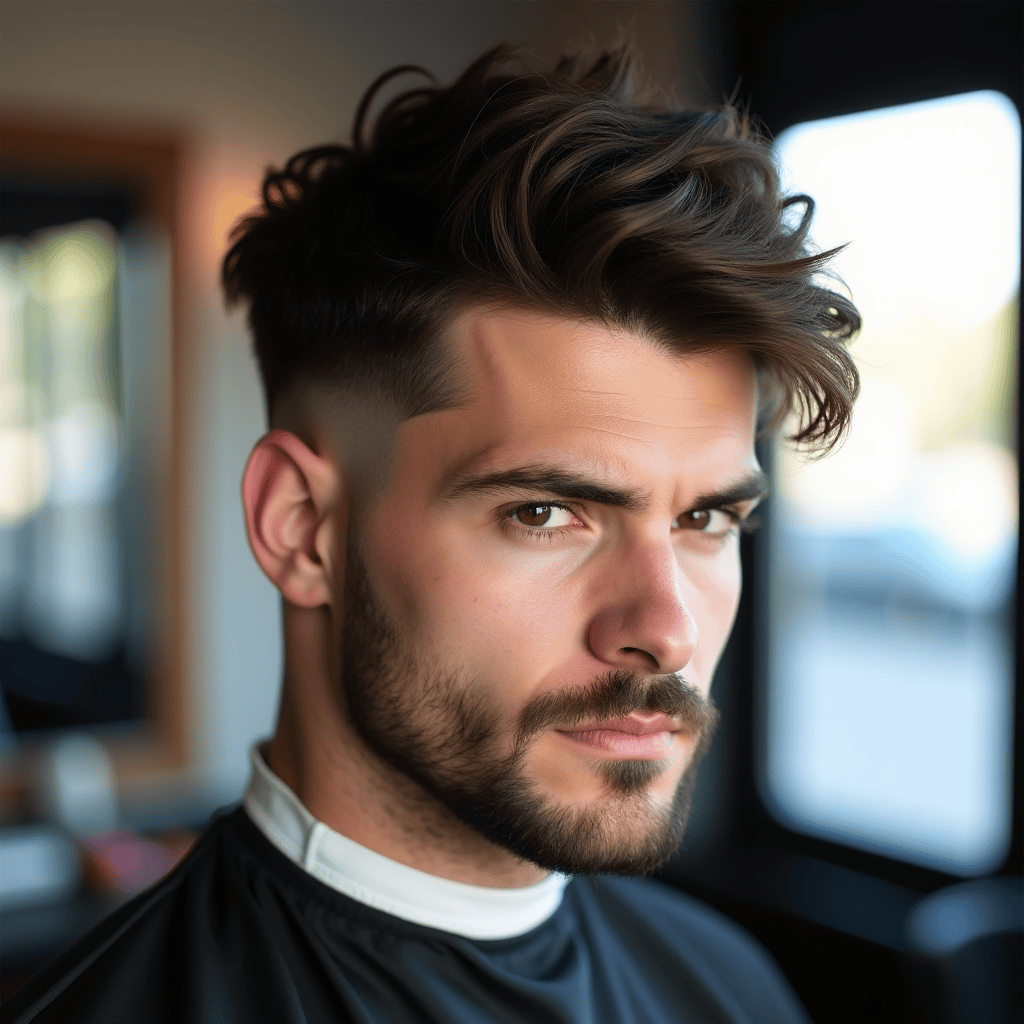
2. Cropped Shag with Piecey Fringe
The cropped shag takes the loose personality of longer shag haircut ideas and compresses it into a cleaner shape. Short layers sit across the crown while a piecey fringe drops unevenly over the forehead. The ears remain mostly exposed, but the outline is deliberately softer than a crew cut or French crop. A little irregularity around the hairline keeps the haircut from looking too polished.
Men with fine to medium-density straight hair can get a lot from this shape because the layering creates visual movement without requiring large amounts of volume. Tell your barber, “Cut a cropped shag with a broken fringe and light crown layers, but keep the outline soft.” It usually needs quick reshaping every four to six weeks. Skip it if you strongly prefer sharp edges because the slightly messy perimeter is part of the point.
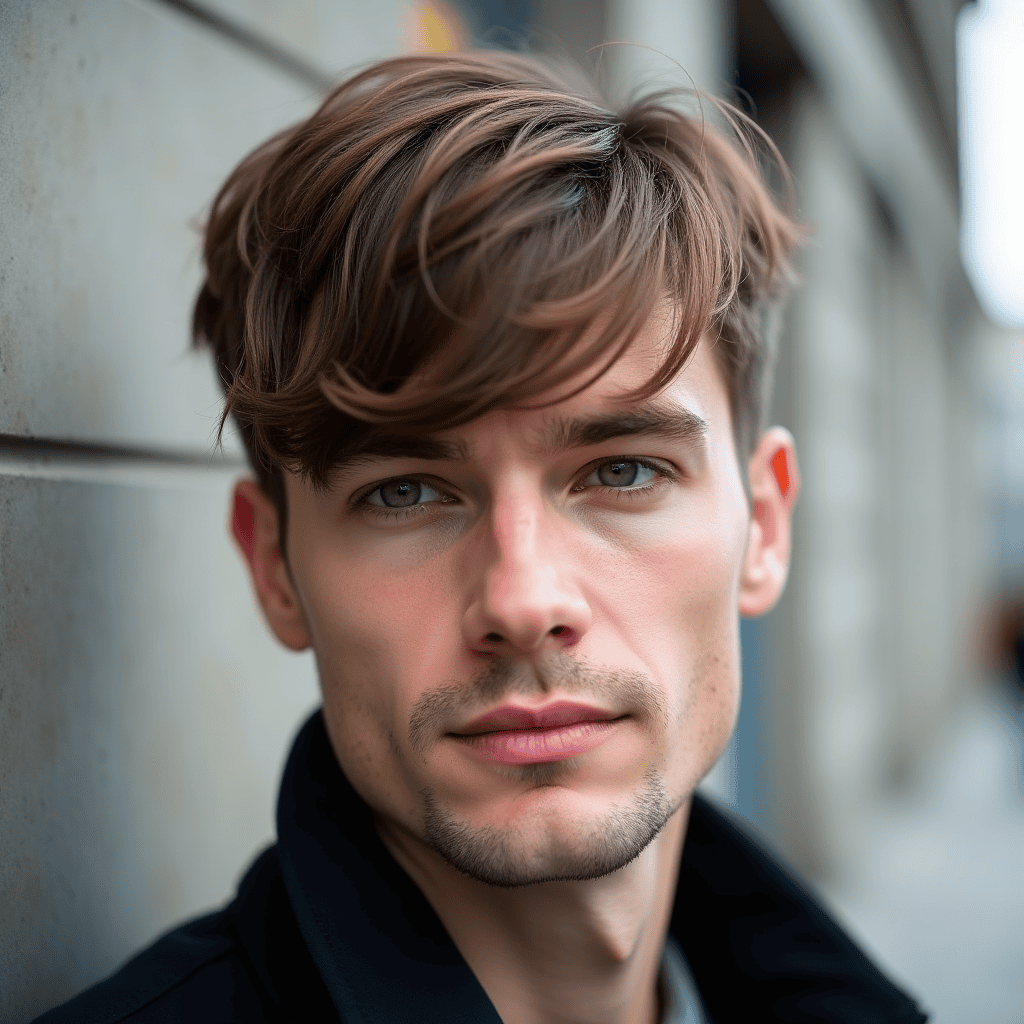
3. Short Shag with Tapered Sides
This cut balances shaggy movement on top with a little more discipline around the ears and neckline. The taper stays low and subtle rather than climbing toward the temples, while the top is cut into longer sections that overlap instead of standing upright. The fringe can sit forward or break slightly to one side. From the profile, the shape looks textured without becoming bulky behind the head.
It is a strong option for men who like shag haircut ideas but still need something appropriate for conservative workplaces. Ask for, “A low natural taper with shaggy scissor-cut layers on top and enough length around the temples to keep everything connected.” Medium and thick hair handle the contrast best. You will need more regular cleanup around the neckline than with a fully grown-out shag, which slightly reduces the carefree appeal.
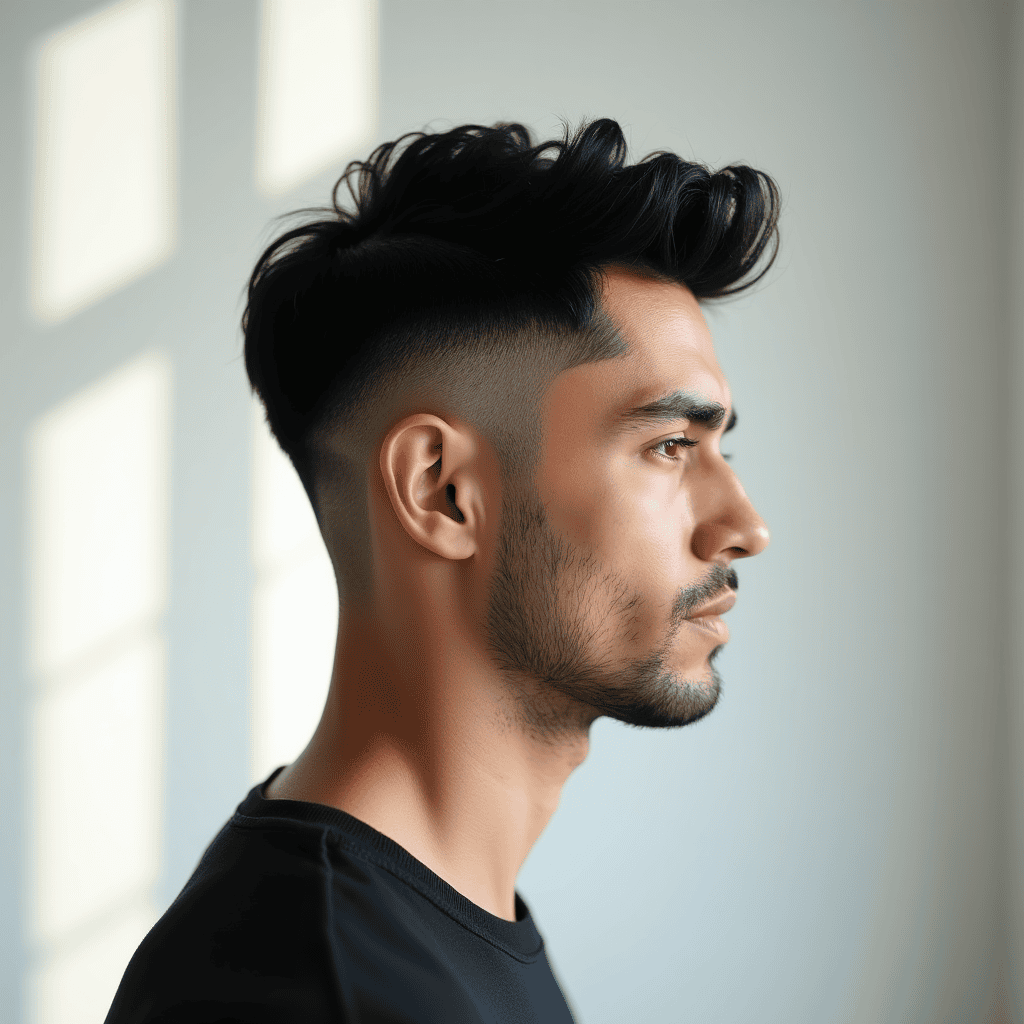
4. Short Wavy Shag
Natural waves give a short shag much of its character before styling products ever enter the picture. The crown sits loose and airy, the sides push outward slightly above the ears, and the front bends naturally rather than forming a straight fringe line. Layering removes bulk from underneath the waves, allowing individual bends to become visible without turning the haircut triangular.
This is one of the easiest shag haircut ideas for men whose hair already forms an S-shaped pattern. Ask your stylist, “Keep my natural wave pattern intact, layer through the crown and sides, and leave the fringe long enough to bend instead of sticking up.” Air drying often works better than aggressive blow-drying. The main problem comes with humid weather, where poorly balanced layers can expand more than expected around the temples.

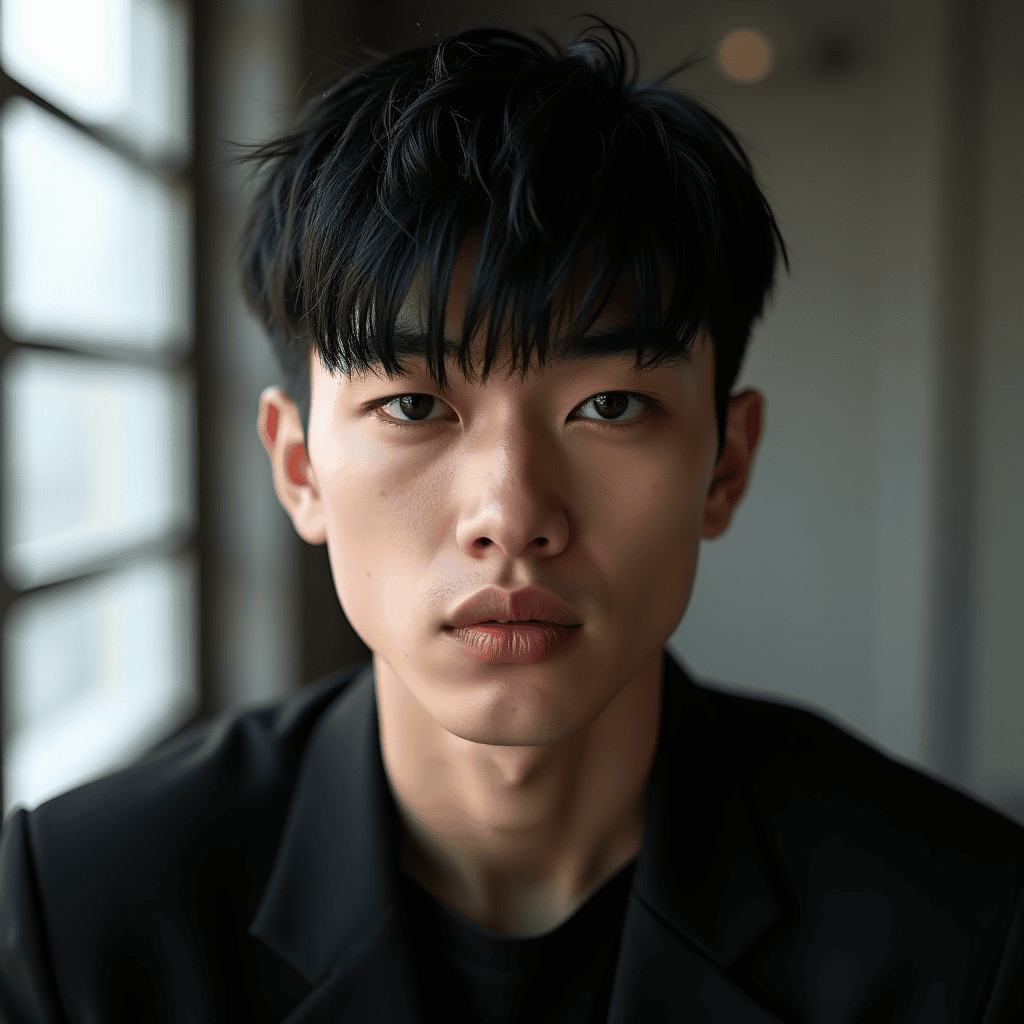
5. Choppy Micro Shag
The choppy micro shag pushes short hair into a sharper, more editorial direction. Tiny layers scatter through the crown, while the fringe breaks into narrow points rather than one solid line. Hair around the ears is kept short enough to prevent the silhouette from spreading, but it is still scissor-cut rather than aggressively faded. The finish should look intentionally fractured rather than simply uncombed.
It suits men with straight or slightly coarse hair who enjoy fashion-forward cuts and do not mind visible texture. Tell your barber, “Give me a compact shag with short disconnected texture and a jagged fringe, but no skin fade.” A lightweight clay helps separate individual pieces. The cut is less forgiving when it grows because those carefully placed short sections can turn bulky before the rest catches up.
Medium-Length Shag Haircut Ideas with Classic Movement
Medium length is where shag haircut ideas become especially versatile. There is enough hair for visible layering and face framing, yet the cut can still sit above the shoulders and stay manageable for everyday wear.
6. Classic Medium Shag
The classic medium shag has the balanced proportions most people picture when they hear the name. Layers begin around the crown and continue through the sides, while the perimeter remains long enough to brush the ears and touch the upper neck. A relaxed fringe blends into shorter face-framing sections. Nothing looks sharply disconnected; the entire cut falls in overlapping pieces.
This is a sensible starting point for straight, wavy, medium, or thick hair and works across many face shapes. Ask for, “A medium shag with connected crown layers, soft face framing, and enough length at the back to touch the neck.” Expect occasional trimming rather than constant barber visits. Its weakness is volume control: thick hair needs careful internal weight removal or the sides can become wider than intended.
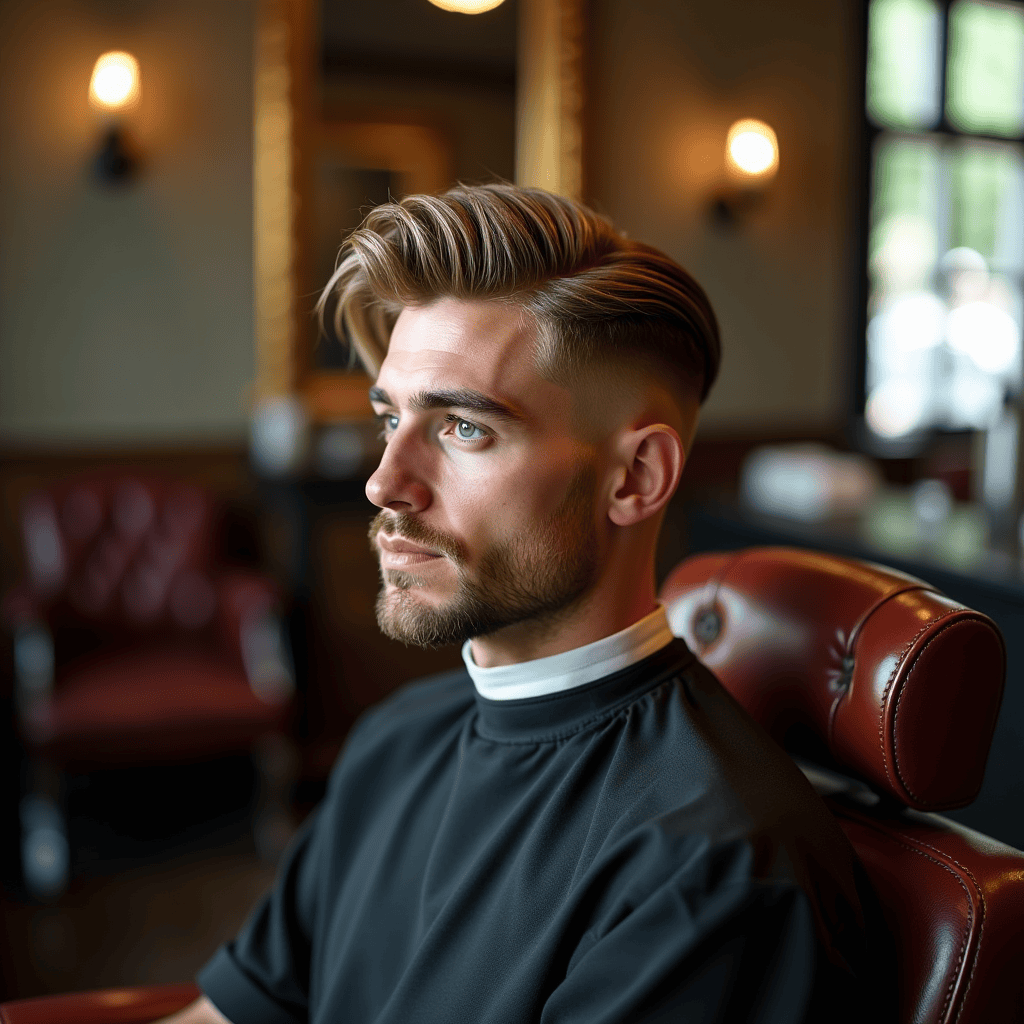
7. Curtain Fringe Shag
A curtain shag opens through the center or just off-center, letting longer front sections sweep away from the face. Behind them, shorter layers around the crown create lift before blending into longer sides and a feathered back. The part should not look ruler-straight. A slightly imperfect split keeps the hairstyle relaxed and gives the front enough movement to fall differently throughout the day.
Men with straight or loose wavy hair tend to find this style easiest to manage, particularly if their hair naturally separates near the middle. Ask your barber, “Cut a layered medium shag with long curtain fringe that sits around my cheekbones and blends into the sides.” A blow-dryer can help establish the opening. The downside is obvious if your hair grows stubbornly forward: training the fringe may become a daily job.
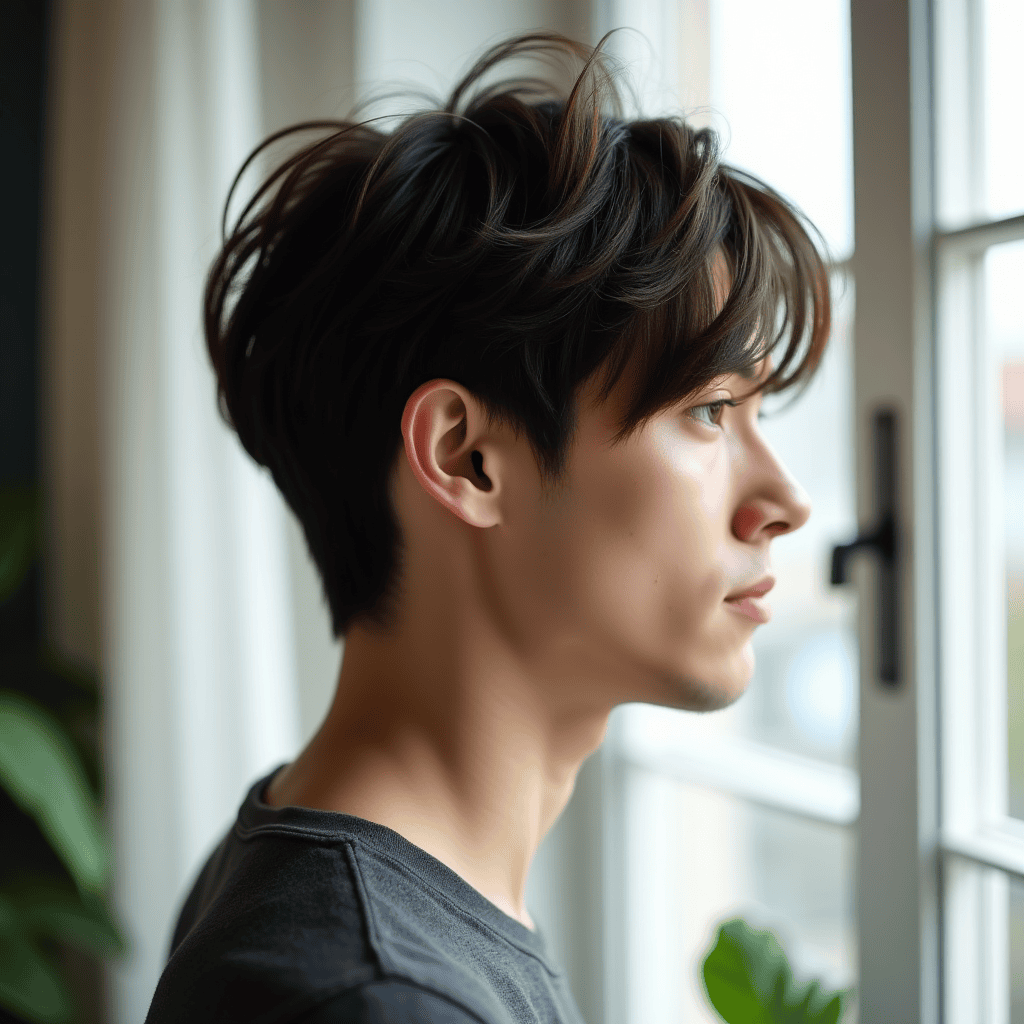
8. Surfer Shag
The surfer shag looks best when it appears slightly weathered rather than freshly sculpted. Medium layers fall around the forehead, ears, and nape, with loose waves creating irregular separation from root to tip. The perimeter is intentionally relaxed, and the top sits flatter than a dramatic wolf cut. A few lighter-looking ends can make the texture more noticeable, though the haircut itself does the important work.
Naturally wavy hair is the obvious match, but straight hair with enough density can be encouraged with salt-style texture products. Ask for, “A medium layered surfer shag with soft ends, no hard outline, and enough weight for the hair to move naturally.” It can often air-dry with minimal intervention. The drawback is that trying too hard to manufacture a beachy finish usually makes the hair stiff, which ruins the whole effect.

9. Shag with Long Side-Swept Fringe
Instead of splitting in the middle, this version sends the front diagonally across the forehead. The fringe begins high enough to connect with crown layering and gets gradually longer toward one temple. The opposite side can tuck behind the ear, creating an asymmetrical shape without requiring an actual disconnected haircut. The back stays loose and slightly longer to maintain the shag silhouette.
These shag haircut ideas work particularly well for men who dislike exposing the entire forehead or want to soften a long facial outline. Tell your stylist, “Keep a medium shag shape, but give me a long side-swept fringe that blends naturally toward one temple.” Light cream helps control flyaways without freezing the hair. The fringe can become irritating during exercise or windy weather, so anyone constantly pushing hair away may prefer a shorter front.
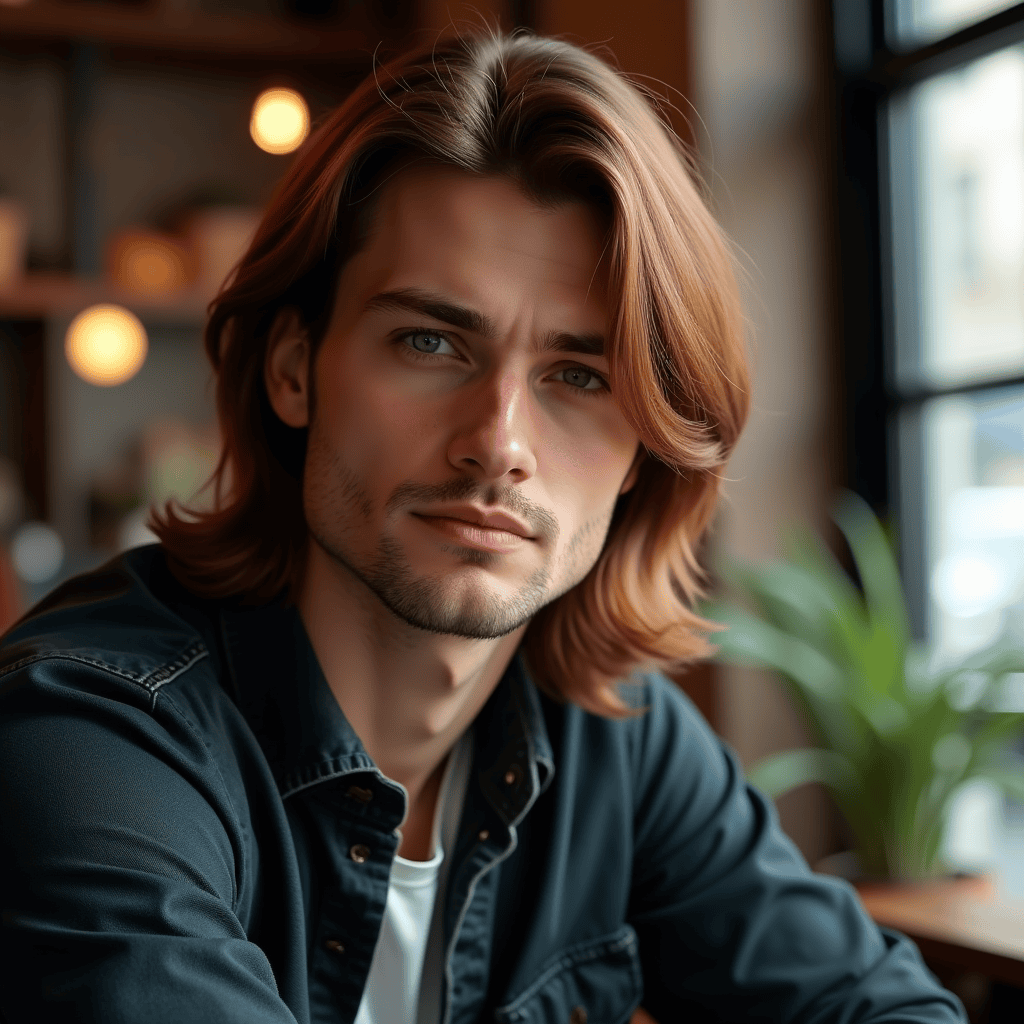
10. Feathered Retro Shag
The feathered shag borrows heavily from 1970s layering without turning into costume hair. Long sections around the temples sweep backward, the crown stays lightly lifted, and the ends around the ears and nape flick away from the head. The finish is smoother than a modern choppy shag, so the layering is visible mostly through direction and silhouette rather than extreme separation.
Straight and gently wavy hair respond best, especially when the strands have enough thickness to hold a bend. Ask your stylist, “Give me medium feathered shag layers with the sides sweeping back and the nape left soft rather than squared off.” A round brush makes the retro movement stronger. The downside is styling time; without some directional drying, those feathered sections may simply hang straight.

Wavy and Curly Shag Haircut Ideas for Natural Texture
Texture changes everything with a shag. Wavy and curly shag haircut ideas should be shaped around shrinkage, curl direction, density, and where volume naturally builds rather than copied directly from a straight-haired reference photo.
11. Curly Shag with Fringe
A curly shag with fringe stacks shorter curls through the crown while leaving enough length around the sides for the curl pattern to remain recognizable. The fringe should fall as individual curls rather than forming one heavy shelf across the forehead. Longer pieces around the nape counterbalance the rounded crown, giving the haircut a vertical shape instead of a wide mushroom outline.
It works particularly well on loose to medium curls with enough density to create layered volume. Ask for, “A curl-by-curl shag shape with shorter crown layers, separated curly fringe, and length preserved through the nape.” Styling is often more about moisture and gentle drying than heavy product. The catch is shrinkage, so cutting the fringe too short while wet can leave it sitting far higher than expected after drying.
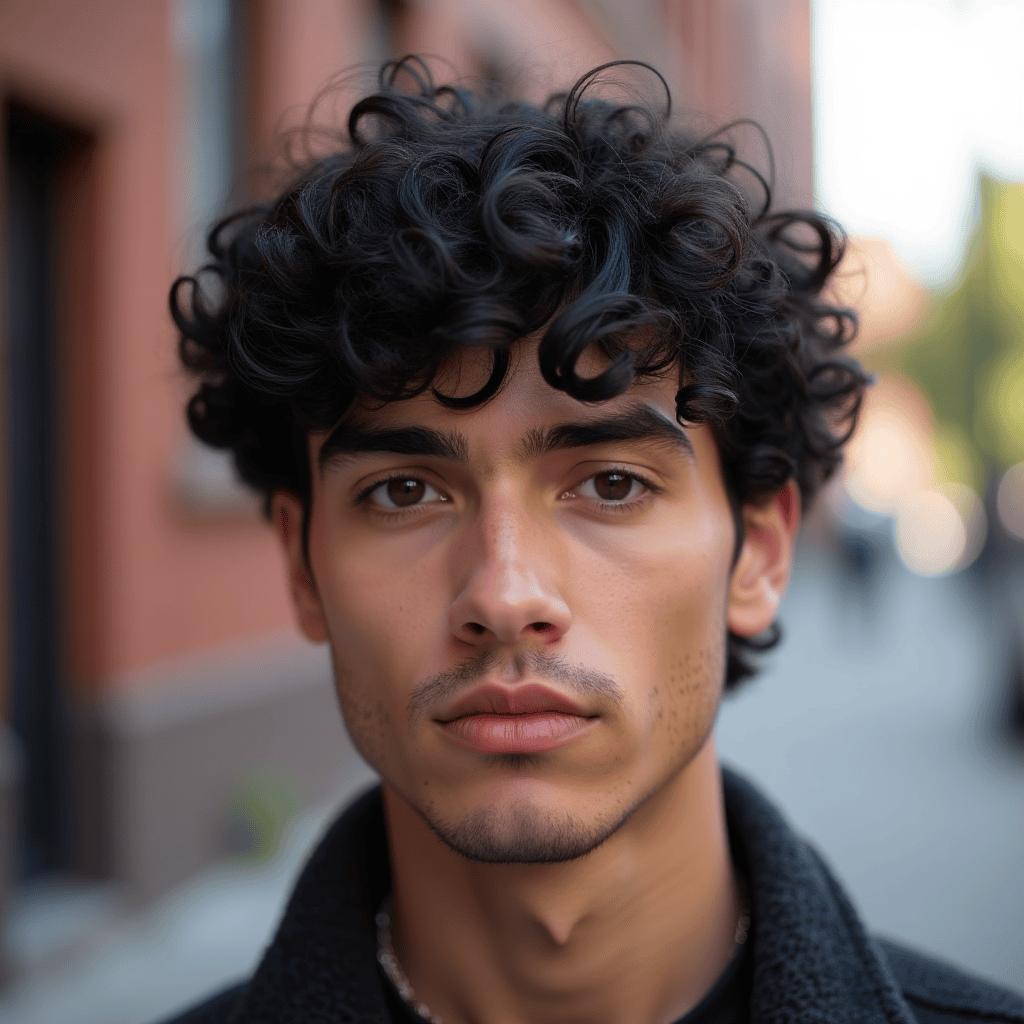
12. Loose Wavy Shag
This version keeps the layers longer and lets natural waves create most of the visual detail. The crown has gentle elevation rather than obvious short pieces, while the sides fall over or behind the ears in broad bends. A loose fringe sits around eyebrow level before curving away toward the temples. The outline is relaxed and slightly grown-in from the first day.
Men with loose waves and medium-to-thick density are the natural audience for these shag haircut ideas. Tell your stylist, “Keep the layers long, remove weight underneath, and let my wave pattern form the shape rather than chopping the surface.” It is usually forgiving between trims and can look better a few weeks after cutting. Fine hair may struggle because long layers without enough density can collapse flat around the crown.

13. High-Volume Curly Shag
The high-volume curly shag intentionally pushes the silhouette outward and upward. Shorter curls sit at the crown, medium curls expand around the temples, and longer pieces drop toward the neck to stop the shape from becoming perfectly round. The best examples preserve curl groups rather than thinning them so heavily that the ends become fuzzy. It is unapologetically big hair.
This style suits dense curls and men comfortable making their natural volume part of the look. Ask for, “A high-volume curly shag with graduated crown layers, controlled width at the temples, and enough weight left in the ends for definition.” Curl-specific drying techniques help maintain the structure. Its drawback is scale: if you need your hair to stay compact under hats, helmets, or formal headwear, this shape can be inconvenient.
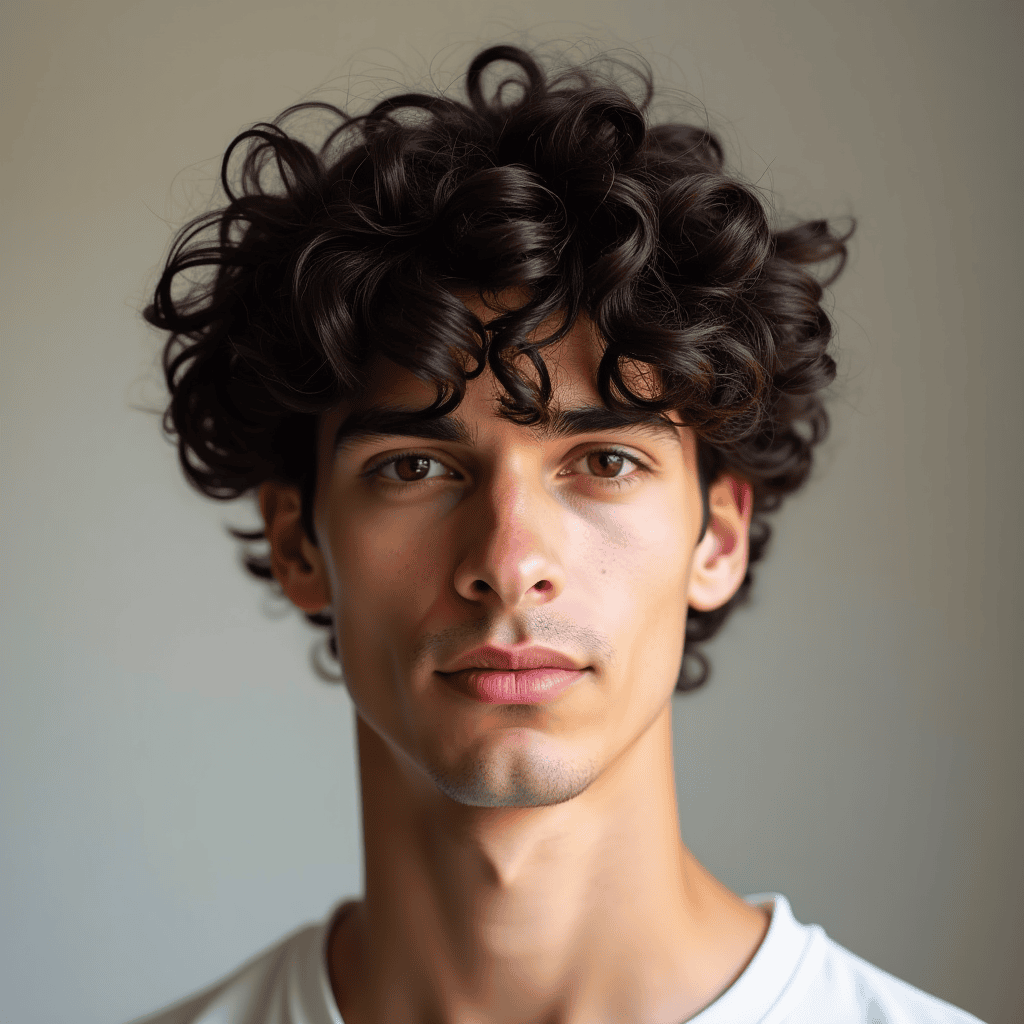
14. Wavy Shag with Temple Layers
Temple layers give a wavy shag stronger facial framing without creating a full fringe. Shorter pieces begin around the cheekbone or upper ear, then sweep backward into the longer lengths behind them. The crown is lightly layered for movement, while the nape stays understated. From the front, the haircut looks open and relaxed rather than heavily covered.
It is useful for men who want shag haircut ideas without hair constantly falling into their eyes. Ask your stylist, “Keep my front open, cut face-framing layers around the temples, and connect them into a medium wavy shag.” A small amount of styling cream can encourage the side movement. Men with strong cowlicks around both temples may find the framing inconsistent because each side can swing in a different direction.
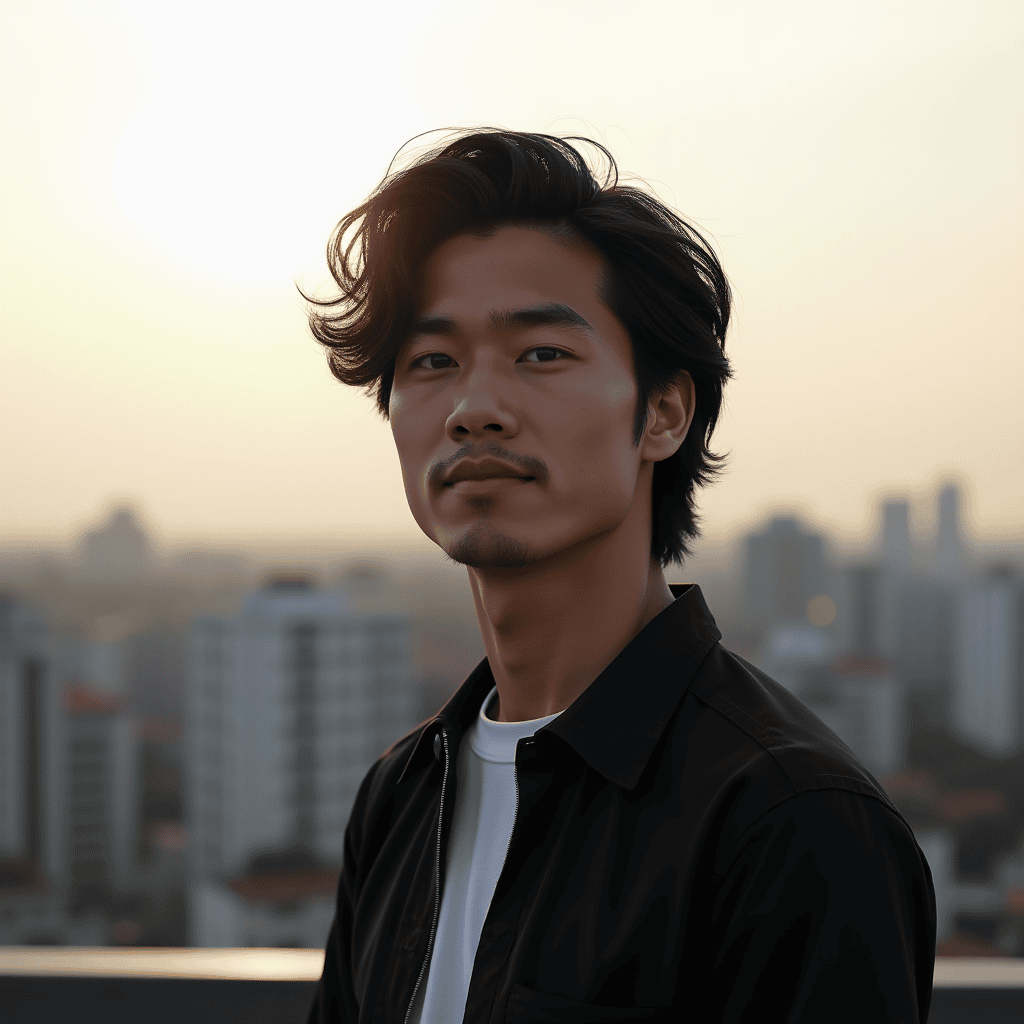
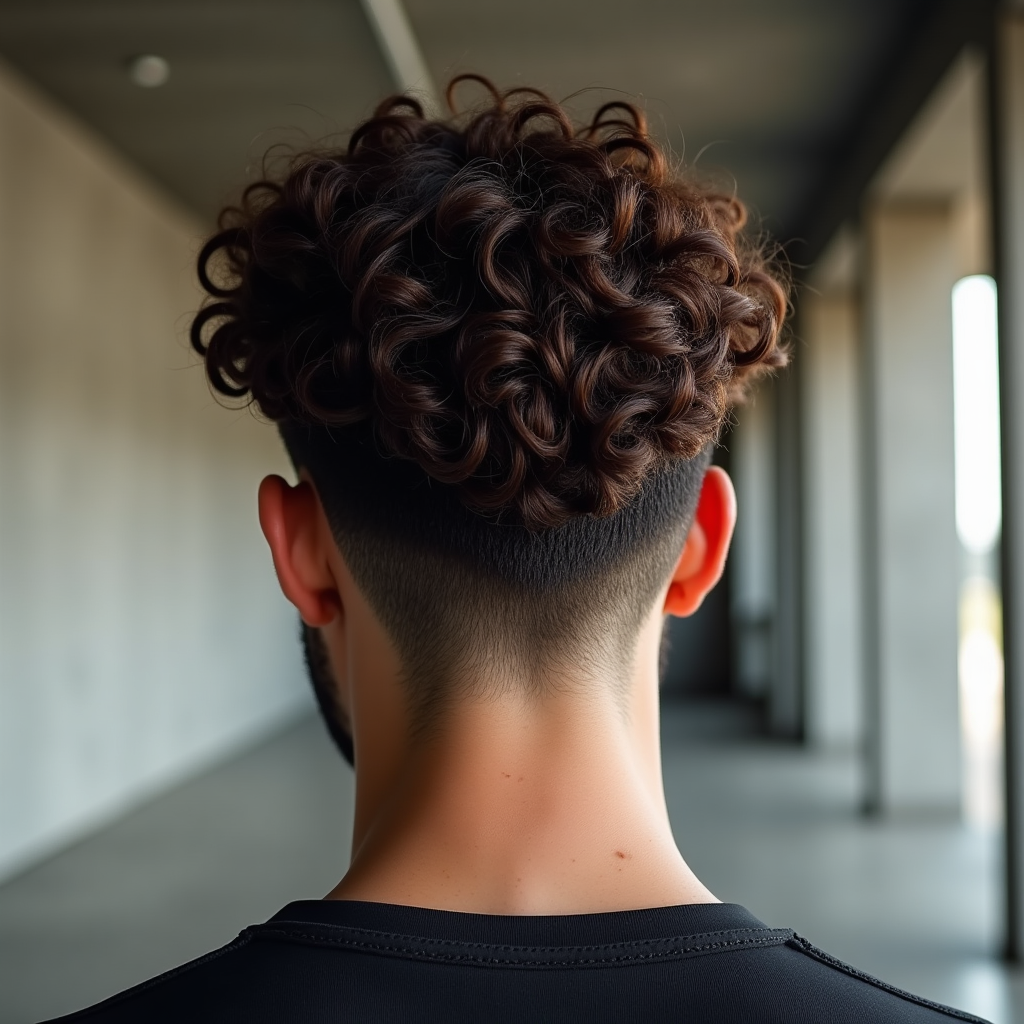
15. Curly Shag with Extended Nape
This haircut keeps the front and sides relatively controlled, then allows the curls at the back to extend farther down the neck. Crown layers stop the top from collapsing while the longer nape creates a noticeable tail without crossing fully into a traditional mullet. The difference in length should flow gradually. If the back appears attached as a separate section, the blend has gone too far.
Men with defined curls and a taste for stronger silhouettes can carry this especially well. Tell your stylist, “Cut a curly shag with a visibly longer nape, but keep the transition gradual and connected through the sides.” Maintenance is mostly about preserving curl condition and cleaning up stray perimeter growth. The longer back becomes warm during summer and can rub against high shirt collars, which some people find irritating.
Longer Shag Haircut Ideas with More Movement
Longer shag haircut ideas create the strongest sense of flow because layers have room to separate from one another. They also expose bad cutting quickly: too few layers create a heavy curtain, while too many can leave the ends thin and disconnected.
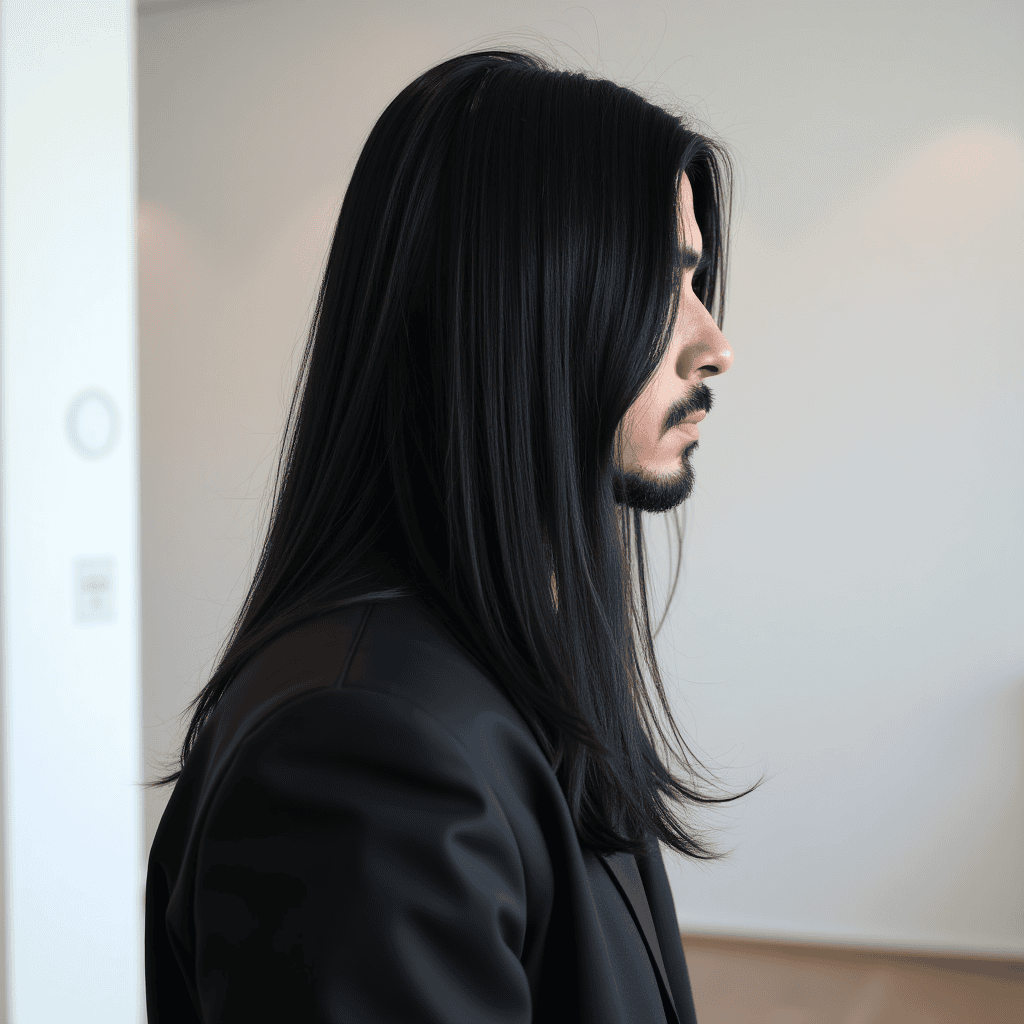
16. Long Rocker Shag
The long rocker shag combines shoulder-skimming length with short-to-medium crown layers and a broken fringe. Hair around the face falls in pointed sections toward the cheekbones, while the back keeps considerably more length. The finish should feel loose, narrow, and slightly rough rather than blown into exaggerated volume. It moves dramatically when the wearer turns or walks.
Straight, wavy, and moderately thick hair can all work, particularly on men comfortable wearing their hair around the shoulders. Ask for, “A long rocker shag with shorter crown layers, broken face framing, and plenty of length preserved through the back.” Texture spray can add separation, though overloading it makes long hair feel dry. Damaged ends become more noticeable with this cut, so neglecting trims eventually weakens the silhouette.

17. Long Shag with Curtain Bangs
Long curtain bangs create a softer front than the jagged fringe found on many shag haircut ideas. The shortest sections begin around the nose or cheekbones before gradually extending into shoulder-level layers. The crown stays lightly elevated, and the lower half retains enough density to avoid stringy ends. Viewed from the side, the haircut has a clear cascading pattern.
This version suits straight or gently wavy hair and works especially well for anyone transitioning from one-length long hair. Tell your stylist, “Keep my overall length, add cascading shag layers, and cut long curtain bangs beginning around the cheekbones.” Styling can remain relaxed, though the front often benefits from a quick blow-dry away from the face. Very thin ends are a warning sign; excessive layering can make fine long hair look sparse.

18. Shoulder-Length Wavy Shag
This shag follows the wave pattern all the way to the shoulders, using internal layers to release bulk without destroying the perimeter. The front stays slightly shorter, while the back falls in broad, uneven waves that overlap along the neck and shoulders. Crown layering is noticeable but restrained. The overall shape should stretch downward more than outward.
Men with thick wavy hair are particularly well suited because they already have the movement that this cut needs. Ask for, “A shoulder-length wavy shag with internal weight removal and long connected layers, but keep the ends full.” It generally tolerates longer gaps between appointments. The downside is drying time; dense shoulder-length waves stay damp much longer than a medium shag and can flatten if tied back before fully drying.

19. Straight Long Shag
A straight long shag depends almost entirely on the quality of the layering because texture cannot hide awkward transitions. Shorter pieces around the crown create movement, medium sections frame the temples and jaw, and the longest strands remain below the shoulders. The ends should appear separated but not wispy. When the head moves, the layers should slide past each other rather than hanging as one sheet.
Straight medium-to-thick hair is ideal for these longer shag haircut ideas. Ask your stylist, “Give me visible long shag layers from the crown down, face framing around the jaw, and keep enough weight in the bottom.” Light styling oil can control static without removing movement. Fine straight hair requires restraint because overly aggressive razoring can make the lower lengths look noticeably thin.
20. Soft Bohemian Shag
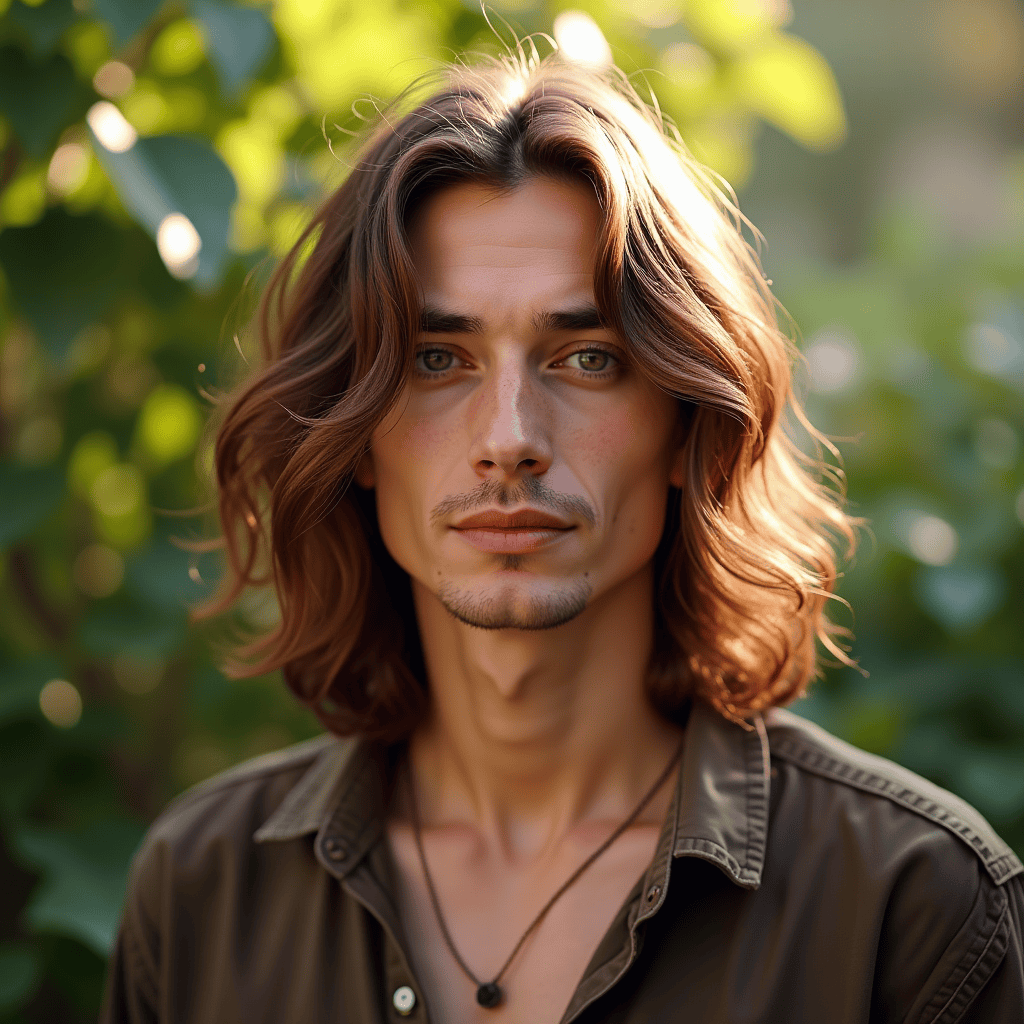
The bohemian shag keeps its layers longer, softer, and less obviously chopped than the rocker version. Hair falls past the ears and down the neck in relaxed waves, with subtle shorter sections around the crown and face. The fringe may split naturally or disappear entirely into the side layers. There is no hard edge anywhere in the silhouette, which gives the haircut its easy, worn-in character.
It suits men who like long hair but want more movement than a one-length cut provides. Tell your stylist, “Add long soft shag layers and face framing, but keep the shape blended and avoid aggressive razoring.” Natural air drying usually fits the look better than polished styling. The compromise is definition: if you want highly visible layer separation in photos, the softer structure may feel too restrained.
Bold Shag Haircut Ideas for a Stronger Shape
The final group takes the basic shag structure and exaggerates one element: crown height, length contrast, fringe, or disconnection. These shag haircut ideas have more personality, but they also demand clearer communication at the barber or salon.
21. Wolf-Shag Hybrid
The wolf-shag hybrid pushes the crown shorter and fuller while leaving noticeably more length through the back. Unlike a pure mullet, the sides remain layered and connected to both zones, giving the silhouette a continuous shaggy flow. A broken fringe sits across the forehead, and the crown expands before narrowing near the lower temples. The contrast is obvious without looking completely disconnected.
Thick straight, wavy, and lightly curly hair handle this shape well. Ask for, “A wolf-cut shag with strong crown layering, connected sides, a broken fringe, and extra length through the back.” Expect the shape to change noticeably as the crown grows. The main drawback is commitment: removing that much crown length means growing it back can take months if you decide the exaggerated silhouette is not for you.
22. Mullet-Shag Blend
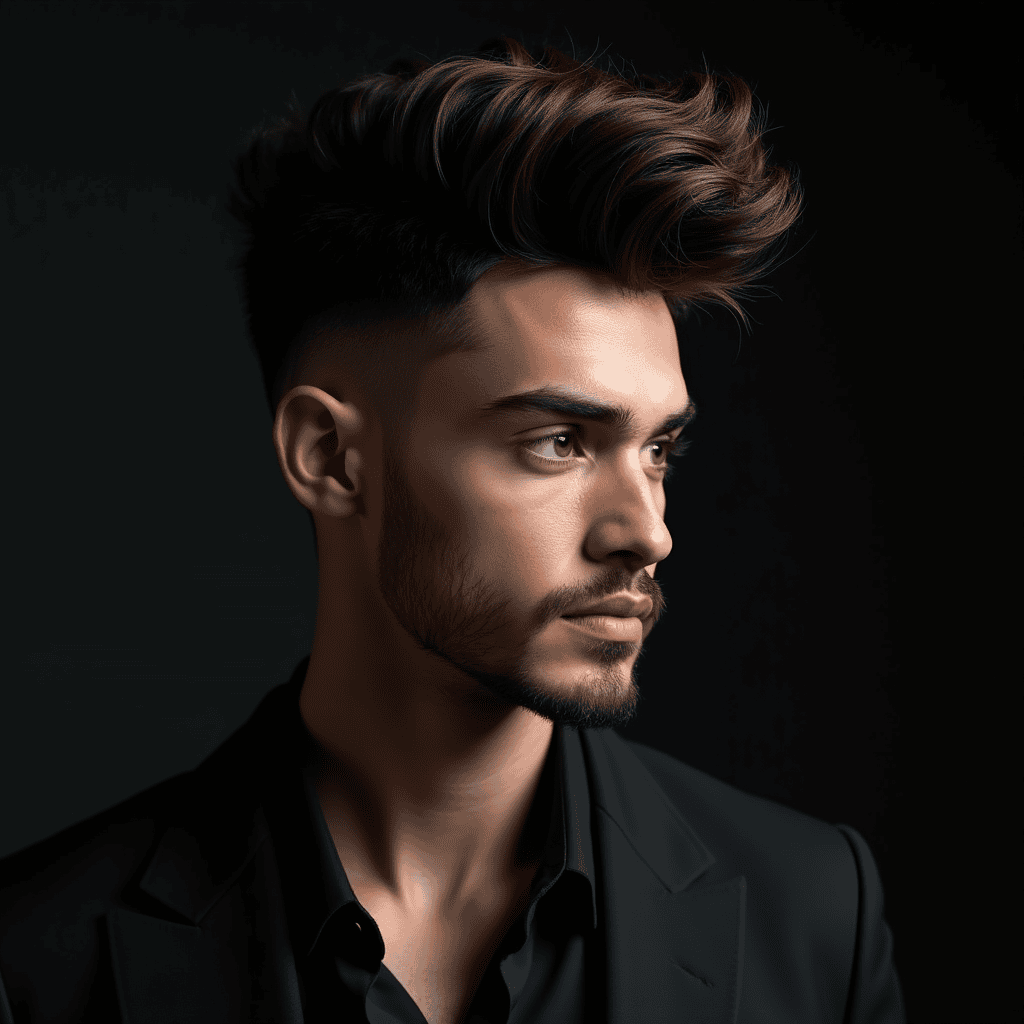
A mullet-shag blend makes the short-to-long transition more obvious than a standard shag while keeping plenty of texture around the sides. The crown is layered aggressively, the ear area becomes lighter, and the back extends downward in separated pieces. A soft fringe balances the longer nape from the front. The best version looks intentional from every angle rather than like a regular haircut with an untouched back.
These shag haircut ideas suit men who want something noticeable without jumping into an extreme mullet. Tell your barber, “Blend a shag into a modern mullet shape, keep texture around the ears, and make the longer nape connected rather than isolated.” Regular cleanup around the ears helps preserve the contrast. The silhouette is taste-specific, so it may feel out of place in conservative dress environments.
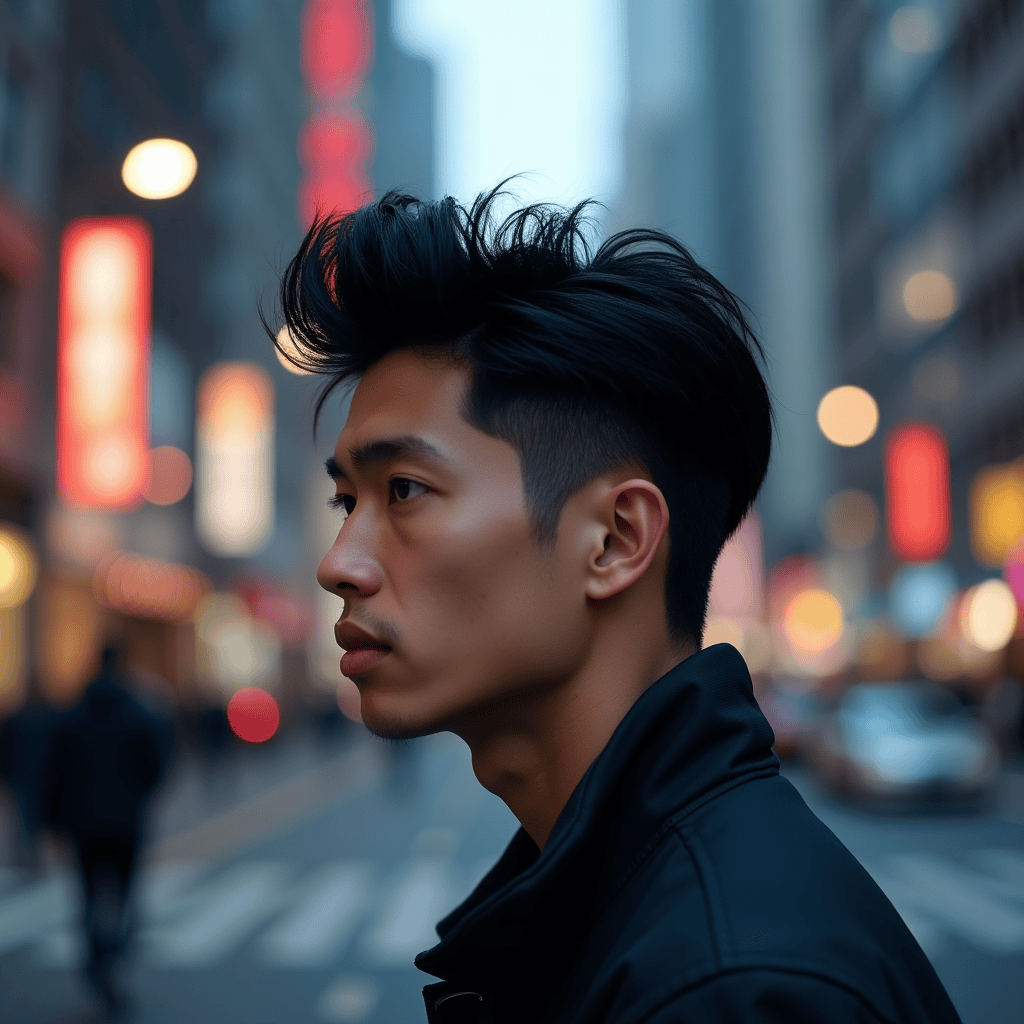
23. Razor-Cut Shag
The razor-cut shag has softer, more tapered ends than a strongly scissor-cut version. Layers appear almost feathered as they move away from the crown, with narrow pieces around the forehead, temples, and nape. Instead of blunt edges, the hair seems to dissolve into finer points. The technique gives straight hair especially noticeable movement without requiring curls or waves.
Medium-density straight hair is generally the safest match. Ask your stylist, “Use a razor to create a soft shag with tapered ends, but preserve enough density through the perimeter.” Maintenance depends heavily on hair condition because repeatedly razored ends can look rough if the strands are already dry or fragile. Anyone with highly frizz-prone hair should discuss whether scissors would provide a cleaner result.
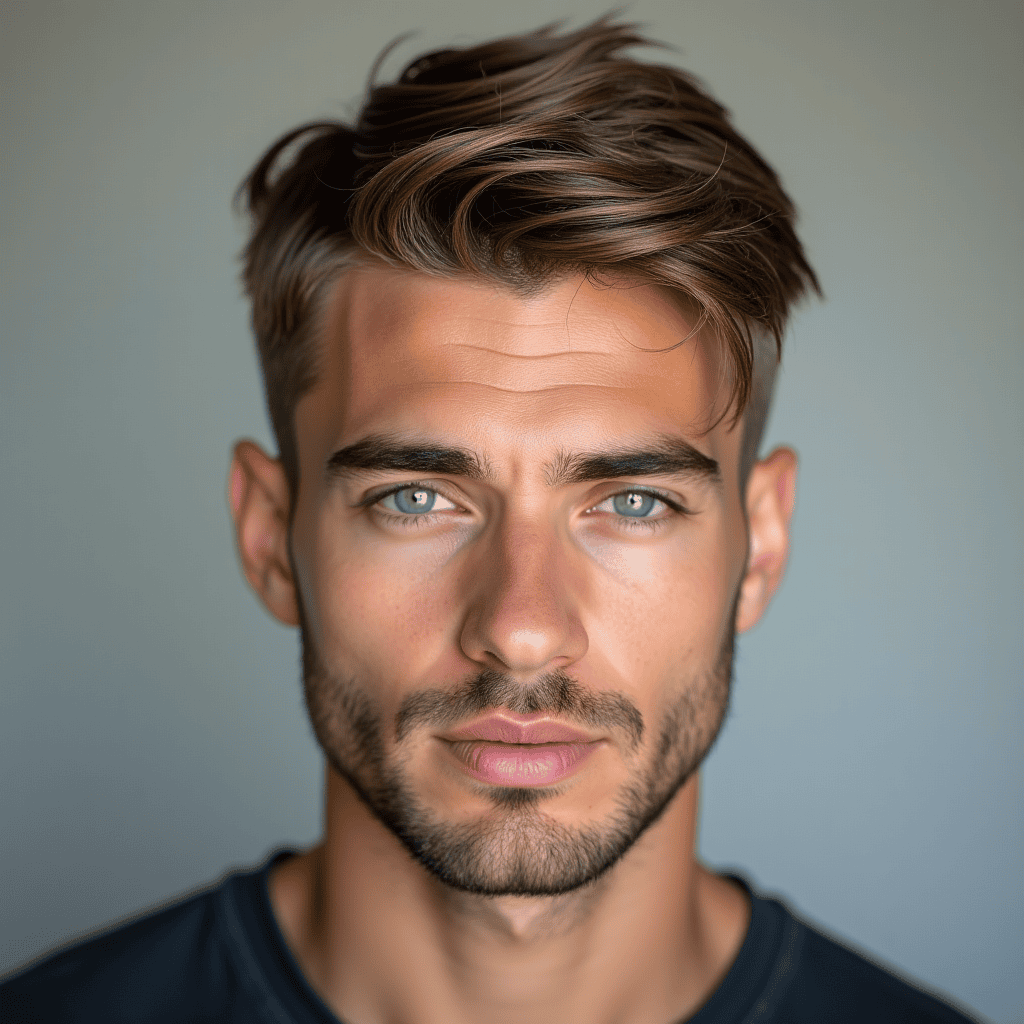
24. Shag with Heavy Fringe
Here, the fringe becomes the visual anchor. A dense section falls across most of the forehead, while shorter crown layers sit behind it and longer side pieces frame the ears. The contrast between the full front and broken side texture makes the haircut feel heavier around the face than other shag haircut ideas. Keeping some separation in the fringe prevents it from becoming helmet-like.
Men with dense straight or wavy hair can carry the weight best, especially if their forehead is naturally broad. Ask your barber, “Keep a heavy shag fringe around eyebrow length, texture the ends, and connect it into layered sides rather than cutting it like a blunt bowl.” The fringe demands frequent attention because a small amount of growth can push it into the eyes. Oily hair also makes the front separate faster.
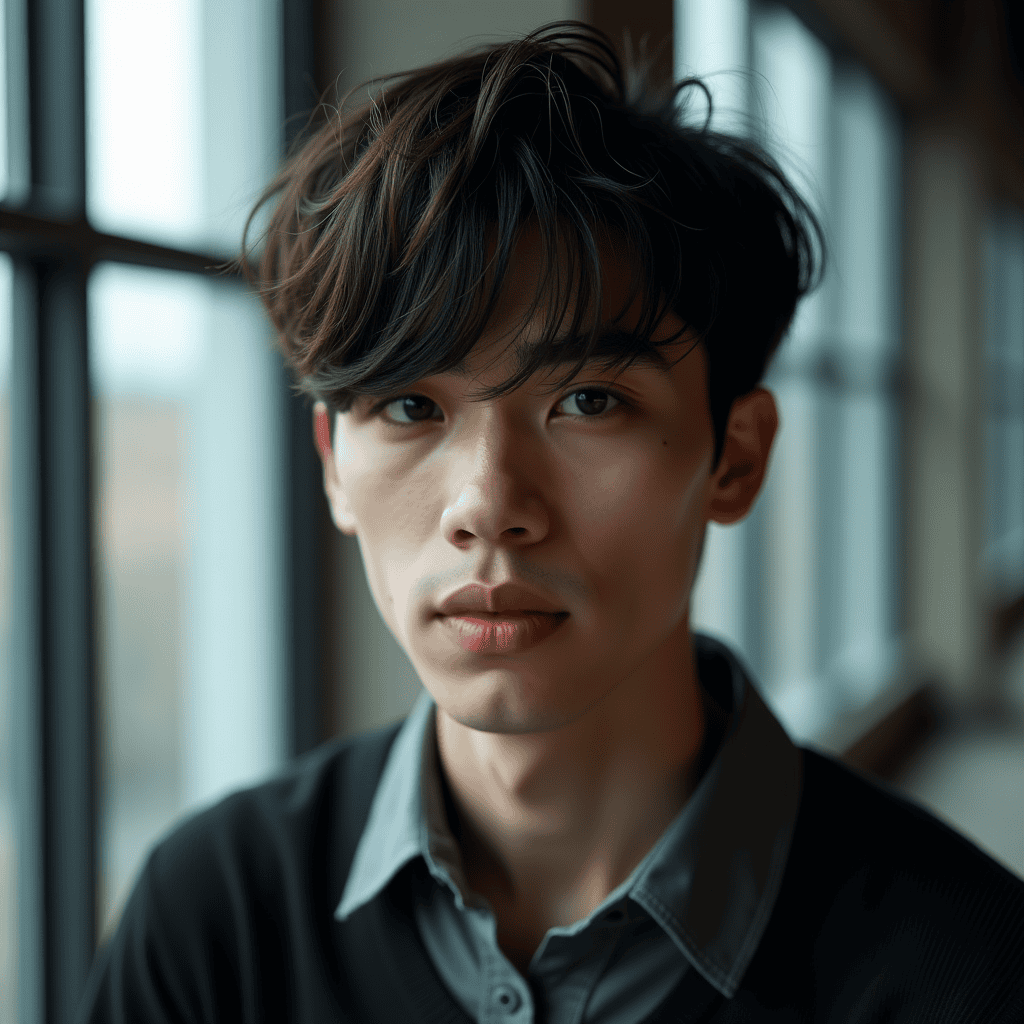
25. Disconnected Editorial Shag
The disconnected editorial shag deliberately exaggerates changes in length that a classic shag would blend away. Short crown pieces sit above longer side sections, while the fringe may break into irregular lengths across the forehead. The nape extends farther than expected, creating a profile that looks almost assembled from several different haircuts. Controlled imbalance is the point, so perfect symmetry would weaken it.
This is for men who want shag haircut ideas that read fashion-first rather than universally wearable. Tell your stylist, “I want a deliberately disconnected shag with visible length changes at the crown, fringe, and nape, but keep the overall silhouette balanced.” It benefits from a stylist comfortable with editorial layering. The obvious drawback is versatility; growing it into a conventional haircut can involve several awkward transition stages.
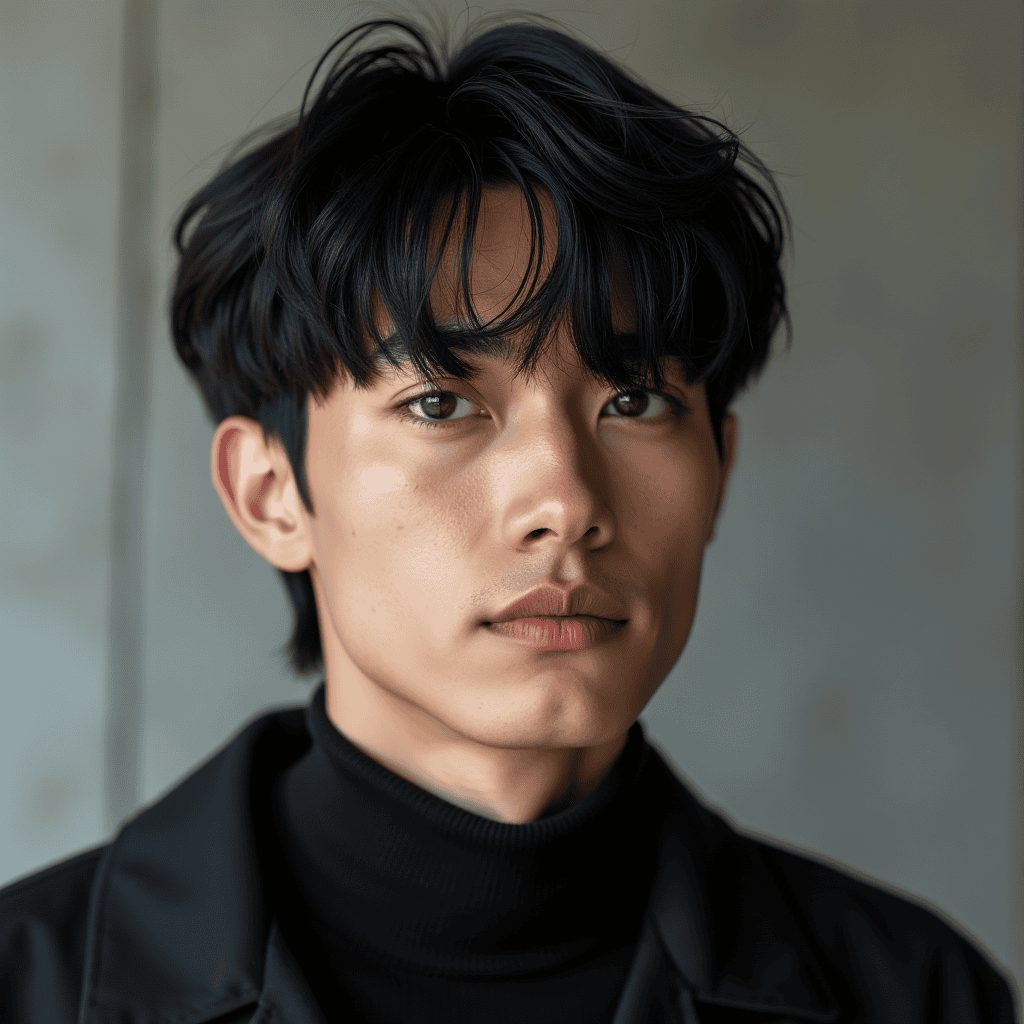
How to Choose the Right Shag Haircut Ideas
Start with your natural texture rather than the reference photo. Straight hair exposes every layer, waves create softness between sections, and curls introduce shrinkage that changes where those layers finally sit. A photo of a loose wavy shag can still help someone with straight hair communicate shape, but the finished movement will not be identical.
Length is the second decision. Short shag haircut ideas are easier around collars, helmets, workouts, and everyday washing. Medium cuts give a barber more room to create visible layering without demanding long-hair maintenance. Longer versions produce the most dramatic movement but also require healthier ends and more patience.
Face shape matters less than people sometimes suggest. What usually changes the result more is where the fringe ends and where width sits. Longer faces often benefit from some movement around the forehead and temples, while rounder silhouettes can feel better balanced when crown height is preserved and the sides are not allowed to expand excessively.
Bring two or three reference pictures to your appointment. One should show the front, one the side or back, and one should resemble your actual hair texture. Then describe what you do not want. “I like this layering, but I don’t want the nape this long” is far more useful than asking for a vague shag and hoping you both picture the same haircut.
If you are getting the cut before a wedding, interview, photo shoot, or formal event, avoid booking the day before unless you already know the barber and the shape. A week or two gives the layers time to settle and lets you learn whether your fringe looks better pushed forward, split, or tucked back. That matters when planning collars, suits, glasses, and formal styling around the haircut.
Where Shag Haircut Ideas Get Oversold
Shag cuts are sometimes sold as effortless haircuts that supposedly improve every texture and require almost no maintenance. That is only partly true. A well-cut shag can work with natural movement beautifully, but heavily layered hair still has to grow somewhere. Short crown layers eventually become medium crown layers, fringes enter the eyes, and carefully controlled temple volume expands.
The biggest oversell involves styling. Someone with naturally loose waves may genuinely wash, apply a little product, and leave. Someone with pin-straight hair trying to reproduce an airy reference photo may need directional blow-drying, texture product, or occasional heat styling. The haircut creates the architecture; it cannot manufacture a completely different hair pattern.
Another common mistake is assuming more layers automatically create more volume. Fine hair can actually look thinner if too much density is removed. Thick curls can turn fuzzy if they are over-thinned. Straight coarse hair can form obvious shelf-like steps if the layers are cut without enough connection.
And not everybody needs a shag. If the result you want is simply soft movement around the face, long face-framing layers may deliver most of the effect without changing your entire haircut. Sometimes the cheaper, easier answer is trimming the perimeter, adding controlled crown movement, and leaving the rest alone.
Frequently Asked Questions
The most common questions about shag haircut ideas usually come down to texture, maintenance, barber communication, and whether the look works outside fashion photos.
What is a shag haircut for men?
A men’s shag is a layered haircut built around movement, varied lengths, and a softer perimeter. Most versions have shorter layers around the crown and progressively longer hair toward the sides or back. The fringe can be short, curtain-style, curly, heavy, or blended away completely.
Are shag haircut ideas good for straight hair?
Yes. Straight hair can make the individual layers particularly visible, which works well for classic, razor-cut, curtain, and longer shags. The cutting has to be accurate, though. Unlike curls or waves, straight strands do not disguise abrupt transitions between short and long sections.
Do shag haircuts work with curly hair?
Curly shags can work extremely well because layered cutting allows individual curl groups to move more freely. The stylist should account for shrinkage and avoid stripping away so much density that the ends lose definition. Bringing reference photos with a similar curl pattern is especially useful.
What should I ask my barber for when getting a shag?
Explain the length you want at the crown, fringe, ears, and nape rather than saying only “shag.” A useful request might be: “I want connected shaggy layers, movement through the crown, soft sides, and a longer textured back without a high fade.”
Can a barber cut a shag haircut?
Many barbers can, particularly those comfortable with medium and long scissor work. Shag haircut ideas depend heavily on layering, weight removal, and shape rather than clipper fading. If you want a long, curly, razor-cut, or heavily editorial version, look for someone whose portfolio shows similar work.
How often should men trim a shag haircut?
Shorter shags may need reshaping roughly every four to six weeks if you want to preserve the original silhouette. Medium and long versions can often go longer because some extra growth fits the aesthetic. Fringe length and excessive temple bulk usually become noticeable before the back needs trimming.
Is a shag haircut high maintenance?
It depends on your natural texture and the version you choose. A loose wavy shag can be surprisingly easy, while straight hair styled into lifted, separated layers may require more daily work. Heavy fringes and strong crown layering also need more frequent reshaping than soft long layers.
What face shape suits a men’s shag?
Most face shapes can wear one because fringe length, crown height, and side volume can be adjusted independently. Instead of searching for one “correct” face shape, focus on where you want width and where you want the hair to frame or expose your face.
Are shag haircuts good for thin hair?
They can be, but the stylist should be conservative with thinning and aggressive layering. Fine hair often benefits from shorter movement around the crown while retaining density through the perimeter. Removing too much weight can make the ends transparent and reduce the fuller appearance you were trying to create.
What is the difference between a shag and a wolf cut?
A traditional shag usually has connected layers and a more evenly distributed sense of movement. A wolf cut tends to exaggerate crown volume and the contrast between shorter upper sections and longer hair toward the back. Modern versions overlap heavily, which is why hybrid cuts are common.
What is the difference between a shag and a mullet?
A mullet emphasizes a clear short-front-or-side versus long-back relationship. A shag distributes layering more broadly around the whole head. A mullet-shag combines both ideas by preserving visible back length while using softer, more connected texture around the crown, fringe, and sides.
Can I wear a shag haircut to the office?
A medium shag with controlled sides, soft layers, and a restrained fringe can work easily in many workplaces. Extremely disconnected, high-volume, or long-nape versions attract more attention. For formal environments, keep the neckline tidy and choose styling products that control separation without making the hair greasy.
How do I style a men’s shag without making it look messy?
Work with your natural growth pattern first. Apply a small amount of lightweight cream, mousse, or matte texture product, then direct the hair with your fingers instead of flattening it with a comb. Concentrate on shaping the crown and fringe while allowing the lower layers to move naturally.
Should I get a shag before a wedding or important event?
Book early enough to test how the layers settle rather than cutting it the night before. Around one to two weeks is a comfortable window for many people. You can then decide whether the fringe looks best open, swept aside, or styled back with formal clothing.
What is the easiest shag haircut for men to maintain?
A medium-length shag with connected layers and a soft natural fringe is usually easier than heavily disconnected versions. It has enough length to tolerate growth without immediately losing its shape, while still giving you obvious texture around the crown, temples, and neckline.
A shag succeeds when the layers cooperate with the hair you already have rather than forcing it into somebody else’s texture. Pick two reference photos from these shag haircut ideas that resemble your density and natural pattern, then show your barber exactly where you want the crown, fringe, sides, and nape to finish before the first section is cut.
Best Men’s Hairstyle Reports
Discover bold cuts, long hairstyles, braided looks and modern men’s grooming inspiration.