
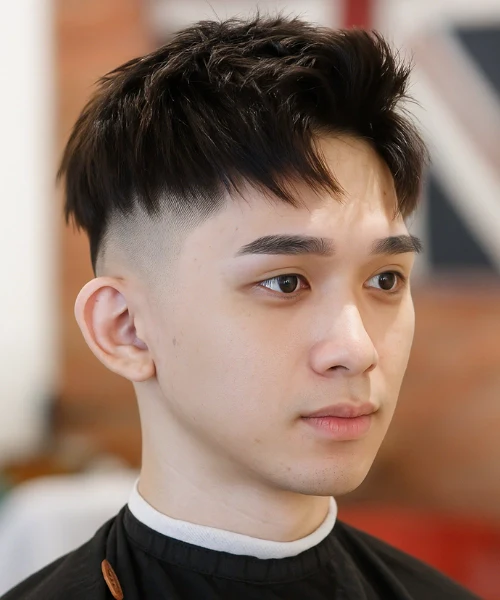
The textured crop, soft two-block, layered curtain cut, and modern wolf cut are the strongest Japanese haircut ideas for most men. They balance clean structure with natural movement, so they look styled without appearing stiff. Your best choice depends on hair density, face shape, workplace expectations, and how much time you will spend styling each morning.
This guide follows practical barbering principles used for controlling weight, creating movement, and matching a haircut to natural growth patterns. Each cut includes clear language you can take to a barber, plus the upkeep issues that polished reference photos rarely show.
Japanese haircut ideas often rely on softness rather than sharp separation. Even short cuts usually leave enough length for texture, while longer styles use internal layers to keep the silhouette light.
| Quick Pick | Best For | Typical Length | Daily Styling |
|---|---|---|---|
| Soft Two-Block Cut | Easy everyday wear | Short to medium | 5–10 minutes |
| Textured Japanese Crop | Thick straight hair | Short | 3–5 minutes |
| Layered Curtain Cut | Balanced face framing | Medium | 8–12 minutes |
| Short Mash Cut | Youthful rounded shape | Short to medium | 5 minutes |
| Modern Wolf Cut | Strong movement | Medium to long | 10–15 minutes |
| Feathered Side Part | Office-friendly styling | Medium | 8–10 minutes |
| Japanese Mullet | Fashion-forward shape | Medium | 10 minutes |
| Long Layered Shag | Wavy or flexible hair | Long | 10–15 minutes |
| Spiky Anime-Inspired Cut | Bold texture | Short to medium | 15 minutes |
| Clean Salaryman Cut | Formal workplaces | Short | 5–8 minutes |
Short Japanese Haircut Ideas for Clean Daily Styling
Short Japanese haircut ideas are rarely flat or severe. The strongest versions preserve texture through the crown, fringe, or temples, giving a simple cut more personality. These first five options work well for men who want manageable length without settling for a generic clipper cut.
1. Soft Two-Block Cut
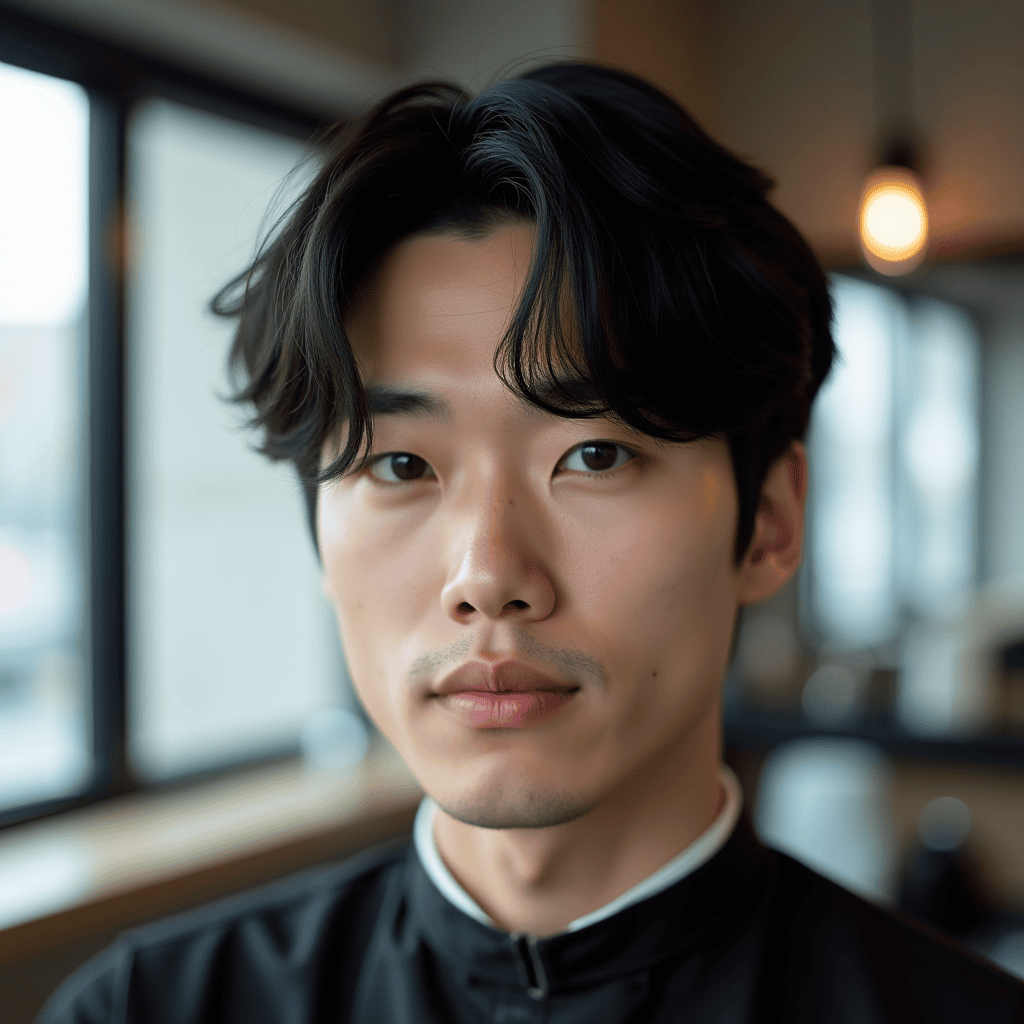
The soft two-block cut keeps the sides and lower back short while leaving a fuller top that falls naturally around the forehead. Unlike a disconnected undercut, the transition is lightly blended so the shape does not resemble a heavy cap. The fringe can sit straight, split slightly, or sweep across one eyebrow. A modest amount of crown texture prevents the top from collapsing.
This cut suits straight or lightly wavy hair with medium density, especially on oval, round, or heart-shaped faces. Ask your barber for “a low, softly blended two-block with scissor texture on top and no harsh shelf.” It usually needs reshaping every four to six weeks. Men with strong curls may find the contrast harder to control without extra styling.
2. Textured Japanese Crop
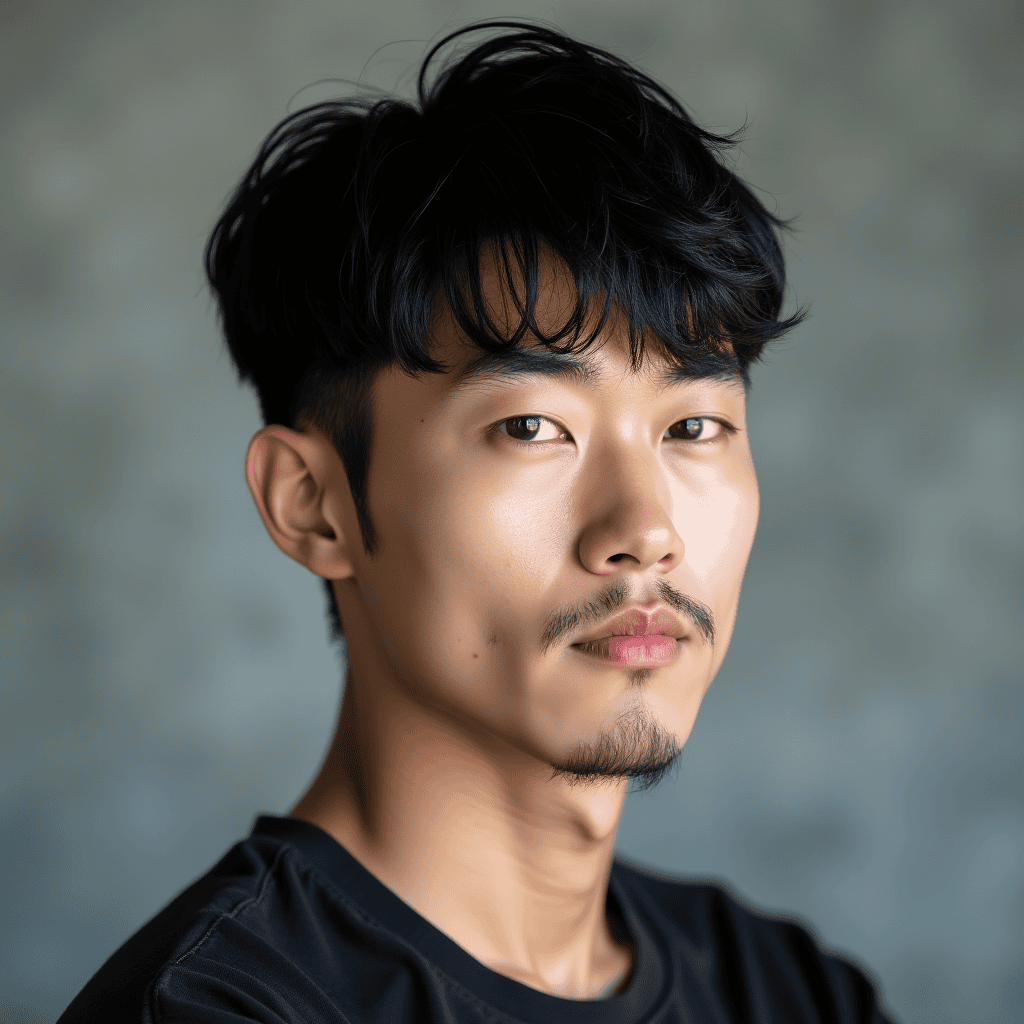
The textured Japanese crop sits close around the sides but keeps broken, piece-like movement through the top. Its fringe is short without being perfectly blunt, and the surface has small directional sections rather than messy spikes. The silhouette looks compact from the side, with slightly more height near the crown. This is one of the easiest Japanese haircut ideas to wear with thick hair.
It works best on straight, coarse, or dense strands that naturally hold separation. Tell the barber, “Keep the crop soft, use point cutting through the top, and leave a lightly jagged fringe rather than a straight line.” Matte paste rubbed between the fingers is usually enough for styling. Fine hair can wear it too, though aggressive thinning may make the scalp more visible.
3. Short Mash Cut
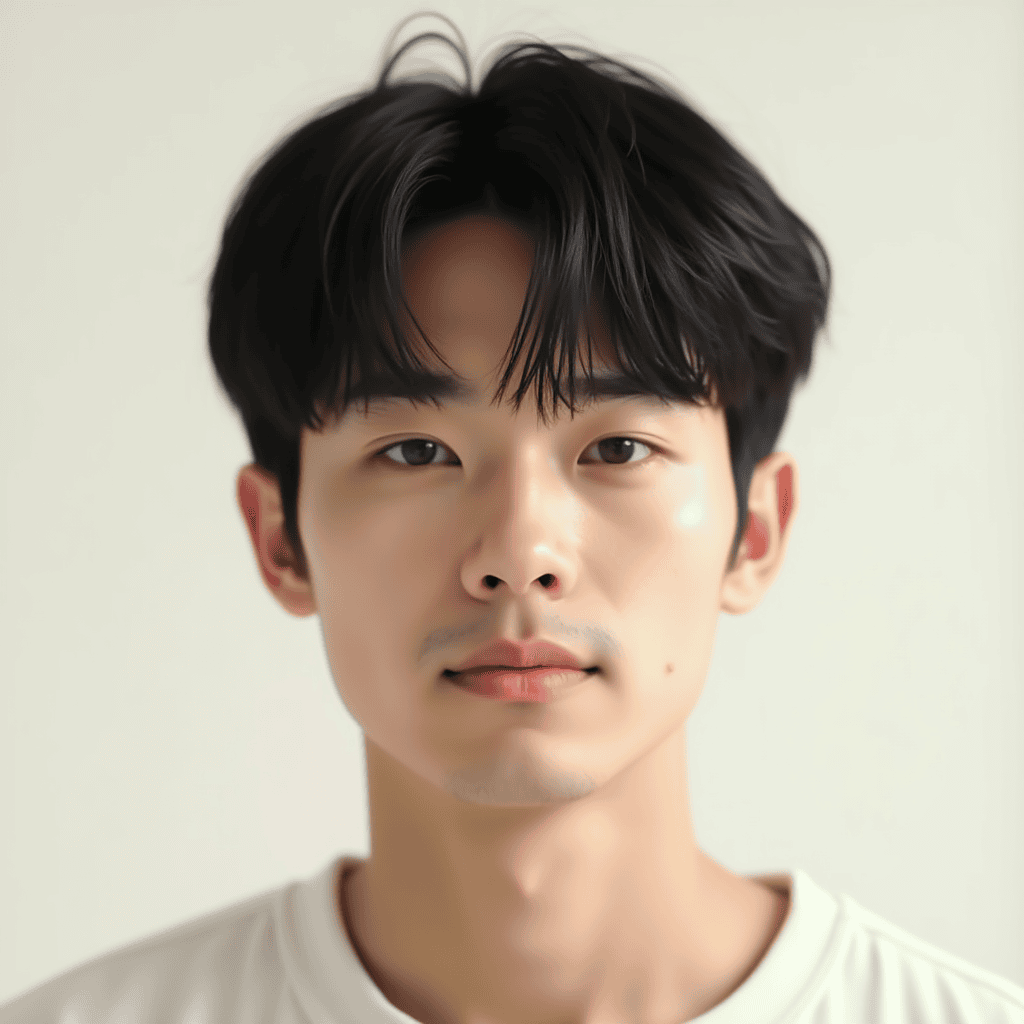
The short mash cut creates a rounded outline that follows the head without looking like a rigid bowl. Hair curves gently from the crown toward the fringe, while subtle layers remove bulk around the ears and temples. The front usually sits near the eyebrows with a soft, airy edge. Its smooth shape makes it youthful, tidy, and noticeably different from a standard crew cut.
This style flatters oval and longer faces because the fringe reduces visible forehead length. Ask for “a short rounded mash shape with softened edges, hidden internal layers, and enough fringe to skim the brows.” Blow-drying forward with a vent brush gives it the cleanest finish. Very round faces may need extra height or a slightly broken fringe to avoid emphasizing width.
4. Clean Salaryman Cut

The clean salaryman cut uses a conservative side shape, controlled top length, and a neat fringe or side part. The temples remain tidy without being shaved to the skin, while the crown is long enough to lie smoothly. From the front, the cut appears professional rather than heavily styled. Small amounts of texture stop it from looking overly formal.
Among Japanese haircut ideas for men working in traditional offices, this is one of the safest choices. Request “scissor-cut sides, a natural neckline, a controlled side part, and enough top length to restyle after work.” A light cream or flexible wax keeps flyaways in place. Its drawback is predictability, so the cut depends heavily on precise proportions and clean maintenance.
5. Tapered Caesar With Soft Fringe
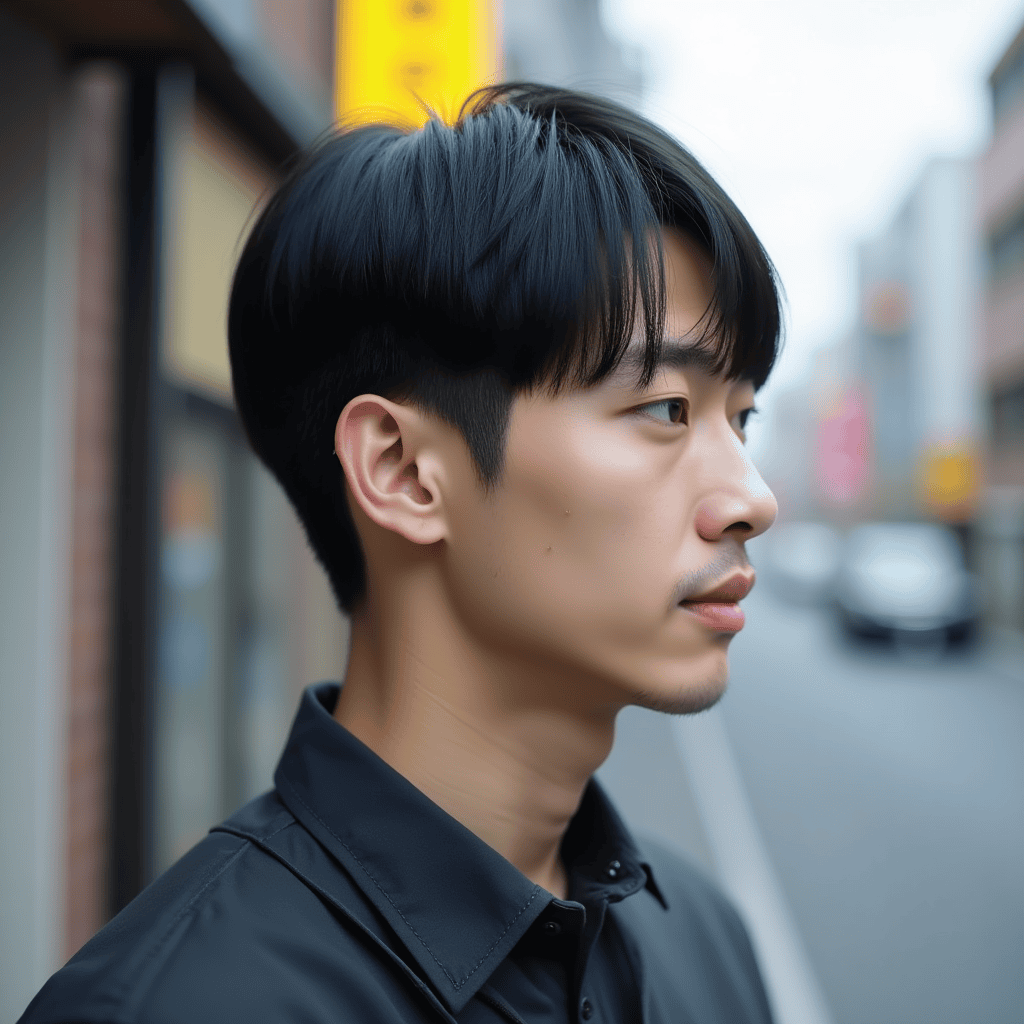
This version of the Caesar keeps the top short and forward but replaces the hard Roman-style fringe with a lighter, irregular edge. The sides taper gradually from the temples toward the ears, creating a neat outline without a dramatic fade. Tiny pieces of texture point in slightly different directions across the top. The result feels disciplined but not military.
It suits men with straight hair, receding corners, or a forehead they prefer to cover. Ask the barber for “a short forward crop with a soft Caesar fringe, low taper, and no sharp lineup.” Styling takes little more than a pea-sized amount of dry paste. Men with a low hairline should keep the fringe light, since too much density can make the face appear crowded.
Medium Japanese Haircut Ideas With Natural Movement
Medium-length Japanese haircut ideas give a barber more room to control flow, separation, and face framing. These cuts look relaxed, but their movement usually comes from careful layering rather than random length. They are ideal for men who want versatility without growing their hair past the jaw.
6. Layered Curtain Cut
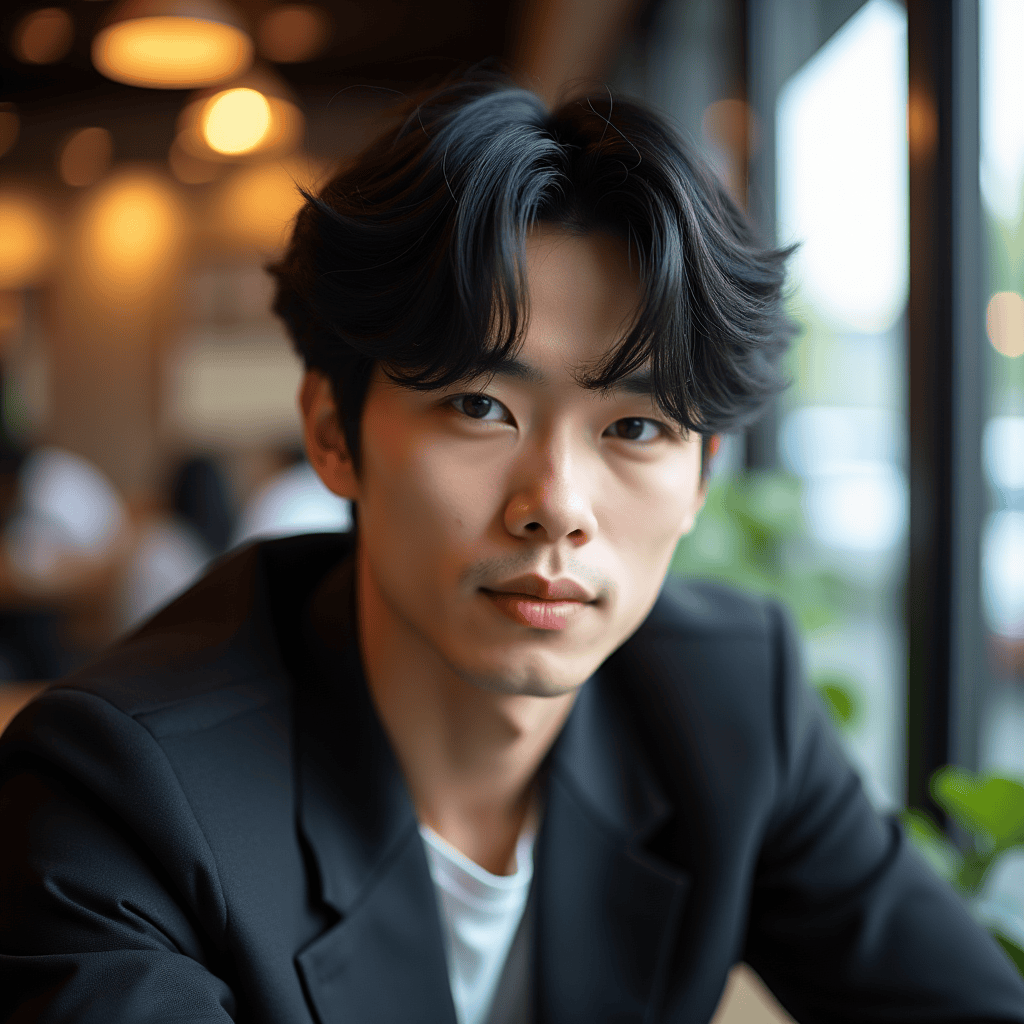
The layered curtain cut parts near the center and opens away from the forehead in curved sections. The front reaches the cheekbones or upper ears, while shorter internal layers create lift near the roots. Its sides tuck behind the ears or fall loosely across them. The back remains softly shaped instead of ending in a square block.
This cut suits oval, square, and heart-shaped faces, particularly with straight or slightly wavy hair. Ask for “medium curtains with cheekbone-length front pieces, crown lift, and light layers that move away from the face.” A round brush or backward blow-drying motion forms the bend. Pin-straight hair may need a light styling spray to stop the curtains from hanging like two flat panels.
7. Feathered Side Part
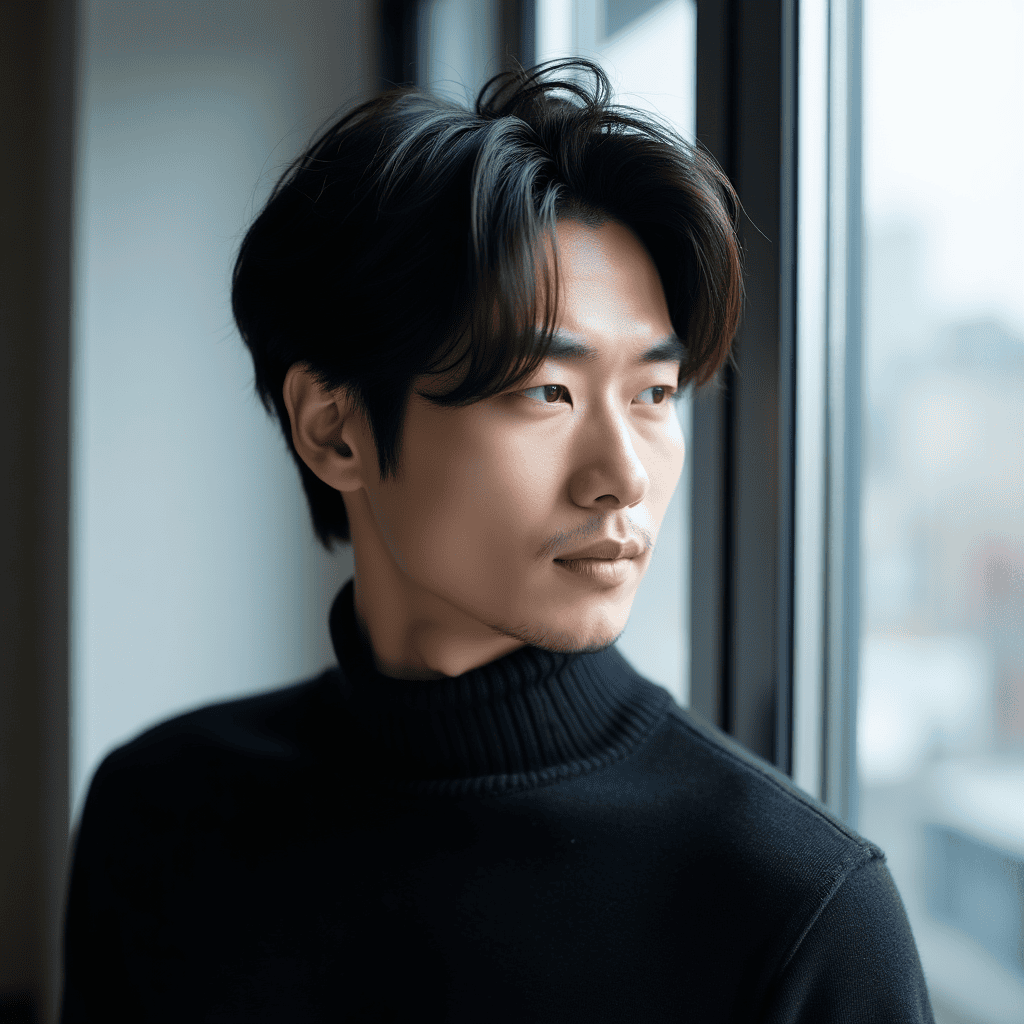
A feathered side part uses overlapping layers that sweep diagonally from the parting toward the temple and ear. The ends remain light and slightly flicked, creating movement without obvious curls. More length sits above the heavier side, while the opposite side stays controlled. It looks polished from a distance and textured when viewed closely.
These Japanese haircut ideas work well for men who need office-friendly hair that still carries personality. Tell the barber, “Create a medium side part with feathered ends, soft temple coverage, and no heavy weight line above the ears.” A lightweight wax helps define individual sections. Thick hair needs careful internal thinning, but too much thinning can produce fuzzy ends after several weeks.
8. Airy Middle Part
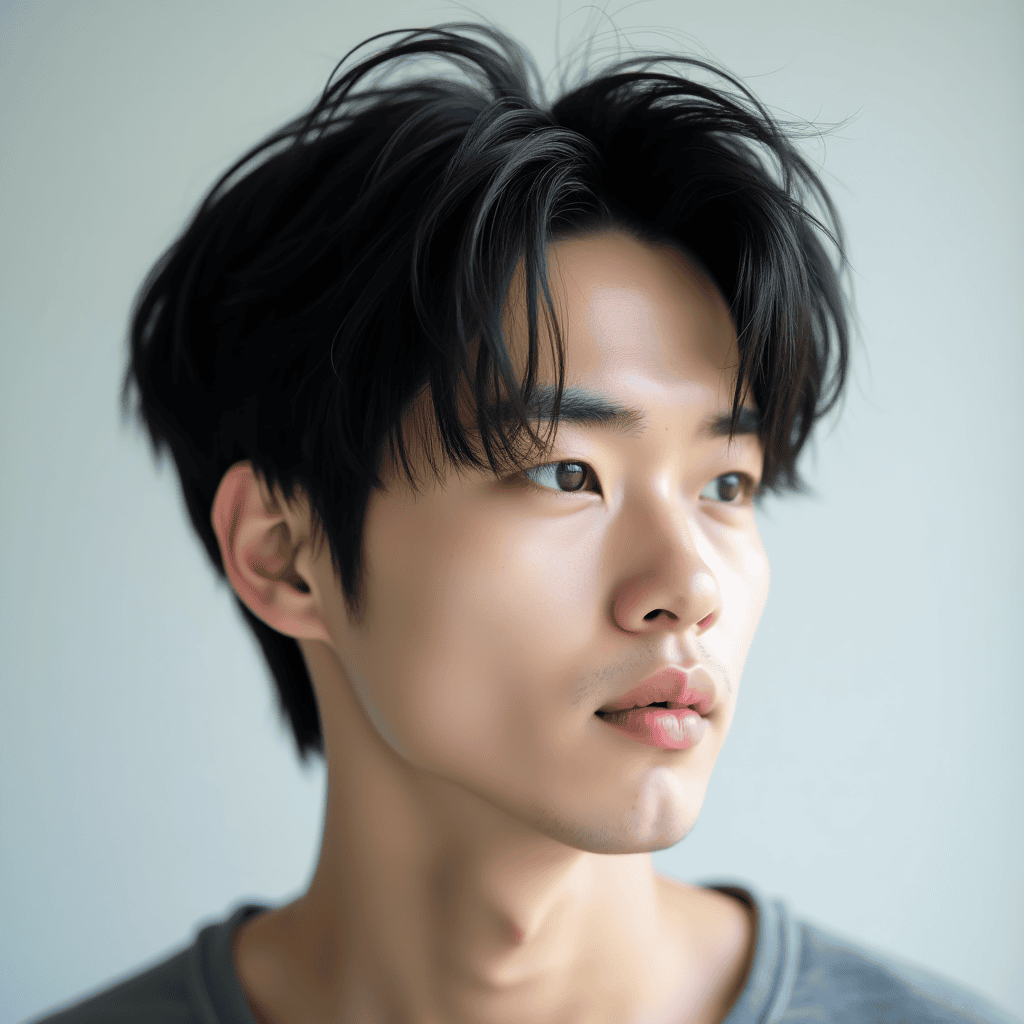
The airy middle part is lighter and less structured than traditional curtains. Its front sections separate naturally, exposing part of the forehead while wispy strands remain near the center. Fine layers through the upper sides prevent a thick triangular shape. The finish should look touchable, with visible space between small sections of hair.
It is a strong option for fine to medium-density hair and faces that benefit from vertical framing. Ask for “a light center part with airy face-framing layers, soft volume at the roots, and thin ends rather than blunt ends.” Root spray and finger blow-drying usually provide enough control. Strong cowlicks can pull the part off-center, so forcing perfect symmetry may create an unnatural finish.
9. Side-Swept Layered Fringe
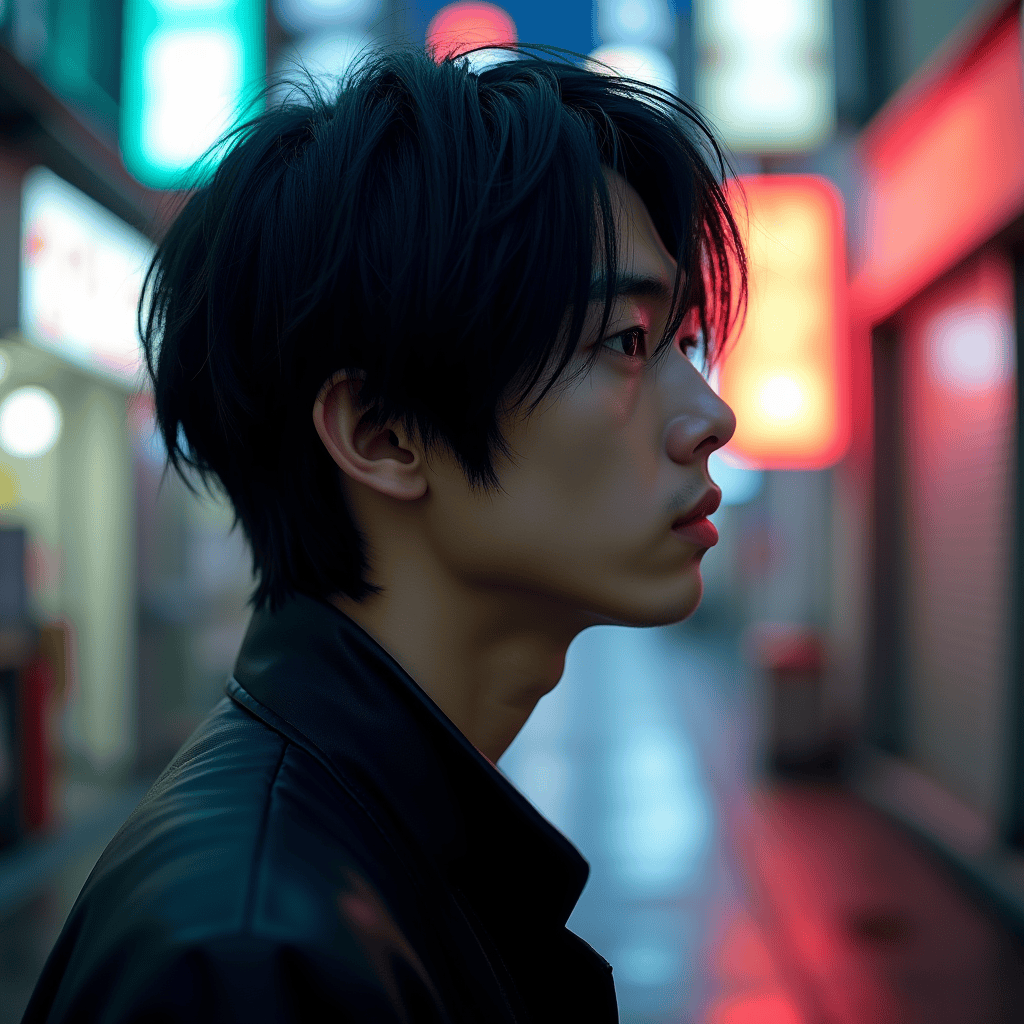
This cut carries a long fringe across the forehead while allowing small separated strands to fall around the eyes. The top follows the same direction, producing a continuous diagonal flow rather than a distinct part. Layers near the temple soften the connection to the sides. From the profile, the fringe has a slight curve instead of lying flat against the skin.
It suits longer, oval, and angular faces, though the exact fringe length must be adjusted around the eyes. Request “a long side-swept fringe with soft separation, temple layers, and enough top weight to keep the direction consistent.” Styling cream gives it movement without a wet look. The main inconvenience is visibility, since an overgrown fringe can repeatedly fall into the eyes.
10. Medium Scissor Taper
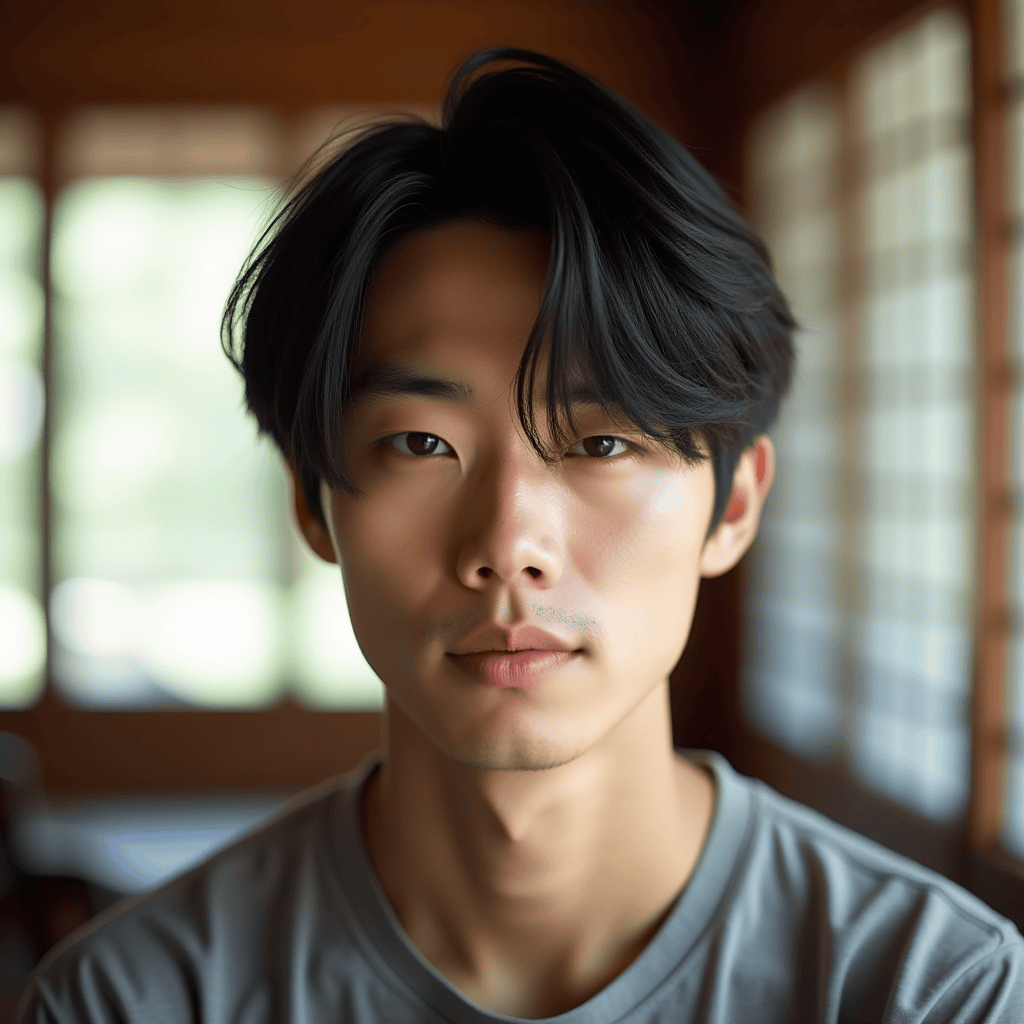
The medium scissor taper keeps fullness through the upper sides while gradually reducing length around the ears and neckline. Its top can part, sweep back, or fall forward depending on the day. Because clippers do not create a stark contrast, the whole haircut appears softer and more natural. It grows out with fewer obvious steps than a skin fade.
Men exploring understated Japanese haircut ideas often find this shape easier to maintain than trend-heavy styles. Ask for “a full scissor taper, natural edges, medium top length, and weight removed only where the hair starts to puff.” It works across many face shapes and professional settings. The cut requires a skilled scissor hand, since poor weight control can leave the sides looking bulky.
Fringe-Focused Japanese Haircut Ideas
Fringes are central to many Japanese haircut ideas because they can alter facial proportions without changing the entire haircut. A soft fringe shortens a long face, a divided fringe opens a smaller face, and an angled fringe adds movement to thick straight hair. The following choices range from subtle to more expressive.
11. Wispy Eyebrow Fringe
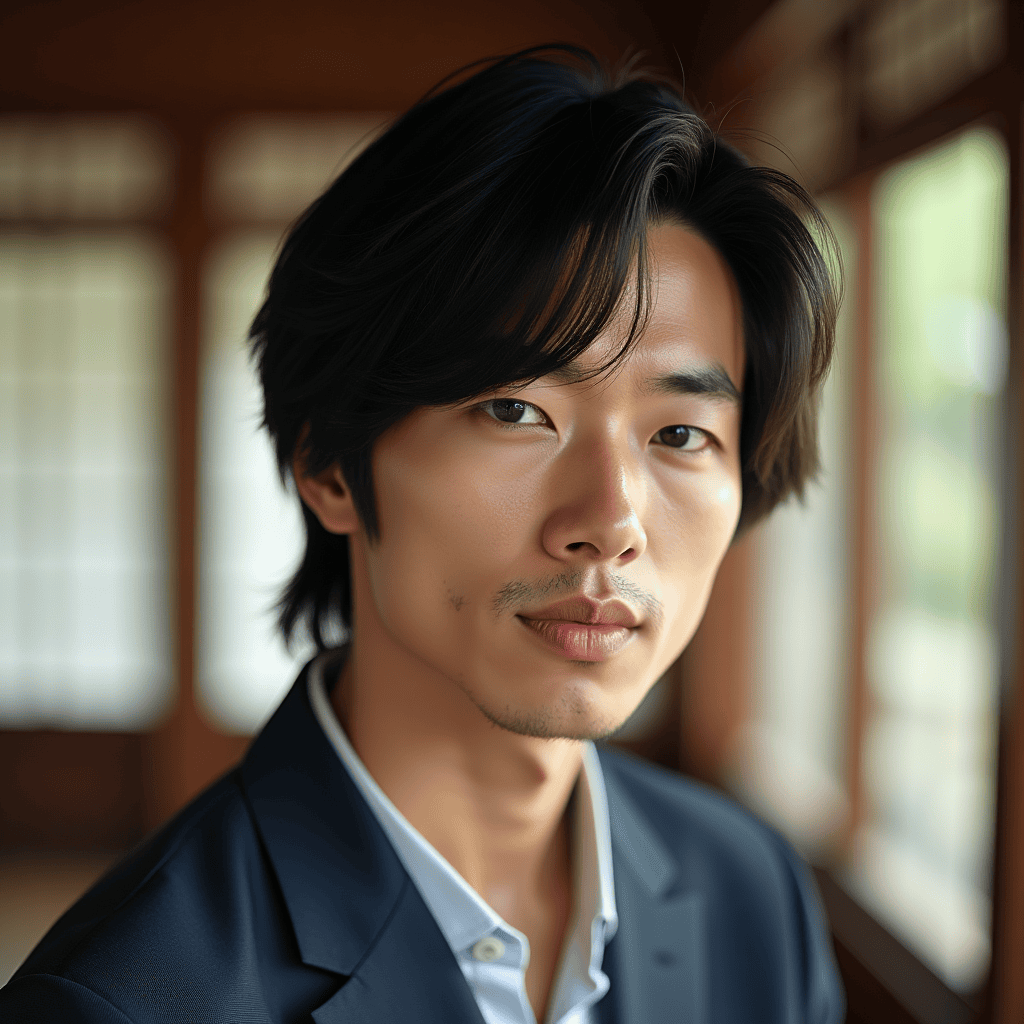
A wispy eyebrow fringe uses thin, uneven strands that hover around the brows instead of forming one solid line. The top remains softly layered, allowing small gaps to appear naturally through the front. Hair around the temples follows the same fine texture. This creates a gentle outline that looks especially good in close-up photographs.
It suits fine or medium hair and faces that feel too exposed with a fully open forehead. Ask for “a light eyebrow-skimming fringe with visible separation, fine point-cut ends, and soft temple pieces.” A small amount of texture powder can prevent strands from clumping. Oily hair may cause the fringe to separate too sharply by midday, so clean roots matter.
12. Choppy Micro Fringe
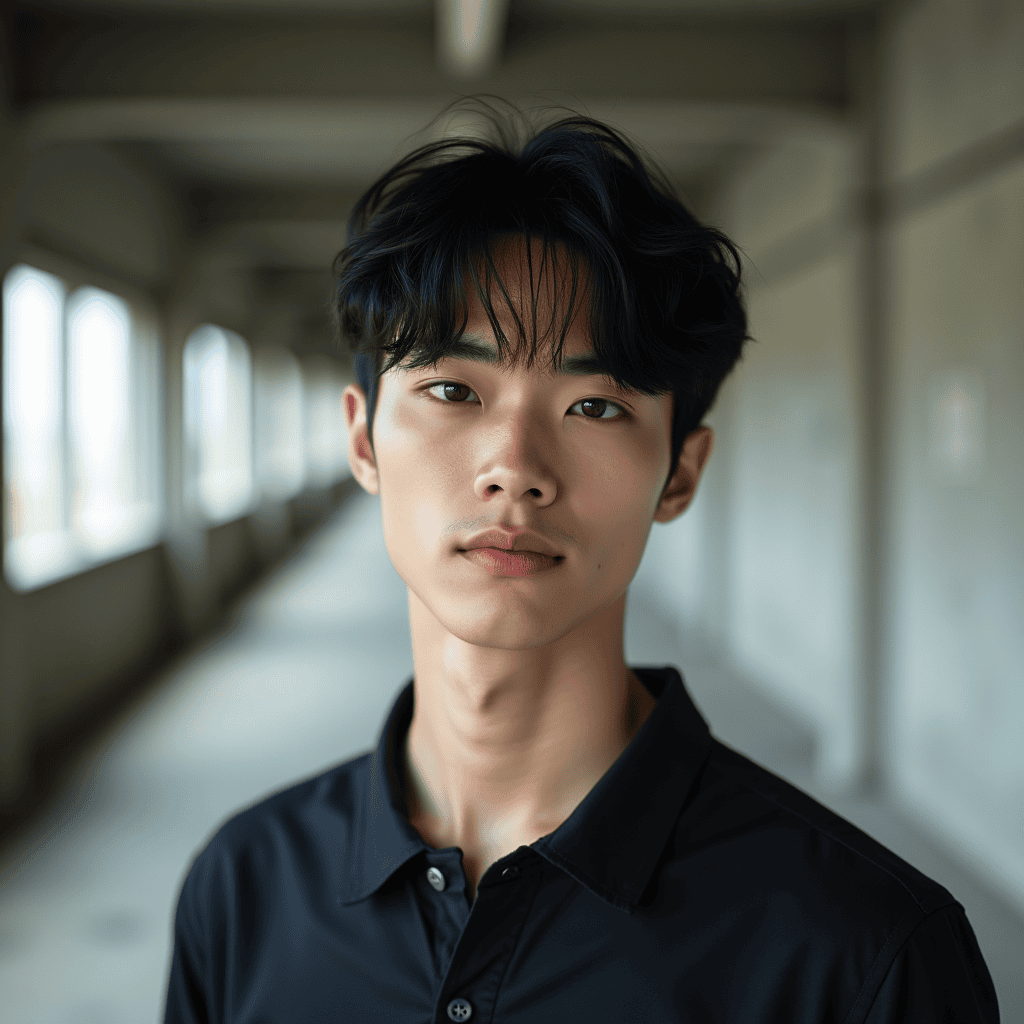
The choppy micro fringe sits clearly above the eyebrows and uses short, irregular sections rather than a smooth horizontal edge. Slightly longer top layers keep it from resembling a severe bowl cut. The sides can remain neat or carry a small amount of texture near the temples. Its exposed forehead creates a sharper, more editorial appearance.
This is among the bolder Japanese haircut ideas for men with confident personal style. Tell the barber, “Cut a broken micro fringe above the brows, keep the corners soft, and leave enough top texture to avoid a blunt cap.” It suits oval and compact faces particularly well. A high or uneven hairline may become more noticeable, so the fringe position should be planned carefully.
13. Curved Comma Fringe
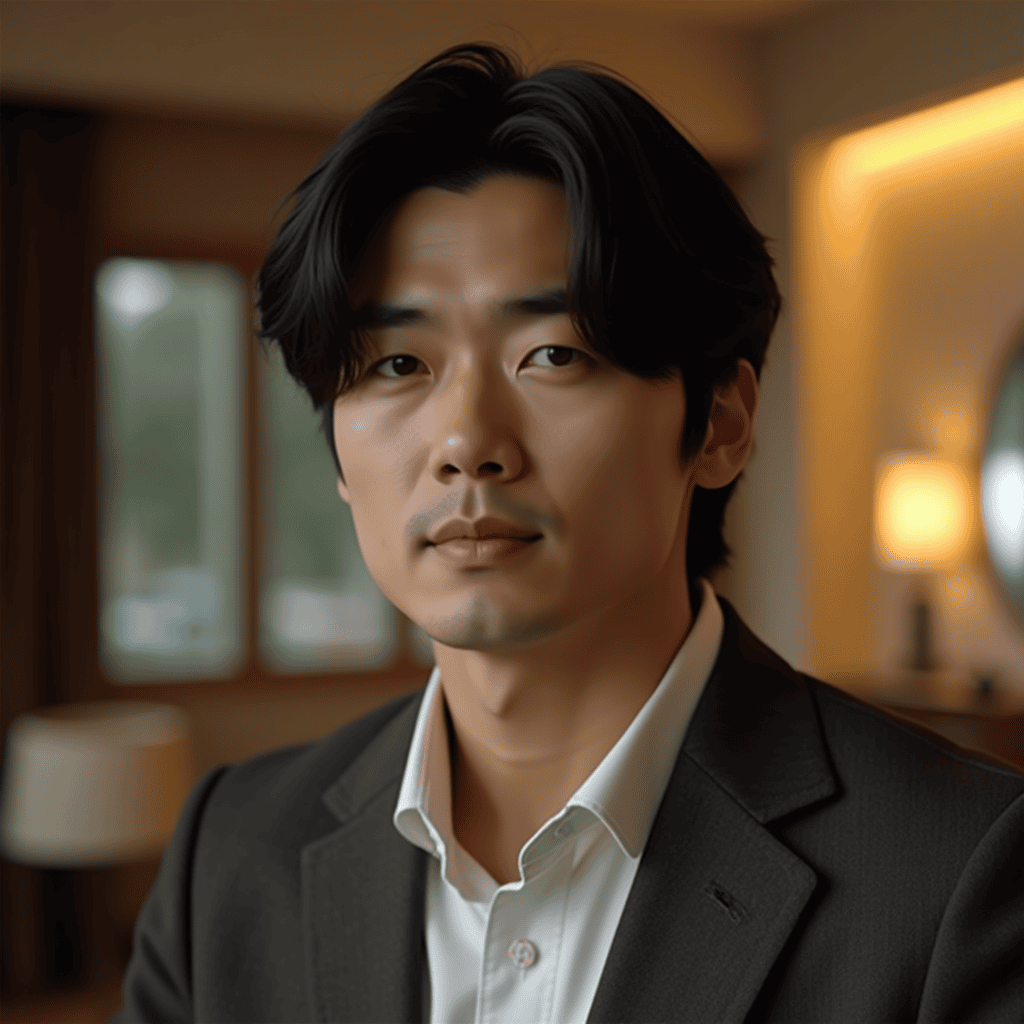
The comma fringe features one front section bent inward to create a curved, punctuation-like shape near the eyebrow. The remaining hair can be parted or softly swept, allowing the curved piece to become the focal point. Its top usually carries moderate volume, while the sides remain controlled. The shape looks deliberate without covering the full forehead.
This cut suits straight hair that responds well to heat styling and men who enjoy a polished finish. Ask for “a medium parted top with one longer front section left for a comma-shaped bend.” A small round brush or flat iron forms the curve in minutes. Humid weather and stubborn growth patterns can quickly relax the shape, making daily restyling necessary.
14. Broken Bowl Cut
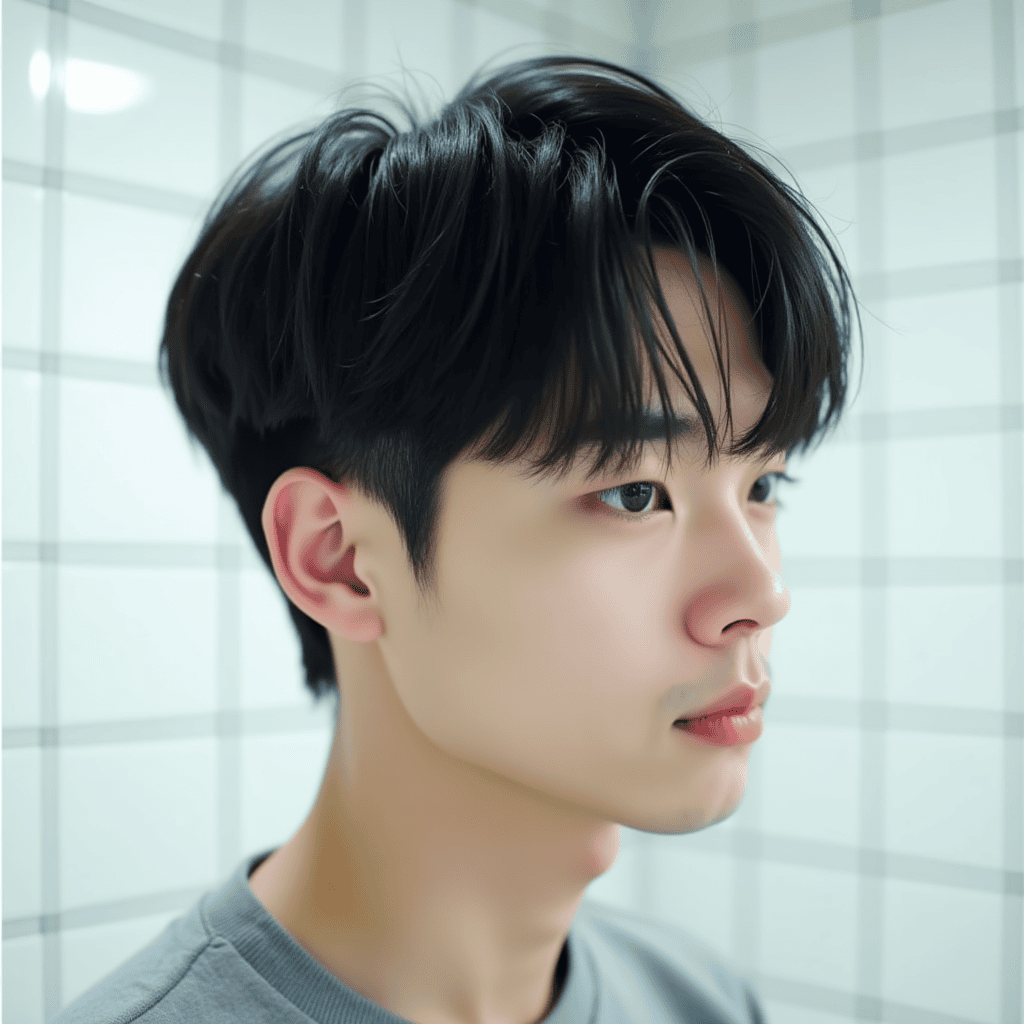
The broken bowl cut follows a rounded perimeter but disrupts the edge with visible texture, gaps, and varied lengths. The fringe blends continuously into the sides, while internal layers prevent the top from sitting like a helmet. Slightly exposed ears make the silhouette feel lighter. It has a graphic quality without the severity of a traditional bowl.
Men with straight, dense hair get the clearest shape from this option. Request “a rounded bowl outline with a broken fringe, internal weight removal, and soft exposed sections around the ears.” It needs regular trimming because the perimeter loses its intention once it grows too long. Round faces should add crown height or asymmetry to avoid exaggerating facial width.
15. Asymmetrical Long Fringe
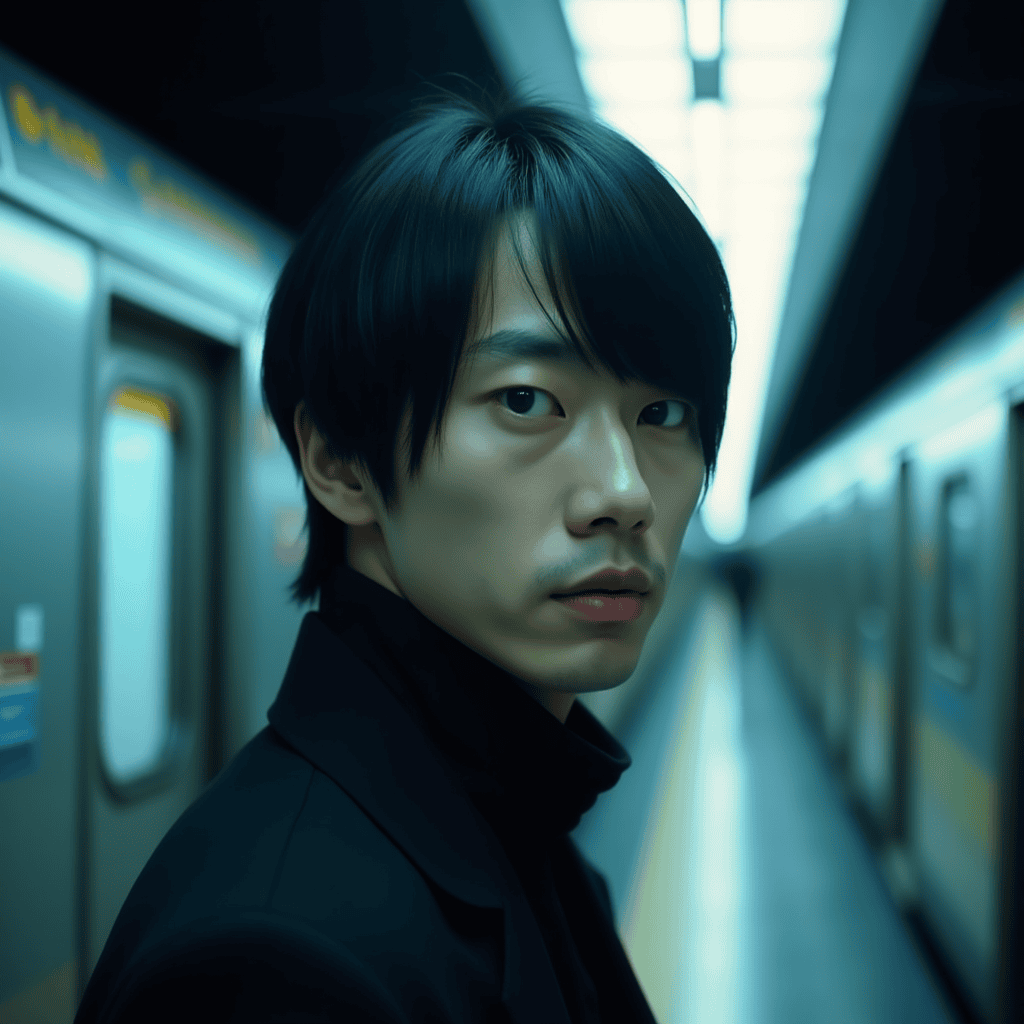
The asymmetrical long fringe falls lower on one side, often reaching the cheekbone while the opposite side opens the forehead. Layers guide the movement diagonally across the face, creating a controlled imbalance. The back and sides stay relatively simple so the fringe remains dominant. A slightly tapered nape keeps the overall shape modern.
This look favors oval, square, and heart-shaped faces and works best with straight or flexible wavy hair. Ask your stylist for “an off-center part with one cheekbone-length fringe section, soft diagonal layers, and a clean tapered back.” The longer side may need heat styling to maintain its line. Men who frequently wear helmets or caps may find the fringe difficult to reset.
Layered and Longer Japanese Haircut Ideas
Longer Japanese haircut ideas depend on weight distribution. Without internal layers, straight hair can hang heavily around the cheeks and neck. With too many layers, the ends may become thin and disconnected. These five cuts keep enough structure to look intentional while allowing more movement and individuality.
16. Modern Japanese Wolf Cut
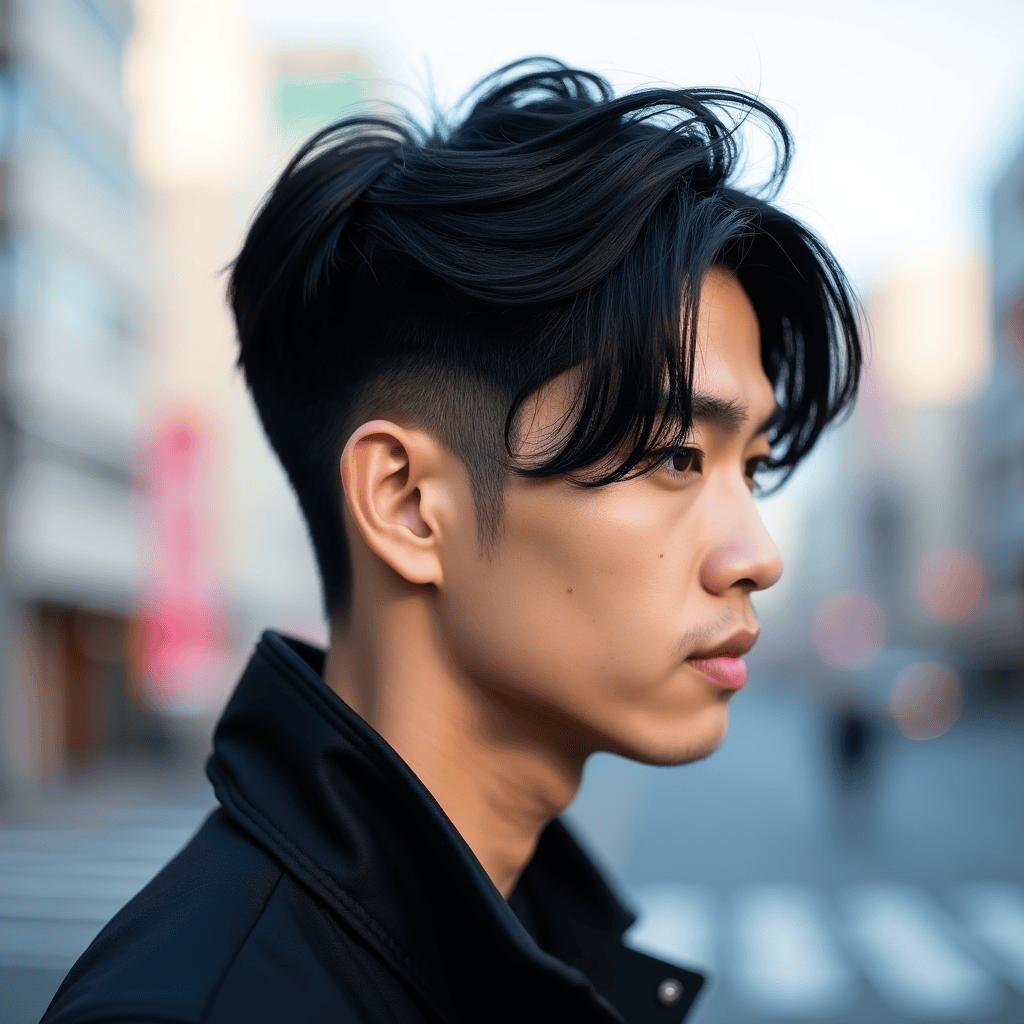
The modern wolf cut combines shorter crown layers with longer sections around the ears and nape. Its top has visible lift, the sides flick outward, and the back narrows into a soft tail. Unlike an extreme mullet, the transitions remain blended. The silhouette feels lively from every angle, especially when the hair carries a slight natural bend.
It suits medium to thick hair and men who want one of the most recognizable Japanese haircut ideas. Ask for “short crown layers, feathered side movement, a longer blended nape, and no harsh mullet disconnection.” Styling foam and scrunching can reveal the layers. Fine hair may lose density at the ends if the barber removes too much weight.
17. Soft Japanese Mullet
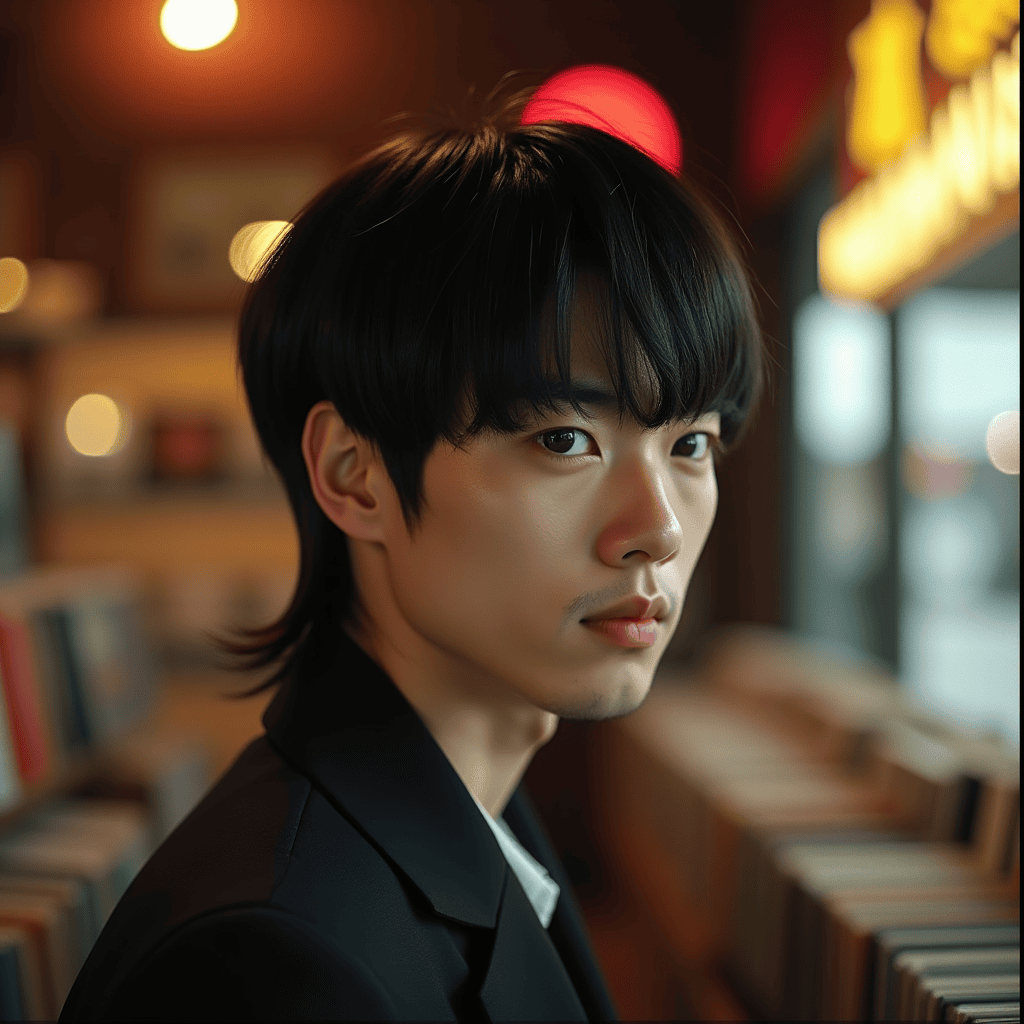
The soft Japanese mullet keeps the front and upper sides tidy while allowing the nape to extend beyond the collar line. Layers connect the sections gradually, so the back does not resemble an attached tail. The fringe may be divided, swept, or lightly choppy. From the side, the cut shows a smooth slope from crown to nape.
It works for men who want a fashion-led haircut without choosing a heavily disconnected shape. Tell the barber, “Keep the mullet soft, blend the crown into the nape, reduce bulk behind the ears, and avoid shaving the sides.” The neckline needs attention as it grows. Conservative workplaces may still view the extended back as too casual.
18. Long Layered Shag
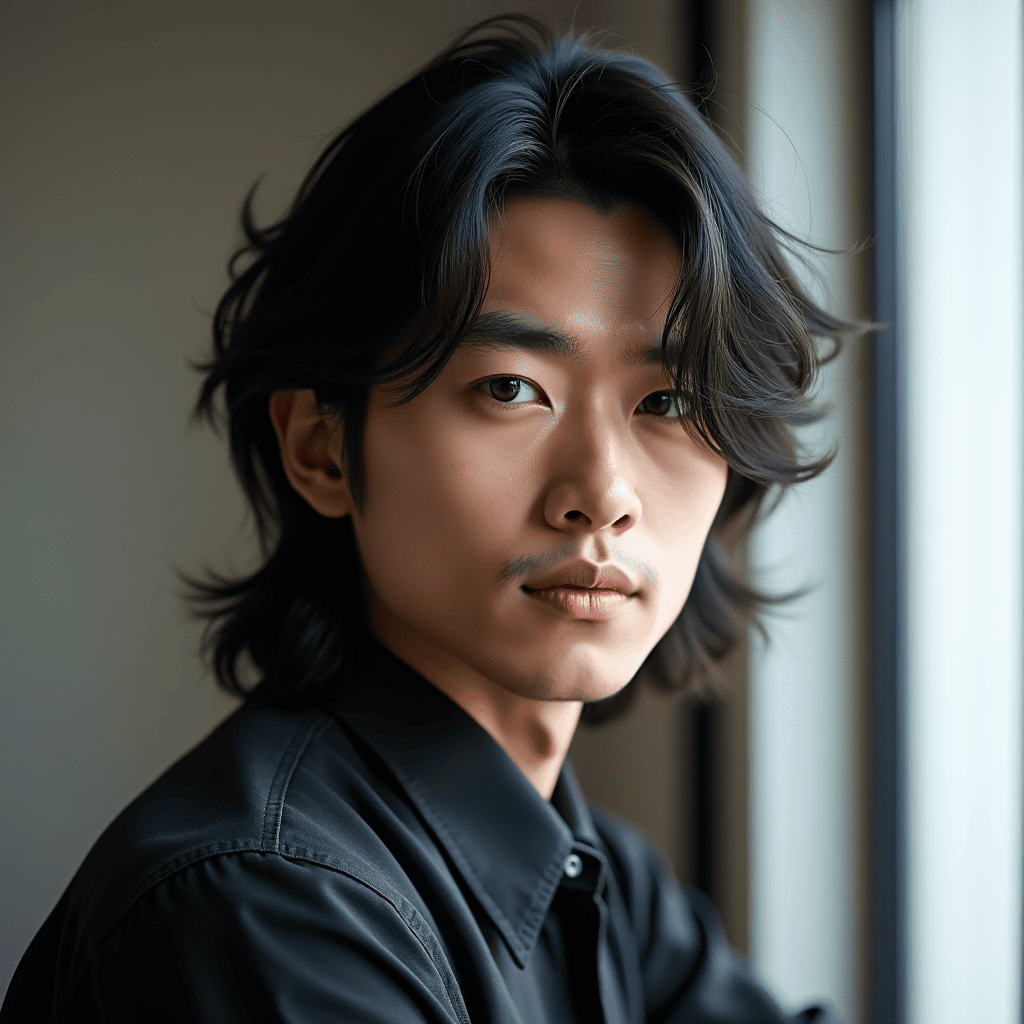
The long layered shag falls around the jaw or neck with shorter pieces opening the face and crown. Its ends point in different directions, creating a lived-in shape instead of a smooth curtain. Side sections may tuck behind the ears while the back remains loose. The cut looks best when individual layers remain visible rather than brushed into one mass.
This option suits wavy hair, flexible straight hair, and men comfortable with a less formal appearance. Ask for “a jaw-to-neck-length shag with crown layers, face-framing pieces, and textured ends that keep their density.” Air-drying can work if the hair has natural movement. Extremely coarse hair may expand outward unless the weight is controlled carefully.
19. Center-Parted Neck-Length Layers
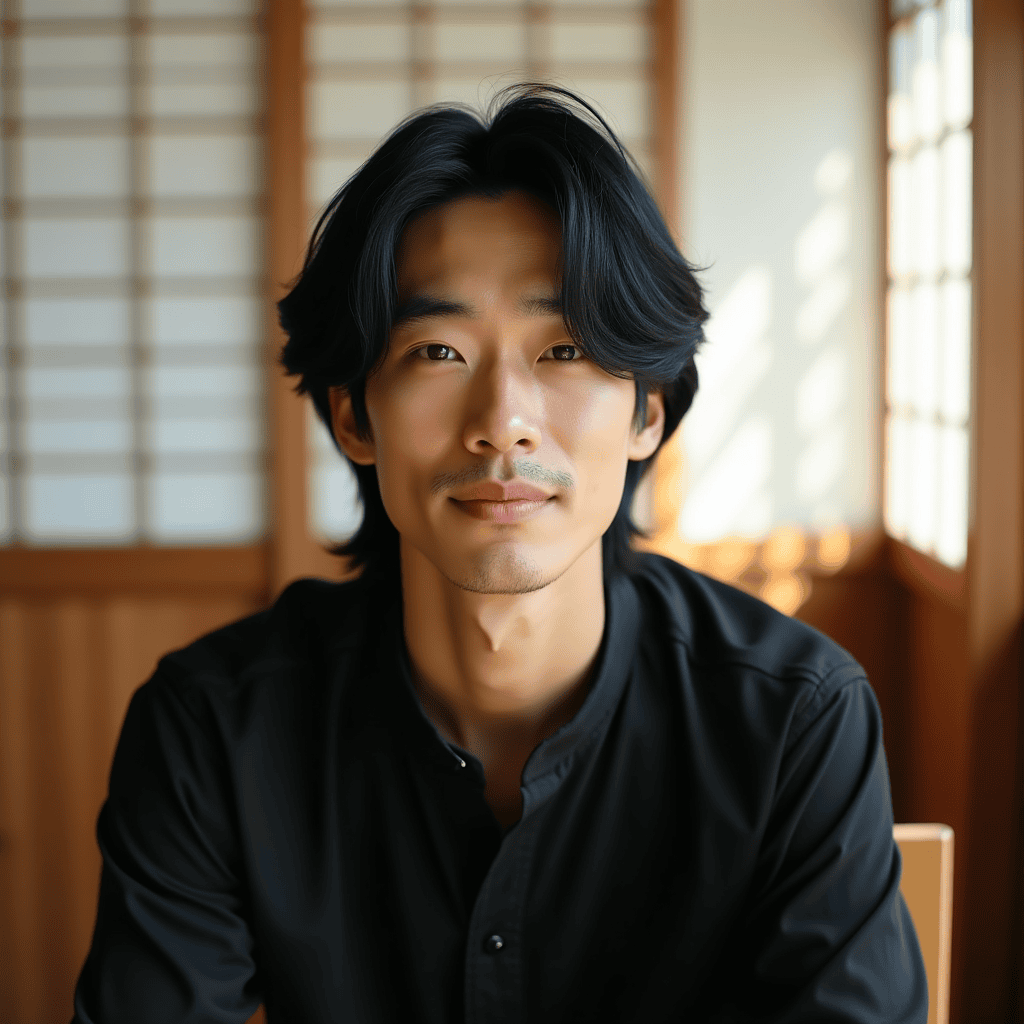
This cut uses a clean or slightly imperfect center part with long layers falling toward the jaw and neck. The front curves away from the cheeks, while the lower sections remain narrow enough to avoid a triangular silhouette. Gentle crown layering adds lift without creating a shaggy surface. Its finish feels calm, balanced, and mature.
Men with oval, square, or broader faces can use the vertical lines to create visual length. Request “neck-length layers with a center part, curved face framing, soft crown lift, and full ends.” Regular conditioning helps the longer sections stay controlled. Fine hair can appear sparse near the bottom if the layers are cut too aggressively.
20. Slicked-Back Long Layers
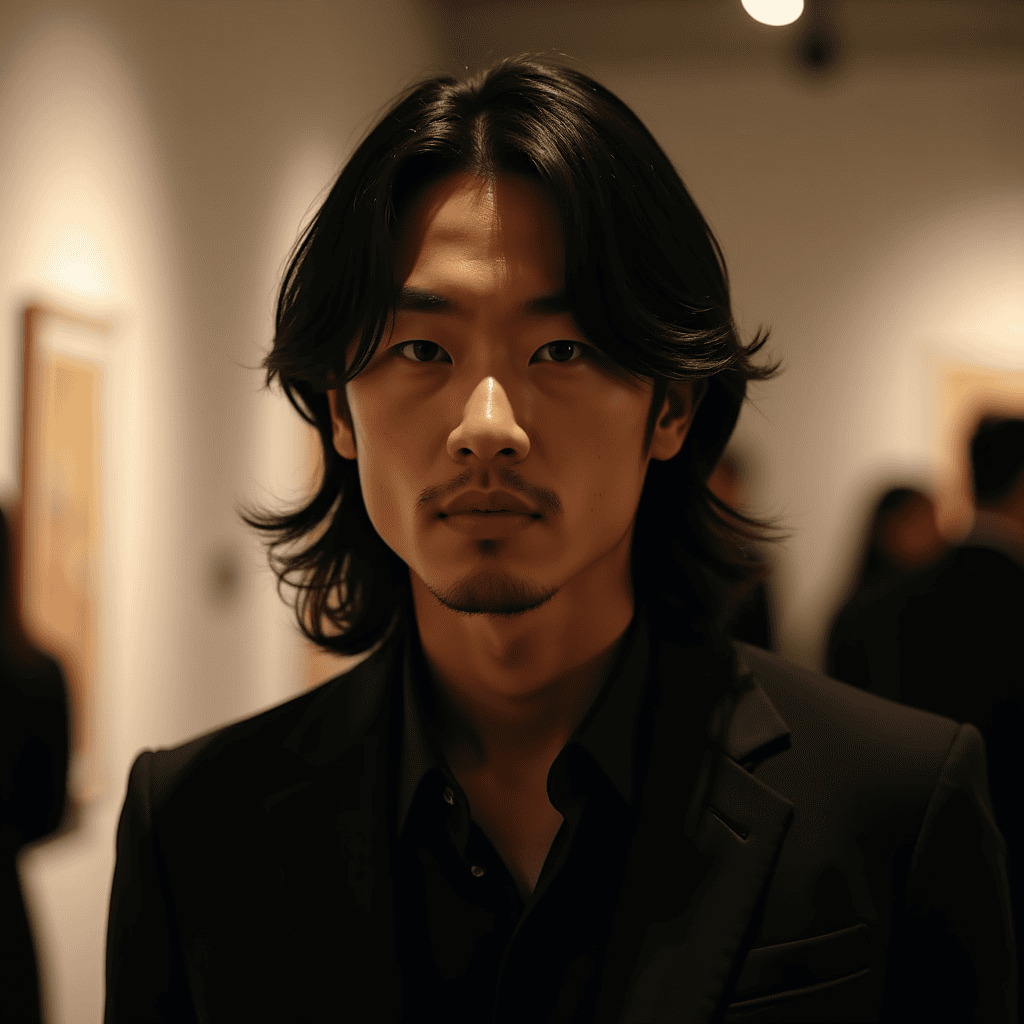
Slicked-back long layers move away from the forehead and follow the head before loosening near the ears and neck. The top retains some height, preventing the shape from appearing wet and flat. Longer side pieces remain visible behind the ears, while the nape falls naturally. The result combines formal control with the drama of longer hair.
It suits men with medium to thick hair who occasionally need a dressier finish. Ask for “long connected layers that can brush fully backward, with controlled weight around the ears and a clean but natural nape.” Styling cream gives softer control than strong gel. Men with a prominent hairline should test the exposed shape before committing to the cut.
Bold Japanese Haircut Ideas With Stronger Character
Bold Japanese haircut ideas usually exaggerate one feature: sharper texture, stronger separation, unusual length placement, or a more graphic outline. They require clearer communication with the barber because small proportion changes can alter the whole result. Bring several reference angles rather than relying on one front-facing photograph.
21. Spiky Anime-Inspired Cut
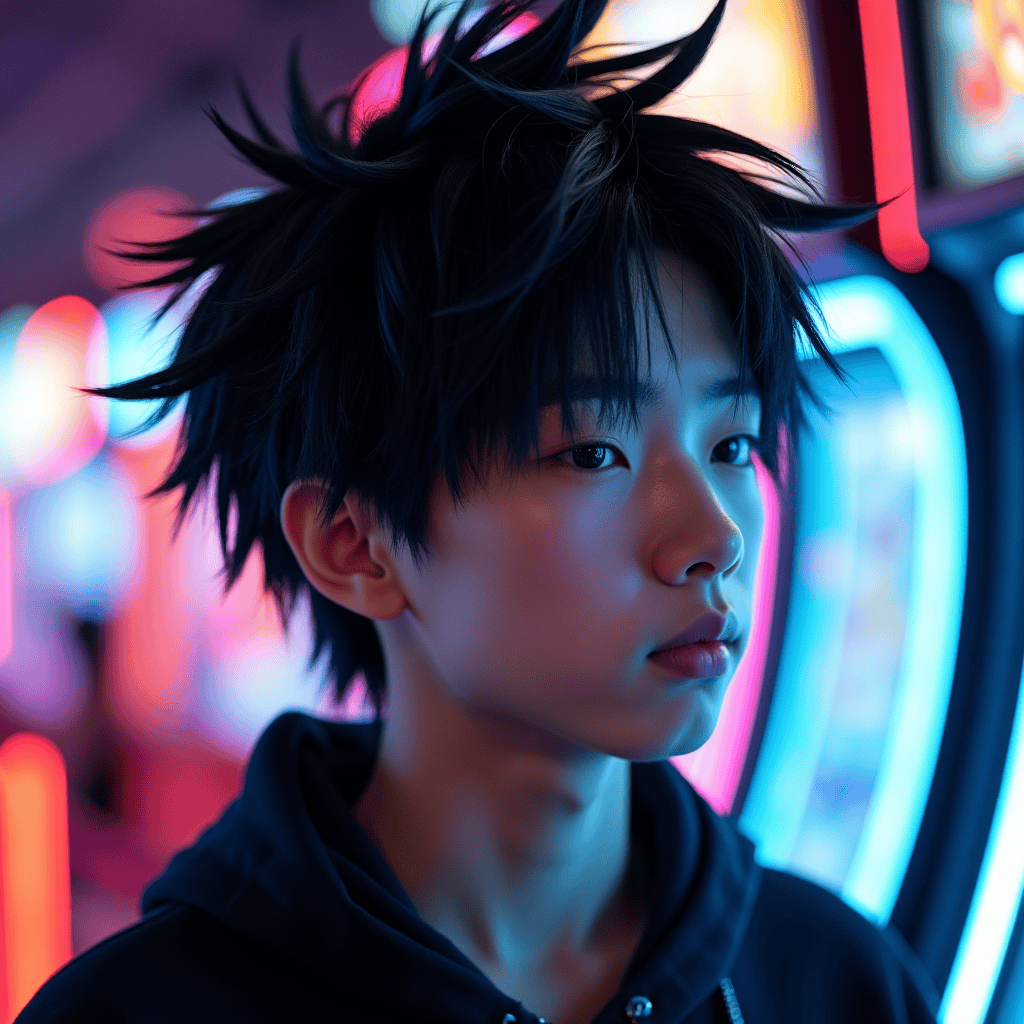
The spiky anime-inspired cut uses layered sections that lift and separate rather than standing in identical gelled points. The crown pushes upward, the sides angle slightly outward, and selected fringe pieces fall toward the forehead. Different spike lengths create depth across the silhouette. The finish should remain matte enough for the sections to appear like hair rather than plastic.
This is one of the most expressive Japanese haircut ideas for thick straight hair. Ask for “short-to-medium disconnected texture, longer directional pieces through the crown, and a broken fringe that can be pinched into sections.” Strong paste and careful blow-drying are usually required. Soft fine hair may struggle to hold the shape throughout the day.
22. Disconnected Two-Block Undercut
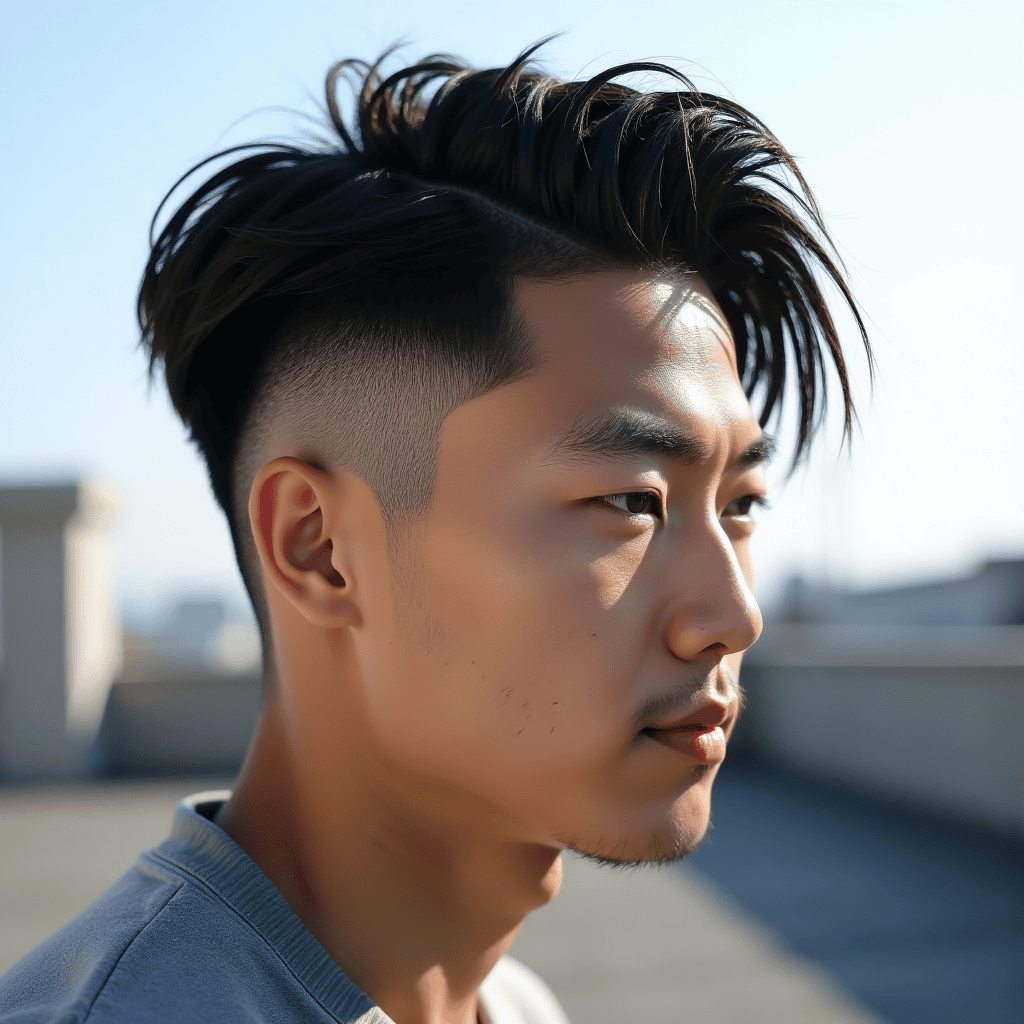
This two-block version creates a visible separation between a long upper section and closely clipped sides. The top can fall forward like a heavy fringe or sweep backward to reveal the contrast. Hair behind the temples remains short, making the longer layer appear more graphic. The neckline may be tapered cleanly while the upper back retains weight.
It works for men who want a sharper shape than the soft two-block. Tell the barber, “Keep a clear two-block disconnection, clip the lower sides short, preserve strong top weight, and leave enough length to style forward or back.” Frequent side cleanups maintain the effect. Dense hair can form a noticeable shelf if the upper edge is not positioned carefully.
23. Razor-Textured Visual Kei Cut
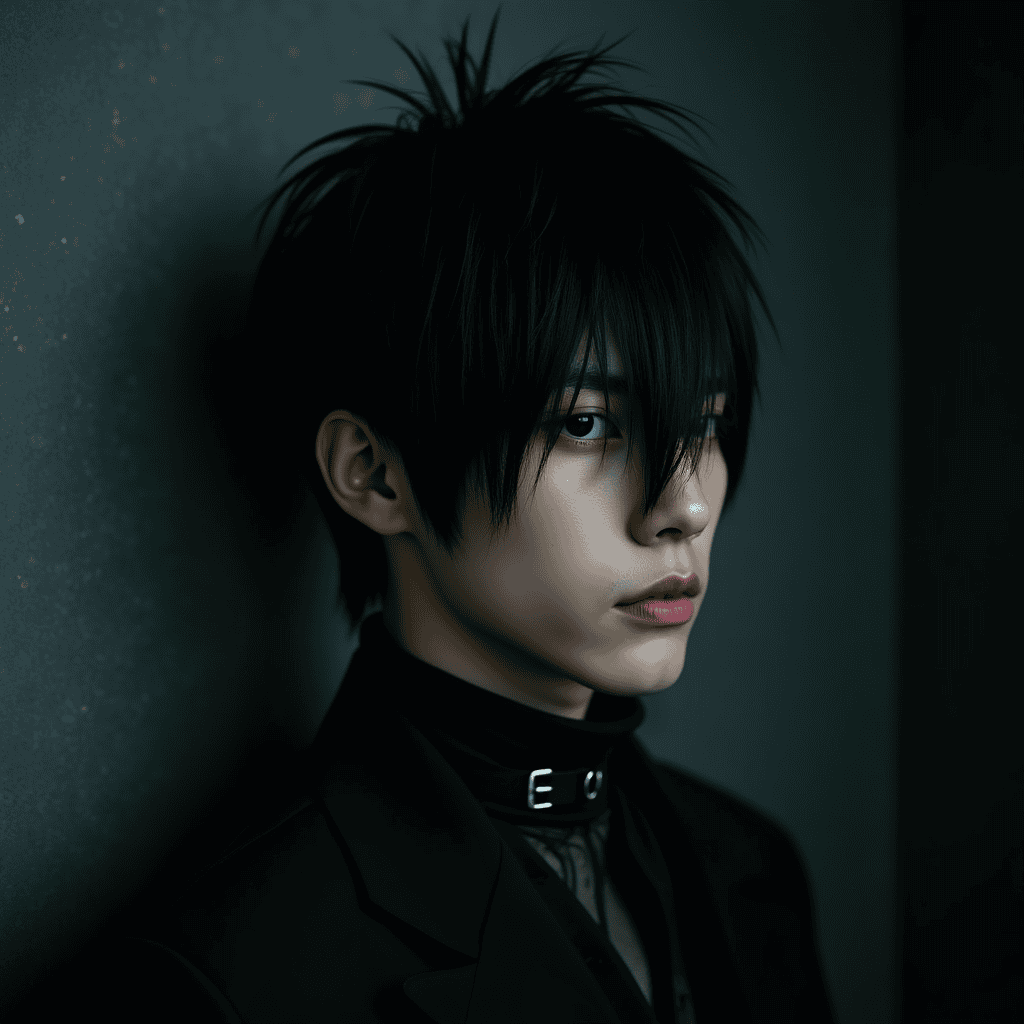
The razor-textured Visual Kei cut uses narrow pointed layers, dramatic side movement, and a long fringe that may partially cover one eye. The crown carries volume while the ends around the face and neck remain thin and defined. Dark color makes the silhouette especially graphic, though the cut itself supplies most of the effect. It is theatrical without requiring extreme length.
This style suits straight hair and men whose wardrobe already supports an alternative look. Ask for “high crown layers, long pointed face framing, razor-softened ends, and an uneven fringe with controlled eye coverage.” Heat styling and section-by-section wax application are part of the commitment. Over-thinning can make the ends look damaged rather than deliberate.
24. Bleached Layered Crop
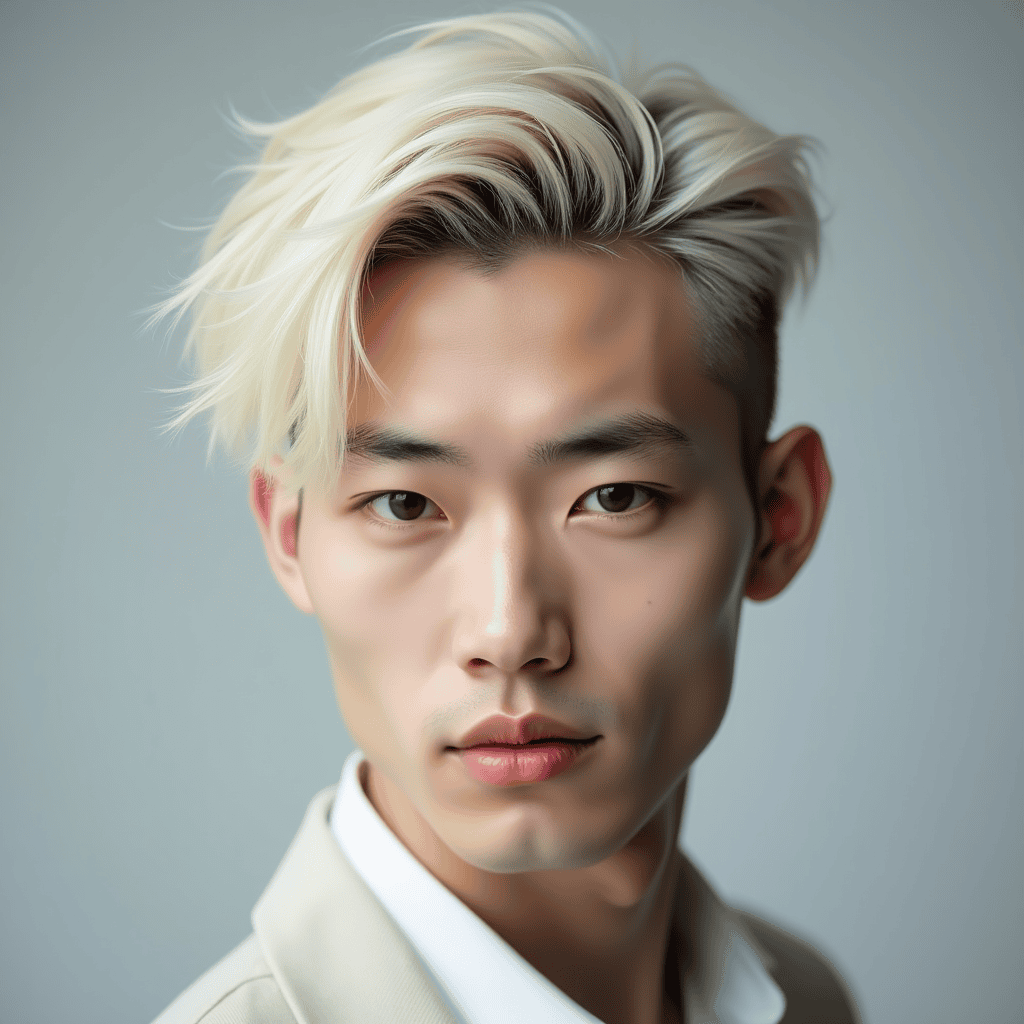
The bleached layered crop pairs a short textured shape with pale blond, silver, or creamy beige color. Darker roots can create visible depth, while jagged upper layers prevent the light color from looking flat. The fringe stays broken and slightly irregular. Because lighter hair reveals every outline, the cut needs clean weight distribution around the temples and crown.
This option suits men prepared for both haircut and color maintenance. Ask for “a short layered crop with separated top texture, a soft fragmented fringe, and no bulky corners,” then discuss color separately with a qualified colorist. New growth becomes obvious quickly. Bleaching also changes how the hair feels and styles, so the final texture may behave differently from untreated reference photos.
25. Graphic Hime-Inspired Men’s Cut
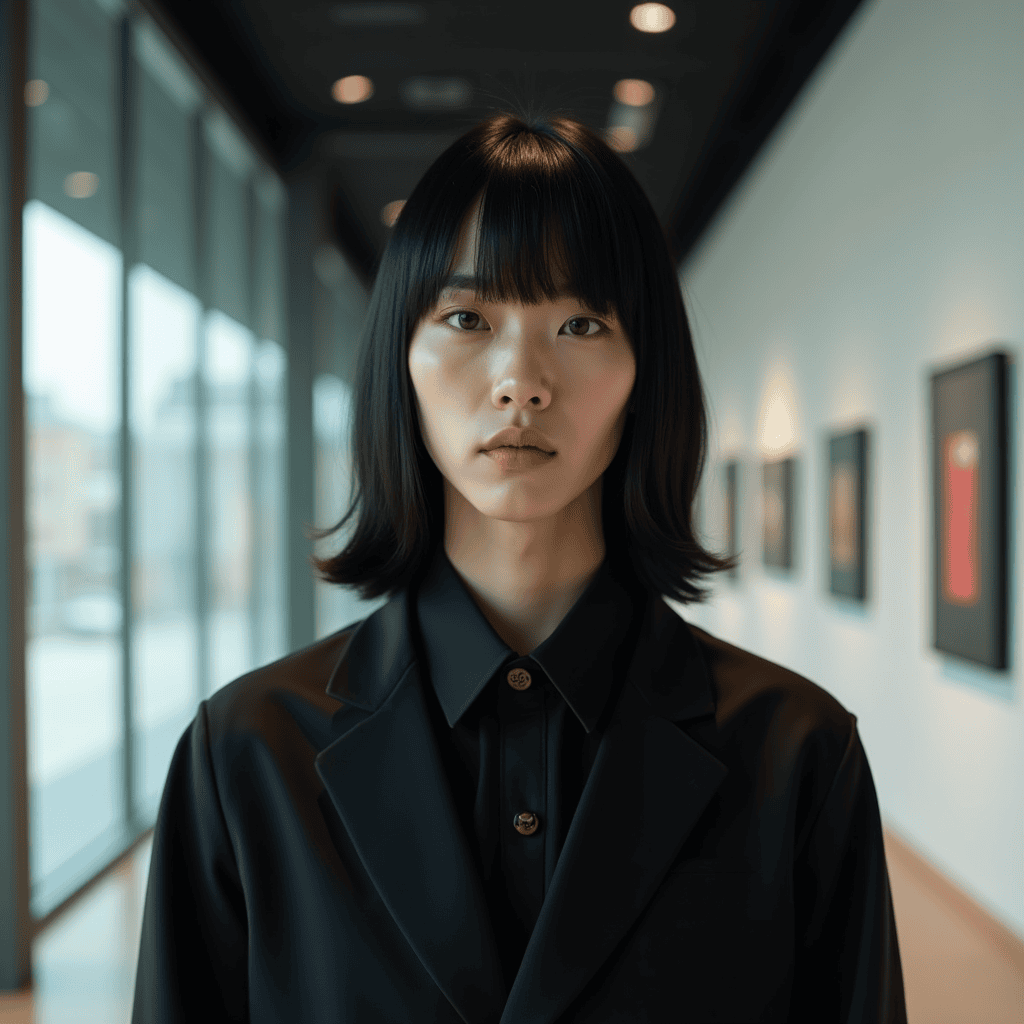
The hime-inspired men’s cut combines longer overall hair with shorter, blunt side sections placed near the cheeks or jaw. A straight or lightly broken fringe can complete the graphic frame, while the back remains long and smooth. The contrast between the short side panels and longer lengths creates its identity. Even subtle versions look intentional and unconventional.
It suits straight hair and men drawn to editorial Japanese haircut ideas rather than everyday barber cuts. Request “long back length with distinct cheek-level side panels, a controlled fringe, and clean geometric lines without excessive thinning.” Precise blow-drying keeps the short sections visible. Wavy hair can soften the geometry so much that the defining shape disappears.
How to Choose the Right Japanese Haircut
Choosing between Japanese haircut ideas starts with your natural growth pattern rather than your favorite reference photograph. Hair density, crown direction, temple recession, and the amount of bend in each strand determine whether a cut will fall into place or fight you every morning.
Match the Shape to Your Face
Round faces often benefit from crown height, open forehead space, or longer vertical layers. Longer faces can use a mash cut, eyebrow fringe, or broken bowl shape to reduce visible length. Square faces usually handle curtains, wolf cuts, and curved fringes well because soft movement balances a strong jaw.
Do not treat these as fixed rules. The width and placement of the haircut matter more than the name. A barber can narrow a mash cut, raise a curtain part, or shorten a wolf cut to change how it frames your features.
Work With Your Natural Texture
Straight, dense hair is well suited to two-block cuts, crops, mash shapes, and graphic fringes. Fine hair often performs better with airy curtains, light crops, and restrained layering. Wavy hair can make shags and wolf cuts easier, but it may blur sharp geometric lines.
Ask the barber where your hair naturally separates after washing. A style built around that direction usually lasts longer through the day. Forcing a center part against a powerful cowlick can turn a ten-minute routine into a daily argument.
Bring Better Reference Photos
Bring front, side, and back views whenever possible. Point out the exact fringe length, ear coverage, crown volume, and neckline you want rather than saying you like the overall “vibe.” Two haircuts can look similar from the front while using completely different side and back structures.
Tell the barber what you dislike as clearly as what you like. Useful instructions include “no skin fade,” “do not thin the fringe heavily,” or “keep enough side length to tuck behind my ears.” These limits prevent unwanted improvisation.
Be Honest About Styling Time
Some Japanese haircut ideas appear effortless because the styling work happened before the photograph. Curtain bends, comma fringes, separated spikes, and outward wolf-cut flicks often require heat, direction, and product. A haircut that demands fifteen minutes every morning is a poor choice for someone willing to spend three.
Ask the barber to style the finished cut slowly and explain each movement. Record the method with permission or take notes. The exact blow-dryer direction is often more useful than knowing the product brand.
Japanese Haircut Ideas That Require Extra Commitment
The cuts most likely to disappoint are those chosen for their photograph rather than their daily reality. Heavy curtains can split unevenly, micro fringes expose the hairline, long eye-covering sections become irritating, and sharply disconnected cuts lose their shape quickly as the sides grow.
Aggressive thinning deserves particular caution. It can make dense hair move beautifully at first, yet leave the ends fuzzy or hollow several weeks later. Ask for internal weight removal in small stages, especially around the fringe and crown.
Color also changes the equation. Bleached cuts require root maintenance and gentler handling, while very dark geometric styles show uneven lines clearly. Choose the haircut first, then decide whether the color supports it.
Frequently Asked Questions
Which Japanese haircut is easiest for men to maintain?
A textured crop, soft two-block, or clean salaryman cut usually requires the least daily effort. These shapes work with short-to-medium length and can be styled using a small amount of paste or cream. Regular trims still matter, particularly around the ears and neckline.
What are the best Japanese haircut ideas for thick straight hair?
Thick straight hair works well with mash cuts, two-block styles, textured crops, wolf cuts, and broken bowl shapes. The barber should remove internal weight without thinning every end. Leaving strategic density helps the haircut maintain clean movement rather than becoming fluffy.
Can curly-haired men wear Japanese hairstyles?
Yes, though the shape should be adapted instead of copied strand for strand. Curly hair can produce an excellent wolf cut, layered shag, or longer curtain style. Graphic fringes and strict bowl outlines are harder to preserve because curls naturally interrupt straight lines.
What should I ask for when getting a two-block haircut?
Ask for shorter lower sides and back with a longer upper section, then explain how much contrast you want. Request a soft blend for a subtle result or a clear disconnection for a stronger shape. Specify your preferred fringe length and whether the ears should remain covered.
Which Japanese haircut ideas suit a round face?
Layered curtains, asymmetrical fringes, medium scissor tapers, and wolf cuts can add vertical movement to a round face. Keep excess width away from the cheeks and avoid a dense, perfectly rounded fringe. Slight crown height usually creates a more balanced outline.
Are Japanese haircuts suitable for professional workplaces?
Many are. A soft two-block, feathered side part, medium scissor taper, clean salaryman cut, or short textured crop can look polished in formal settings. Keep the neckline tidy, avoid extreme color contrast, and choose a fringe that does not repeatedly fall across the eyes.
How often should men trim a Japanese haircut?
Short cuts usually benefit from reshaping every four to six weeks. Medium layered styles may last six to eight weeks, while longer shags can sometimes go longer. Disconnected sides, micro fringes, and geometric outlines show growth faster and may require earlier maintenance.
Do Japanese haircut ideas require special styling products?
No single product is required, but the finish matters. Matte paste suits crops and spikes, styling cream works for curtains and side parts, and light foam supports wolf cuts or wavy shags. Heavy gel can remove the soft separation that defines many Japanese styles.
How do I style a Japanese curtain haircut?
Apply a small amount of lightweight product to damp hair, establish the part, and direct the front sections backward with a dryer. Let them cool in the curved position before using your fingers to loosen the shape. Avoid pressing the roots flat against the scalp.
What Japanese haircut works with a receding hairline?
A textured forward crop, soft Caesar, or broken fringe can reduce attention on the corners without appearing like a comb-over. Avoid extremely thin separated strands if the front density is limited. A barber can adjust the fringe width to match the strongest part of the hairline.
Can I get a Japanese haircut at a regular barbershop?
A skilled barber or hairstylist can create the cut, but reference photos and clear instructions are important. Medium and long Japanese haircut ideas often rely on scissor layering rather than clipper work. Ask whether the professional regularly handles layered, fringe-heavy, or Asian hair textures.
Why does my Japanese haircut look flat after washing?
The original styling may have used root direction, heat, and lightweight product to create lift. Drying the hair straight downward removes much of that structure. Try directing the crown against its growth pattern first, then guide it into the final position as it becomes nearly dry.
Choose Your Reference Before You Book
Select one haircut that fits your normal routine, then save three clear photographs showing its front, side, and back. Mark the fringe length, ear coverage, crown height, and neckline you want the barber to preserve. At the appointment, ask whether your density and growth pattern can produce that shape before any length is removed. Bring the reference.
International Haircut Reports
Global haircut trends, modern barber styles and fresh grooming inspiration.