
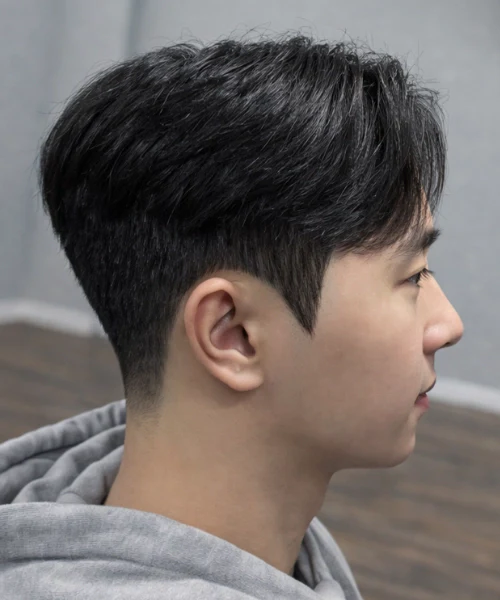
The textured crop, clean side part, modern two-block, and swept-back undercut are among the most wearable choices here. These stylish Chinese haircut ideas balance sharp outlines with natural movement, making them suitable for straight, thick, fine, or slightly wavy hair. The right choice depends less on trends and more on density, face shape, and daily styling time.
I have spent more than a decade studying how men’s cuts behave after the fresh-barber finish disappears. Dense, straight hair can look polished with minimal effort, but it also exposes poor graduation, bulky corners, and rushed blending faster than many clients expect.
This selection was built around real appointment decisions: how the hair sits at the temples, whether the fringe fights the forehead, what happens after four weeks, and how much styling a cut demands on an ordinary morning.
| Quick Pick | Best For | Length | Styling Effort | Main Consideration |
|---|---|---|---|---|
| Textured French Crop | Easy everyday wear | Short | Low | Fringe needs regular trimming |
| Modern Two-Block | Youthful movement | Short to medium | Medium | Sides can puff as they grow |
| Clean Side Part | Work and formal settings | Short | Low | Needs accurate part placement |
| Soft Middle Part | Oval and heart-shaped faces | Medium | Medium | Falls flat on very fine hair |
| Swept-Back Undercut | Strong facial structure | Medium | Medium | Contrast grows out noticeably |
| Layered Curtain Cut | Flexible casual styling | Medium | Medium | Requires controlled layering |
| Long Tapered Layers | Natural movement | Long | Medium | Ends need moisture and shape |
| Modern Warrior Ponytail | Dramatic styling | Long | High | Needs enough density |
| Disconnected Bowl Cut | Editorial appearance | Short | Medium | Unforgiving around the fringe |
| Textured Mullet | Fashion-forward wear | Medium | High | Shape can turn messy quickly |
Classic Chinese Haircut Ideas with Clean Structure
The first group focuses on familiar shapes that work in offices, classrooms, weddings, and daily routines. These stylish Chinese haircut ideas depend on neat proportions rather than extreme fading, so they remain presentable as the hair grows.
1. Clean Side-Part Taper
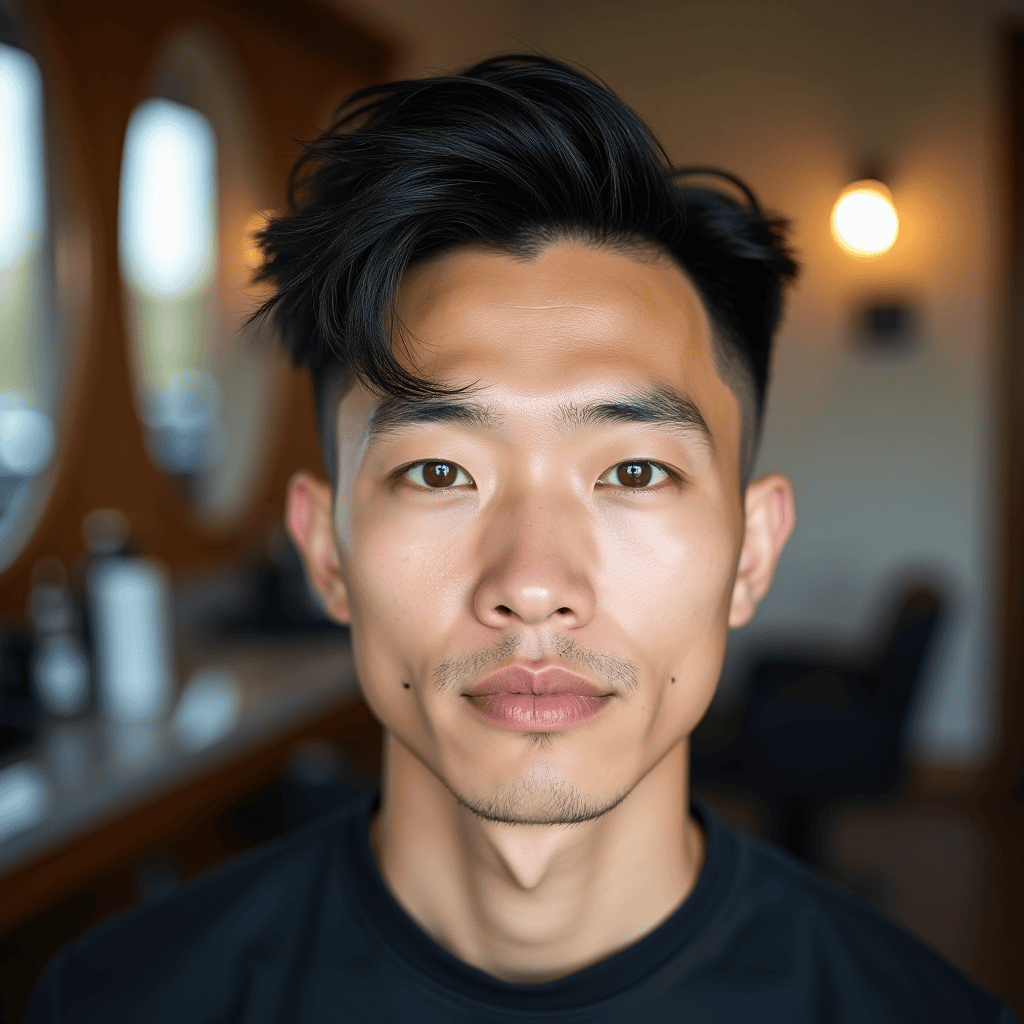
A clean side-part taper keeps the top controlled while removing excess weight around the ears and neckline. The part sits slightly off-center, with enough top length to form a smooth diagonal sweep. A soft taper replaces a harsh skin fade, allowing the shape to look refined rather than aggressive. The finished outline appears sharp from the front and restrained from the side.
This cut suits oval, square, and softly rounded faces, especially when the hair is straight and medium to thick. Ask your barber, “Keep two to three inches on top, establish a natural side part, and taper the edges without taking the sides too high.” Styling usually needs a light cream or low-shine paste worked from the part outward. Skip it when a stubborn cowlick makes the chosen part fight against the natural growth pattern.
2. Short Ivy League Cut

The short Ivy League cut combines clipped sides with a top long enough to comb sideways or slightly forward. Its front edge rises gently instead of forming a tall quiff, which keeps the proportions compact. The crown follows the head naturally, and the sides graduate smoothly into the top without an obvious disconnected line. It looks disciplined without appearing stiff.
Men with round or rectangular faces can use this shape to add definition without exaggerating height. Tell the barber, “Leave enough length at the front for a small side sweep, scissor the top, and keep the taper soft around the ears.” It can usually be styled in under two minutes with a small amount of matte clay. The drawback is that the neat effect fades once the hair starts covering the ears, so appointments may be needed every four weeks.
3. Traditional Short Comb-Over
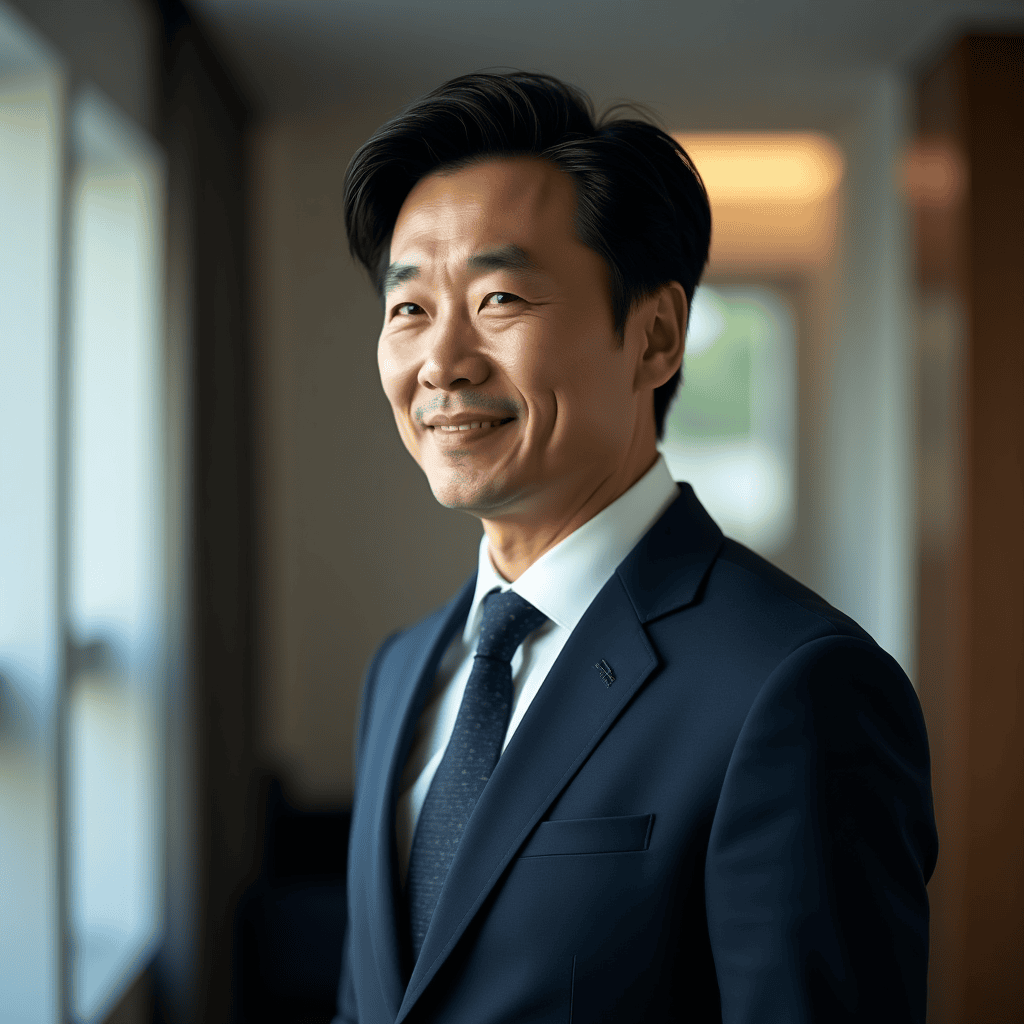
This comb-over uses a natural part and moderate volume rather than the hard razor line seen in louder versions. The top lies close to the head, then curves gently across the forehead with a clean finish at the temple. The back remains short but not shaved, creating an even silhouette from every angle. Among stylish Chinese haircut ideas, it is one of the safest choices for conservative workplaces.
It works well on straight hair that has enough density to hold a clean direction. Ask for “a classic scissor-cut top, a natural part, and a low taper with no visible disconnect.” A light pomade gives enough control while allowing individual strands to remain visible. Men with thinning at the part may prefer a forward style because a strict comb-over can expose the scalp under strong overhead lighting.
4. Soft Caesar Fringe
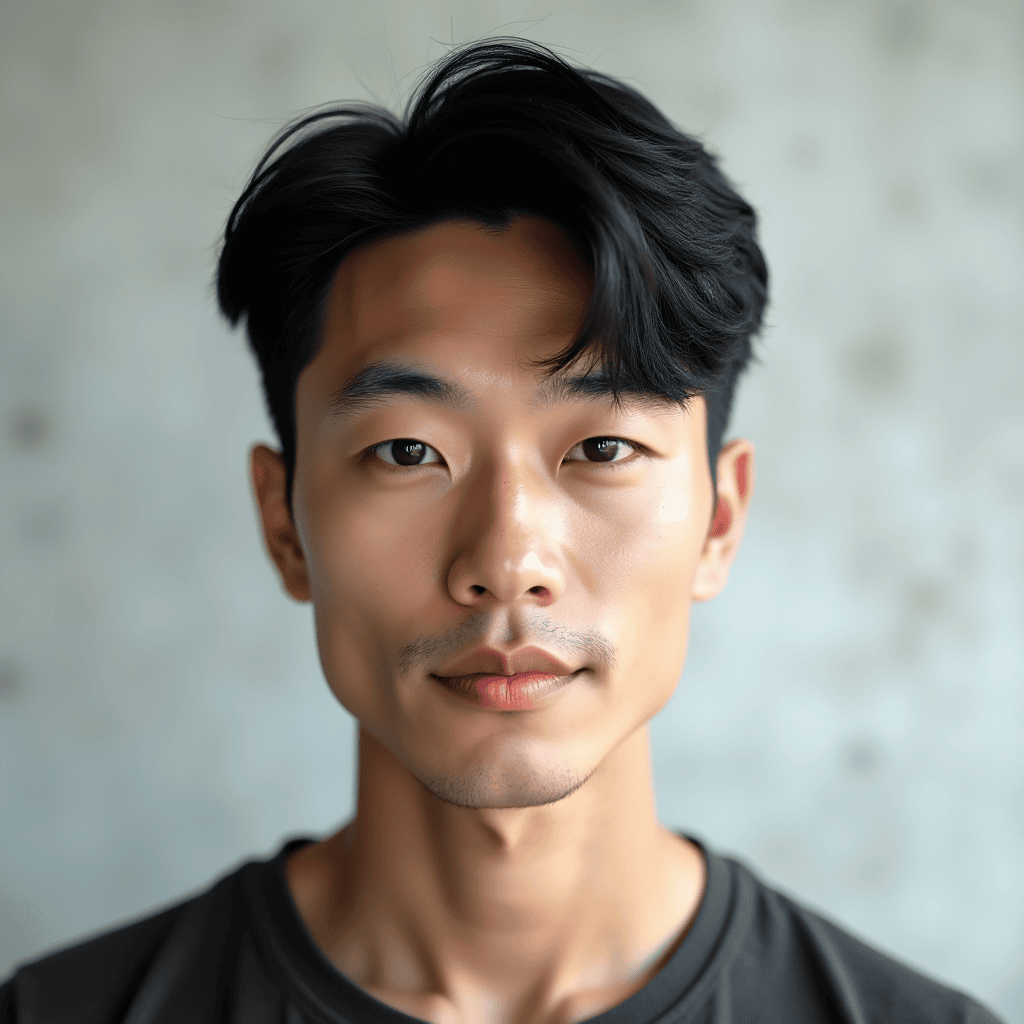
The soft Caesar fringe brings the top forward into a short, broken edge rather than a perfectly straight line. Texture through the crown prevents the cut from looking heavy, while the fringe rests just above the eyebrows. The sides remain close and smoothly blended, giving the face a stronger frame. Its controlled irregularity makes it more forgiving than a severe blunt fringe.
This shape flatters longer foreheads, oval faces, and men who prefer not to expose the hairline. Say, “Cut a short textured top with a soft forward fringe, keep the edge broken, and use a low taper instead of a high fade.” Styling can be as simple as rough-drying the hair forward with a small amount of paste. The fringe loses its intended shape quickly, so a minor trim may be needed before the rest of the haircut looks overgrown.
5. Gentleman’s Low Taper
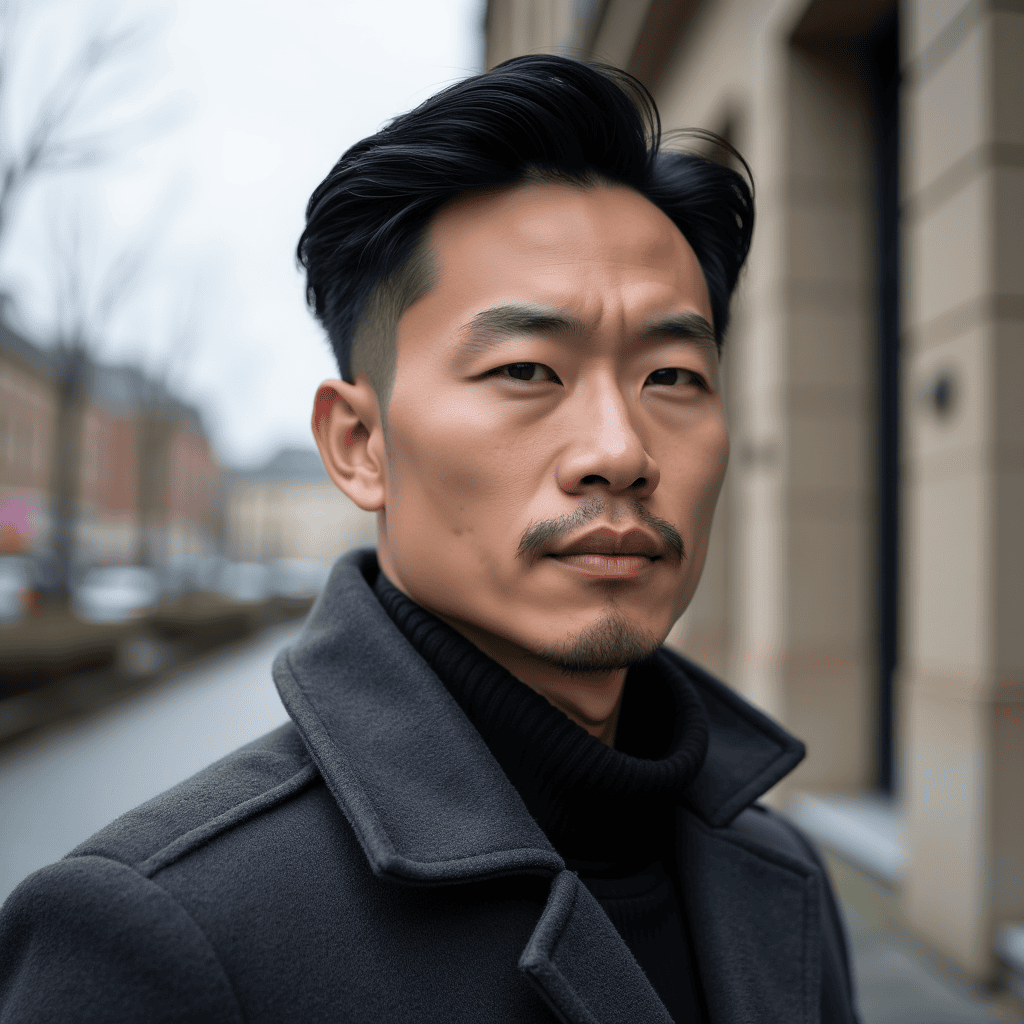
The gentleman’s low taper keeps most of the natural fullness while cleaning only the lowest sections near the ears and neck. The top can be brushed back, parted, or worn loosely depending on the occasion. Unlike a high fade, the transition begins close to the hairline and preserves a traditional profile. The result feels mature and carefully maintained.
This is a dependable option for men with thick hair who dislike seeing too much scalp at the sides. Request “a low taper at the sideburns and neckline, scissor work through the sides, and enough top length to change the direction.” A blow-dryer and grooming cream will make the finish look intentional without hardening it. It is less effective for anyone wanting a dramatic transformation because most of the original shape remains intact.
Short Chinese Haircut Ideas for Easy Maintenance
Short hair does not automatically mean low effort. The best versions control weight at the crown, prevent the sides from sticking outward, and leave enough texture to avoid a flat helmet shape.
6. Textured French Crop
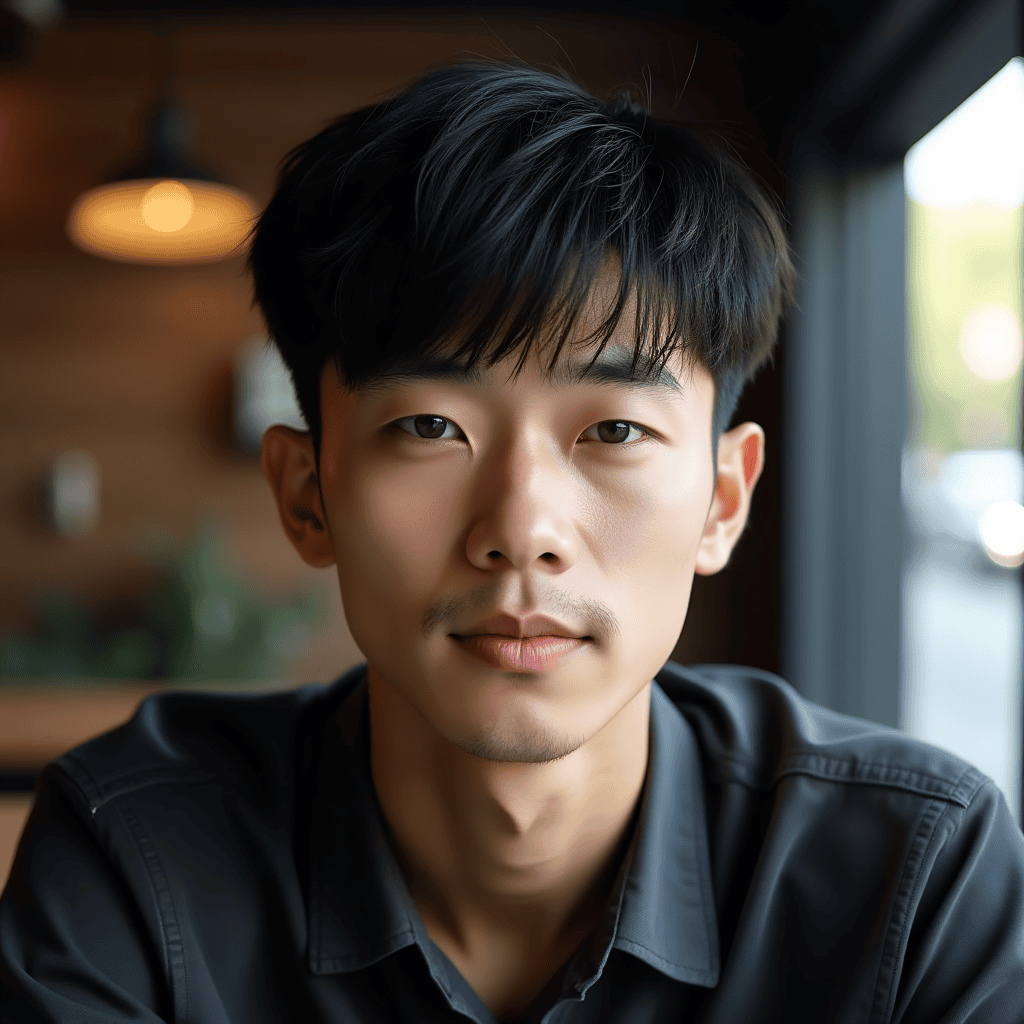
A textured French crop places irregular movement across the top and finishes with a short fringe that points forward. The sides can be tapered or faded, but the strongest version leaves a little shadow rather than exposing bare skin. Choppy sections catch light differently, giving black hair more visible dimension. It is one of the most practical stylish Chinese haircut ideas for busy mornings.
The cut suits dense, straight hair and can soften the appearance of a high or uneven hairline. Ask the barber, “Point-cut the top for separation, keep the fringe short and uneven, and blend the sides low.” Rub a pea-sized amount of matte paste between your hands, then pinch a few sections rather than flattening everything. The crop can look bulky if the barber removes length without reducing internal weight.
7. Buzz Cut with Soft Line-Up
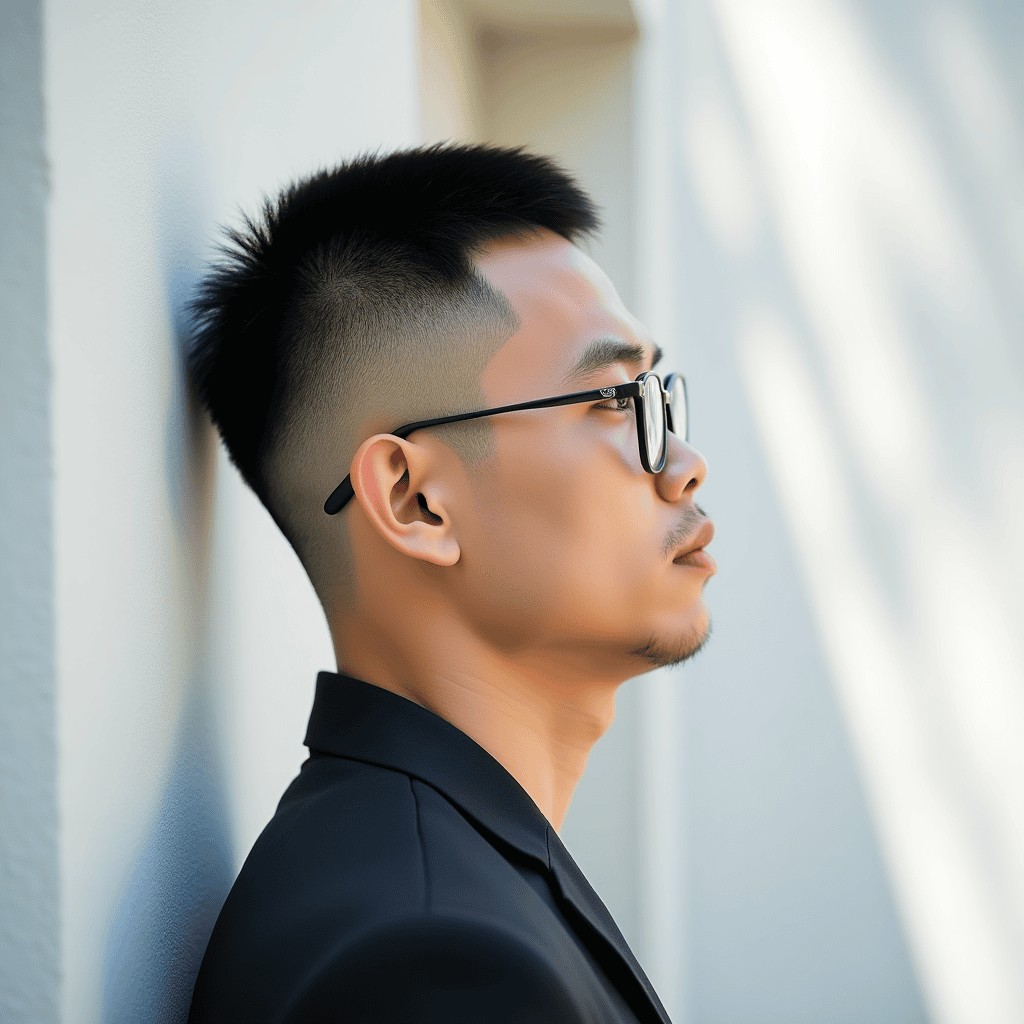
A buzz cut with a soft line-up creates an even field of short hair while keeping the front edge natural. The temples are cleaned carefully, but the hairline is not pushed backward or carved into an artificial box. A subtle taper at the sideburns and nape gives the cut a finished appearance. The simplicity draws more attention to facial structure and eyewear.
This cut works best for men comfortable showing the full shape of the head and hairline. Tell the barber, “Use an even guard on top, taper the lowest edges, and keep the front line natural rather than overly sharp.” Upkeep at home is minimal, though the cut looks noticeably softer after two or three weeks. Men with prominent scalp irregularities or areas of uneven density may feel more comfortable leaving slightly more length.
8. High-and-Tight with Textured Top
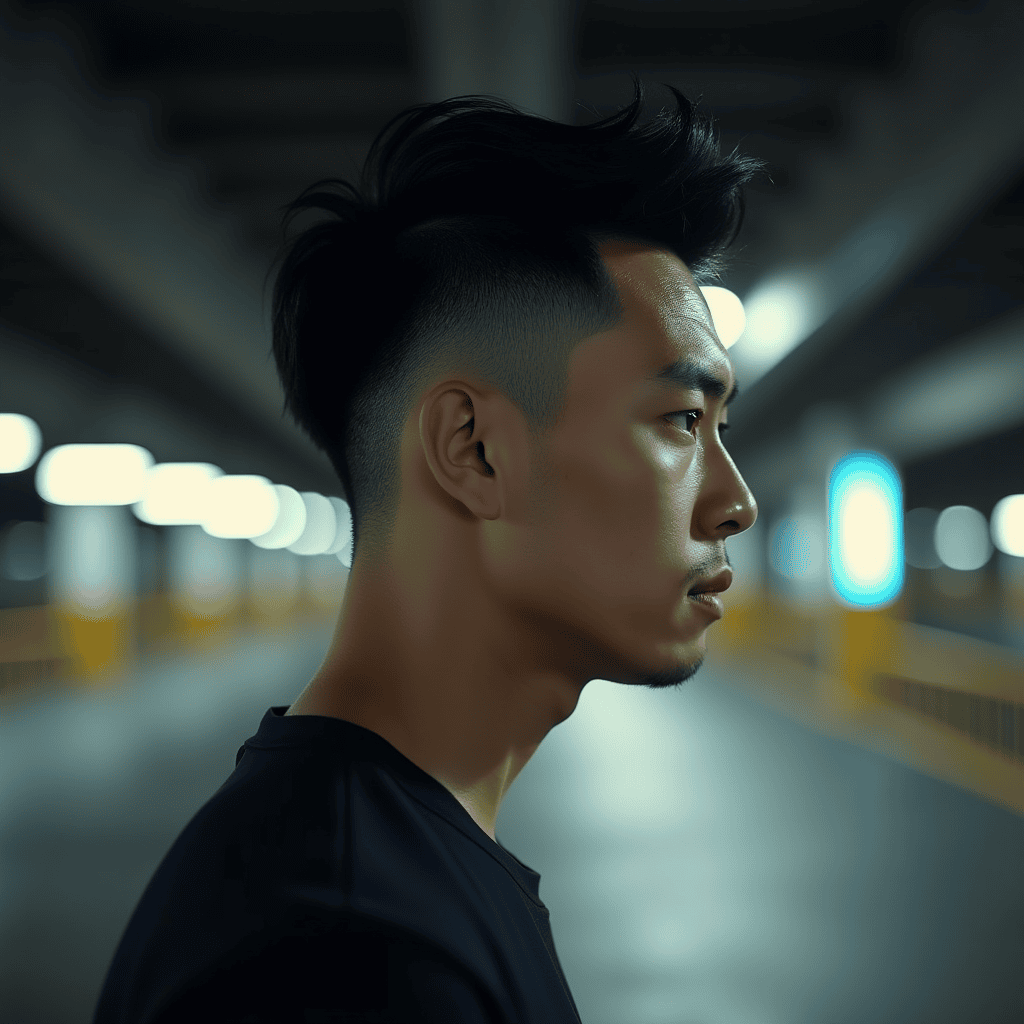
The high-and-tight keeps the sides closely clipped while leaving a compact patch of texture above. Instead of a military-flat finish, the top carries small irregular sections that can be pushed forward or slightly upward. The contrast narrows the head visually and places attention on the eyes and jaw. It has more attitude than a traditional office taper.
Men with round faces or thick hair often benefit from the tighter side profile. Ask for “a high fade that stays clean around the temples, with one to one-and-a-half inches of point-cut texture on top.” Matte clay works better than wet gel because it prevents the top from becoming a single shiny block. The exposed sides make regrowth obvious, and the cut can require visits every two to three weeks to remain crisp.
9. Short Spiky Crop
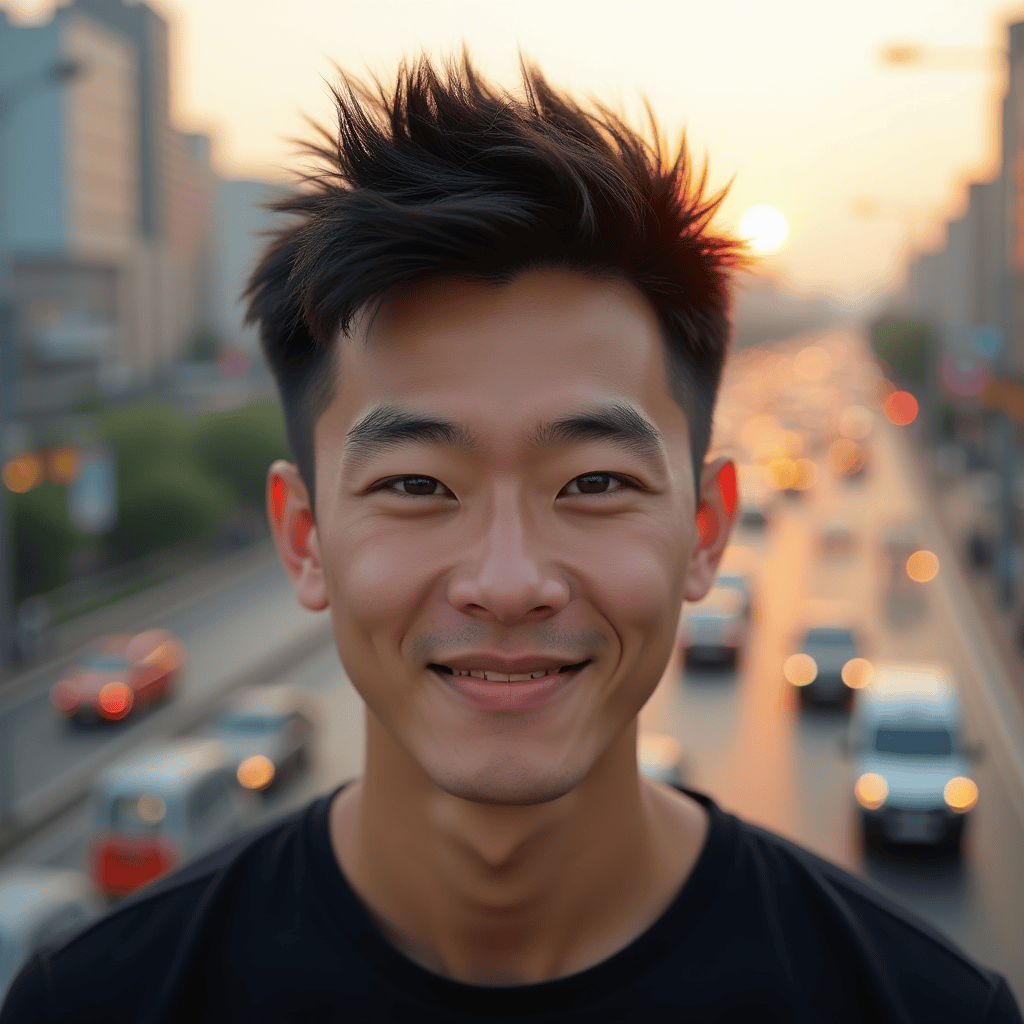
The short spiky crop uses small separated points rather than long, stiff spikes. Hair at the front rises slightly higher, while the crown remains controlled to prevent the silhouette from becoming round. Tapered sides support the vertical texture without creating an abrupt shelf. The style looks energetic but still believable outside a fashion shoot.
It suits straight, coarse hair that naturally holds an upright position. Request “short point-cut texture all over, a little extra length at the front, and a medium taper through the sides.” Apply dry paste to completely dry hair and twist only a few sections with your fingertips. Using too much product turns the spikes into thick clumps, and fine hair may collapse before the middle of the day.
10. Short Brush-Up Fade
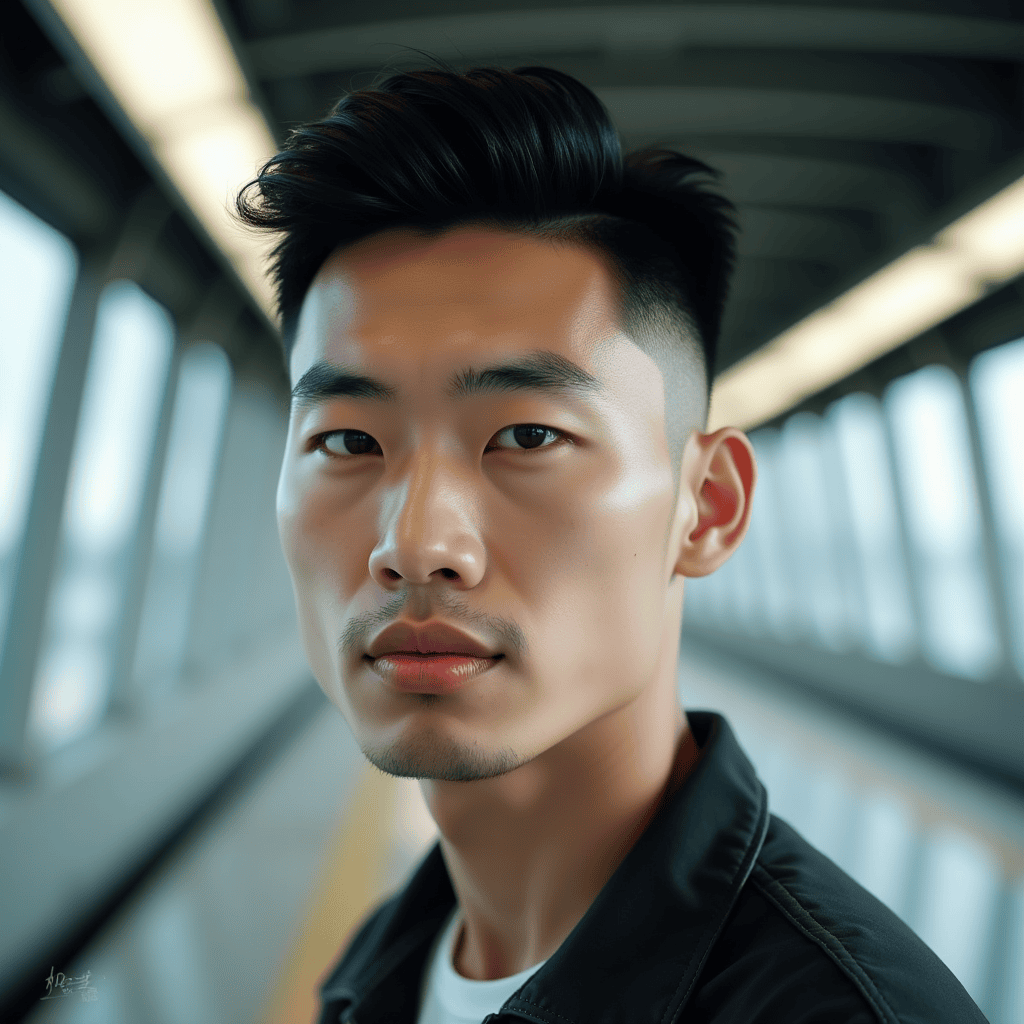
The short brush-up fade lifts the front hair away from the forehead while keeping the rest of the top compact. The raised section follows a gentle backward angle rather than standing vertically. A mid or low fade removes side bulk and creates a clean transition into the lifted top. It is sharper than a crop but easier to manage than a full pompadour.
This style helps add visual length to rounder faces and works particularly well with dense hair. Ask your barber, “Leave about two inches at the front, graduate it shorter toward the crown, and blend a low-to-mid fade.” Blow-dry the front upward with your fingers before adding a light paste. Anyone with a strong forward-growing hair pattern may find that daily heat styling is necessary.
Medium-Length Chinese Haircut Ideas with Movement
Medium length gives straight hair room to bend, separate, and frame the face. These cuts need thoughtful layering, because a single blunt length can collect too much weight around the cheeks and ears.
11. Modern Two-Block Cut
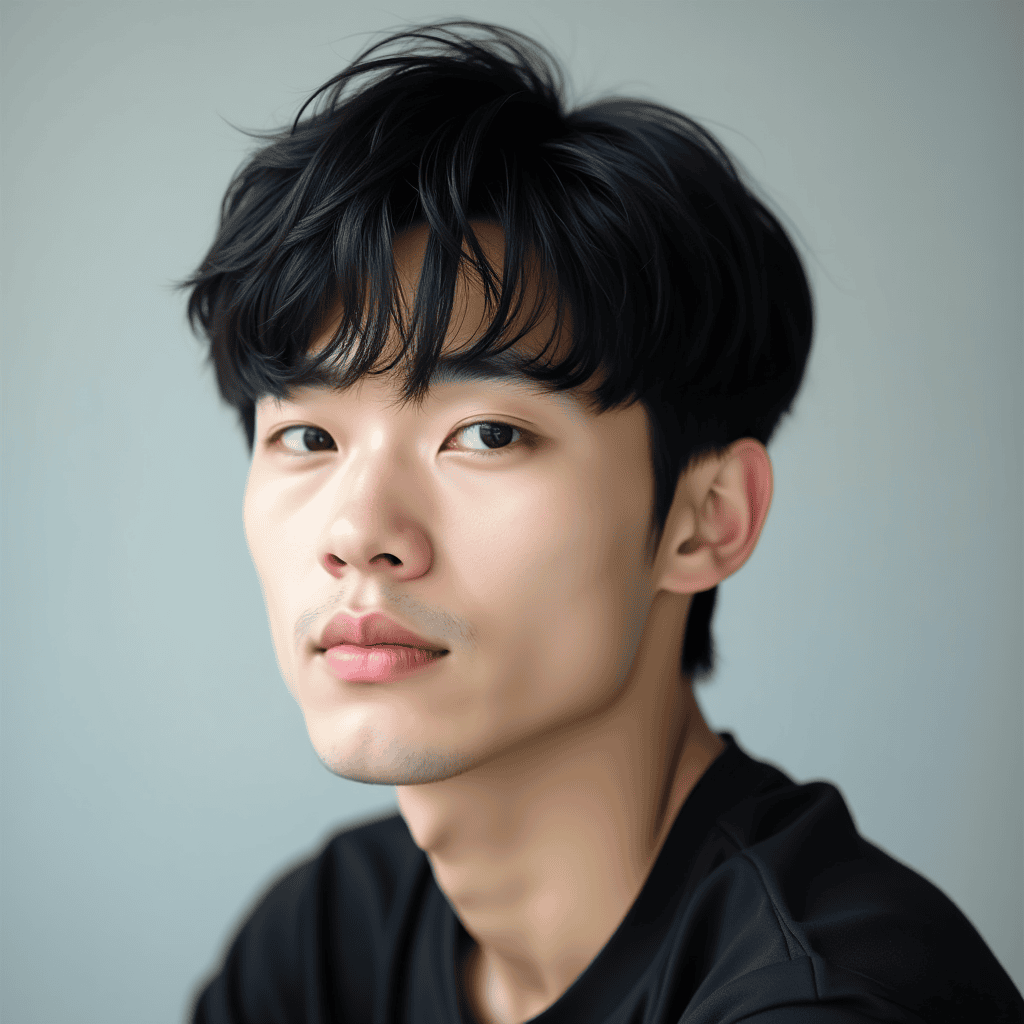
The modern two-block cut keeps the lower sides and back short while leaving a longer top layer that falls over them. The contrast is hidden when the hair rests naturally, then becomes visible when the top is pushed back or tucked behind the ears. Soft texture at the ends prevents the upper section from forming a heavy cap. This remains one of the most recognizable stylish Chinese haircut ideas for younger men.
It suits straight or lightly wavy hair and works especially well on oval, heart-shaped, and softly angular faces. Tell the stylist, “Keep the lower sides short, leave the top long enough to cover the transition, and thin the ends without hollowing the shape.” A light styling milk helps the top move without becoming greasy. The sides often stick outward during regrowth, so the lower section needs maintenance even when the top is being grown longer.
12. Soft Middle-Part Curtains
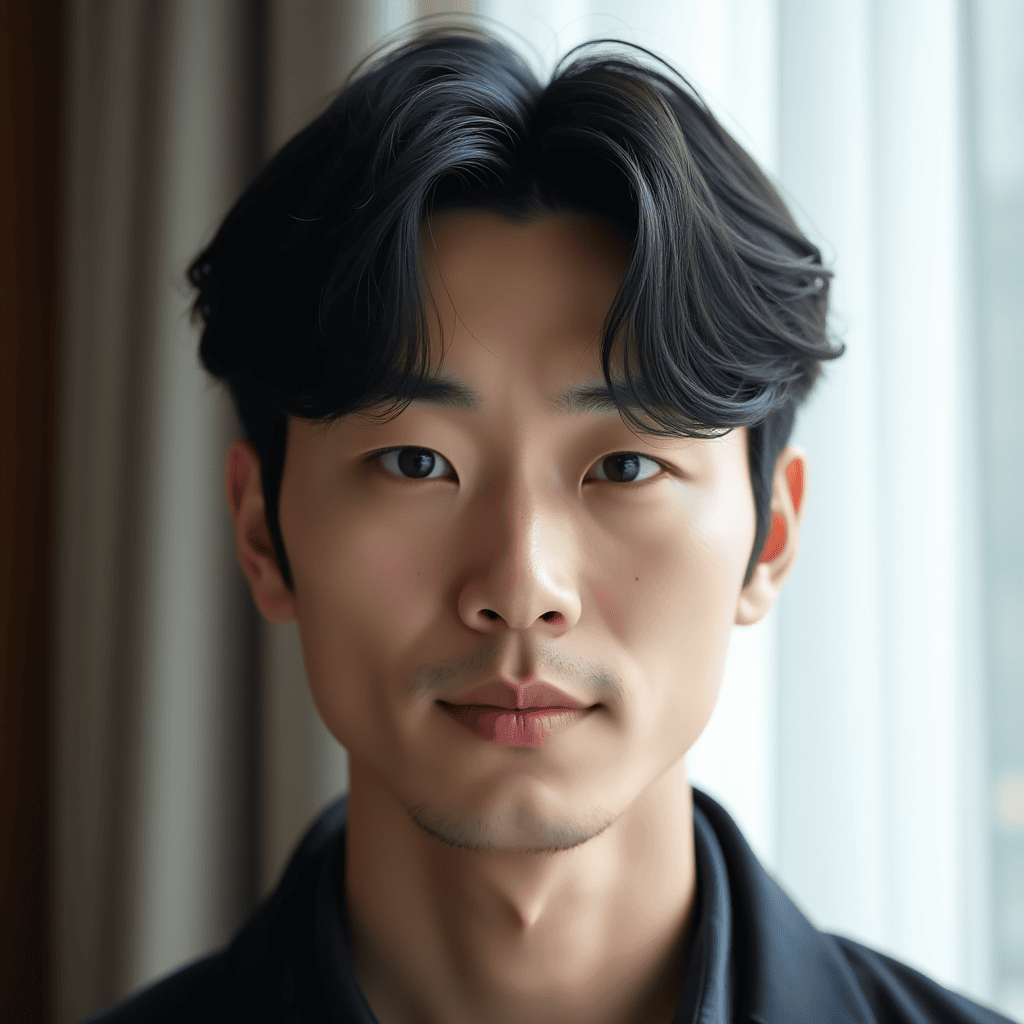
Soft middle-part curtains divide near the center and curve outward along the cheekbones. The front sections carry enough length to bend rather than hanging as two straight strips. Layers through the sides connect the fringe to the area around the ears, while the crown stays relatively flat. The overall shape looks relaxed and balanced.
This cut favors oval, heart, and longer face shapes, particularly when the hair has medium density. Ask for “a center or slightly off-center curtain fringe, cheekbone-length front pieces, and soft layers that remove weight at the ends.” Blow-drying the fringe away from the face gives the curve its shape. Very fine hair can look sparse along a sharp middle part, so shifting the division slightly may create better coverage.
13. Layered Side-Swept Fringe
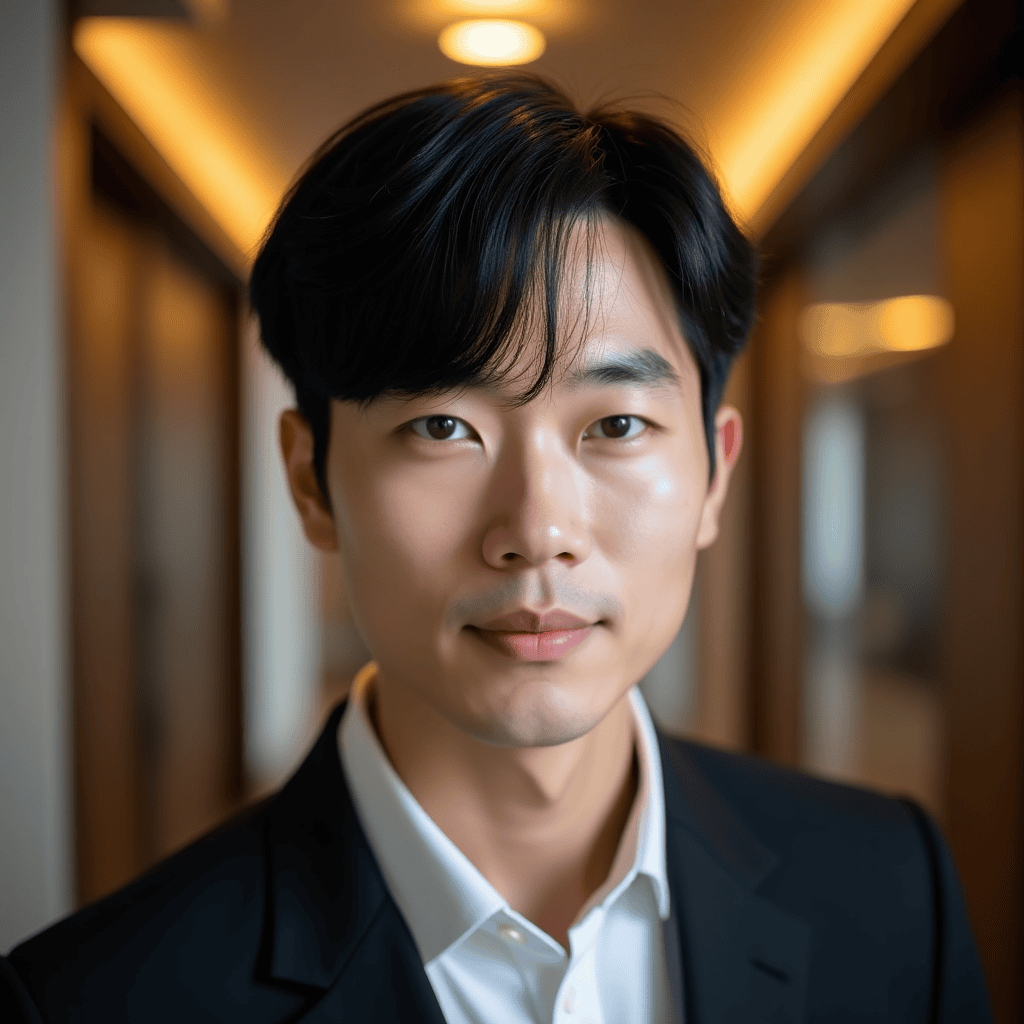
The layered side-swept fringe begins high on one side and travels diagonally across the forehead. Shorter internal layers keep the section airy, while longer pieces near the temple blend into the side. The back remains neat enough to stop the haircut from reading like an unfinished grow-out. It creates movement without exposing the full hairline.
Men with broad foreheads or angular faces can use the diagonal line to soften strong proportions. Tell the stylist, “Keep the fringe long enough to cross the forehead, layer underneath it for movement, and connect it cleanly into the temple.” A small round brush helps establish the direction, though many clients can guide it with their fingers. The fringe may fall into the eyes during humid weather unless it is set with a flexible spray.
14. Textured Shag with Tapered Sides
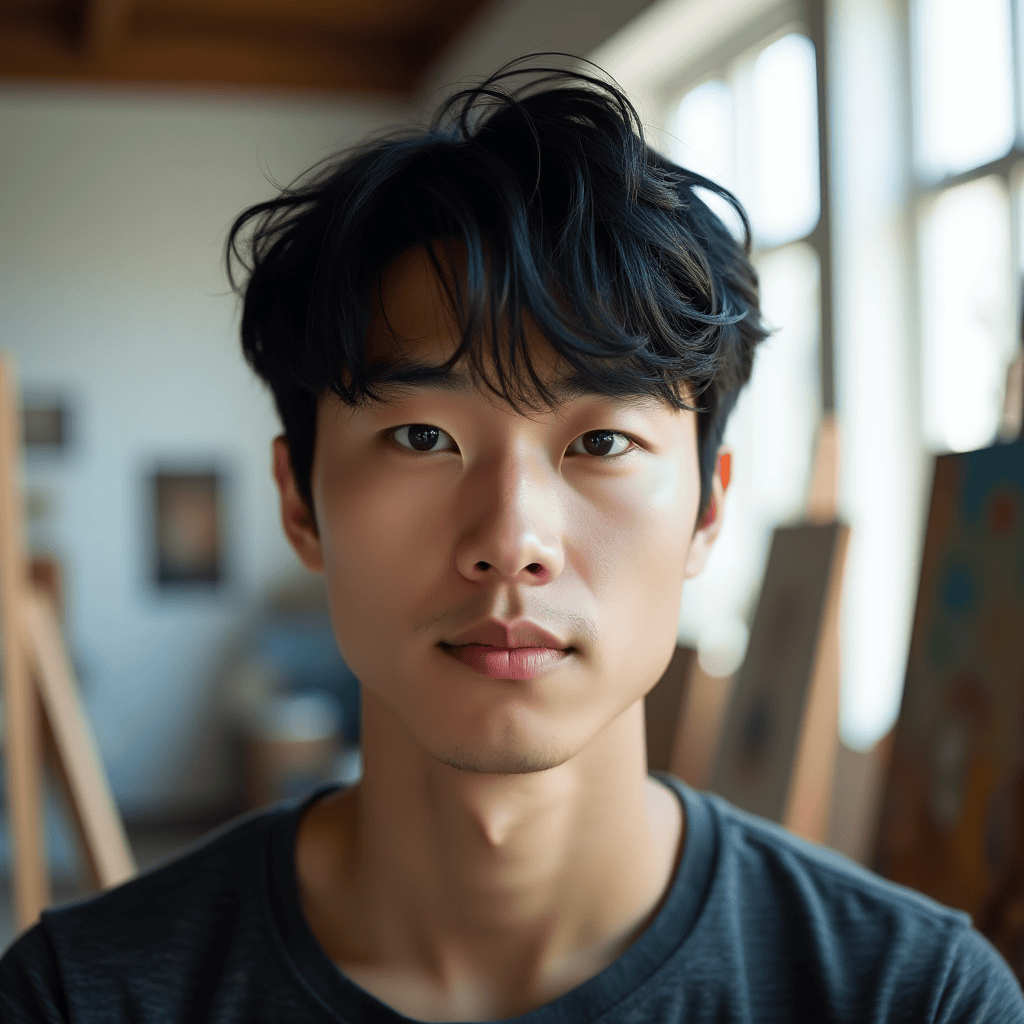
A textured shag builds broken layers from the crown through the fringe and back. The sides stay fuller than a fade but are tapered near the ear to stop the haircut from becoming triangular. Wispy ends create visible movement, while the uneven outline keeps the cut casual. It looks best when the texture is allowed to fall in several directions.
This style suits medium to thick hair and men who prefer a softer, creative appearance. Ask for “a medium shag with choppy layers, movement at the crown, and tapered weight around the ears without a disconnected fade.” Styling requires a light cream and occasional scrunching rather than precise combing. The cut can look untidy on hair that becomes oily quickly because separated strands start grouping into flat sections.
15. Brushed-Back Medium Taper
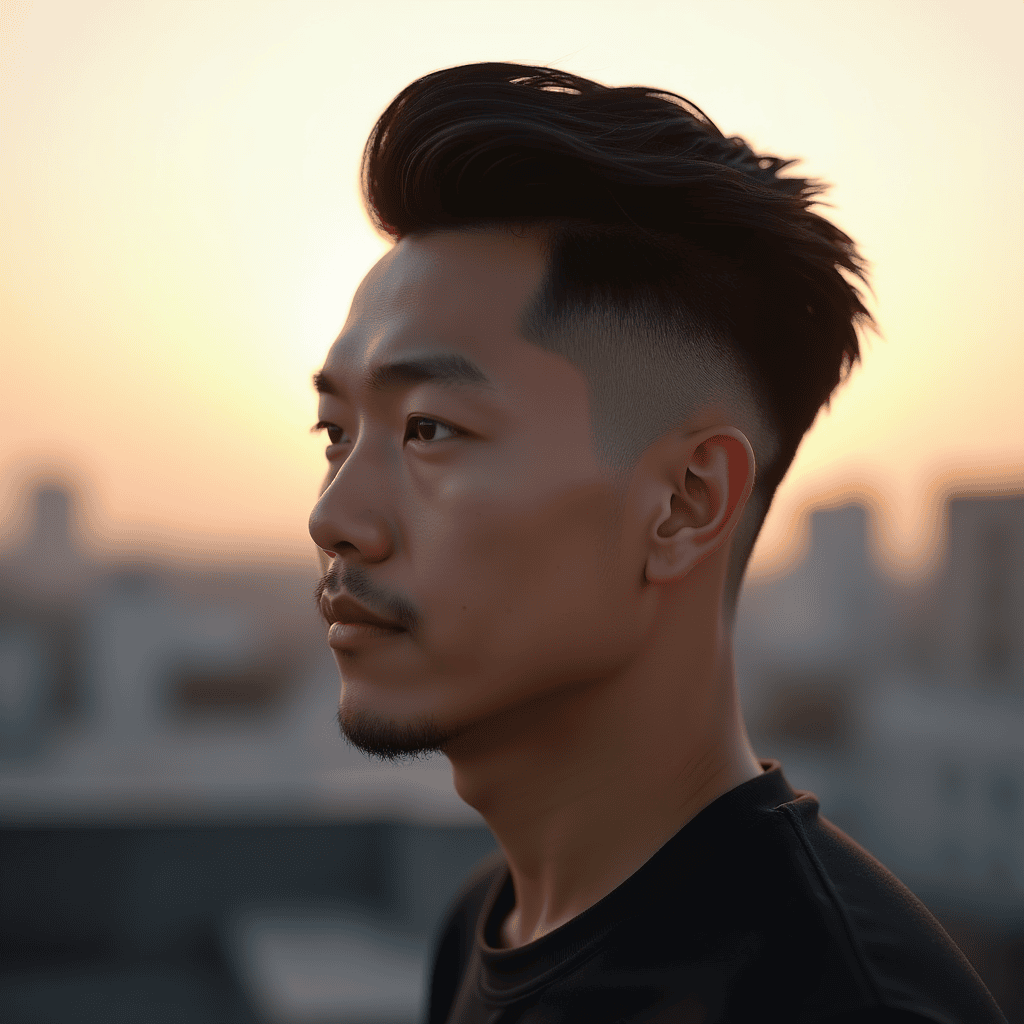
The brushed-back medium taper leaves four to five inches through the front and top, allowing the hair to flow backward in broad sections. The temples remain controlled, and the side length gradually shortens toward the ears. Unlike a slick-back, the finish shows texture and a little height rather than lying flat. The shape looks polished without appearing overworked.
This style works for thick straight or slightly wavy hair and complements square or oval faces. Ask the barber, “Leave enough length to push everything back, remove weight internally, and taper the sideburns and neckline without disconnecting the sides.” Blow-dry away from the forehead and finish with a flexible cream. Heavy hair may fall forward later in the day unless the internal weight has been reduced properly.
Longer Chinese Haircut Ideas with Traditional Influence
Longer styles offer more room for cultural references, tied shapes, and dramatic profiles. They also expose neglected ends quickly, so healthy-looking movement matters more than raw length.
16. Shoulder-Length Layered Flow
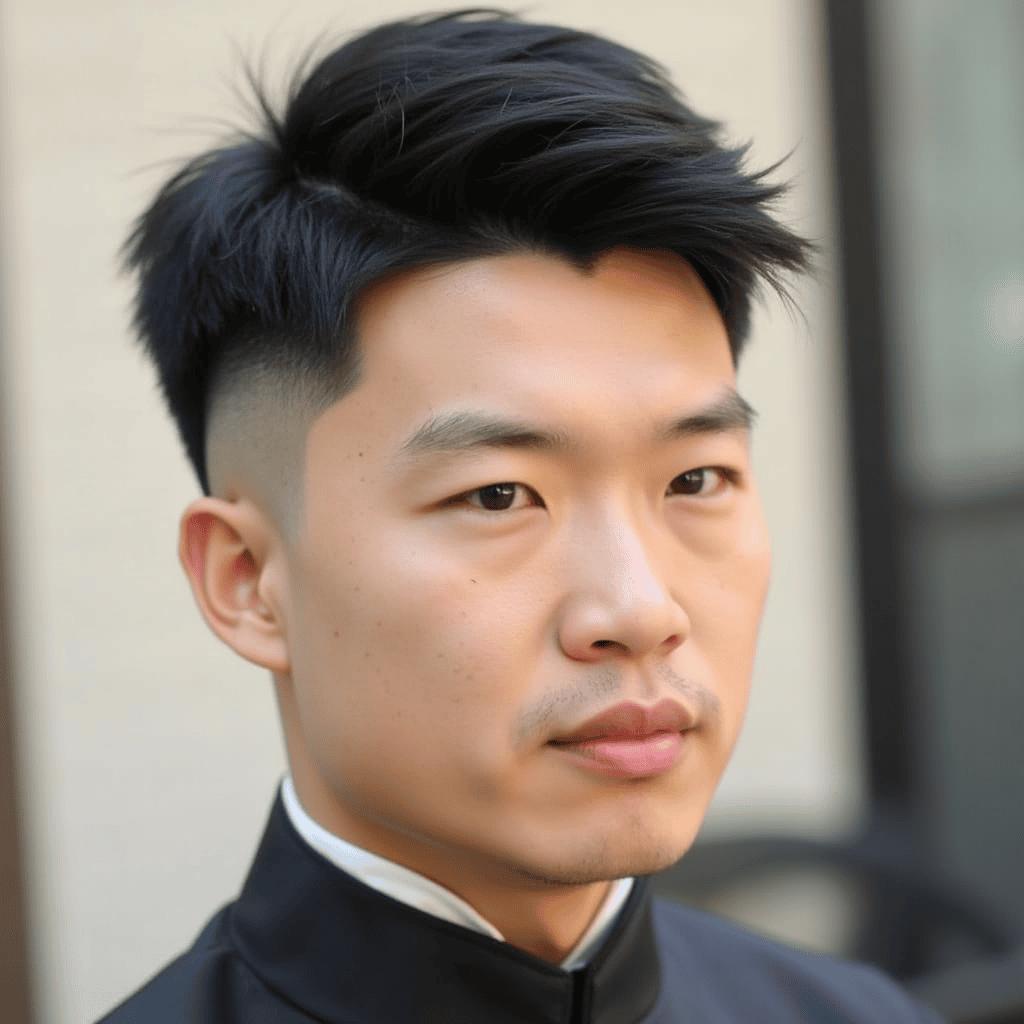
Shoulder-length layered flow allows the hair to fall around the neck with longer pieces at the back and lighter sections near the face. Layers begin below the cheekbones, preserving fullness while preventing the lower half from forming a heavy block. The ends move independently, and a soft off-center part keeps the shape natural. It photographs well from both front and profile views.
This cut suits straight or wavy hair with medium to high density. Ask the stylist, “Keep the overall length near the shoulders, add long face-framing layers, and remove bulk without making the ends thin.” A leave-in cream and wide-tooth comb are usually enough for daily control. Men with fine ends may find that growing this long makes the lower section look transparent rather than full.
17. Long Center-Part Layers
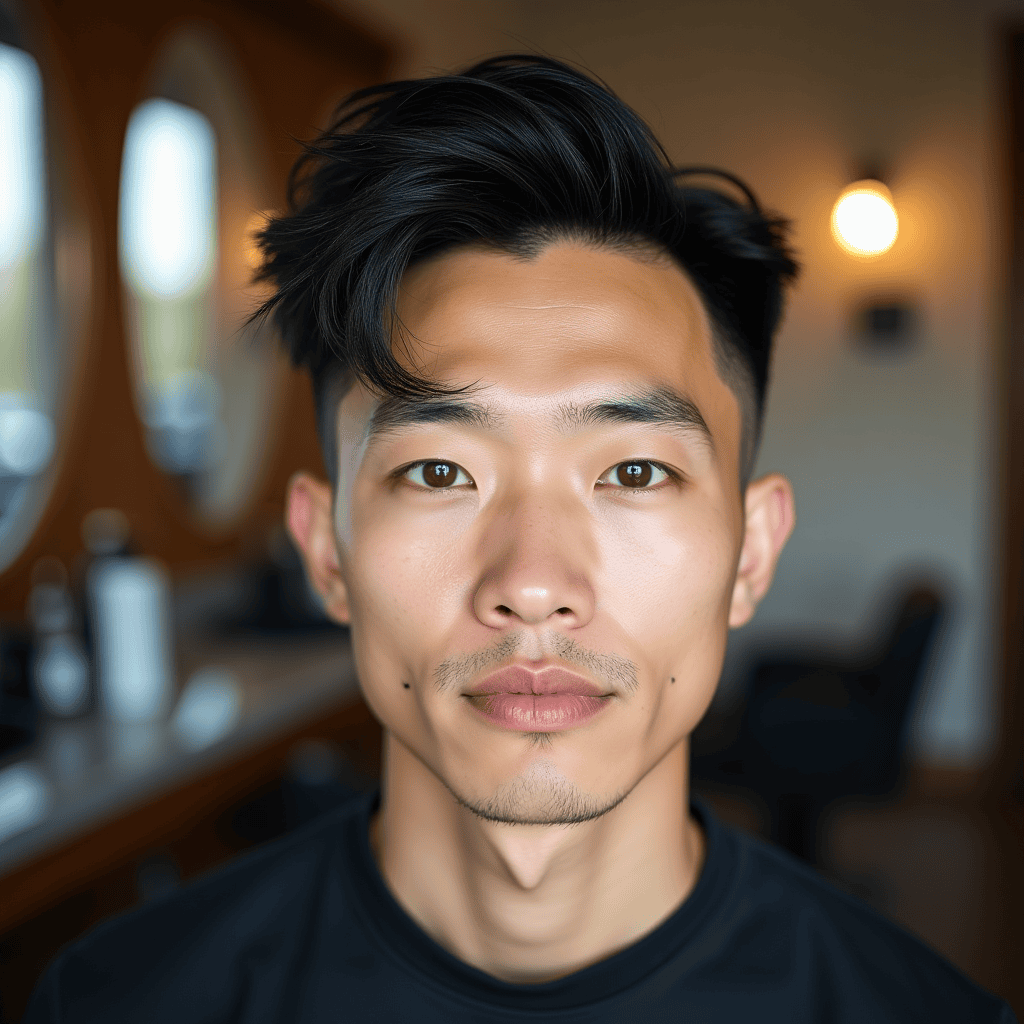
Long center-part layers fall evenly from a clear middle division, with shorter sections beginning near the jaw and blending into the length. The outline remains smooth, but internal layering keeps the hair from sitting flat against the head. When viewed from the side, the front pieces sweep backward and reveal the cheekbones. The look feels controlled despite its length.
It works best for oval, diamond, and heart-shaped faces, particularly on straight hair with natural shine. Ask for “long blended layers, jaw-length face framing, and enough weight left at the bottom to keep the ends solid.” Regular conditioning and careful drying matter more than strong styling products. A precise center part can emphasize facial asymmetry, so an off-center variation may feel more natural for some men.
18. Half-Up Tied Style
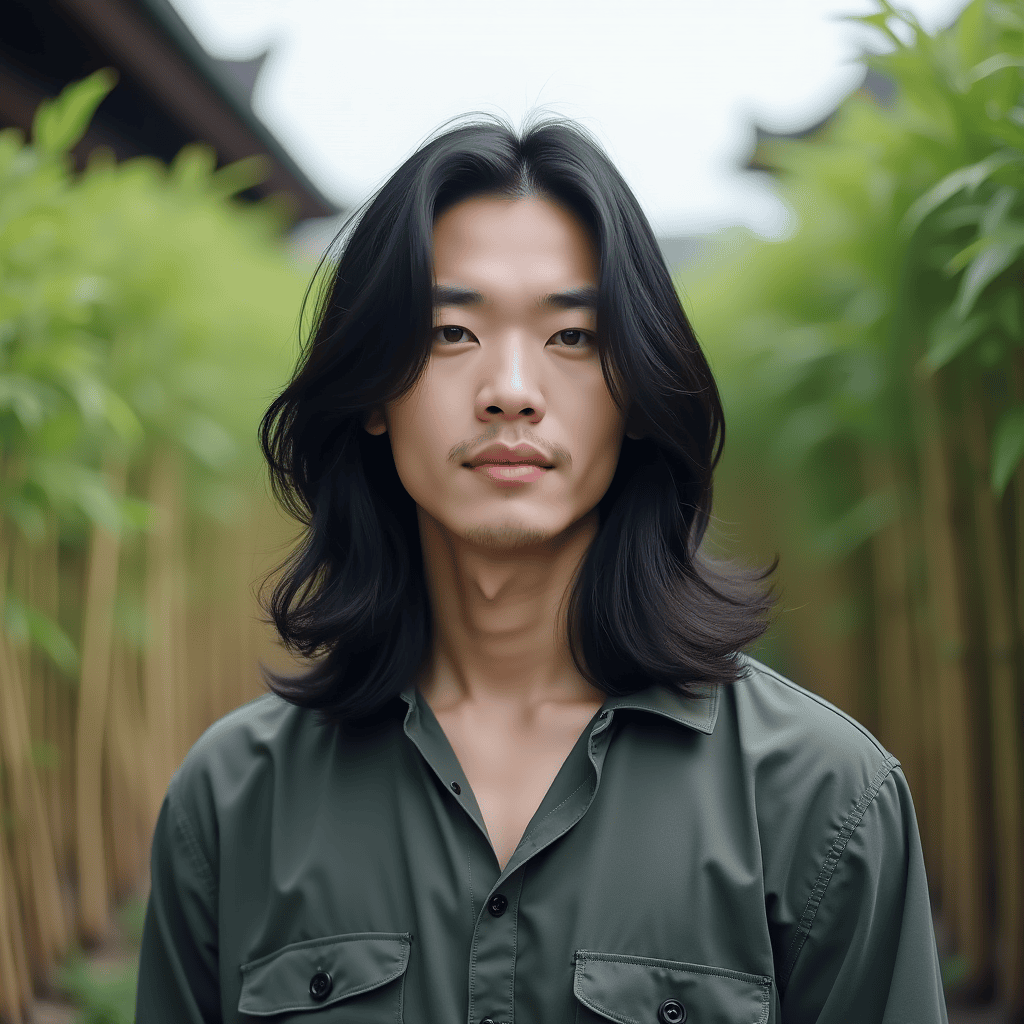
The half-up tied style gathers the upper section into a small knot or ponytail while allowing the lower lengths to remain loose. Hair at the temples is directed backward, exposing the face without removing the visual weight of long hair. A few fine pieces can remain near the ears to soften the outline. The contrast between the tied crown and loose back gives the style its character.
This option works for men with enough length to secure the upper section without pulling tightly. Tell the stylist, “Keep long layers through the back, preserve enough crown length for a half-up tie, and clean the ends without thinning them too much.” Use a soft fabric tie rather than a narrow elastic that leaves dents or causes breakage. Fine hair may produce a very small tied section, making the balance feel less intentional.
19. Modern Warrior Ponytail
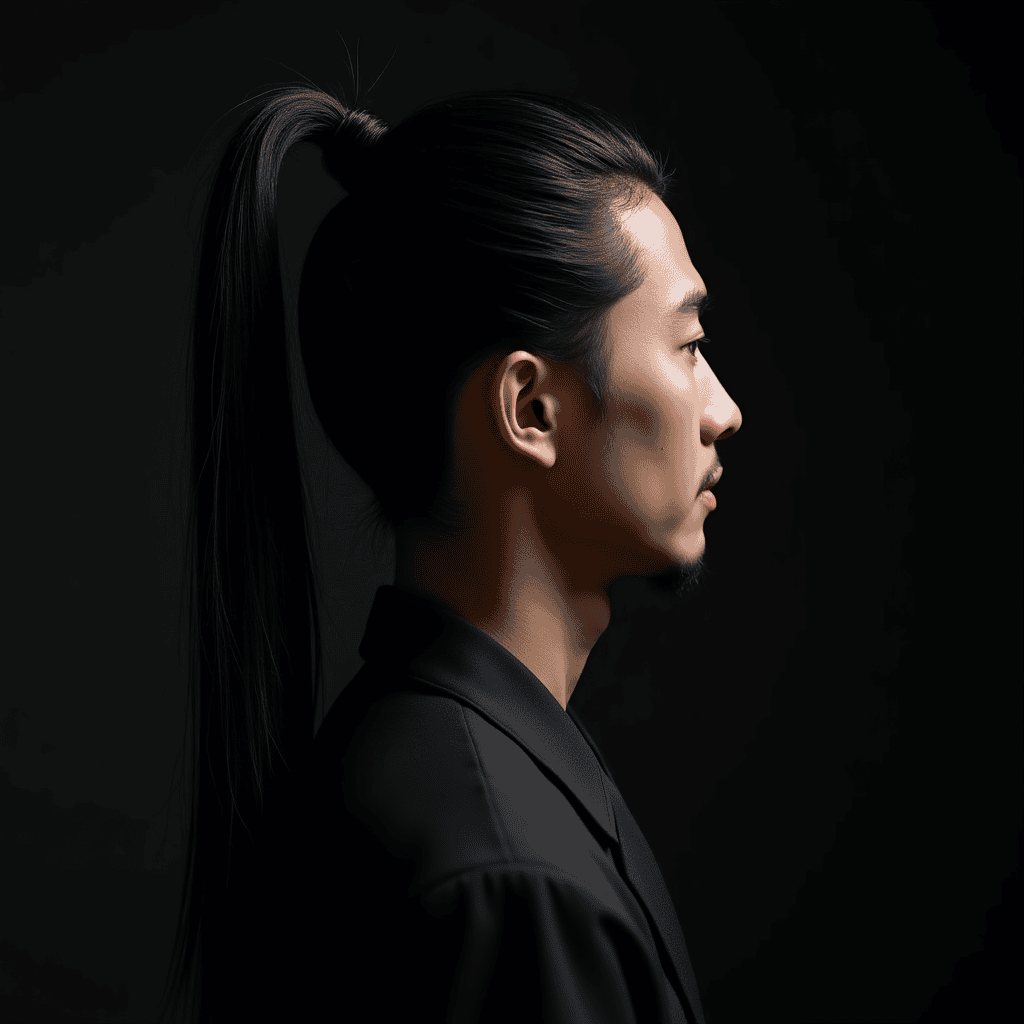
The modern warrior ponytail directs the hair firmly backward into a mid-height tie while keeping the top smooth and slightly lifted. The sides follow the head closely, and the ponytail extends in a clean line from the crown. A tapered or undercut lower section can sharpen the silhouette, though a fully long version feels less severe. The look carries drama without requiring decorative accessories.
It suits thick hair and men who are comfortable making the hairstyle the center of the outfit. Ask for “long top and back sections that tie cleanly, controlled weight at the crown, and either a subtle nape taper or fully preserved sides.” The hair needs enough length to avoid short sections escaping near the temples. Tight daily tying can create tension, so the style should be loosened or worn down between occasions.
20. Long Topknot with Undercut
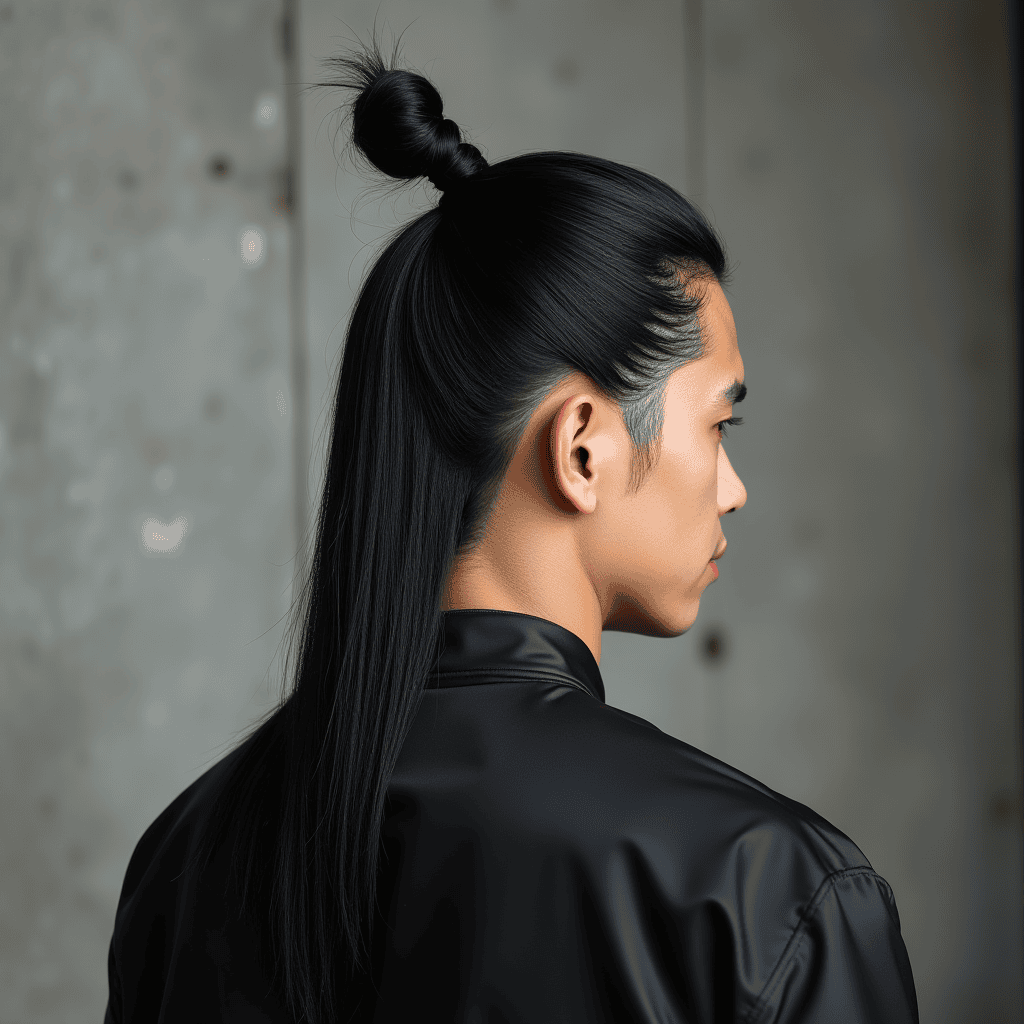
A long topknot with an undercut removes the sides and back beneath a preserved upper panel. When tied, the difference between the bare lower section and long top becomes fully visible. The knot can sit at the crown or slightly behind it, creating a strong vertical focal point. Worn loose, the top falls dramatically over the clipped foundation.
This is among the boldest stylish Chinese haircut ideas and works best on thick hair with substantial top length. Ask for “a clean disconnected undercut, a balanced horseshoe-shaped top section, and enough length to tie without pulling the front hairline.” The exposed lower section needs frequent cleanup, while the top still demands long-hair care. Growing the undercut back into a blended style takes patience and can pass through several awkward stages.
Bold Chinese Haircut Ideas for a Stronger Statement
These final looks use sharper contrast, unusual outlines, or fashion-led texture. They can look excellent when the barber understands the reference, but small errors are harder to hide than they are in classic shapes.
21. Disconnected Bowl Cut
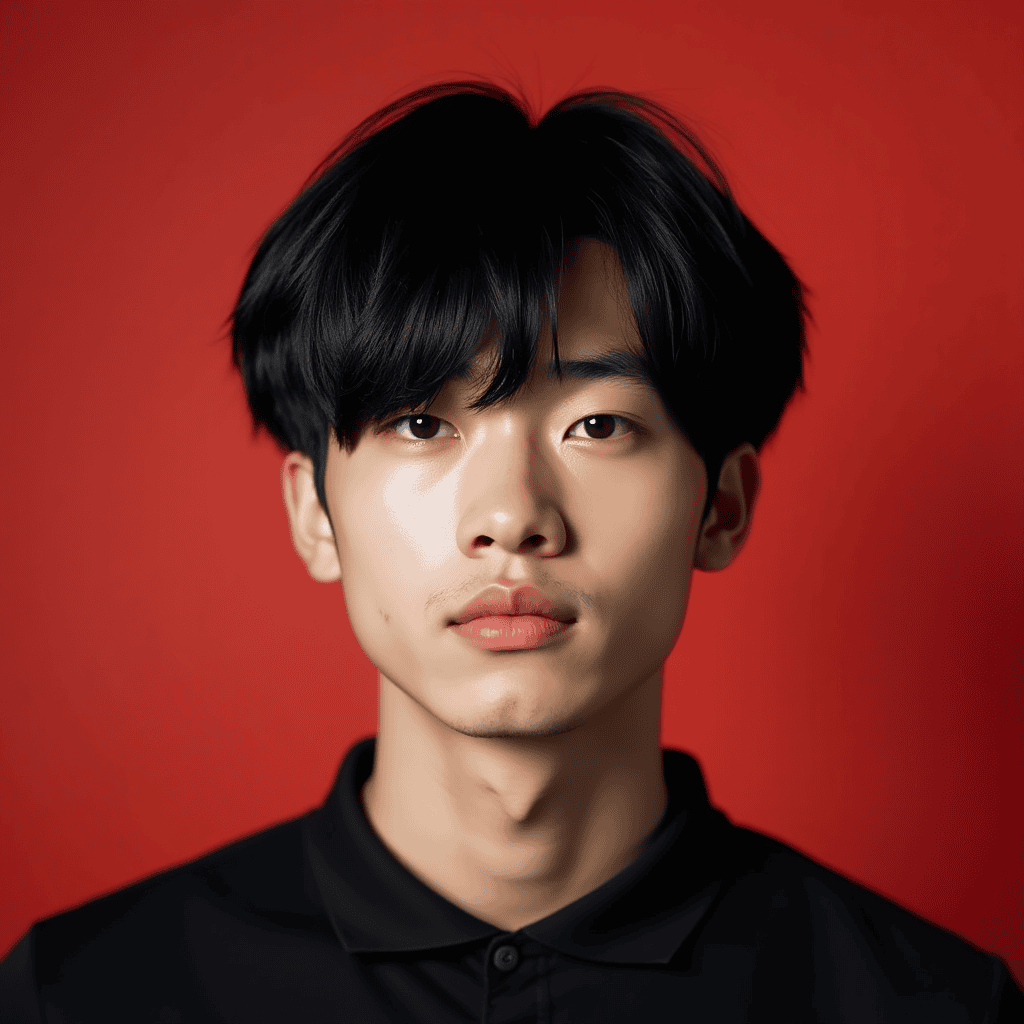
The disconnected bowl cut forms a rounded upper outline that stops clearly above short sides. The fringe may sit straight across the forehead or break into small textured points, while the upper sides remain full enough to preserve the circular shape. A dark shadow beneath the longer section makes the separation obvious. The result feels graphic and editorial.
This cut suits straight, dense hair and men who enjoy fashion-forward proportions. Ask the barber, “Create a rounded upper shape with a visible disconnect, keep the fringe textured rather than perfectly blunt, and taper the lower section cleanly.” A flat brush and light cream help the upper section sit smoothly. The shape can widen round faces, and any uneven cutting along the perimeter becomes immediately noticeable.
22. Asymmetrical Long Fringe
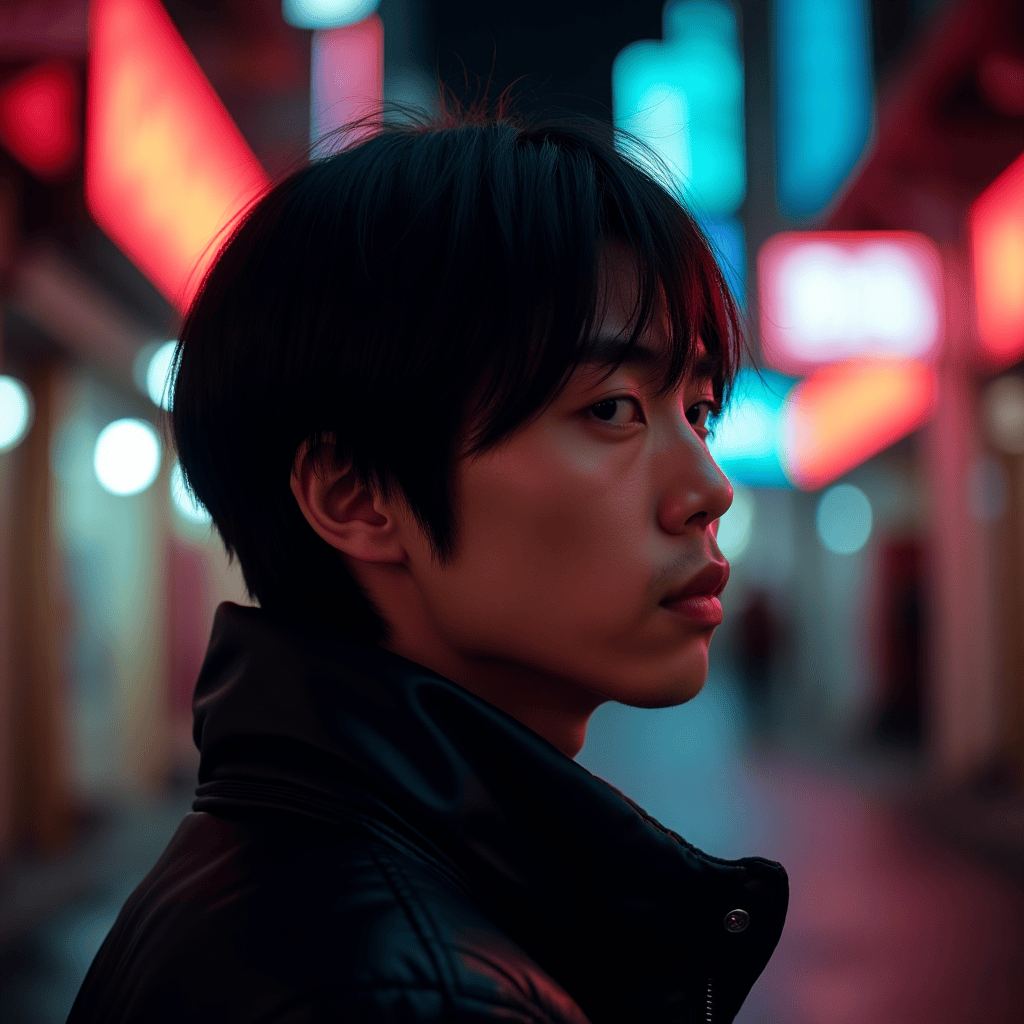
The asymmetrical long fringe places most of the front length toward one side, sometimes reaching the cheekbone while the opposite side remains shorter and exposed. Layers keep the heavy section moving, and a tapered side profile prevents the cut from covering the entire face. From the front, the diagonal line becomes the dominant feature. It has a deliberate, slightly rebellious imbalance.
This shape works for straight hair and angular or oval faces, especially when the wearer is comfortable with hair near one eye. Ask for “a long diagonal fringe, shorter exposure on the opposite temple, and internal layers that keep the heavy side from becoming solid.” A smoothing cream controls flyaways without removing movement. The fringe can interfere with glasses and may need repeated adjustment during work or exercise.
23. Textured Modern Mullet
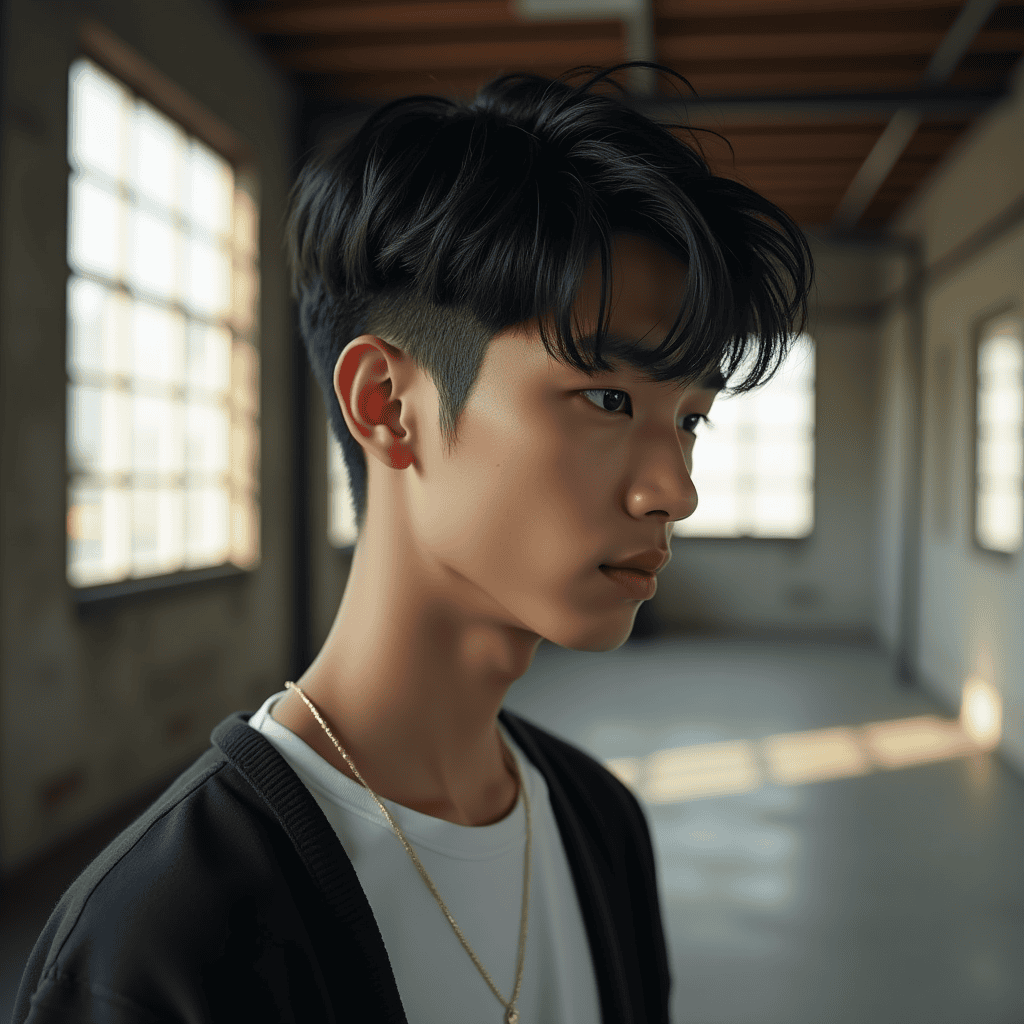
The textured modern mullet keeps the front and sides controlled while allowing the back to extend beyond the neckline. Choppy crown layers connect the shorter front to the longer rear, preventing the shape from looking like two separate haircuts. The sides can be tapered close or left with soft wisps around the ears. Its movement is strongest when the back has slight wave or bend.
Men with medium to thick hair and a relaxed dress code can carry this shape most naturally. Tell the stylist, “Keep visible length at the back, add broken crown layers, and taper the sides without removing every soft edge.” Texture spray can help straight hair show separation through the rear. The cut loses its point when the neckline becomes bulky, so maintenance still matters despite the intentionally loose finish.
24. Sharp Temple Fade with Long Fringe
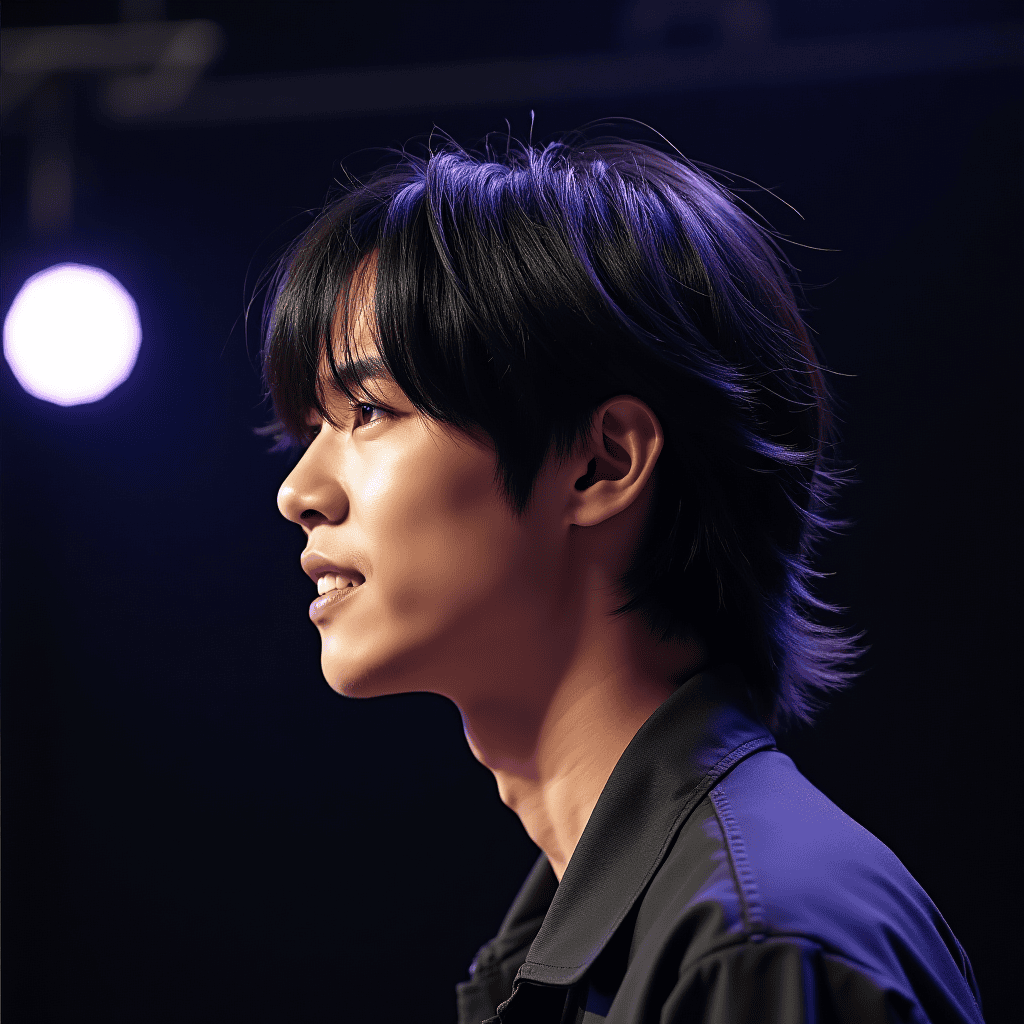
This haircut pairs a long, flowing top with tightly faded temple areas. The fade occupies a small zone near the sideburns rather than climbing high around the head, preserving weight through the upper sides. The fringe can fall forward, divide at the center, or sweep backward depending on the day. Small areas of sharpness make the longer shape look more intentional.
It suits men who want medium or long hair without heaviness around the face. Ask for “a focused temple fade, preserved length above it, and a long layered fringe that can move in more than one direction.” The contrast works best when the temple area is cleaned regularly. If the fade is taken too high, the cut can lose its balanced shape and resemble an accidental undercut.
25. Sculpted Wet-Look Sweep
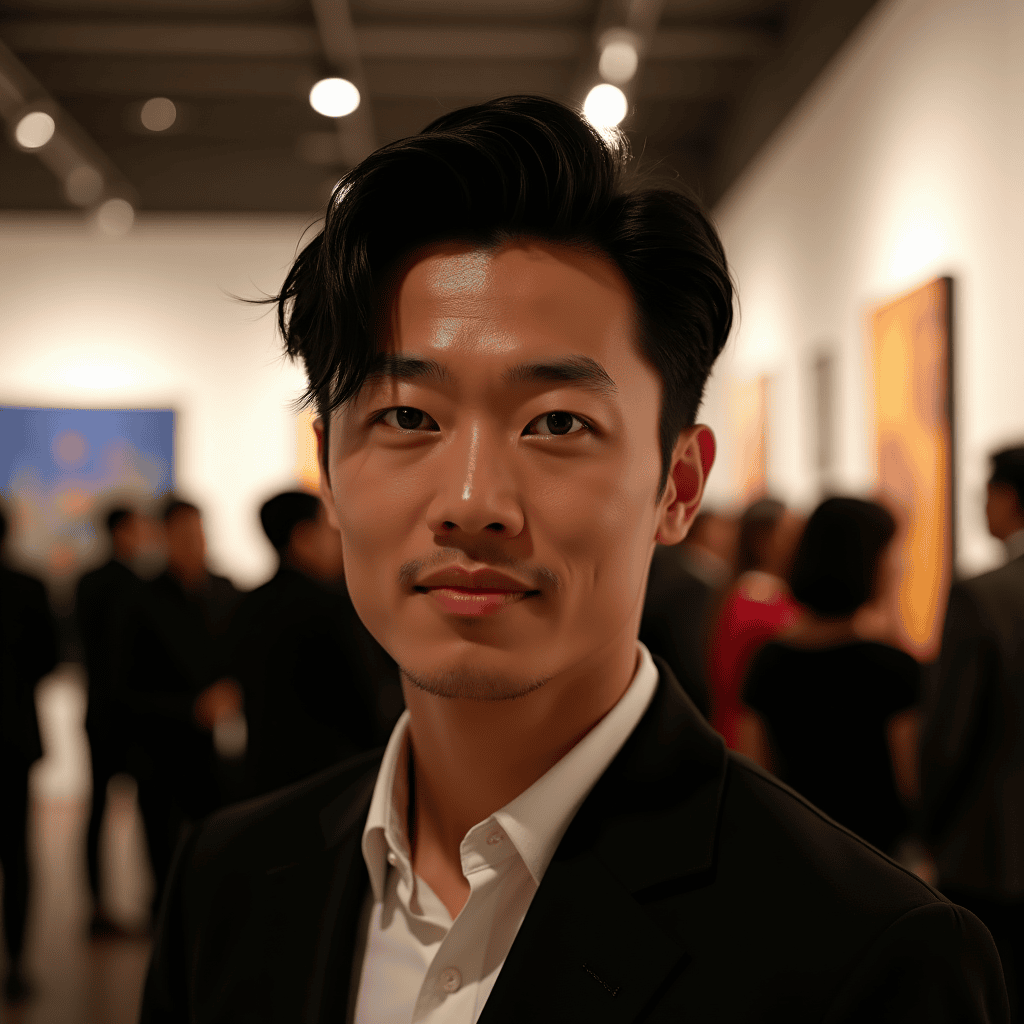
The sculpted wet-look sweep directs medium-length hair backward and slightly to one side with visible comb lines. The roots stay close at the temples, while the top carries a controlled ridge of height. Shine defines each section and creates a formal, runway-influenced finish. Unlike an everyday slick-back, the direction and spacing are carefully designed.
This style works best for evening events, fashion shoots, and occasions where a stronger finish suits the clothing. Ask for “medium blended length that can sweep backward, controlled sides, and enough front length to create a low sculpted ridge.” Apply gel or high-shine pomade to damp hair, then shape it with a wide-tooth comb. It can look greasy rather than intentional under casual daylight, so it is not the strongest daily option.
How to Choose the Right One
Begin with the way your hair behaves before any product touches it. Dense straight hair can support a crop, two-block, bowl shape, or structured fringe, but it may need internal weight removal to prevent the sides from expanding. Fine hair usually benefits from shorter layering, gentle tapering, and finishes that do not separate strands too aggressively.
Face shape should guide proportions rather than impose strict rules. Rounder faces often gain definition from lifted fronts, narrower sides, and diagonal fringes. Longer faces usually look better with controlled height and some width near the temples. Strong jawlines can carry blunt shapes, while softer features often pair well with broken edges and flowing layers.
Bring two or three reference images to the appointment, including at least one side view. Tell the barber what you dislike as clearly as what you want: exposed scalp, hair touching the eyes, wide sides, frequent styling, or a sharp skin fade. A useful request might be, “I like this outline, but I want the sides softer and enough length to style it without heat.”
Consider the haircut four weeks after the appointment. Fades and undercuts create stronger contrast but show regrowth quickly. Scissor tapers and layered shapes look less dramatic on day one, yet they often grow out more gracefully. The right choice is the one you can maintain after the excitement of the first week disappears.
Where These Haircuts Can Go Wrong
The most common mistake is choosing a haircut from a front-facing photograph while ignoring the profile and back. A fringe may look excellent from the front but connect poorly around the temples. A two-block cut can appear balanced in one image while carrying too much weight over the ears. Always inspect the complete shape.
Over-thinning is another frequent problem. Dense straight hair sometimes needs weight removed, but aggressive thinning near the roots can create short pieces that stand outward. It may also leave the ends weak and transparent. Ask the stylist to reduce bulk strategically rather than thinning every section in the same way.
High fades are often used as a shortcut for controlling strong side growth. They can work, but taking the fade too high changes the proportions of the entire haircut. Men who want a softer Chinese-inspired style may be happier with a low taper, temple fade, or scissor-cut graduation.
Product choice can also ruin an otherwise good cut. Heavy wax flattens curtain fringes, wet gel turns textured crops into hard plates, and too much powder makes black hair appear dusty. Start with less than you think you need, then add more only where the shape loses control.
Frequently Asked Questions
The following answers cover the practical details men usually ask before choosing between short, medium, and long stylish Chinese haircut ideas.
Which Chinese haircut is easiest to maintain?
A short textured crop, Ivy League cut, or soft Caesar fringe usually requires the least daily work. The hair can be pushed into place with fingers and a small amount of matte product. A buzz cut needs almost no styling, though its clean outline requires more frequent barber visits.
What is the most popular Chinese haircut for young men?
The modern two-block remains a common choice because it offers length, movement, and several styling options. It can be worn with curtains, a side fringe, or a brushed-back top. Its main maintenance issue is the lower side section, which can begin sticking outward as it grows.
Which haircut works best for thick straight hair?
Thick straight hair responds well to textured crops, layered curtains, two-block cuts, medium tapers, and disconnected shapes. The barber should remove internal weight without weakening the perimeter. A strong outline with controlled layering usually works better than one blunt length around the entire head.
Can Chinese haircut ideas work on wavy hair?
Many stylish Chinese haircut ideas look excellent on lightly wavy hair. Curtain cuts, shags, mullets, layered flows, and swept-back tapers gain natural movement from a loose wave. The cut should follow the wave pattern rather than forcing every section into the smooth shape shown in a straight-hair reference.
Which haircut makes a round face look slimmer?
A brush-up fade, side-part taper, high-and-tight, or asymmetrical fringe can create a longer visual line. Keeping the sides controlled also reduces width near the cheeks. Avoid excessive volume directly above the ears if the goal is a narrower overall appearance.
What should I ask for when getting a two-block haircut?
Ask for a shorter lower section at the sides and back with a longer top layer that covers the transition. Explain whether you want the disconnect hidden or visible. Request soft end texture so the upper section moves naturally instead of forming a thick, rounded cap.
How often should short Chinese haircuts be trimmed?
Short crops and classic tapers often look tidy for about four weeks, while high fades and sharp line-ups may need attention after two or three weeks. Softer scissor-cut styles can sometimes stretch longer. Growth speed and tolerance for covered ears will determine the practical schedule.
Are middle-part hairstyles suitable for fine hair?
A middle part can work on fine hair when the fringe has enough length and the part is not made too wide. Light layering helps create movement, but aggressive thinning should be avoided. A slightly off-center division often gives better coverage and makes the roots look fuller.
Which Chinese haircut suits a professional workplace?
A clean side-part taper, Ivy League cut, gentleman’s low taper, or brushed-back medium taper fits most professional settings. These cuts keep the outline controlled and avoid extreme contrast. Use low-shine products so the finish appears groomed without becoming rigid or glossy.
Can I wear a long Chinese hairstyle with formal clothing?
Long layered hair, a low ponytail, or a neat half-up style can pair well with formal clothing when the ends look healthy and flyaways are controlled. For weddings or business events, test the tied position before the day itself to ensure it sits comfortably against the collar.
What products work best for straight black hair?
Matte paste or clay suits crops, spikes, and brush-ups. Light cream works better for curtains, layered cuts, and swept-back styles because it adds control without freezing movement. High-shine pomade is mainly useful for comb-overs, slick finishes, or formal wet-look styling.
How do I stop the sides of my hair sticking out?
The barber can reduce bulk, taper the lower edges, and leave enough upper length to weigh the sides down. Blow-drying downward also helps train the direction. Cutting the sides extremely short is an option, but it may create a harsher look and require more frequent maintenance.
Which haircut is best for hiding a high forehead?
A textured French crop, soft Caesar, layered side fringe, or curtain cut can reduce visible forehead space. The fringe should remain light enough to move naturally. A thick, perfectly straight edge may look heavy, especially when the hair is dense and dark.
Are undercuts difficult to grow out?
Undercuts can be awkward to grow because the top and lower sections begin at very different lengths. The shortest areas may stick outward before they become long enough to blend. Gradual tapering and small reshaping appointments can make the transition look more deliberate.
Should I bring a photo to the barber?
Bring clear front, side, and back references whenever possible. Choose images with hair density and texture reasonably close to yours. Rather than asking for an exact copy, identify the parts you want to keep, such as the fringe length, taper height, outline, or amount of movement.
Pick one reference that matches your natural hair, save a profile view, and book a consultation before committing to the full cut. Ask the barber how the chosen shape will sit after four weeks and whether your growth pattern supports the fringe or part. The best stylish Chinese haircut ideas work because the proportions belong to the wearer, not because the photograph looked good on someone else. Start with the shape you can maintain confidently.
International Haircut Reports
Global haircut trends, modern barber styles and fresh grooming inspiration.