
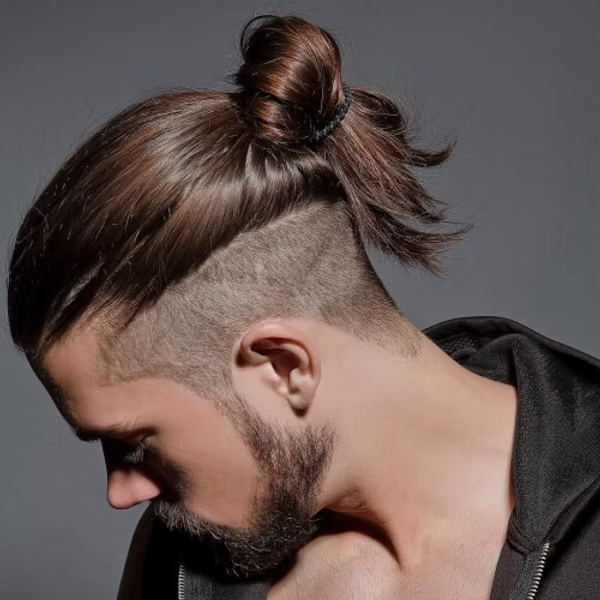
The strongest classic Viking haircut ideas balance rough texture with deliberate structure. Start with the swept-back undercut, braided top knot, long layered mane, or short crop with temple braids. Each gives you a Norse-inspired shape without making everyday clothes feel like a costume.
This guide approaches the subject from a practical barbering viewpoint, focusing on growth patterns, weight distribution, sectioning, and realistic maintenance. The best result should look convincing after a normal morning routine, not only under studio lighting.
The table below compares ten classic Viking haircut ideas that suit different lengths, textures, and comfort levels.
| Quick Pick | Best For | Defining Detail | Upkeep |
|---|---|---|---|
| Swept-Back Undercut | Thick straight hair | Long top with clipped sides | Medium |
| Textured Viking Crop | Short manageable styling | Broken fringe and rough texture | Low |
| Temple-Braided Crop | Subtle Norse influence | Two narrow side braids | Medium |
| Half-Up Warrior Knot | Medium or long hair | Tied crown with loose lower layers | Medium |
| Single Center Braid | Dense medium-length hair | One raised braid through the top | Medium |
| Braided Top Knot | Strong statement styling | Braided crown gathered high | High |
| Shoulder-Length Waves | Naturally wavy hair | Loose layered movement | Medium |
| Long Side-Shaved Style | Dramatic contrast | One clipped side and long sweep | High |
| Braided Faux Hawk | Events and editorial looks | Multiple braids forming a ridge | High |
| Layered Viking Mane | Full long hair | Uneven layers and controlled bulk | Medium |
Short Classic Viking Haircut Ideas
Short hair can still carry a clear Norse influence. These classic Viking haircut ideas rely on contrast, texture, and small braided details instead of dramatic length. They are easier to wear with modern wardrobes and usually require less time before work.
1. Swept-Back Short Undercut
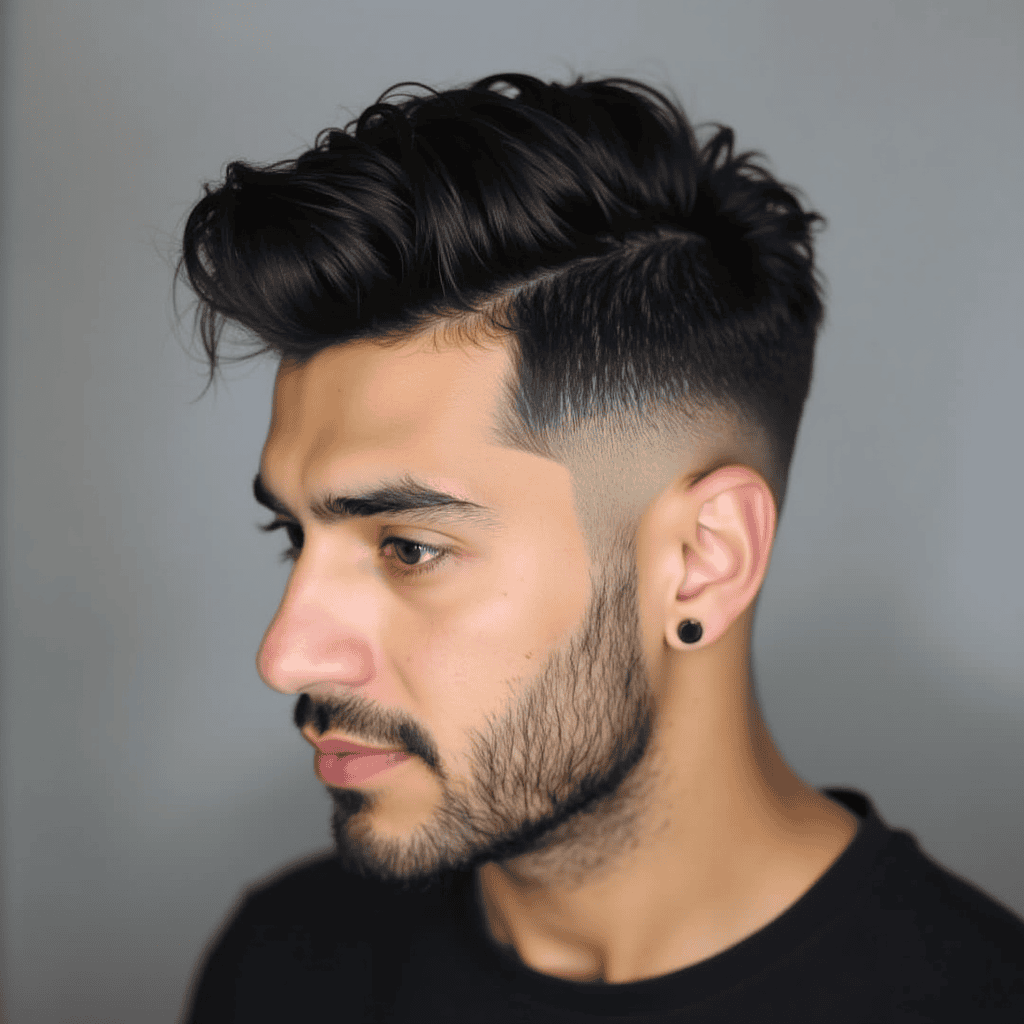
This cut keeps two to four inches through the top while the sides sit closely clipped around the temples and ears. The front is directed backward with visible separation rather than polished into a smooth pompadour. A slightly longer crown creates a strong profile and stops the style from looking flat from the side.
It works best on straight or lightly wavy hair with enough density to hold backward movement. Ask your barber for “a disconnected short undercut with a textured top that can be pushed straight back.” You will need regular side cleanups, and fine hair may collapse unless you use a light matte paste.
2. Textured Viking Crop
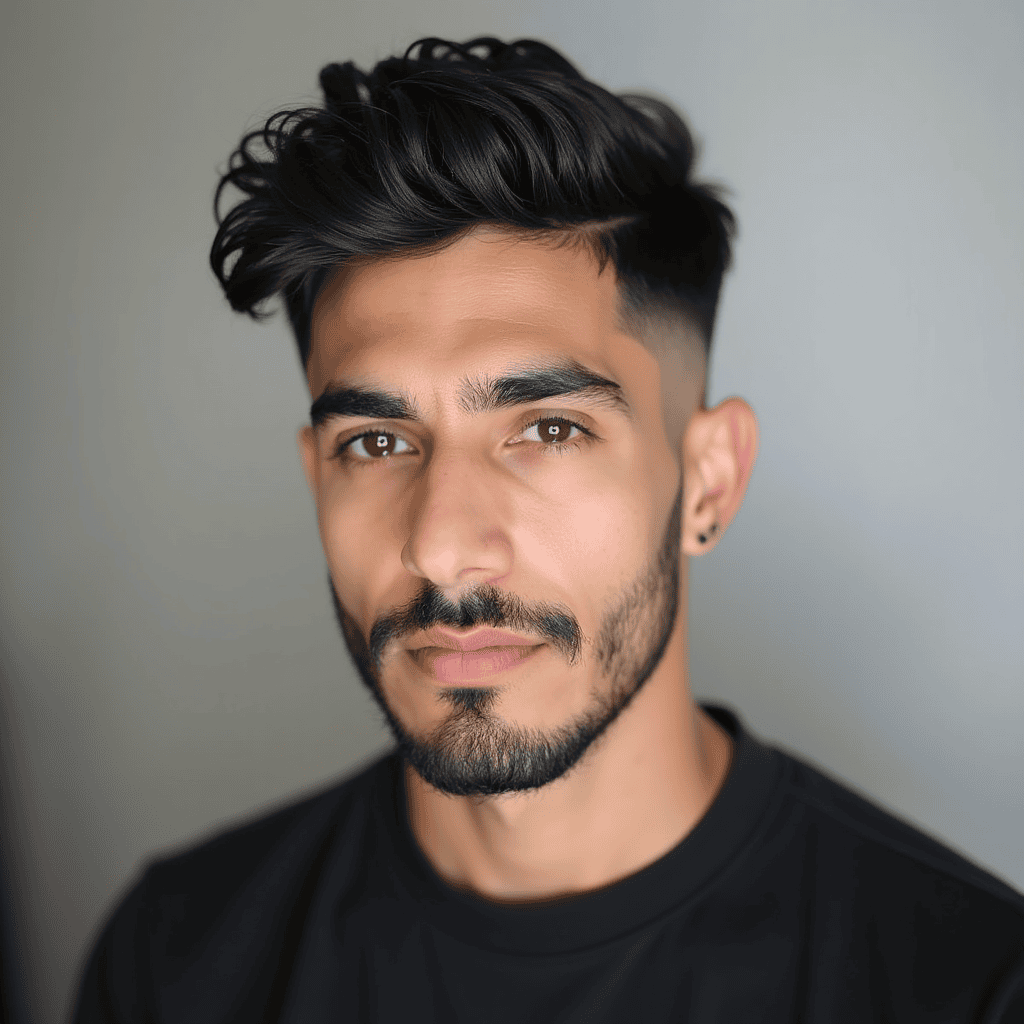
The textured Viking crop sits close to the head but avoids the tidy finish of a standard office cut. The top is cut into irregular sections, with a short broken fringe and extra roughness around the crown. Tapered sides keep it controlled while the uneven surface gives it a worn, practical character.
This is one of the safest Viking haircut ideas for men who want a subtle change. Ask for “a short textured crop with a jagged fringe, natural crown movement, and a low taper around the ears.” It suits thick or coarse hair, though strong cowlicks can make the fringe harder to place.
3. Short Crop With Twin Temple Braids
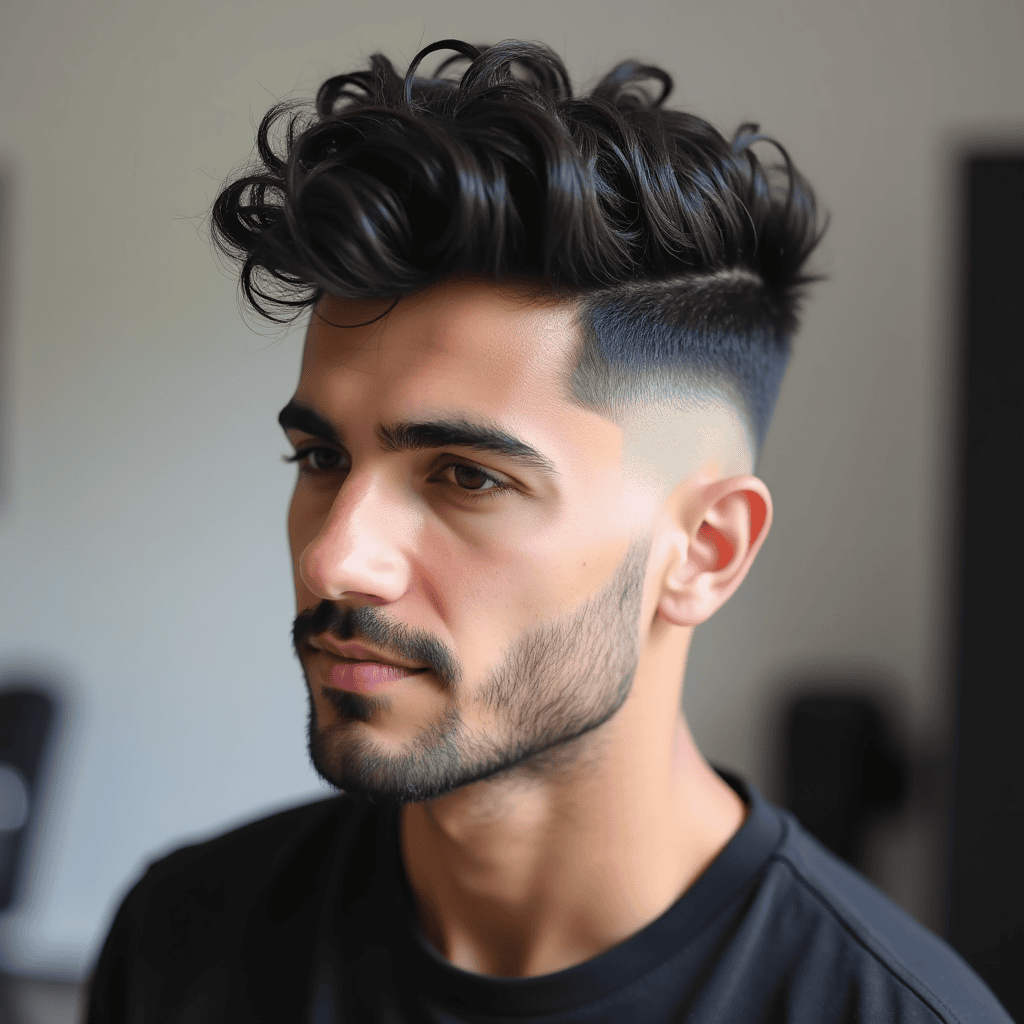
A compact crop gains a stronger Norse edge when two slim braids begin above the temples and travel toward the back. The center section stays loose and textured, creating a clear difference between the controlled side details and the rough upper surface. The braids should be narrow enough to feel integrated rather than decorative.
This style needs enough side length to form secure braids, so it will not work with a fresh skin fade. Tell your stylist, “Keep the top short and messy, leave braidable panels above both temples, and taper beneath them.” The braids may need daily resetting, especially on slippery straight hair.
4. Short Side-Parted Warrior Cut
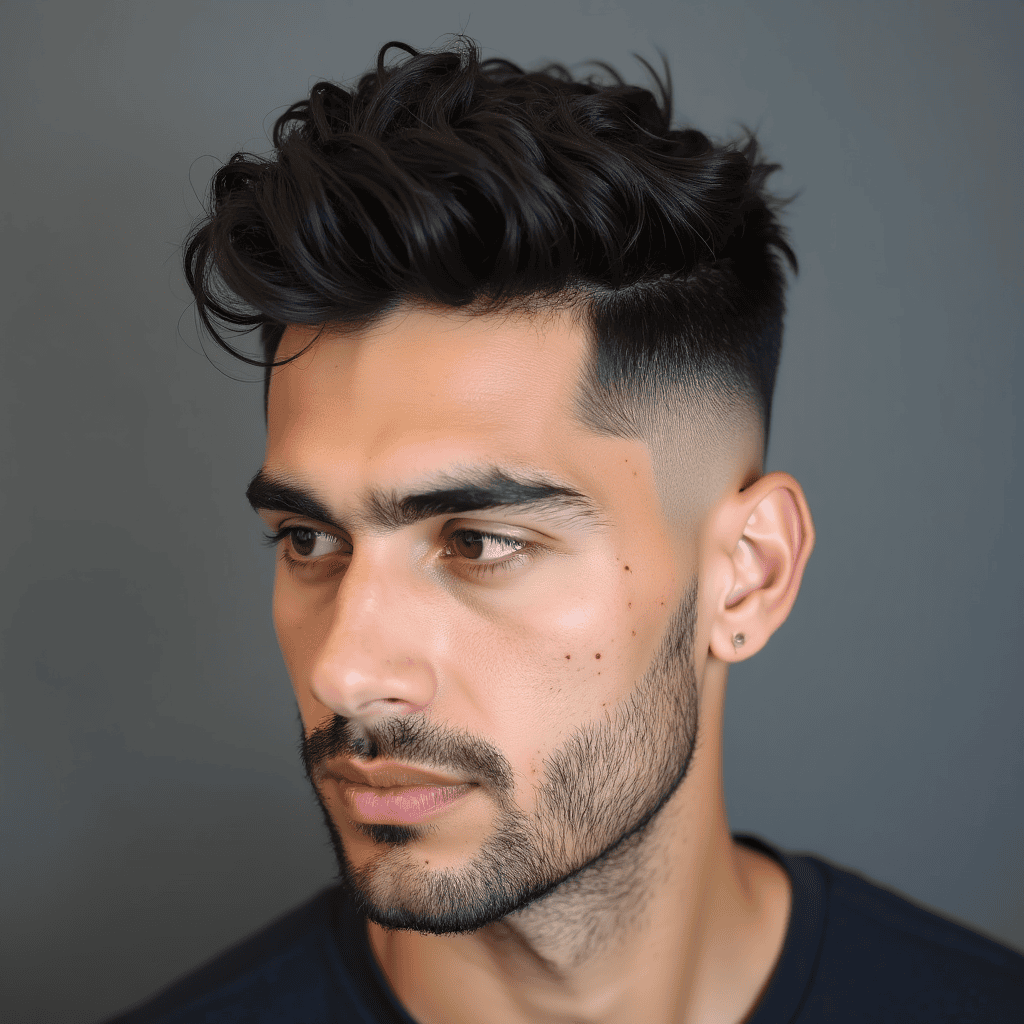
This short warrior cut uses a deep off-center division instead of a conventional polished part. One side is directed back and slightly upward, while the heavier section falls across the top in rough finger-shaped strands. The sides remain compact, but they are not faded so tightly that the style loses its weight.
Men with thick straight or wavy hair can wear this shape with minimal product. Ask for “a short disconnected side part with scissor texture, compact sides, and no glossy finish.” The uneven balance can emphasize thinning around the front, so men with a receding corner may prefer a forward crop instead.
5. Buzzed Sides With a Compact Top Knot
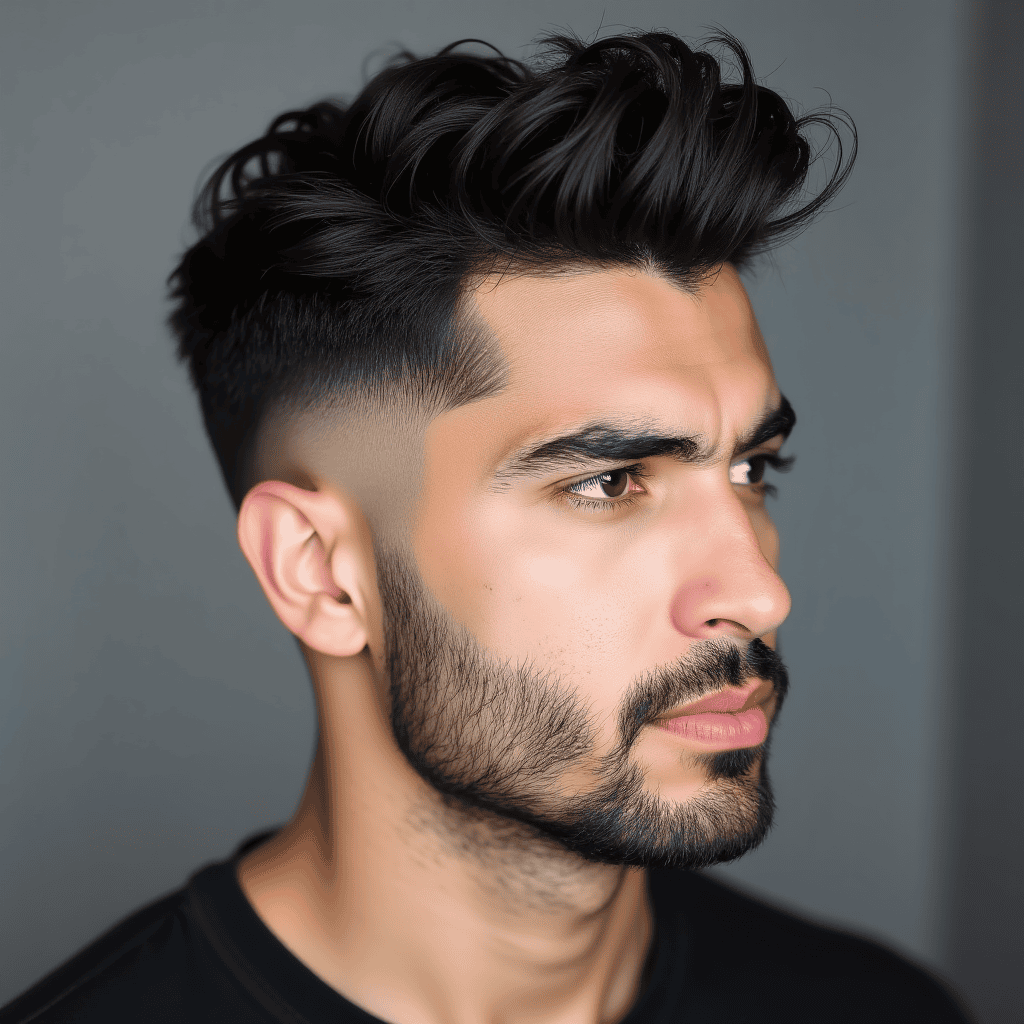
The top panel remains long enough to gather into a small knot near the crown, while the sides and back are clipped short. Keeping the knot compact matters because a large bun over short sides can distort the head shape. A narrow transition behind the ears gives the cut a cleaner outline without softening its hard contrast.
Choose this only when the top has enough length and density to tie without constant pulling. Ask your barber to “preserve the full top panel, clip the sides evenly, and leave a natural rather than faded separation.” The growing-out stage can feel awkward because the sides expand long before the top gains useful length.
Medium-Length Classic Viking Haircut Ideas
Medium hair gives a barber more room to create movement without demanding the care of a full mane. These classic Viking haircut ideas can be tied, braided, or worn loose. They also transition well between casual clothing, workwear, and more dramatic outfits.
6. Medium Swept-Back Undercut
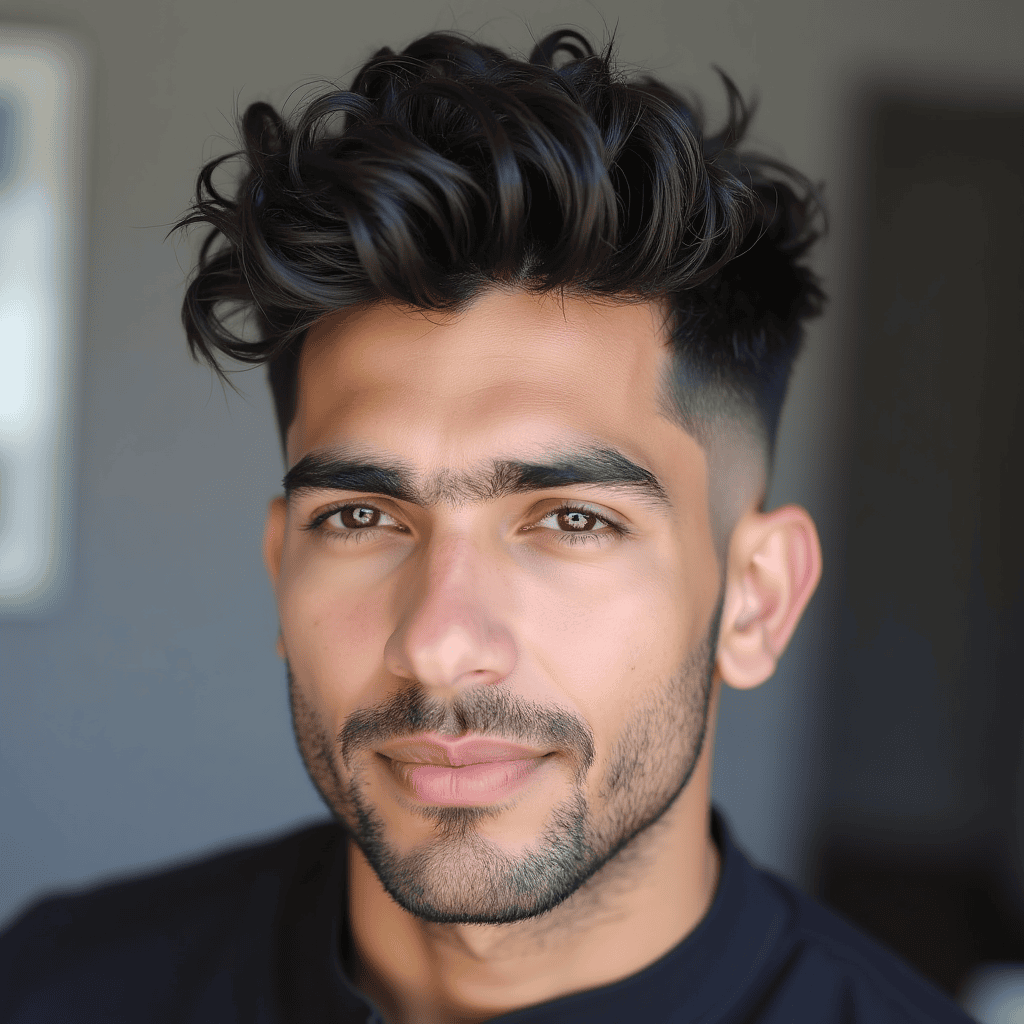
The top reaches far enough to sweep from the hairline past the crown, creating a continuous sheet of textured movement. Clipped sides expose the temples and make the upper length look heavier. Unlike a slick back, the finish keeps visible finger channels and a few loose pieces around the front.
This shape suits dense straight hair and waves that naturally travel backward. Ask for “a disconnected undercut with six to eight inches on top, enough crown length to lie flat, and no thinning near the front.” It needs controlled drying, and stubborn forward growth can split the style by midday.
7. Half-Up Warrior Knot
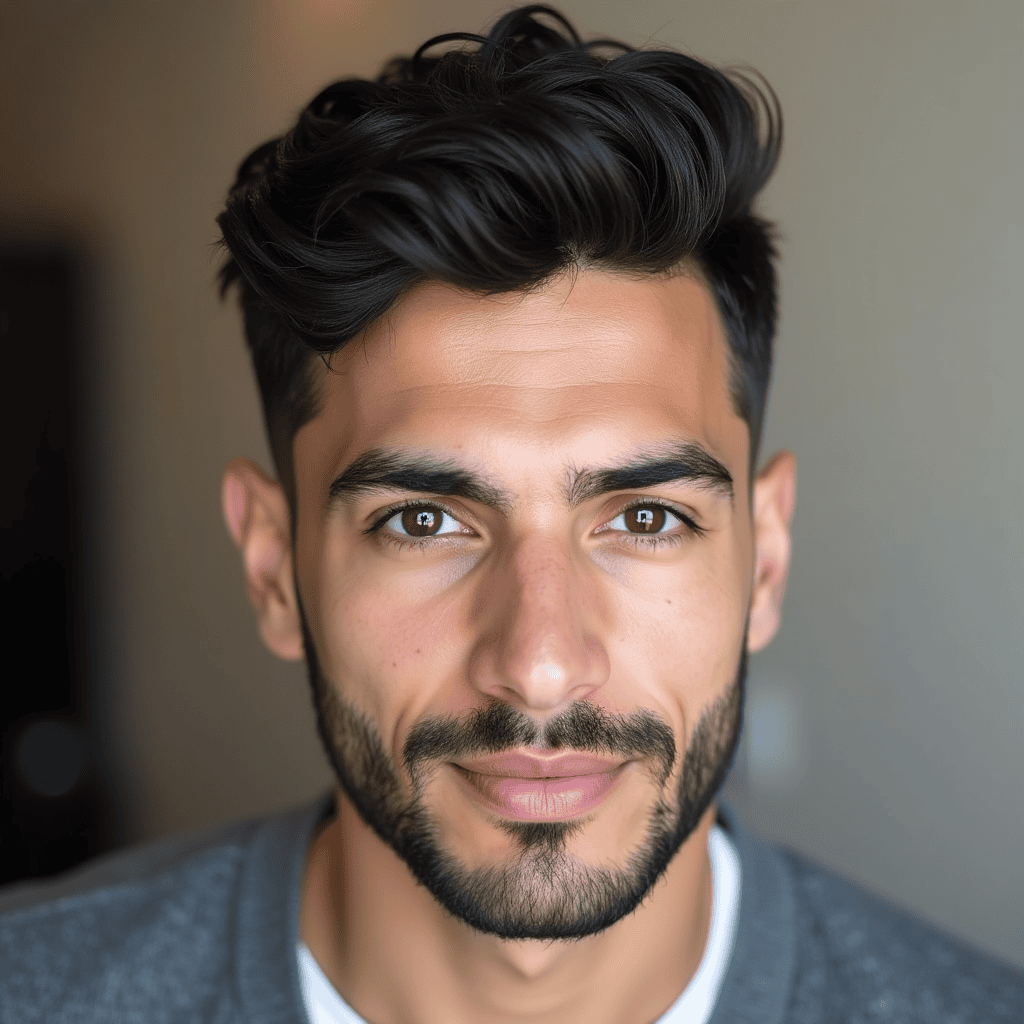
The upper half of the hair is gathered into a knot behind the crown while the lower layers hang freely over the neck. Leaving a little looseness around the temples prevents the style from looking pulled and severe. The visible contrast between the tied crown and moving lower section creates its warrior-like shape.
Among classic Viking haircut ideas, this is one of the easiest to test without committing to shaved sides. Ask your stylist for “long internal layers that can be tied from the temples back while the lower section stays full.” It suits wavy and straight textures, but very fine hair may produce a weak, undersized knot.
8. Loose Shoulder-Skimming Shag
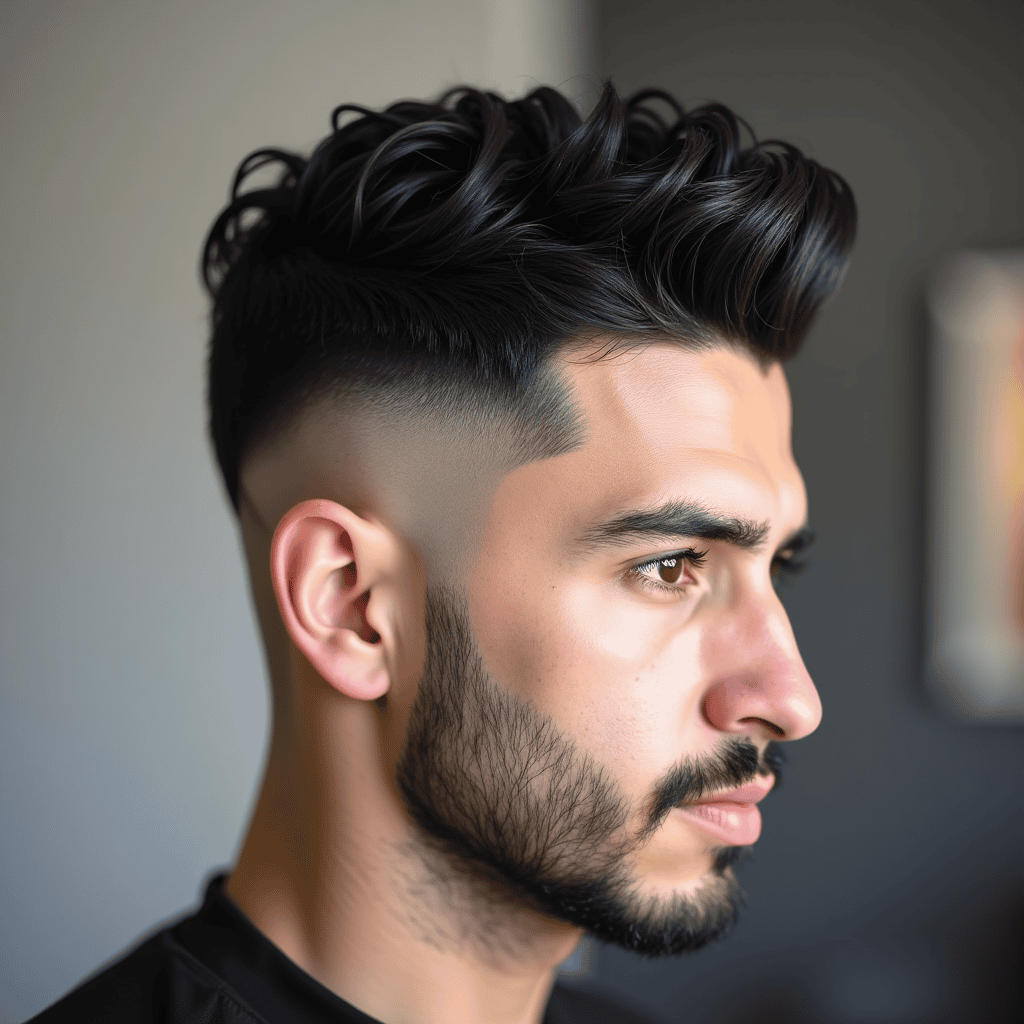
This cut falls near the base of the neck, with irregular layers that open around the cheeks and jaw. The ends remain heavy enough to look rugged, while shorter crown pieces stop the shape from becoming triangular. Natural bends and separated sections create a lived-in finish that improves as the day moves.
Ask for “a shoulder-skimming layered shag with weight through the ends and shorter pieces around the face.” It works well on medium to thick waves, particularly when the hair already has natural volume. Straight fine hair may need more styling than expected and can drift toward a flat 1970s shape.
9. Side-Swept Cut With One Clipped Temple
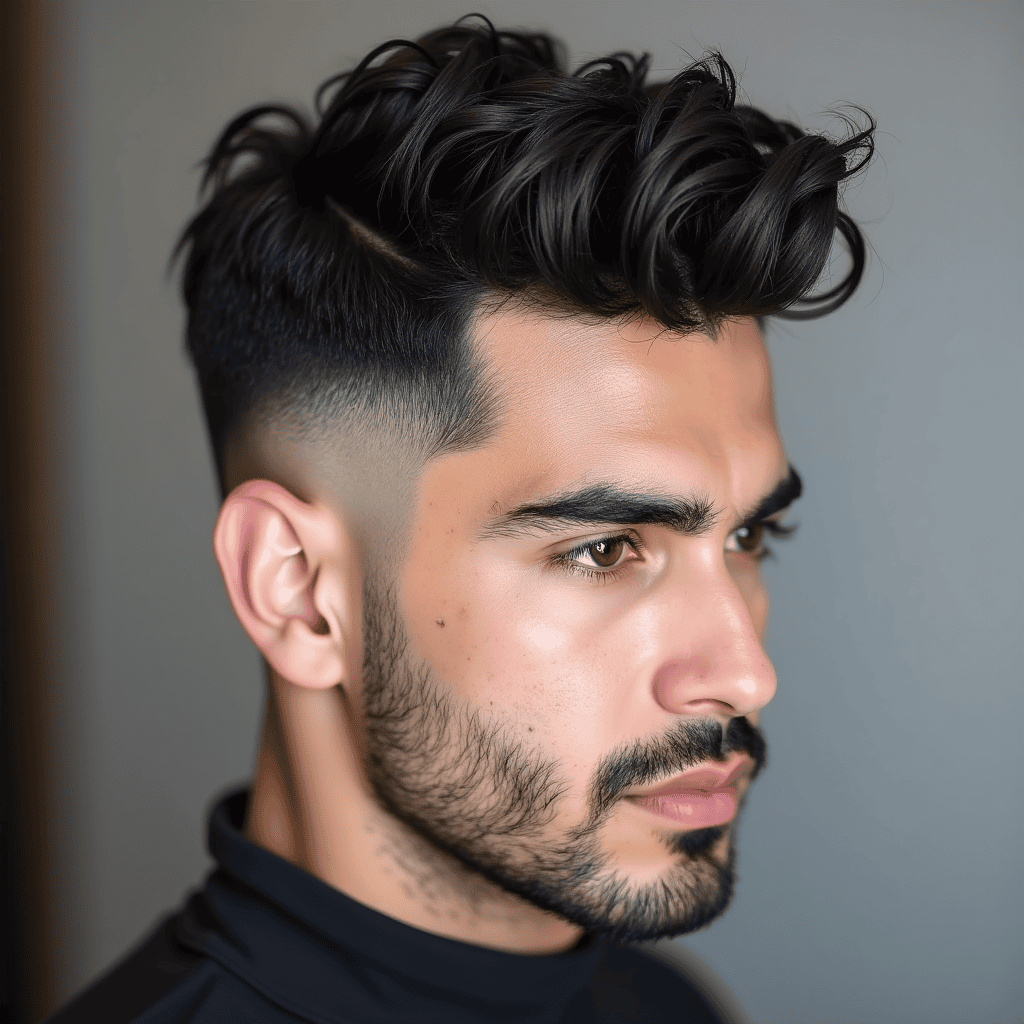
One temple is clipped close while the rest of the hair travels diagonally across the head and behind the opposite ear. The longer section should retain rough movement rather than falling as one smooth curtain. From the clipped side, the cut looks sharp; from the other, it appears almost traditionally medium length.
Tell your barber, “Clip one temple panel, preserve the opposite side, and build layers that sweep cleanly across without losing texture.” This style is useful for men who want asymmetry without shaving half the head. The drawback is obvious regrowth, which can blur the clipped panel within a few weeks.
10. Brushed-Back Layered Flow
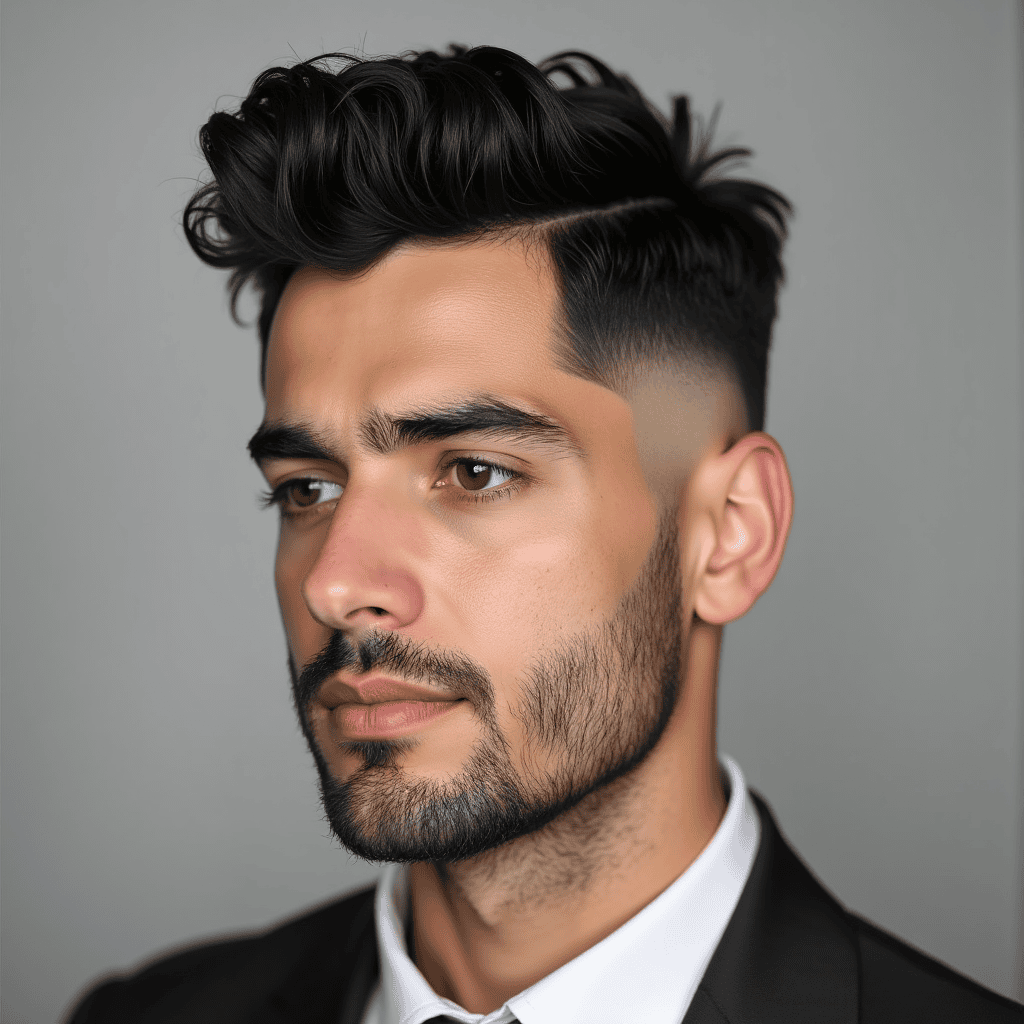
The brushed-back flow uses medium layers that move away from the forehead and curve naturally around the ears. The sides remain long enough to join the back, avoiding the sharp disconnection seen in an undercut. A lightly broken perimeter gives the finish strength without creating a blunt helmet shape.
This is among the most adaptable Viking haircut ideas for men who need a workplace-friendly option. Ask for “a medium layered flow with the front directed back, weight behind the ears, and a rough natural perimeter.” Thick hair may need hidden weight removal, while thin hair should keep as much density as possible.
Braided Viking Haircut Ideas
Braids introduce visible structure and work best when the haircut supports clean sectioning. The strongest classic Viking haircut ideas in this group use braiding to control bulk rather than adding random plaits everywhere. Start with one defined feature before attempting a full braided arrangement.
11. Single Raised Center Braid
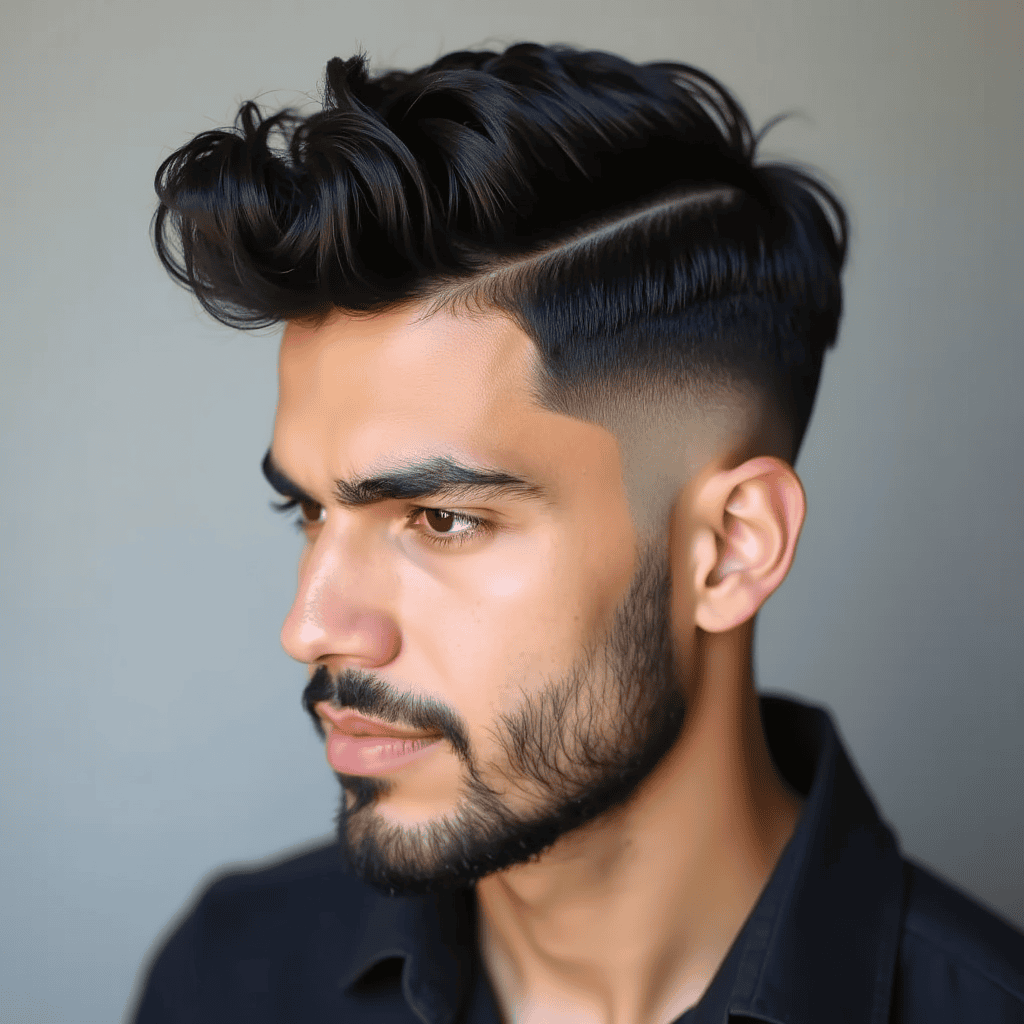
A narrow section begins at the front hairline and forms one raised braid running toward the crown. The surrounding hair can stay loose, clipped, or directed backward, but the central line remains the focus. Keeping the braid firm at the front and slightly fuller toward the back creates better proportion.
Ask for “a long center panel with enough density for one raised braid and shorter supporting sides.” This style works on straight, wavy, and coily hair when the section is prepared correctly. Tight braiding can feel uncomfortable, and frequent tension at the hairline is a good reason to wear it less often.
12. Twin Braids Into a Low Tie
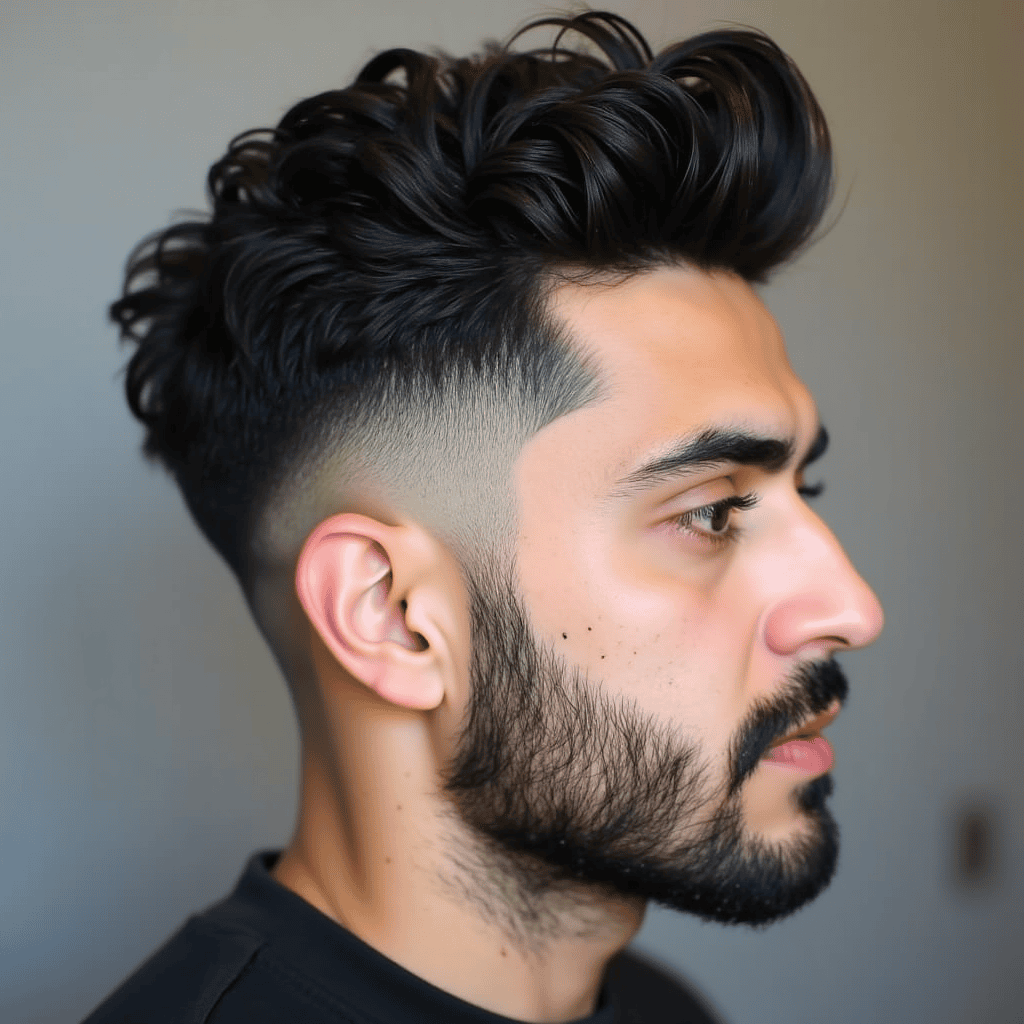
Two braids begin near the front corners and travel above the ears before joining a low tie at the back. The center remains loose and brushed backward, giving the style both movement and control. The meeting point should sit low enough to follow the skull rather than sticking outward.
Tell your barber or stylist, “Keep two clean braid tracks from the temples to the back and leave the center panel loose.” These Viking haircut ideas work best with hair that reaches past the ears. Layers that are too short can escape the braids, so growing out a heavily feathered cut may take time.
13. Braided Crown With Loose Back
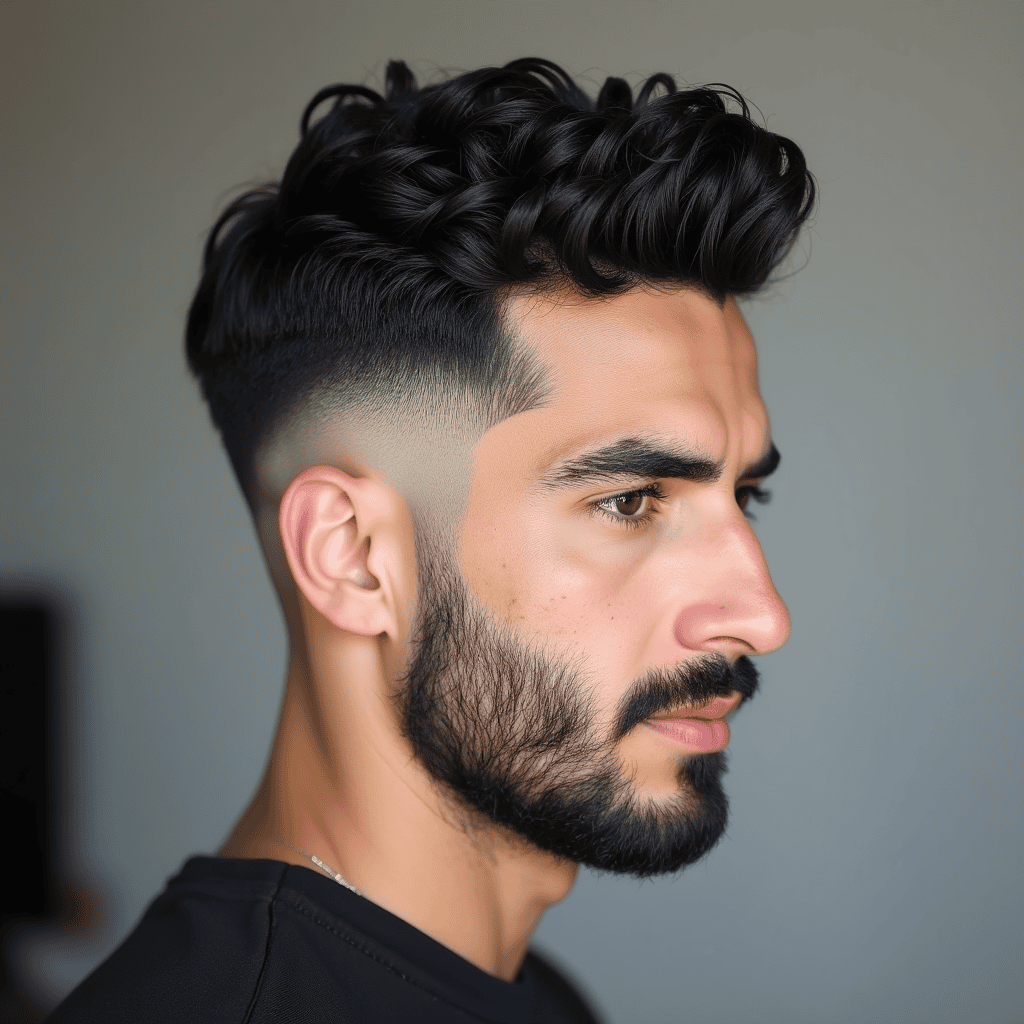
Several slim braids wrap from the temples toward the rear crown while the remaining length falls loose down the back. The braided upper zone creates a fitted cap-like structure without covering the whole head. Loose sections underneath should keep natural texture so the finish does not appear overly formal.
Ask for “small crown braids following the head shape, with the back length left completely loose.” This arrangement flatters thick medium-to-long hair and helps control heavy side volume. It takes patience to install, and careless removal can leave tangles where the braids meet the loose sections.
14. Rope-Braided Ponytail
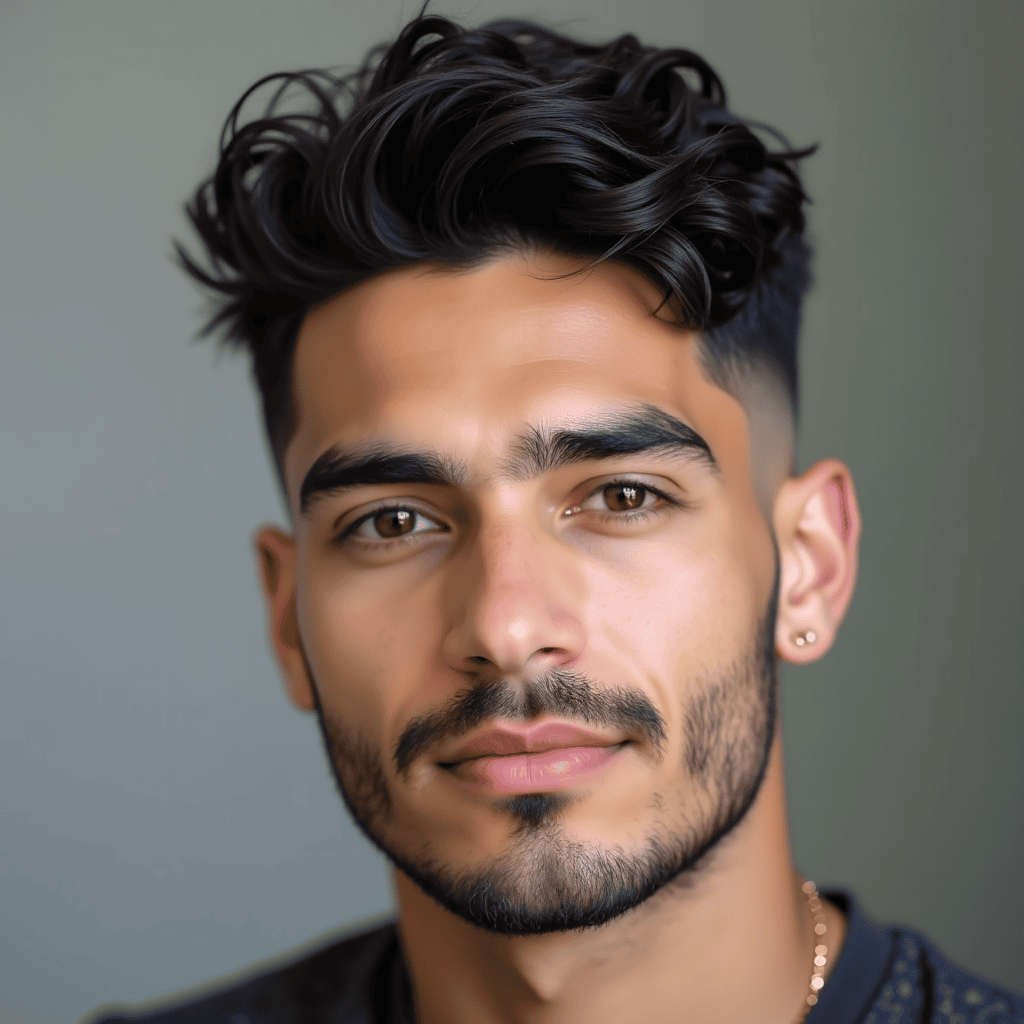
The hair is drawn backward into a low or mid-height ponytail, then divided and twisted into a thick rope braid. The twist creates a rounded, muscular shape that reads differently from a standard three-strand plait. A few loose strands near the ears keep the front from looking unnaturally tight.
This is one of the better classic Viking haircut ideas for dense long hair that becomes bulky when left open. Ask for “long connected layers that gather cleanly into a rope braid without thin ends.” The style can unravel on silky hair, and repeated tight tying may leave a visible bend when worn loose.
15. Braided Top Knot
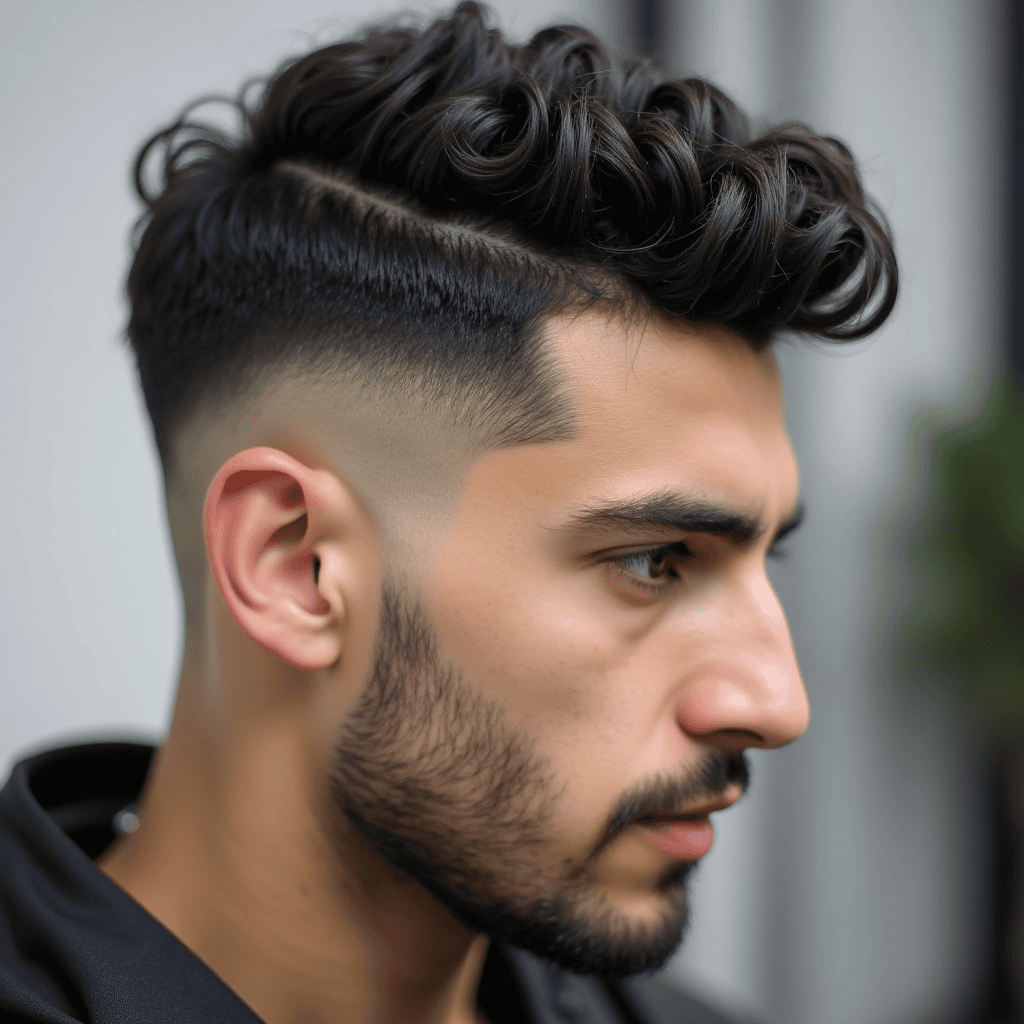
The hair is braided from the front and sides toward a compact knot placed high behind the crown. Small, controlled sections create a ridged surface before they merge into the knot. Clipped or closely tapered sides expose the braid pattern and sharpen the overall silhouette.
Ask for “a braidable top panel, clean side separation, and enough length to finish in a compact high knot.” This is a bold choice for thick hair and planned occasions. It demands careful sectioning, takes longer than a standard top knot, and can look unfinished once the side growth becomes fuzzy.
Long Classic Viking Haircut Ideas
Long Viking haircuts depend on shape more than raw length. Without layers, direction, or controlled weight, the hair can hang like a single heavy curtain. These classic Viking haircut ideas preserve fullness while making the face and shoulders visible.
16. Shoulder-Length Natural Waves
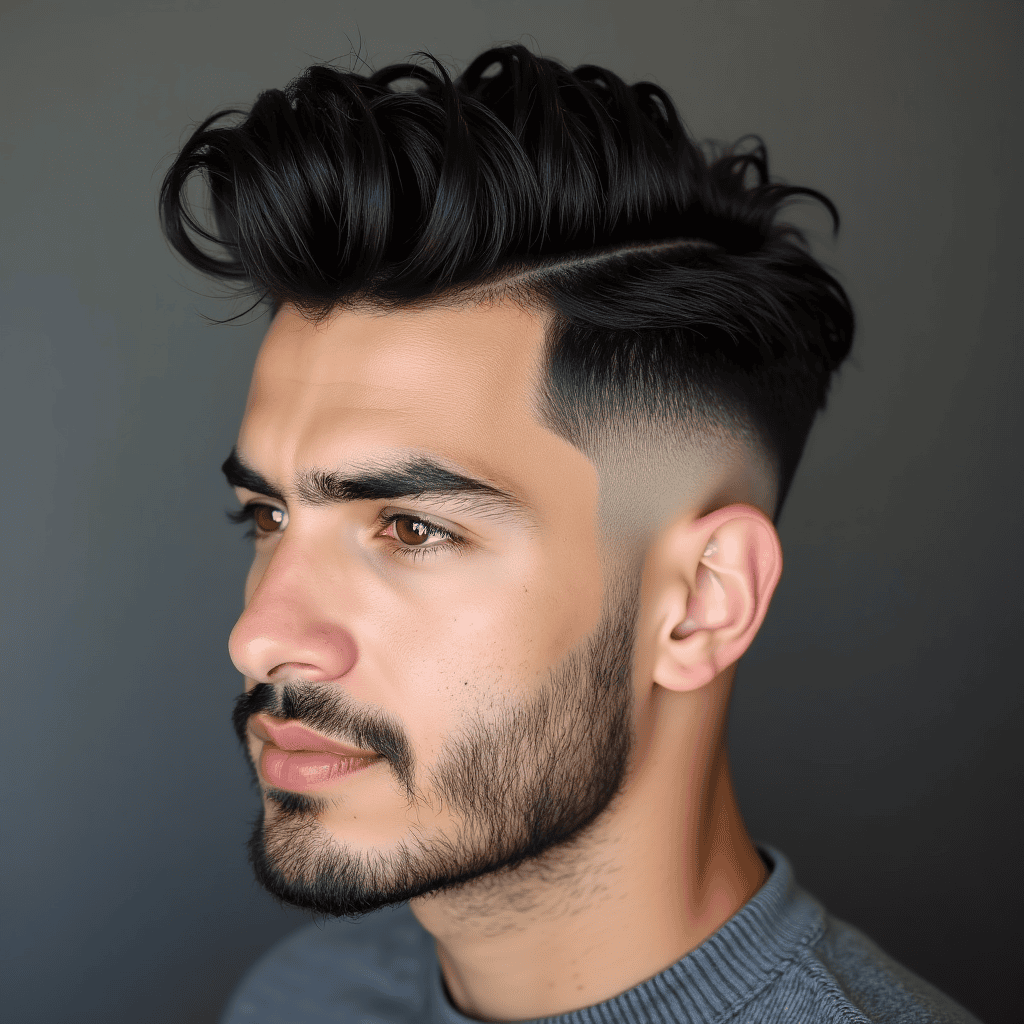
The hair falls to the shoulders in broad, irregular waves with modest layering around the face. Its outline remains thick and slightly rough, avoiding delicate feathered ends. A center or loose off-center split allows the front to move naturally rather than forcing it into a rigid direction.
Ask for “shoulder-length layers that preserve the perimeter and release movement around the cheekbones.” This cut suits naturally wavy or loosely curly hair and looks strongest with moderate density. Humidity can expand the shape quickly, so the wrong heavy oil may leave the surface flat while the ends stay wide.
17. Center-Parted Long Layers
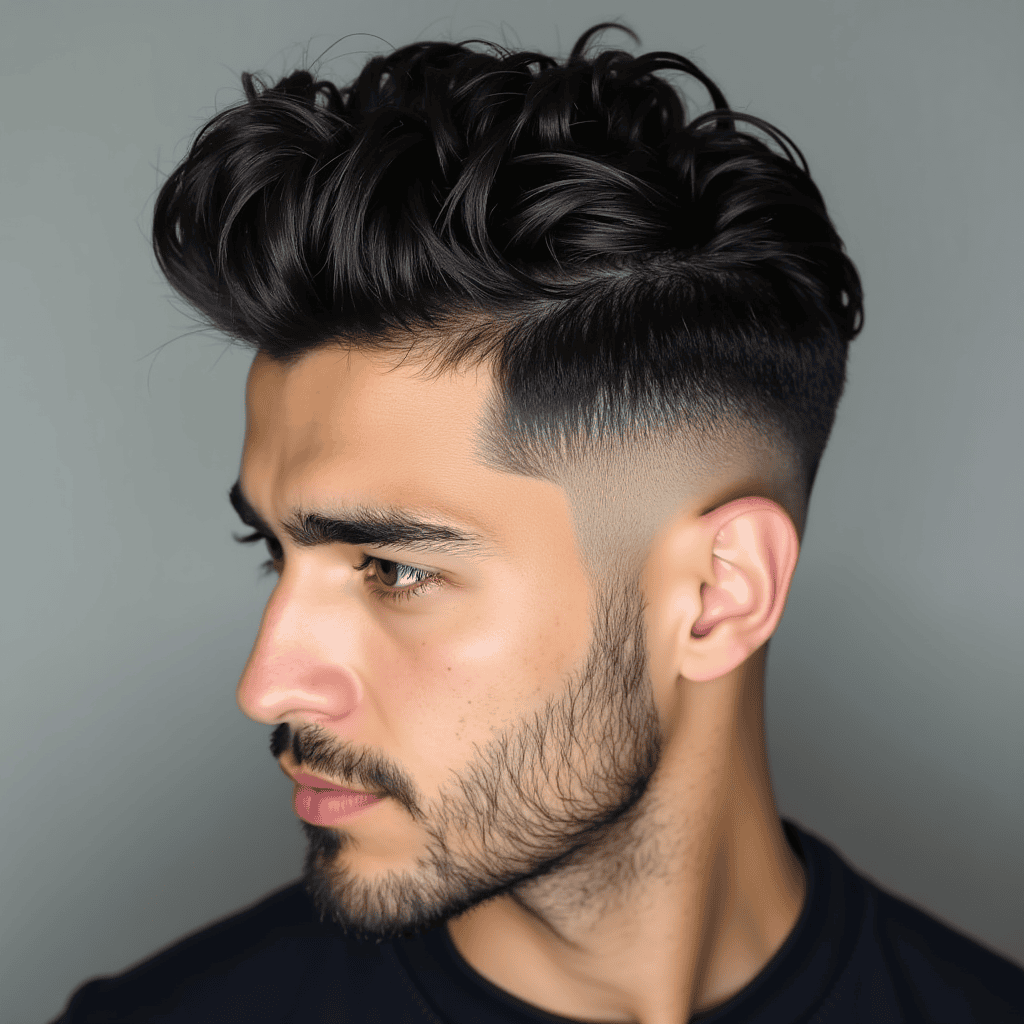
A clean center part divides long hair into two balanced sections that fall behind the shoulders. Shorter layers begin near the jaw and blend gradually into the lower length. The front remains open, showing the full face and beard rather than hiding everything behind heavy side panels.
This is one of the most recognizable Viking haircut ideas, yet it needs disciplined cutting. Ask for “long masculine layers with a center part, jaw-level face framing, and full ends.” It works best when the natural part already sits near the center; forcing strong side growth into symmetry can create constant lift at the roots.
18. Long Hair With a Half Ponytail
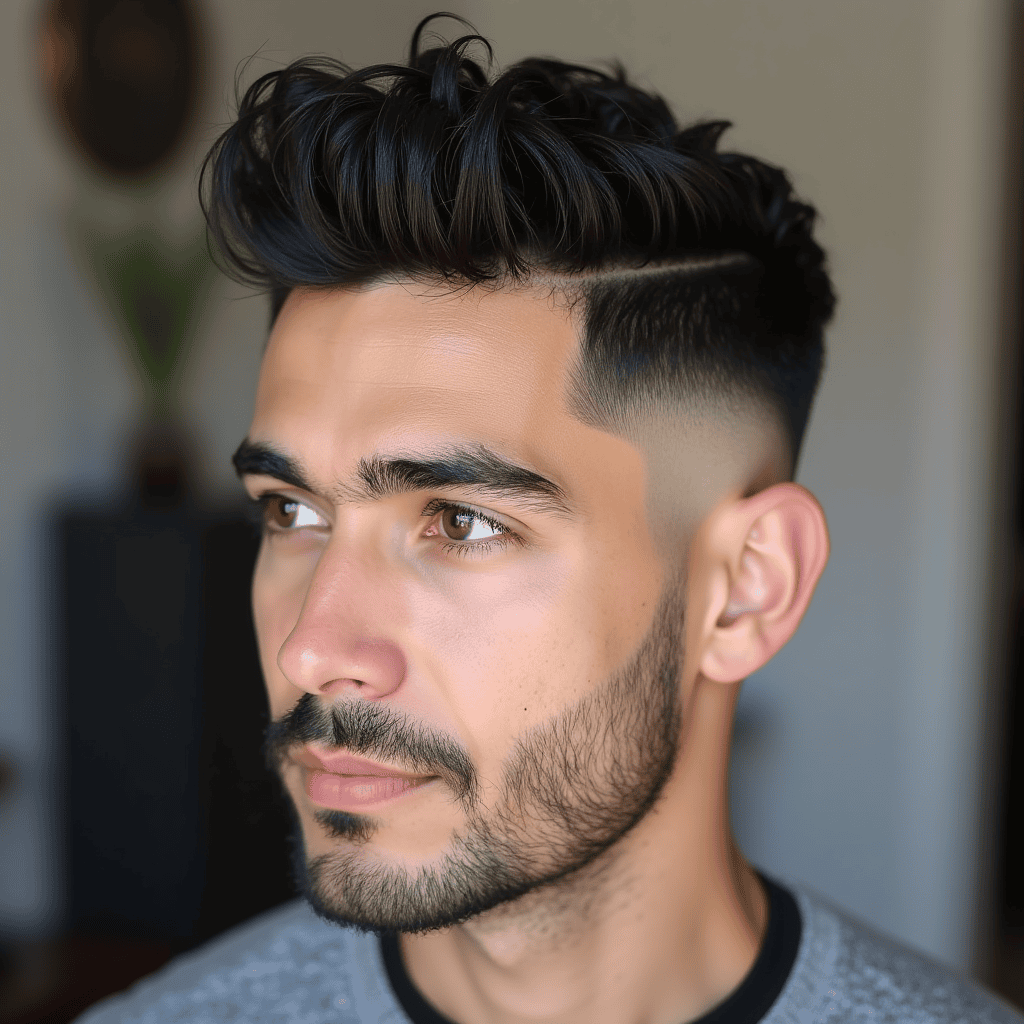
The front and upper sides are pulled into a low half ponytail while the rest of the hair falls over the shoulders and upper back. The tie sits close to the head, giving control without creating a visible bun. Loose lower layers preserve width and prevent the style from looking narrow.
Ask for “long layers that gather from the temples into a low half ponytail while keeping the bottom dense.” It suits straight and wavy hair, especially when the front constantly falls into the eyes. The tied section can expose uneven temples, and short regrowth around the hairline may resist the arrangement.
19. Long Side-Shaved Sweep
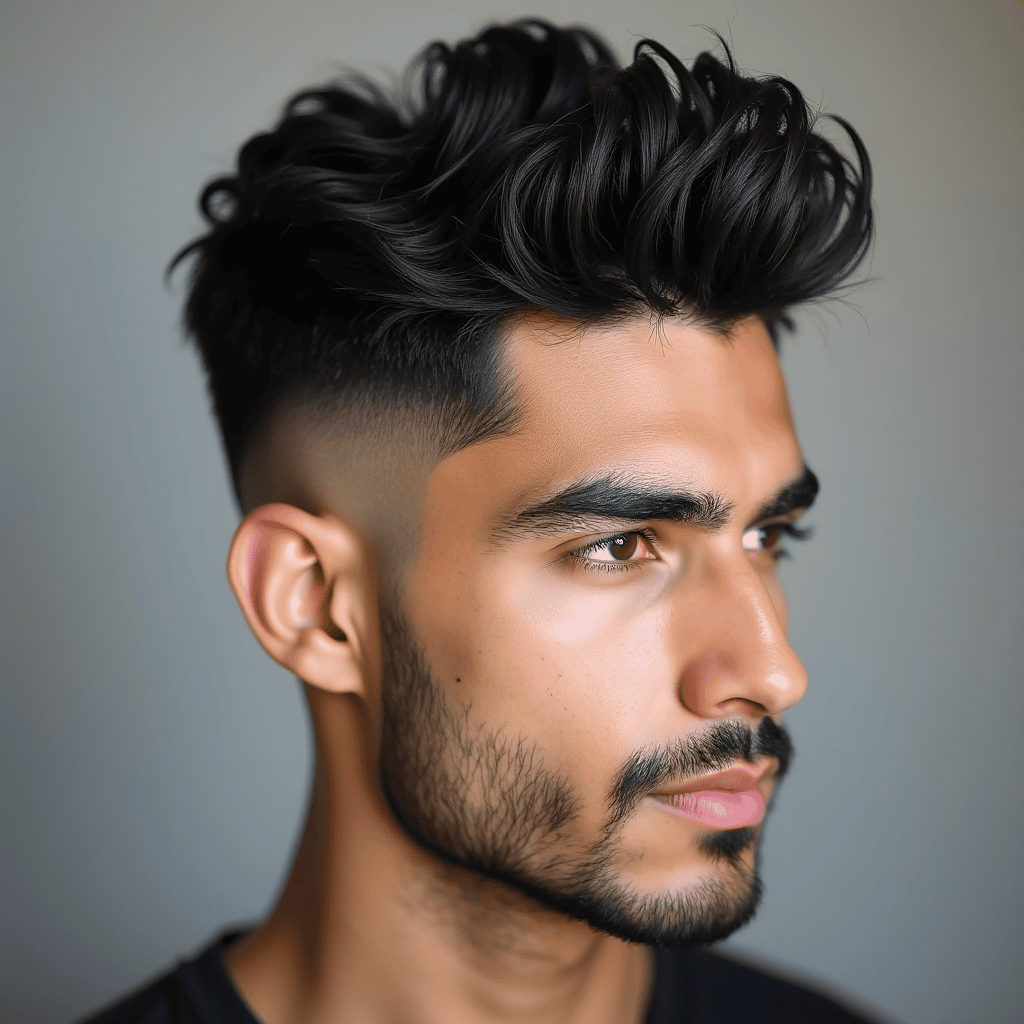
One side is shaved or clipped to a narrow panel above and behind the ear, while the remaining long hair is swept across from the opposite side. The contrast exposes the curve of the head and makes the loose section appear heavier. Subtle layers help the long hair travel across without forming a solid block.
Tell your barber, “Create one clean shaved side panel and preserve the full opposite length with movement through the ends.” This is among the boldest classic Viking haircut ideas and suits men comfortable with asymmetry. Returning to an even long style can take years because the shaved section must regrow from the scalp.
20. Full Layered Viking Mane
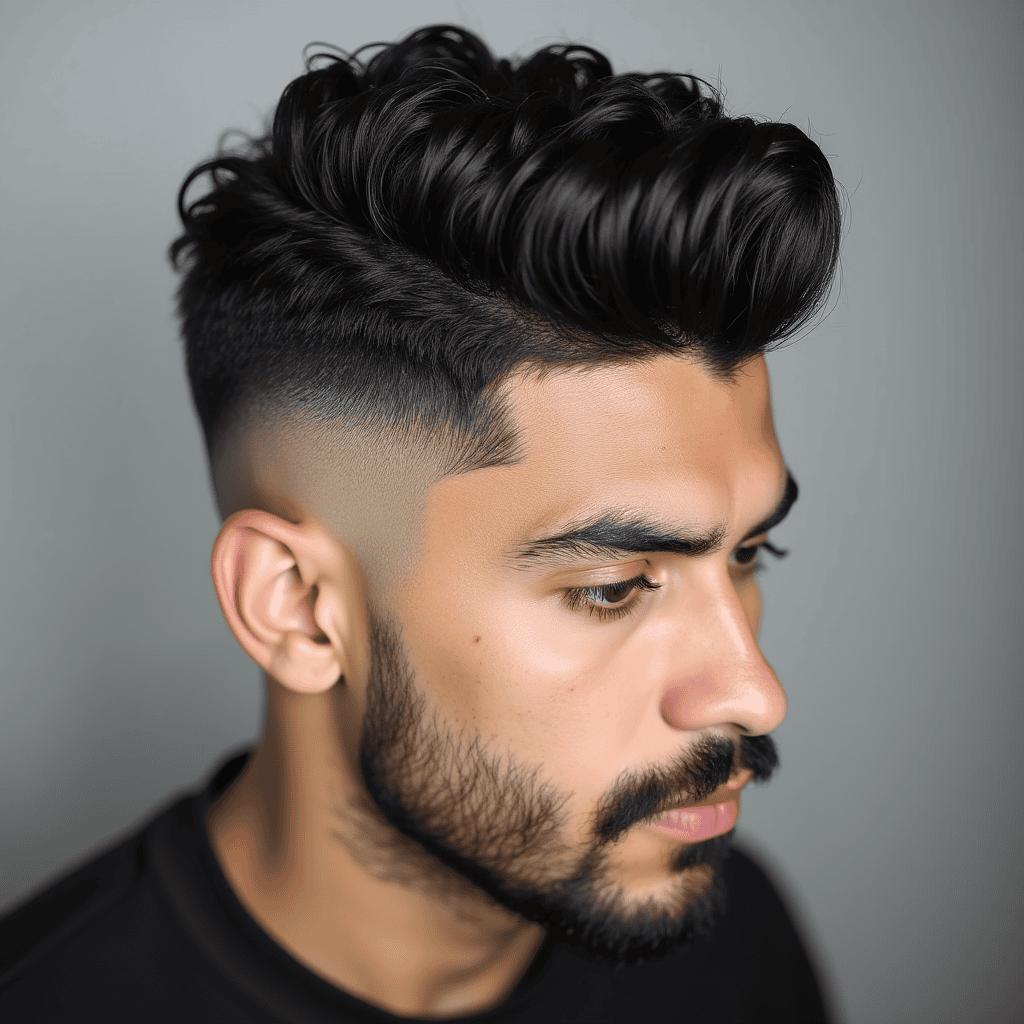
The Viking mane reaches beyond the shoulders with long internal layers that remove bulk without weakening the outline. Shorter pieces lift around the crown, while heavier lower sections create width through the back. The finish looks expansive and windswept, but the haircut underneath keeps it from becoming shapeless.
Ask for “a long layered mane with crown movement, preserved density through the ends, and no soft salon-style feathering.” Thick wavy hair responds best because its natural texture supports the size. Dense curls may need a different layering plan, while fine hair can look thin if too much internal weight is removed.
Bold Viking Haircut Ideas for Stronger Impact
These looks push beyond everyday texture into sharper contrast and more complex construction. They are classic Viking haircut ideas interpreted through modern barbering, not strict historical reproductions. Wear them because the shape suits you, not because every possible Norse detail has been added at once.
21. Braided Mohawk Ridge
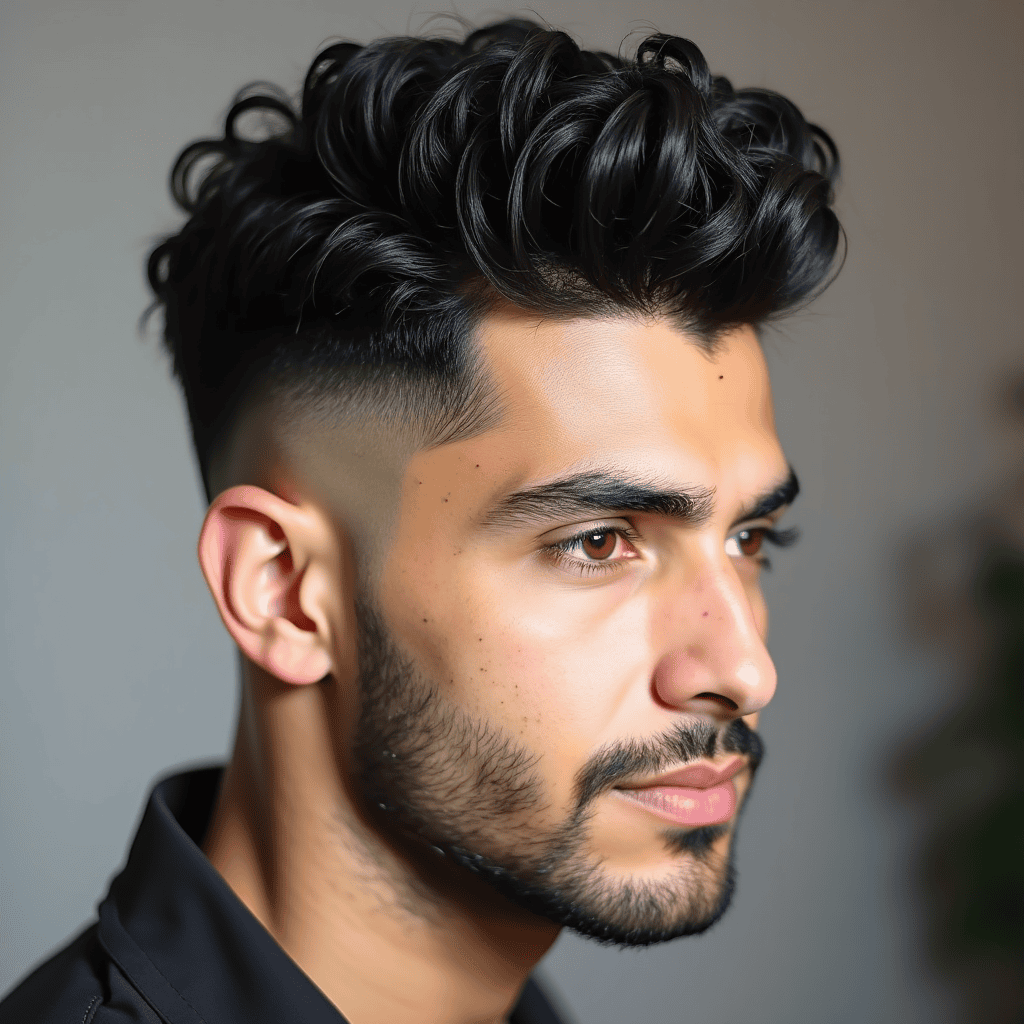
A wide central panel is braided from the forehead toward the back, creating a raised ridge along the top of the head. The sides are clipped short enough to expose the braid’s height, while a longer tail can continue beyond the crown. The silhouette should remain narrow and controlled rather than spreading into multiple loose braids.
Ask for “one broad central braid with close sides and a clean continuation into the back.” Thick hair is almost essential because a sparse braid will not create the same raised line. The style takes time to rebuild, and the clipped sides require frequent maintenance to preserve the contrast.
22. Multi-Braided Faux Hawk
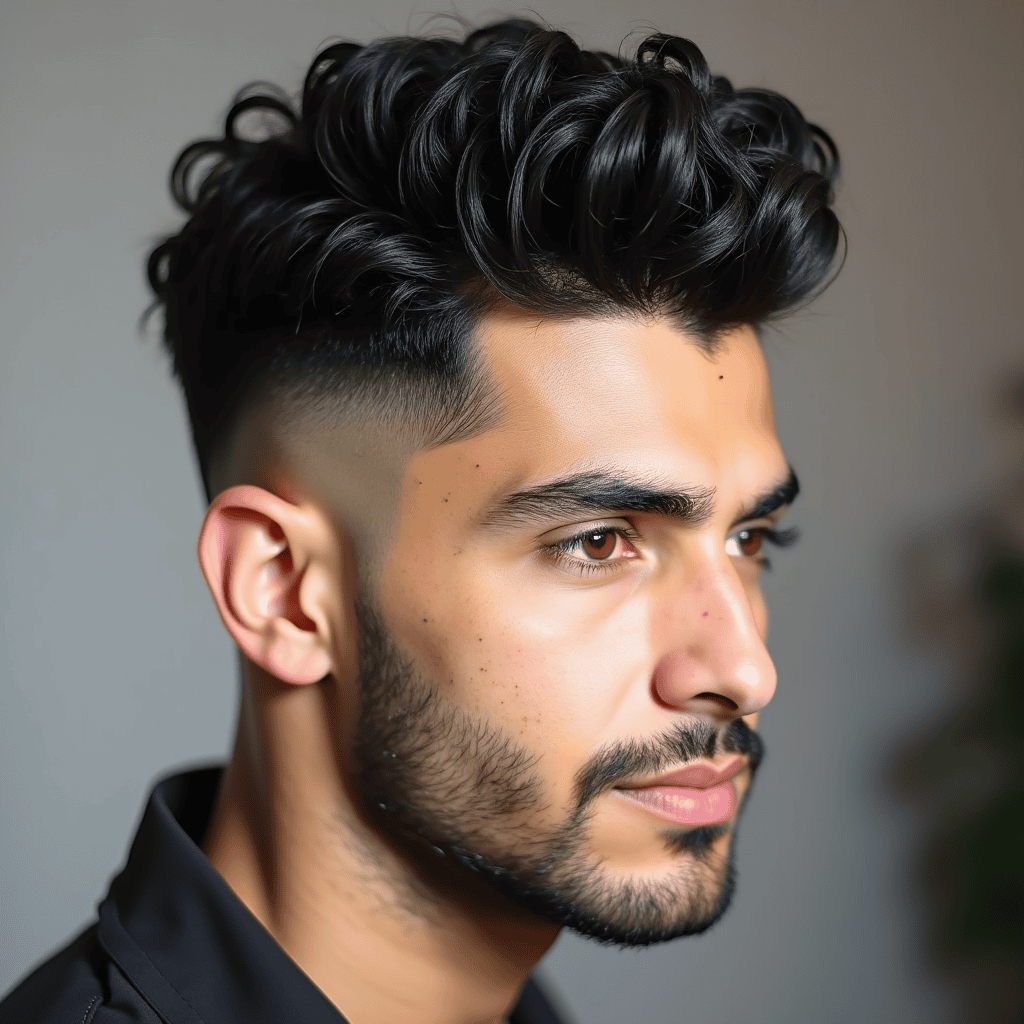
Several narrow braids begin at the temples and travel upward, meeting along a textured central strip. The top is lifted and directed backward to create a faux-hawk outline without shaving the sides completely. Braids should follow the skull cleanly so the shape looks architectural rather than crowded.
This style suits thick medium-length hair and works especially well for photographs or themed events. Ask for “side braids feeding into a raised textured center, with enough loose top length to form a soft ridge.” Installation is demanding, and sleeping on the finished structure can flatten the center quickly.
23. Fully Shaved Sides With a Long Braided Top
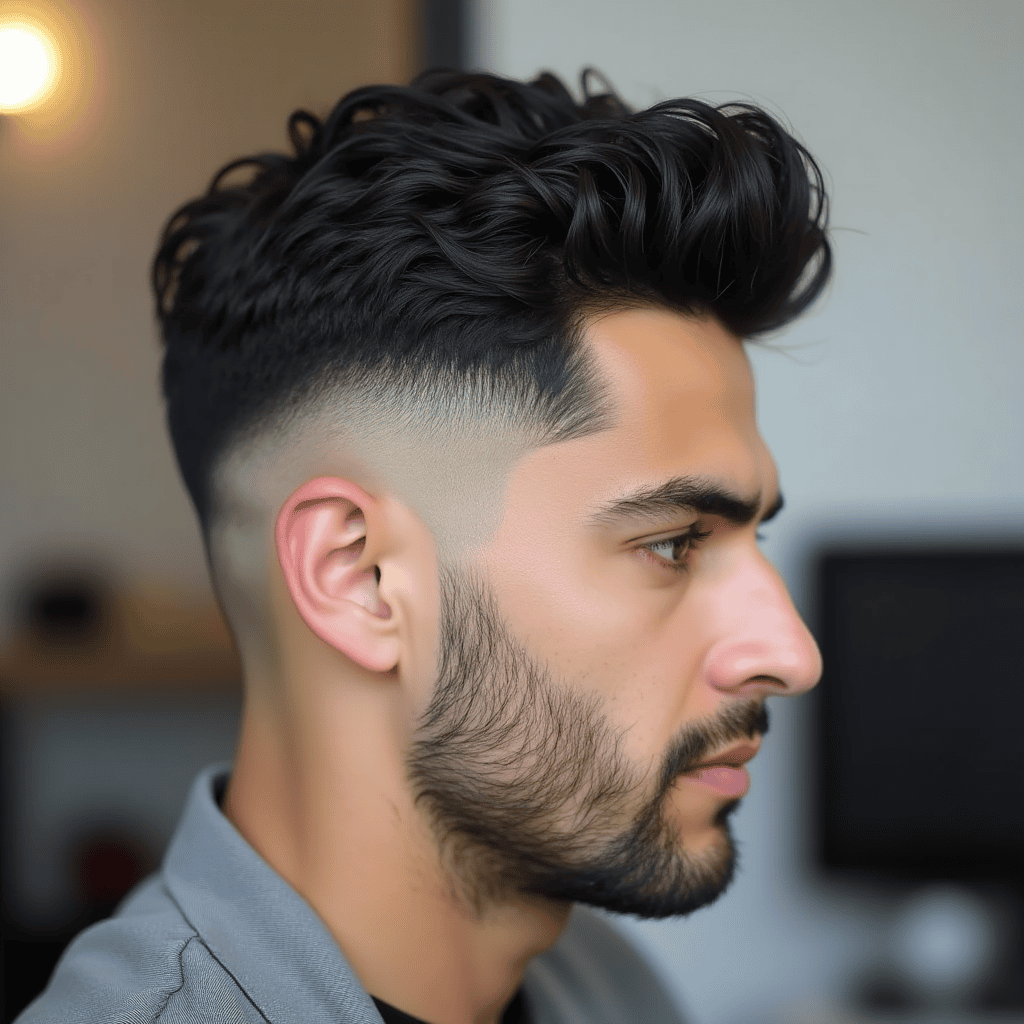
Both sides are shaved high, leaving a defined strip of long hair through the center. That upper section is braided backward into one heavy plait or a connected series of smaller braids. The hard boundary between bare sides and long top creates a severe, unmistakable outline.
Tell your barber, “Keep a centered long panel with high shaved sides and enough width to make a substantial braid.” These Viking haircut ideas demand confidence because the separation remains visible even when the top is untied. Scalp exposure and fast side regrowth also make the maintenance schedule less forgiving.
24. Etched Undercut With Swept Length
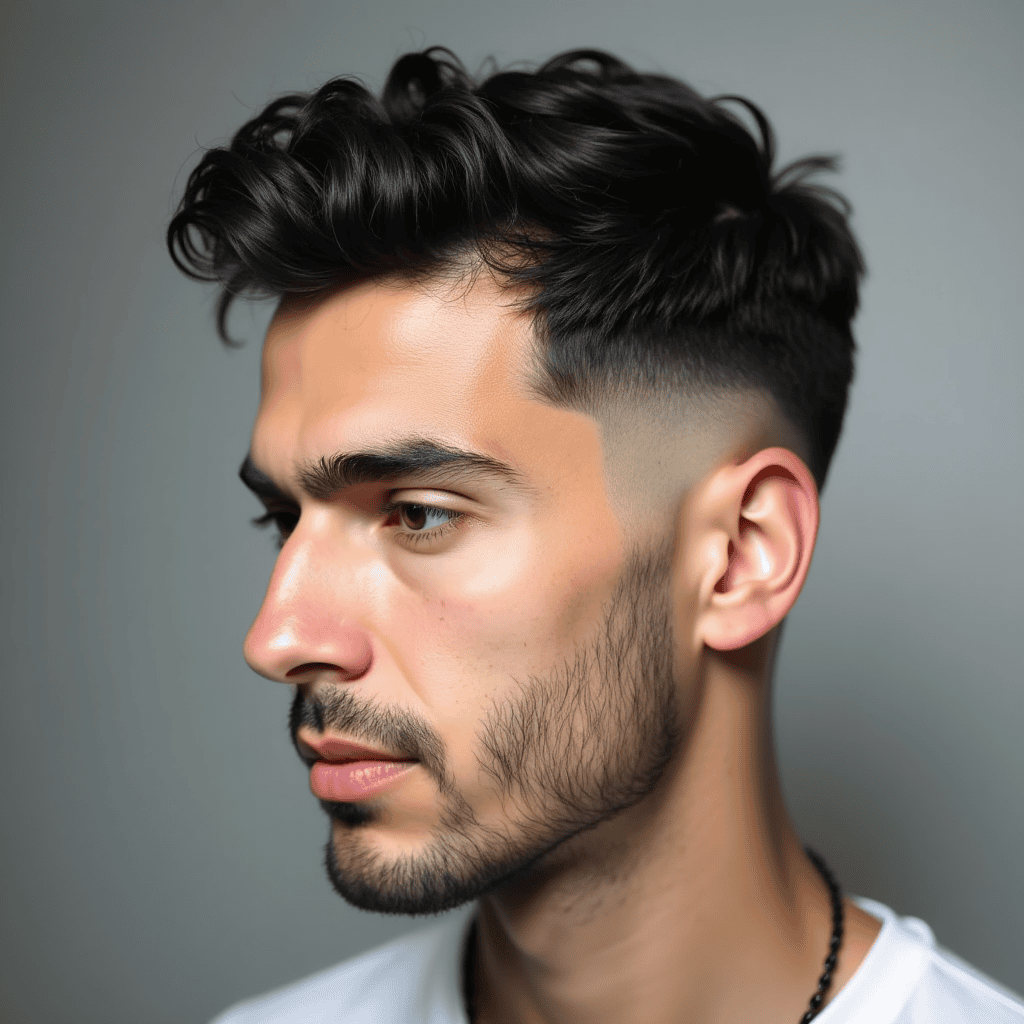
A disconnected long top sweeps backward over clipped sides marked with one or two simple geometric lines. The etched detail follows the head’s natural curve instead of forming an elaborate picture. Keeping the design restrained allows the long upper movement to remain the dominant feature.
Ask for “a long textured undercut with two clean geometric lines following the temple curve.” It works on dark, dense hair where the contrast can be seen clearly. Etched lines lose sharpness quickly as the hair grows, and complicated symbols may make the style look more like a costume than a haircut.
25. Braided Crown Into a Long Tail
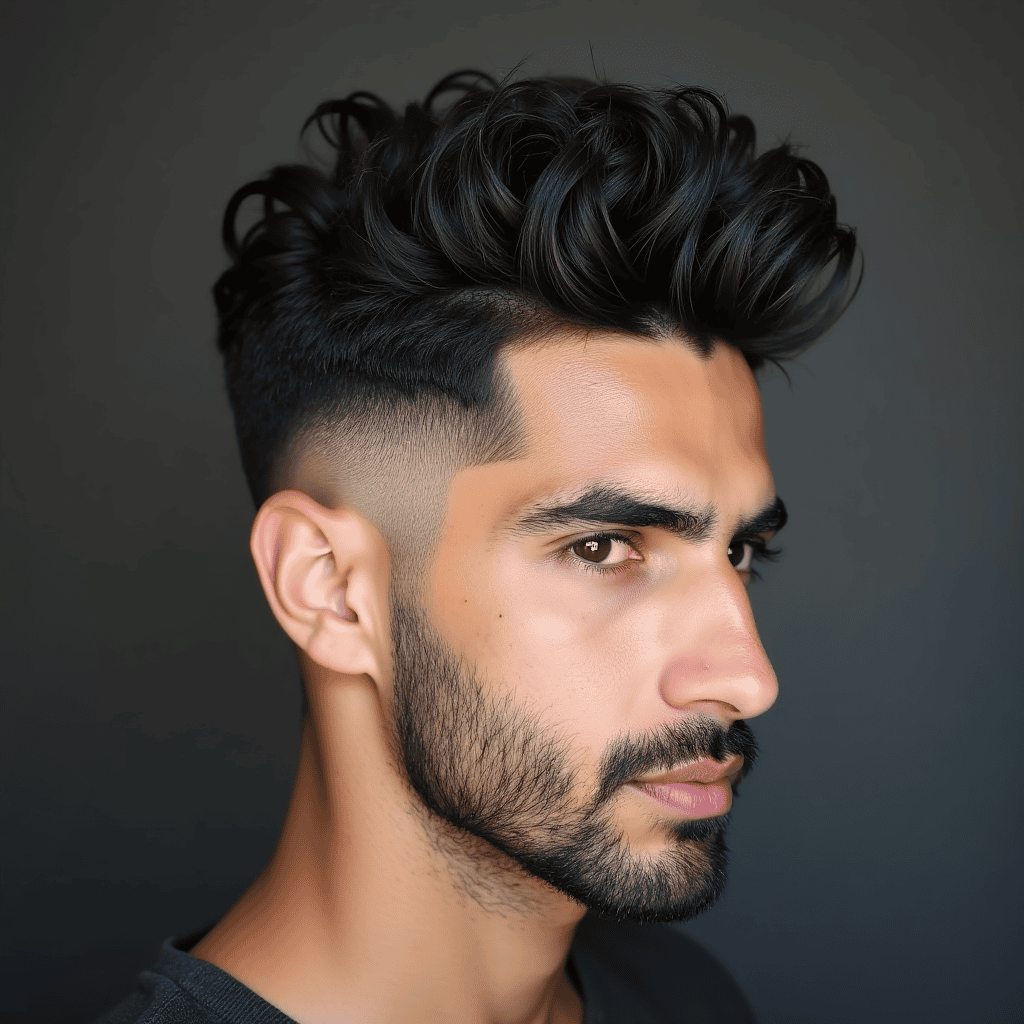
Multiple braids begin around the hairline, cross the crown, and join into one long tail down the back. The front appears fitted and structured, while the tail provides length and movement. Clean spacing between the braids matters more than the number of sections, so the scalp pattern remains readable.
For this final entry among the classic Viking haircut ideas, ask for “a structured braided crown feeding into one long central tail, with even section spacing.” It needs substantial length and a patient stylist who handles tension carefully. The style is impressive, but it is not a quick weekday option and may take time to remove without tangling.
How to Choose the Right One
Start with your current length rather than the image you like most. Short classic Viking haircut ideas can be achieved in one appointment, while braided knots and long layered shapes may require a year or more of growth. A skilled barber should explain the transition stages instead of pretending every reference photo is immediately possible.
Hair density matters next. Thick hair supports raised braids, heavy knots, and wide manes. Fine hair usually looks stronger in a textured crop, connected flow, or narrow undercut that preserves the available weight. Curly hair can carry Viking-inspired volume beautifully, but its braids, shrinkage, and layer placement need to be planned around the curl pattern.
Face shape offers guidance rather than a strict rule. High knots and tall braided ridges add vertical length, while loose side layers can widen a narrow face. Closely shaved sides expose the jaw and temples, so they create a harsher outline than connected medium hair.
Bring two or three reference images to the appointment. Show the front, side, and back whenever possible, because many Viking haircut ideas look simple from one angle but depend on hidden sectioning elsewhere. Tell the barber how often you are willing to return and how many minutes you can spend styling each morning.
Use direct language during the consultation. Say, “I want this amount of scalp exposed,” “I need enough top length to tie,” or “I want rough separation rather than a glossy slick back.” Those instructions are more useful than asking for something that merely feels “more Viking.”
Where Viking Haircuts Get Oversold
The biggest problem is the assumption that every Norse-inspired look needs shaved sides, several braids, a long beard, and etched patterns. Combining all of them can bury the person underneath the styling. One strong feature usually produces a better haircut than five competing details.
Historical accuracy is also oversold. Popular Viking haircut ideas often reflect television styling, modern undercuts, fantasy costumes, and contemporary braiding more than documented everyday grooming from the Viking Age. That does not make the styles worthless, but it is better to call them Viking-inspired than claim they reproduce one exact historical cut.
Texture can be misleading in photographs. A windswept mane may have been prepared with heat, product, extensions, or careful lighting. In ordinary life, long hair tangles, braids loosen, clipped sides grow out, and knots pull on the scalp. Choose a style that still works after its polished finish softens.
Some men waste money chasing a dramatic silhouette when a simpler cut would deliver most of the effect. A layered medium flow, compact undercut, or single temple braid can suggest the same rugged direction while remaining easier to wash, wear, and grow out.
Frequently Asked Questions
What is the most classic Viking haircut for men?
A swept-back undercut is one of the most recognizable choices because it combines a long textured top with closely clipped sides. Men who prefer longer hair can choose shoulder-length waves or a half-up knot. None should be treated as one proven universal historical Viking haircut.
Can short hair work with Viking haircut ideas?
Short hair works well when the design uses texture, contrast, or narrow braidable panels. A rugged crop, short undercut, or clipped style with twin temple braids can create a Norse-inspired appearance without long growth. The barber must preserve enough length wherever a braid or knot is planned.
How long does hair need to be for Viking braids?
Small temple braids may hold once the hair reaches several inches, though slippery textures often need more length. Larger crown braids and braided top knots usually require medium or long hair. A stylist should test whether the sections can be secured without excessive pulling before beginning.
Do Viking haircuts suit thin hair?
Some classic Viking haircut ideas suit thin hair better than others. Textured crops, medium connected flow, and narrow swept-back tops can preserve density. Large braids, oversized knots, and aggressive internal layering may expose sparse areas or make the ends appear weaker.
Are Viking undercuts difficult to maintain?
The long upper section may be easy to style, but the clipped sides require regular cleanup to keep their contrast. Regrowth becomes visible within weeks. Disconnected undercuts also create a difficult transition when you decide to grow the sides back to match the top.
Can curly hair be worn in a Viking style?
Curly hair can produce excellent volume for layered manes, tied-back styles, and broad braids. The cut should follow the natural curl pattern instead of copying straight-hair sectioning. Shrinkage must also be considered before the barber removes length or clips the sides too high.
What should I tell my barber before getting a Viking haircut?
Describe the exact length you want to keep, how much scalp may be exposed, and whether you plan to braid or tie the hair. Show images from several angles. Mention your normal styling time and how often you can return for maintenance, because those details affect the cutting plan.
Can I wear a Viking haircut in a professional workplace?
A medium brushed-back flow, subtle undercut, short textured crop, or low half ponytail can fit many workplaces. Keep the finish clean and avoid overly complex etched patterns when the dress code is conservative. Workplace expectations differ, so judge the environment before choosing the boldest variation.
Do I need a beard with a Viking haircut?
A beard is optional. Long hair and strong undercuts can stand on their own, while a clean-shaven face may make the haircut appear sharper and more contemporary. A beard changes the overall balance, but growing one solely to complete a theme is unnecessary.
How often should Viking haircut ideas be trimmed?
Short sides may need attention every few weeks if you want crisp contrast. Medium and long layered styles can often go longer between appointments, provided the ends remain healthy and the shape does not become bottom-heavy. Braids themselves should be removed and reset according to comfort and condition.
Are Viking haircuts historically accurate?
Many modern versions combine historical inspiration with current barbering, television styling, and fantasy imagery. Evidence does not support one universal Viking haircut worn by every Norse man. It is more accurate to describe most current examples as Viking-inspired hairstyles rather than exact historical reproductions.
Which Viking haircut is easiest to grow out?
Connected medium layers and a shoulder-length shag are easier to grow because the sides remain close to the top in length. A short textured crop also grows evenly. High undercuts and fully shaved side panels are harder because the exposed areas need significant time to reconnect.
A strong Viking-inspired look begins with one feature that suits your real hair rather than the most dramatic picture online. Leave enough length for movement, keep the sectioning clean, and accept the maintenance before committing to shaved panels or complex braids. At your appointment, ask the barber to map the final shape and the grow-out plan before the first section is cut.
International Haircut Reports
Global haircut trends, modern barber styles and fresh grooming inspiration.