

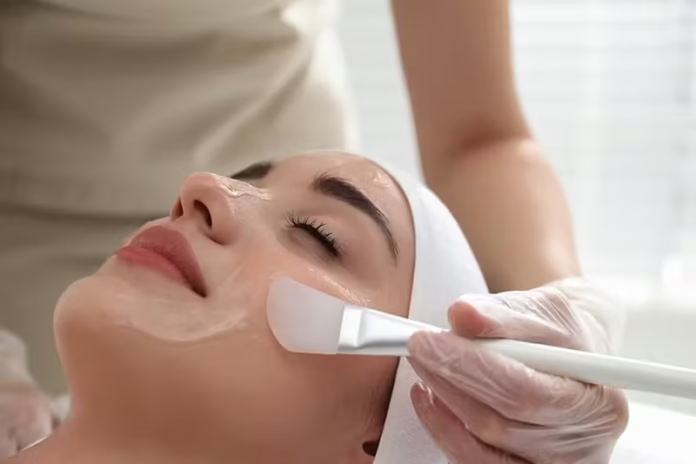
A salicylic peel is a professional exfoliating treatment built around salicylic acid, an oil-soluble beta hydroxy acid that can move through surface oil and loosen the buildup that makes pores look congested. It is commonly chosen for oily, blemish-prone skin and uneven texture. The catch is simple: stronger exfoliation can also leave skin dry, tight, flaky, or temporarily irritated.
In professional skincare, the biggest difference between a good peel and an uncomfortable one is rarely how strong the product sounds. Skin preparation, exposure time, layering, recent products, and aftercare matter just as much.
| What to Know | Typical Expectation |
|---|---|
| Session length | Often around 20–45 minutes |
| Typical U.S. cost | Commonly roughly $80–$200+, depending on provider and location |
| Downtime | Usually mild dryness or flaking, though reactions vary |
| Results window | Texture may look fresher within days; congestion changes tend to be gradual |
| Best suited to | Oily, congested, blemish-prone or rough-looking skin |
| Less suited to | Very irritated, freshly waxed or highly sensitized skin |
| Repeat schedule | Often spaced several weeks apart when a series is recommended |
| Makeup | Usually best minimized immediately afterward |
| Sun care | Daily broad-spectrum sunscreen becomes especially important |
| Event timing | Safer to book well before an important event until you know how your skin reacts |
What Salicylic Peel Actually Is
A Salicylic Peel is a controlled chemical exfoliation service that uses salicylic acid to loosen dead surface cells and work through excess oil within the pore environment. That combination is why it appears so often in routines aimed at acne control and clarity without turning the treatment into an aggressive resurfacing session.
It is still an exfoliating service, not a cure for acne or a substitute for medical treatment. Results depend heavily on the concentration used, the number of layers, skin condition and what has been applied to the face in the days leading up to the appointment.
How it works, in plain terms
Salicylic acid is oil soluble. That makes it different from exfoliating ingredients that mainly work across the skin’s outer surface.
During a Salicylic Peel, the acid helps loosen compacted dead cells and oily residue. Over the following days, skin may feel smoother and clogged areas can appear less obvious. People often notice texture before they notice a dramatic change in breakouts.
The useful word here is controlled. More tingling does not automatically mean a better result, and chasing visible peeling is a poor way to judge whether the appointment worked.
How it differs from a glycolic peel
Glycolic acid is an alpha hydroxy acid that is commonly chosen when surface dullness, uneven tone and fine texture are major concerns. Salicylic acid has a stronger affinity for oil, which often makes it the more obvious choice when visible congestion and oily areas are driving the appointment.
That does not mean one peel is universally stronger or better. A dry, dull complexion may respond better to a different acid strategy, while an oily T-zone with recurring congestion may make a Salicylic Peel the more logical starting point.
Who Salicylic Peel Is Really For
A Salicylic Peel tends to make the most sense for someone whose main frustration is oily buildup, blackhead-like congestion, rough pore texture or repeated superficial blemishes. The best candidates are also willing to simplify their routine before and after the appointment instead of piling more exfoliation on top.
Skin does not need to be badly broken out to benefit cosmetically. Some people book the treatment mainly because foundation catches around congested areas or because their skin starts looking textured even when it is otherwise calm.
Skin types that often respond well
Oily and combination skin are the obvious candidates because salicylic acid works well in an oil-rich environment. Congested areas around the nose, chin and forehead are common reasons people ask about the service.
Some normal skin types also tolerate it well when the goal is a cleaner-looking surface and more even texture. The deciding factor should be current skin condition rather than a permanent label such as “oily” or “combination.”
A face that normally tolerates exfoliating ingredients can still become sensitive after travel, strong sun exposure, shaving, waxing or a change in skincare.
Who should skip it
Skip or postpone a Salicylic Peel when the skin is visibly irritated, broken, sunburned, freshly waxed or already reacting to another product. Peeling over compromised skin is where a routine cosmetic appointment can become far more uncomfortable than expected.
Anyone using prescription skin treatments, dealing with persistent irritation, or unsure whether a peel is appropriate should ask a qualified dermatologist or licensed professional before booking.
Conditions that mean asking a professional first
Known allergies or sensitivities, pregnancy-related skincare questions, active rashes, persistent burning and unexplained skin changes belong in a professional conversation rather than an online checklist.
The same applies if acne is painful, severe, suddenly worsening or leaving significant scarring. A cosmetic peel may change surface appearance, but it should not be positioned as medical care.
Timing conflicts with other services
Recent waxing, threading across the treatment area, laser procedures and other strong resurfacing services can make the skin temporarily more reactive.
Tell the provider what you have done recently. Do not treat separate appointments as unrelated simply because they happened at different businesses.
What Happens During a Salicylic Peel Appointment
A professional Salicylic Peel is usually fairly quick, but there should still be some conversation before anything goes onto the face. The provider needs to know what you use at home, how your skin has behaved recently and whether you have had a peel before.
That short consultation often prevents more problems than any fancy step later in the appointment.
Before you arrive
Keep the routine boring. The days before a peel are not the time to test a new scrub, stack several acids or chase a last-minute glow.
Some providers may recommend pausing certain exfoliating products beforehand. Follow the instructions given for the exact peel being used rather than copying somebody else’s preparation routine.
What to do the night before
Wash gently and avoid unnecessary exfoliation. Do not deliberately scrub away flakes or try to “prepare” the skin by making it extra clean.
If you have been given specific pre-treatment instructions by the provider, those take priority.
What to bring and what to wash off
Arriving without heavy makeup makes the cleansing stage easier, though the provider will normally cleanse the treatment area anyway.
Bring a list or photo of your regular skincare products if you are unsure what they contain. Retinoids, exfoliating acids, acne products and recent prescription treatments are particularly useful to mention.
The appointment, stage by stage
Most appointments move from consultation to cleansing, application, monitoring and finishing care. Exact technique varies by formula and professional protocol.
Cleansing and skin assessment
The face is cleansed to remove makeup, oil and surface residue. This is also the moment when a careful provider checks for cuts, irritation or unexpected sensitivity.
Applying the peel
The solution is applied in a controlled layer or series of layers according to the product and the provider’s assessment.
You may feel tingling, warmth or a drying sensation. Severe discomfort should be mentioned immediately rather than treated as something you need to endure.
The stage that surprises people
Salicylic formulas can sometimes leave a pale, powdery or frosted-looking residue as the product dries. That appearance does not automatically mean the skin has been burned or deeply peeled.
Trying to judge the result from what happens during those few minutes usually creates more anxiety than useful information.
The finish
Depending on the formula, the provider follows the manufacturer’s protocol for removal or completion and then applies soothing hydration and sun protection.
The face may look fairly normal when you leave. Visible flaking, if it happens, can show up later.
How long it takes start to finish
Many appointments fit comfortably inside 20 to 45 minutes, though consultation time and added services can extend the visit.
The active peel portion is only one part of the appointment. Preparation and post-treatment care matter enough that rushing through them to save ten minutes is not a bargain.
Results: What to Expect and When
The best way to judge a Salicylic Peel is over several days rather than immediately under a salon mirror. Freshly cleansed skin can look brighter after almost any facial service. The more meaningful question is how texture, oiliness and visible congestion behave once normal skincare resumes.
Acne control and clarity usually come from consistent skin management rather than one dramatic peel.
The first day
Skin may look smoother, slightly brighter or less oily. It may also feel tight.
Some people experience little visible reaction. Others notice redness, dryness or mild sensitivity. Neither dramatic peeling nor zero peeling proves whether the service was “strong enough.”
Plan conservatively the first time. If you are preparing for a wedding, interview, photo shoot or formal event, do not schedule an unfamiliar peel the day before simply because you want makeup to sit better.
Week one to week four
Dryness or light flaking can appear during the first several days. Once that settles, skin may feel smoother and congested areas can look cleaner.
Repeated sessions are sometimes recommended when the provider is working toward gradual improvement rather than a one-off refresh. Give the skin enough time between appointments instead of assuming tighter scheduling will produce faster progress.
For wardrobe planning, this matters more than people expect. A calmer, fully recovered complexion is easier to pair with event makeup, open necklines and flash photography than skin that is midway through visible flaking.
Where expectations run ahead of reality
A Salicylic Peel cannot guarantee permanently clear pores, erase acne scars in one session or prevent every future blemish.
It also cannot compensate for an irritating home routine. Someone exfoliating constantly, picking at blemishes and skipping sunscreen may spend money on professional treatments while repeatedly undoing the cosmetic benefit at home.
Cost, Frequency and Booking
Pricing varies with city, provider credentials, treatment setting, peel system and whether the appointment is bundled into a facial. Across the U.S., a standalone professional peel may often fall somewhere around the lower hundreds of dollars, but local pricing can sit below or well above that range.
Treat any online price estimate as a planning figure rather than a quote.
What it typically runs and why prices swing
A basic Salicylic Peel at a skincare studio may cost less than a peel performed as part of a longer clinical-style facial appointment.
Higher pricing can also reflect consultation time, location, practitioner experience and added steps. More expensive does not automatically mean a stronger formula or a better fit for your skin.
How often to repeat it
Professional peels are commonly spaced by weeks rather than days. The right interval depends on treatment strength, skin response and the rest of your routine.
Do not turn a recommended series into an endurance test. If the skin still feels irritated when the next appointment approaches, say so.
Questions to ask before you book
Ask who performs the treatment, what kind of salicylic peel they use, what preparation they expect and what reactions are considered normal afterward.
Also ask how they adjust the appointment for someone new to chemical peels. A provider who can explain how they make that decision is more useful than one who only talks about maximum strength.
Aftercare That Actually Protects the Result
Aftercare for a Salicylic Peel should be deliberately uneventful. Gentle cleansing, basic moisturization and reliable sun protection usually matter more than adding another product marketed for “renewal.”
The skin has already been exfoliated. Your job is not to continue the job at home.
The first 24 hours
Avoid picking, scrubbing and unnecessary heat or friction. If the face feels dry, use a simple moisturizer that you already know your skin tolerates.
Heavy workouts, hot environments or anything that makes the skin feel increasingly uncomfortable may be worth postponing according to your provider’s instructions.
And resist the temptation to inspect every pore under magnification. That habit has ruined more post-facial skin than it has improved.
The rest of the cycle
As the skin settles, return to the normal routine gradually. Sunscreen should remain a daily habit because freshly exfoliated skin deserves protection from strong UV exposure.
Products to pause
Strong exfoliating acids, abrasive scrubs and retinoid-type products may need a temporary pause around the treatment.
The exact restart point depends on your skin and the products involved, so use the provider’s instructions rather than an arbitrary social-media timeline.
Habits that undo the work
Picking at flakes, squeezing congested pores and immediately adding several “active” products can turn mild dryness into prolonged irritation.
Sun exposure without protection is another bad trade. Paying for a smoother-looking surface and then repeatedly exposing freshly exfoliated skin to strong sunlight makes little sense.
Risks, Side Effects and Sensible Caution
A Salicylic Peel can cause temporary redness, dryness, tightness, stinging and visible flaking. Stronger reactions can happen, particularly when skin is already sensitized or when the treatment overlaps badly with other exfoliating products or procedures.
Patch testing may be appropriate depending on the formula and professional protocol. Tell the provider about previous reactions before treatment rather than after.
Persistent swelling, blistering, severe pain, breathing problems or a reaction that feels medically concerning is not something to troubleshoot through beauty advice. Seek appropriate medical care.
People who are pregnant, have known salicylate sensitivity, use prescription skin treatments or have ongoing skin conditions should discuss suitability with an appropriately qualified professional before proceeding.
At-Home Versions: What Works, What Doesn’t
At-home salicylic acid products can support clearer-looking pores and smoother texture, but they are not the same thing as a professional Salicylic Peel. Home formulas are designed around consumer use, while professional treatments may involve different strengths, preparation and monitoring.
That lower ceiling can be an advantage. Someone who wants gradual maintenance may get plenty of cosmetic value from a sensible cleanser, leave-on exfoliant or other salicylic product without booking repeated peels.
What does not work well is trying to imitate a professional service by buying the strongest acid available and improvising exposure time. More acid does not equal more clarity.
If home care already keeps the skin comfortable and reasonably clear, there may be little reason to chase a dramatic professional peel.
Where Salicylic Peel Gets Oversold
The weakest marketing around a Salicylic Peel treats visible peeling as proof of success and completely clear skin as an inevitable result. Neither claim deserves much confidence.
Some clients also waste money because the real problem is routine overload. If five exfoliating products are already creating tightness, shine and irritation, another exfoliating appointment may not be the clever fix.
For mild congestion, a consistent home routine with gentle cleansing, an appropriate salicylic product, moisturizer and sunscreen may deliver much of the appearance benefit for far less money.
The professional service earns its place when you want controlled treatment, expert assessment and a plan that is adjusted to how your skin actually responds.
Frequently Asked Questions
Is a salicylic peel good for acne-prone skin?
A Salicylic Peel is commonly chosen for oily and blemish-prone skin because salicylic acid can work through surface oil and help loosen pore buildup. It may improve the appearance of congestion and texture, but it should not be described as a cure for acne or a replacement for dermatologic care.
How long does a salicylic peel take to work?
Some people notice smoother texture or a fresher appearance within several days. Changes in congestion tend to be more gradual. One appointment can create a cosmetic refresh, while ongoing acne control and clarity usually depend on the broader routine and how consistently the skin is managed.
Does a salicylic peel make your skin peel?
It can, but visible peeling is not guaranteed. Some people experience light flaking, while others mainly notice dryness or tightness. Lack of dramatic shedding does not automatically mean the treatment failed, and trying to force more peeling with extra exfoliation can irritate the skin.
How often should you get a salicylic peel?
Professional appointments are often spaced several weeks apart when repeated treatment is appropriate. The best timing depends on peel strength, skin response and other products or services being used. A provider should reassess the skin rather than repeating sessions automatically because a calendar says it is time.
Can you wear makeup after a salicylic peel?
It is usually sensible to keep makeup minimal immediately afterward, particularly if the skin feels warm, tight or sensitive. Follow the provider’s instructions. For weddings, shoots or other major occasions, book your first Salicylic Peel well in advance so you know your personal recovery pattern.
Can salicylic peels remove acne scars?
They may make surface texture look smoother, but expectations should stay realistic. Deeper or established acne scarring is a different concern from temporary congestion or roughness. Anyone seeking treatment specifically for scars should discuss appropriate options with a qualified skin professional rather than assuming one peel will erase them.
Can I use retinol after a salicylic peel?
Do not rush back into strong actives. Retinoid products and exfoliating acids can increase irritation when the skin is still recovering. Follow the instructions given for your specific treatment and products, and wait until the skin feels settled before restarting anything potentially irritating.
Is a salicylic peel better than glycolic acid for clogged pores?
Salicylic acid is oil soluble, so it is often preferred when visible oiliness and pore congestion are the main concerns. Glycolic acid is commonly selected when surface dullness and texture are more prominent. Neither is automatically better; the better choice depends on what the skin needs that day.
How long should I wait before an important event?
Give yourself more time than you think you need, especially before your first treatment. Booking at least several days ahead gives ordinary dryness or flaking a chance to settle, while people with unpredictable sensitivity may want an even wider buffer before weddings, interviews, photo sessions or other appearance-focused events.
Who should not get a salicylic peel?
People with actively irritated, broken or sunburned skin should generally postpone treatment. Anyone with known sensitivities, pregnancy-related concerns, prescription skincare use or an ongoing skin problem should ask an appropriately qualified professional whether the service is suitable before booking.
A Salicylic Peel makes the most sense when congestion and oily texture are the real problem and the skin is calm enough to tolerate controlled exfoliation. Do not book it because you feel pressured to choose the strongest treatment on a menu. Call the provider, describe what you currently use on your skin, and ask exactly how they would adjust the peel for a first appointment.
Premium Skin Treatment Reports
Expert guides to facials, chemical peels, resurfacing treatments and modern skin-renewal procedures.