
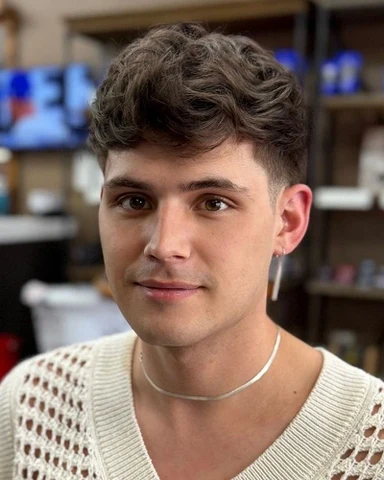
The strongest Ivy League haircut ideas keep the recognizable short sides and longer, side-swept top while changing texture, taper, and finish. Start with the Classic Side-Part Ivy League, Low-Taper Ivy League, Textured Ivy League, or Short Ivy League if you want a dependable cut that works from the office to weekends without complicated styling.
The guidance here follows practical barbering principles around graduation, weight distribution, taper placement, and natural growth patterns. The goal is to show how small changes in length and texture can make similar Ivy League haircut ideas look completely different once they are actually worn.
| Quick Pick | Best For | Styling Effort | Main Character |
|---|---|---|---|
| Classic Side-Part Ivy League | Most men | Low | Clean and traditional |
| Short Ivy League | Easy maintenance | Very low | Compact and neat |
| Low-Taper Ivy League | Office wear | Low | Subtle side contrast |
| Textured Ivy League | Thick hair | Medium | Broken-up movement |
| Scissor-Cut Ivy League | Natural finish | Medium | Soft and understated |
| Mid-Fade Ivy League | Stronger contrast | Medium | Crisp and modern |
| Curly Ivy League | Natural curls | Medium | Controlled texture |
| Longer Ivy League | Flexible styling | Medium-high | Swept and fuller |
| Slick Ivy League | Formal occasions | Medium | Polished and sharp |
| Disconnected Ivy League | Statement styling | High | Bold separation |
Classic Ivy League Haircut Ideas for Easy Everyday Wear
The easiest Ivy League haircut ideas stay close to the original formula: tidy sides, controlled length through the crown, and enough hair near the front to form a small side sweep. These versions are forgiving between appointments and rarely demand more than a few minutes with a comb or fingers.
1. Classic Side-Part Ivy League
The classic side-part version keeps roughly an inch or two through the front with gradually shorter hair moving toward the crown. The sides remain neat rather than exposed, while a soft part creates enough direction to make the haircut look deliberate. The shape is compact, balanced, and slightly longer at the front corner where the hair naturally sweeps across.
It suits straight or lightly wavy hair and works especially well for men who move between professional and casual settings. Ask your barber for “a traditional Ivy League with a natural side part, scissorable length on top, and tapered sides without taking them too tight.” Upkeep is easy, although men with stubborn cowlicks may find the clean part harder to hold without a small amount of styling cream.

2. Short Ivy League
A short Ivy League trims the whole silhouette closer to the head while preserving enough length at the front for a small sideways lift. The crown stays compact, the temples remain clean, and the top loses the loose movement seen in longer versions. It reads almost like a polished crew cut until the front is combed slightly to one side.
Among practical Ivy League haircut ideas, this is a strong choice for straight hair, active routines, and anyone who dislikes lengthy morning styling. Tell your barber, “Keep the Ivy League shape but take the top short enough to finger-style, with a little extra length in front.” The tradeoff is flexibility; once the top becomes this short, you cannot switch easily between a swept finish and a fuller quiff.

3. Soft-Taper Ivy League
The soft-taper version avoids any hard jump between the top and sides. Length decreases gradually around the temples and neckline, giving the entire haircut a blended, almost scissor-cut appearance. The front stays long enough to angle diagonally rather than standing upright.
This cut works well for conservative workplaces, formal wardrobes, and men who want their haircut to grow out quietly. Ask for “an Ivy League with a soft taper around the ears and neck, no skin showing, and enough top length for a loose side sweep.” It is less dramatic than fade-based Ivy League haircut ideas, which is either its greatest strength or its main drawback depending on how much contrast you want.

4. Natural-Finish Ivy League
The natural-finish Ivy League leaves visible separation between individual strands instead of pressing everything into a rigid comb pattern. The top follows its own growth direction, with the front casually nudged sideways and a little height left near the hairline. The sides are controlled but not polished to the point of looking freshly carved.
Men with medium-density straight or gently wavy hair usually get the most believable result from this version. Tell the barber, “Keep the Ivy League structure, but leave the top soft enough to style with my fingers and avoid a hard part.” The haircut is forgiving, although very fine hair may collapse flat unless the top is kept short enough to support itself.

Textured Ivy League Haircut Ideas With More Movement
Texture changes the personality of this haircut faster than almost anything else. These Ivy League haircut ideas use point cutting, natural wave, broken-up styling, or extra front movement to make the traditional outline feel less formal without losing its recognizable proportions.
5. Textured Ivy League
A textured Ivy League keeps the sides disciplined while allowing the top to break into irregular pieces. The front moves diagonally but does not form one solid combed section, and small changes in length create visible separation from the hairline toward the crown. It looks more relaxed than the traditional version without becoming messy.
This works best on medium-to-thick hair that can hold some shape after being separated. Ask your barber to “keep a classic Ivy League outline but point-cut the top for texture and leave the front long enough to push loosely to one side.” Heavy, extremely straight hair can become bulky if too much length remains through the ridge, so weight removal matters.
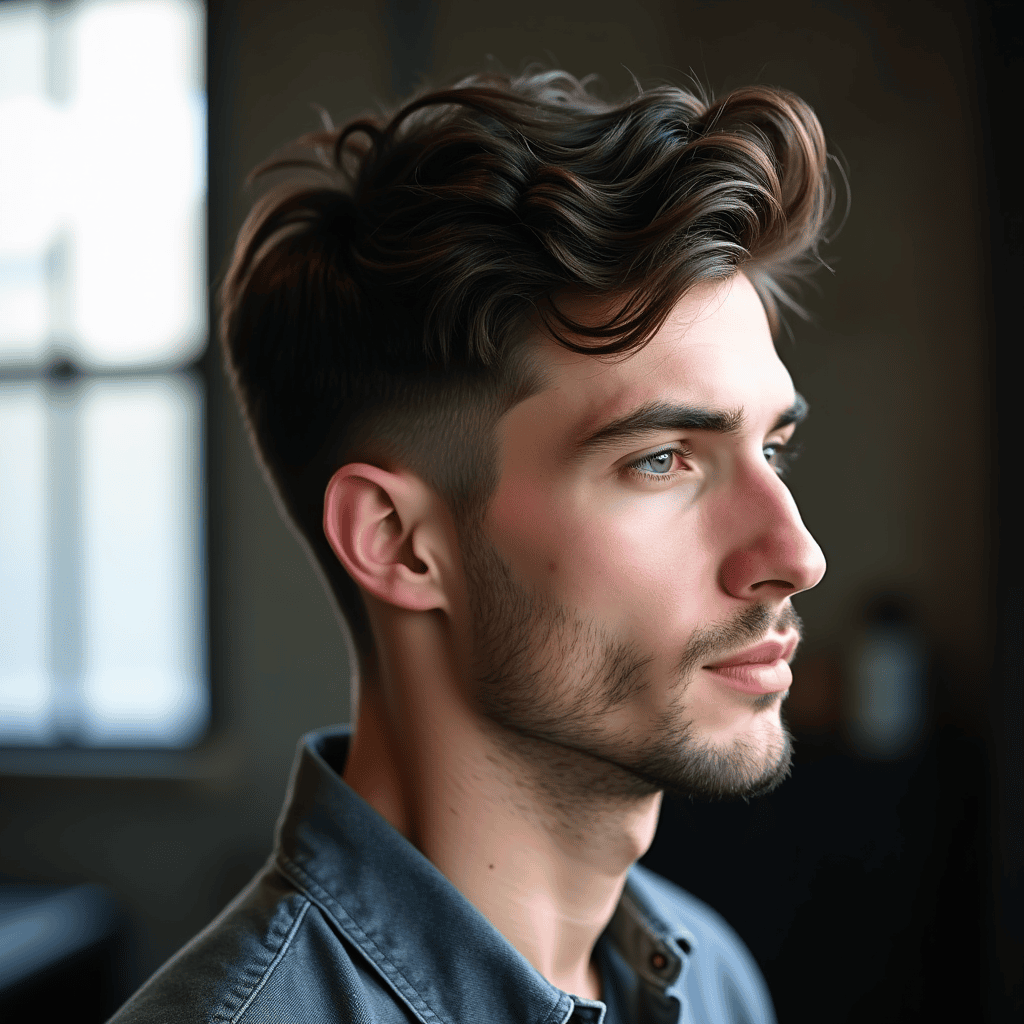
6. Messy Ivy League
The messy Ivy League deliberately loosens the front and top while keeping the perimeter tidy. Instead of following a straight part, the strands move in slightly different directions, with a few pieces lifting near the front corner. The shape remains short enough that the texture looks intentional rather than overgrown.
It suits casual wardrobes, thicker hair, and men who prefer finger styling over precise comb work. Say, “Give me a short Ivy League with enough texture on top to wear messy, but keep the temples and neckline clean.” The main drawback is that messy Ivy League haircut ideas still need structure underneath; too much top length can turn the controlled disorder into simple bed hair.

7. Wavy Ivy League
A wavy Ivy League lets the top follow its natural bends instead of combing them flat. The front can curve upward before sweeping sideways, while the wave pattern creates soft ridges across the top. Shorter sides prevent the waves from widening the silhouette around the temples.
Men with loose waves can get far more character from this variation than from a heavily slicked finish. Ask for “an Ivy League that keeps my natural wave visible on top, with the sides tapered enough to control width.” Humidity can change the shape during the day, so anyone expecting a perfectly fixed part may prefer one of the straighter Ivy League haircut ideas.

8. Piecey Ivy League
The piecey Ivy League creates stronger separation than a normal textured cut. Small sections of hair sit visibly apart, especially through the front third of the top, giving the haircut a sharper and slightly younger finish. The sides stay restrained so the separated texture remains the focus.
This is particularly useful for thick straight hair that tends to look like one solid block when combed. Tell your barber, “I want an Ivy League with noticeable point-cut separation on top and a slightly piecey front, but nothing spiky.” The look needs some styling product to define those sections, making it less appealing for men who want a completely product-free routine.
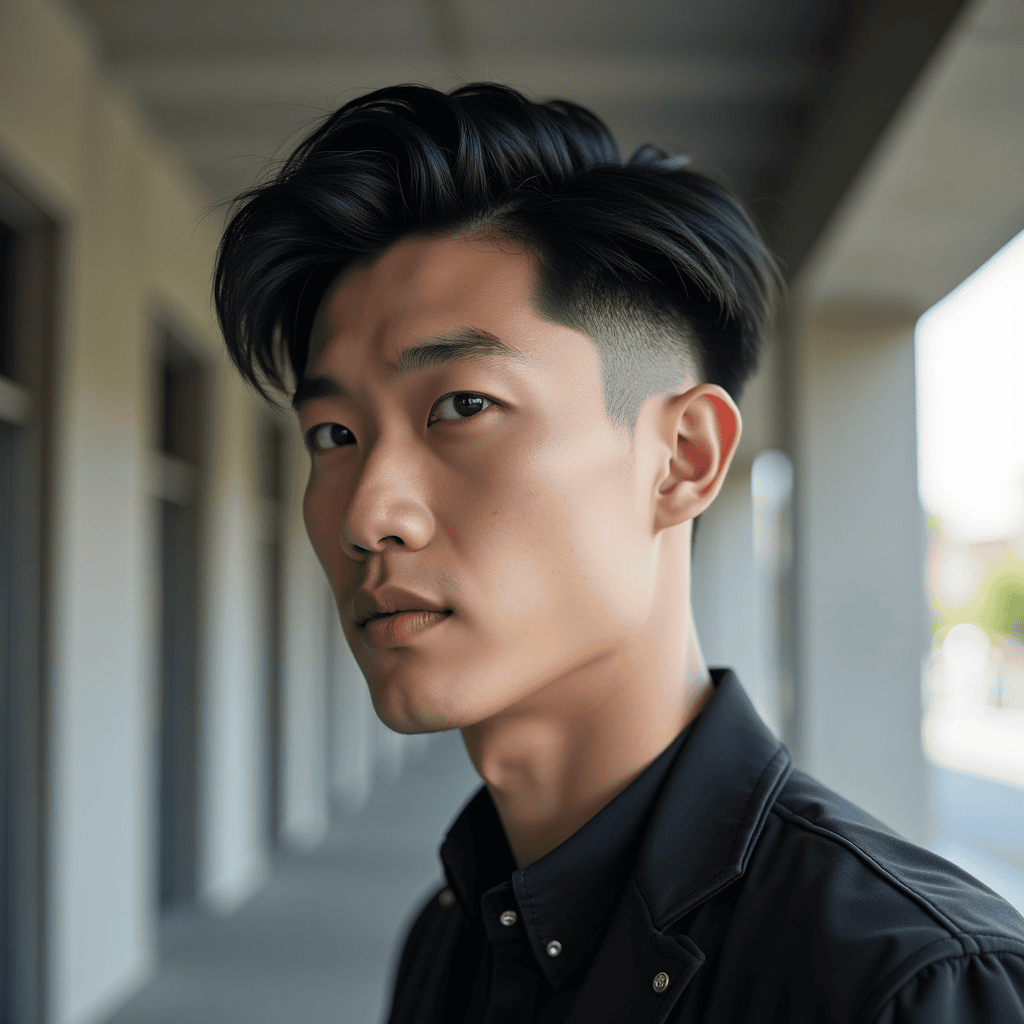
9. Brushed-Up Ivy League
The brushed-up version directs the front slightly upward before it travels to the side. That extra vertical movement makes the forehead more visible and creates a small ridge above the hairline while the rest of the top gradually settles toward the crown. The sides remain shorter enough to keep the added height from becoming a full quiff.
Among more expressive Ivy League haircut ideas, this one works well on straight or gently wavy hair with enough density to stand up at the front. Ask for “an Ivy League with extra length at the hairline so I can brush it up and back to the side.” Fine hair can struggle to maintain the lift for an entire day, especially when the front is cut too long.

Tapered and Faded Ivy League Haircut Ideas
Taking more weight away from the sides makes the Ivy League look sharper and more contemporary. These versions keep the familiar top but use taper and fade placement to increase contrast, which also means the haircut usually shows regrowth sooner.
10. Low-Taper Ivy League
A low-taper Ivy League removes extra weight only near the sideburns, around the ears, and close to the neckline. Above those zones, the sides retain enough fullness to connect naturally with the top. The result looks cleaner than a scissor-only cut without creating an obvious faded panel.
This is one of the most adaptable Ivy League haircut ideas for men who wear suits during the week but do not want a severe barbershop finish. Ask for “a low taper around the edges with a classic Ivy League top and no high fade.” Because the taper sits low, men with very dense side growth may notice the lower edges becoming fuzzy before the rest of the haircut needs attention.
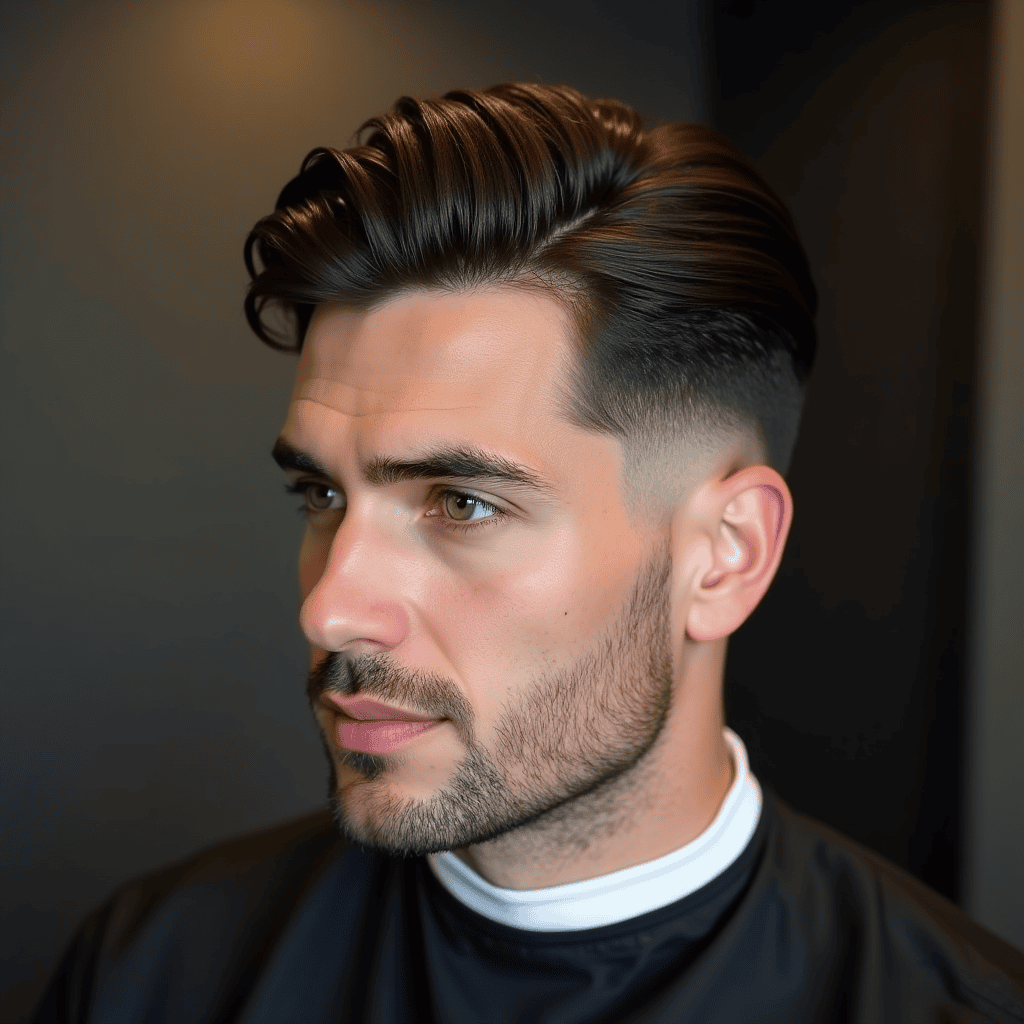
11. Mid-Taper Ivy League
The mid-taper pushes the transition a little higher while stopping short of the dramatic contrast of a full fade. The temples look tighter, the upper sides still carry some weight, and the top stays long enough to form a controlled sweep. From the side, the silhouette narrows noticeably around the middle of the head.
Men with thick hair often appreciate this shape because it removes bulk without exposing too much scalp. Ask your barber for “a mid taper that blends into an Ivy League top, with the front left long enough to sweep sideways.” It requires more frequent cleanup than softer Ivy League haircut ideas if you want the middle taper to stay crisp.
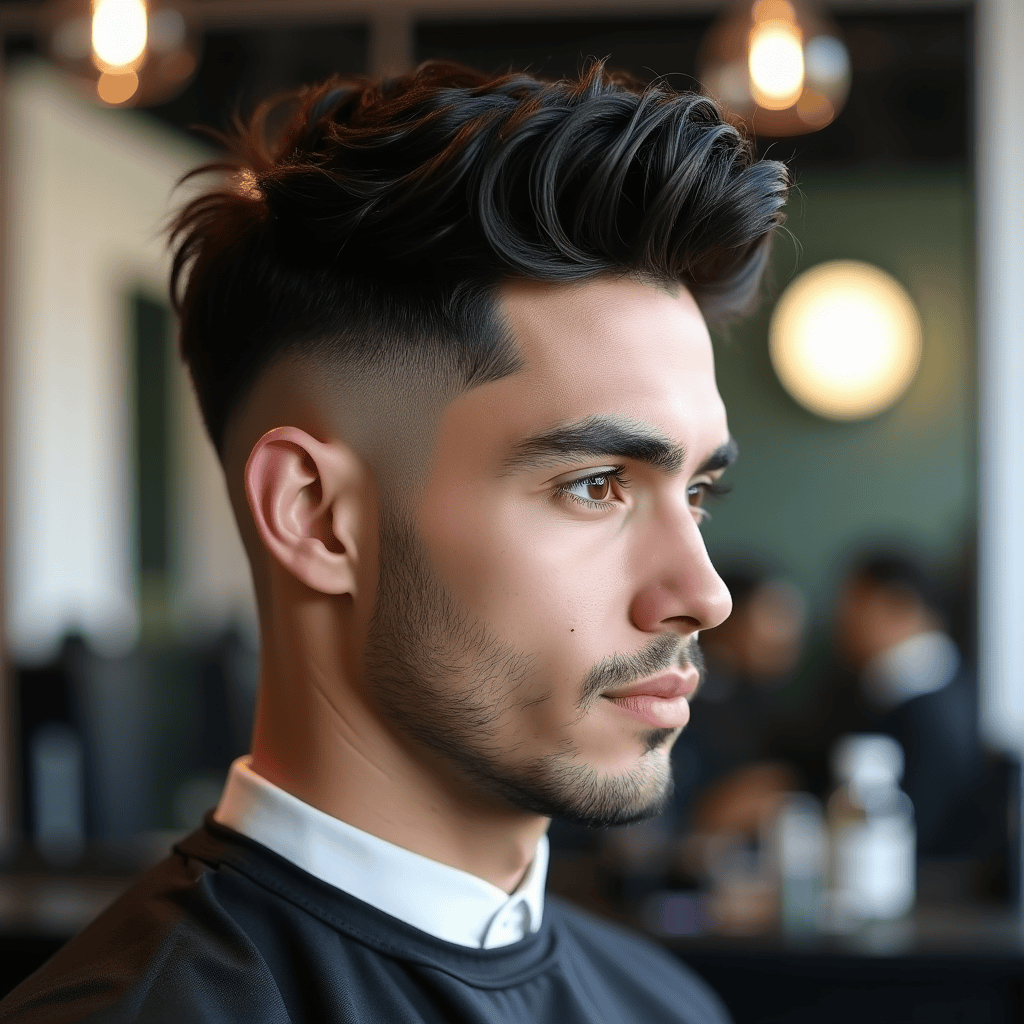
12. Low-Fade Ivy League
A low fade introduces visible skin or near-skin length around the lowest part of the sides before blending quickly into more coverage above. The top remains unmistakably Ivy League, with a short crown and enough front length for a small side sweep. The contrast is concentrated low, so the overall haircut still looks fairly restrained.
This option works for men who want cleaner edges without giving up the traditional character of the top. Say, “Give me a low fade that stays beneath the temples, then blend it into an Ivy League with a natural side sweep.” The exposed lower section grows visibly within a short period, making maintenance more noticeable than with a conventional taper.
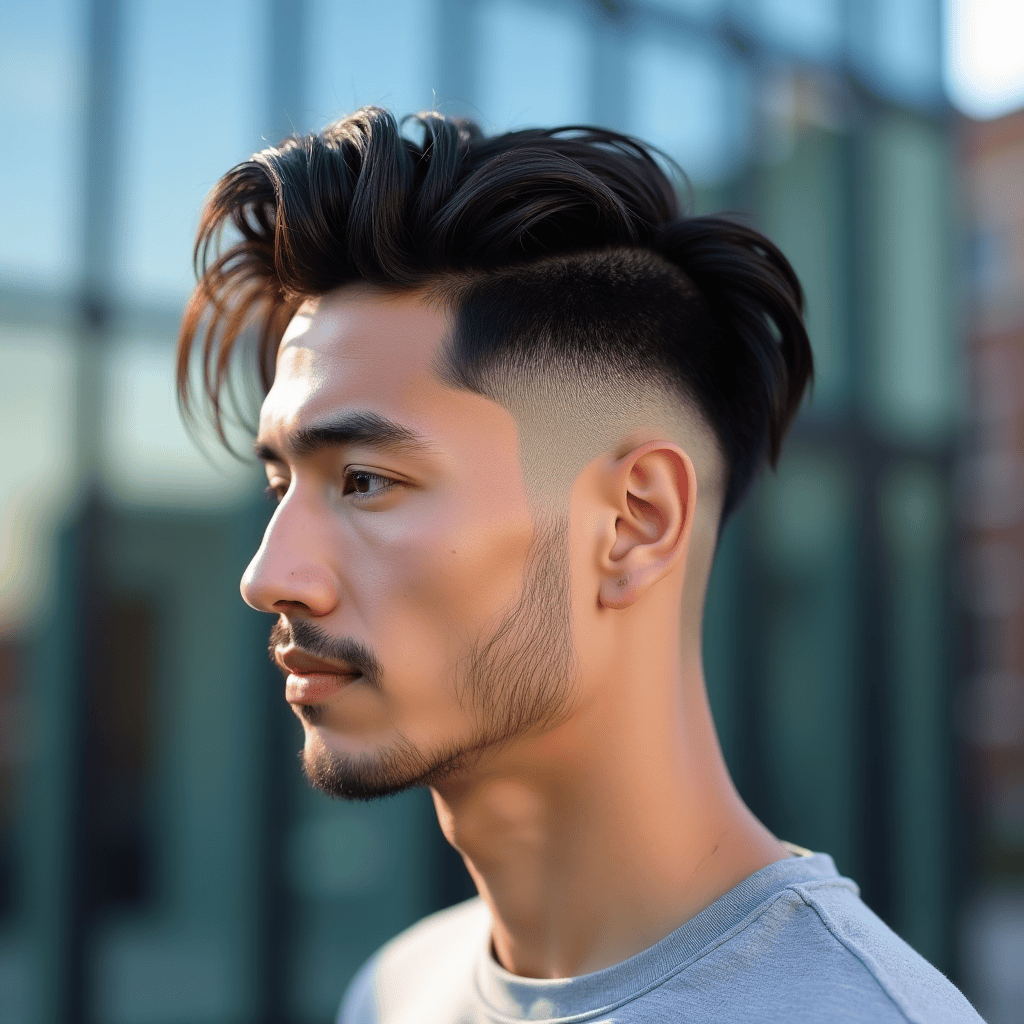
13. Mid-Fade Ivy League
The mid-fade removes considerably more side weight, creating a distinct transition around the middle of the head. Against that tighter foundation, the longer front and compact top become far more obvious. The style looks cleaner and more graphic than traditional Ivy League haircut ideas.
It generally suits men who like contemporary fades but still need a top that can be styled conservatively for work or formal settings. Ask for “a mid fade blended into a short Ivy League top, keeping enough length in front for a defined side direction.” The stronger contrast can exaggerate head shape, so men who prefer a softer silhouette may be happier with a low taper.
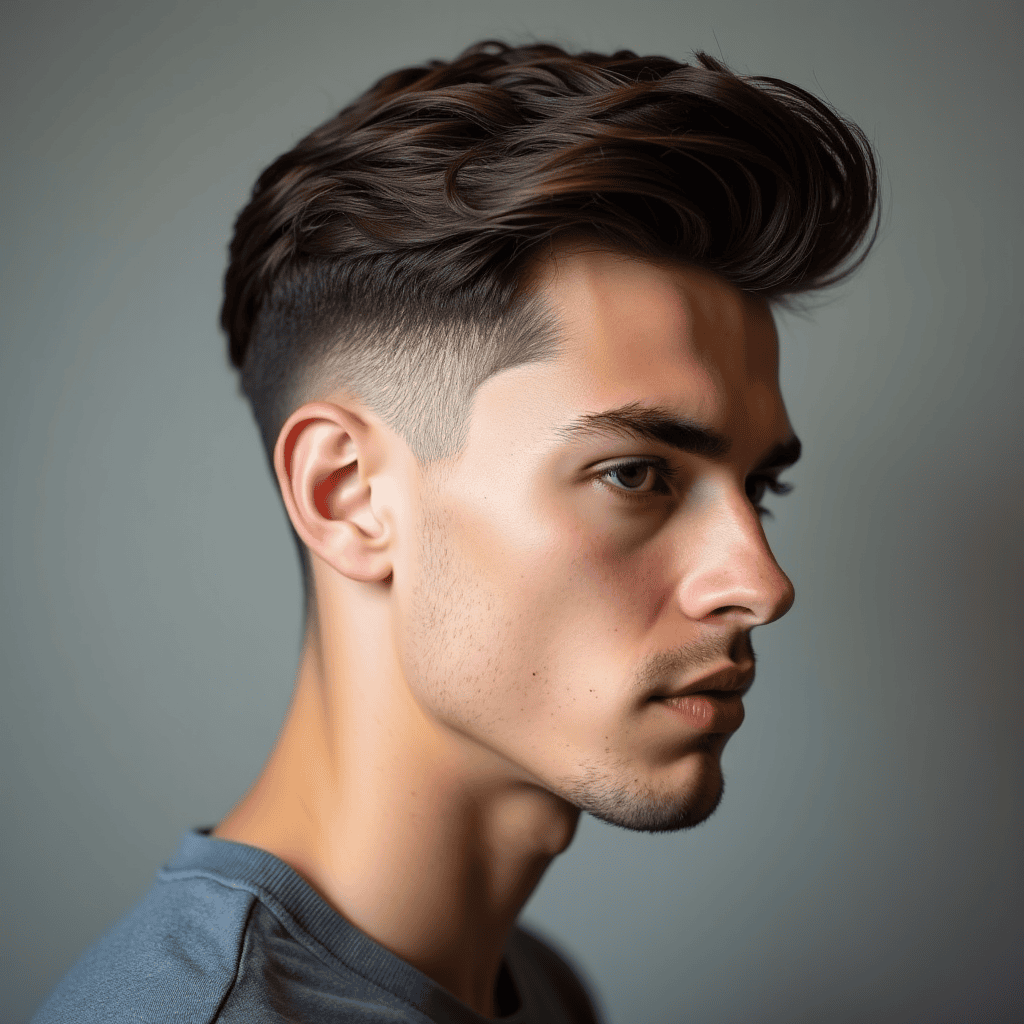
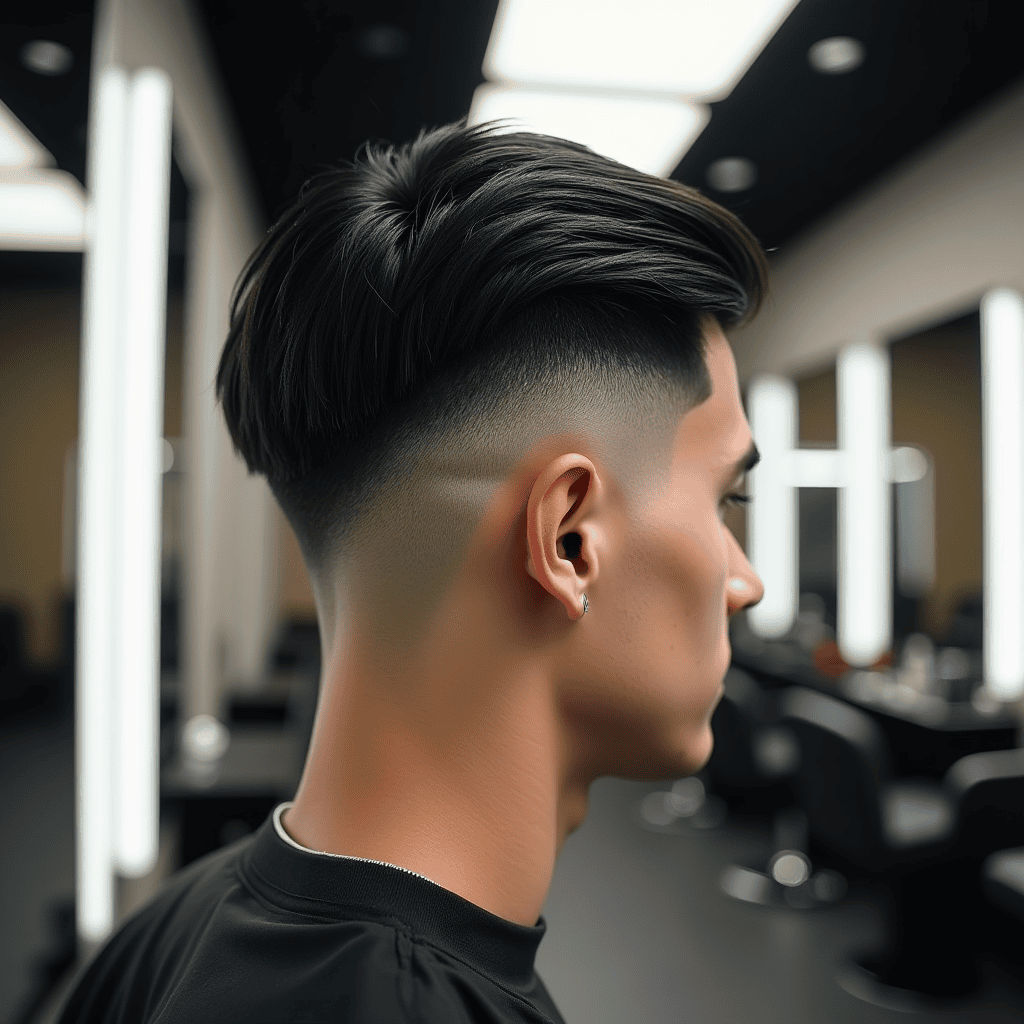
14. Drop-Fade Ivy League
A drop fade curves downward behind the ear rather than following one level line around the head. Paired with the Ivy League top, it gives the back profile more shape while leaving enough visual weight above the temples. The top can remain restrained, letting the curved fade pattern provide most of the modern character.
Men who care about the haircut from side and rear angles may prefer this to a standard horizontal fade. Ask the barber for “a low-to-mid drop fade with the fade falling behind the ear, blended into a classic Ivy League top.” The downside is precision: once the fade grows out, that clean curved outline becomes less obvious.
Longer and Naturally Textured Ivy League Haircut Ideas
Not every Ivy League needs to sit tight against the head. Longer tops, curls, and fuller scissor-cut sides can preserve the basic proportions while giving the haircut more personality, although these versions demand more control from the cut and the person wearing it.
15. Long-Top Ivy League
A long-top Ivy League keeps noticeably more hair through the front half of the head while maintaining shorter sides and a controlled crown. The front can sweep farther across the top, creating a broader diagonal line than the compact classic version. A little lift at the roots prevents the longer section from hanging heavily over the forehead.
This is one of the more flexible Ivy League haircut ideas because the top can be worn tidy, loose, or slightly pushed back. Ask for “an Ivy League with around two to three inches through the front, shorter toward the crown, and sides that stay neat without a high fade.” More length also means more styling time, especially on thick hair that wants to fall forward.

16. Scissor-Cut Ivy League
A fully scissor-cut Ivy League keeps the sides softer and fuller than clipper-driven versions. The barber controls weight through graduation rather than exposing tight sections, while the top flows naturally into the upper sides. There is less visible contrast, giving the haircut an understated, almost collegiate finish.
It works particularly well for men who dislike the abrupt grow-out of fades. Ask for “a scissor-cut Ivy League with natural graduation around the sides and enough length in front for a loose part.” The fuller perimeter can feel bulky sooner on dense hair, so this version depends heavily on careful weight removal rather than simply leaving everything longer.

17. Curly Ivy League
A curly Ivy League keeps the curl pattern visible through the top while shortening the sides enough to stop them expanding outward. The front curls can lean slightly to one side rather than forming a crisp conventional part. The overall outline stays controlled, but the surface texture remains lively and irregular.
For naturally curly hair, this is often more convincing than forcing the top flat in the name of tradition. Tell your barber, “Keep enough curl length on top to show definition, taper the sides, and shape the front so it falls slightly to one side.” Curl shrinkage makes length judgment important, so cutting the top too aggressively can erase the Ivy League proportion.

18. Loose-Curl Ivy League
The loose-curl Ivy League gives larger curls or bends more space than the compact curly version. The front can rise and arc sideways, while the crown remains shorter so the haircut does not become uniformly round. Moderate side length helps connect the curls to the rest of the silhouette.
This variation suits men whose curls open into broad S-shapes rather than tight coils. Ask for “an Ivy League shape that preserves my loose curl on top, keeps the crown controlled, and tapers the sides without cutting into the curl pattern too high.” It can lose definition between washes, making consistent styling more important than with straighter Ivy League haircut ideas.

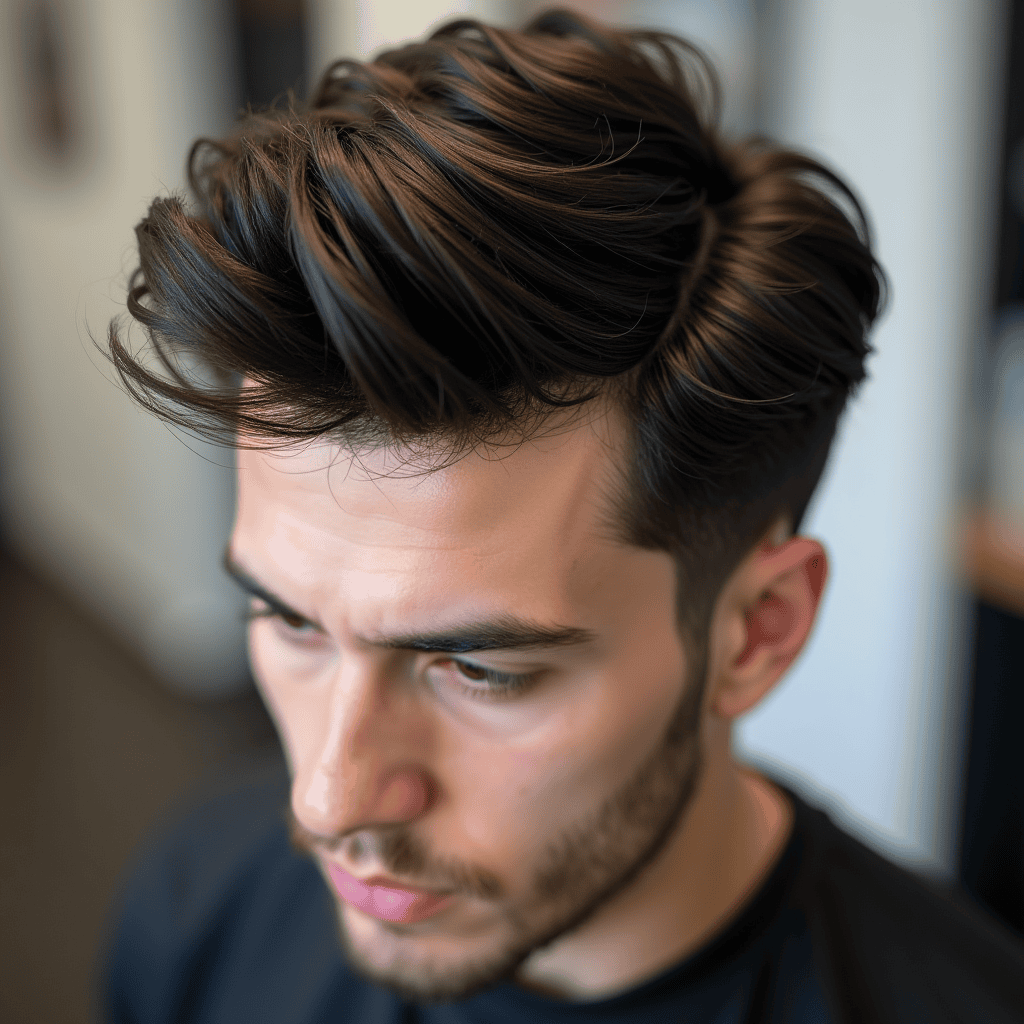
19. Thick-Hair Ivy League
The thick-hair Ivy League removes bulk internally while preserving visible density along the surface. The top should look full without forming a heavy shelf above the shorter sides, and the front is usually broken up so it can move diagonally without collapsing into one solid mass. Controlled debulking around the ridge keeps the silhouette from becoming boxy.
Men with dense straight or slightly wavy hair benefit most from this approach. Ask the barber to “keep the Ivy League full on top, remove internal weight, soften the ridge, and leave texture through the front.” Aggressive thinning can make dense hair spring outward as it grows, so the drawback here is that technique matters more than simply asking for shorter sides.
20. Fine-Hair Ivy League
A fine-hair Ivy League uses shorter controlled lengths to create the impression of a denser top. The front stays slightly longer than the crown, but not so long that it separates into thin strands or collapses forward. Soft tapering at the sides keeps the overall proportion neat without creating an extreme contrast that makes the top appear sparse.
This is one of the more strategic Ivy League haircut ideas for finer straight hair. Ask for “a compact Ivy League with a little extra length at the front, minimal thinning, and enough texture to create lift without exposing the scalp.” Keeping too much length usually works against fine hair, so anyone hoping for a sweeping three-inch top may need to accept a shorter shape.

Sharper Ivy League Haircut Ideas for Formal and Statement Styling
The final group pushes the same foundation toward more deliberate styling. These Ivy League haircut ideas work when you want stronger part lines, sleeker surfaces, or bolder contrast, but they generally demand more frequent styling and cleaner maintenance.
21. Slick Ivy League
The slick Ivy League lays the top into a smooth directional shape with little loose texture. Hair moves back and slightly sideways from the front, creating a compact polished surface that works particularly well with tailoring. The sides are neat but should still connect naturally to the top rather than turning the cut into an undercut.
This version suits formal events, evening occasions, and men whose hair responds well to comb styling. Ask for “a classic Ivy League with enough front length to comb back and sideways, keeping the sides clean and connected.” It can look overly rigid on casual days, so men who live in relaxed clothing may get more everyday use from textured Ivy League haircut ideas.

22. Hard-Part Ivy League
A hard-part Ivy League adds a narrow shaved line where the natural part would normally sit. That line makes the side direction instantly obvious and creates stronger separation between the longer top and tighter side. The rest of the cut can remain traditional, which keeps the part from competing with too many other details.
Men who like sharply defined grooming may prefer this to a softer natural part. Tell your barber, “Cut a classic Ivy League and add a narrow hard part along my natural separation, keeping it clean rather than overly wide.” The line becomes fuzzy as it grows, so this variation needs more regular maintenance than most classic Ivy League haircut ideas.
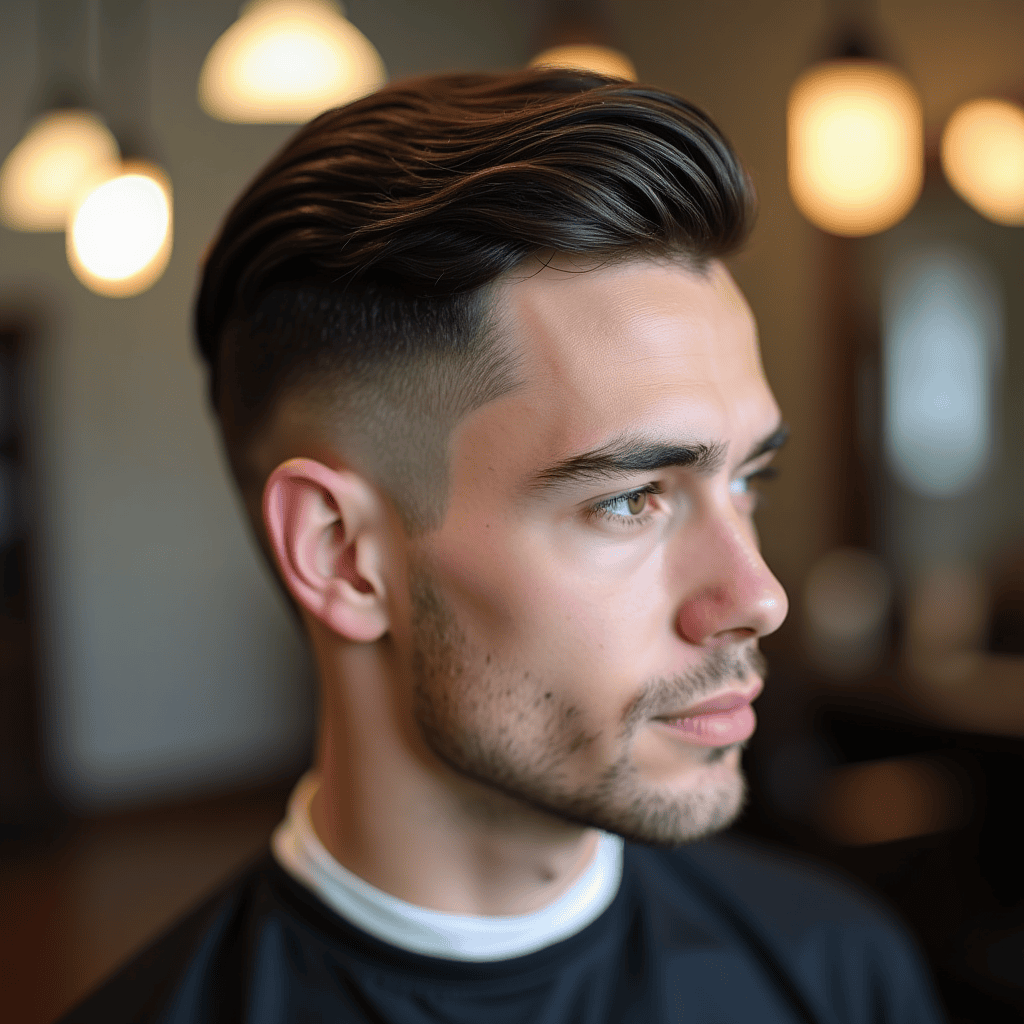
23. Side-Swept Ivy League With Volume
This version exaggerates the side sweep by keeping extra front length and building visible volume at the roots. The front travels diagonally across the top rather than simply lying flat, while the crown is shorter to stop the whole haircut becoming oversized. From the front, the raised sweep creates a stronger asymmetrical shape.
It suits medium-to-thick hair and men who enjoy spending a few minutes shaping the front. Ask for “an Ivy League with extra front length and internal support for a higher side sweep, but keep the back and crown compact.” Wind and humidity can quickly disturb the larger front section, making it less carefree than shorter Ivy League haircut ideas.

24. Disconnected Ivy League
A disconnected Ivy League keeps an obvious difference between the longer top and much shorter sides instead of blending them gradually. The top still follows the classic side-directed Ivy League shape, but the boundary around the upper sides becomes more visible. That contrast gives the cut a sharper, almost undercut-like edge.
This is better for someone seeking a statement haircut than a conservative office default. Ask for “a disconnected Ivy League with a clearly longer top, short sides, and enough front length for a controlled side sweep.” Because the connection is deliberately removed, the cut can look awkward during grow-out and needs more planning if you later want to return to a softer blend.
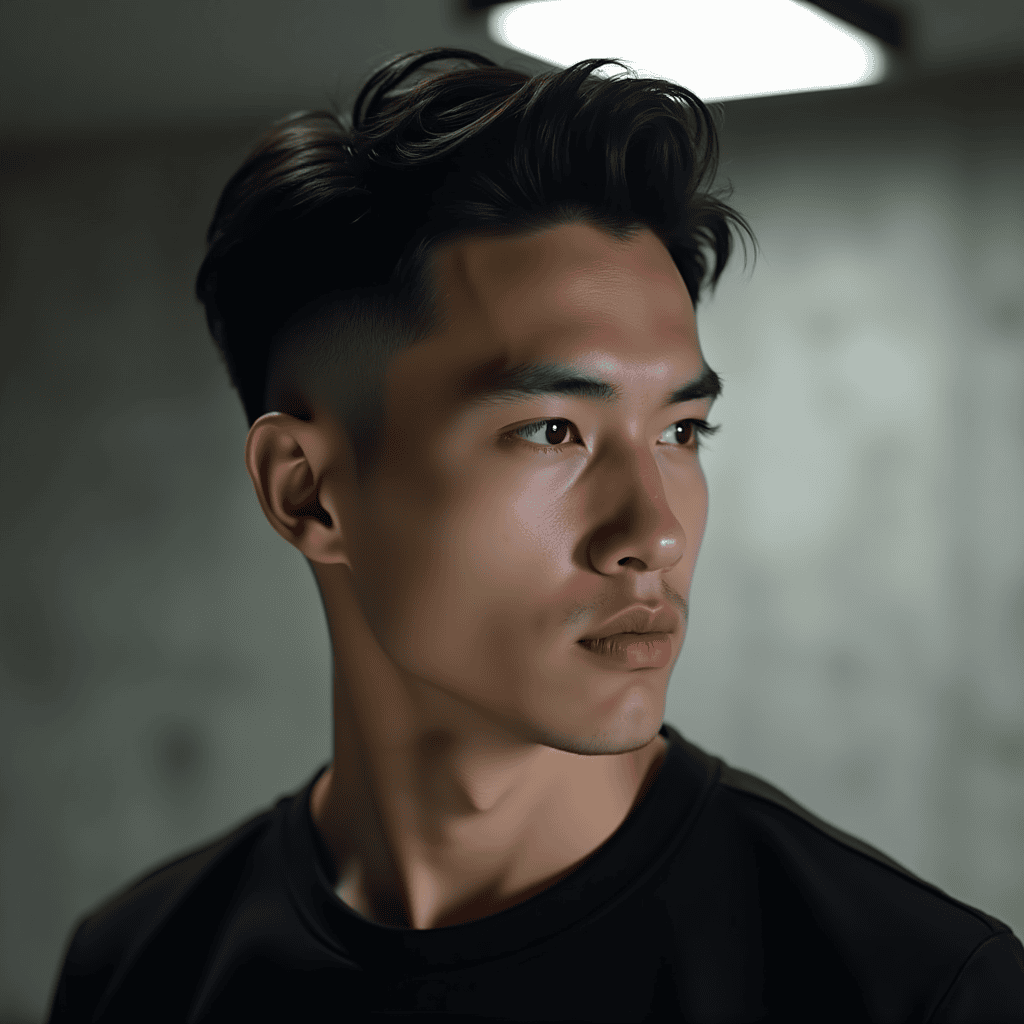
25. Formal High-Shine Ivy League
The formal high-shine Ivy League takes the traditional shape and finishes it with a visibly polished surface. The part is neat, the front follows a precise diagonal sweep, and stray texture is kept to a minimum so the outline reads cleanly from every angle. It pairs especially naturally with suits, tuxedos, and other structured clothing.
Use this version for weddings, black-tie events, formal photographs, or any occasion where a deliberately groomed finish makes sense. Ask your barber for “a clean classic Ivy League with enough top length for a polished side sweep and a tidy natural taper,” then test the formal styling before the event rather than experimenting that morning. The obvious drawback is context: high-shine Ivy League haircut ideas can feel too dressed-up for ordinary daytime wear.

How to Choose the Right Ivy League Haircut
Choosing between Ivy League haircut ideas becomes easier once you look at three things: natural texture, the amount of side contrast you enjoy, and how much styling you will realistically do each morning. Straight fine hair usually behaves better in shorter compact versions, while dense or wavy hair can support more front length and texture.
Bring two or three reference photos to your appointment, including at least one showing the side or back rather than only the front. Tell the barber how you normally style your hair and whether you want to expose skin around the sides, because “short” can mean very different things to different people.
Timing matters if the cut is for a wedding, interview, photo session, or formal event. Booking several days ahead gives the edges a chance to settle while still looking fresh, and it lets you test whether your chosen part, volume, or finish works with the clothes you plan to wear.
Where Ivy League Haircut Ideas Get Oversold
The haircut is sometimes presented as universally low-maintenance, but that depends heavily on the version. A short natural Ivy League can be nearly wash-and-go, while a high-volume, hard-part, or slick variation may require daily reshaping and more frequent cleanup around the sides.
Face-shape rules also get overstated. Hair density, growth direction, cowlick placement, and willingness to style often matter more than trying to match a haircut to a rigid geometric face category.
And a fade does not automatically make an Ivy League better. If your priority is easy grow-out, fuller scissor-cut sides or a low taper often age more gracefully than a high-contrast fade that begins losing its crispness quickly.
Frequently Asked Questions About Ivy League Haircut Ideas
These common questions cover the differences between Ivy League variations, styling expectations, barber instructions, and the practical decisions that matter before changing your cut.
What is an Ivy League haircut?
An Ivy League haircut is a short men’s style with tapered or neatly shortened sides and enough length on top to create a small side part or diagonal sweep. It is related to the crew cut, but the longer front gives it more styling flexibility and a slightly dressier appearance.
What are the best Ivy League haircut ideas for beginners?
The Classic Side-Part Ivy League, Short Ivy League, Low-Taper Ivy League, and Natural-Finish Ivy League are sensible starting points. They preserve the familiar structure without relying on extreme fades or lengthy styling. A barber can also adjust these versions gradually at later appointments once you know how much length and contrast you prefer.
Is an Ivy League haircut the same as a crew cut?
They are closely related, but an Ivy League usually keeps more usable length toward the front. That extra hair can be parted or swept sideways, whereas a conventional crew cut generally relies more on upright short texture. The boundary between the two can become subtle when the Ivy League is cut especially short.
How long should the top of an Ivy League haircut be?
There is no single required measurement, but the front needs enough length to move sideways instead of only standing upright. Compact versions may use relatively short front hair, while longer Ivy League haircut ideas can carry a few inches. Your hair density and growth pattern should determine how much length remains.
Can curly hair work with Ivy League haircut ideas?
Yes. Curly Ivy League variations keep enough top length for visible curl definition while tapering the sides to control width. The barber should account for shrinkage and natural curl direction rather than forcing a crisp straight part. A softer side-directed front usually looks more natural on curly textures.
Which Ivy League haircut is easiest to maintain?
The Short Ivy League and Natural-Finish Ivy League are among the easiest versions because they need limited styling and do not depend on a sharply defined fade. A soft taper also grows out less dramatically than skin-exposing sides, which can extend the period before the haircut begins looking noticeably untidy.
How often should an Ivy League haircut be trimmed?
Trim timing depends on how precise you want the perimeter to look. Fade-based Ivy League haircut ideas usually show growth faster, while scissor-cut and softly tapered versions tolerate more length between appointments. Rather than following a fixed schedule, rebook when the sides start losing the shape you actually like.
What should I tell my barber when asking for an Ivy League haircut?
Describe the top length, side treatment, part style, and amount of contrast you want. A useful request might be, “I want an Ivy League with enough front length to sweep sideways, a compact crown, and a low taper rather than a high fade.” Photos help remove ambiguity.
Can an Ivy League haircut work without styling products?
Shorter and naturally textured versions often can. If the front already grows in a favorable direction, fingers and a quick comb may provide enough control. Longer, slicker, or high-volume Ivy League haircut ideas usually benefit from some styling support because extra length is more likely to fall or separate during the day.
Which Ivy League haircut works best for formal occasions?
The Classic Side-Part, Soft-Taper, Slick, and Formal High-Shine versions naturally suit tailored clothing and formal events. They keep the outline controlled and allow a deliberate side direction without becoming visually aggressive. For an important occasion, have the cut done early enough to test the styling before the event.
Can I wear an Ivy League haircut with a beard?
Yes, but the transition around the sideburns matters. A soft taper can flow naturally into a fuller beard, while a fade can create a sharper break before the facial hair begins. Ask the barber to consider the haircut and beard as one silhouette instead of finishing each independently.
Are Ivy League haircut ideas good for men with thinning or fine hair?
Compact Ivy League haircut ideas can work well because shorter controlled lengths often prevent fine hair from separating into sparse-looking sections. Avoid excessive thinning and oversized front sweeps. Keeping modest length at the hairline while controlling the crown usually produces a stronger visual shape than leaving the entire top long.
The best Ivy League is not necessarily the newest or sharpest interpretation; it is the one that behaves properly with your actual hair after you leave the barber’s chair. Choose your preferred side length and decide how much front styling you are willing to do before comparing reference photos. For your next appointment, bring one front view and one side view and ask your barber to adapt the Ivy League proportions to your natural growth pattern.
Best Men’s Hairstyle Reports
Discover modern men’s haircut ideas, classic barber styles and fresh hairstyle inspiration for every look.